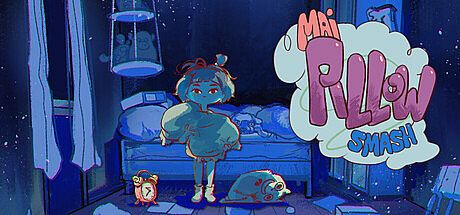


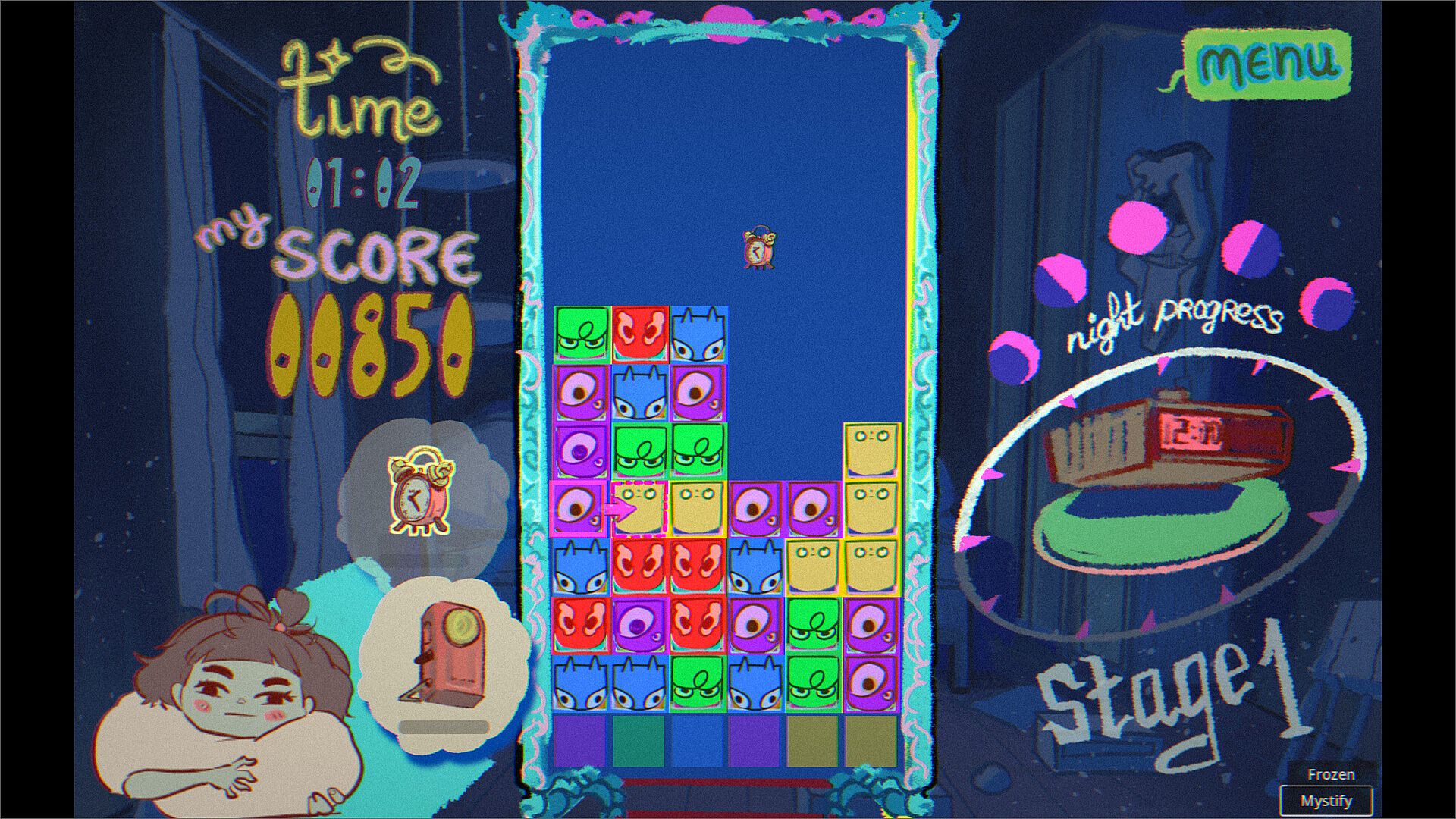
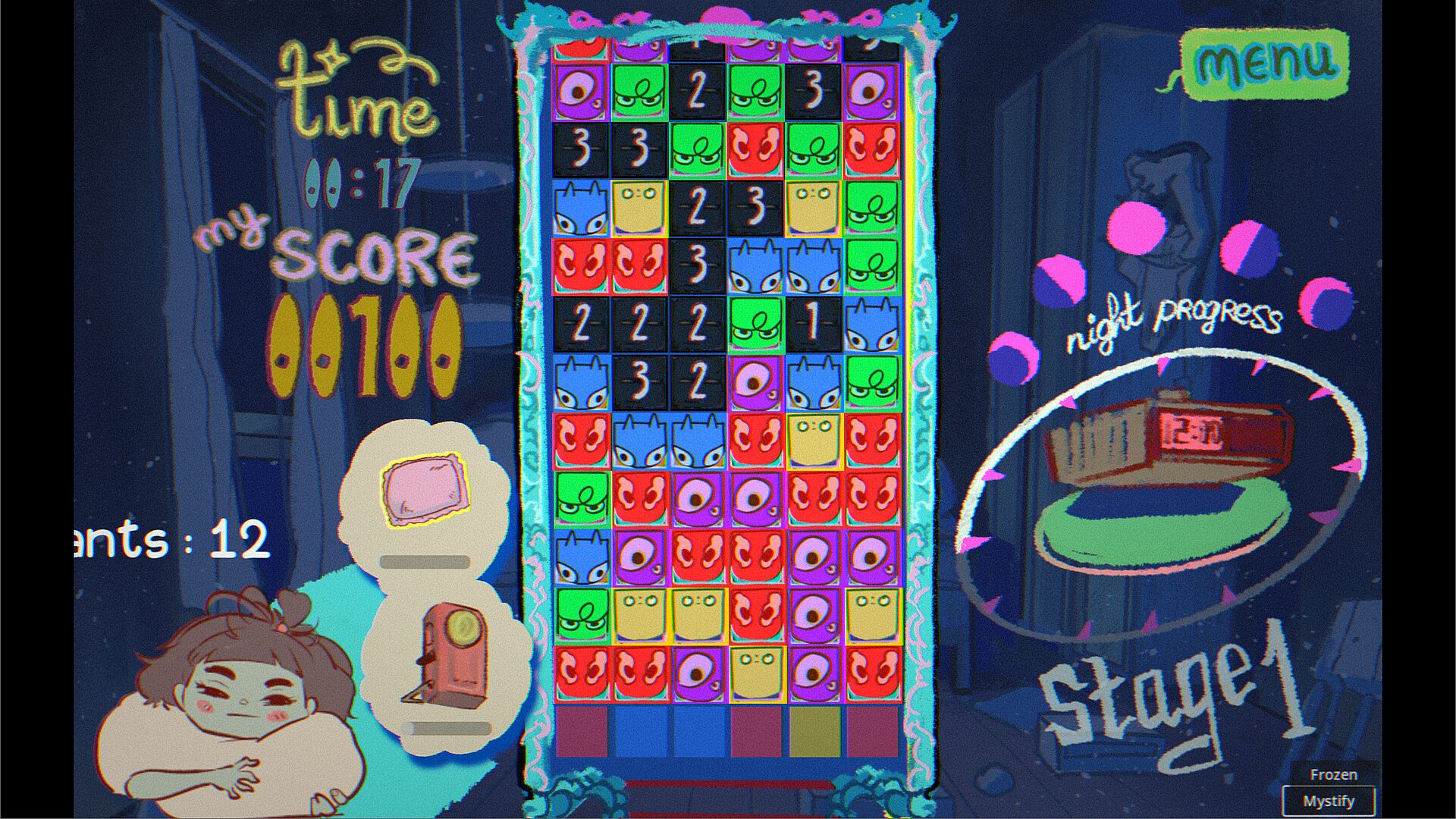
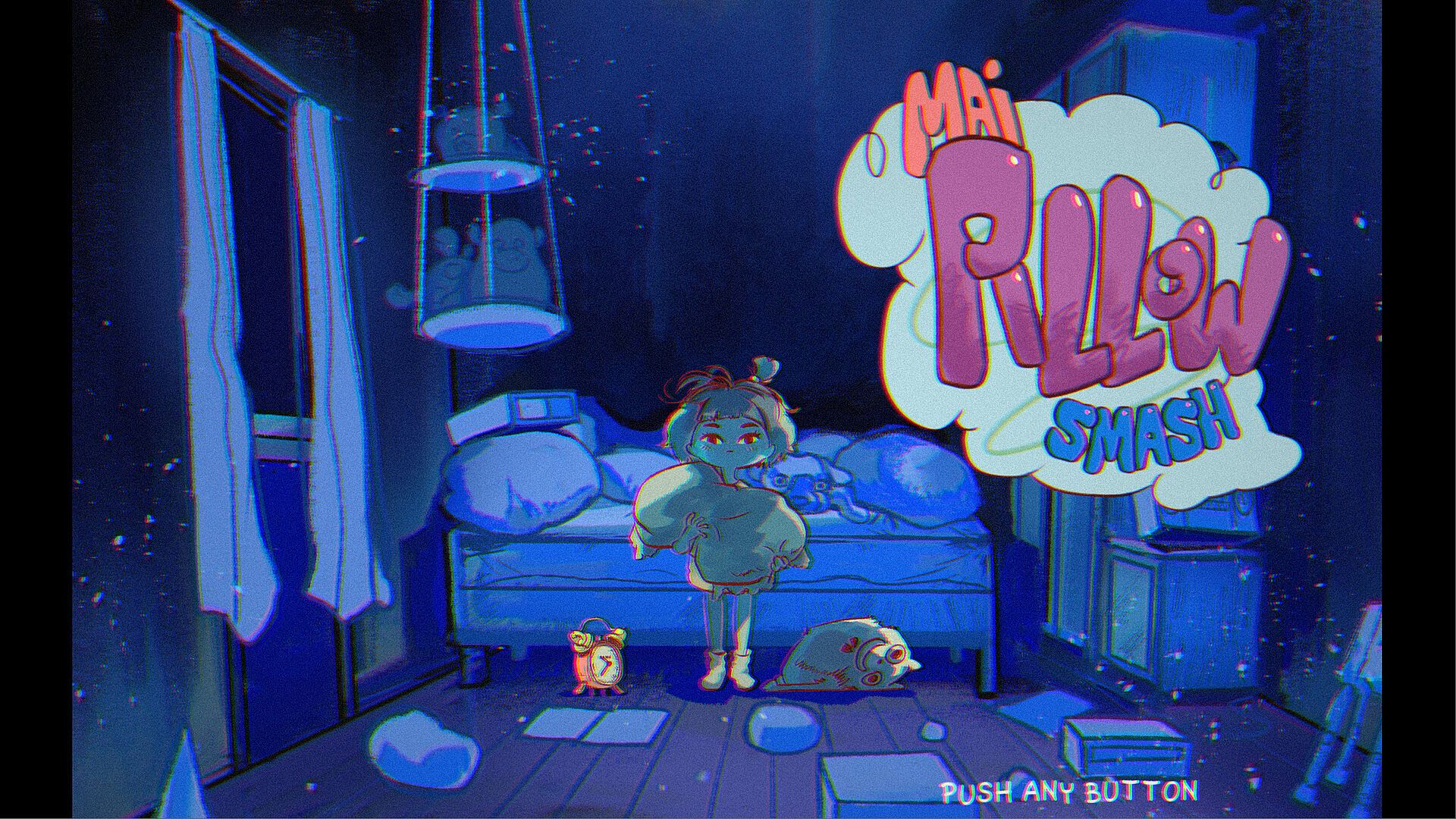
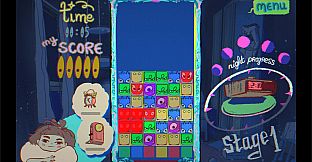
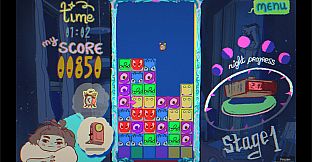
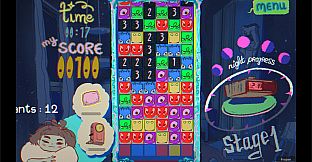
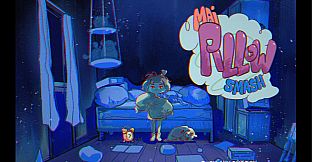
Mai Pillow Smash is an indie puzzle game for PC that centers on matching thought fragments to ease a restless mind. Players guide Mai through sleepless nights by clearing boards filled with accumulating ideas before they overwhelm the space. The experience blends quick matching mechanics with chain reactions in a single-player format that emphasizes tactile satisfaction and mental calm.
Gameplay
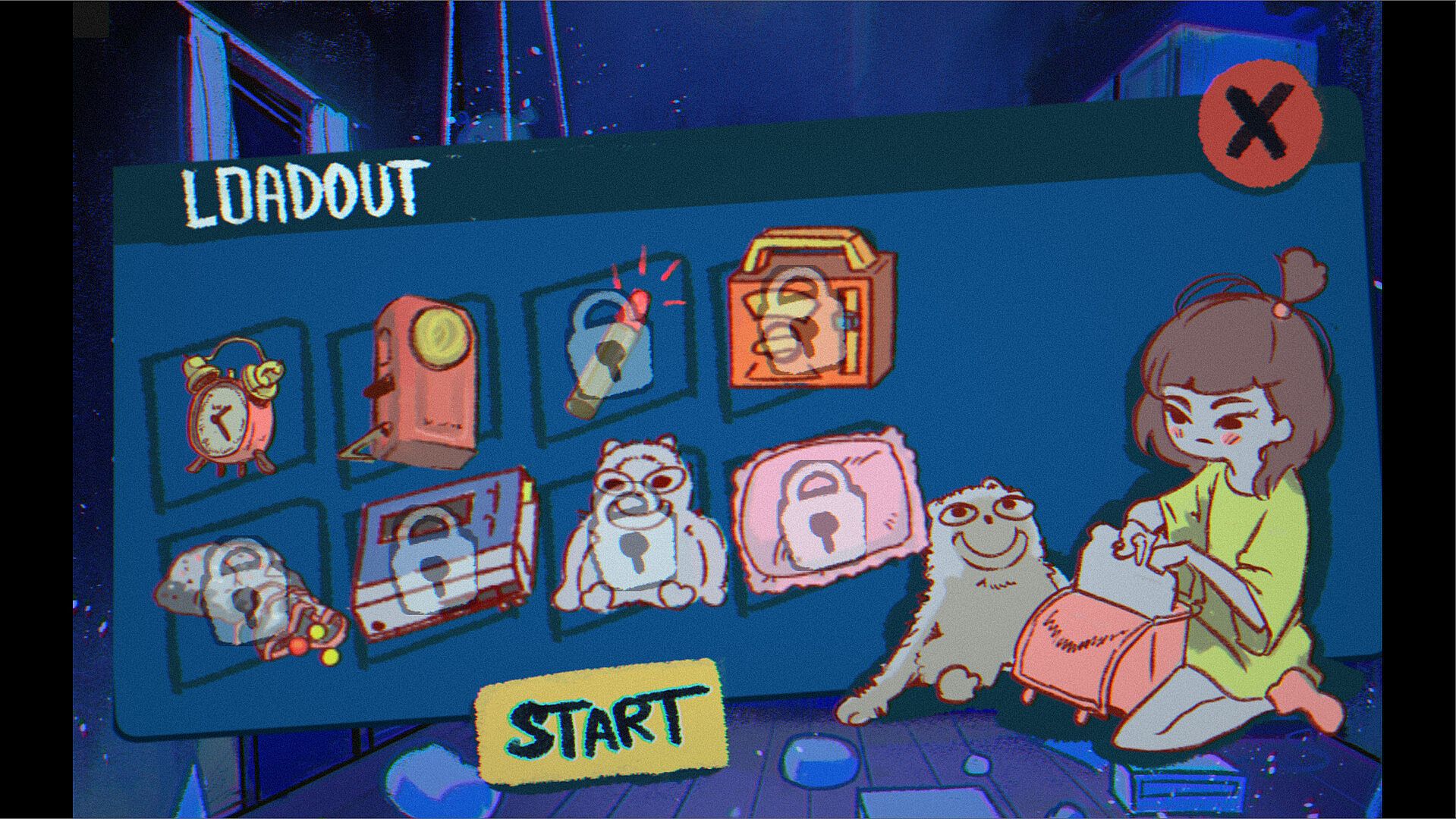
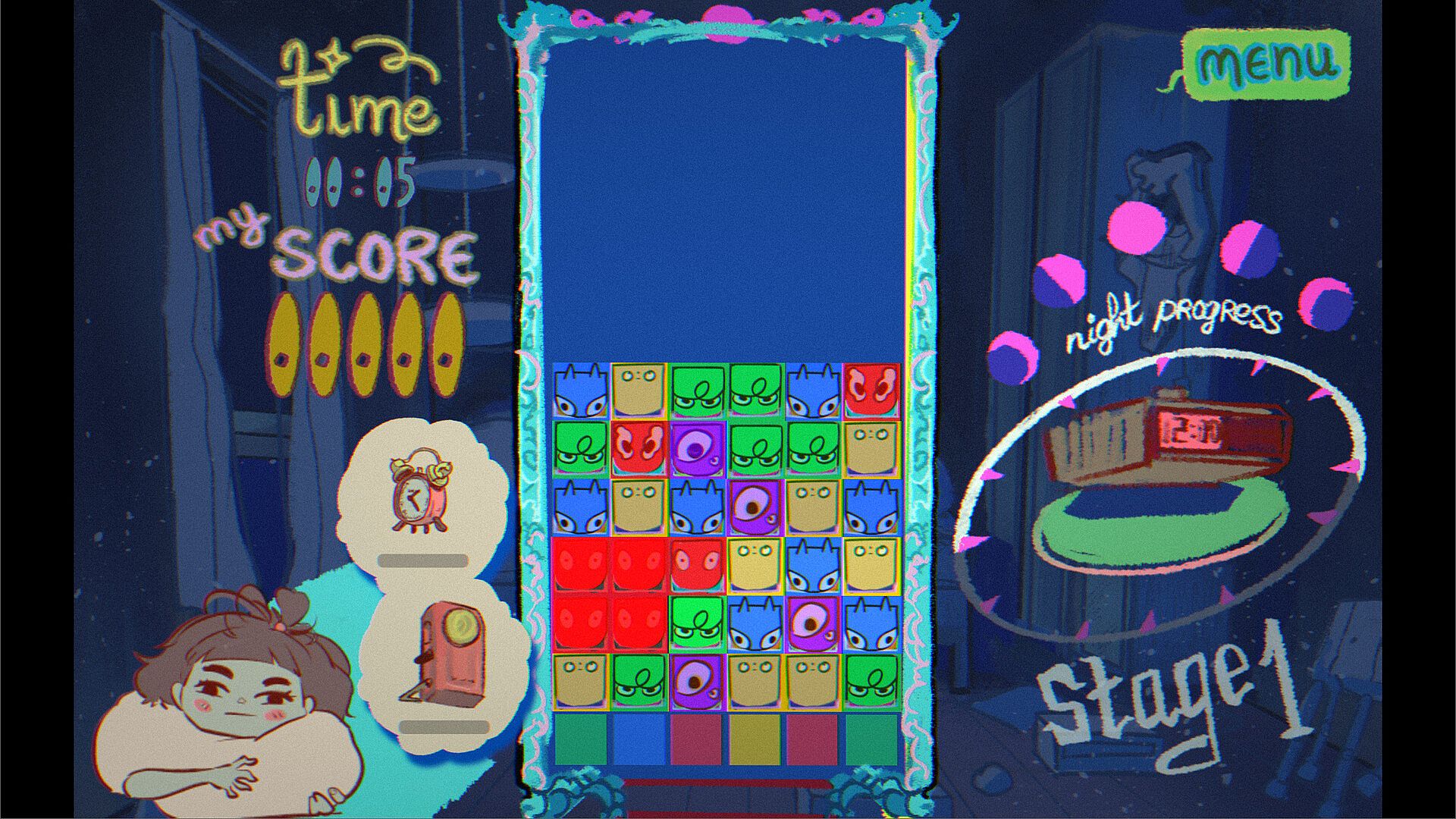
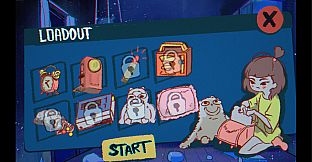
The core loop involves lining up fragments on a grid to create matches that trigger cascades and clear space. Special patterns and shape-based challenges add variety to each session, while timed trials introduce pressure that mirrors the racing thoughts of insomnia. Freezing time allows for deliberate setup of larger combinations, turning potential chaos into rewarding sequences of clears. Comfort objects such as a pillow, lamp, or plushie serve as loadout choices that alter rules temporarily, whether by slowing the pace, changing fragment colors, or creating breathing room on a crowded board. Haunted elements from the bedroom environment actively interfere, warping the layout in unpredictable ways that demand constant adaptation. These systems combine to create a nervous yet satisfying rhythm where every successful chain brings a sense of progress toward quiet.
Game Modes
Progression unfolds across six distinct nights, each presenting its own set of restless challenges that build through phases of the evening. Players work to calm each phase before dawn arrives, with the focus shifting from mere survival to achieving a deeper sense of resolution. Mechanics like line matches, pattern recognition, shape puzzles, and timed elements appear throughout these nights in varying intensities. The structure encourages repeated attempts to refine strategies with different comfort object combinations, as each night introduces fresh interferences from the room itself. This nightly framework keeps the puzzle play fresh without relying on external competition or additional layers.
The Setting and Themes
Mai Pillow Smash explores the experience of insomnia through a personal lens, where Mai's bedroom becomes an active participant in the struggle for rest. Fragments represent scattered thoughts that pile up, and clearing them serves as a metaphor for processing mental clutter. The game avoids overt narrative exposition, instead letting the mechanics and environmental changes convey the mounting pressure of sleepless hours. Haunted objects add tension by reshaping the board, reinforcing the idea that rest requires active effort against internal and external distractions. This thematic focus makes the puzzle elements feel purposeful rather than abstract.
Visuals and Audio
Hand-drawn artwork defines every element, from the fragments themselves to the details of Mai's room, creating a dreamlike atmosphere that contrasts with the sharp puzzle demands. The original soundtrack, composed by the developer, supports the mood with subtle layers that shift alongside the night's progression. These artistic choices enhance the tactile feel of matching and clearing without overpowering the core gameplay. The overall presentation remains intimate and focused, suited to short or extended play sessions on PC.
Is It Worth Playing?
Mai Pillow Smash targets players who appreciate single-player puzzle experiences built around chain reactions and rule-bending power-ups. Its structure of six nights with evolving challenges offers a contained campaign that rewards experimentation with comfort objects and careful planning. Since the game remains unreleased with no player reviews available, its appeal rests on the described mechanics of matching, cascading clears, and atmospheric interference. Those drawn to thoughtful indie puzzle titles on PC may find the combination of nervous pacing and hand-crafted presentation worth exploring once it launches in November 2026. The emphasis on finding quiet through gameplay provides a distinctive hook for anyone seeking a reflective yet engaging match-three style experience.