






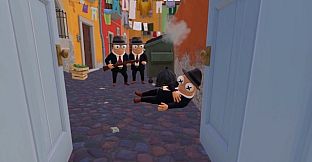
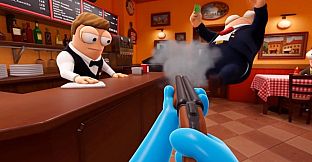
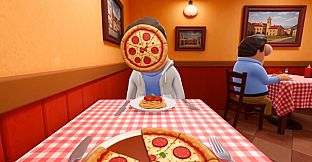
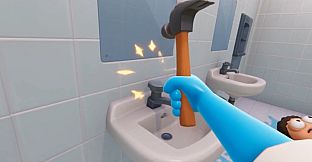
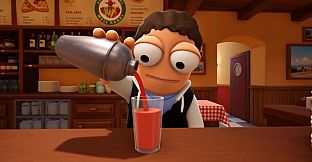
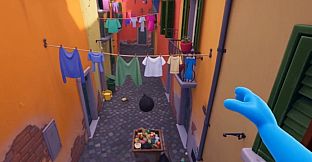
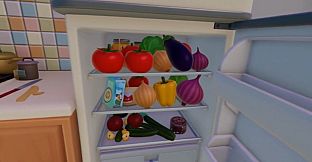
Mamma Mia is an action indie casual game set in a rundown Italian restaurant where players manage daily operations alongside friends or on their own. The core experience revolves around keeping the establishment running despite constant mishaps, from cooking mishaps to unruly patrons and unexpected visitors from the back alley.
Gameplay
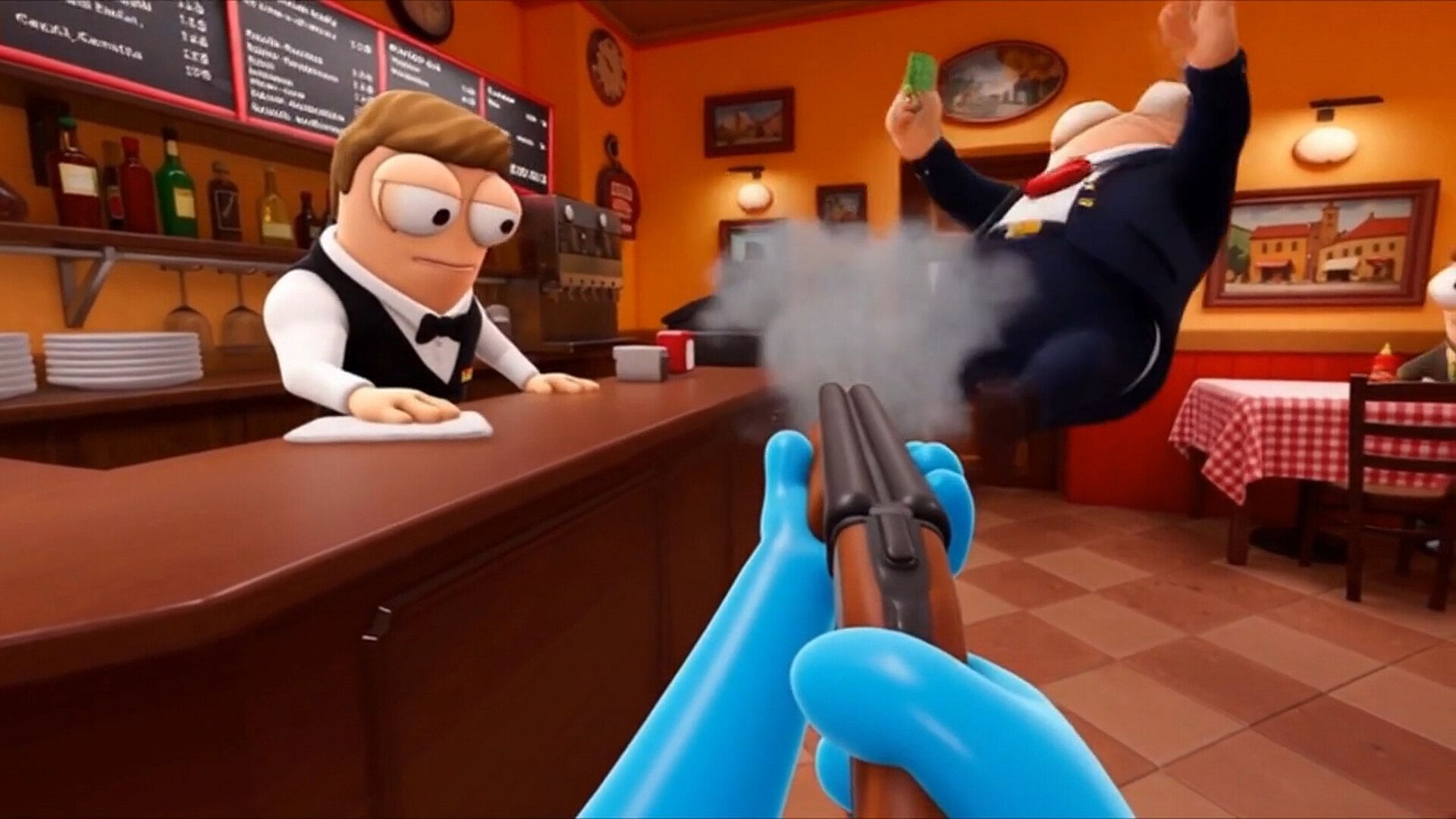
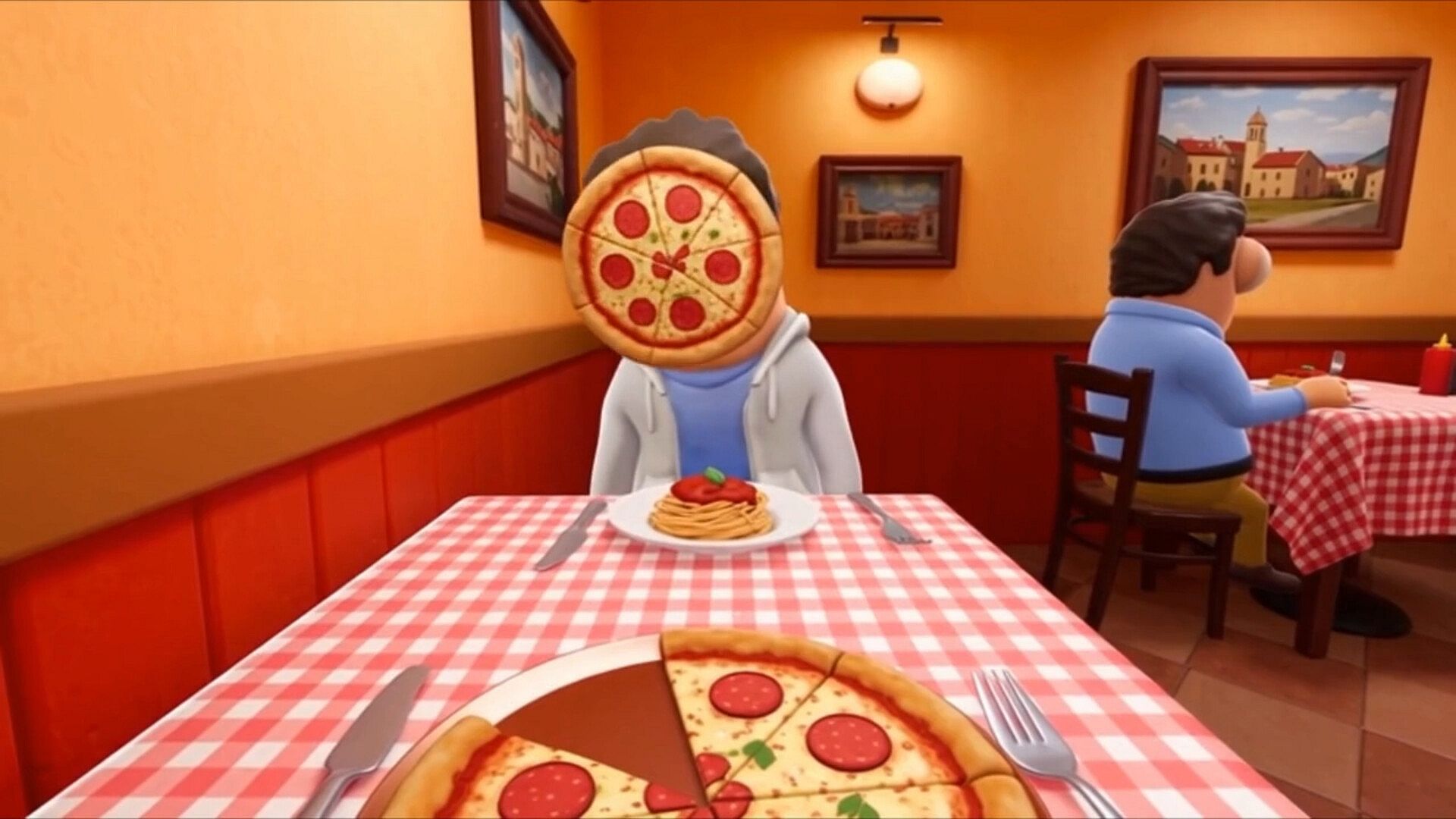
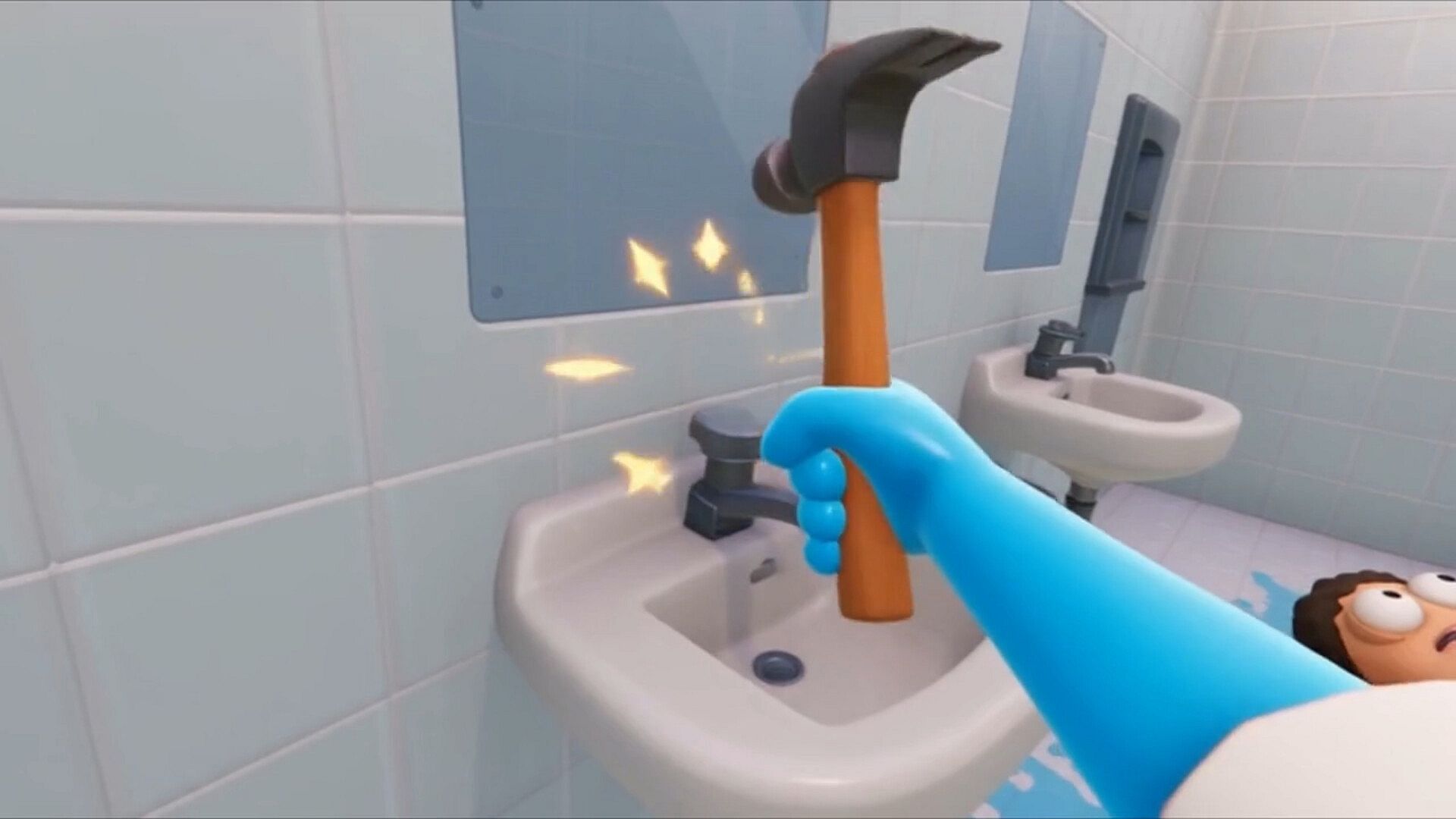
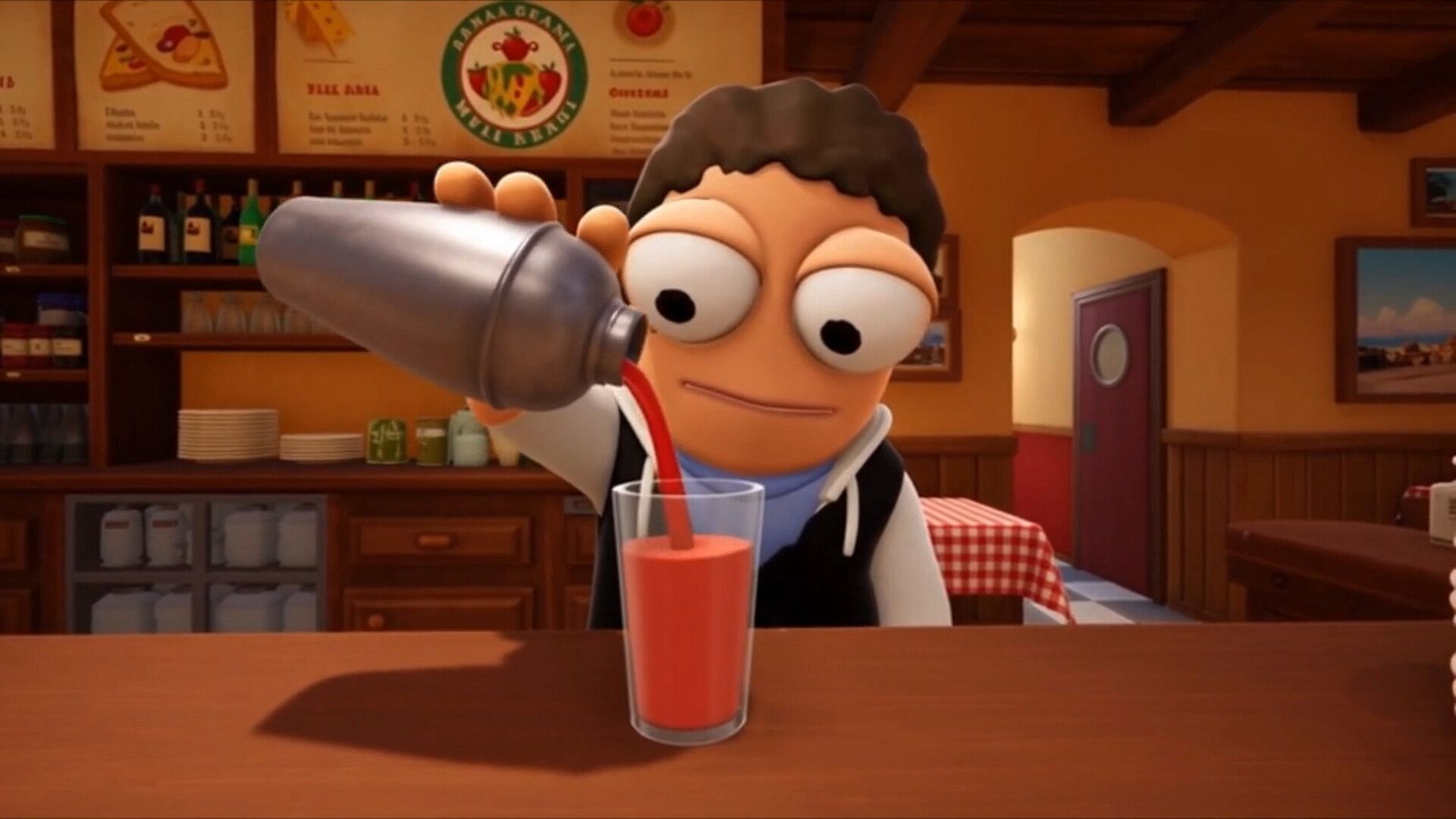
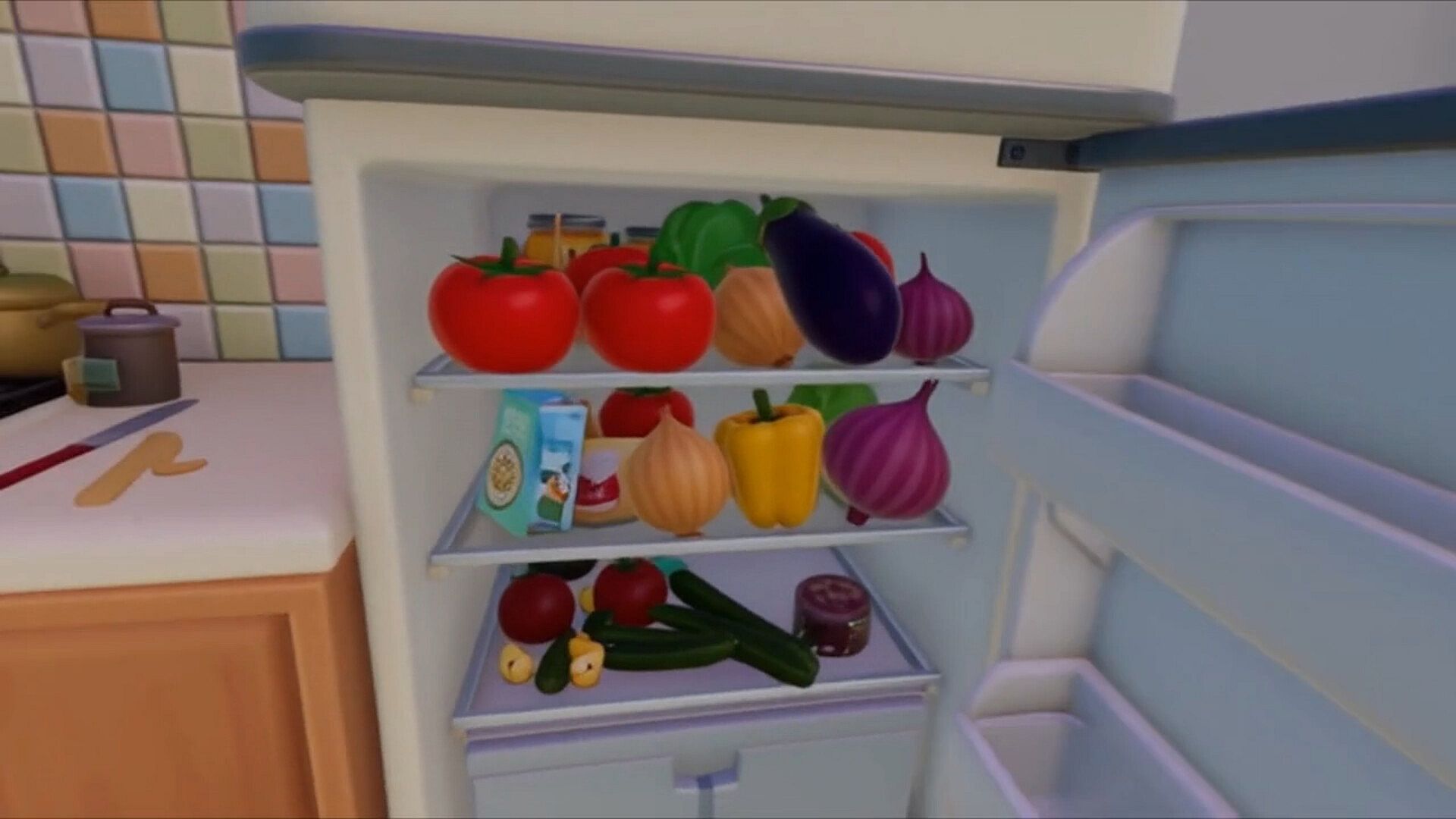
Players divide tasks across the shift, with one handling the kitchen while others manage drinks, table service, and on-the-spot repairs. Physics simulation governs how food, drinks, and customers interact, leading to unpredictable chain reactions when something goes wrong. Accepting orders involves weighing potential earnings against the risk of complications, as high-paying customers often bring extra demands or trigger additional problems mid-service.
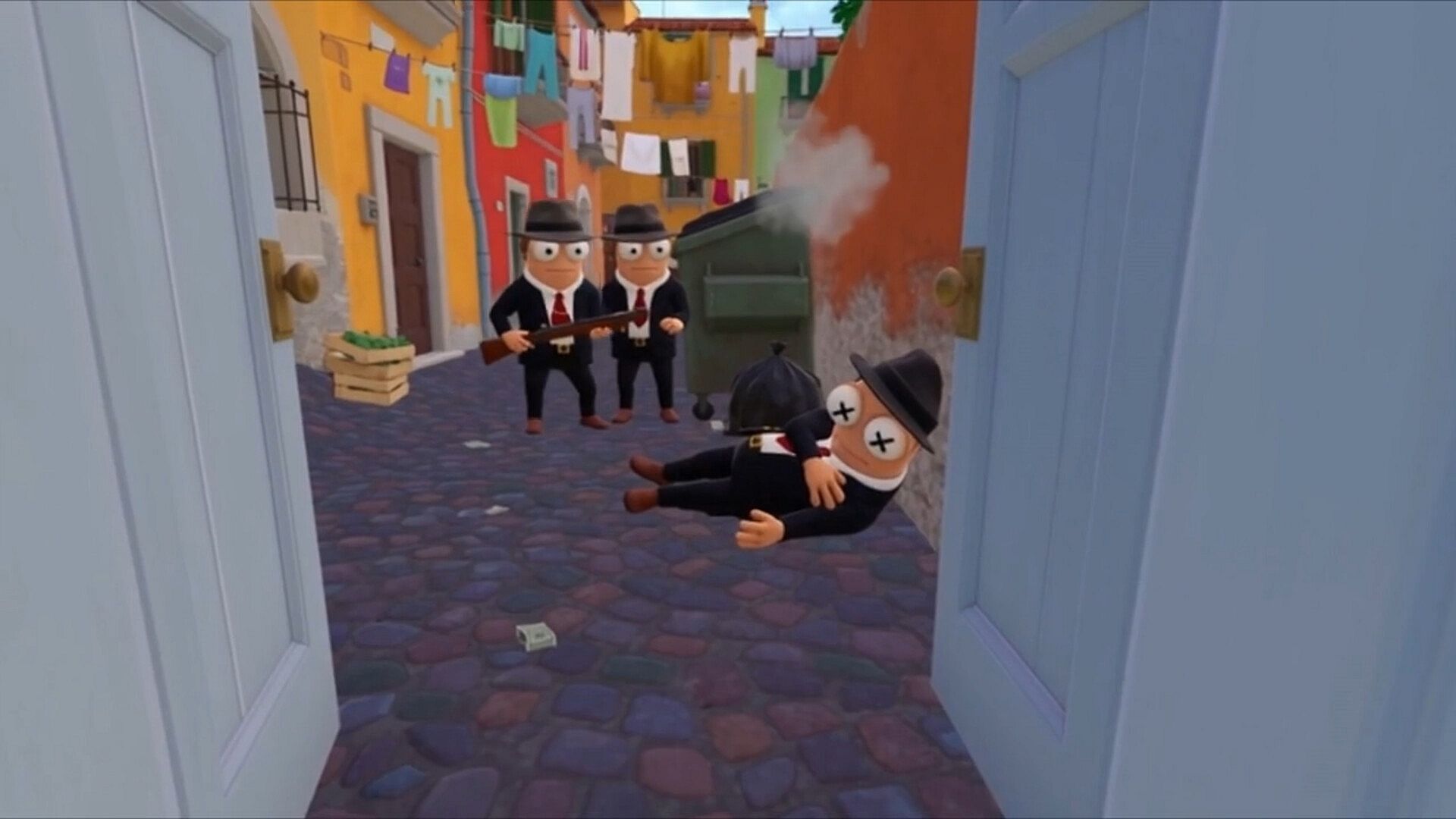
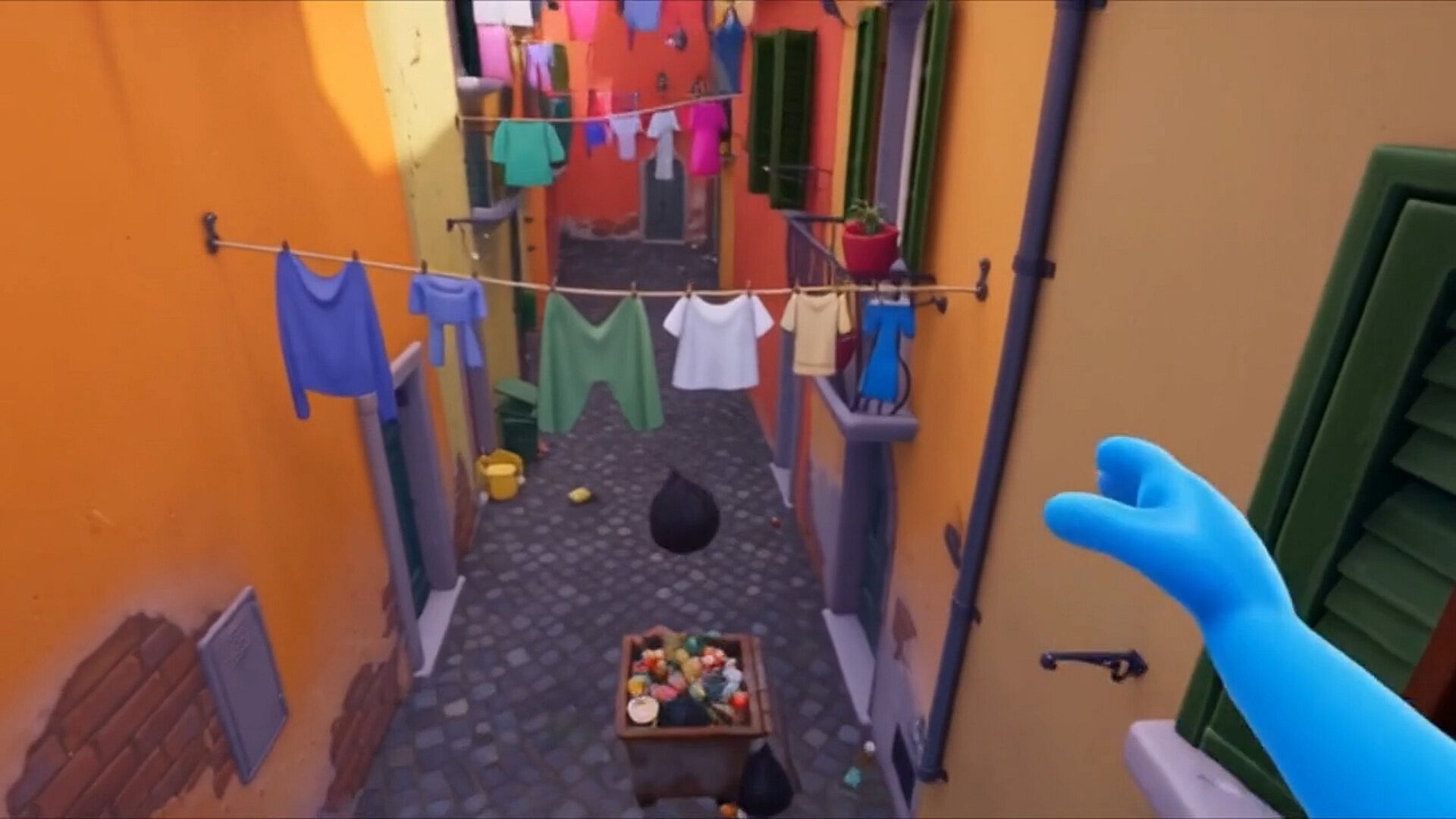
Shady characters appear in the back alley and present choices that can alter the flow of the day, ranging from minor theft to more disruptive events like client interference. Maintaining order requires quick decisions to contain issues before they escalate, whether by adjusting customer flow or improvising fixes around the restaurant. Garbage disposal adds a physical element, as players toss waste from windows toward bins outside.
Game Modes
The primary way to play centers on co-operative sessions where multiple participants coordinate roles in real time to complete a full restaurant shift. Single-player options allow individuals to handle all positions solo, testing personal multitasking under the same chaotic conditions. No separate competitive or versus modes appear in the available details, keeping the focus on shared survival of the service period.
Key Mechanics and Features
Customer interactions rely on selective acceptance at the door, letting teams filter out low-value or high-risk patrons while chasing profitable ones. Physics-based elements extend to every object in the space, so dropped items or bumped tables create ongoing hazards that demand attention. Back-alley encounters introduce branching decisions that can provide short-term gains or long-term setbacks, forcing players to adapt their strategy on the fly.
The restaurant itself serves as a living environment where safety protocols rank low on the priority list, encouraging creative but imperfect solutions to emerging disasters. Picky clients add layers of service precision, while the overall loop emphasizes balancing income generation with damage control across the entire day.
Is It Worth Playing?
This title suits groups seeking lighthearted yet demanding co-operative action with strong emphasis on physical chaos and quick thinking. The combination of role division, selective customer management, and alleyway variables creates replayable shifts that reward coordination without requiring complex systems mastery. Availability on PC supports both solo attempts and online sessions with friends, making it accessible for casual play sessions focused on humorous failures and narrow successes. With a 2026 release window and no established player feedback yet, interest depends on preference for physics-driven restaurant simulators over polished service simulations.











