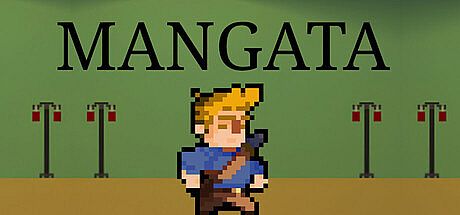



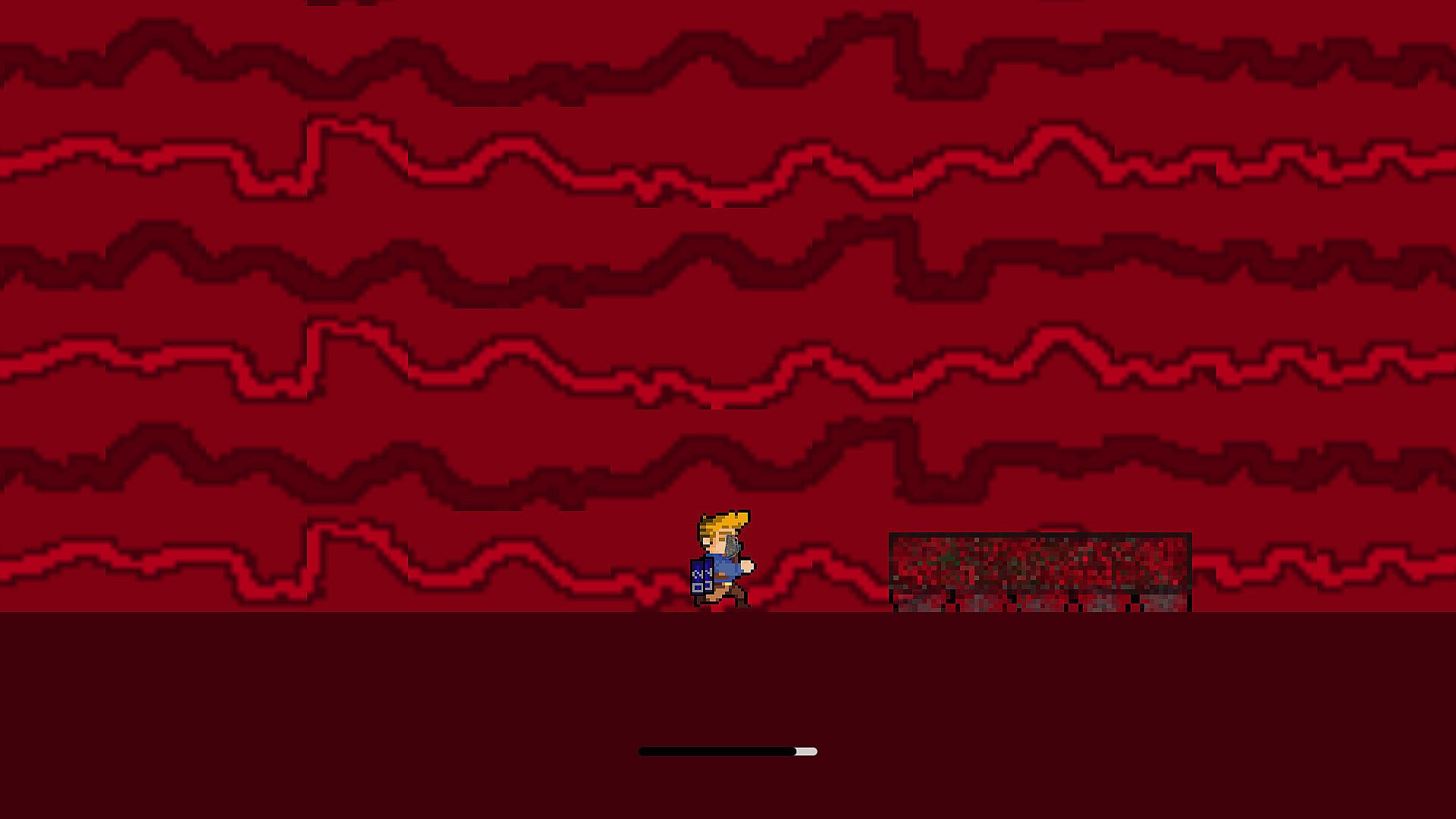
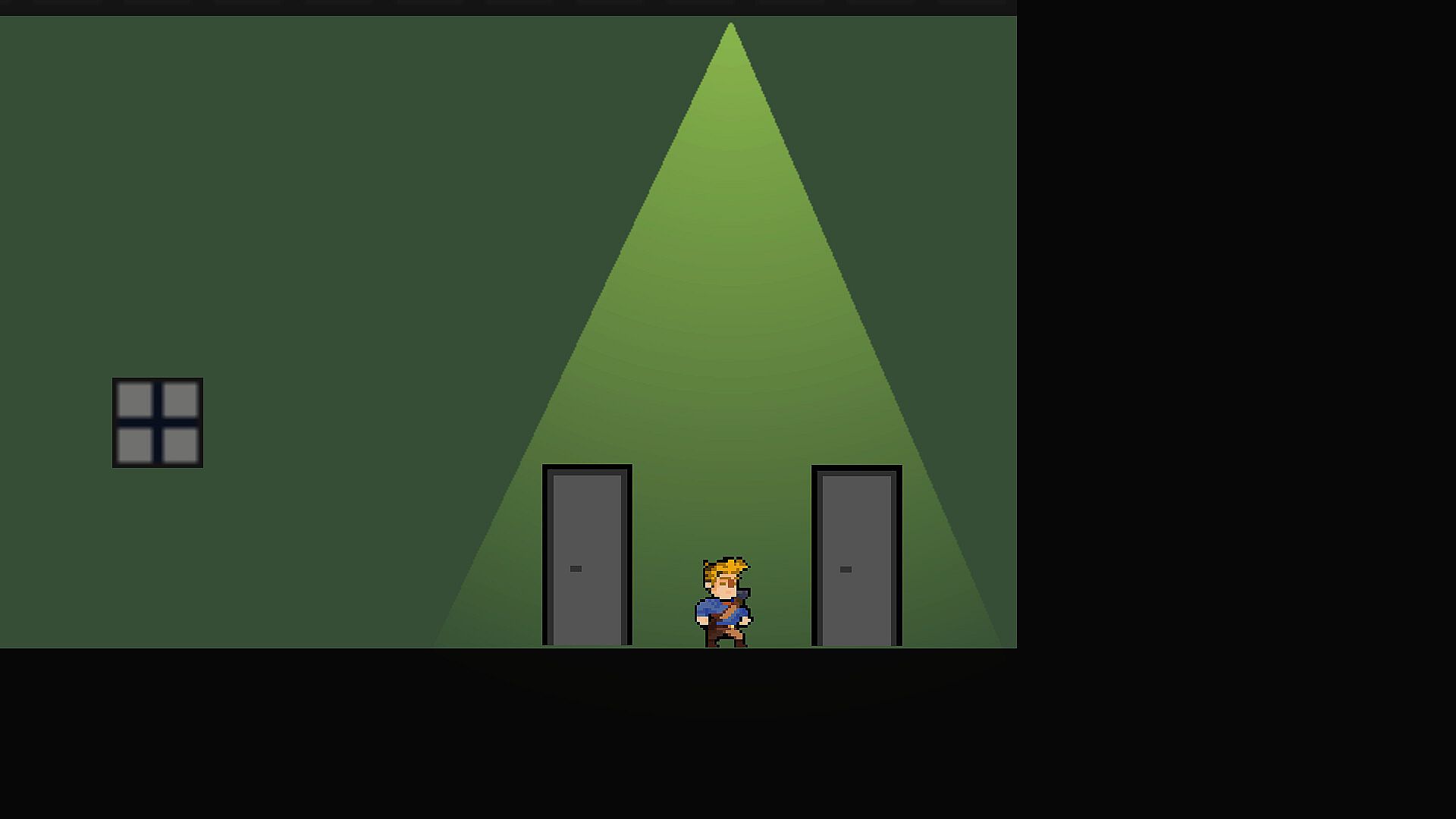
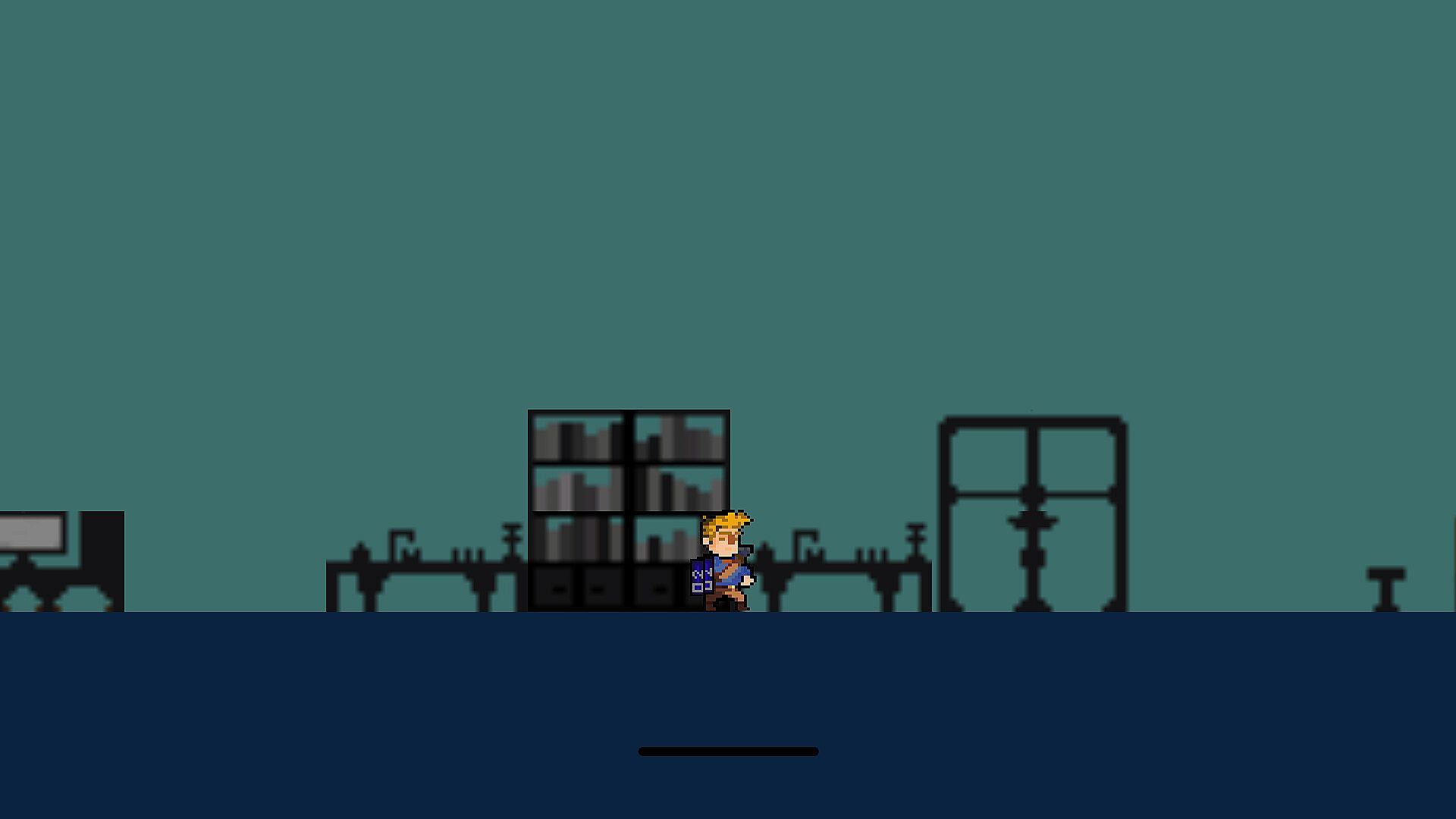
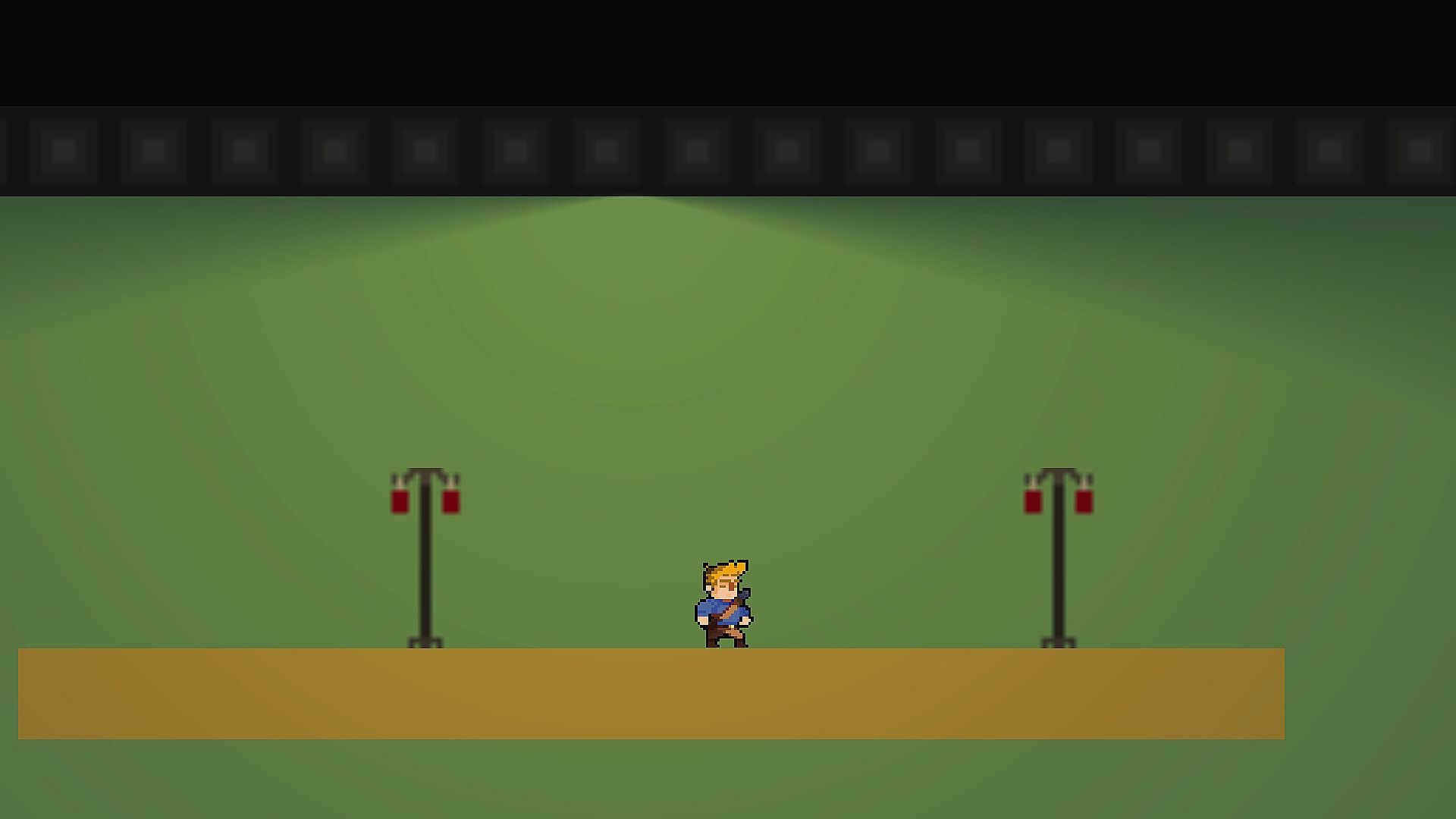

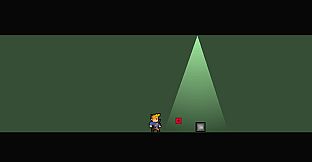
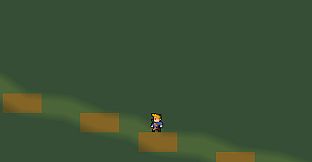
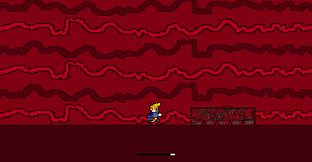
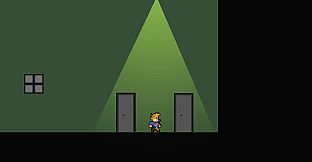
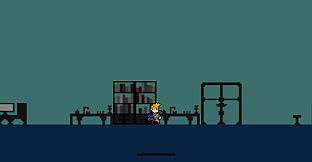
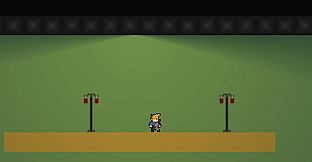

Mangata is a story-driven 2D pixel art platformer centered on exploration and narrative discovery. Players follow the protagonist Stephan through a series of handcrafted levels where platforming and environmental puzzles drive the experience forward. The game emphasizes careful movement across varied terrain while piecing together an unfolding mystery that challenges initial perceptions of the world.
Gameplay
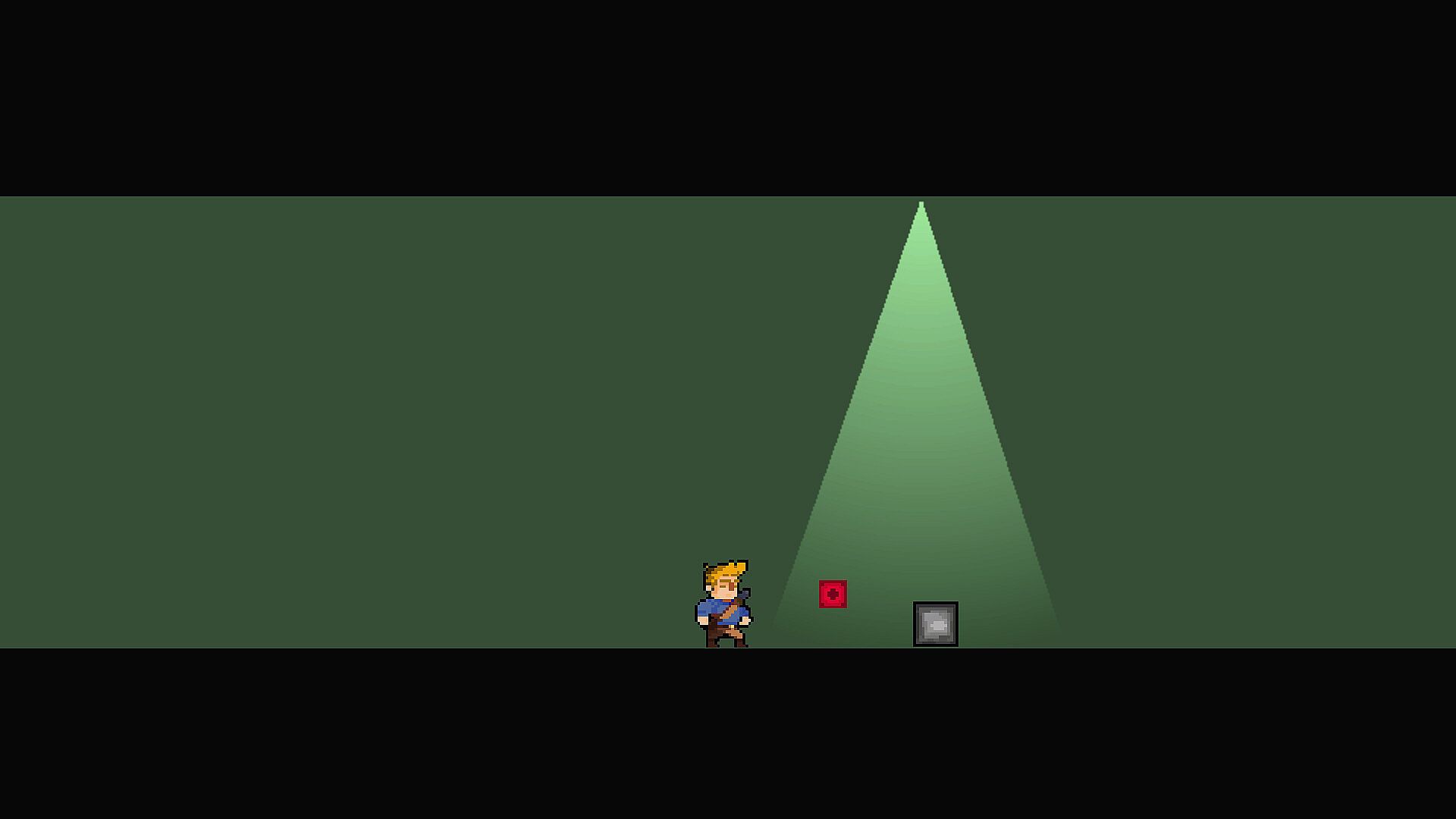
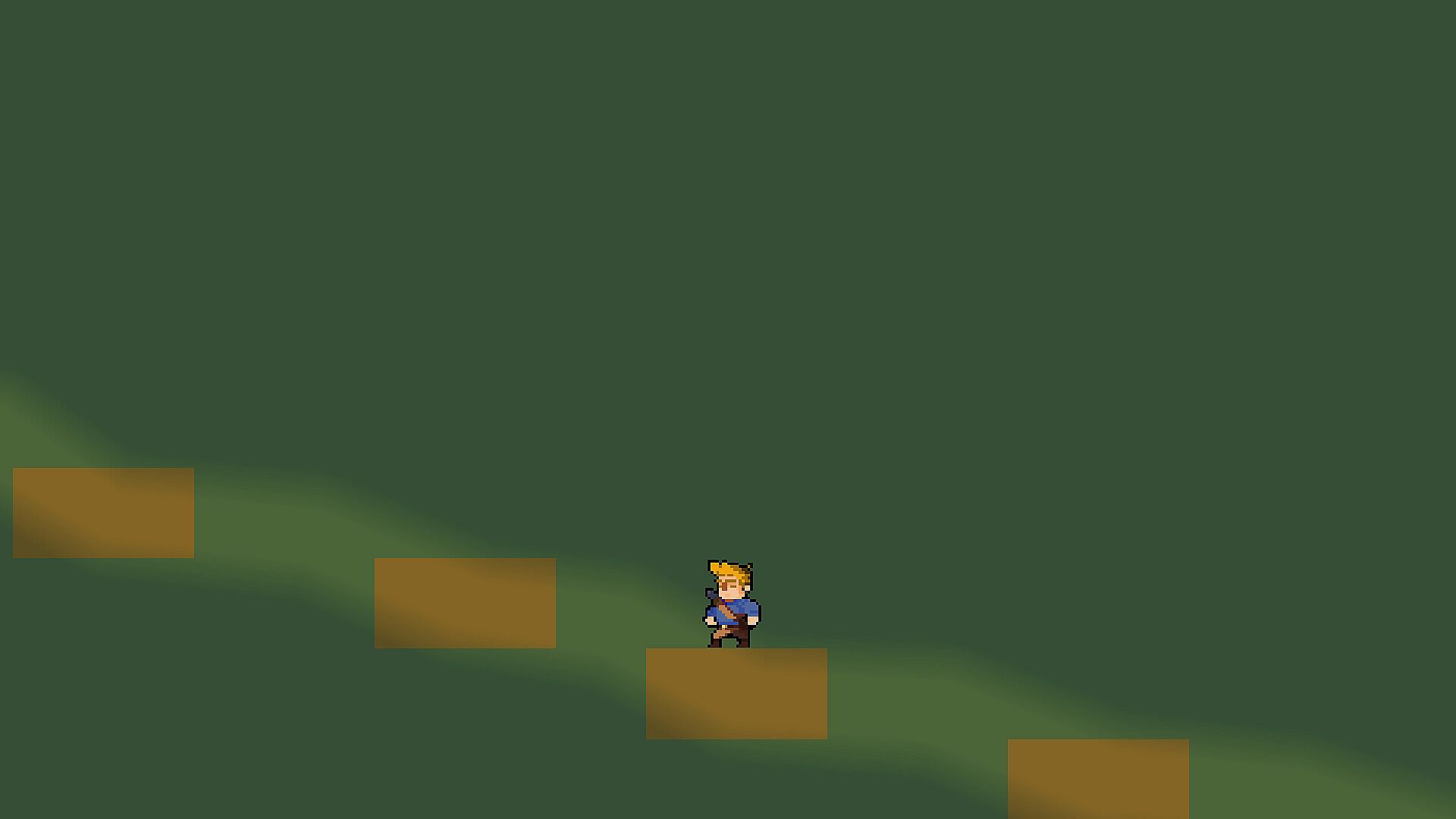
The core loop revolves around precise jumping and navigation through pixel-art environments designed with distinct visual themes. Each area presents platforming sequences that require timing and observation to cross gaps or avoid hazards. Environmental challenges appear in the form of obstacles that integrate into the level design, encouraging players to experiment with movement patterns rather than relying on combat or power-ups.
Progression ties directly to story beats, with new areas unlocking as Stephan advances toward his goal. The mechanics stay focused on traversal and interaction with the surroundings, building tension through the gradual reveal of larger narrative elements. Handcrafted layouts ensure each section feels distinct, with visual cues that support both navigation and thematic atmosphere.
Game Modes
Mangata offers a single-player experience only. There are no multiplayer options, competitive modes, or co-operative features. The entire game unfolds as a linear adventure where players control Stephan from start to finish, focusing on sequential exploration and puzzle resolution without branching paths or alternate play styles.
This structure keeps the emphasis on the personal journey and the emotional weight of the narrative. Players move through the levels in one continuous campaign, with no separate difficulty settings or additional game types confirmed beyond the core single-player format.
Story and Narrative
The plot follows Stephan as he travels through unfamiliar locations in pursuit of a clear objective. Along the way, fragments of information surface that suggest a broader reality beneath the surface events. The storytelling unfolds through environmental details and key moments rather than heavy exposition, allowing players to form their own connections as questions accumulate.
Unexpected twists form a central part of the experience, shifting the context of earlier sections. The narrative maintains a consistent emotional tone that builds across the journey, culminating in revelations at key points. Multiple language options support accessibility for a wider audience interested in the story elements.
Visuals and Audio
Handcrafted pixel art defines the visual style, with detailed sprites and backgrounds that convey atmosphere without relying on high-resolution assets. Each environment uses color palettes and layouts that reinforce the sense of mystery and progression. The art direction supports the platforming by making hazards and paths readable at a glance.
An original soundtrack accompanies the levels, providing a consistent musical backdrop that matches the emotional shifts in the story. Sound design remains minimal and supportive, highlighting platforming feedback and environmental interactions without overwhelming the focus on exploration.
Is It Worth Playing?
Mangata suits players who enjoy narrative-driven platformers that prioritize atmosphere and discovery over action or complex systems. The single-player format delivers a contained experience centered on story and traversal, making it a fit for those seeking a focused adventure on PC.
With its emphasis on handcrafted levels and emotional storytelling, the game appeals to fans of indie titles that blend platforming with thematic depth. As a new release still building its player base, it offers a straightforward option for anyone drawn to pixel-art adventures with unexpected narrative layers. System requirements remain modest, allowing it to run on a range of Windows hardware without specialized setups.