




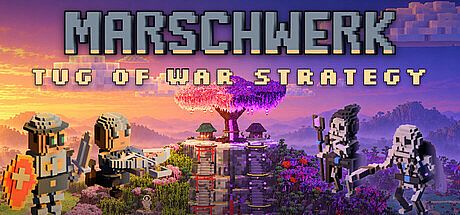


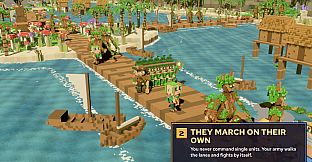
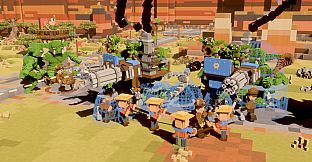

Marschwerk: Tug of War Strategy is an indie strategy game for PC in which players build automated production sites called works to field armies that advance along lanes without direct unit control. The core loop centers on resource management, army composition choices, and lane pressure in matches that support up to six participants in three-versus-three format, with bots filling any empty seats.
Gameplay
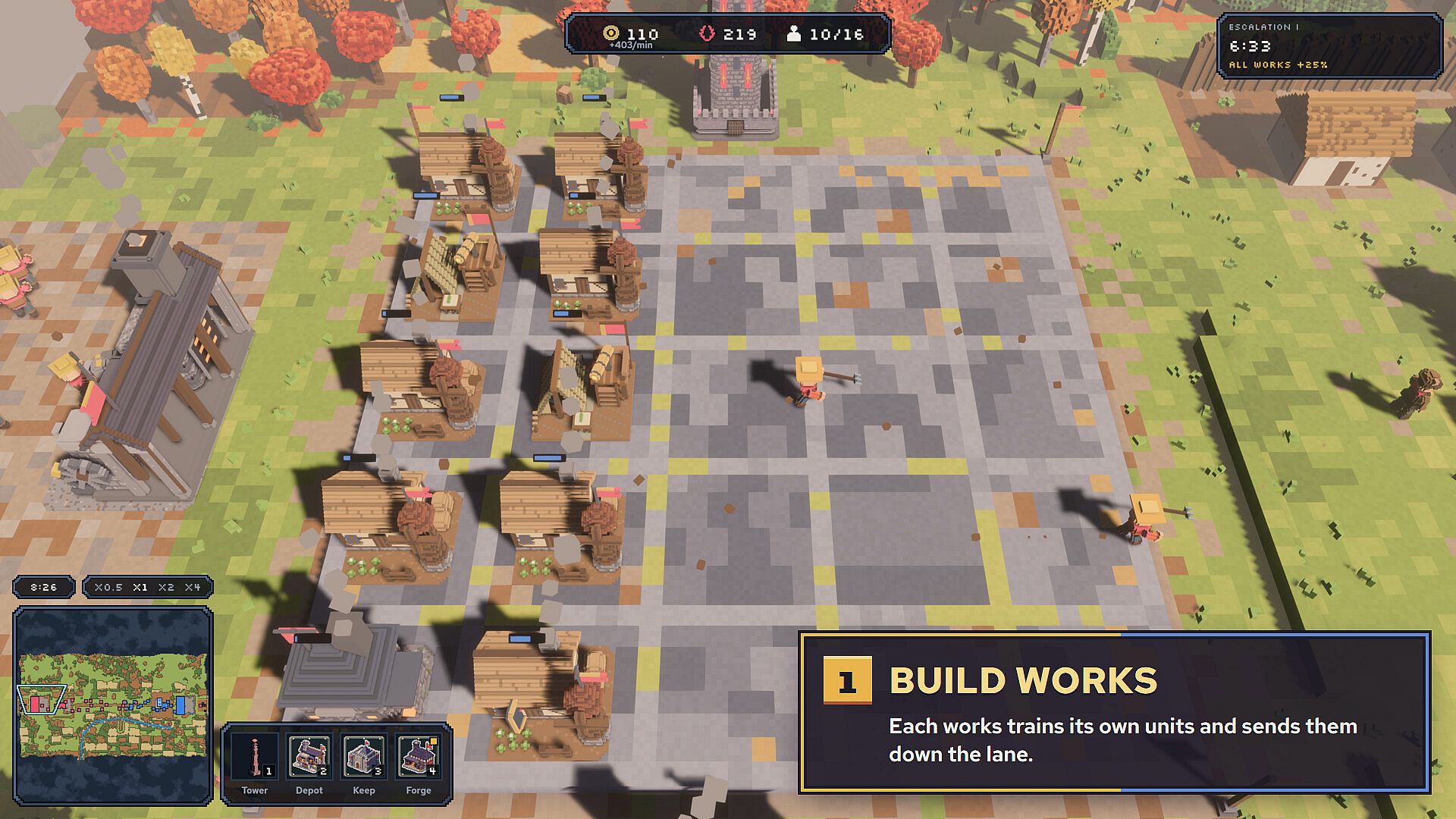
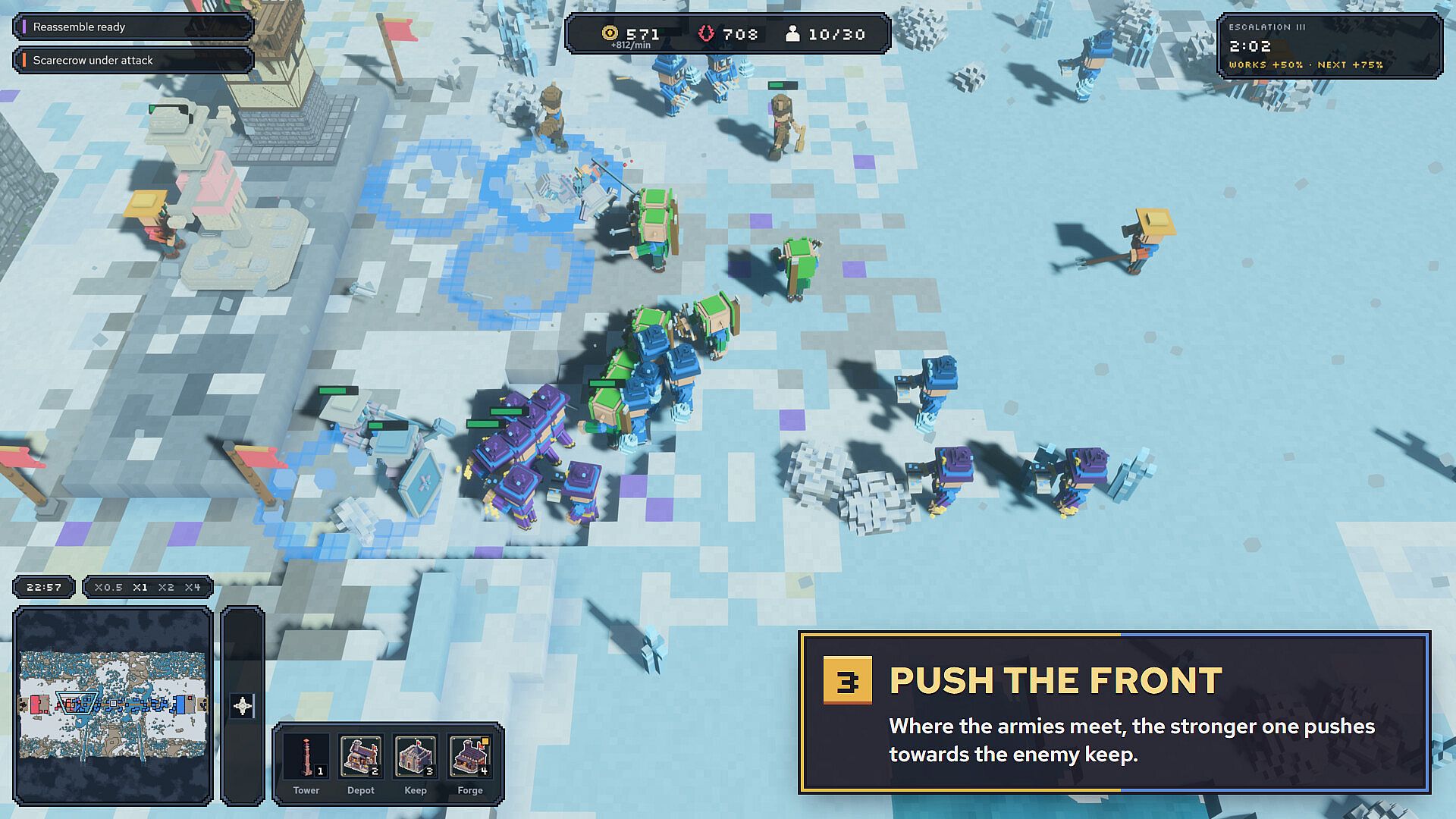
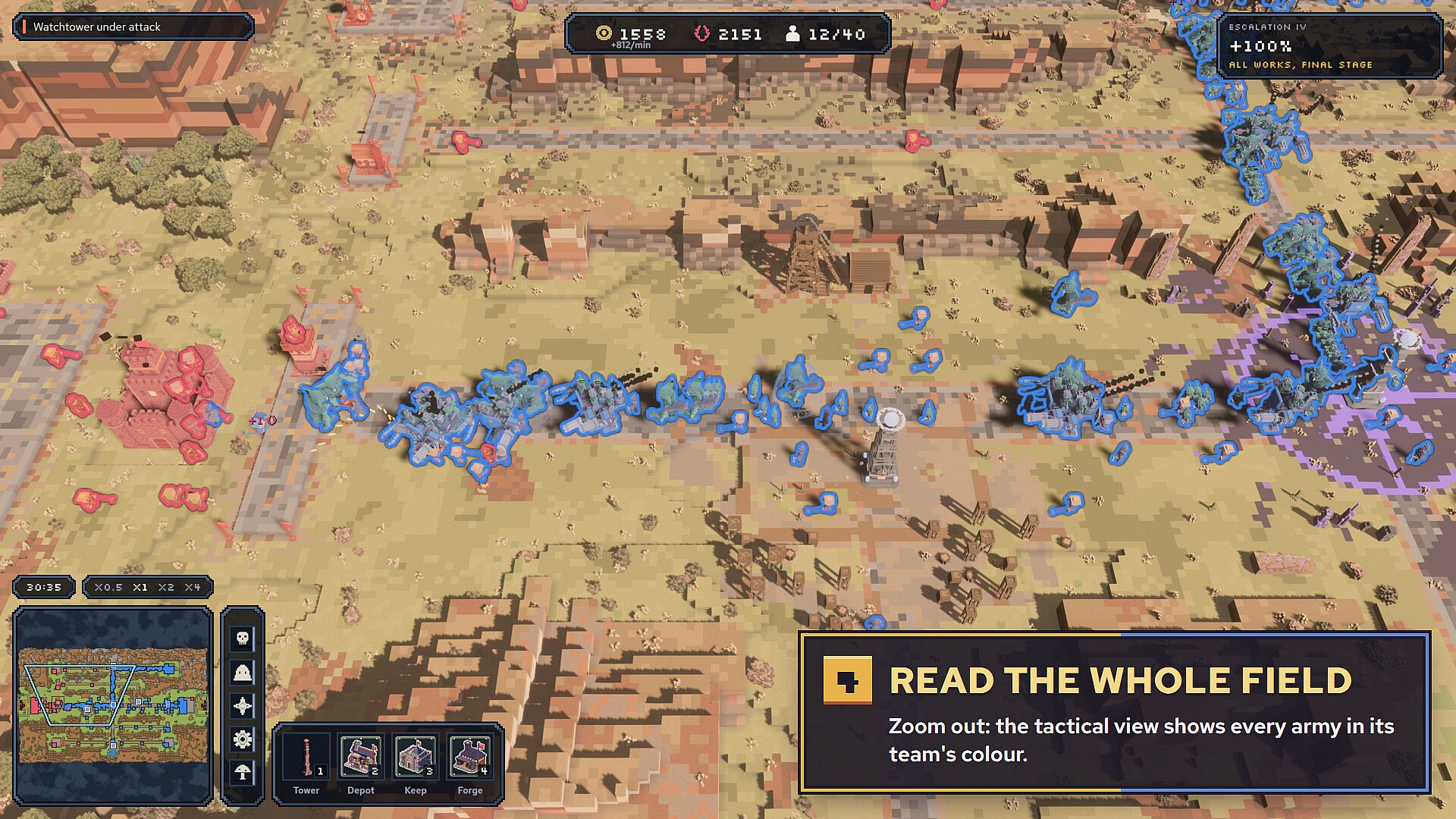
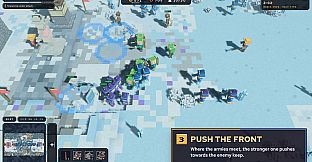
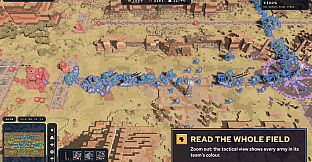
Players construct works along three lanes. Each works automatically trains a single unit type and dispatches it toward the enemy keep. Gold earned from workers hauling ore funds new works or upgrades that strengthen the output, such as converting a basic Farmer Works into a Knight Works. The front line shifts based on which side fields the stronger force at any point of contact.
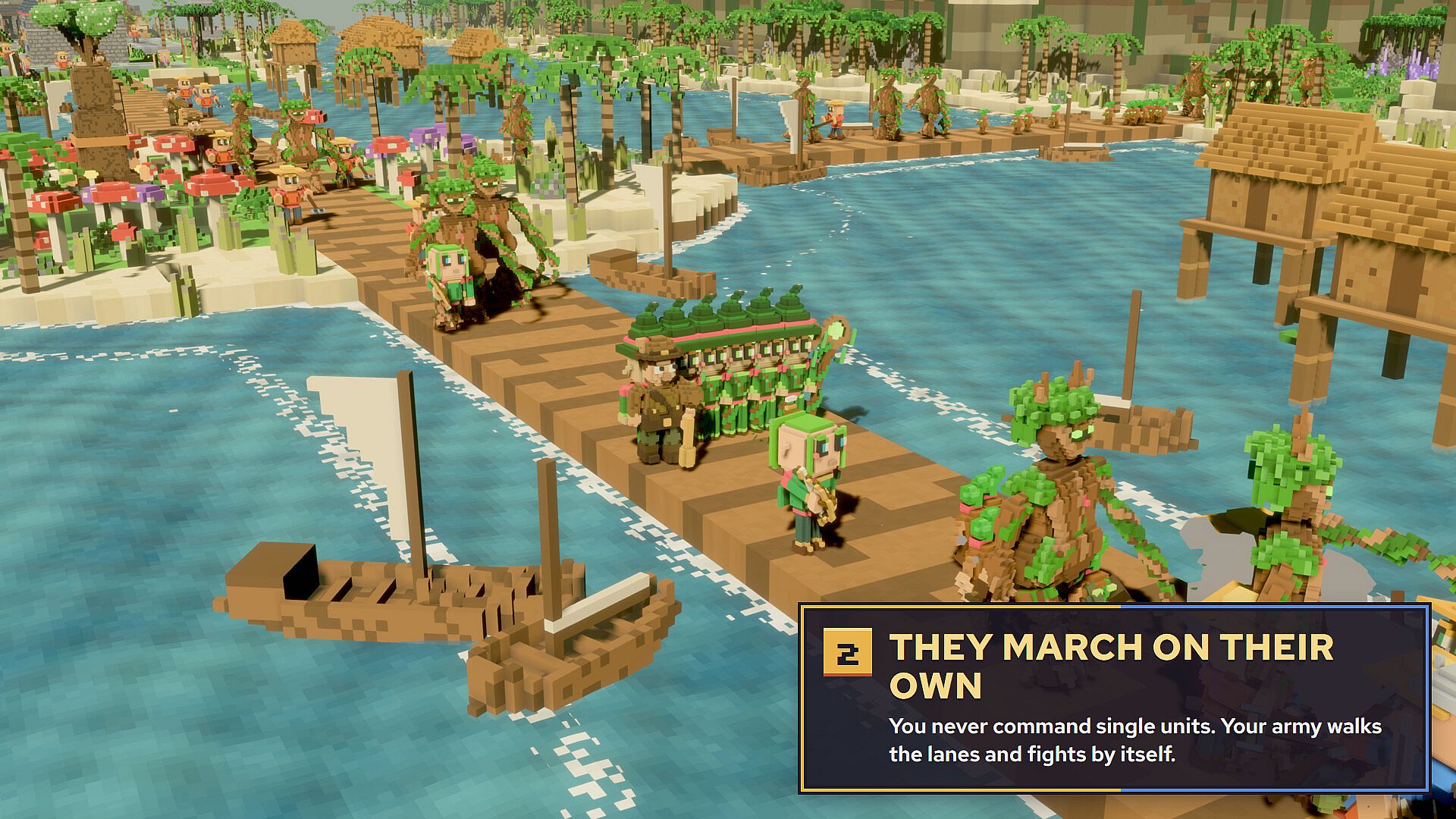
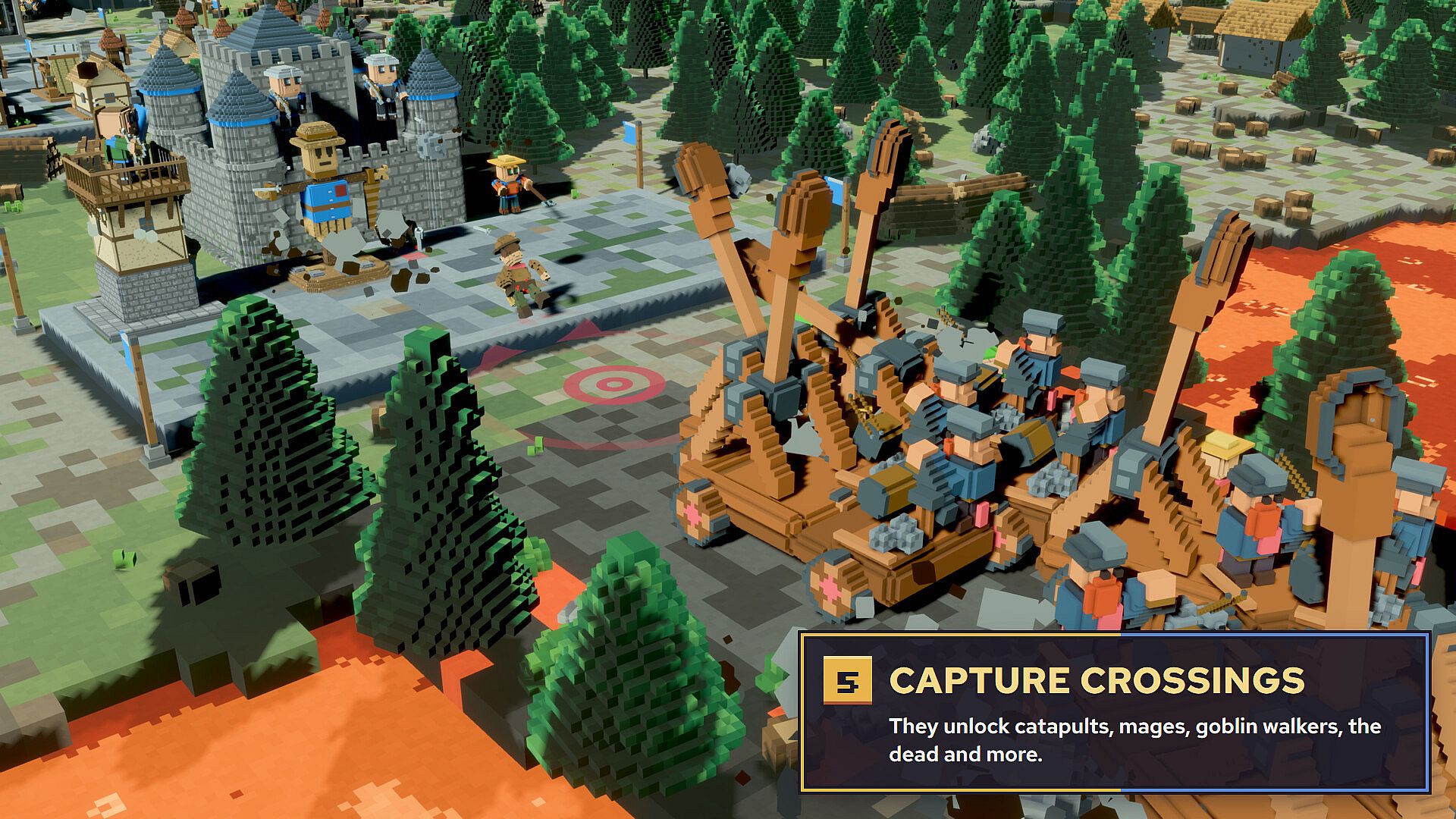
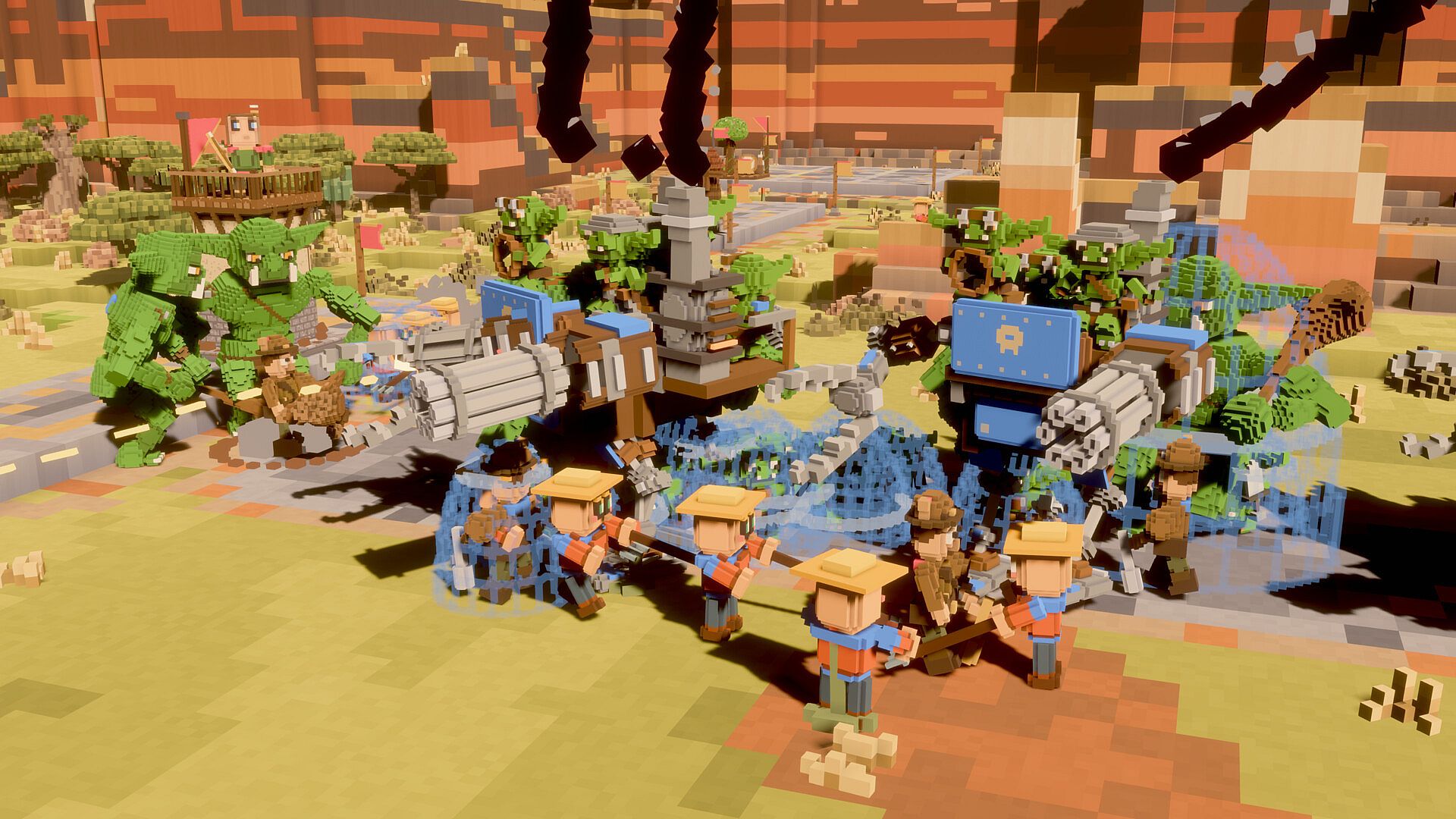
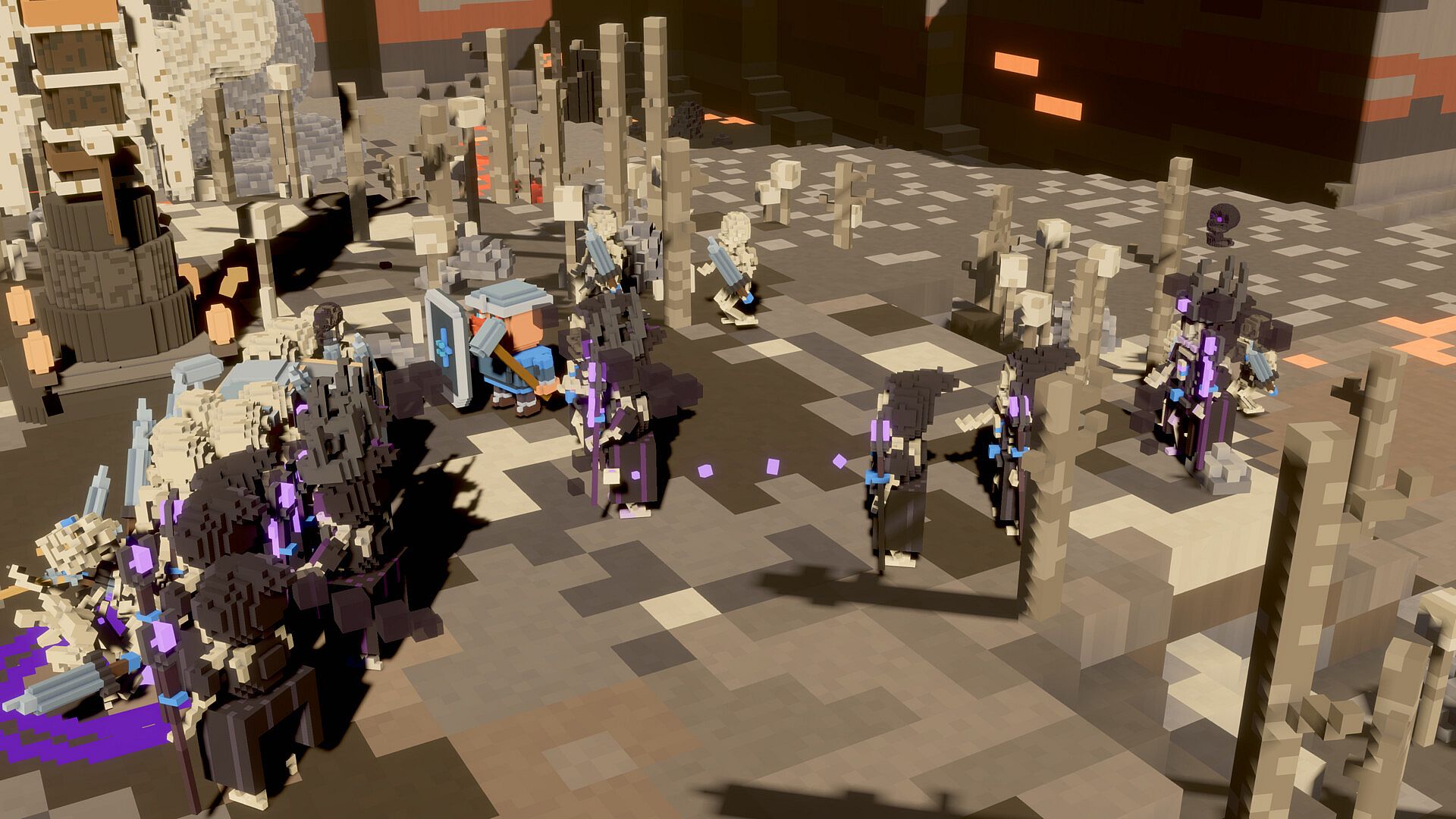
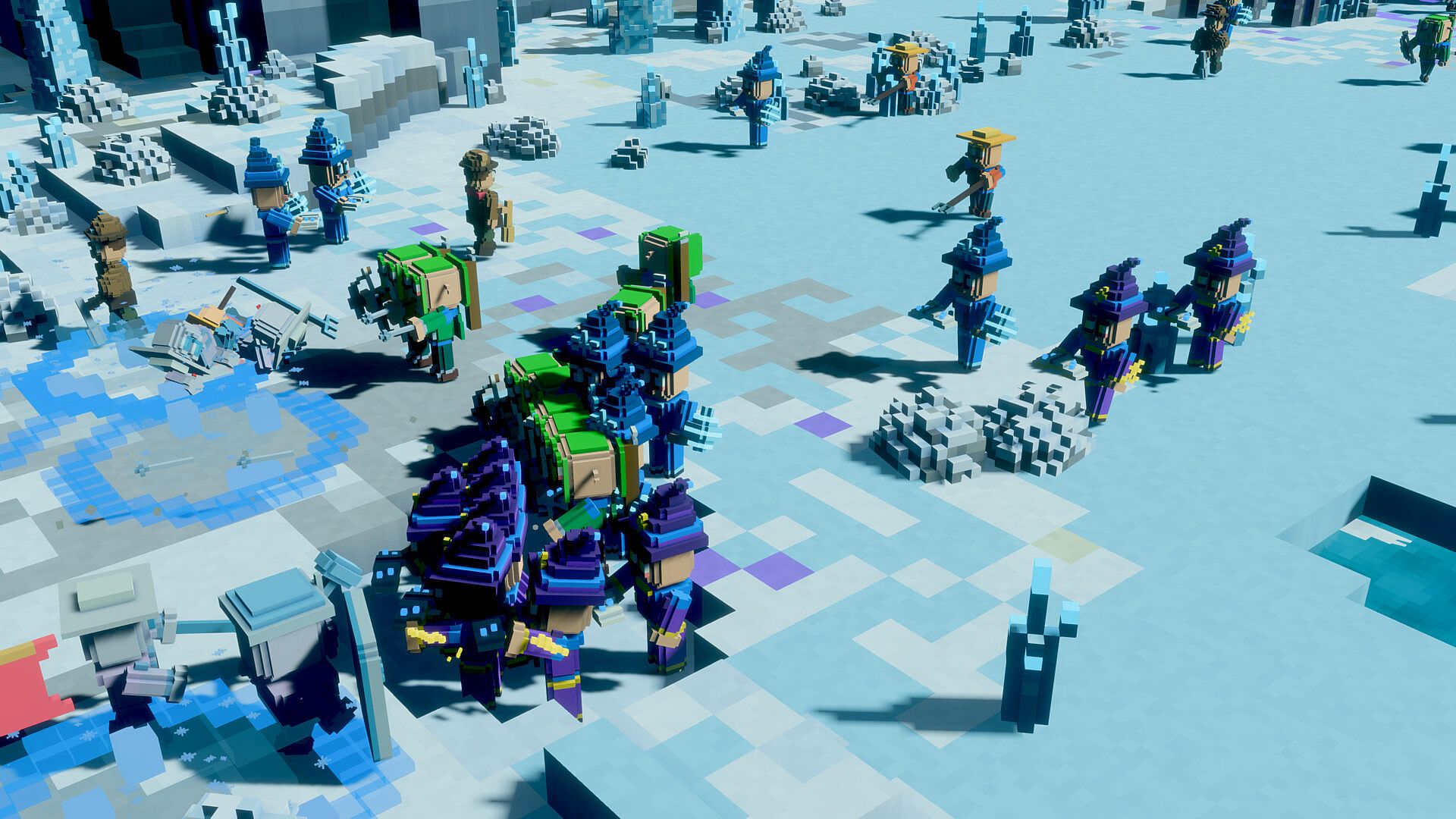
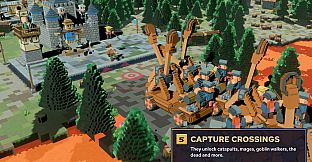
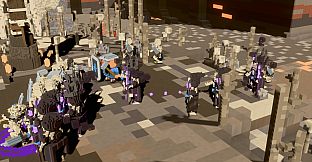
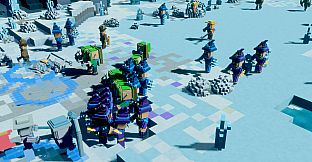
Crossings scattered across the map grant access to five distinct unit schools once captured. Magic provides mages with fire, frost, lightning, healing, and shield abilities. Mechanic unlocks catapults, gun towers, and goblin walkers. Stealth adds assassins and sniper towers. Monster brings goblins and the dead. Nature supplies dryads and the nature mage. These options expand the range of army compositions available during a match.
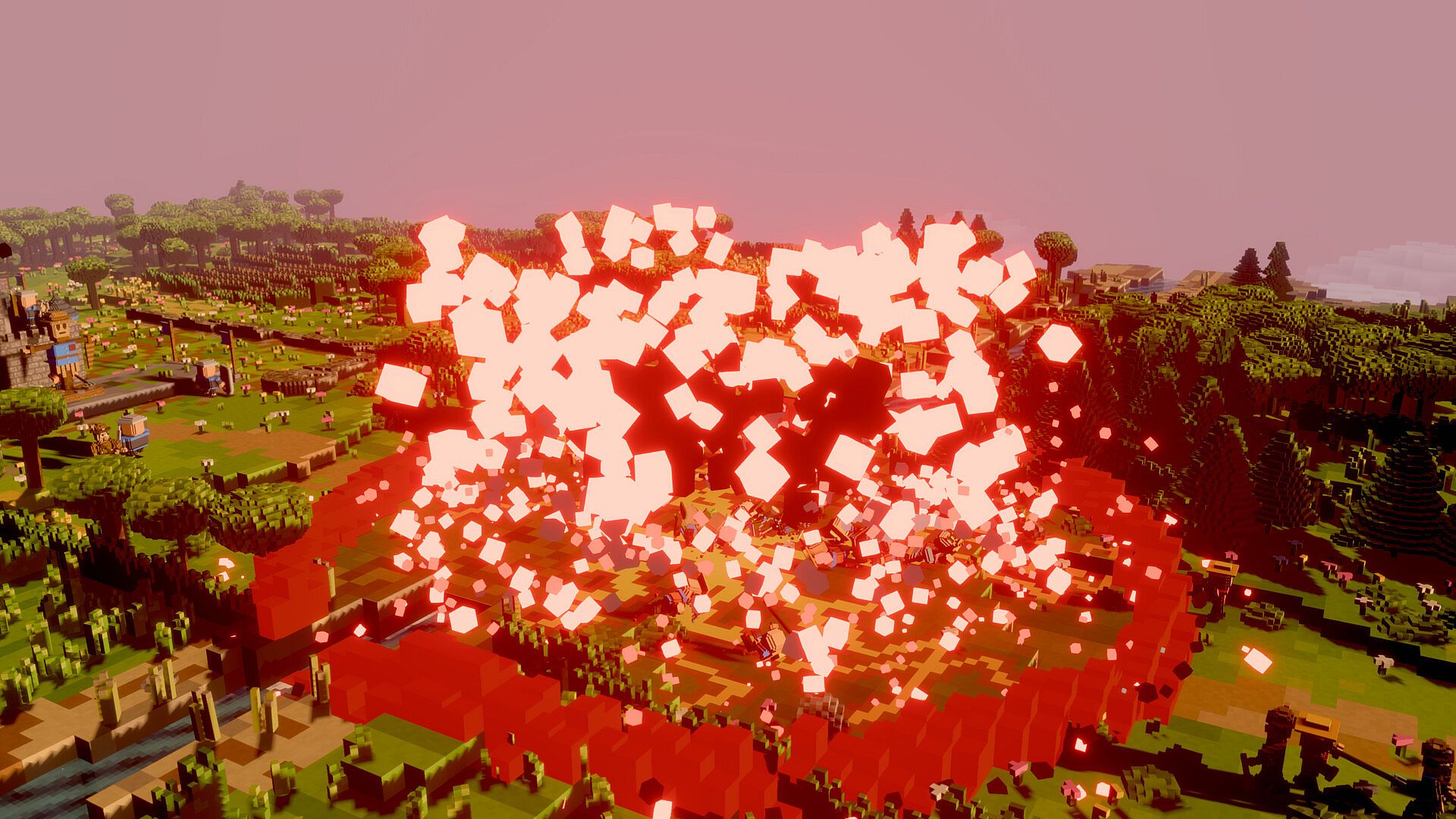
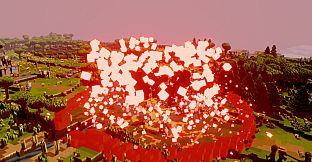
A central tower collects mana that players spend on targeted spells such as meteors, lines of fire, or ambushes. The keep itself upgrades through levels to unlock stronger army options overall. At its final stage, the Golden Hour power becomes available, granting one minute of double damage output and halved damage taken for the entire army. If a keep falls, that player is eliminated from the match.
Game Modes
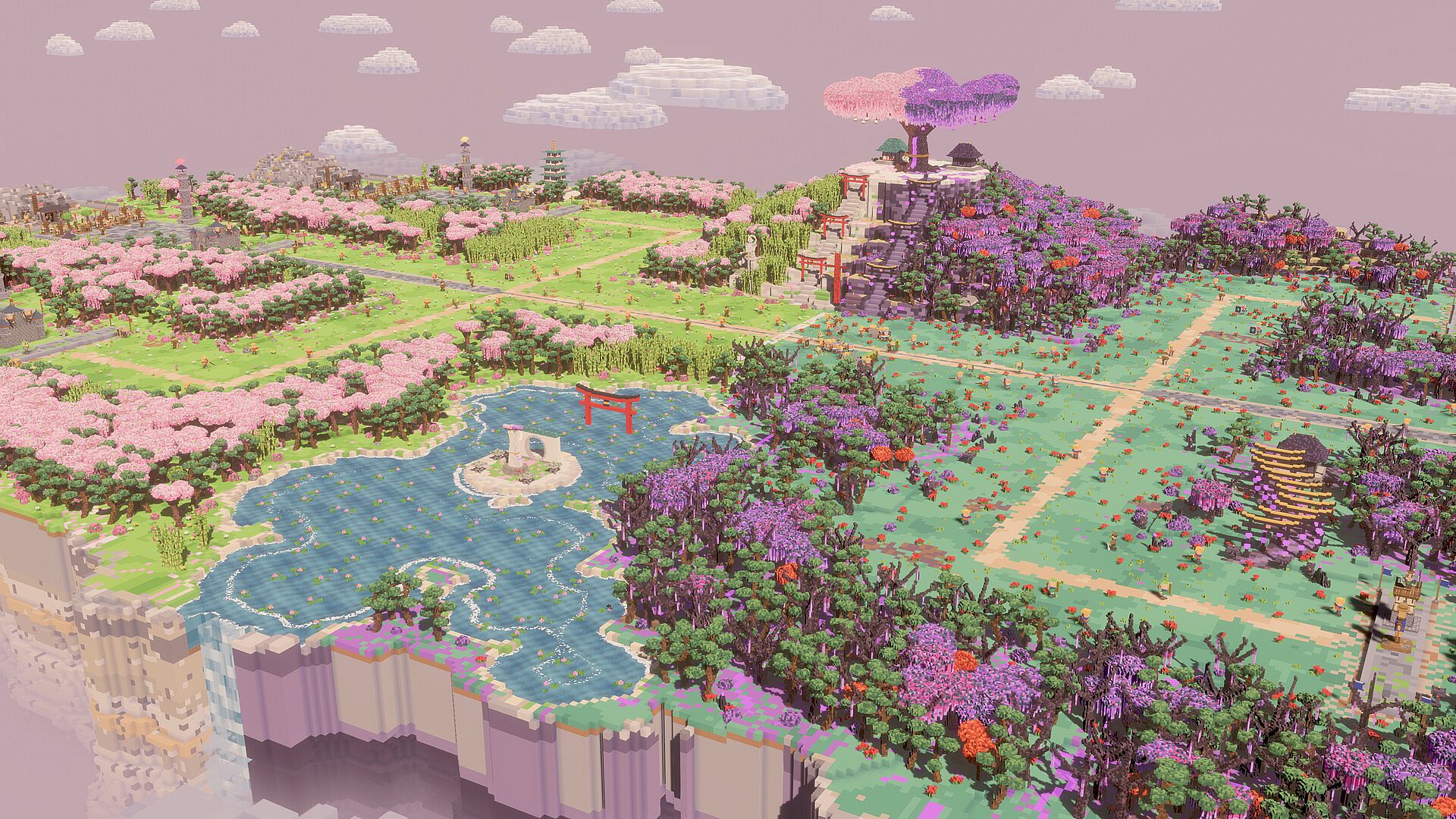
The campaign consists of nine missions designed to introduce mechanics progressively. Skirmish allows matches against bots, playable solo or with friends. Online supports up to six human players in three-versus-three battles over Steam, again with bots available to fill seats. Maps vary from one-versus-one to three-versus-three sizes and feature distinct landscapes and weather conditions that influence play.
Core Mechanics and Strategy
Success depends on deciding which works to build, when to upgrade them, and how to allocate gold across lanes. Unit variety from captured crossings encourages adaptation to opponent compositions. Spell casting from the tower adds direct intervention options that can turn localized fights. The keep upgrade path rewards sustained defense while the Golden Hour serves as a late-game swing tool. Matches emphasize macro decisions over micro control of individual units.
Is It Worth Playing?
The game remains in development with a planned release in Q1 2027 and currently shows no user reviews. Its automated army system and lane-based tug-of-war structure suit players who enjoy strategy titles focused on composition, timing, and resource allocation rather than constant unit commands. Those interested in three-versus-three multiplayer or shorter skirmishes against AI may find the described systems appealing once it launches, particularly if they prefer matches that reward planning over rapid execution.











