


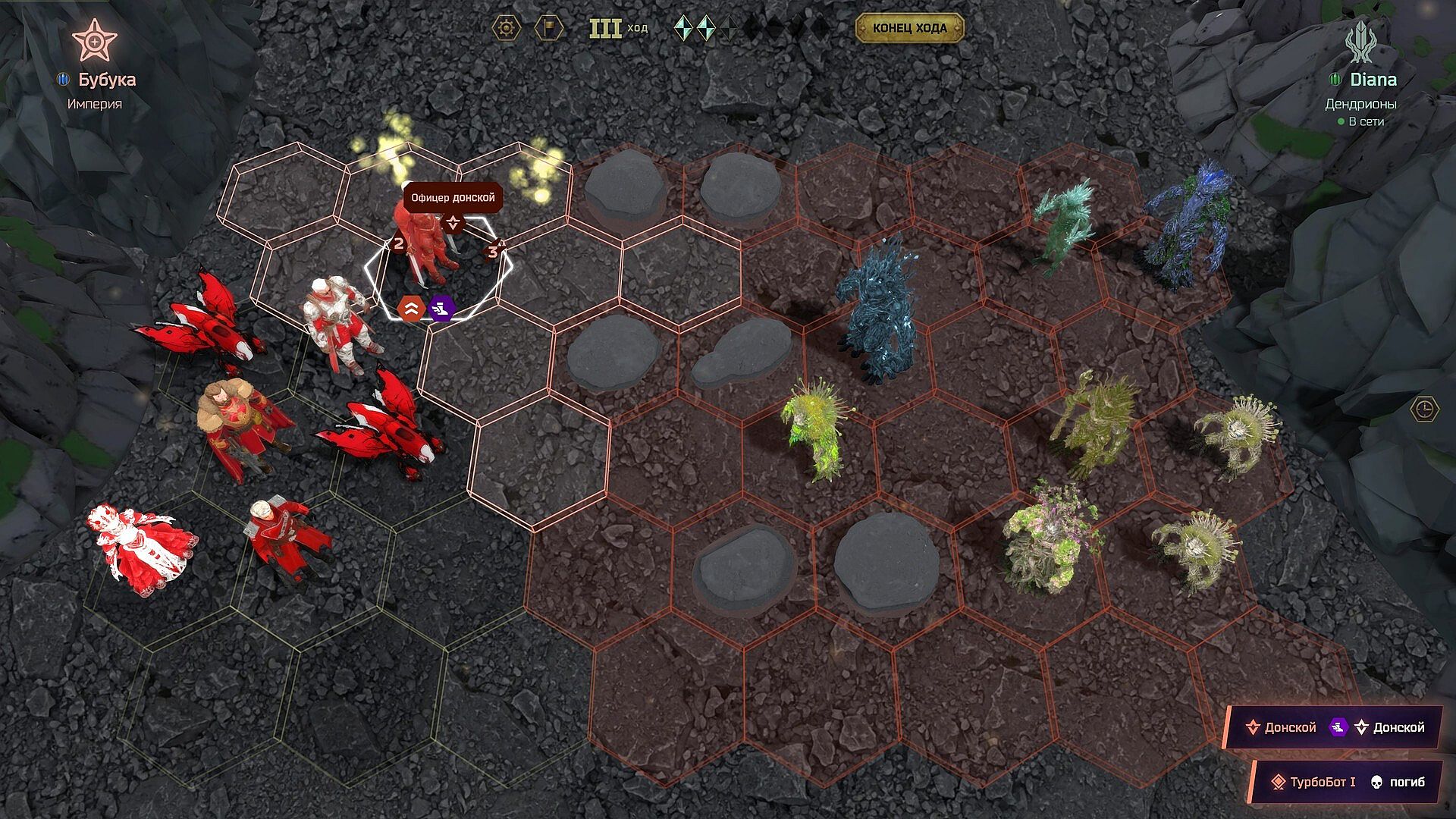
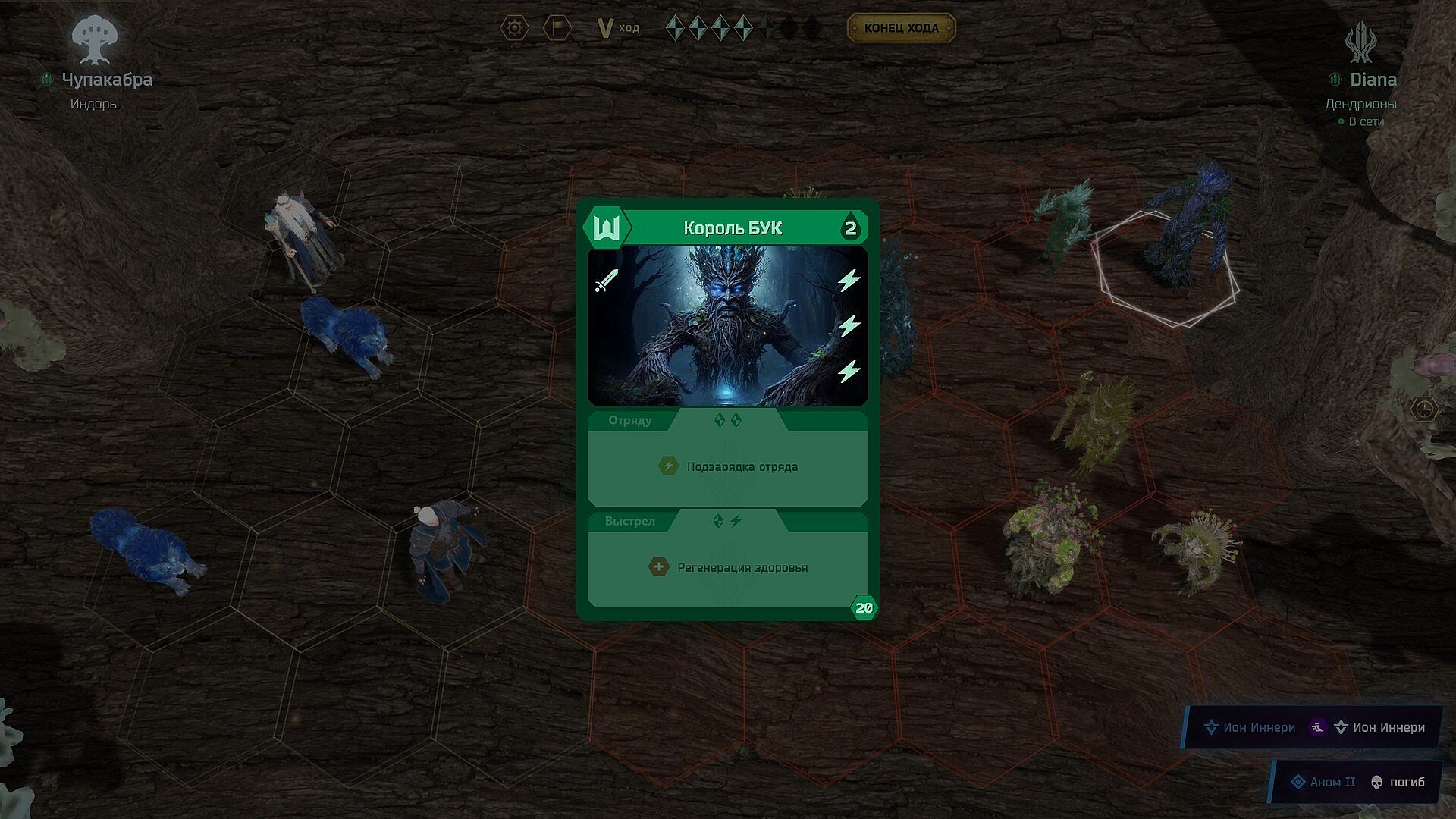
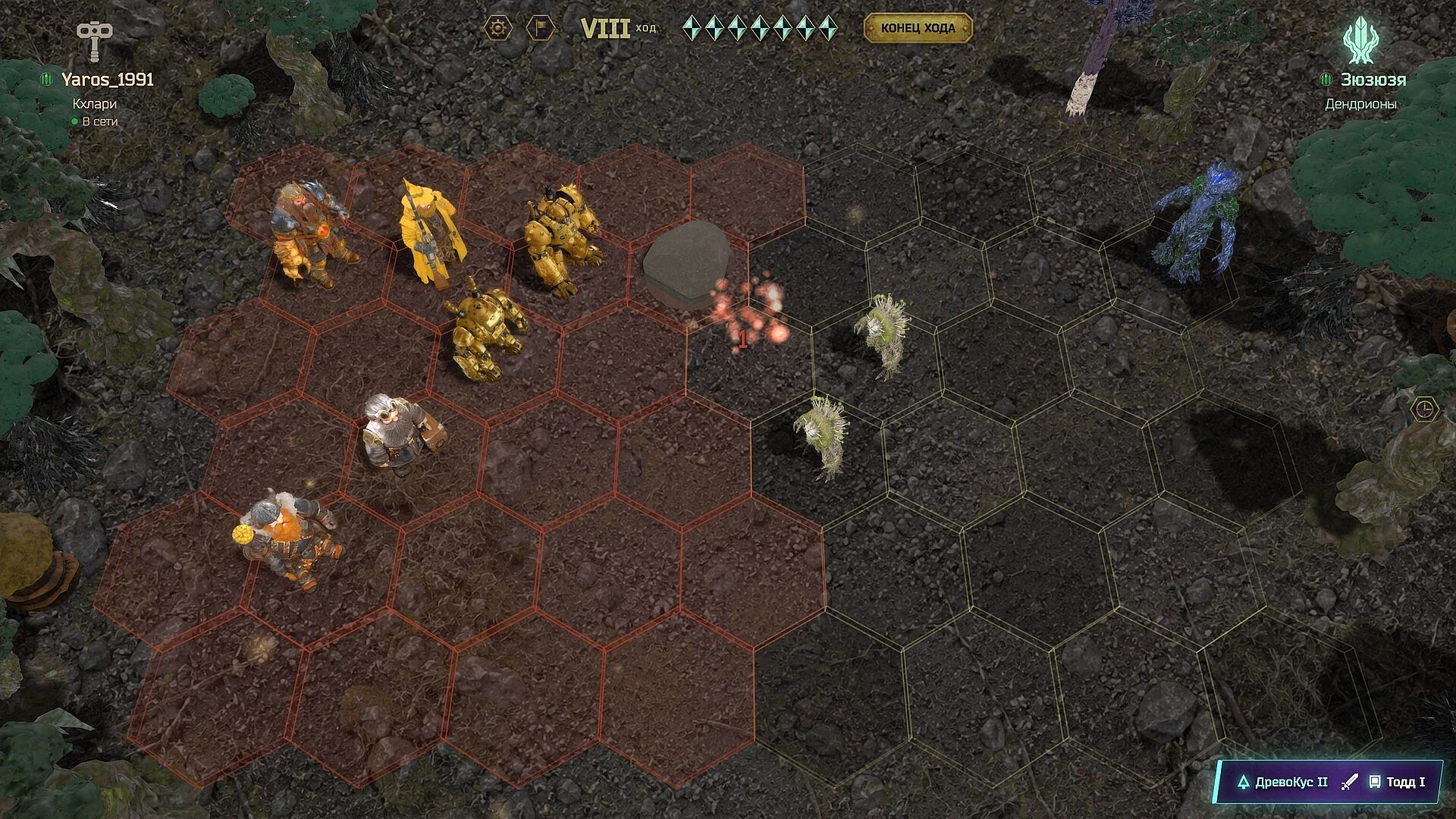
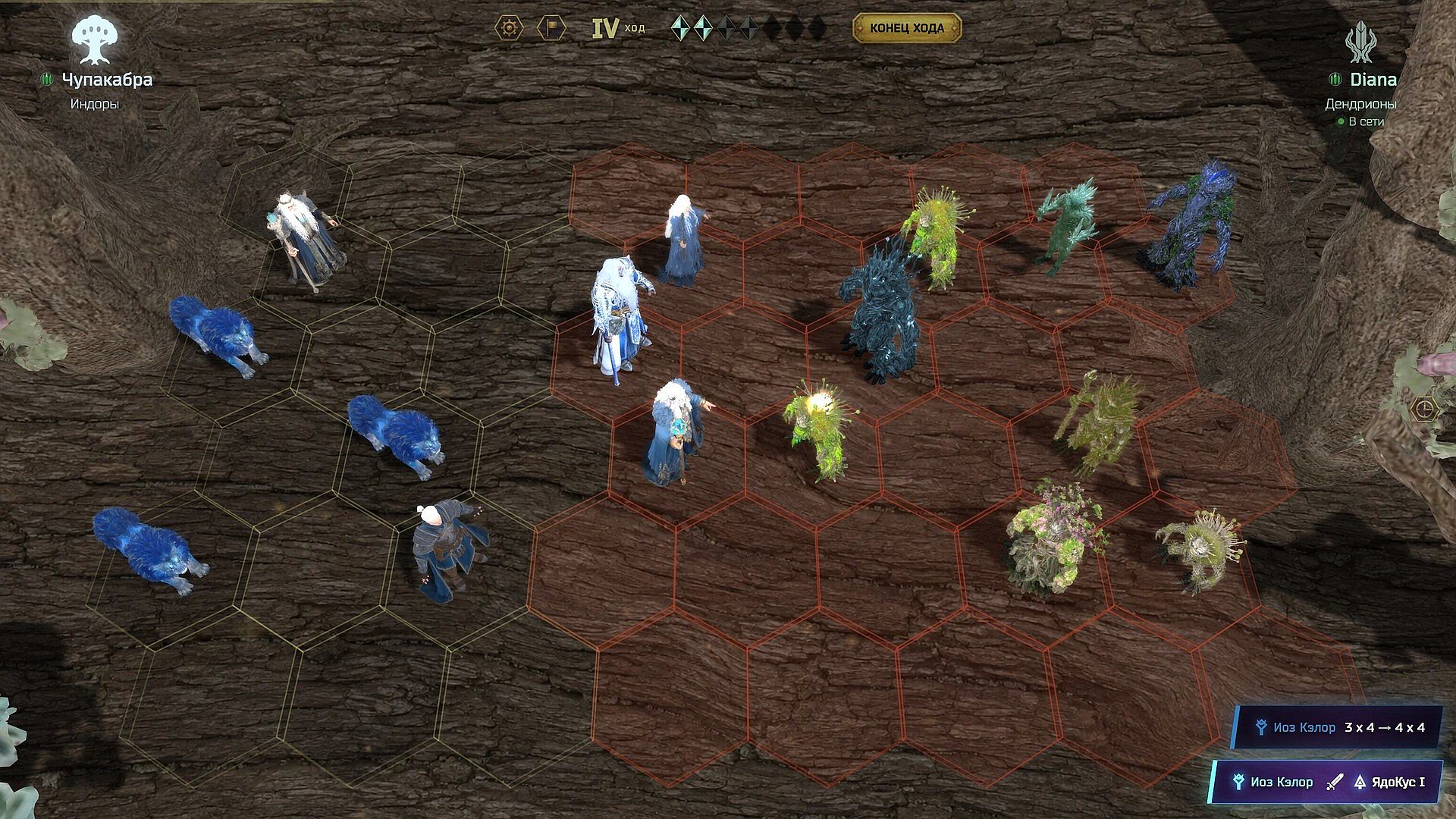
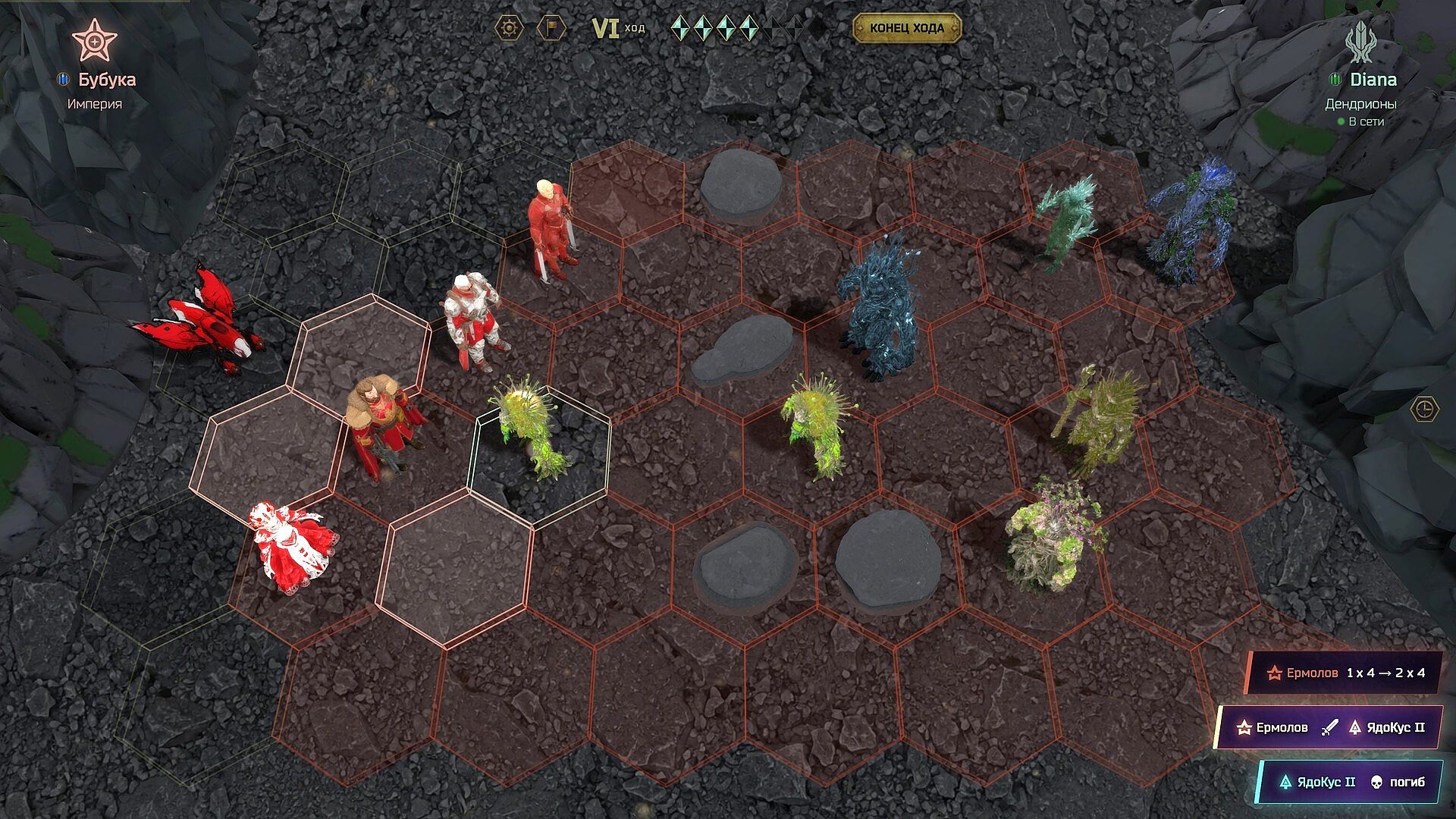
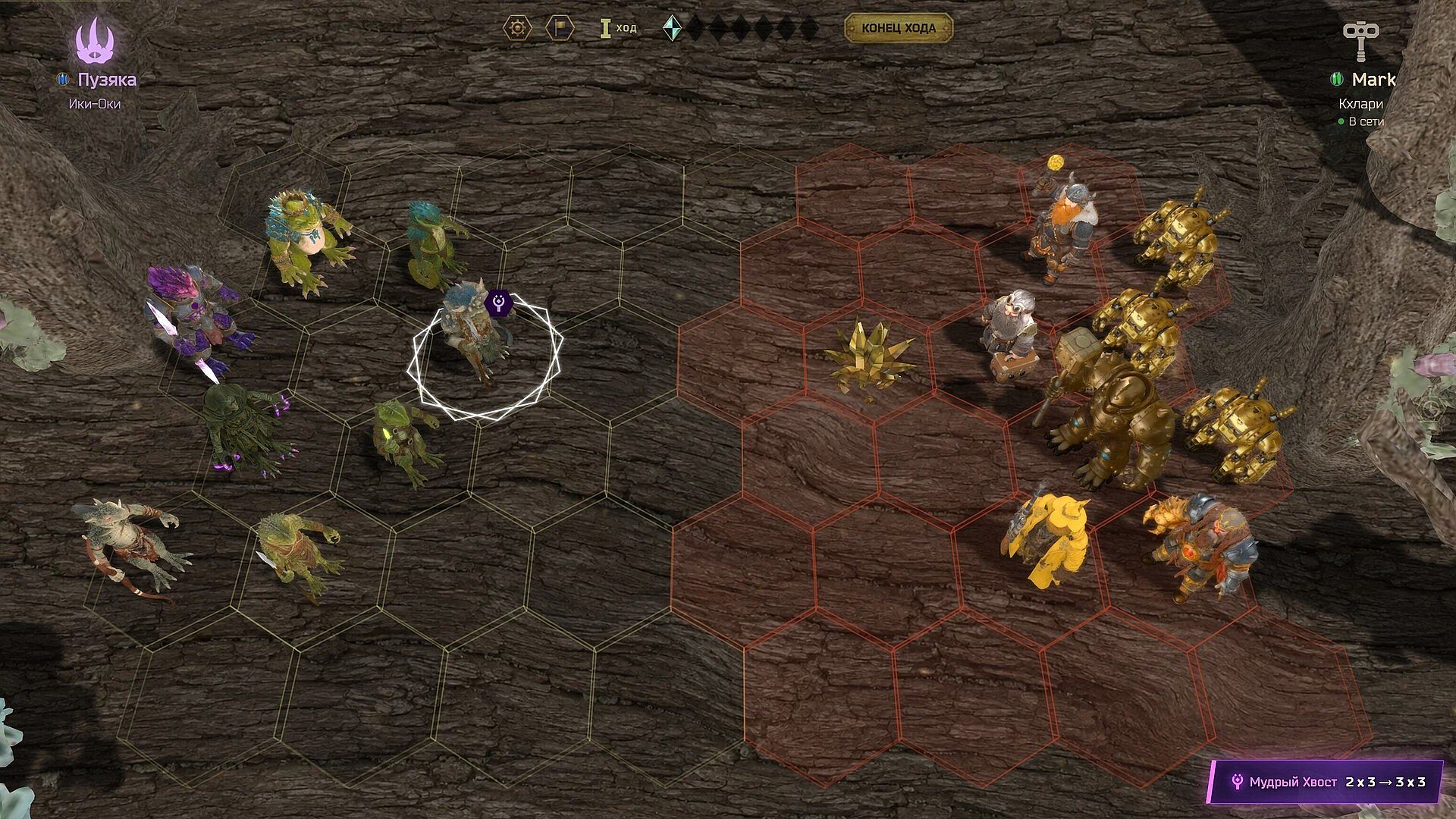
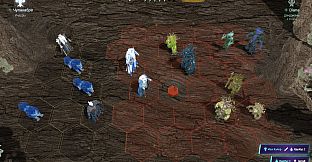
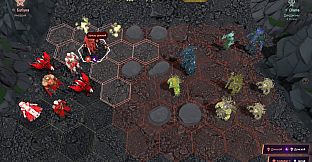
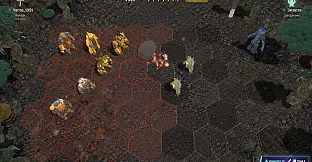
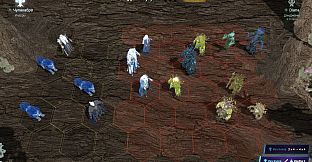
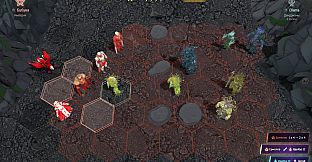
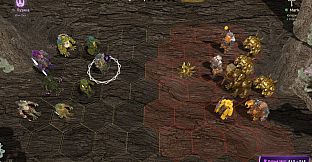
MAT is a turn-based tactics game for PC that blends the strategic depth of chess with asymmetric faction design on a hexagonal grid. Players command one of five distinct races in matches that emphasize pure skill and positioning over chance. The game stands out for its free-to-play model and focus on deliberate decision-making in short sessions.
Gameplay
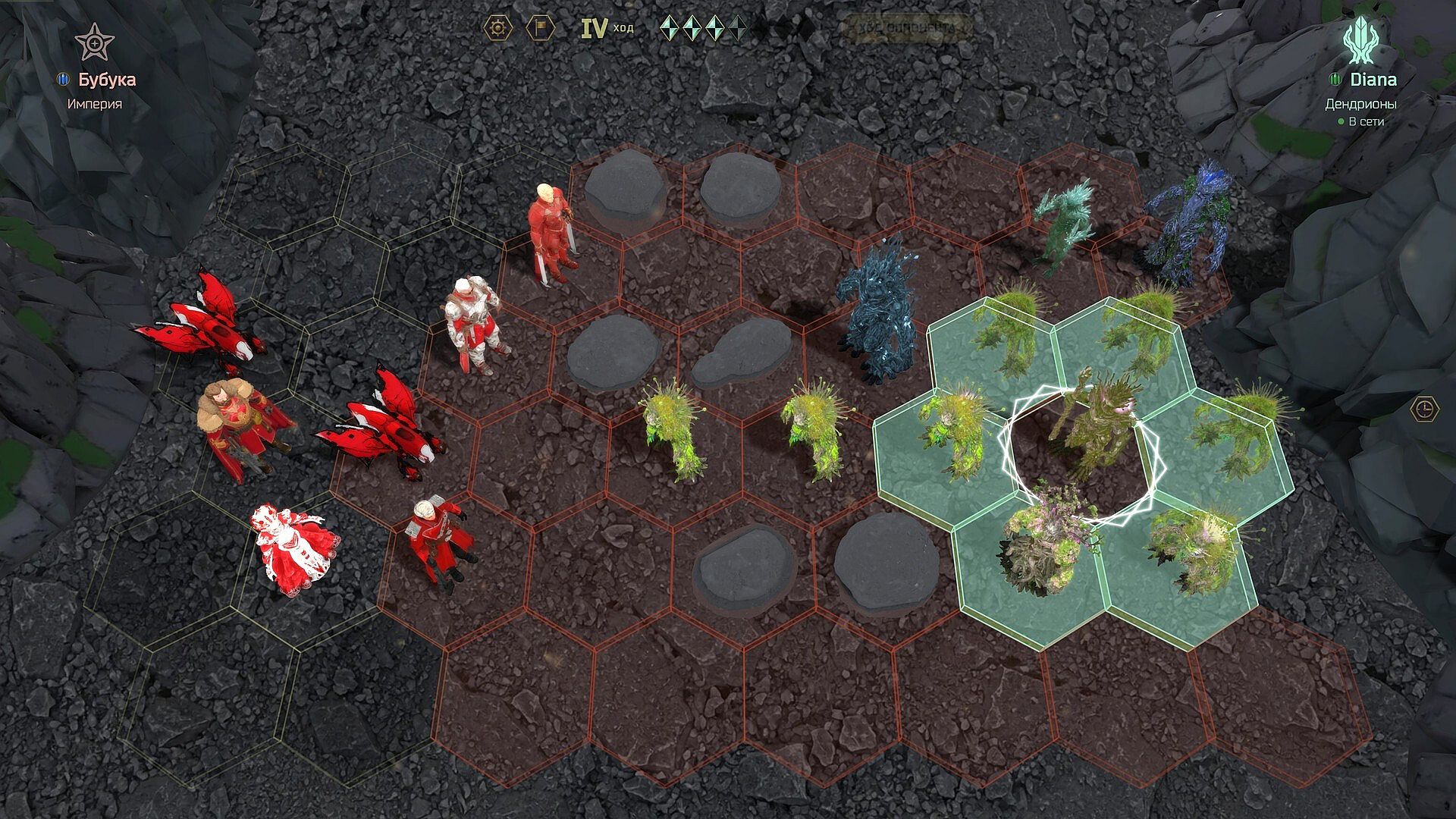
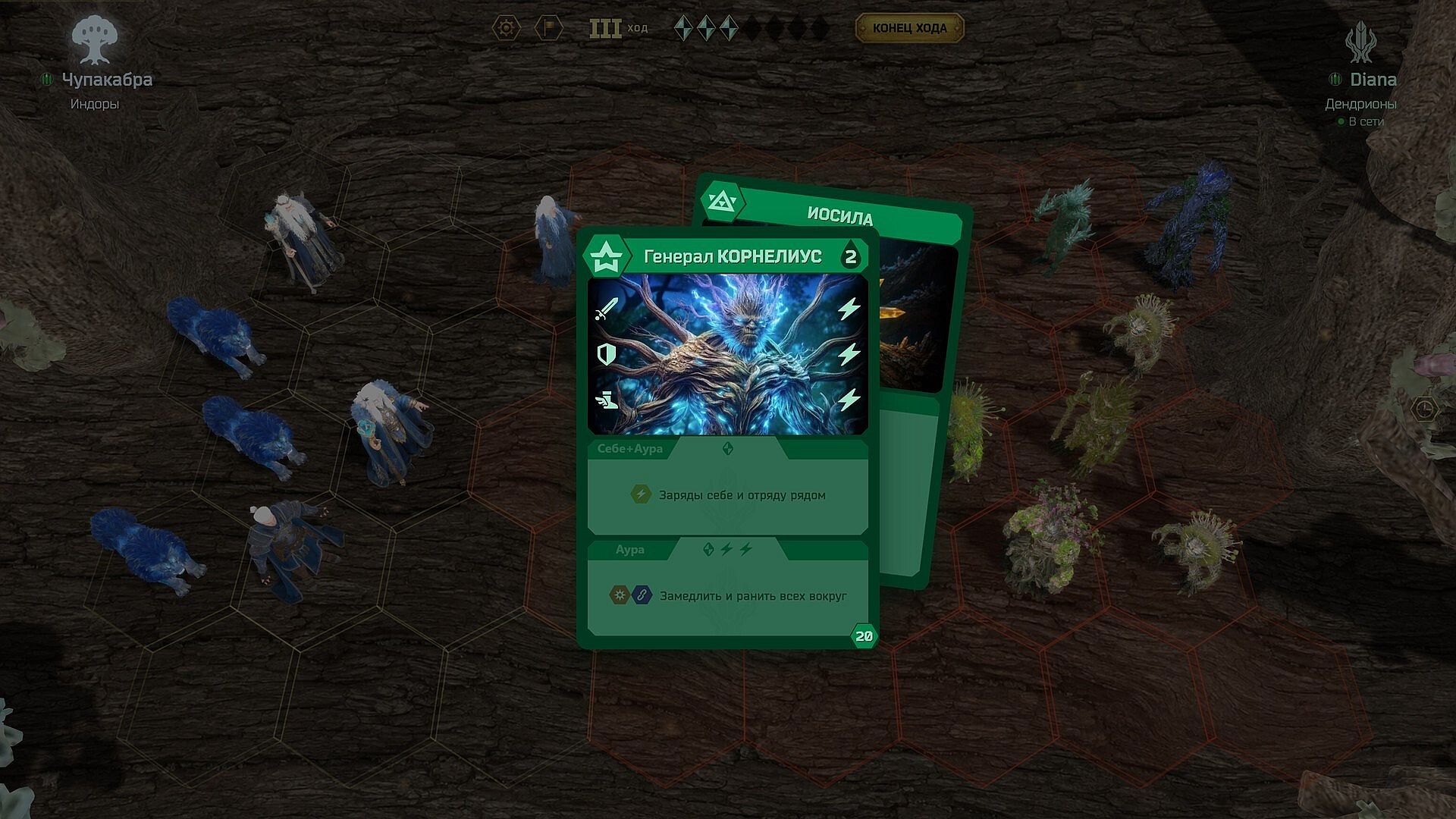
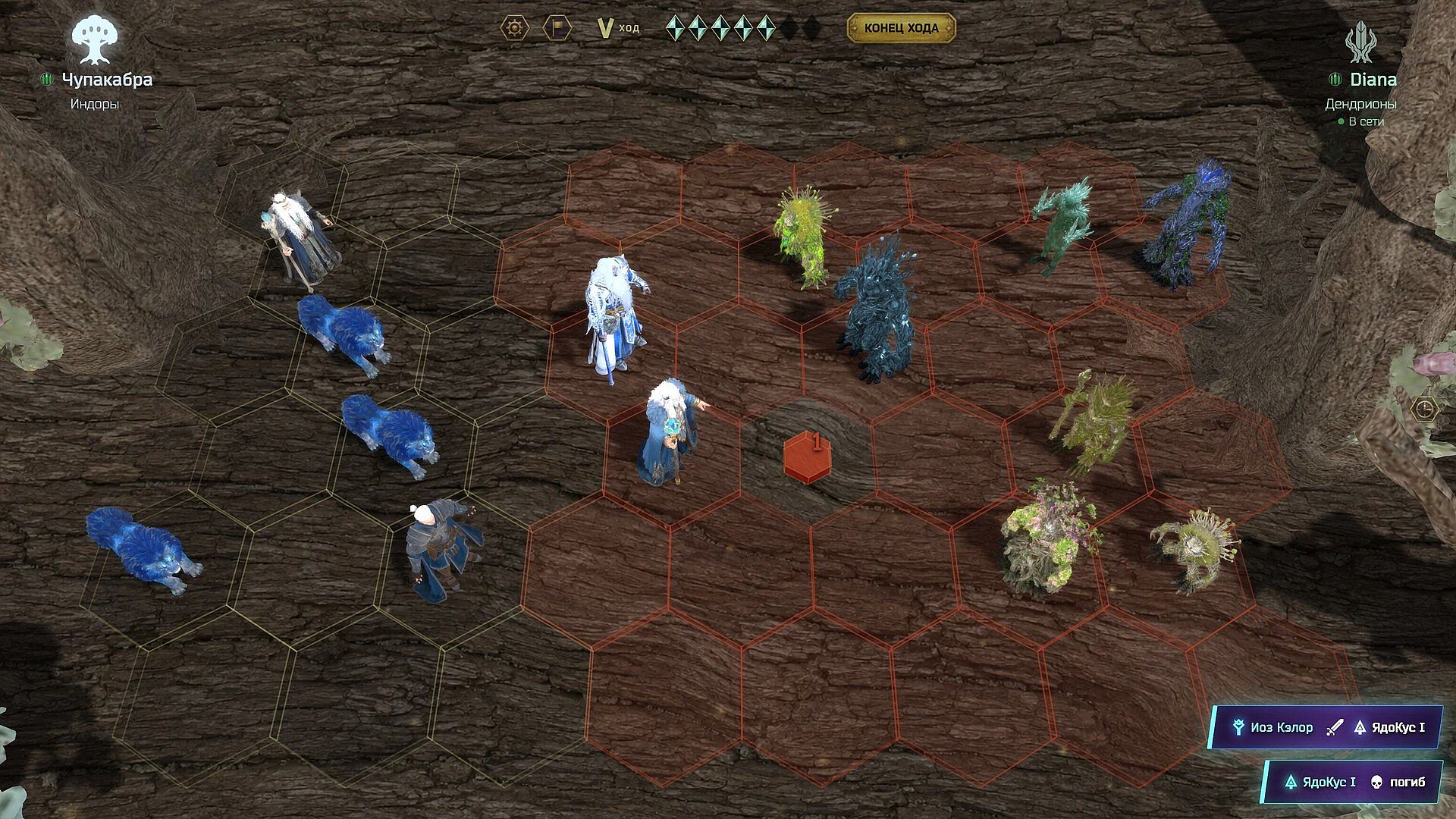
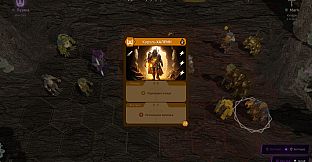
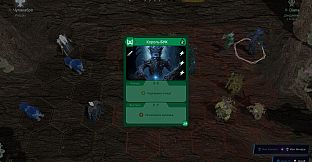
The core loop revolves around managing a limited pool of action points each turn to move units, attack with swords, or activate special abilities. Action points begin at one and increase by one per turn until reaching a maximum of seven. Every move to an adjacent hex or basic sword strike consumes one point, while abilities draw from the unit's card details and may also spend limited charges. The objective remains consistent across encounters: reduce the enemy king's health to zero through accumulated damage.
Five asymmetric races shape every match with unique units, abilities, and preferred approaches. The human Empire relies on balanced forces, Indor mages emphasize magical effects, Khlari techno-gnomes bring mechanical gadgets, Dendrions leverage living-tree resilience, and Iki-Oki lizards favor aggressive wild tactics. Traps, items, and status effects such as poison, sleep, and haste further alter the board state and force ongoing adaptation. No dice or random elements exist, so outcomes depend entirely on tactical choices and foresight.
Game Modes
Players access a structured tutorial divided into four short lessons that introduce movement, attacks, abilities, and end-turn mechanics step by step. Story campaigns provide single-player progression through narrative-driven scenarios. Matches against a computer opponent allow practice and experimentation with different races and setups. Online matches pit players against others in direct competition, supporting the same core rules in a multiplayer environment.
Every session concludes in five to ten minutes, keeping the experience accessible for repeated play without long commitments. The hexagonal board and drag-and-drop controls keep interactions straightforward while the action-point system adds layers of planning.
Factions and Strategic Depth
Each race brings distinct unit rosters and ability sets that reward different playstyles. Empire units often excel in straightforward positioning and sustained pressure. Indor forces lean into disruptive magical effects that alter enemy options. Khlari units incorporate technological tools for area control or utility. Dendrion compositions emphasize durability and gradual board dominance. Iki-Oki groups prioritize speed and opportunistic strikes. These differences create meaningful variety when selecting a faction for a given match or campaign.
Status effects and traps introduce additional variables that skilled players exploit to disrupt opponent plans. Items provide one-time advantages that must be timed carefully within the action-point budget. The absence of randomness means every decision carries weight, encouraging study of unit interactions and board control over multiple games.
Is It Worth Playing?
MAT appeals most to players who value chess-like calculation and faction asymmetry in a digital format. Its free-to-play availability on PC removes barriers to entry, while the short match length supports quick sessions or deeper study of strategies. The tutorial ensures newcomers can grasp the systems quickly, and the mix of story campaigns, AI battles, and online play offers progression paths for different preferences.
Those who enjoy pure tactical combat without luck-based elements will find the mechanics rewarding. The emphasis on positioning, resource management, and faction-specific strengths creates replayability through experimentation with different races and responses to opponent choices. As a pre-release title, it currently focuses on core systems that deliver consistent, skill-driven outcomes.