




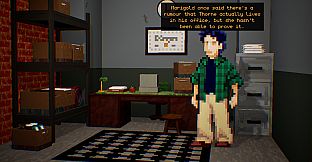
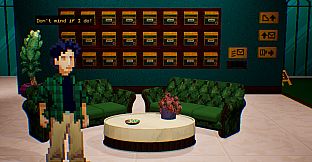
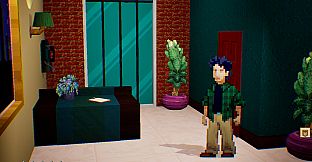
Maycrest Heights is a point-and-click adventure game set in a looping sitcom world. Players take on the role of Casey, a struggling writer who moves into the apartment building and quickly notices that daily routines repeat with uncanny precision. The cheerful facade of neighborly banter and building mishaps begins to fracture as inconsistencies pile up, pulling in elements from another reality.
Gameplay
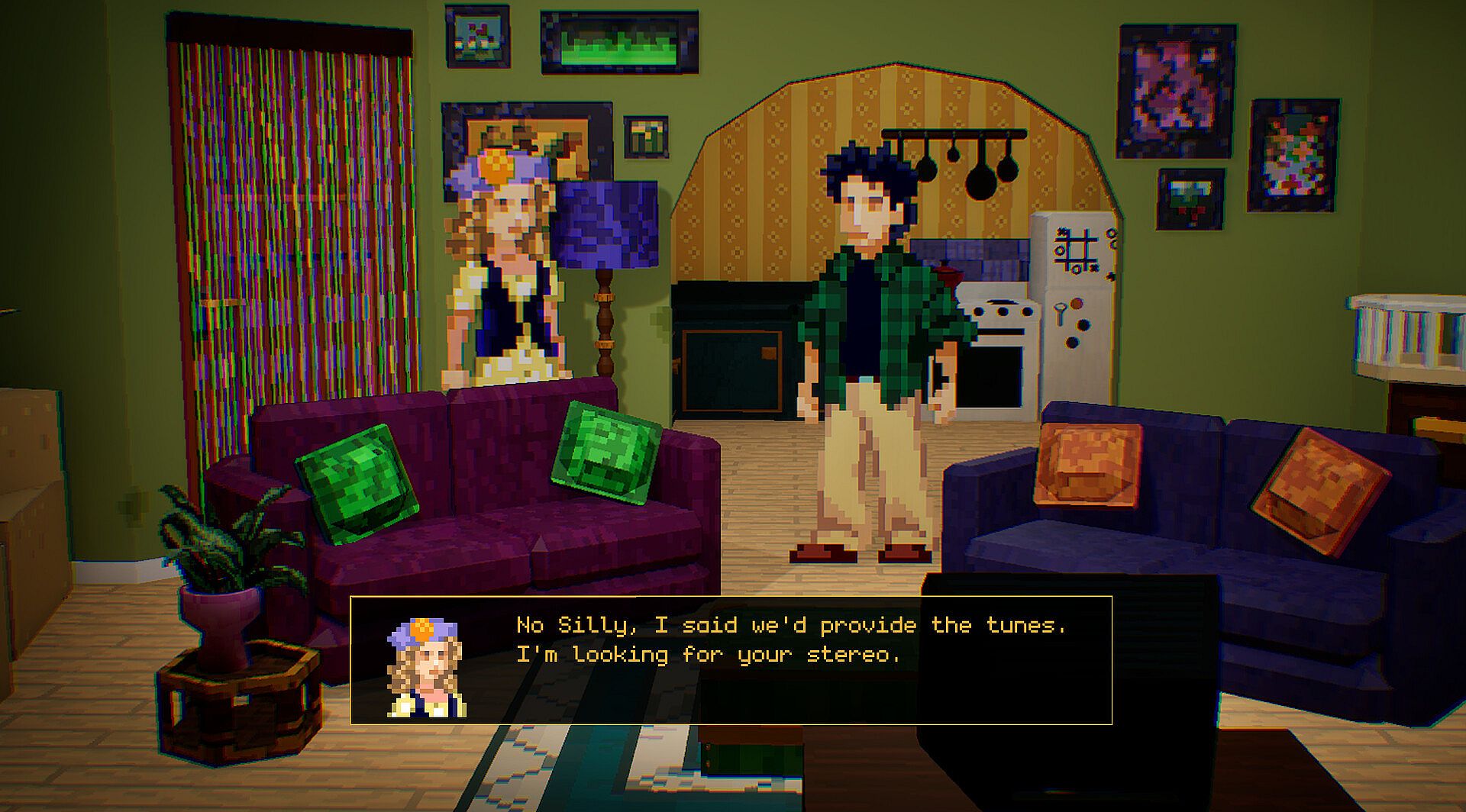
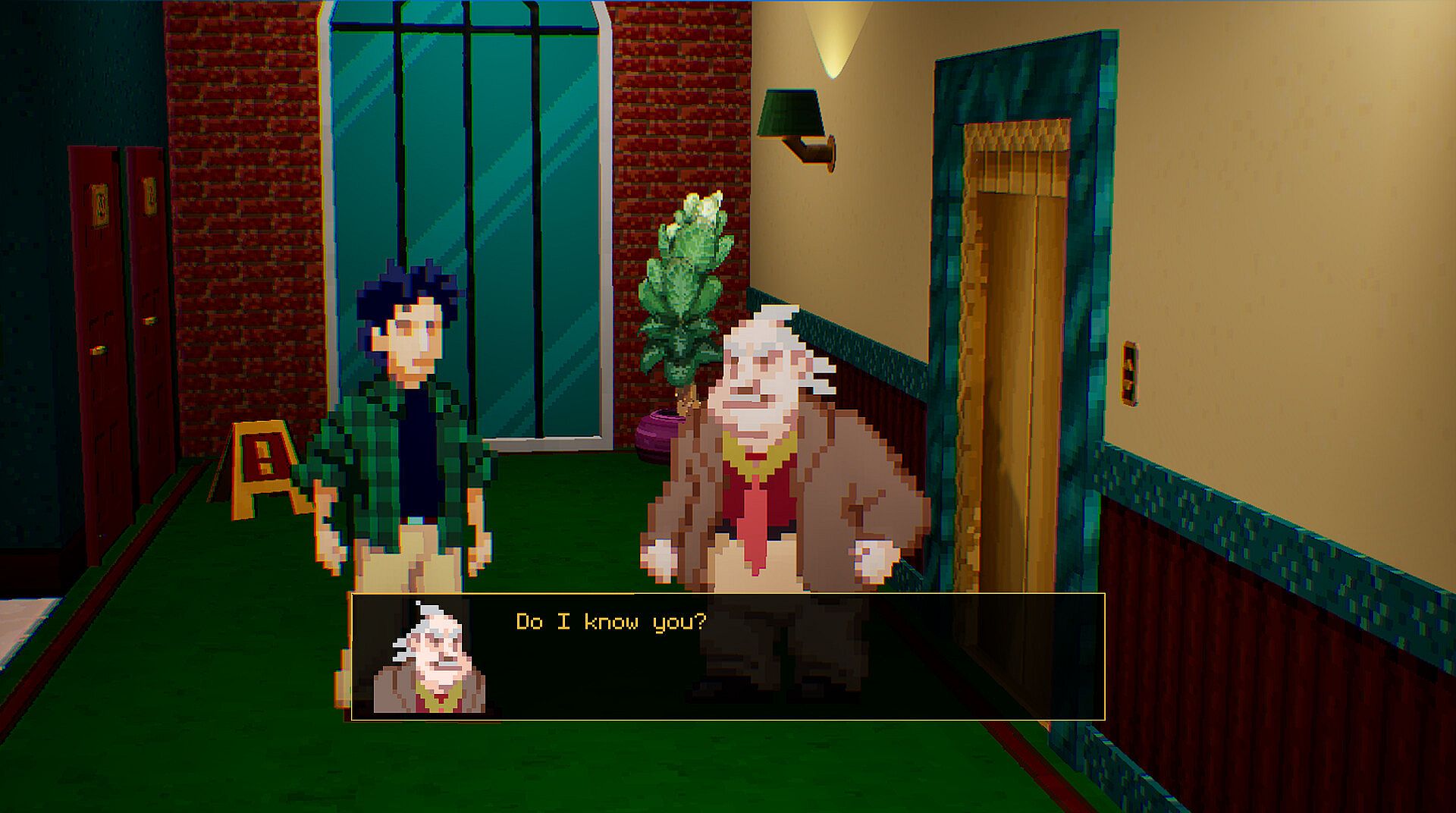
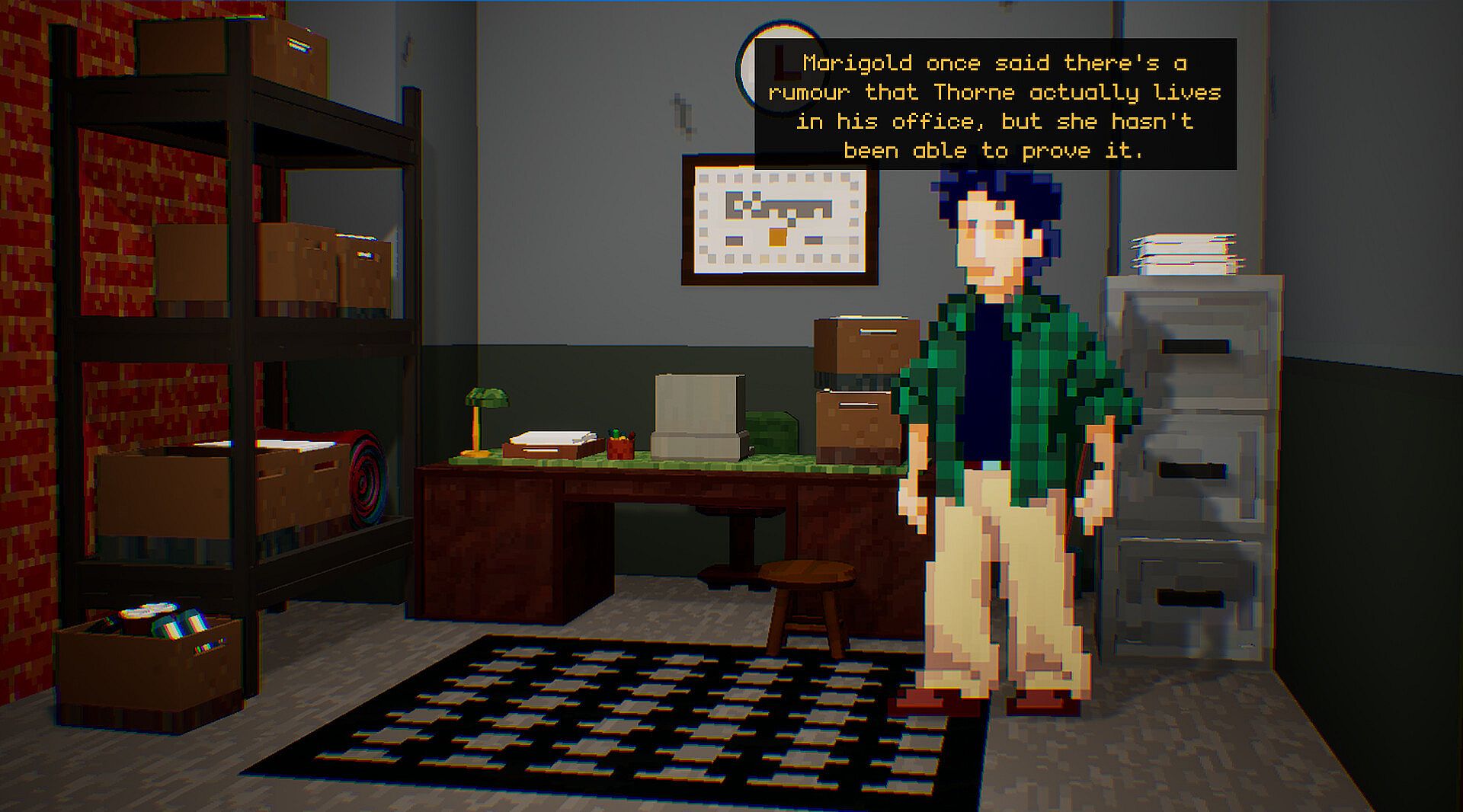
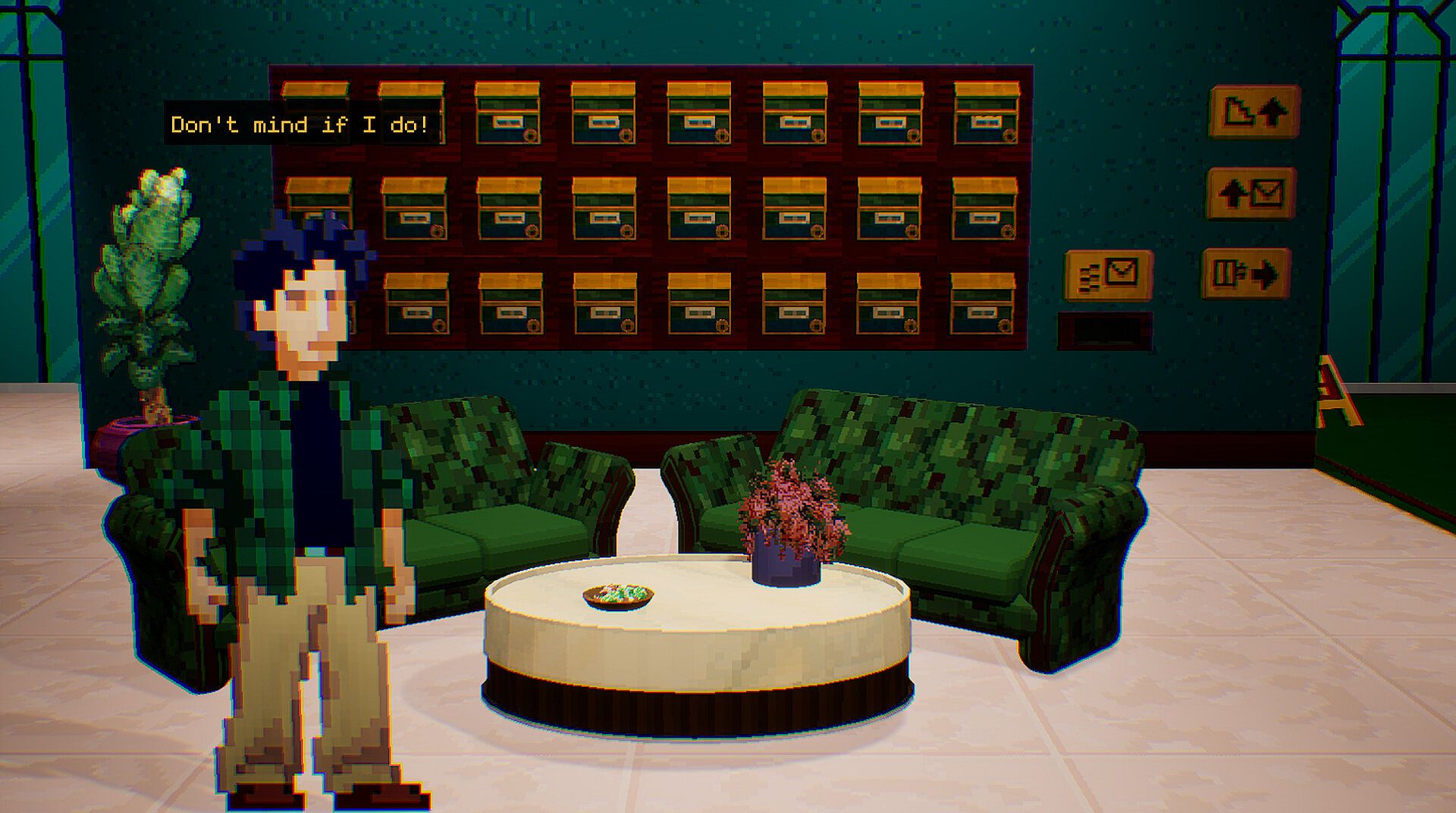
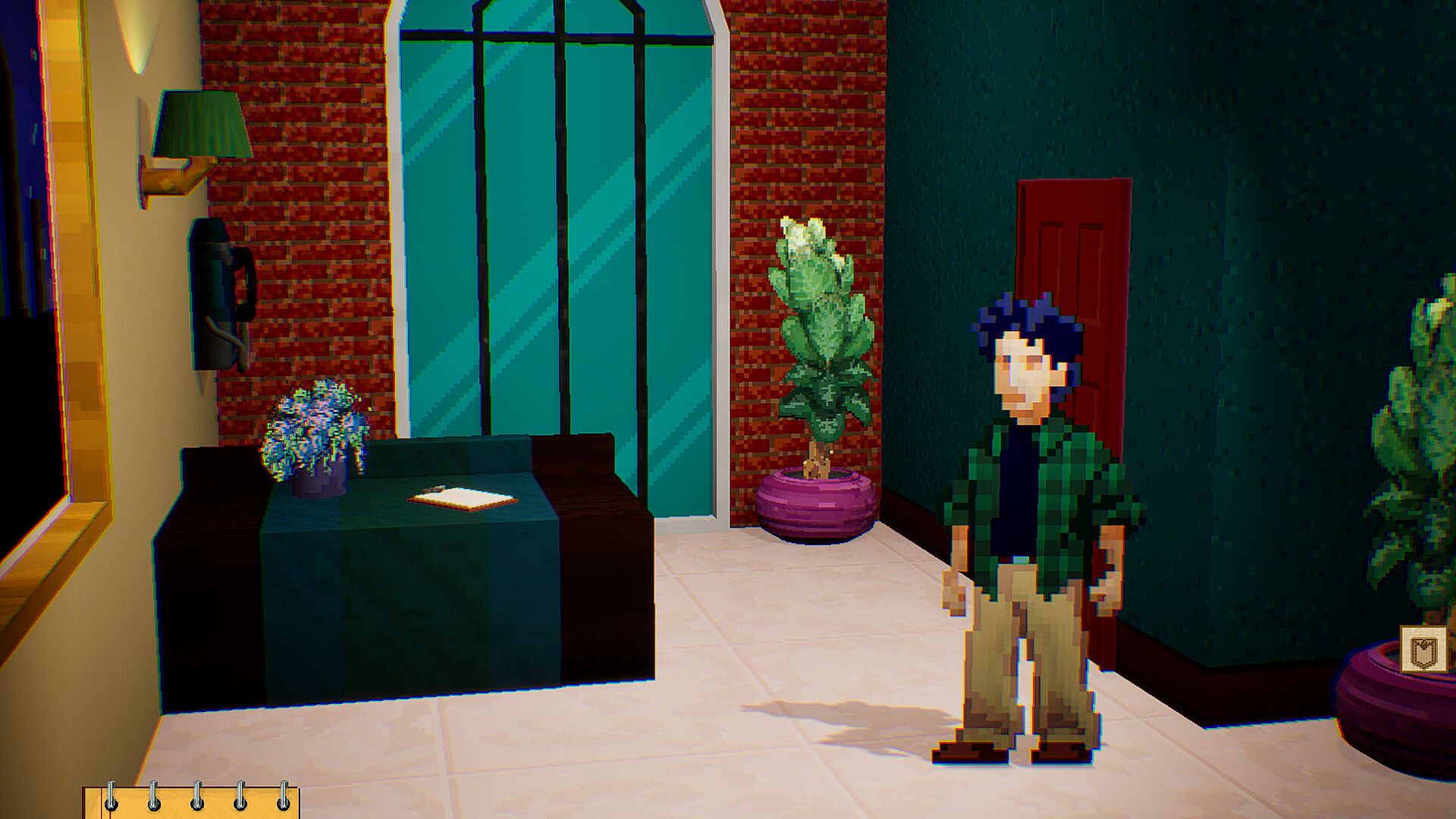
The core loop centers on exploration and interaction within each recurring scene. Players examine objects, attempt to pick up items, and converse with residents to gather clues about the scripted events. Dialogue trees reveal predictable lines that can be anticipated after repeated loops, allowing for strategic interruptions or diversions. Combining seemingly unrelated objects often produces unexpected results that alter the flow of a scene. An optional hints system provides guidance without removing the satisfaction of deduction. The retro pixel art style blends with three-dimensional environments to create a distinctive visual tone that supports the narrative shift from sitcom comfort to unsettling distortion.
Everyday activities like unpacking or chatting with neighbors serve as entry points into deeper investigation. The protagonist's background in copywriting and love of cinema informs witty responses during conversations, which can influence how other characters react across loops. Thorough examination of the environment rewards players with extensive dialogue that fleshes out the cast and the building's quirks.
Game Modes
Maycrest Heights offers a single-player narrative experience structured around eight episodes. Each episode functions as a self-contained act within the larger time-loop framework, where the goal is to identify the precise sequence of actions that breaks the repetition and advances the story. There are no separate competitive or cooperative modes; progression relies entirely on observation, experimentation, and manipulation of the cast within the fixed setting of the apartment building.
The structure emphasizes replaying scenes with new knowledge gained from prior attempts. Players must change the outcome of sitcom-style hijinks by redirecting conversations or repurposing objects in novel ways. This approach keeps the focus on unraveling the central mystery rather than branching into unrelated activities.
Story and Characters
Casey serves as the viewpoint character, balancing freelance work with ambitions of writing a novel while trapped in the building's cycle. His roommate Marigold brings an energetic, community-focused presence that contrasts with the growing unease. The building superintendent Thorne acts as a rigid obstacle, enforcing rules in ways that demand creative circumvention through repeated trials. Additional residents populate the episodes with their own recurring behaviors and hidden depths that surface as the loops destabilize.
The narrative draws from classic sitcom tropes before subverting them. Familiar jokes and misadventures give way to revelations about the artificial nature of the environment. Progress requires completing all eight episodes to reach the season's conclusion and escape the warped reality.
Is It Worth Playing?
Maycrest Heights suits players who enjoy deliberate point-and-click puzzles and story-driven mysteries with a meta twist. The six-to-eight-hour length delivers a compact experience focused on dialogue, object interaction, and incremental story advancement through time-loop mechanics. Those drawn to indie adventure titles that blend humor with unsettling atmosphere will find the sitcom premise and unraveling world a distinctive hook. The emphasis on exhaustive exploration and creative item use aligns with fans of games that reward curiosity over action or combat. Availability on PC makes it accessible for those seeking a self-contained narrative without ongoing updates or additional content layers.











