


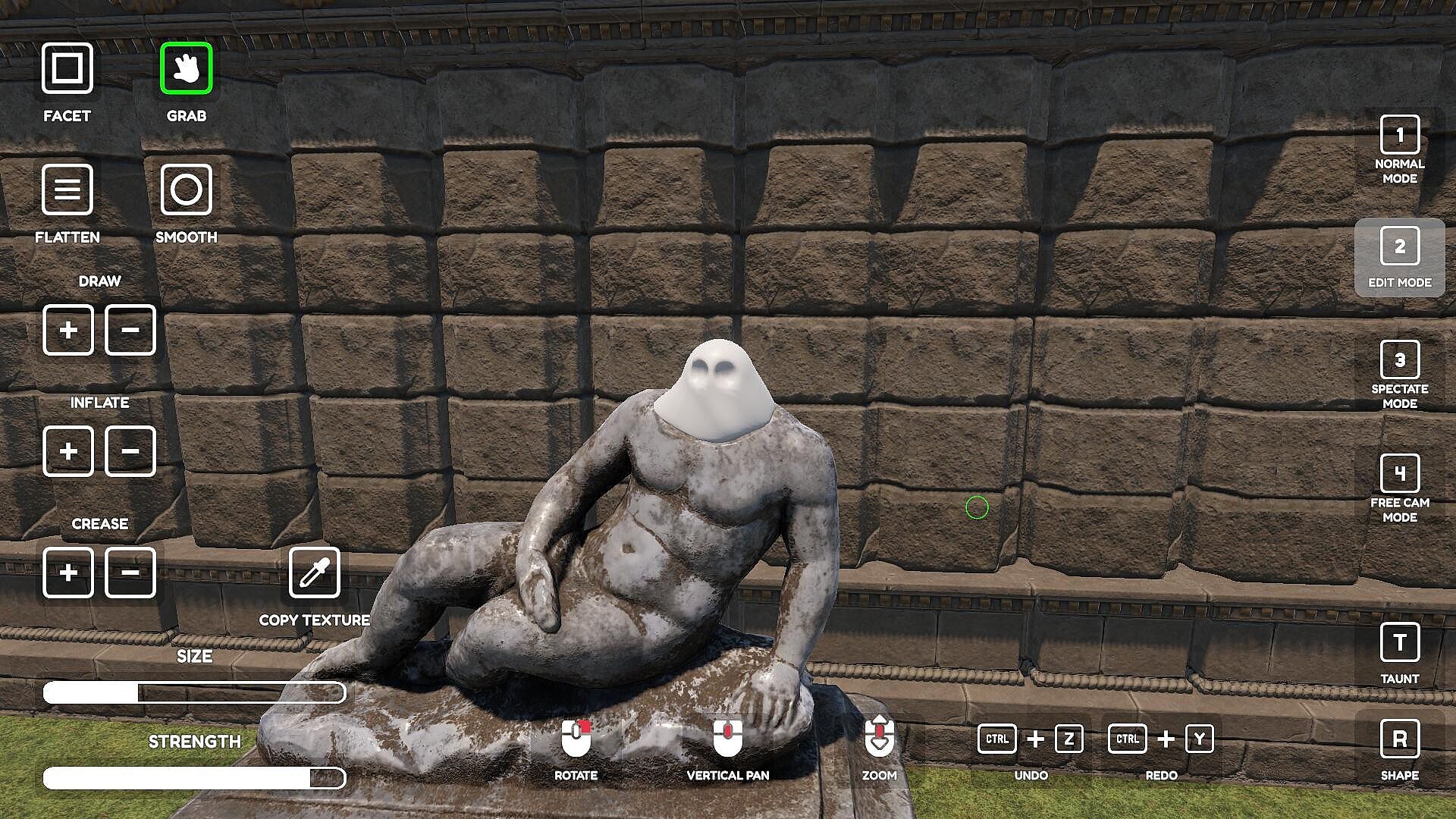
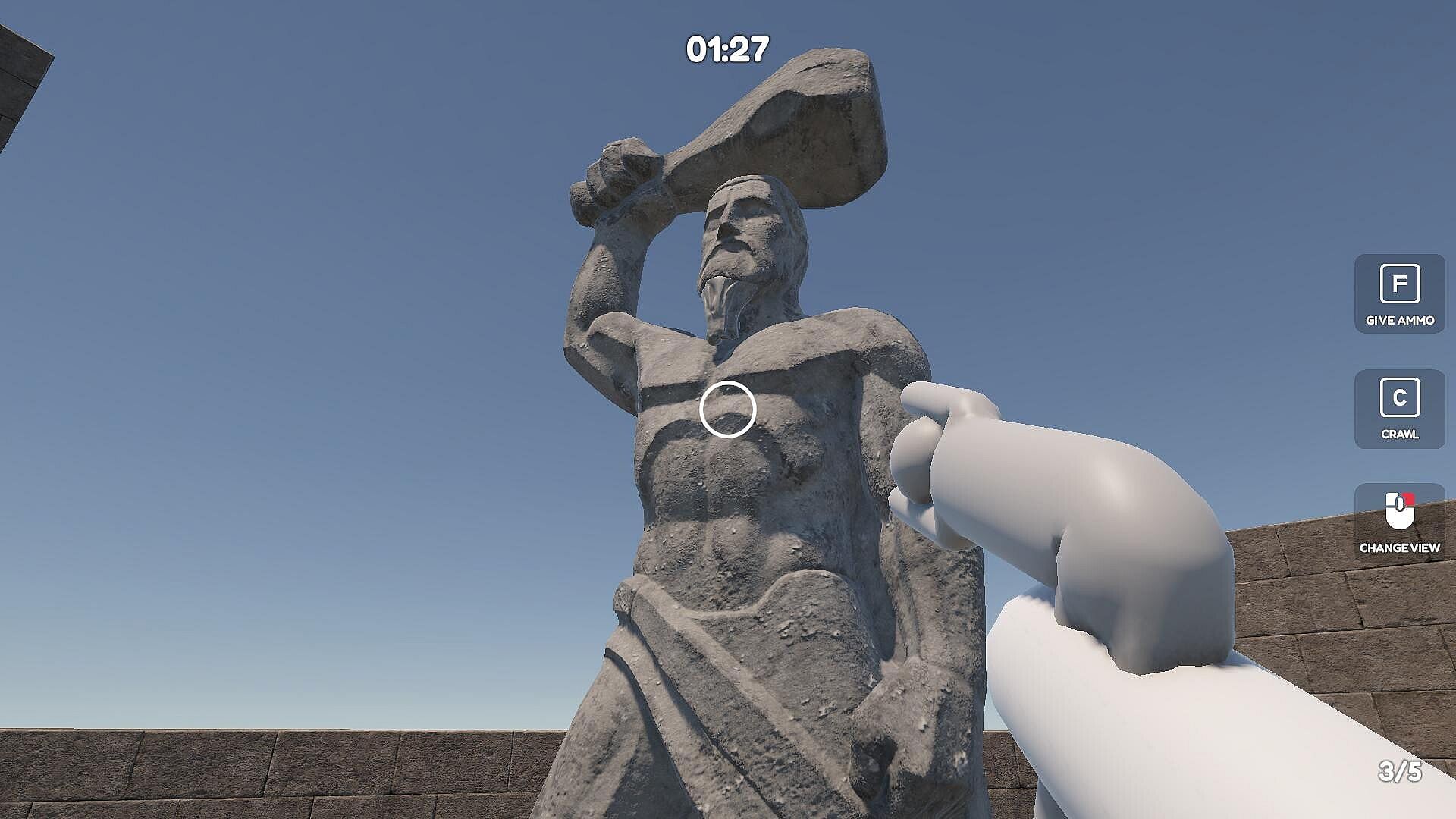
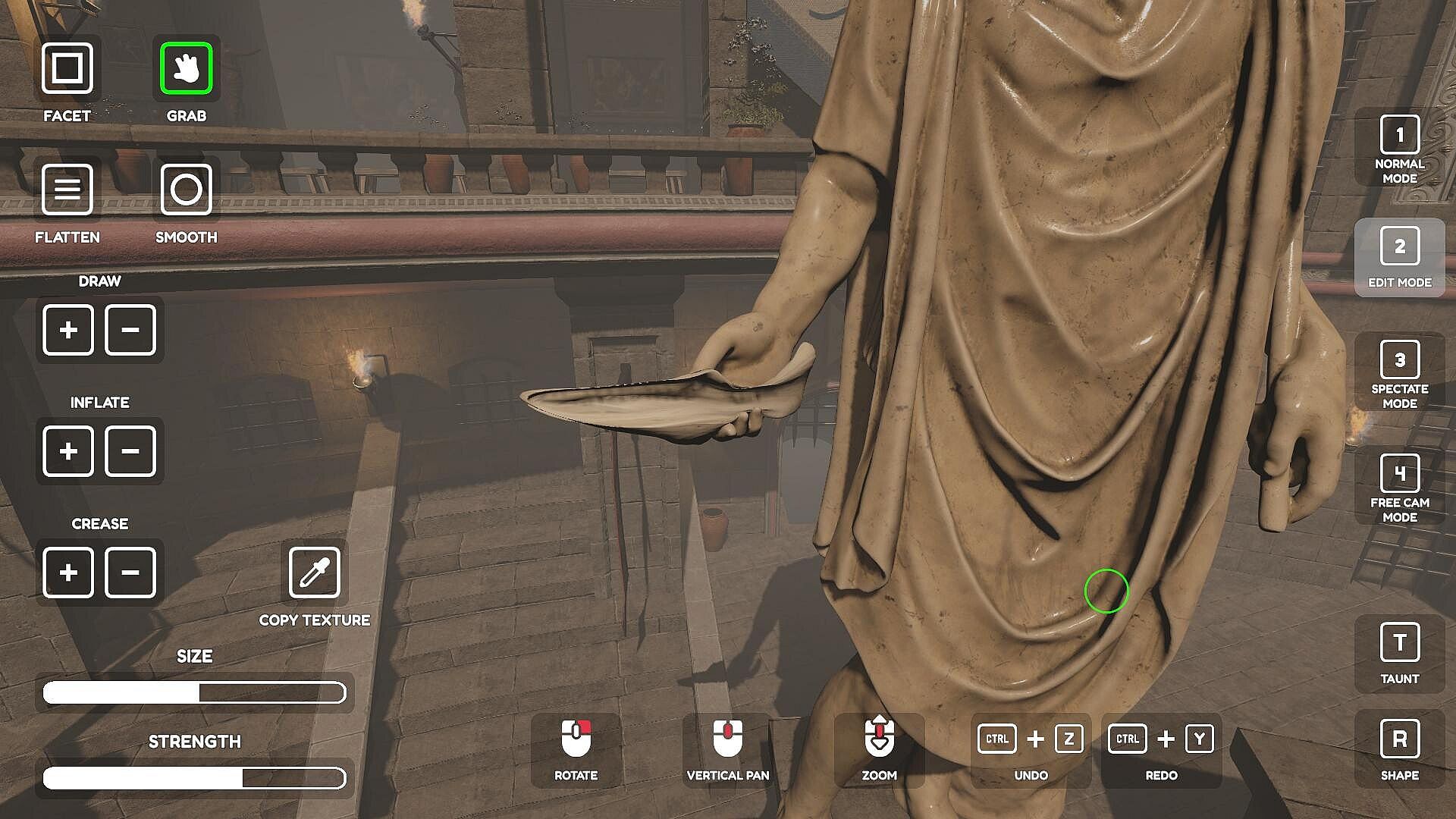
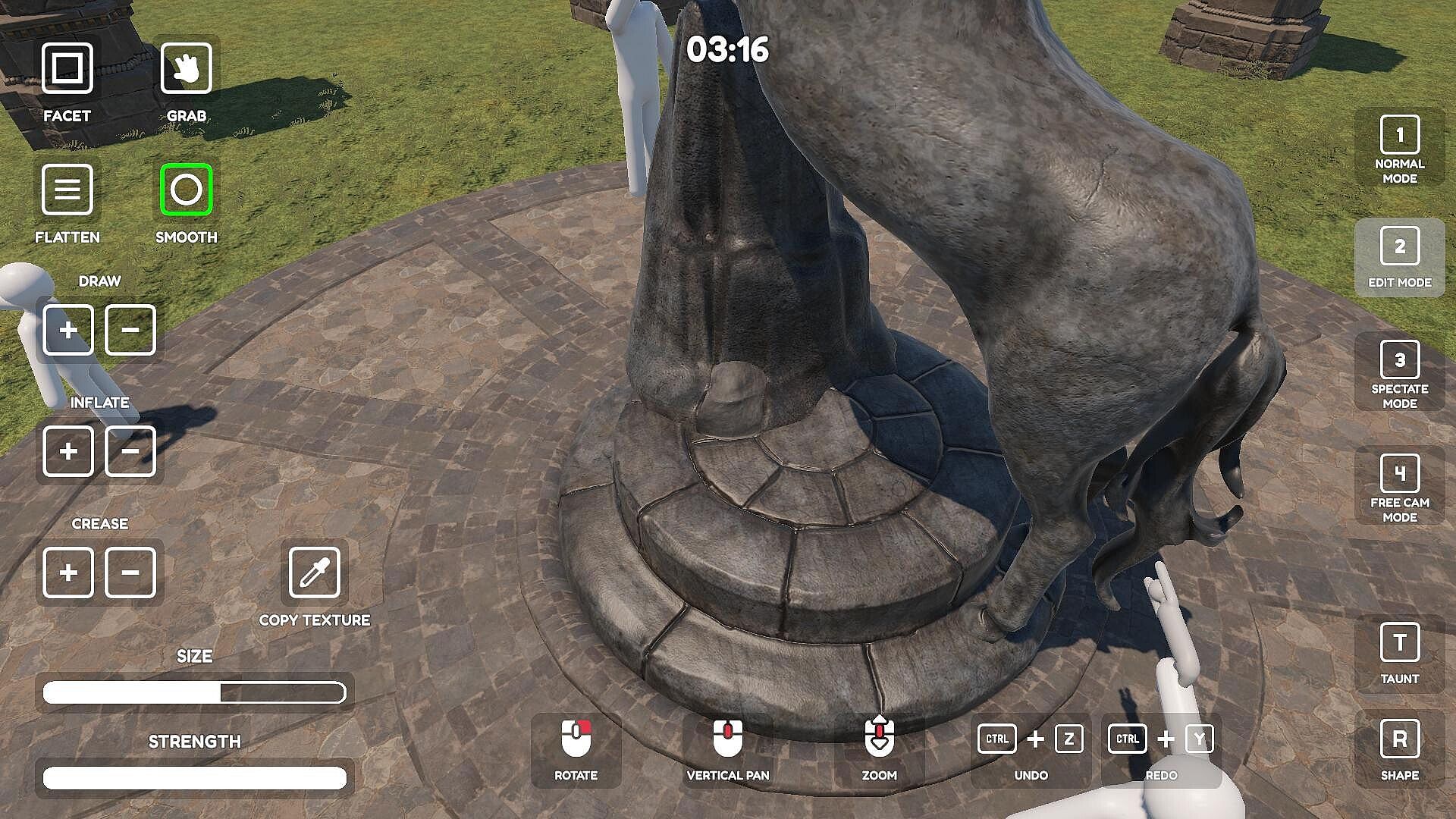
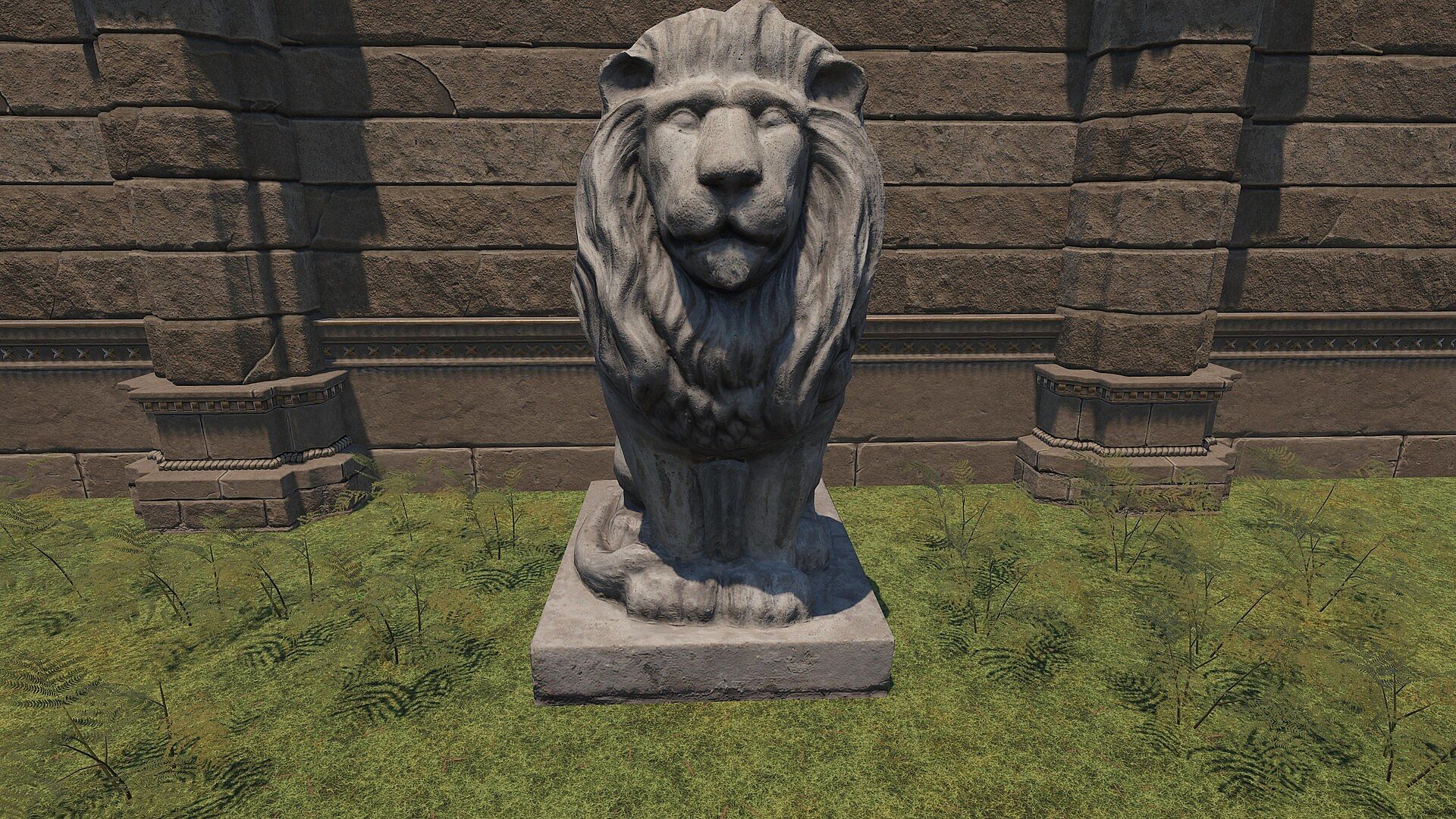
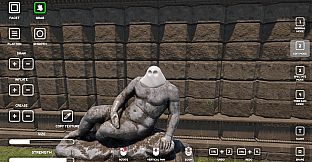
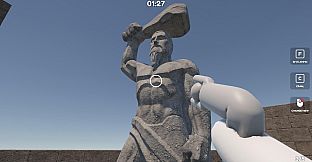
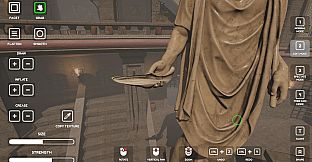
MECCHA OCTOPUS is an indie casual multiplayer hide-and-seek game developed for PC. Players take on the roles of hiders who sculpt and texture their bodies to blend into the environment or seekers who hunt for those cleverly disguised figures before the timer expires.
Gameplay
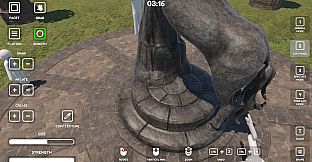
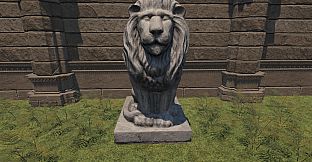
The core loop centers on creative camouflage. Hiders select a spot on the map, adjust their body shape to match nearby objects or surfaces, and then copy surrounding textures to complete the disguise. This process turns the character into part of the scenery rather than an obvious outline. Seekers move through the same spaces, relying on careful observation to spot any mismatch in form, color, or placement. The mechanic rewards patience during the preparation phase and sharp attention during the hunt. Matches unfold in online lobbies where participants can adjust round length and other parameters to suit the group.
Game Modes
Matches revolve around the basic hide-and-seek structure with variations that change how rounds progress. Hosts set the timer and decide the starting conditions, allowing the same map to feel different from one session to the next. Hiders win by remaining undetected until time runs out, while seekers succeed by locating every hider. The flexibility in lobby settings means groups can experiment with shorter rounds for quick play or longer ones that emphasize detailed disguises.
Maps and Customization
Different maps provide varied environments that influence hiding strategies. Some feature dense indoor spaces with furniture and walls, while others offer open areas or unique architectural details. Players experiment with body shapes and texture sampling to fit each setting. Lobby hosts control map selection and round parameters, so every group can tailor the experience. The system supports both private sessions with friends and open lobbies for random opponents.
Who the Game Appeals To
MECCHA OCTOPUS suits players who enjoy lighthearted social multiplayer experiences with a strong creative element. Those who like party games that reward quick thinking and visual problem-solving will find the disguise system engaging. It requires no complex controls beyond basic movement and a painting tool, making it accessible for casual sessions. The emphasis on online lobbies means it works best with at least a few participants, though exact player counts depend on host settings.
Is It Worth Playing?
The game remains in the upcoming phase with no released player reviews or sales data available yet. Its concept draws directly from the provided mechanics of sculpting and texturing for camouflage in a hide-and-seek format. Players interested in indie casual titles that combine creativity with competitive observation will likely enjoy testing the disguise system once it launches. Those seeking established multiplayer experiences with proven community feedback may prefer to wait for post-release updates and community input before committing.