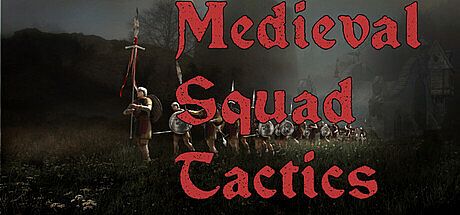



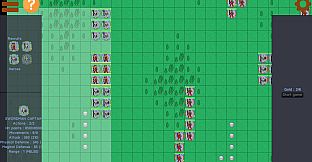
Medieval Squad Tactics is a turn-based strategy game set in a medieval setting and available on PC in Early Access. Players take command of captains, each leading a group of soldiers, in battles that emphasize careful positioning and formation management over direct unit control.
Gameplay
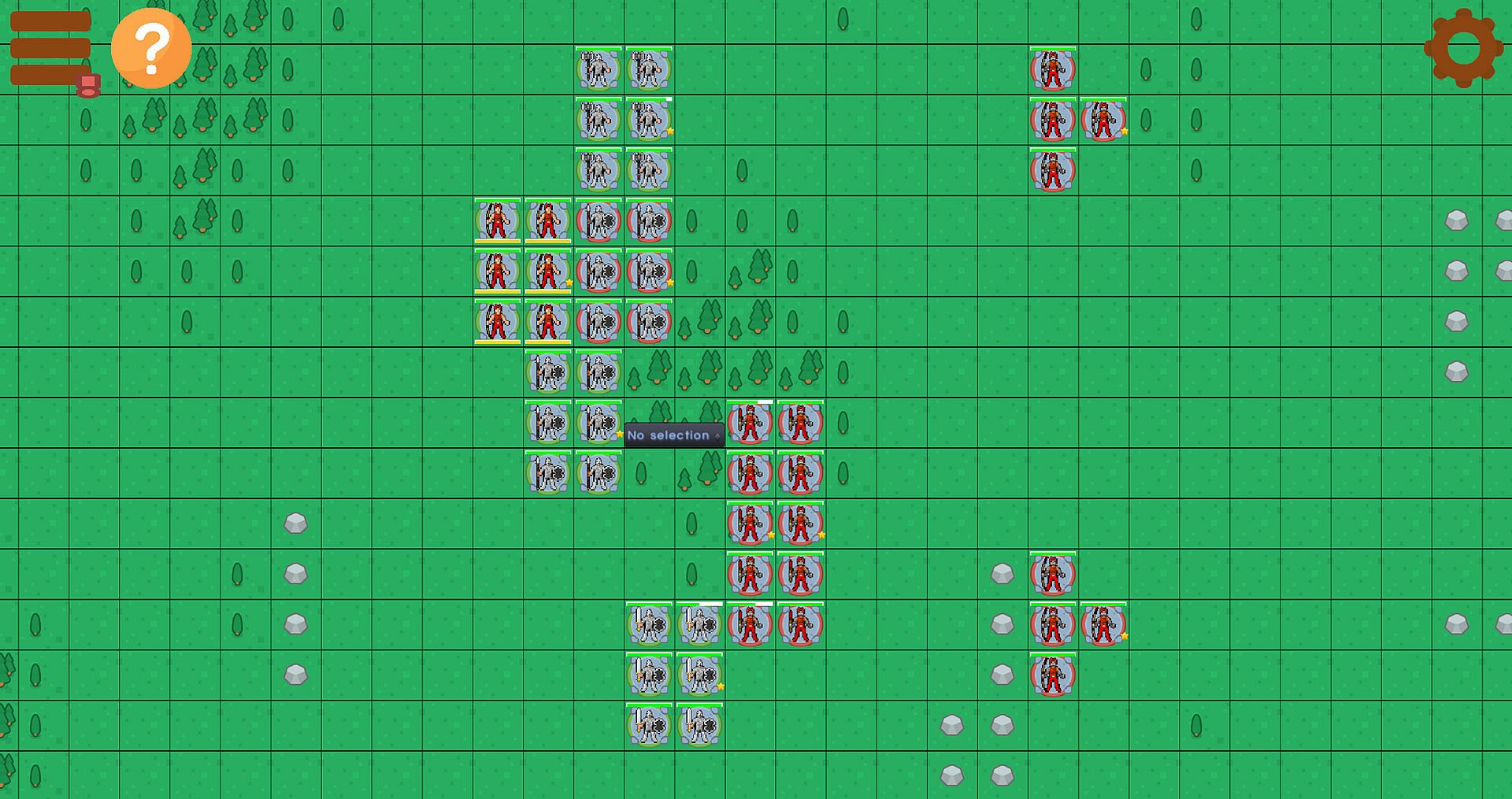
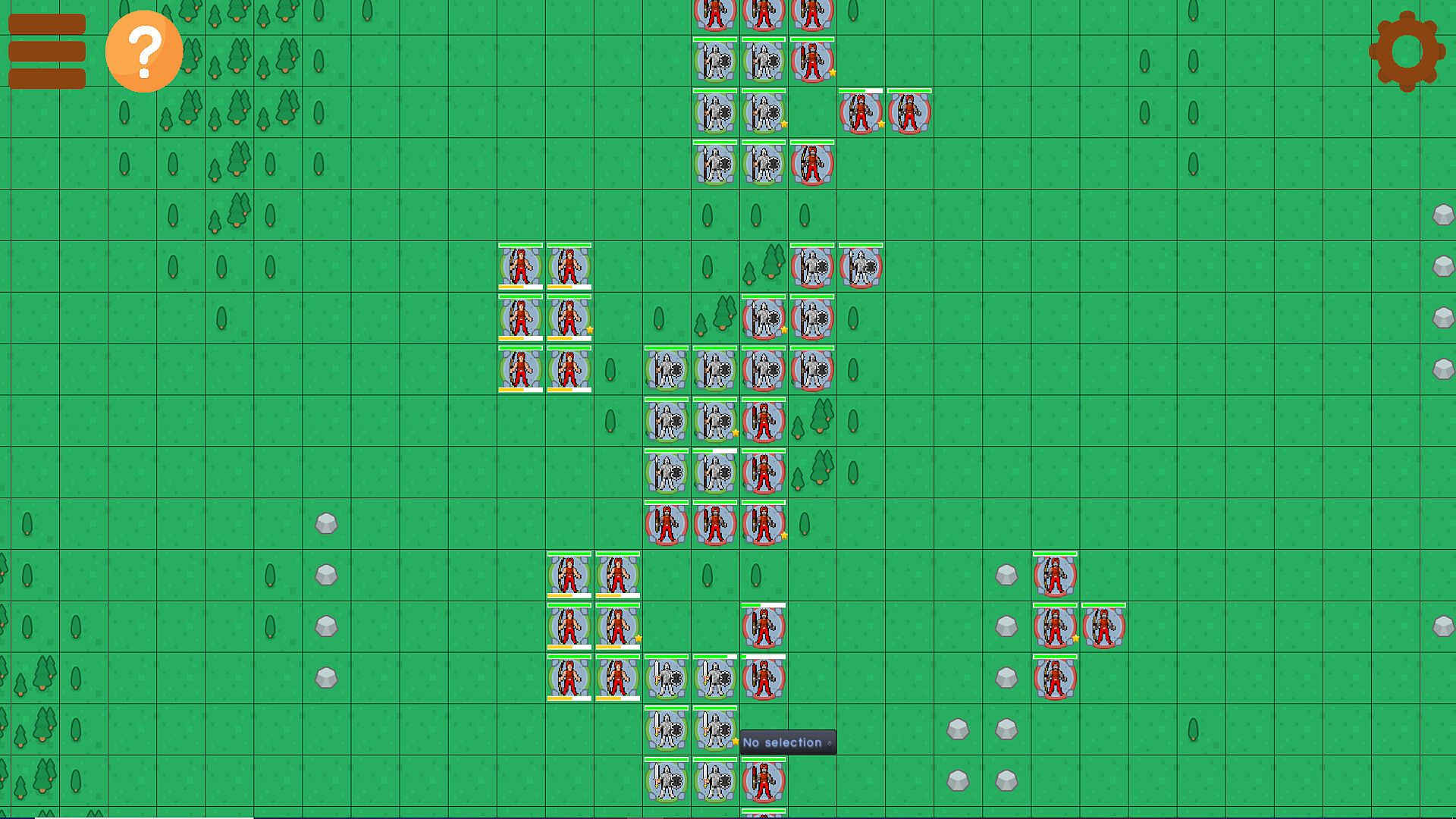
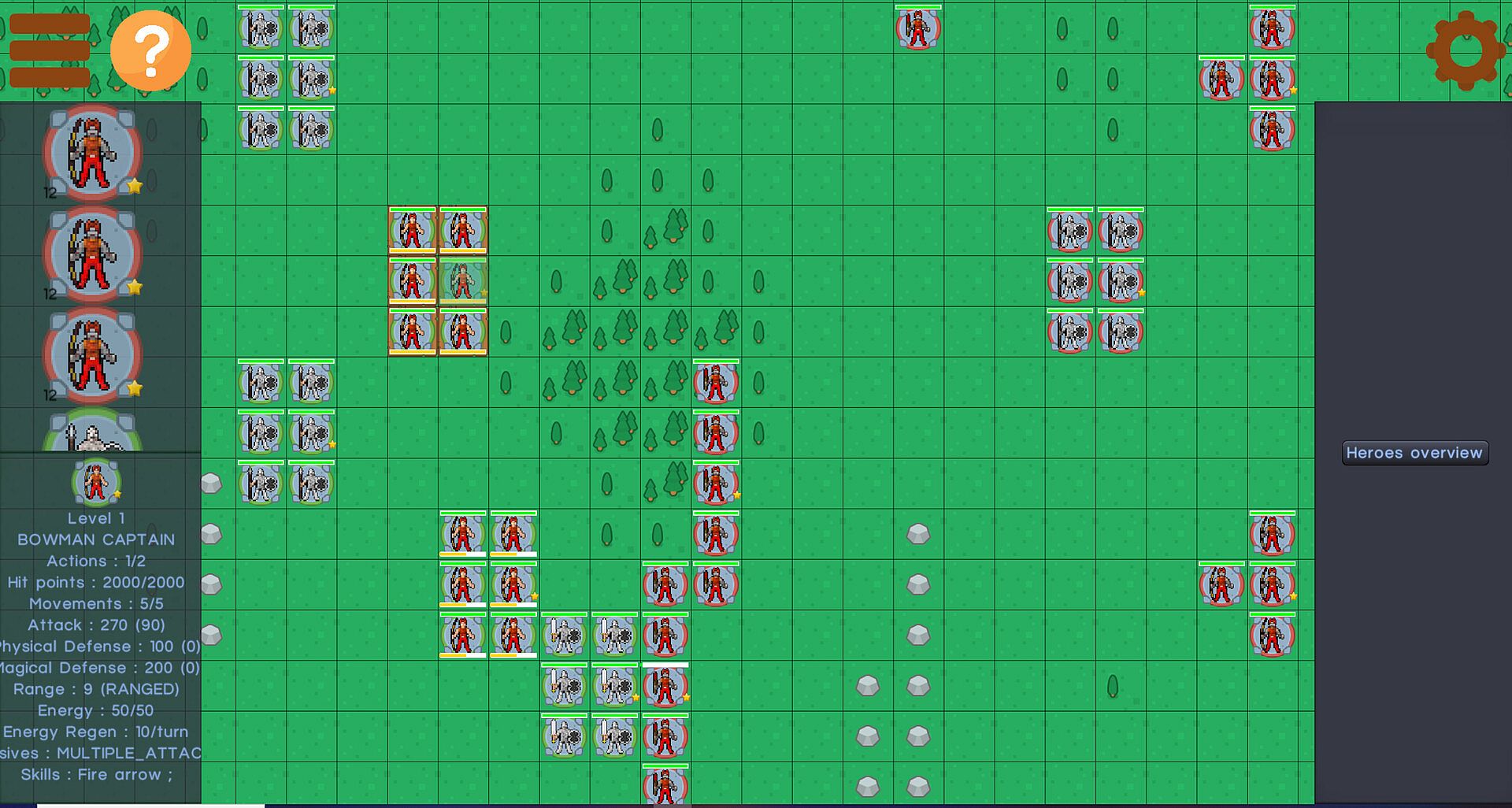
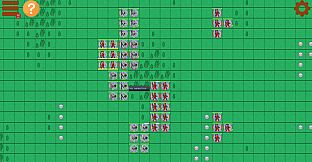
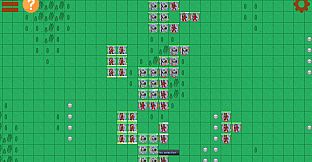
The core loop revolves around turn-based tactical combat where captains direct their squads without micromanaging every soldier. Formations play a central role, as arranging units in specific patterns can boost damage output or improve defenses against incoming attacks. Success depends on anticipating enemy movements and adjusting these formations mid-battle to maximize advantages.
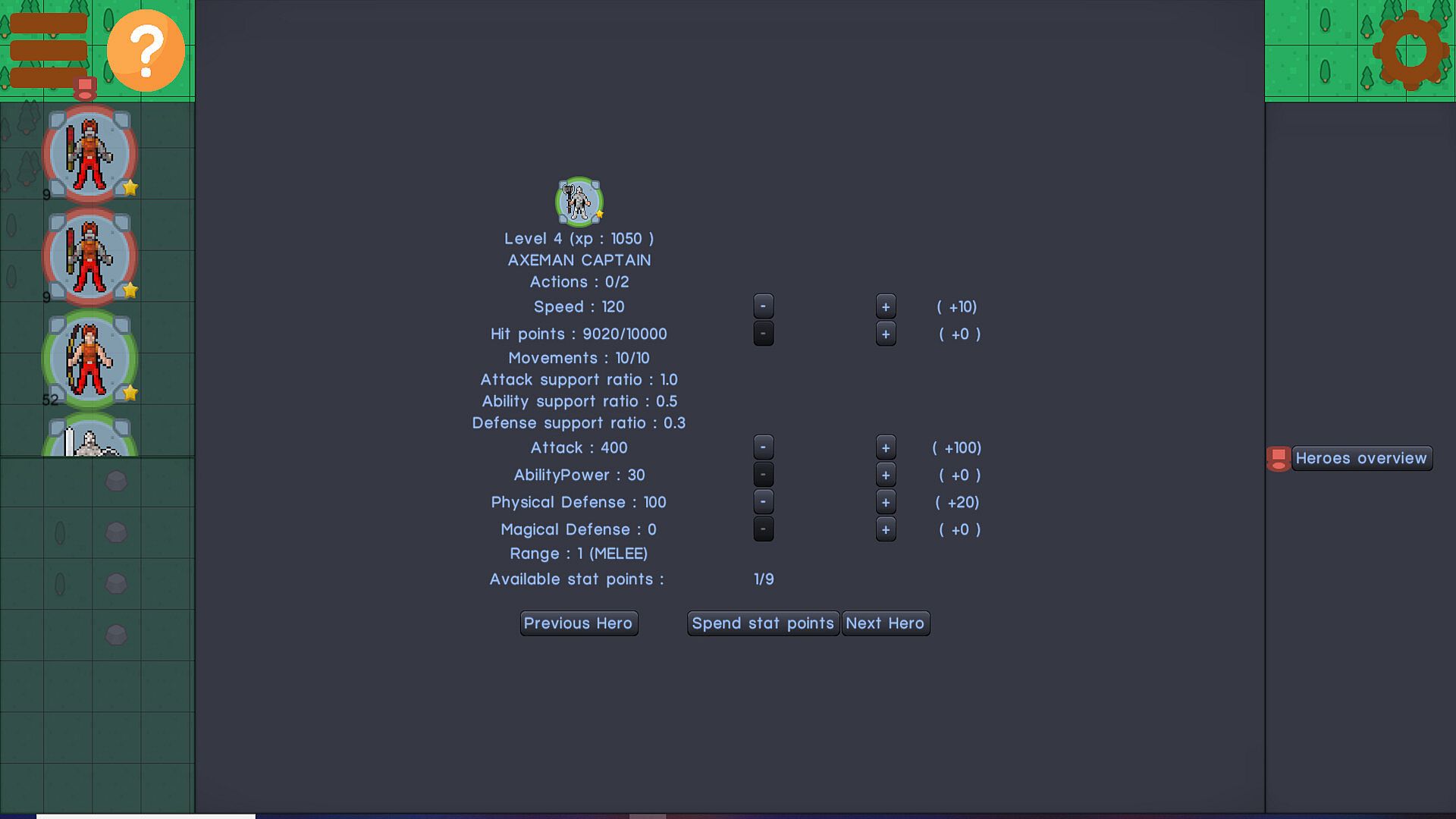
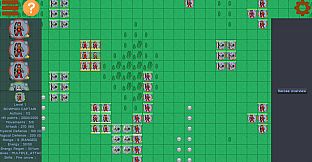
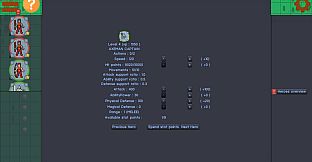
Captains gain experience and level up across missions, unlocking improvements that make their squads more effective in prolonged engagements. The system rewards planning ahead, since poor formation choices can leave groups vulnerable while strong setups amplify both offense and survivability. Battles unfold on grids where positioning determines outcomes, and the unique mechanics separate this title from standard squad-based tactics by tying power directly to group arrangement rather than individual orders.
Game Modes
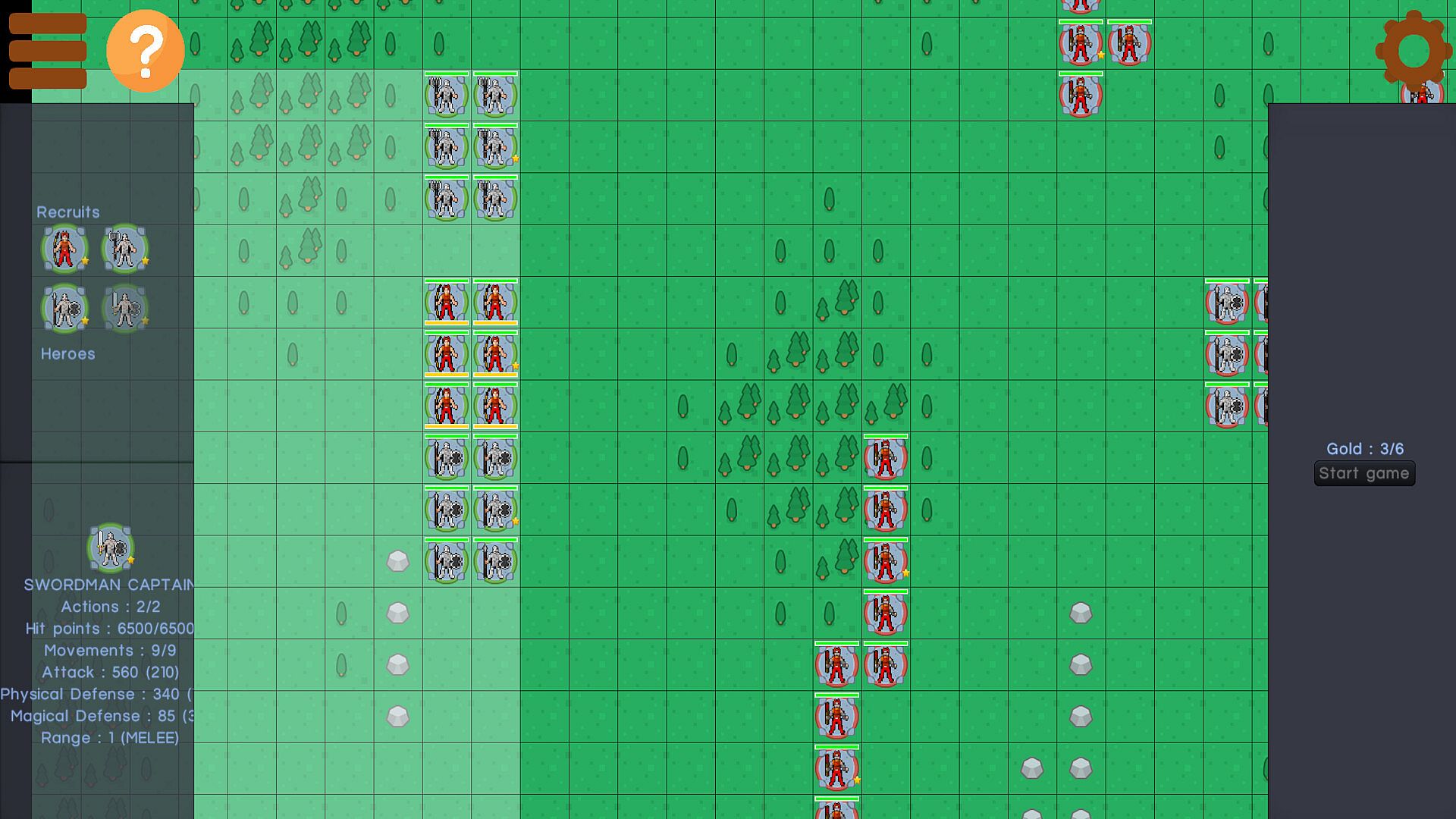
At launch in Early Access, the game includes a single beginner campaign consisting of three missions. This introductory content introduces the formation system and basic enemy types against allied units. Four varieties of enemies and four types of allies appear in these scenarios, providing a focused entry point for learning the mechanics without overwhelming options.
Future updates are planned to expand this with additional campaigns, each containing multiple missions and varied enemy behaviors. The current version keeps the experience contained to single-player tactical encounters, allowing players to test formations and captain progression in a controlled environment before broader content arrives.
Key Mechanics and Progression
Formation management forms the heart of every encounter. Players arrange soldier groups behind captains to trigger bonuses, such as increased damage when units align properly or reduced harm when shields overlap effectively. This layer adds depth because the same units can perform differently based solely on their relative positions.
Captain leveling provides long-term growth. Stronger captains bring better leadership to their squads, enabling more resilient formations and higher overall combat effectiveness. The game currently supports only single-player sessions, with no multiplayer elements confirmed in the initial release.
Is It Worth Playing?
Medieval Squad Tactics suits players who enjoy deliberate, formation-driven turn-based strategy and are comfortable with Early Access titles. The beginner campaign offers a clear starting point to explore the captain-and-squad system and formation bonuses. With only three missions available now, the experience remains short but demonstrates the core ideas effectively.
Those interested in tactical combat that prioritizes group arrangement over individual unit commands will find the mechanics distinctive. The developer intends to add more campaigns, enemy variety, and refinements over the coming year based on player input. Anyone seeking a complete single-player campaign right away may prefer to wait for further updates, while fans of the genre can engage early to influence development through feedback.