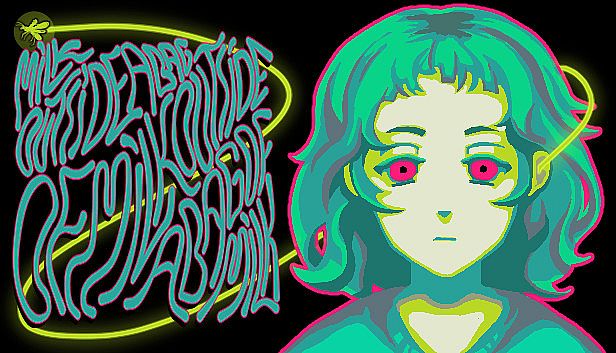



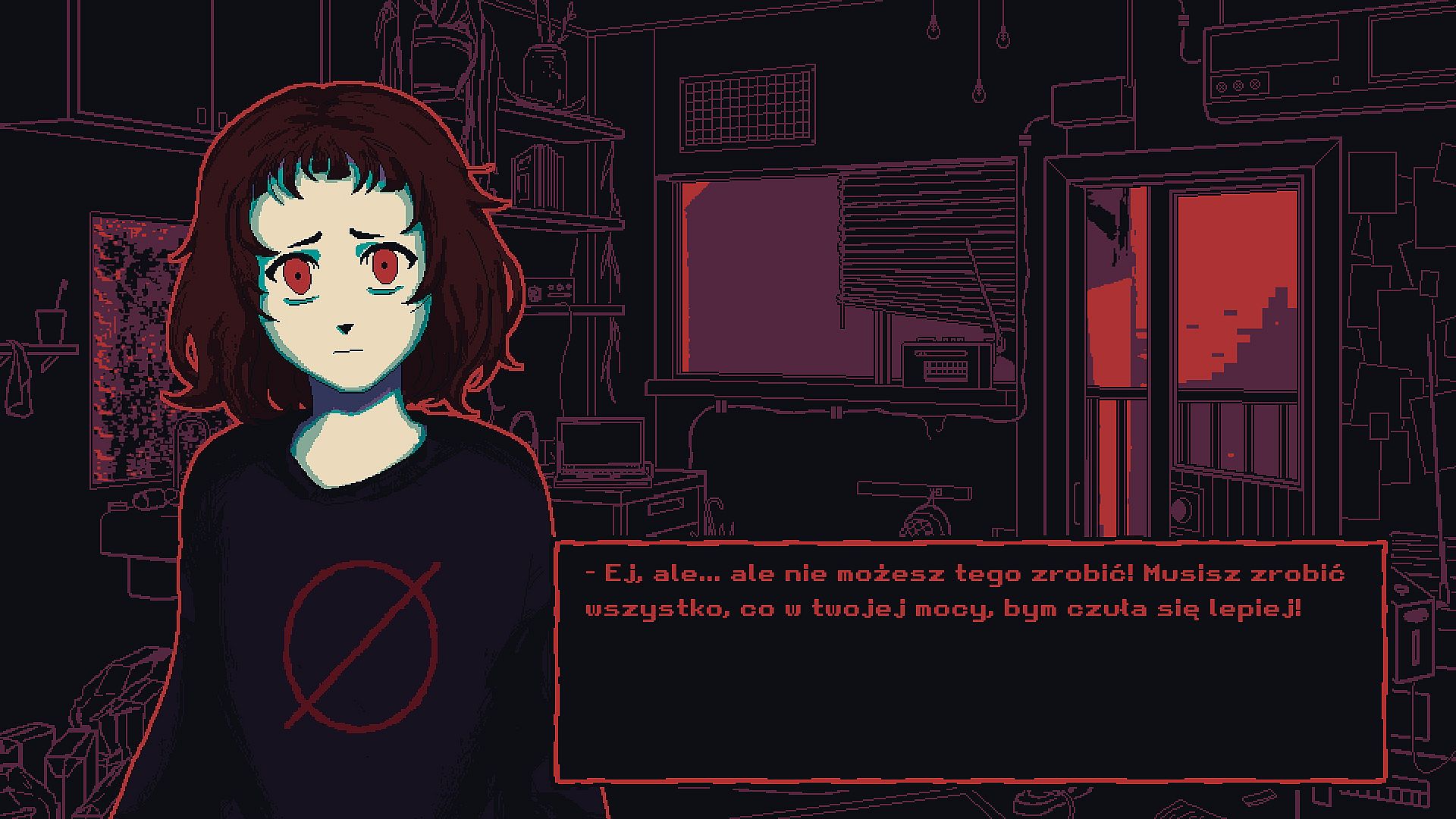
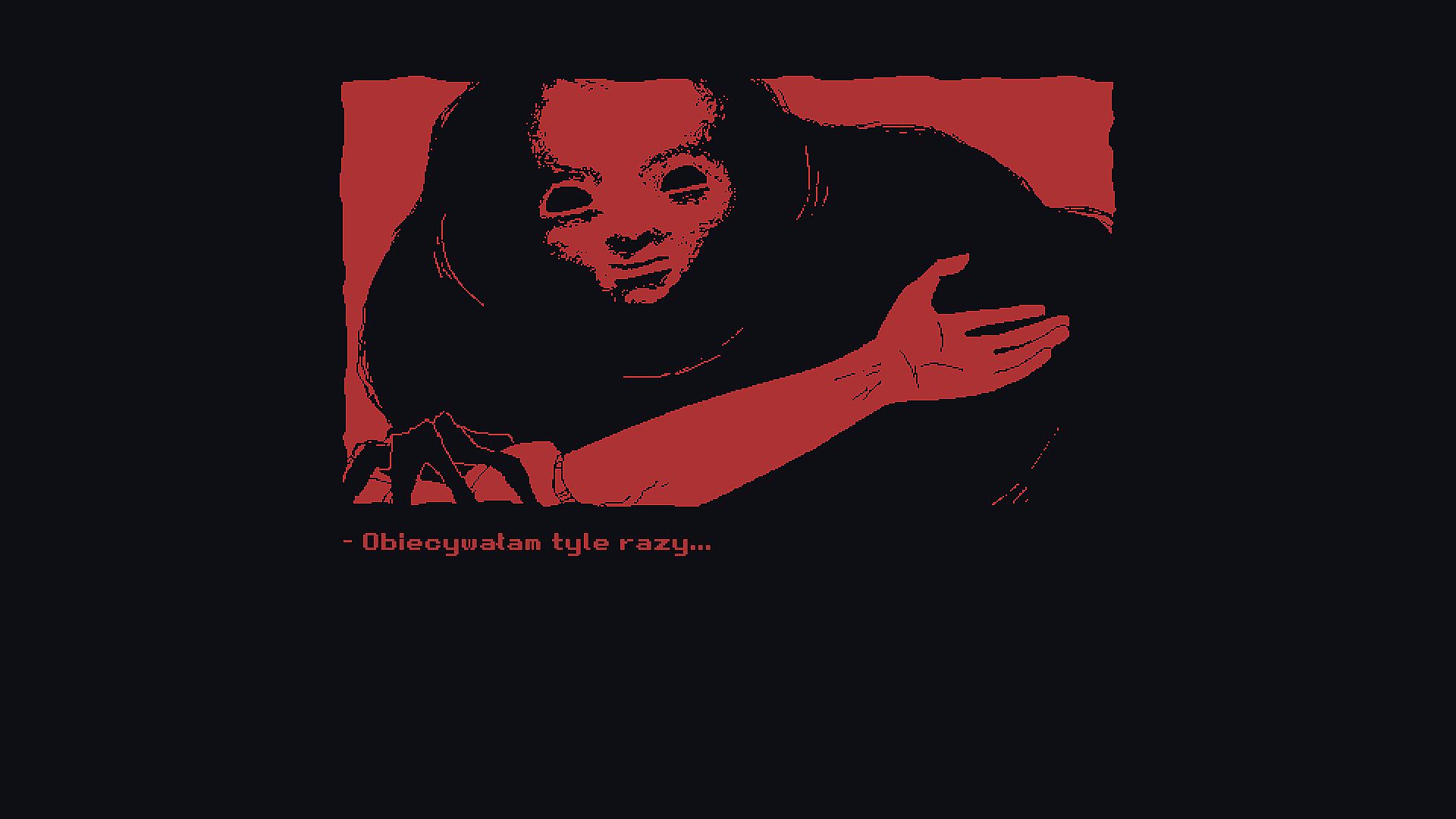
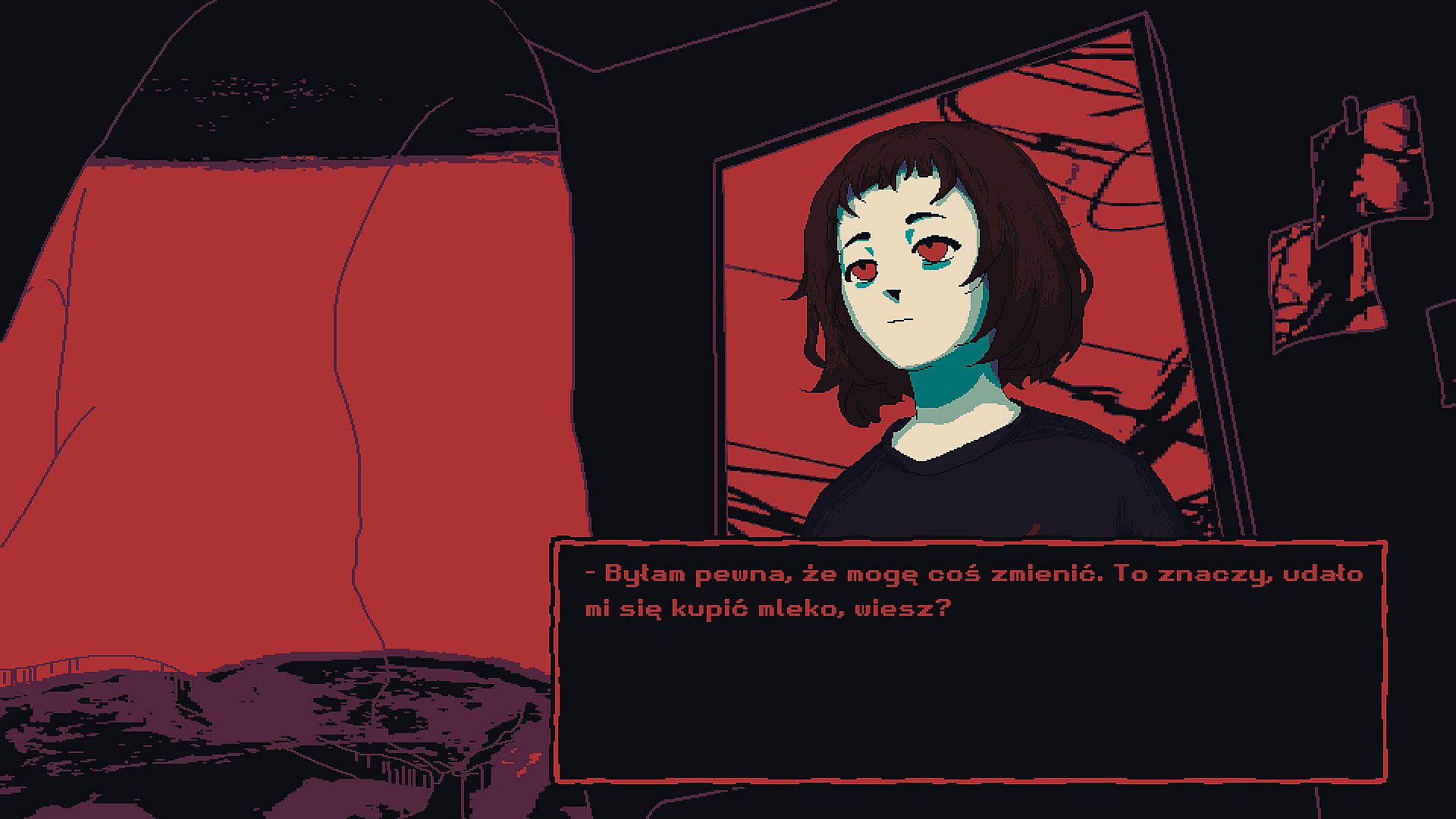
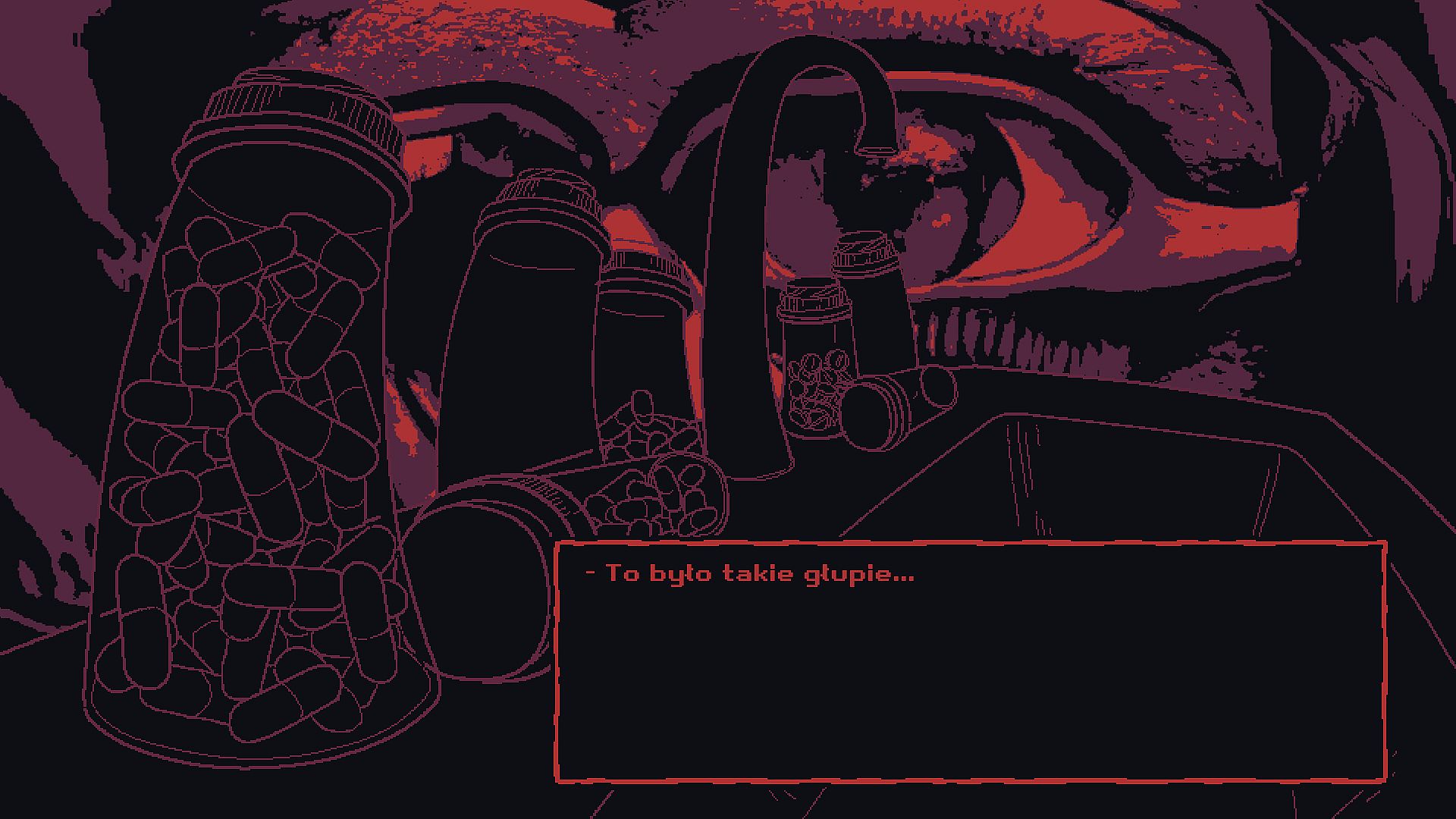
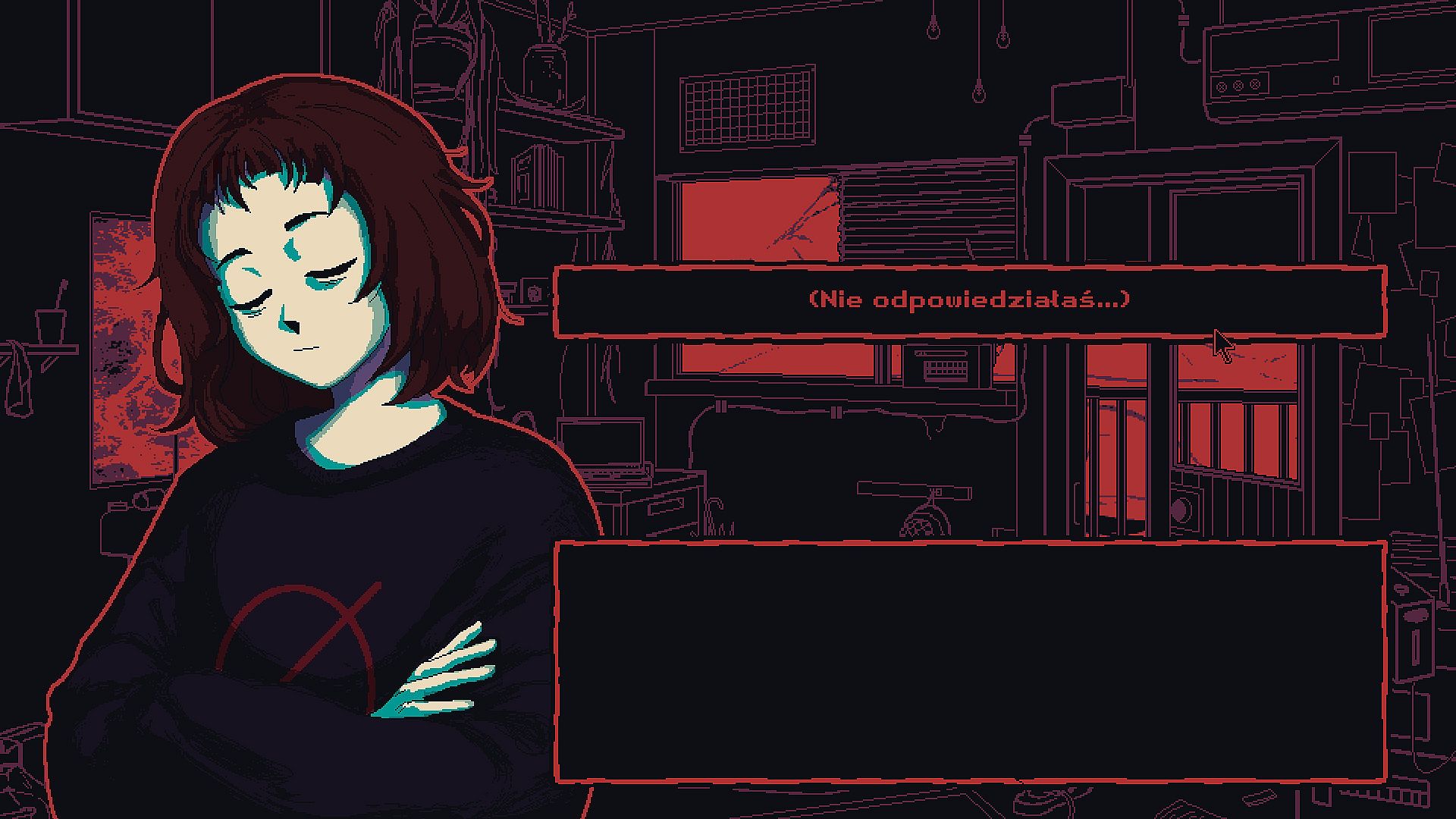
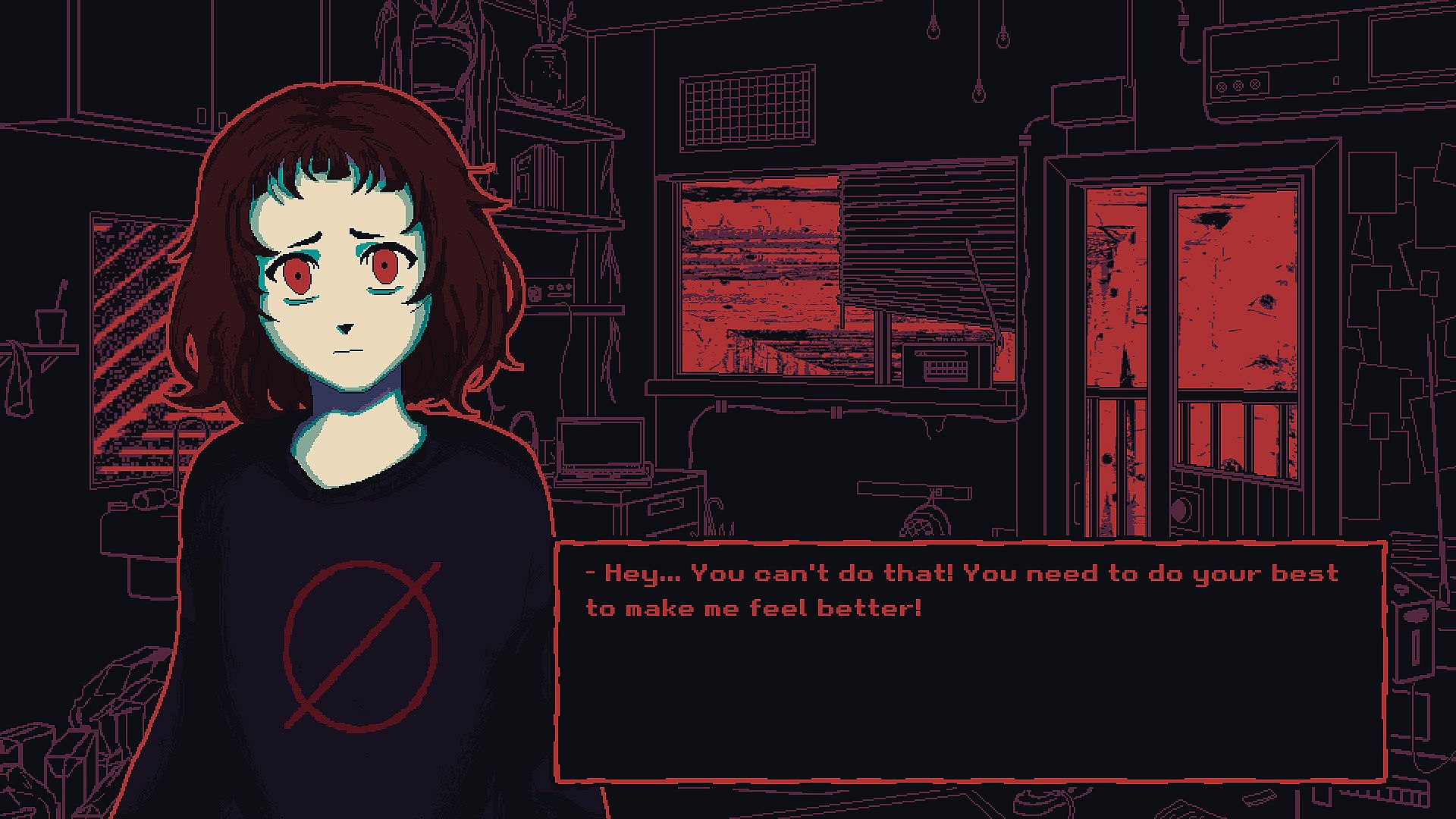
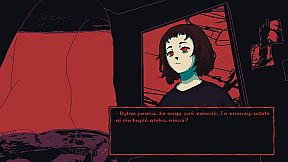
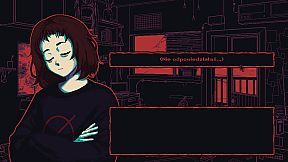
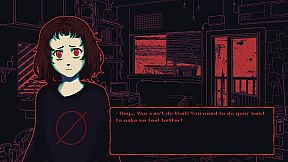
Milk outside a bag of milk outside a bag of milk stands out as a psychological horror visual novel that delves into the fragile mind of a young girl grappling with deep-seated trauma. This indie title builds directly on its predecessor, picking up the story the moment the first game concludes, and invites players into a distorted world shaped by anxiety and fragmented perceptions. With its casual pacing suited for short sessions, the game appeals to those interested in narrative-driven experiences that blend emotional depth with unsettling atmospheres.
Gameplay
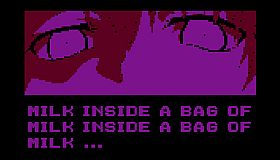
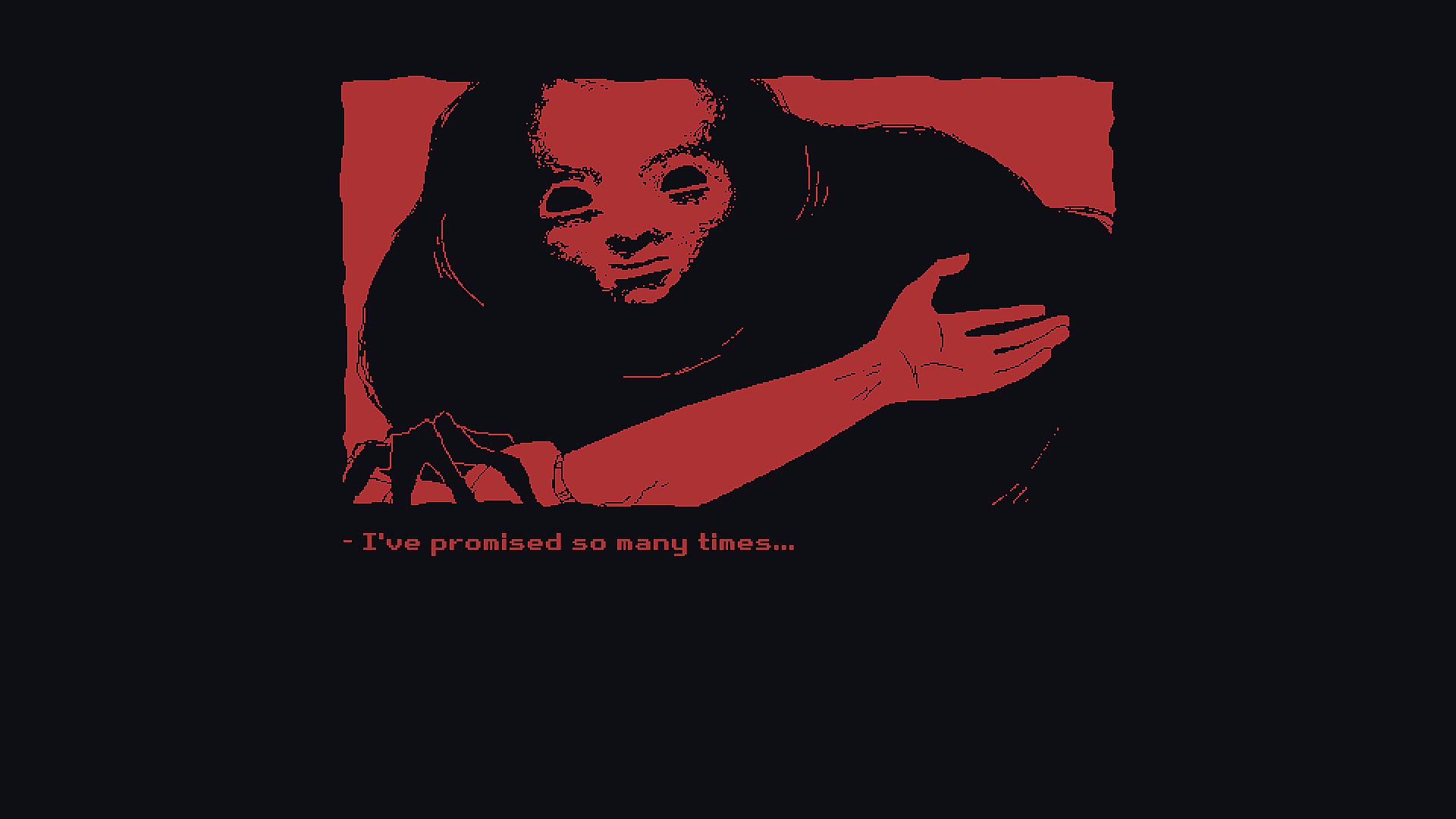
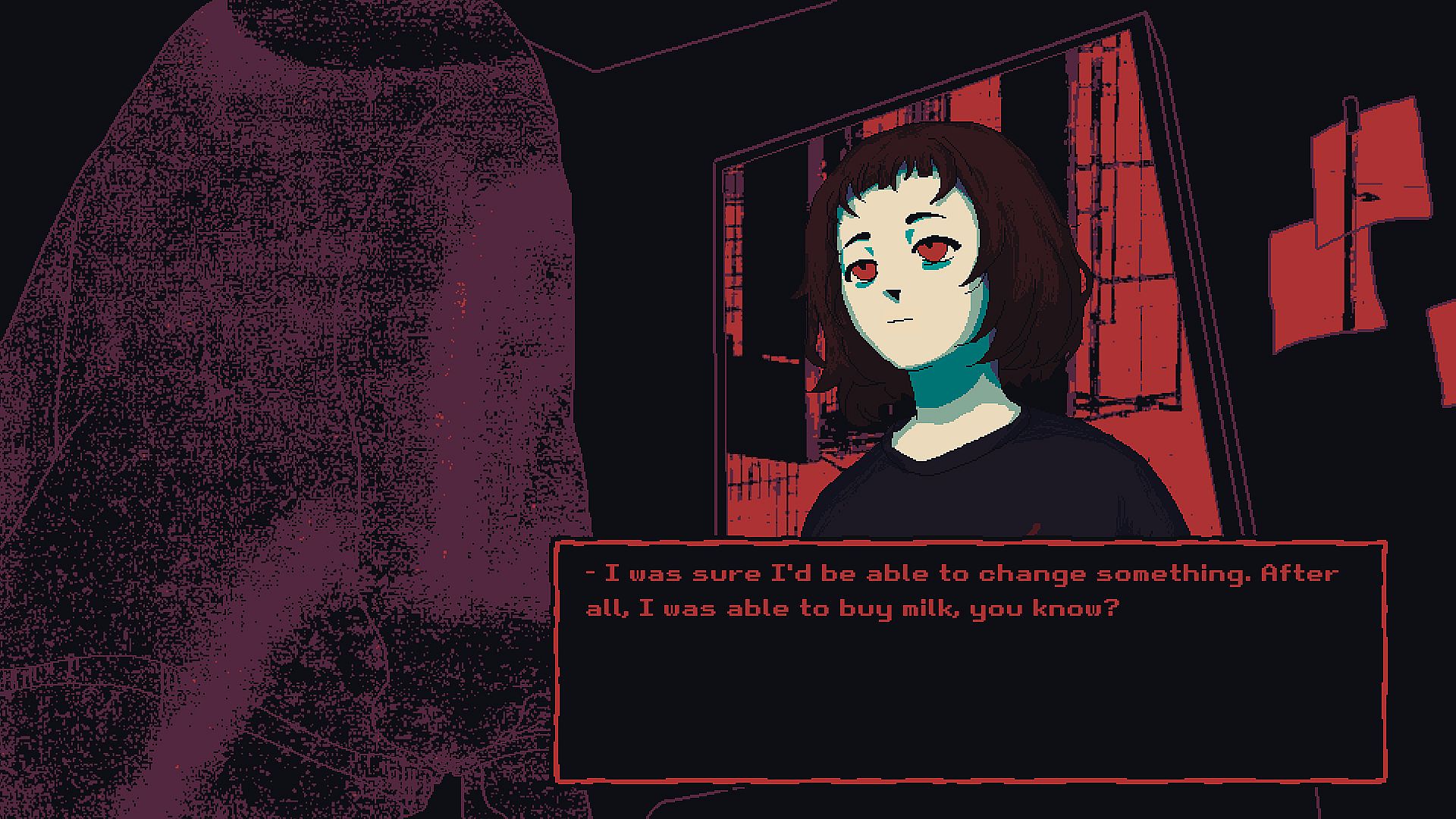
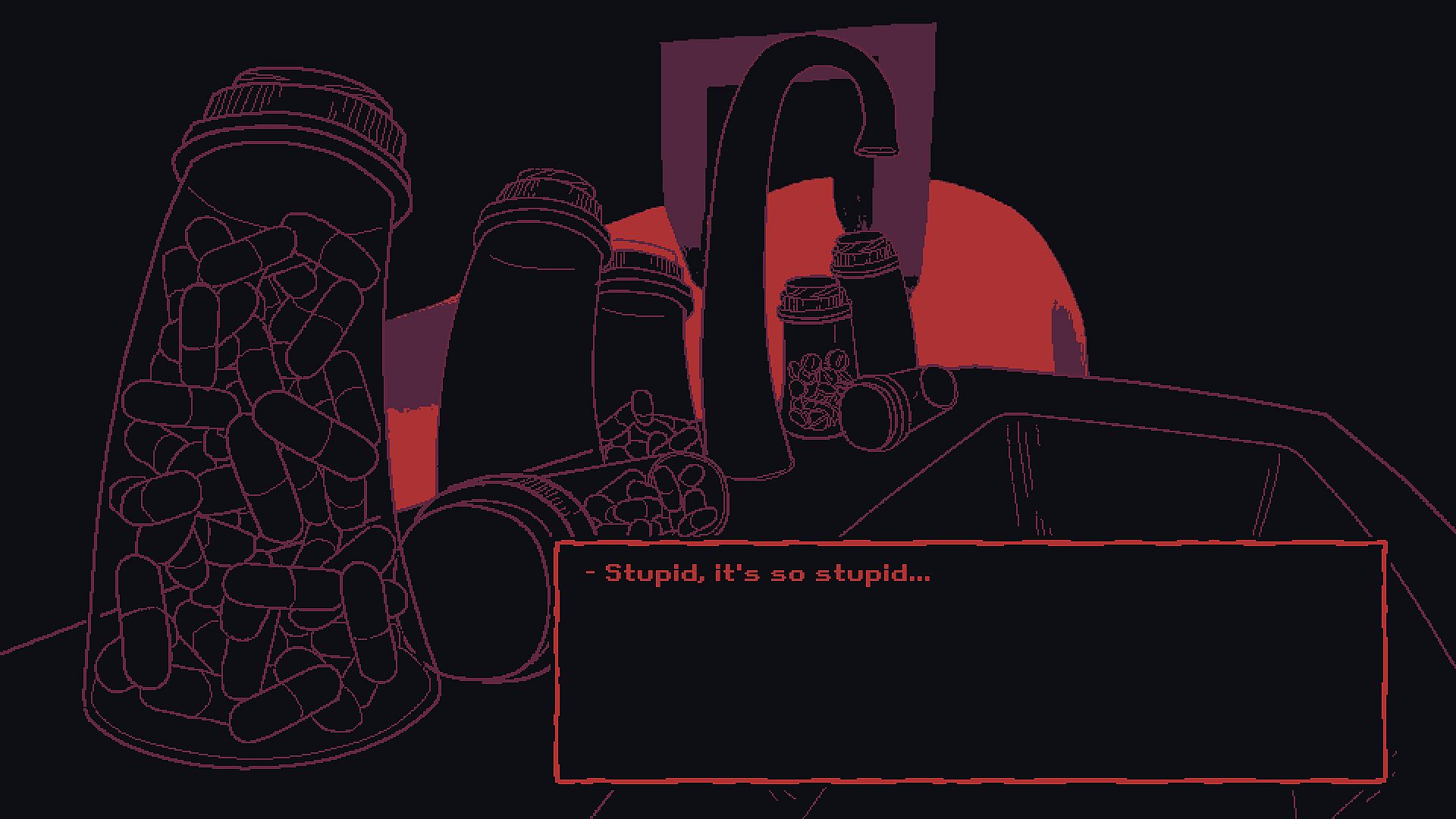
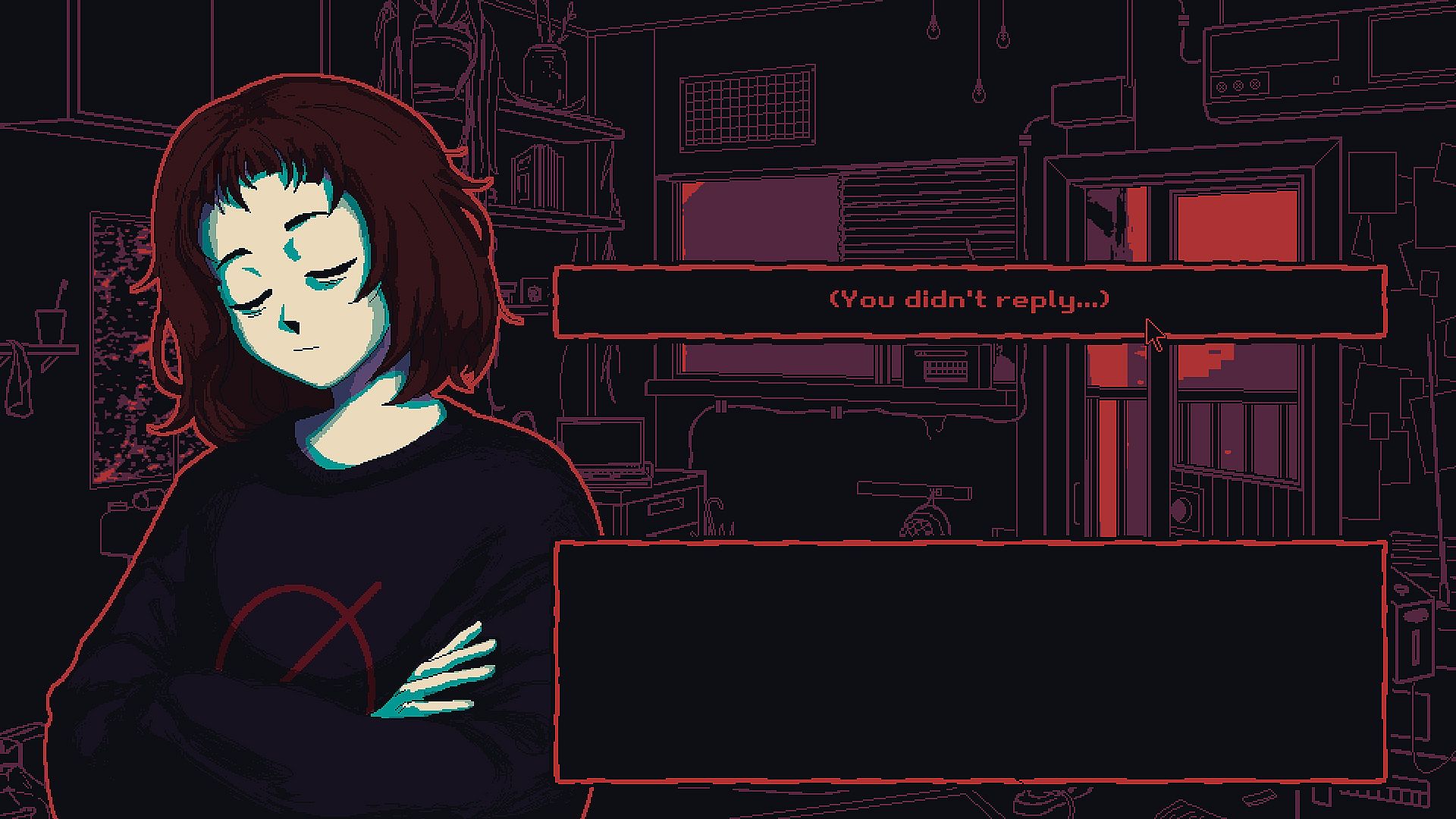
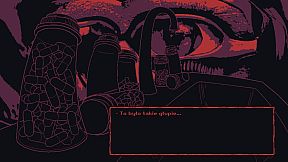
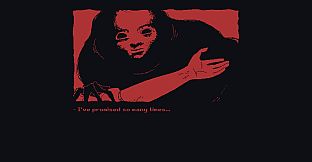
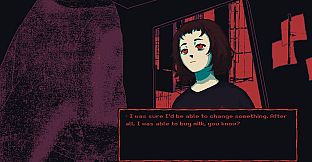
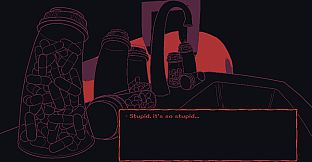
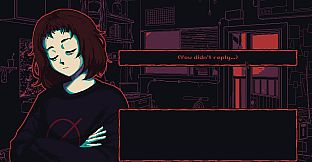
The core of the gameplay revolves around interactive dialogue and choice-making within a visual novel framework. Players guide the protagonist through conversations that unfold in pyramidal verbal structures, where responses can branch in unexpected ways, reflecting her unstable mental state. Stylized pixel graphics distort the environment to mirror her warped view of reality, creating a sense of unease that builds gradually. An oppressive soundtrack enhances this immersion, with viscous audio elements that heighten tension during key moments. High variability ensures that each run feels distinct, as certain dialogue lines, images, and scenes appear only rarely, encouraging multiple playthroughs to uncover hidden layers. Controls remain simple, focusing on navigation through text and occasional pauses, making it accessible yet deeply engaging for those drawn to psychological exploration.
Game Modes
This title offers a single-player narrative mode centered on the girl's journey, with no distinct multiplayer or competitive elements. The experience emphasizes replayability through its variable outcomes, where players can encounter different facets of the story based on choices and random chance. Without traditional game modes like campaigns or challenges, it functions as a cohesive, story-focused adventure that prioritizes emotional progression over structured levels.
Story and Themes
The narrative explores themes of isolation, trauma, and mental illness through the protagonist's unsettling dreams and interactions. As a sequel, it continues her struggle, presenting a blend of bizarre abstractions, wordplay, and painful psychological episodes. Players witness her anxiety manifest in surreal ways, such as glancing into an abyss that responds with cold breaths, symbolizing her inner turmoil. The game's short length, often clocking in under an hour for a single playthrough, allows for quick dives into its demented world, though repeated sessions reveal more about her hidden thoughts.
Is It Worth Playing?
For fans of psychological horror and visual novels that tackle mental health with raw intensity, this game delivers a compelling, if brief, experience. Player reception highlights its immersive atmosphere and effective portrayal of mental illness, with many appreciating the unique art style and soundtrack that pull you into the protagonist's mindset. Released in 2021 with no major updates since, it remains in a stable state, available for those seeking indie titles that provoke thought without demanding long commitments. If you enjoy short, narrative-heavy games that blend horror with emotional depth, it's worth trying, especially to see the variability in action; otherwise, it might feel too abstract for players preferring action-oriented gameplay.