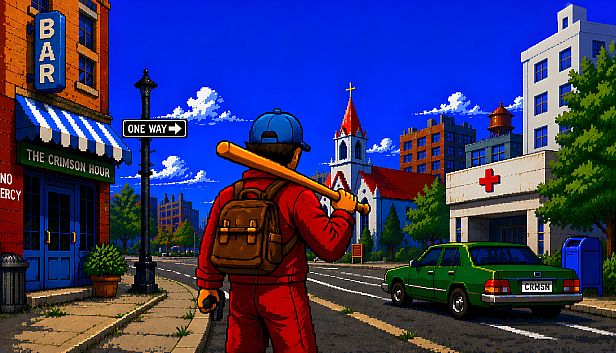


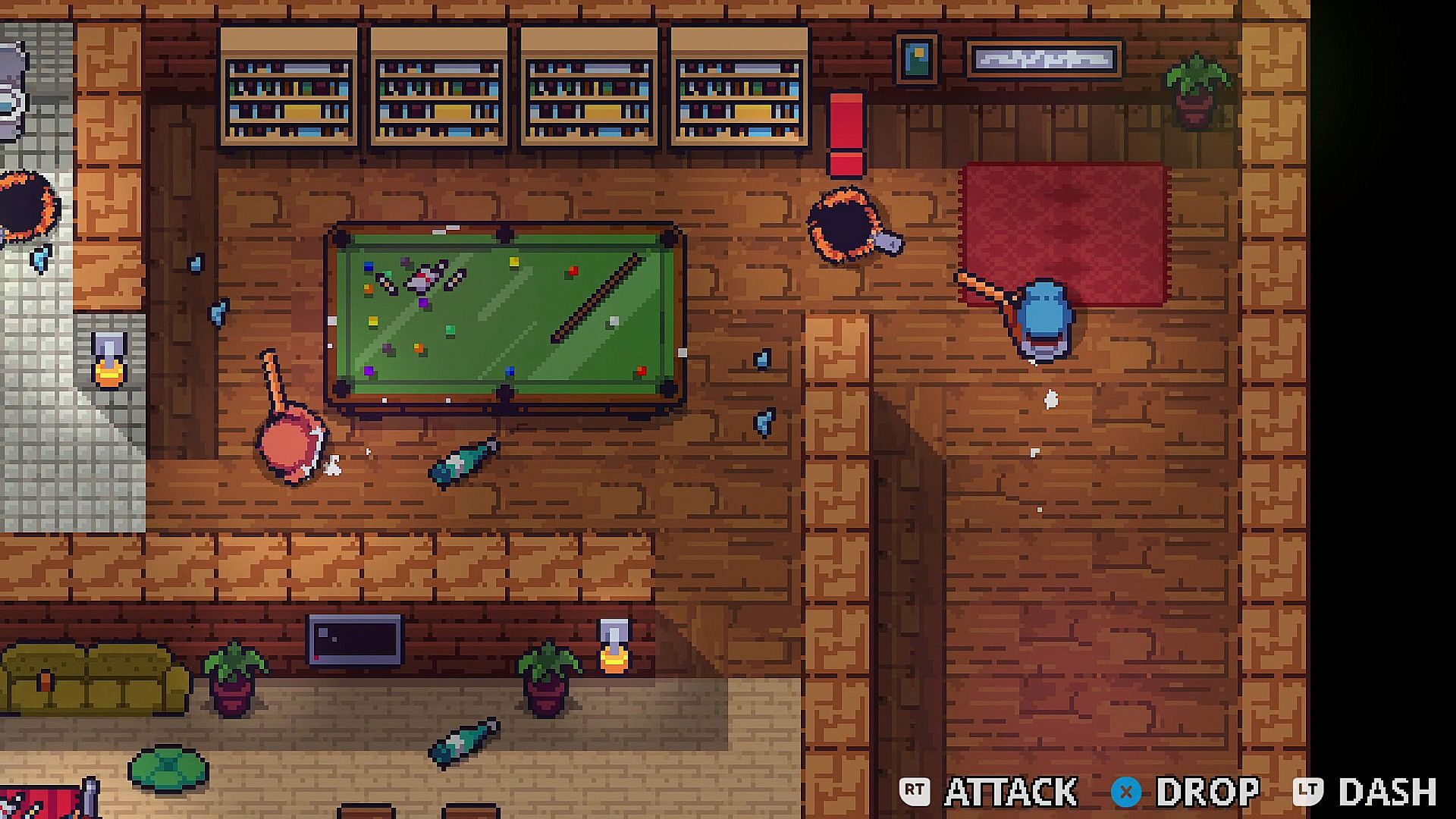
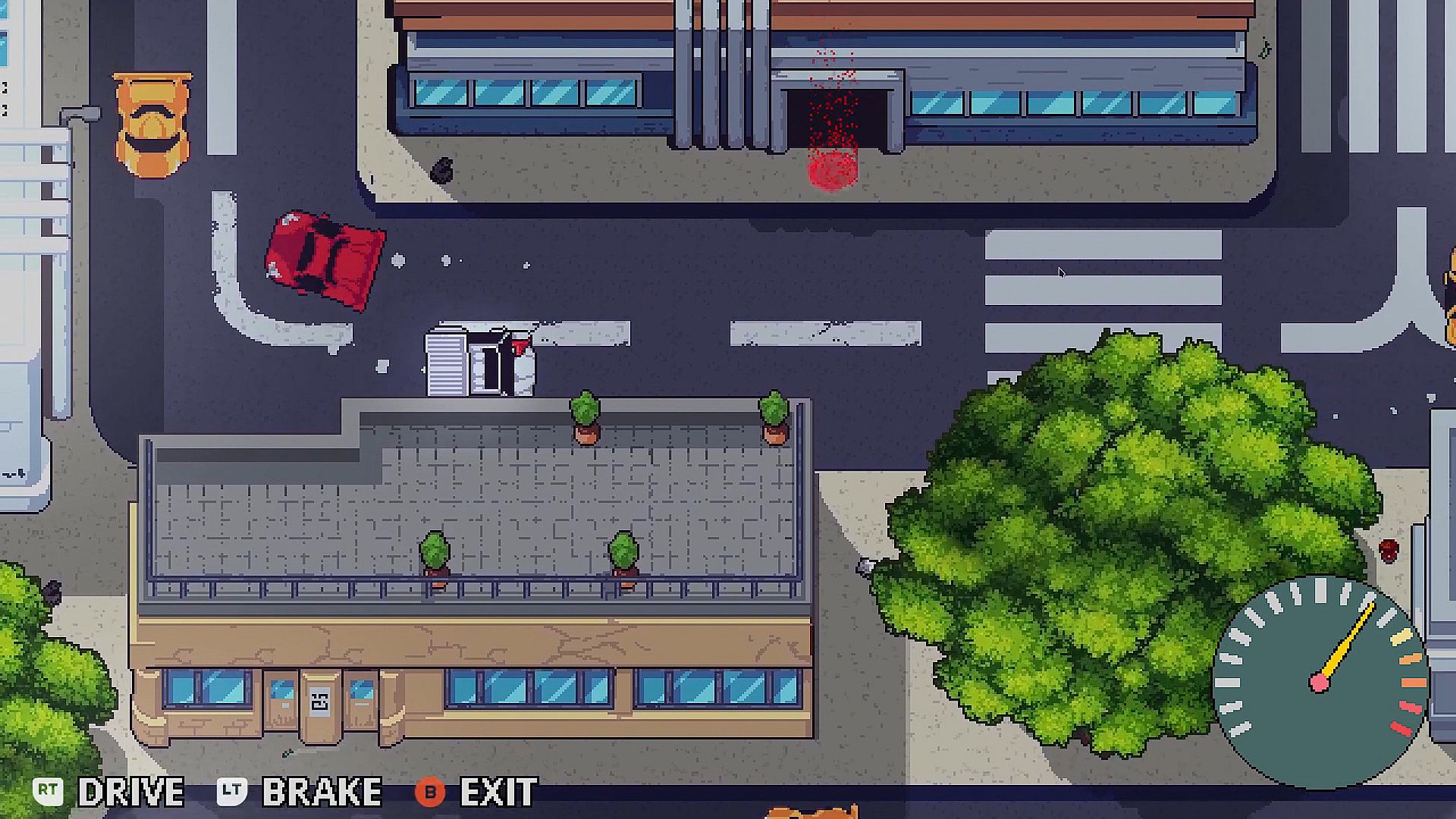
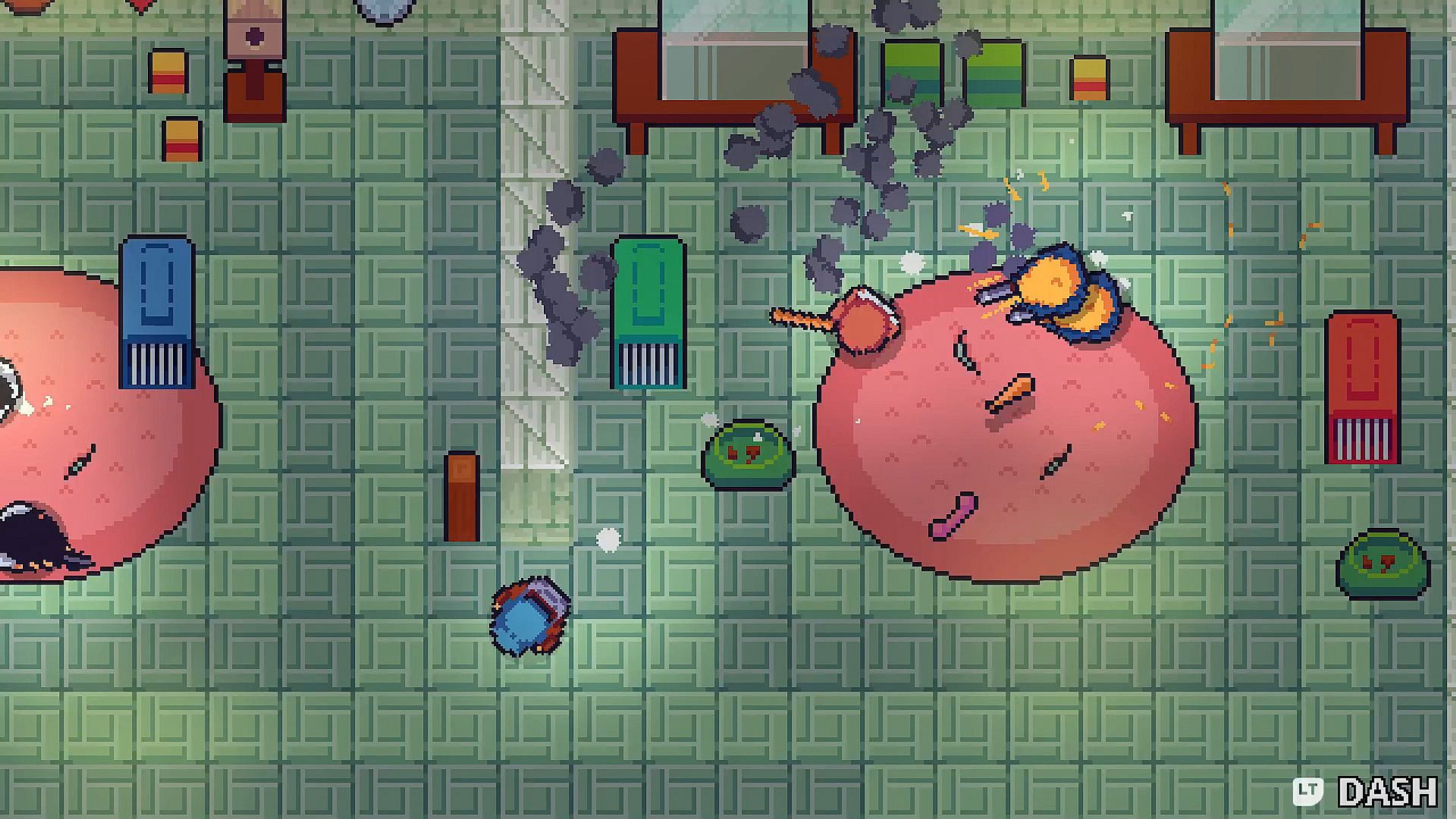
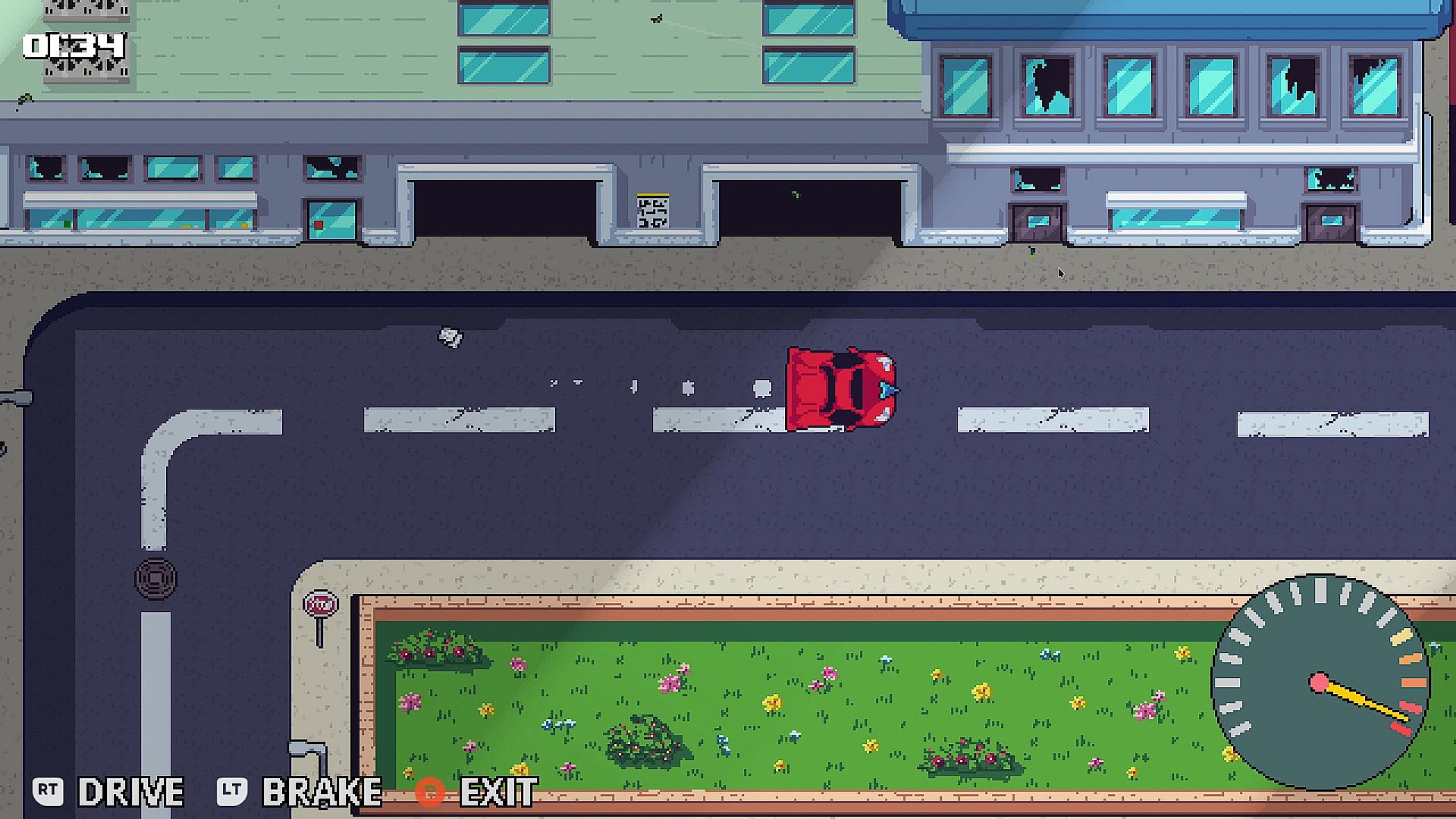
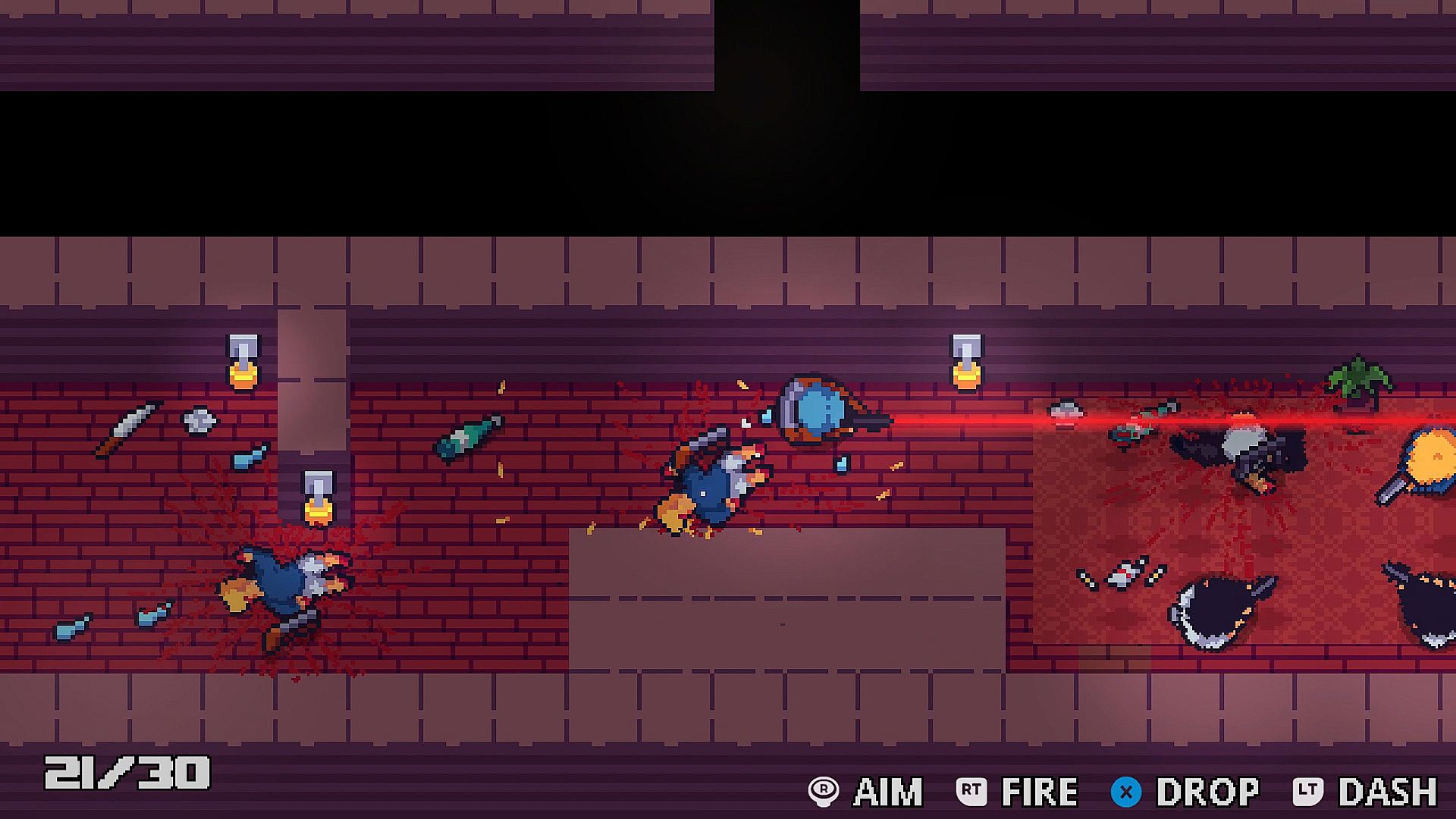
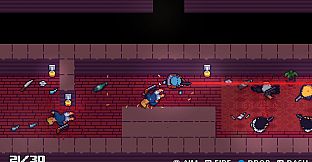
Misblood is an action game that puts players in control of a lone operative tackling a series of violent contracts in a pixel-art city. Built as an arcade-style top-down shooter, it emphasizes short missions that demand quick decisions and precise movement while facing overwhelming odds. The core loop revolves around reaching a target address, clearing rooms of enemies, and surviving long enough to complete the job before restarting from the beginning on failure.
Gameplay
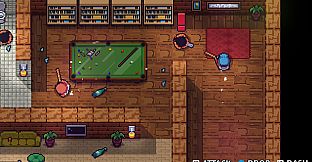
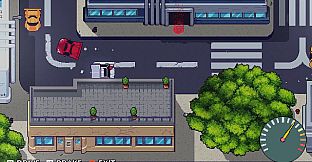
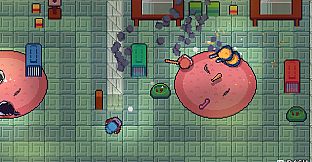
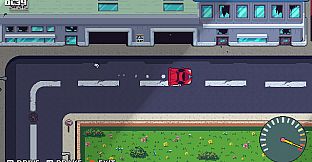
Each contract begins with a drive through the open pixel-art city to the marked location. Once inside, the action shifts to room-by-room combat where the player is consistently outnumbered. Deaths happen quickly, which keeps sessions brief and encourages immediate retries with adjusted approaches. The design rewards on-the-fly planning rather than rigid strategies.
Combat relies on a selection of weapons handed out by the mission itself. Available options include pistols for quick shots, rifles for longer range, shotguns for close encounters, and bats for melee. Grenades provide area control, while a split-second dash helps reposition or escape tight spots. These tools combine into fast exchanges that test timing and positioning more than resource management.
Progression ties directly to completing the 25 contracts listed in the city. The open layout between jobs allows free movement to the next address, creating a simple structure of travel, entry, and clearance. Every run stays focused on the immediate objective without layered systems or persistent upgrades.
Game Modes
Misblood centers on a single-player campaign of contract missions. There are no separate multiplayer modes or co-operative options described. The experience stays consistent across all contracts: drive, breach, and clear until the mission ends or the player falls. Replay value comes from attempting the same short missions with different weapon choices and movement paths rather than from varied game types.
The structure keeps every session self-contained. Players select a contract from the list, complete the drive through the city, and then handle the interior fight. Success clears that entry from the list, while failure returns the player to the start of that specific job. This format supports repeated attempts without long setup times.
Core Mechanics
Weapon variety forces adaptation inside each building. A pistol run plays differently from a shotgun or bat approach, and grenades add temporary breathing room during rushes. The dash mechanic serves as the main mobility tool, allowing players to cross open spaces or dodge incoming fire in tight rooms. These elements stay grounded in the moment-to-moment action rather than expanding into complex skill trees or loadout customization.
Enemy density stays high throughout every contract. The game does not introduce new factions or escalating threats beyond the basic outnumbered scenario. Focus remains on clearing rooms efficiently while managing limited health and ammunition through movement and cover use.
Is It Worth Playing?
Misblood suits players who enjoy short, intense arcade shooters that reward repeated attempts and quick adaptation. The 25-contract structure delivers a complete single-player experience built around one clear loop: reach the site, fight through rooms, and survive. Those who prefer longer campaigns or multiplayer features will find the scope limited to these standalone missions.
The pixel-art presentation and direct controls keep the focus on skill and decision-making rather than exploration or story. Availability on PC aligns with the described platform, and the game presents itself as a complete package without additional seasons or major updates noted at launch. Fans of top-down action that emphasizes brutal, replayable combat will find the most direct match with this style.