





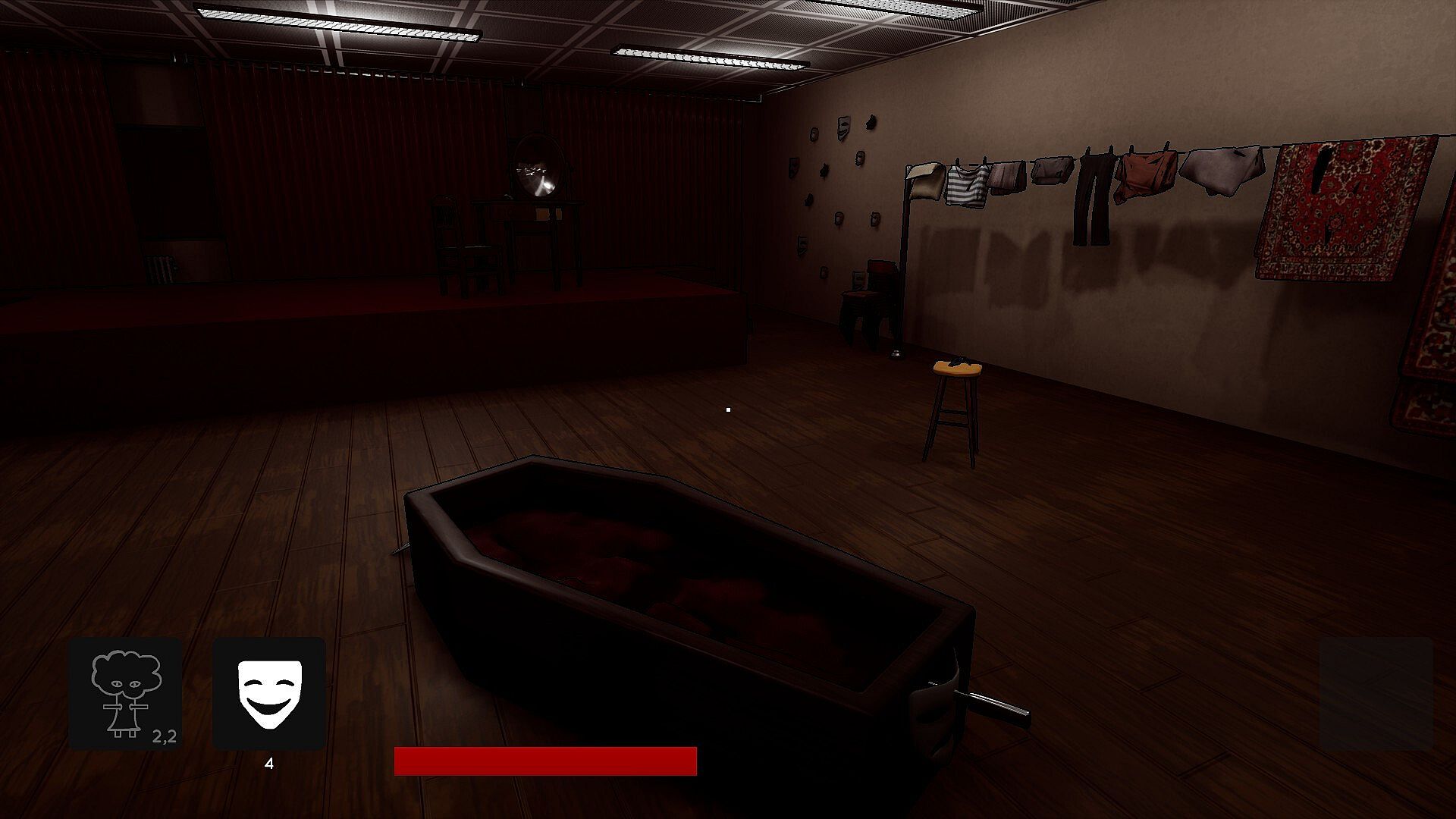
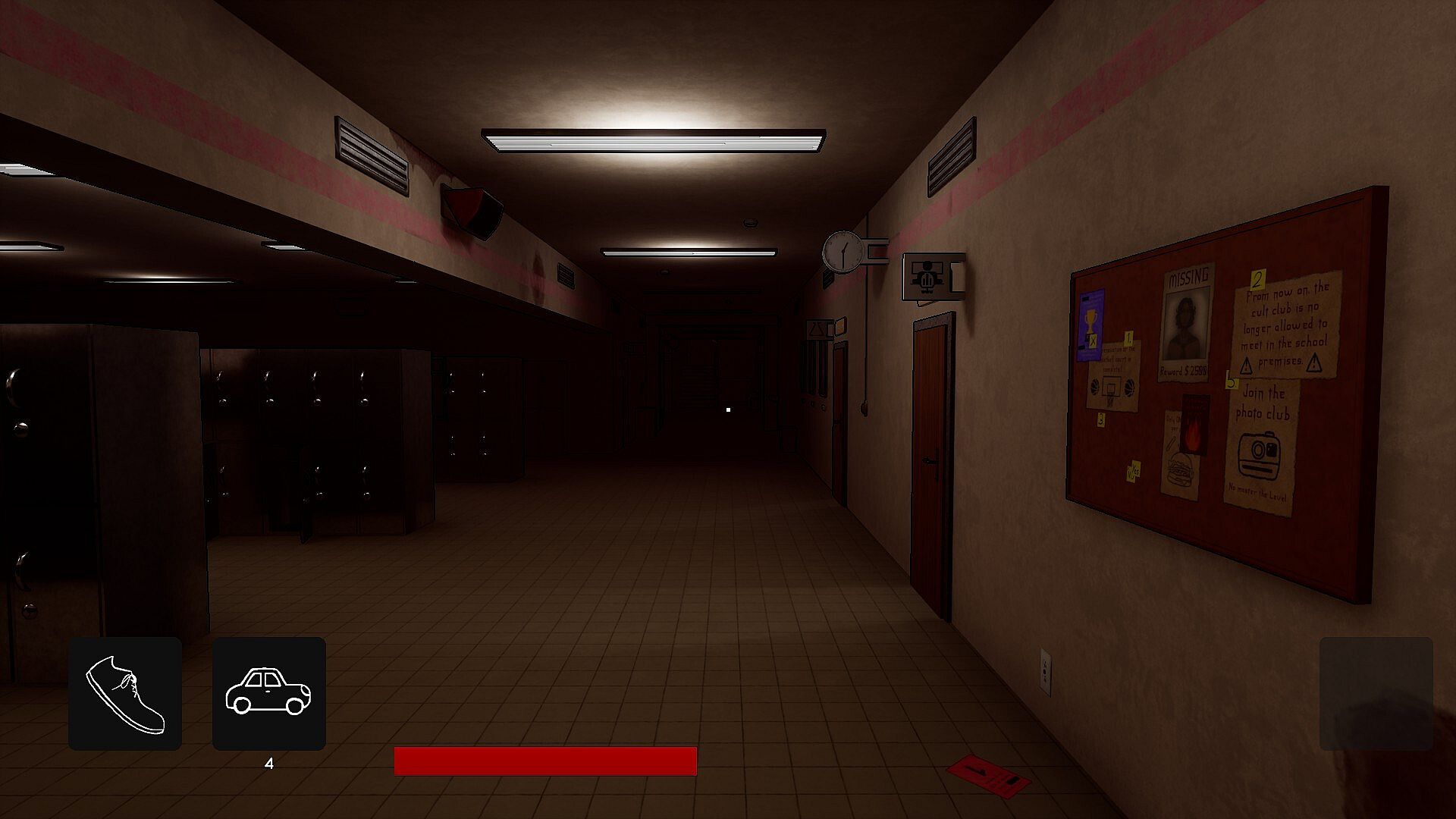
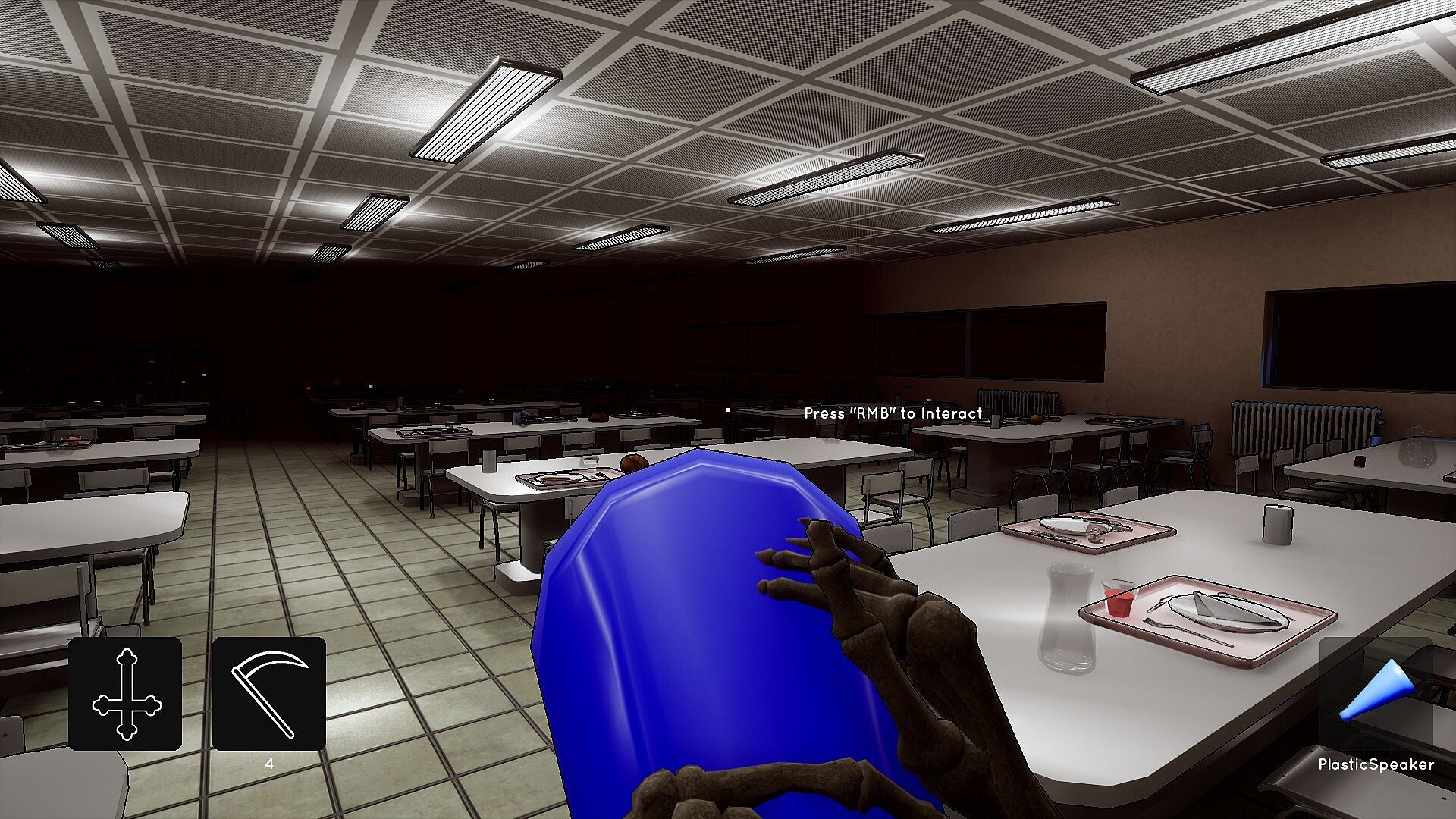
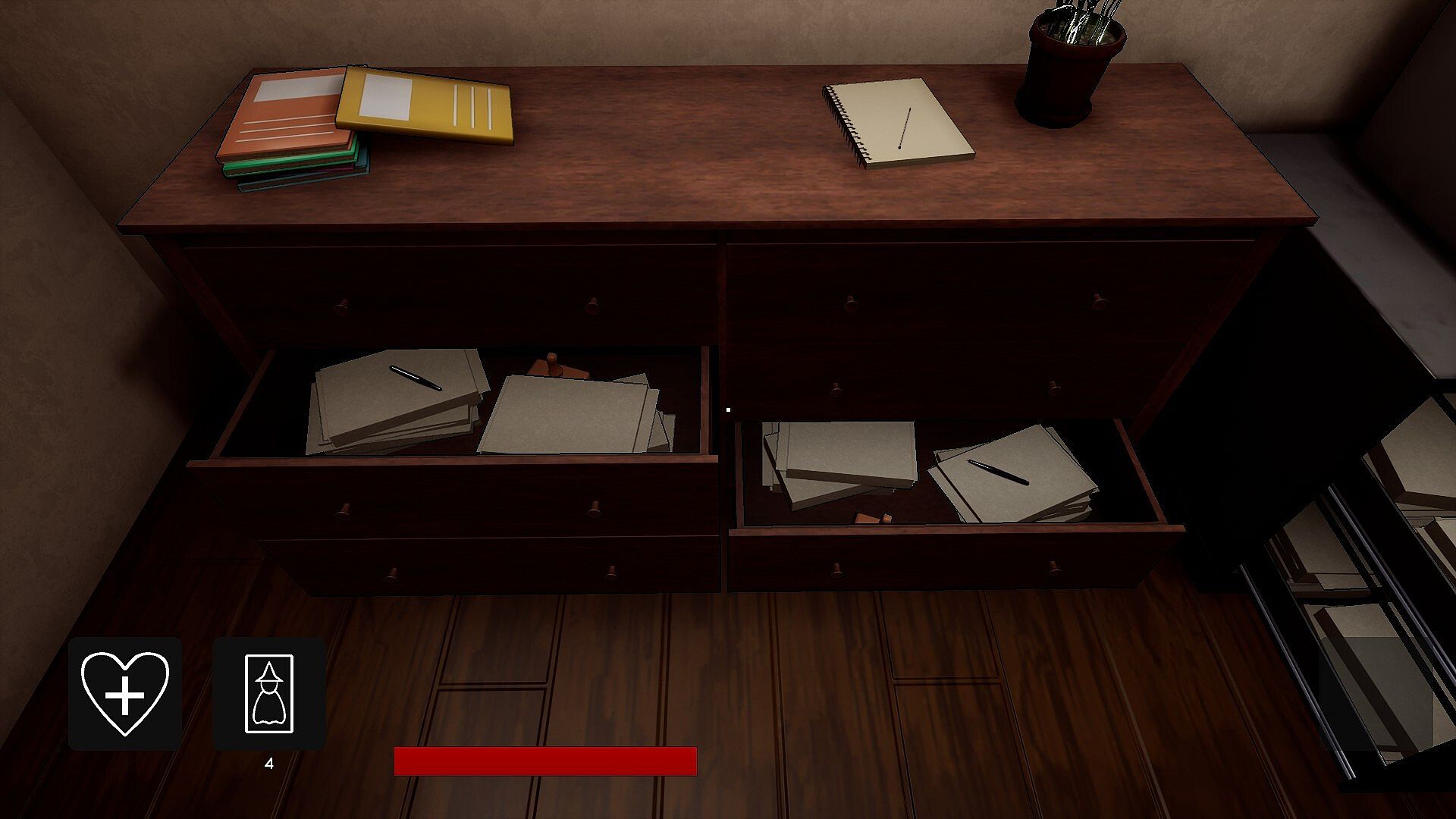
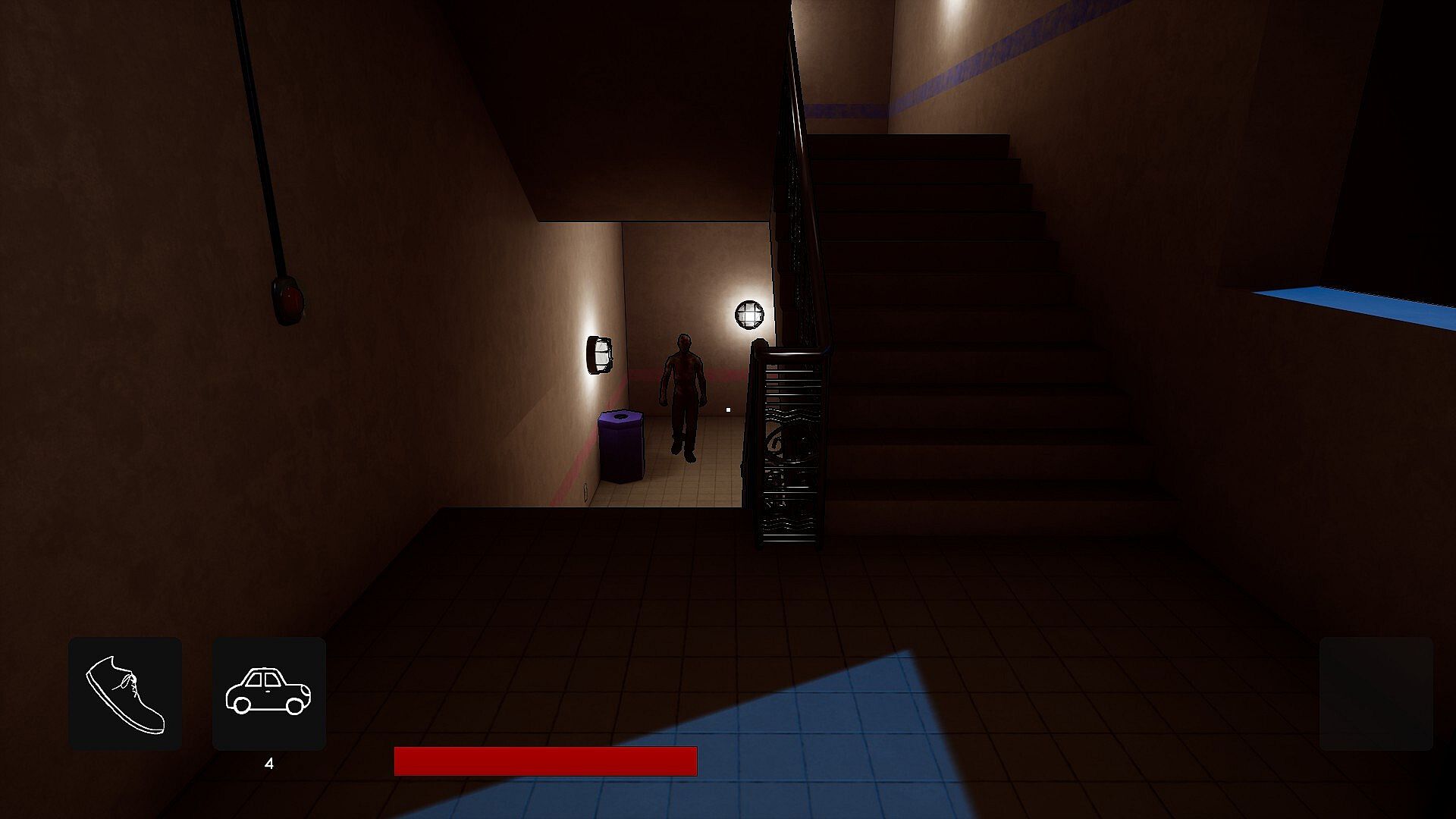
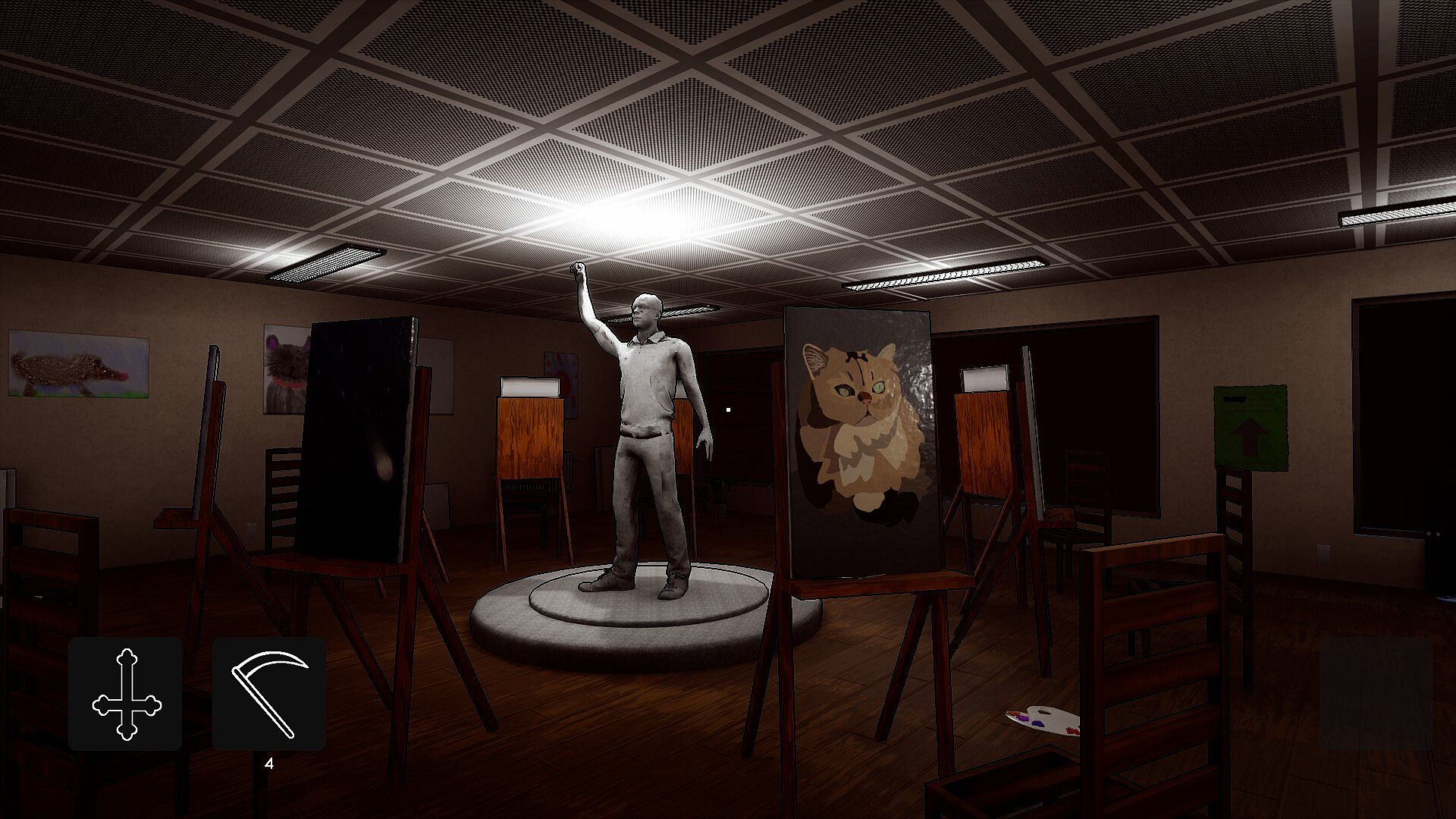
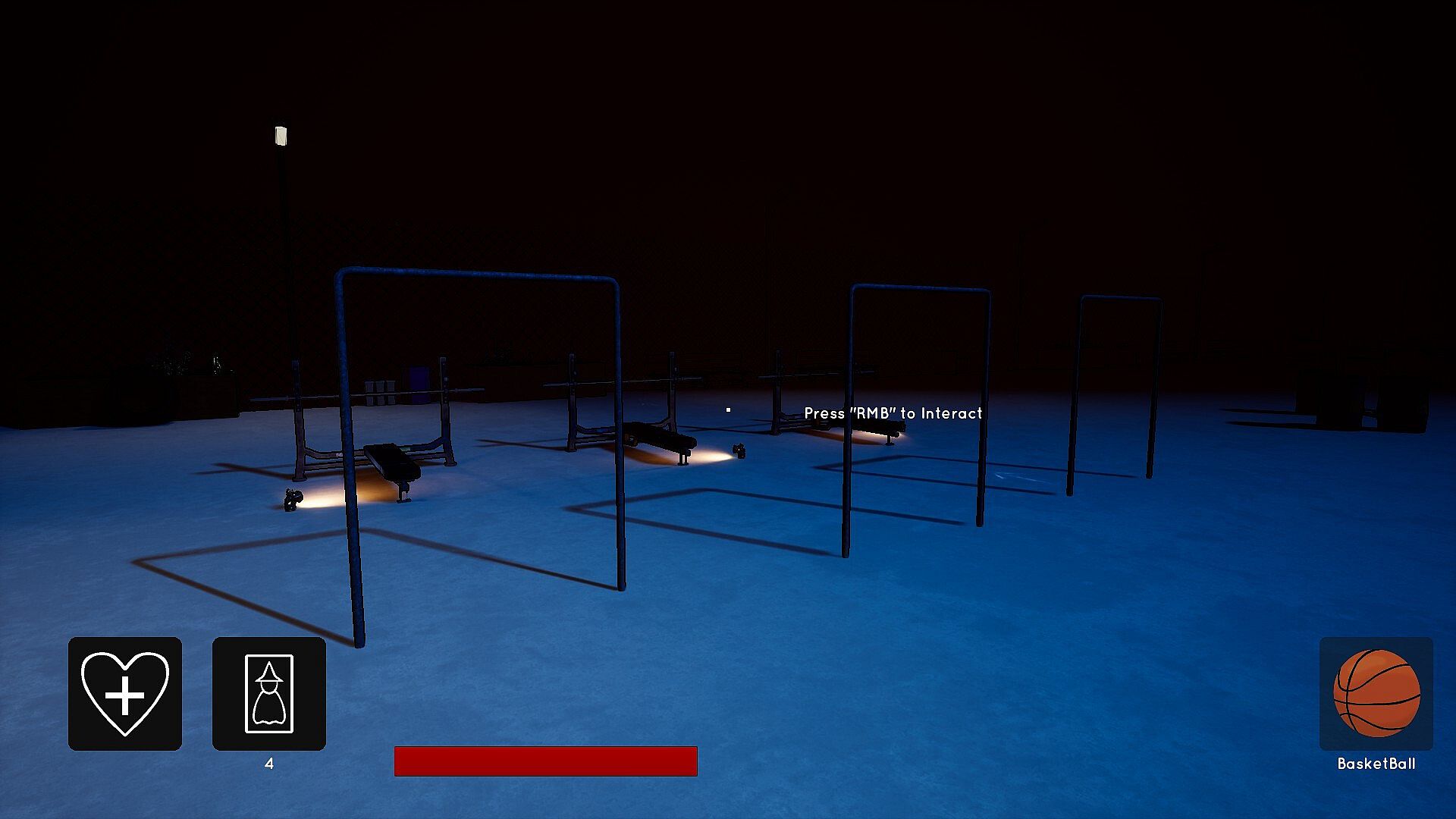
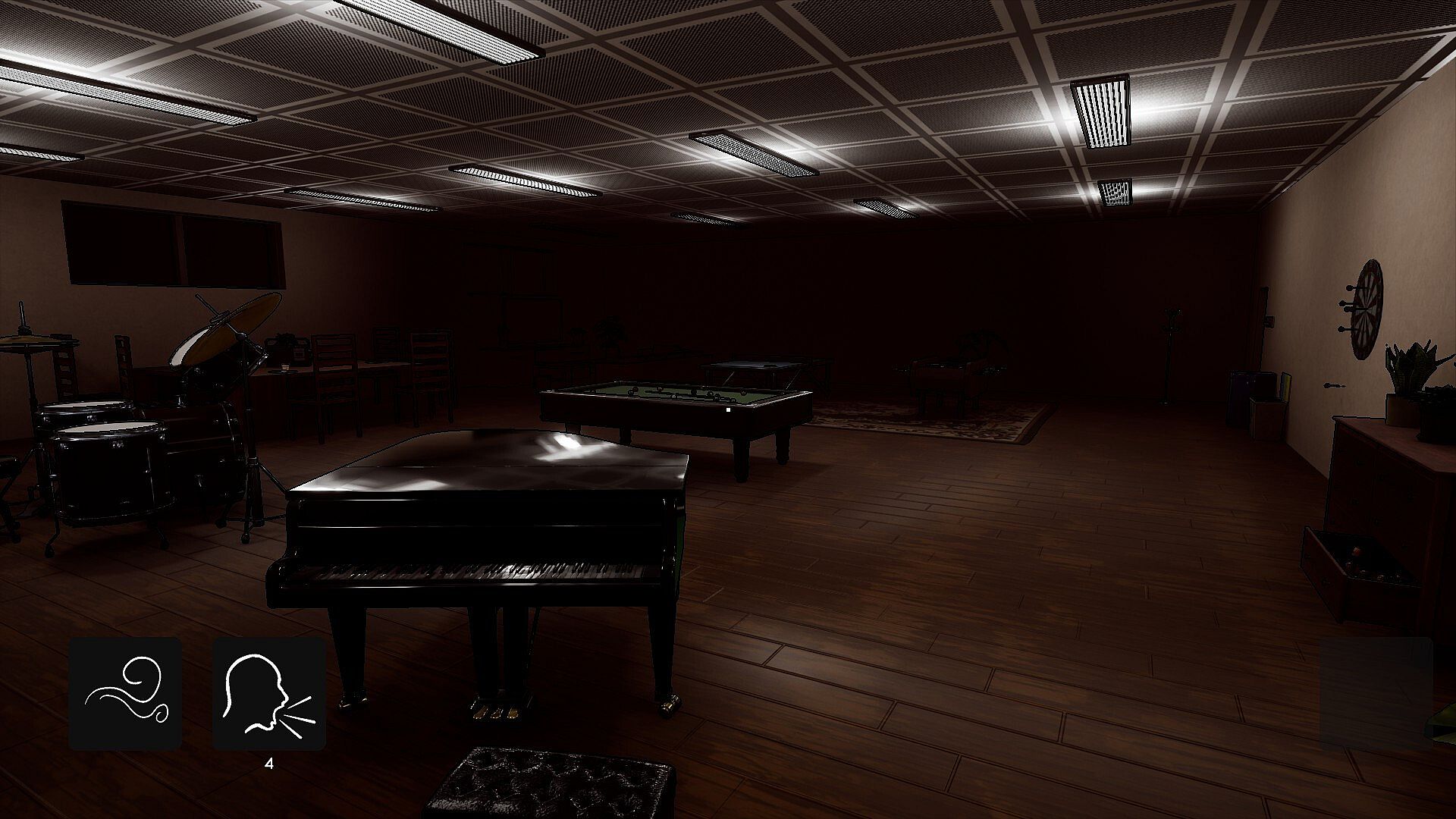
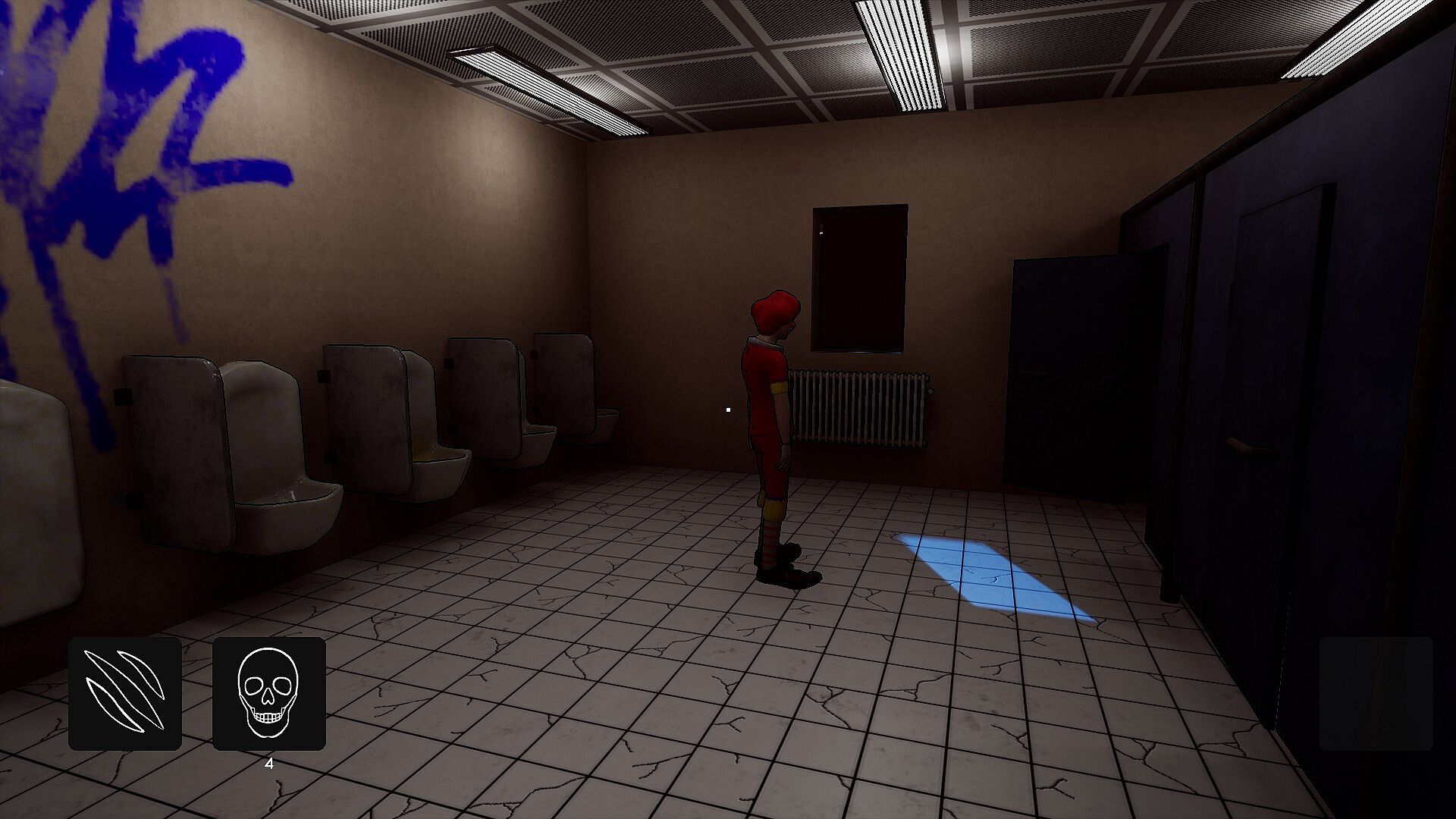
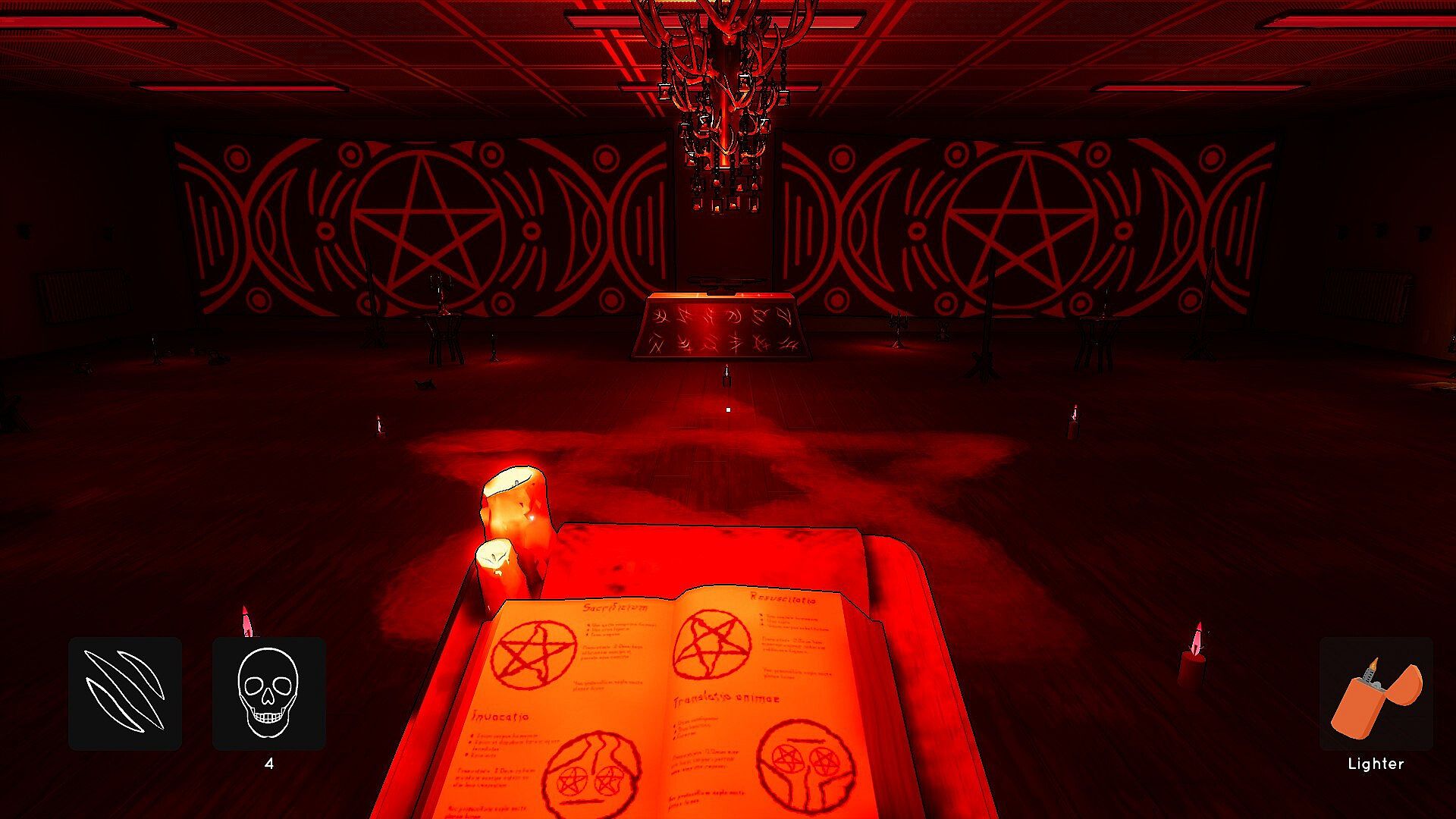
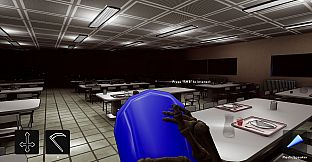
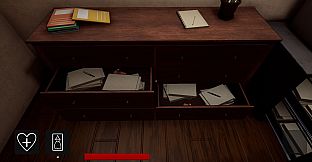
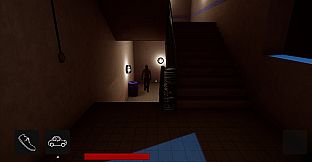
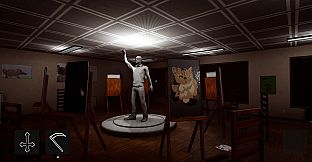
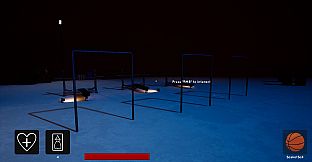
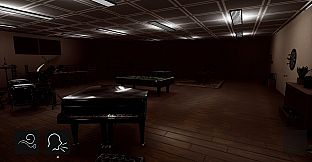
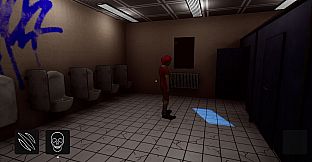

Missing Body is an action indie PvP game set in an urban environment where players divide into opposing teams to either conceal or recover the remains of a missing woman. The core loop revolves around locating six body parts scattered across the map, transporting them to a central coffin, and either protecting or disrupting that process through direct confrontation and ability use. Matches support up to twenty participants, though smaller groups around six players create tighter, more focused sessions that emphasize coordination and quick decision making.
Gameplay
Each participant selects a character equipped with one passive ability and one active ability. These powers shape individual roles within the larger team effort, allowing players to support allies, hinder opponents, or navigate the environment more effectively. Items appear throughout the map and provide temporary advantages when collected and deployed at the right moment. Proximity chat enables voice communication that stays local to nearby teammates, adding tension and strategy as players coordinate without broadcasting plans to the entire lobby.
The map encourages exploration and positioning. Investigators focus on gathering the six body parts while avoiding elimination, while the opposing side works to stop them through elimination and interference. Success depends on balancing individual ability timing with team objectives, such as securing a part or clearing a path. The system rewards awareness of surroundings and timely use of items to turn encounters in favor of one side or the other.
Game Modes
The primary experience pits two factions against each other in a single asymmetric objective match. One team operates as murderers tasked with eliminating investigators before the body parts reach the coffin. The other team acts as investigators who must survive threats, locate the remains, and complete the collection process. No additional named modes appear in available information, so every session follows this team-based structure with the shared goal of either completing or preventing the recovery of all six parts.
Matches conclude when one side achieves its win condition, either through full collection or through sustained elimination of the opposing team. The format keeps rounds relatively short and replayable, centering on repeated attempts to master ability combinations and item placement across the same map layout.
Key Mechanics and Features
Body part collection forms the central progression system. Players must physically transport each of the six pieces to the coffin, creating moments of vulnerability when carrying objectives in the open. Murderers gain the ability to patrol and intercept these carriers, while investigators coordinate defenses and routes to minimize exposure. Items supplement these efforts by offering tools for movement, distraction, or direct confrontation.
Character abilities add depth without overwhelming the core loop. Passive effects provide constant benefits such as improved stealth or faster movement, while active abilities deliver burst utility like temporary shields or area denial. Proximity chat integrates directly into these systems, letting teams call out part locations or incoming threats in real time without global voice channels.
Is It Worth Playing?
Missing Body suits players who enjoy asymmetric team PvP experiences where one side defends an objective and the other disrupts it through elimination and positioning. The combination of ability-driven characters, scattered items, and proximity chat creates opportunities for creative plays and coordinated pushes that reward communication and map knowledge. With a recommended player count of six, the game scales well for small groups seeking repeated short matches rather than long campaigns.
Those drawn to indie action titles with clear faction roles and a focus on recovery mechanics will find a straightforward yet layered loop here. The emphasis on collecting and securing six specific parts keeps objectives concrete, while the dual ability system on each character encourages experimentation across multiple rounds. Availability on PC supports easy access for multiplayer sessions without additional platform requirements.












