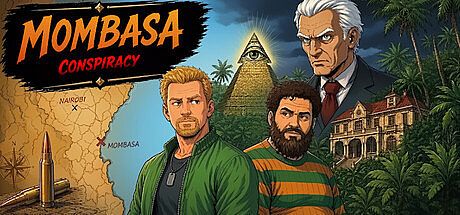


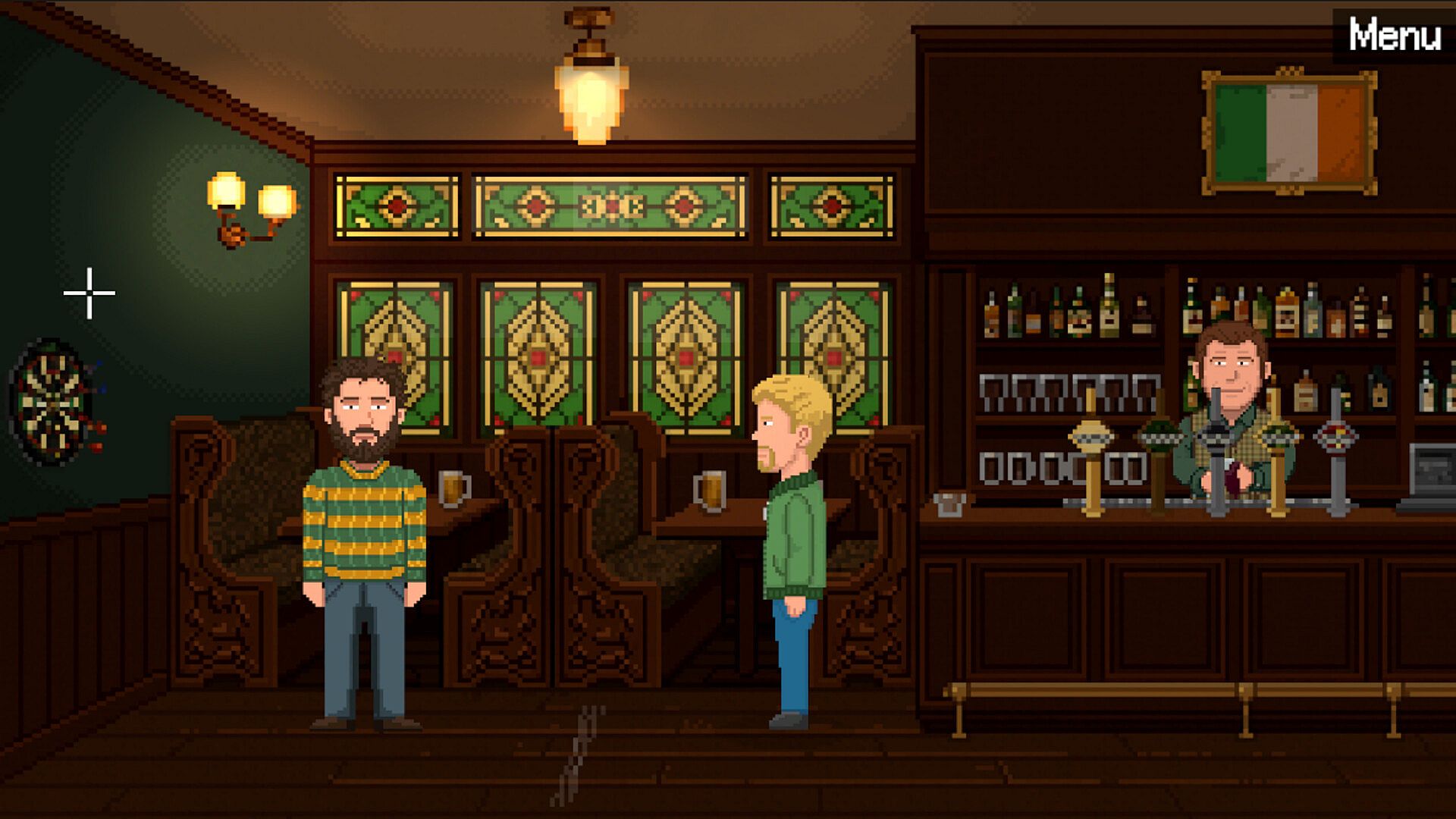
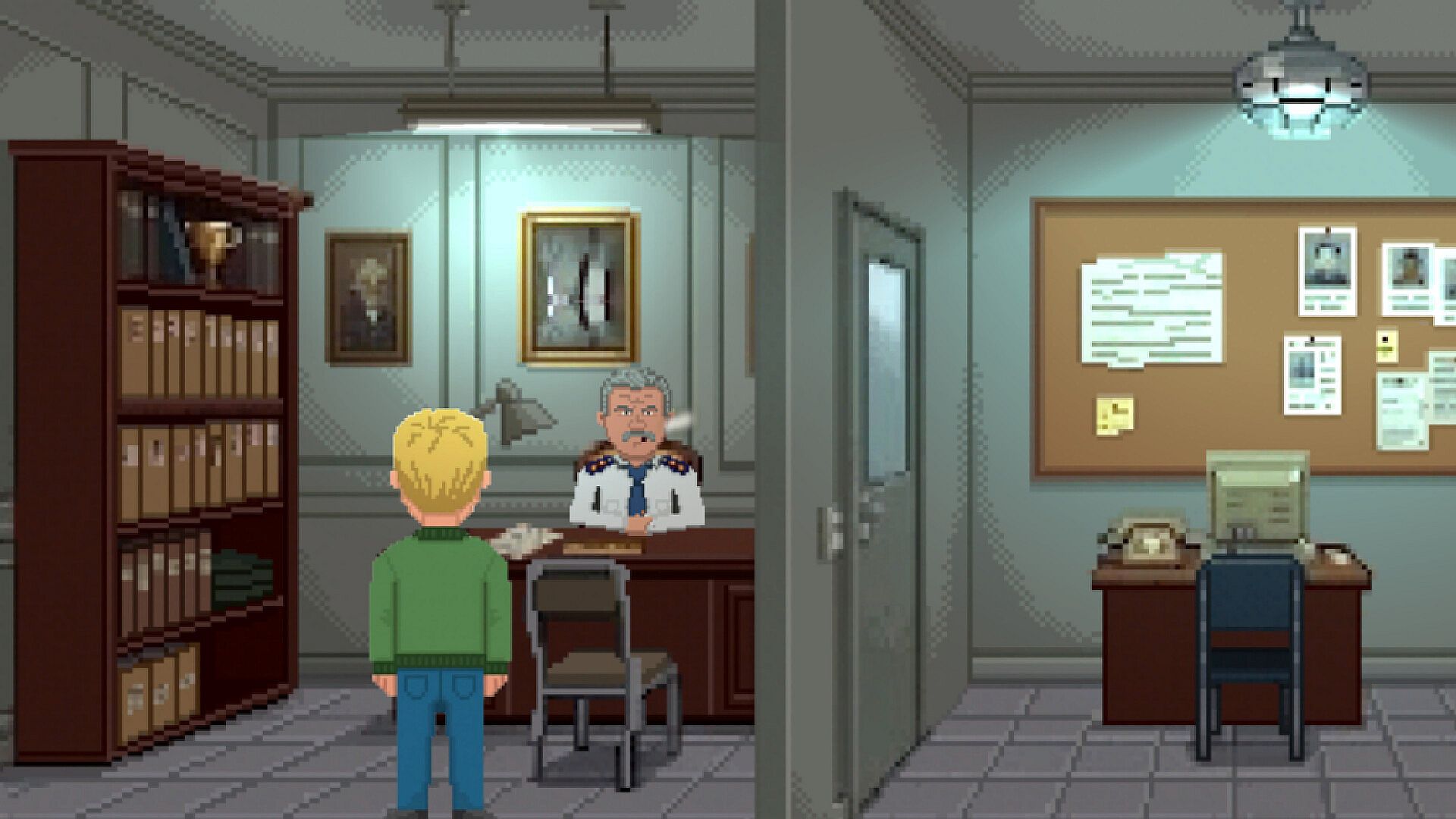

Mombasa Conspiracy is a single-player point-and-click adventure game developed as an indie title for PC. Set in 1990, the story follows Connor O'Ryan, a struggling Dublin police officer, and his friend Brian Moloney as a routine letter leads them from Ireland to Kenya. What begins as a personal errand quickly draws them into a larger network of police corruption and political intrigue that spans two continents.
Gameplay
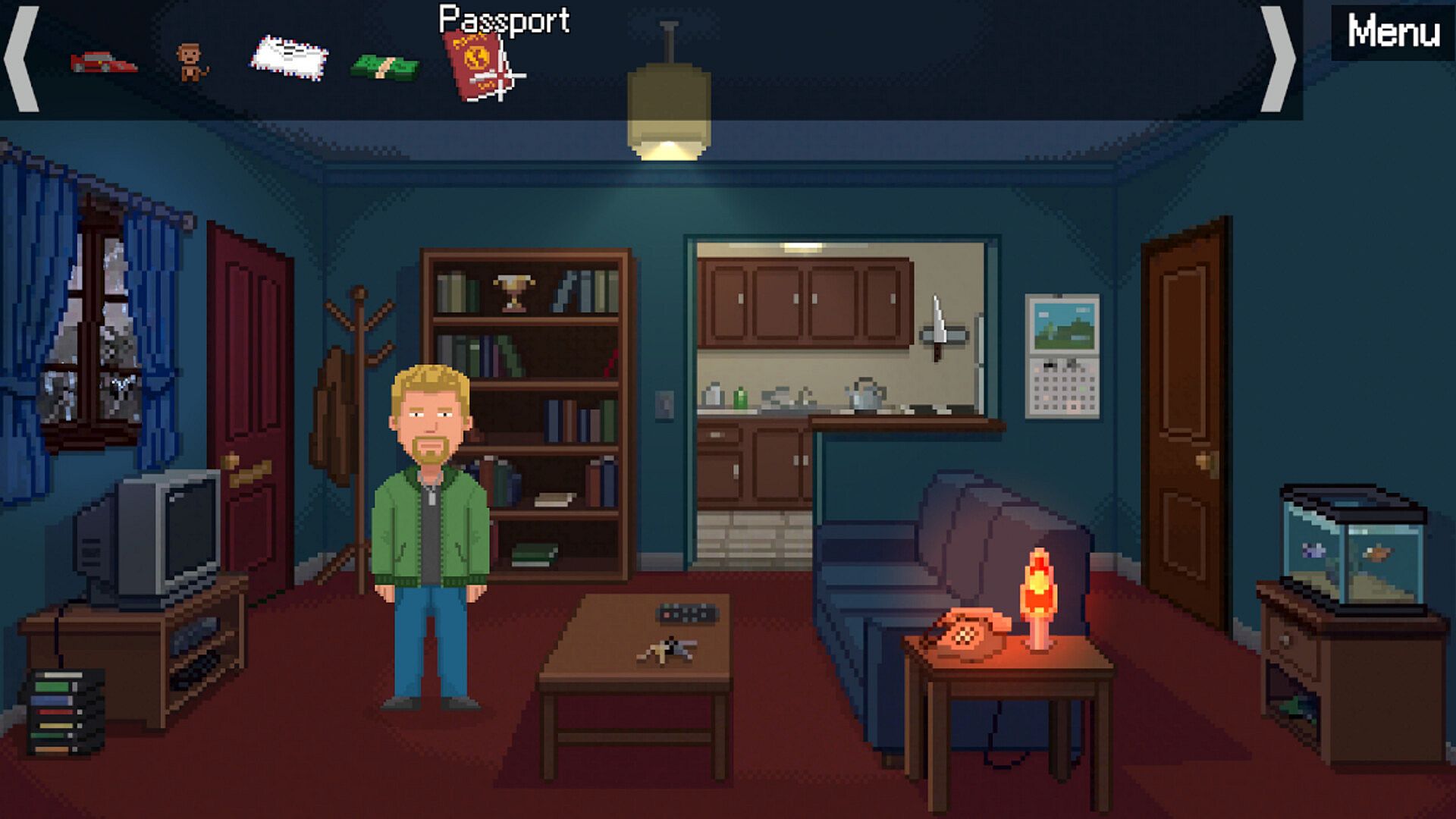
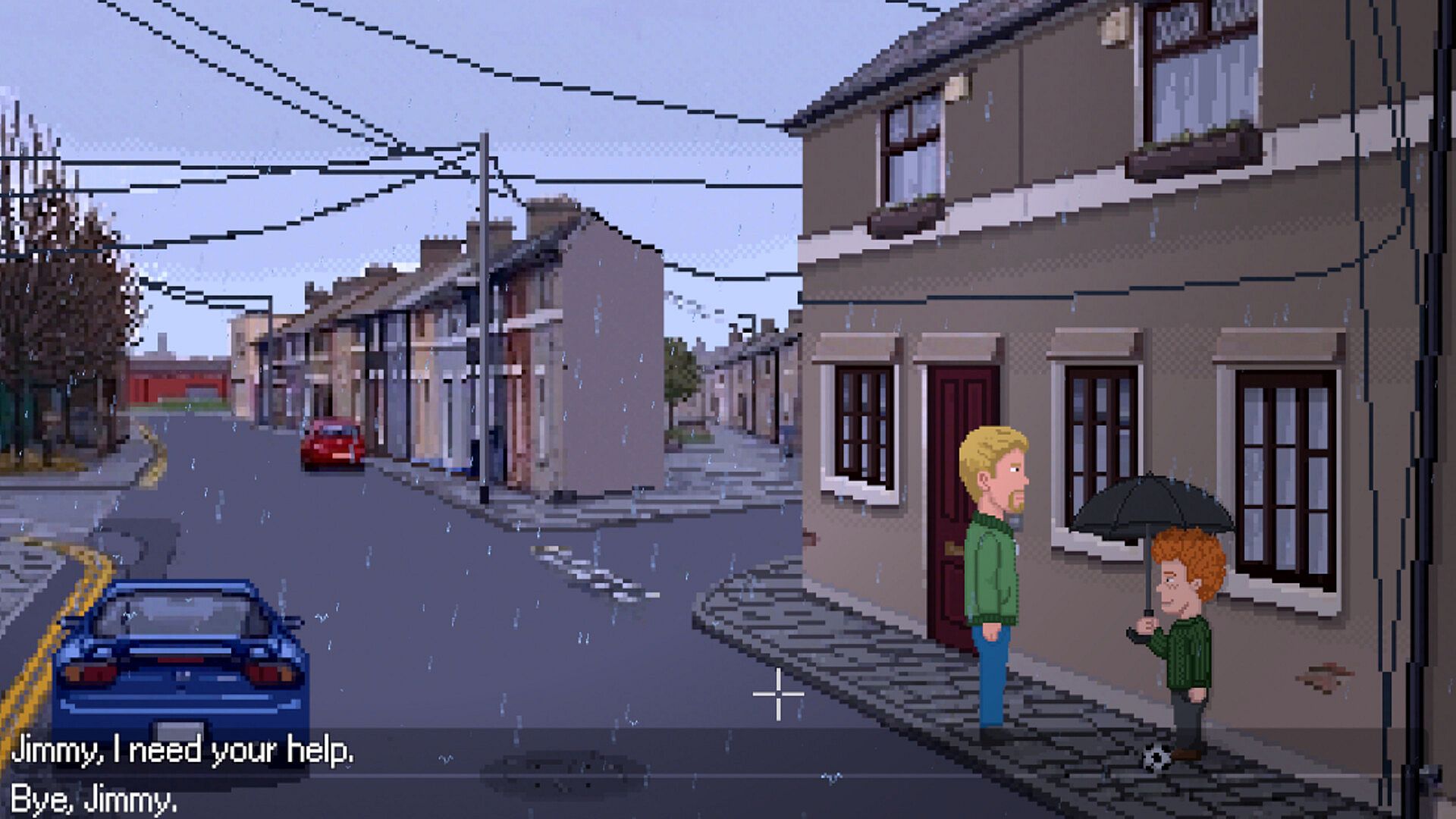
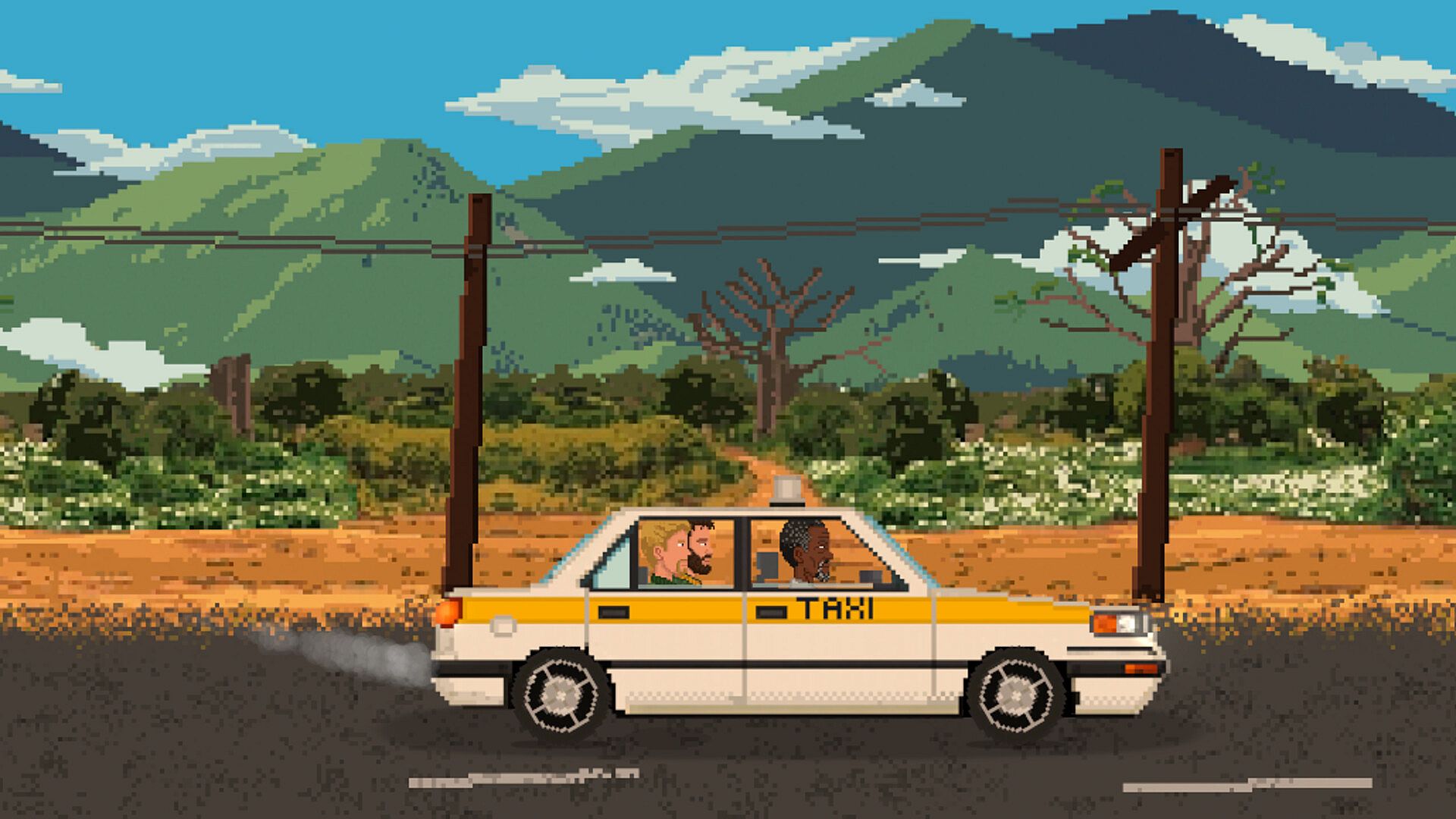
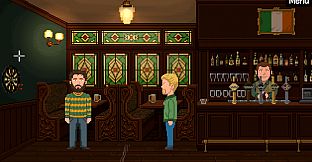
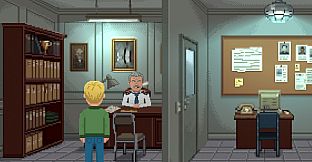
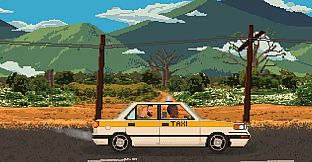
The core loop centers on exploration and puzzle solving in a style that echoes classic 1990s graphic adventures. Players move between more than thirty distinct locations, from the rain-soaked streets and police offices of Dublin to the crowded markets, taxi rides, and harbor docks of Mombasa. Interaction relies on an inventory system where collected items are combined or applied to the environment in logical ways to progress.
Dialogue plays a central role. The branching conversation system presents dozens of lines that mix humor, tension, and useful information. Choices affect how characters respond and what clues become available. Players switch control between at least two protagonists during the course of the story. Connor brings a methodical, detail-oriented approach shaped by his family history, while Brian supplies sarcasm and a more direct personality.
Pixel art visuals recreate the aesthetic of that earlier era, with clean sprites and backgrounds that support the narrative without modern embellishments. Character biographies remain accessible at any time, providing background on the more than twenty-five individuals encountered along the way.
Game Modes
The game offers a single continuous narrative experience. There are no separate competitive or cooperative modes. Progression follows the main storyline through the locations and conversations described above, with puzzles and dialogue choices shaping the path forward. The structure remains linear in its overall arc while allowing variation in how individual scenes resolve based on player decisions.
Story and Setting
The plot unfolds across two countries and two continents, beginning in Dublin before shifting to the Kenyan coast. Secrets uncovered in Ireland connect directly to events in Mombasa, involving corruption at multiple levels of authority. The journey incorporates everyday details of the era, such as local transport and market life, alongside more dangerous encounters at the docks and in hidden dealings.
Atmosphere shifts noticeably between the two settings. Dublin scenes emphasize rain and institutional environments, while Mombasa brings heat, bustle, and a different pace of life. These contrasts reinforce the sense of displacement felt by the protagonists as they move deeper into unfamiliar territory.
Key Mechanics and Features
Inventory management and environmental interaction form the backbone of puzzle design. Items gathered in one location often prove useful later, encouraging players to revisit areas with new information or tools. Dialogue trees supply both humor and critical details, rewarding careful reading and experimentation with different conversational approaches.
Retro presentation extends beyond visuals to include the overall interface and pacing. The game avoids modern quality-of-life additions that would alter the classic feel, keeping focus on observation, deduction, and item use. The two-character control adds variety to how scenes play out, as each brings distinct dialogue options and perspectives.
Is It Worth Playing?
Mombasa Conspiracy targets players who enjoy traditional point-and-click adventures and the puzzle-driven storytelling of 1990s titles. Its emphasis on logical item combinations, branching conversations, and a contained narrative makes it suitable for those who prefer single-player experiences without multiplayer elements or ongoing seasonal content.
The game remains in its initial release phase with no additional updates or expansions confirmed at this time. Reception will depend on how well the puzzles land and how engaging the central conspiracy proves for individual players. Fans of retro pixel-art adventures and character-focused stories set in specific historical periods may find the combination of Dublin and Mombasa settings and the dual-protagonist dynamic appealing enough to justify a purchase.