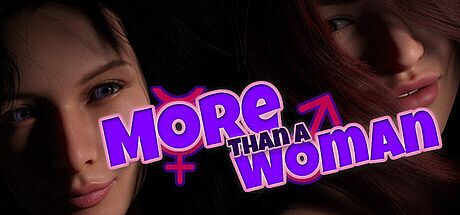


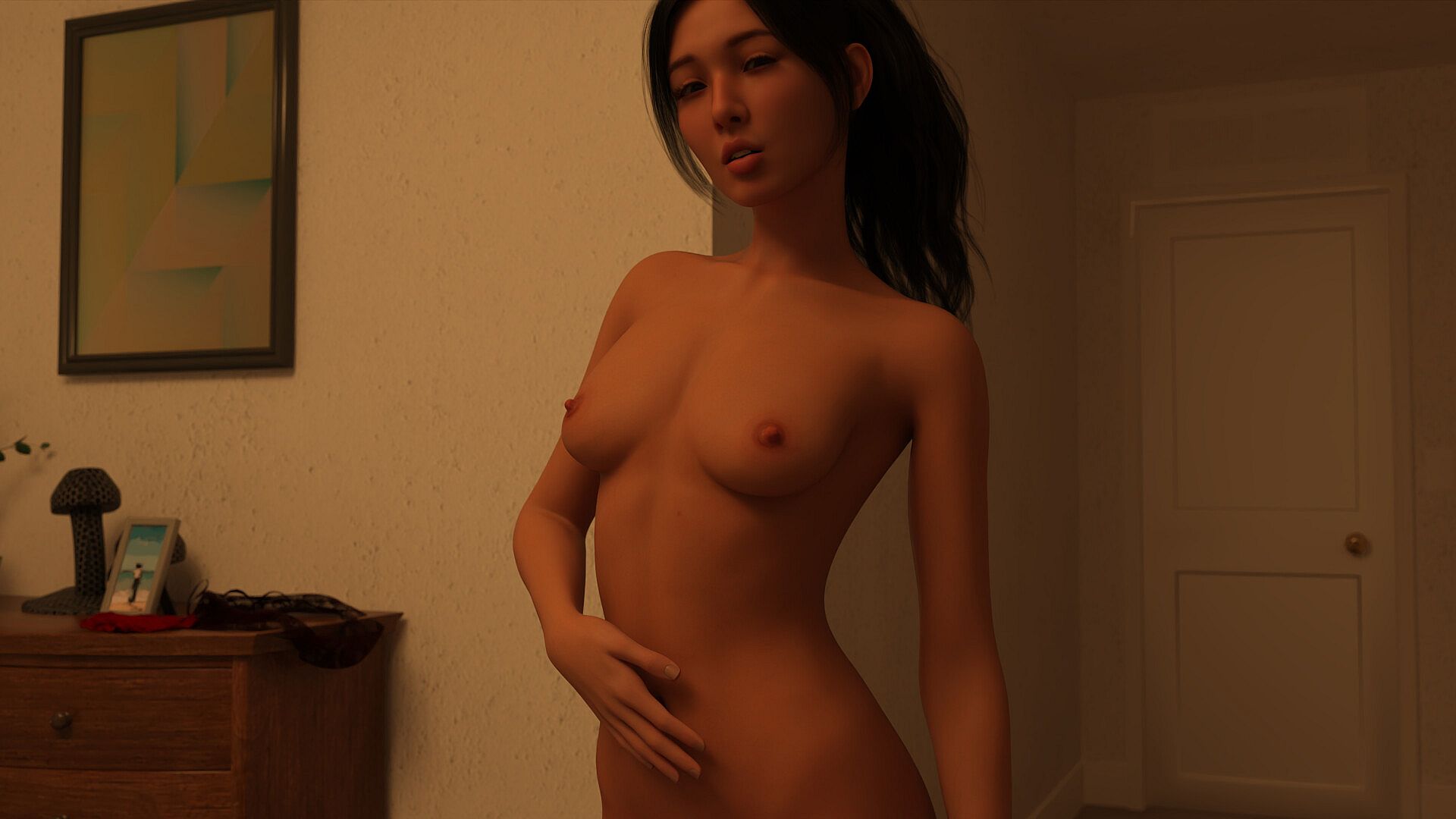
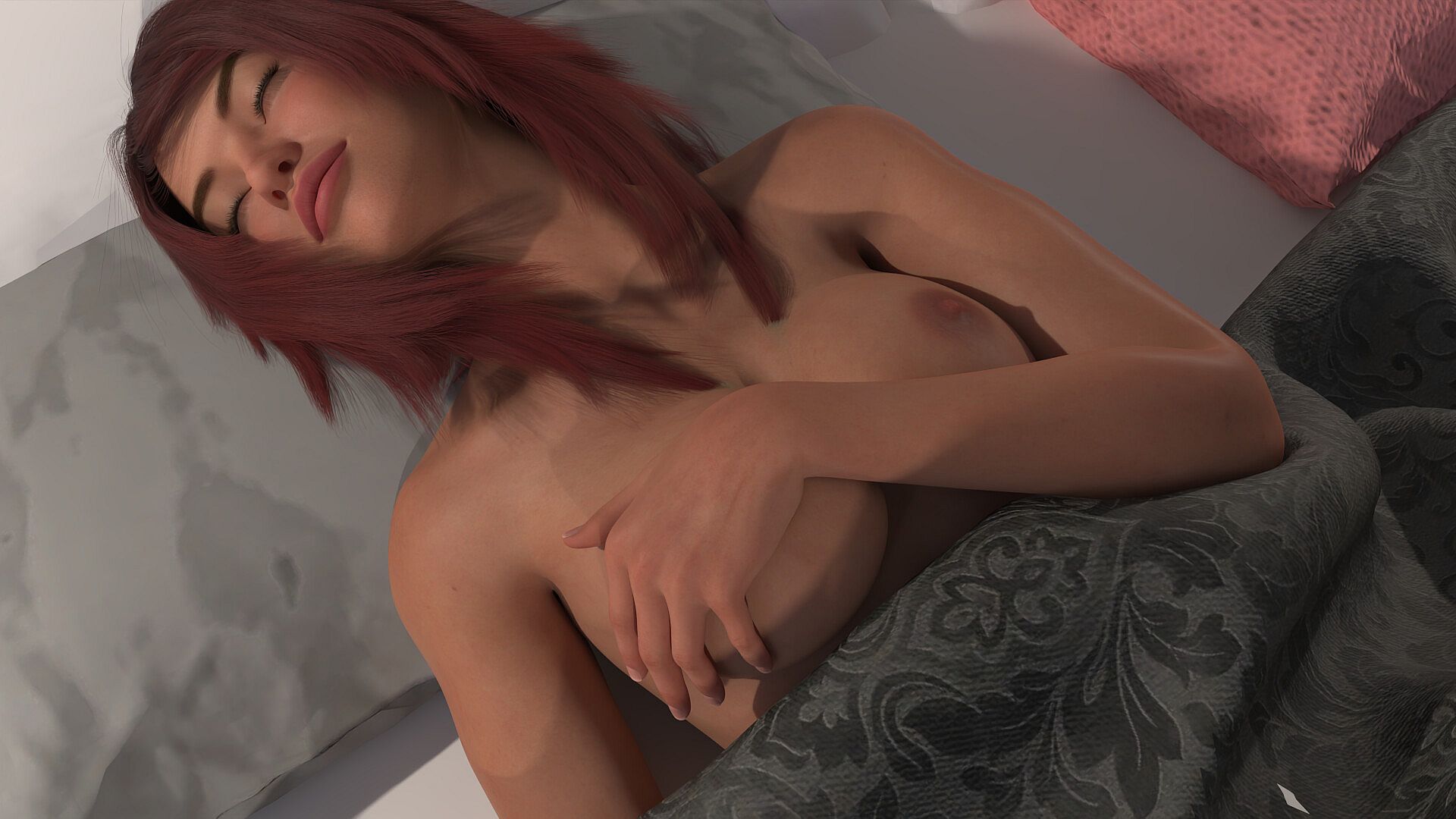
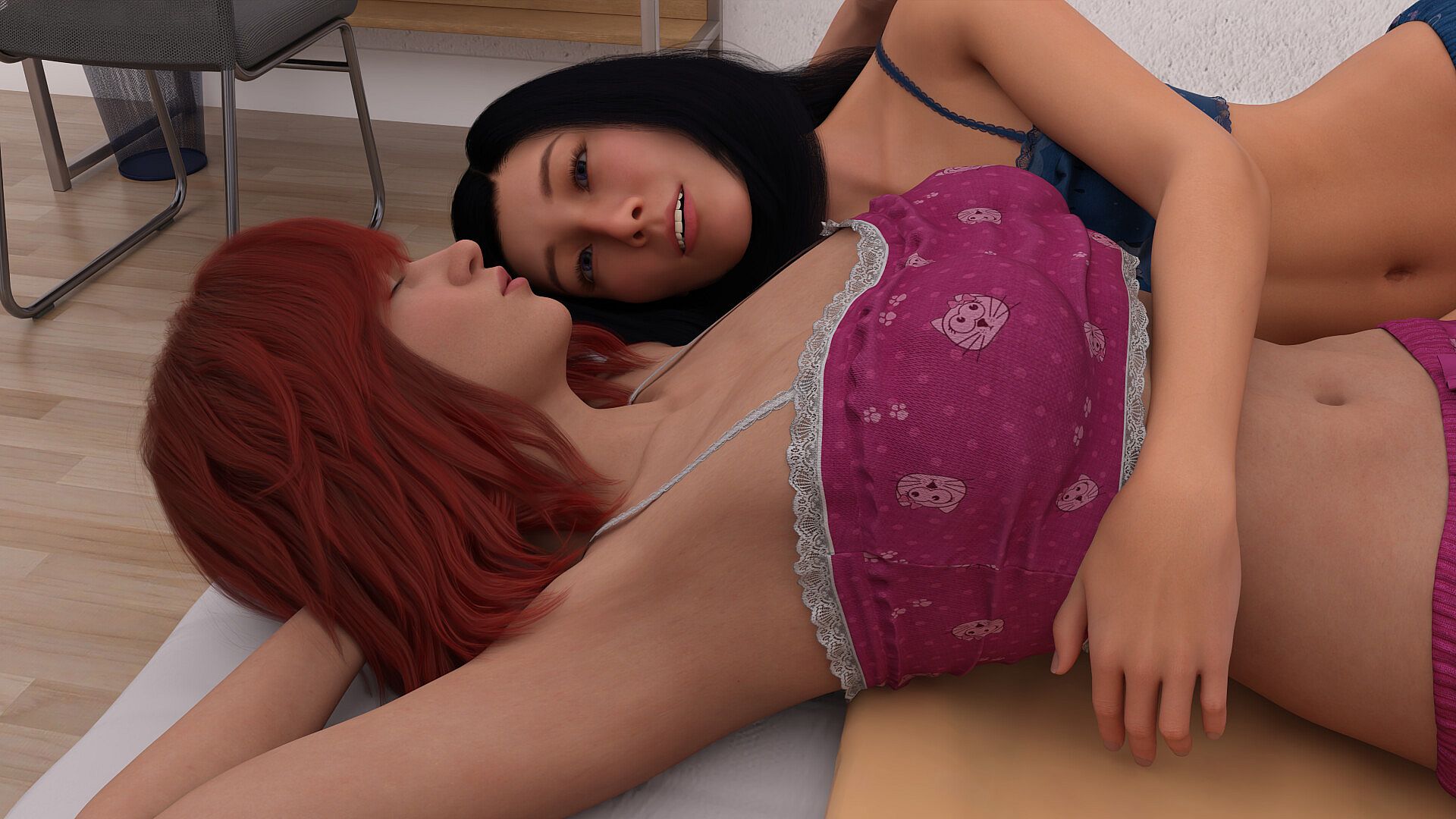




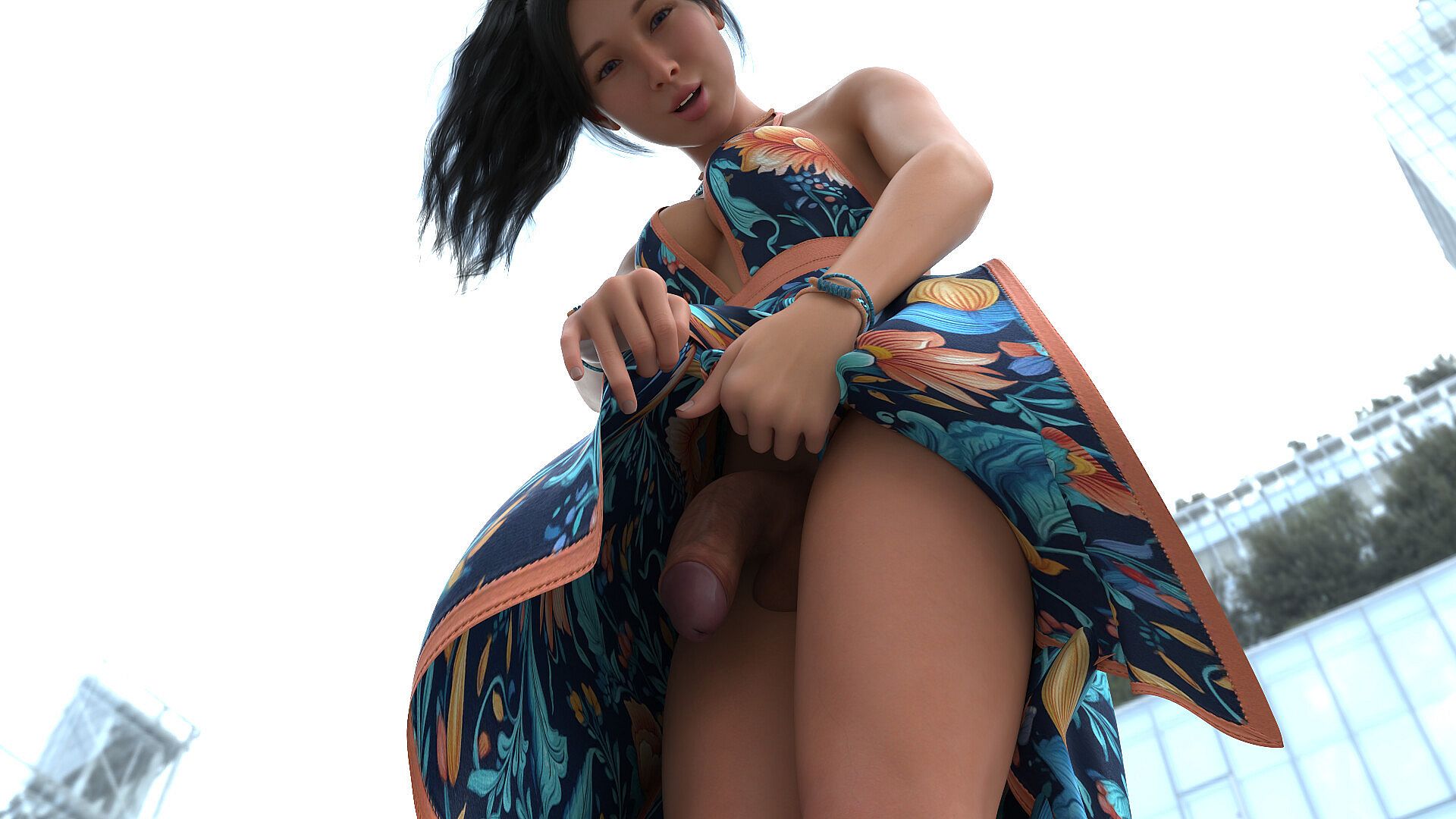
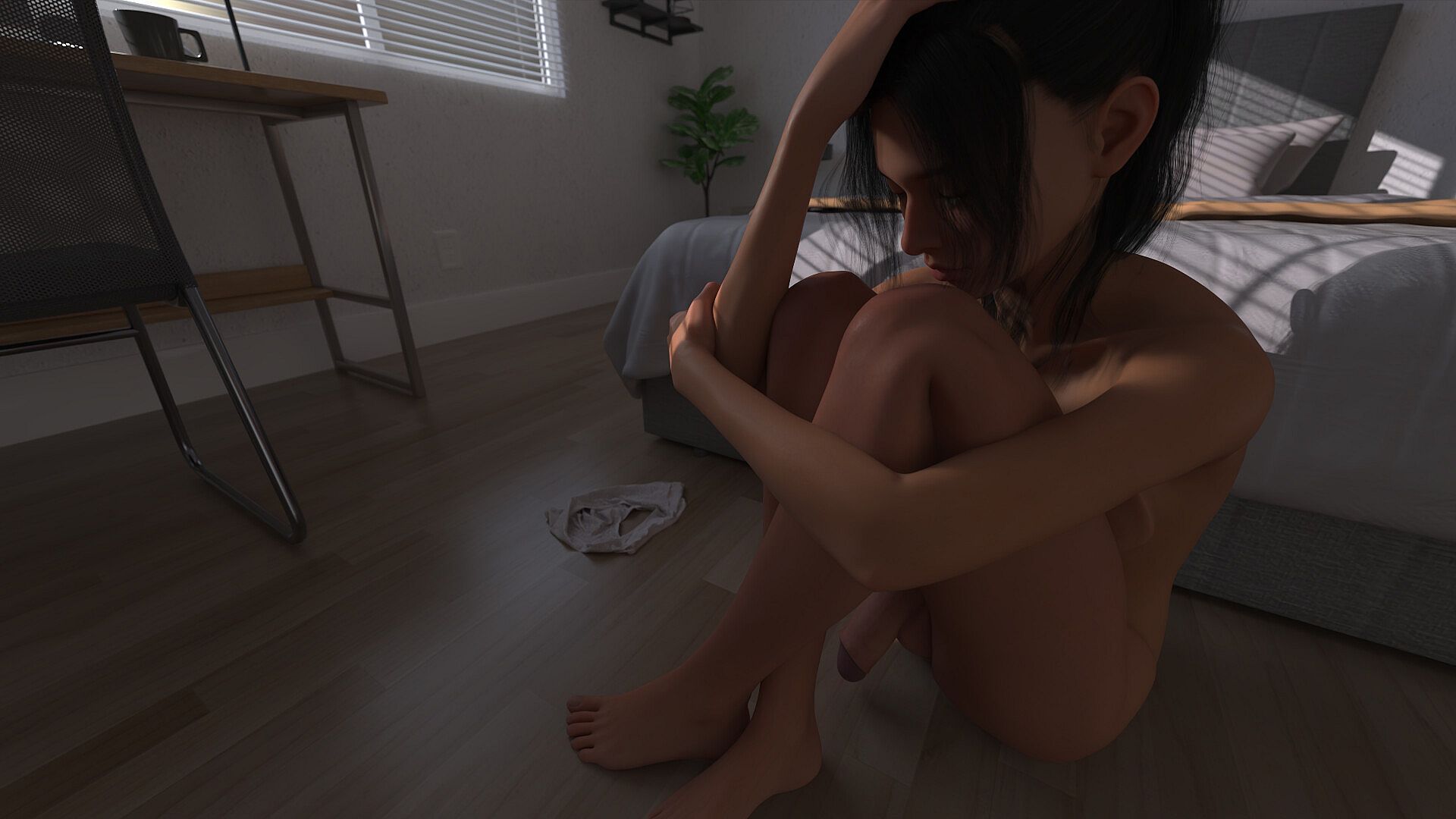









More Than A Woman stands out as an indie casual game on PC that centers on a focused personal narrative about self discovery and identity. Players follow the experiences of Hana as she navigates auditions, shifting relationships, and internal conflicts in a realistic setting. The title emphasizes emotional depth over traditional mechanics, delivering a novel like reading experience built around one continuous tale.
Gameplay
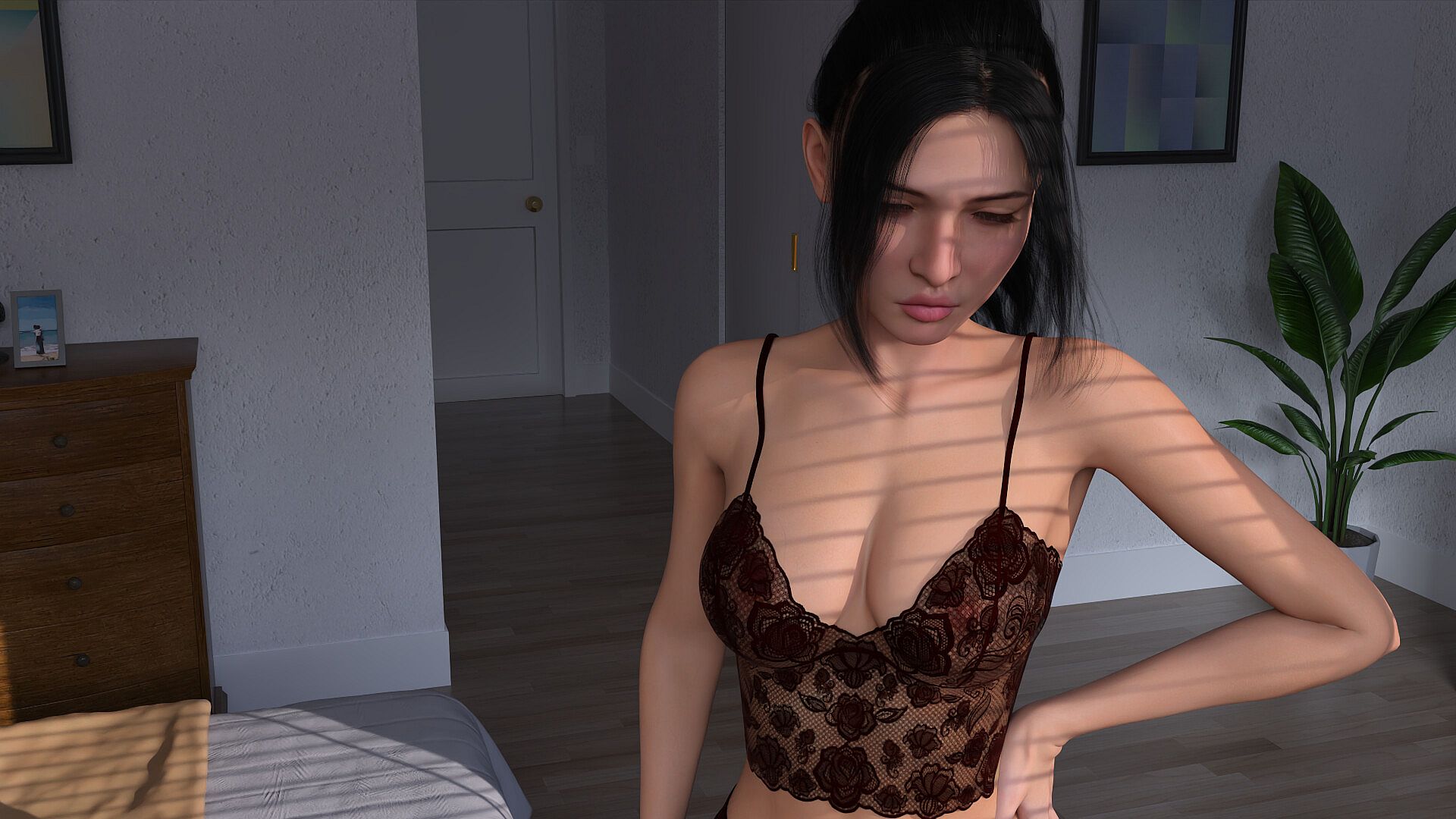
The core loop revolves around progressing through a linear story that explores Hana's daily challenges and personal growth. Scenes unfold through text and visuals that highlight her emotional responses to events like distant partners, hidden feelings from friends, and professional pressures at the studio. Intimacy in relationships develops gradually from shared moments and character interactions rather than forced events. Optional hidden objects appear in appropriate story locations, and collecting them unlocks additional gallery content with alternate reflections on events.
Mechanics stay minimal to maintain immersion. There are no stat systems, currency tracking, or phone style interfaces that interrupt the flow. The experience avoids any grinding or side activities, keeping attention on the narrative progression and character development. Art direction favors authentic body types and personalities drawn from everyday life, which supports the grounded tone of the story.
Game Modes
The game offers a single player narrative mode that presents one cohesive story without branching paths or player driven choices. This structure ensures consistent character behavior and a purposeful sequence of events designed for repeated playthroughs. The mode focuses entirely on emotional and thematic exploration rather than multiple endings or variable outcomes.
No separate modes exist for competitive play, cooperative sessions, or additional challenges. The design prioritizes a unified reading experience that players can revisit to notice new details in the text and scenes.
Story and Themes
Hana's journey begins with mounting pressures as her birthday nears. Her long term relationship shows signs of strain, a close friend harbors unspoken emotions, and career opportunities face obstacles from studio conflicts. An unexpected transformation later disrupts her sense of self and forces reflection on identity, desires, and societal expectations. The narrative handles these elements with care, presenting realistic struggles without exaggeration.
Themes of sexual and gender identity emerge naturally through Hana's internal thoughts and interactions. The story examines how external demands stretch personal limits while highlighting resilience and self acceptance. Relationships evolve based on genuine emotional connections, adding layers to the central conflict.
Is It Worth Playing?
This title suits readers who prefer uninterrupted story experiences in the indie casual genre. Its linear structure and absence of distracting systems make it ideal for those seeking a focused exploration of personal themes on PC. The realistic character portrayals and emotional pacing reward attention to detail across multiple readings.
Players interested in visual novel style narratives with grounded art and optional collectibles will find the approach consistent with the described goals. The game delivers a self contained journey without reliance on ongoing updates or additional content layers. Those drawn to character driven tales about identity and relationships may appreciate the deliberate pacing and authentic presentation.