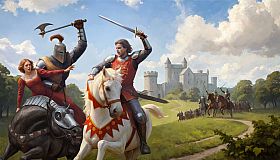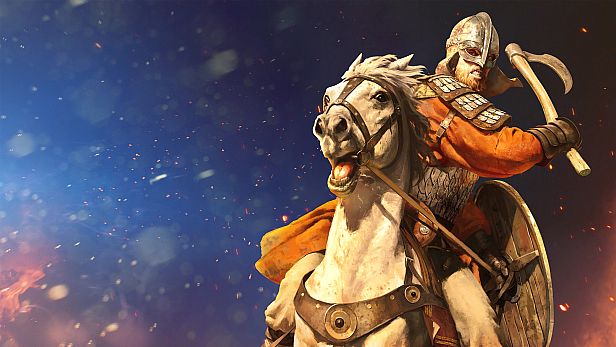




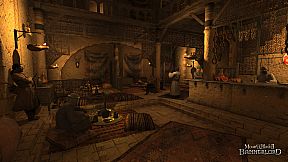
Mount & Blade II: Bannerlord is a strategy action role-playing game that places players in the medieval-inspired world of Calradia, where they build a character from humble beginnings into a leader capable of shaping kingdoms through combat, diplomacy, and economic maneuvering.
Gameplay
The core loop revolves around character progression and party management on an open campaign map. Players create and customize their own character, advancing skills through repeated actions such as fighting, trading, or leading troops. These skills unlock perks that tailor abilities to different playstyles, whether focused on combat mastery, crafting, or leadership.
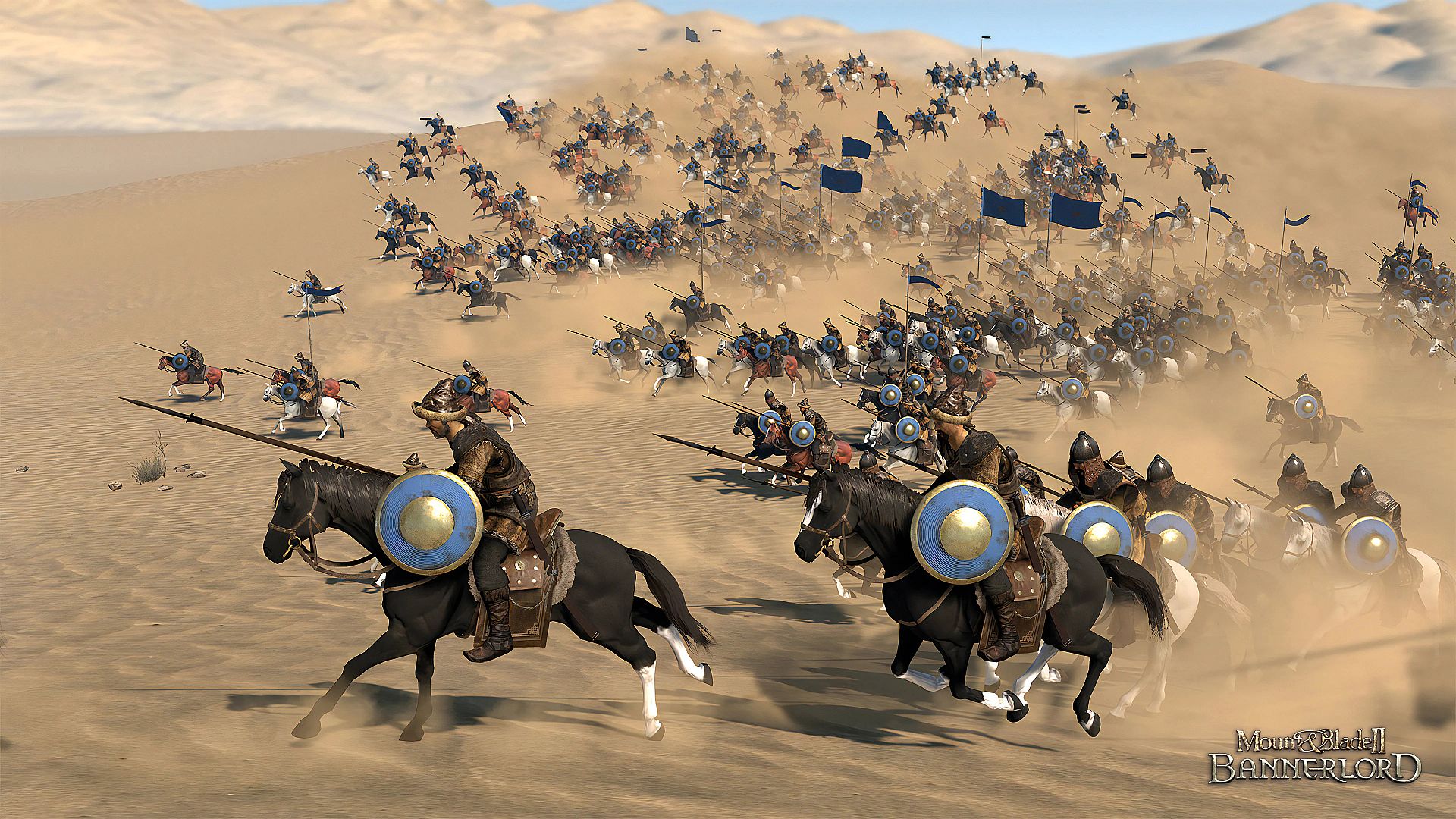
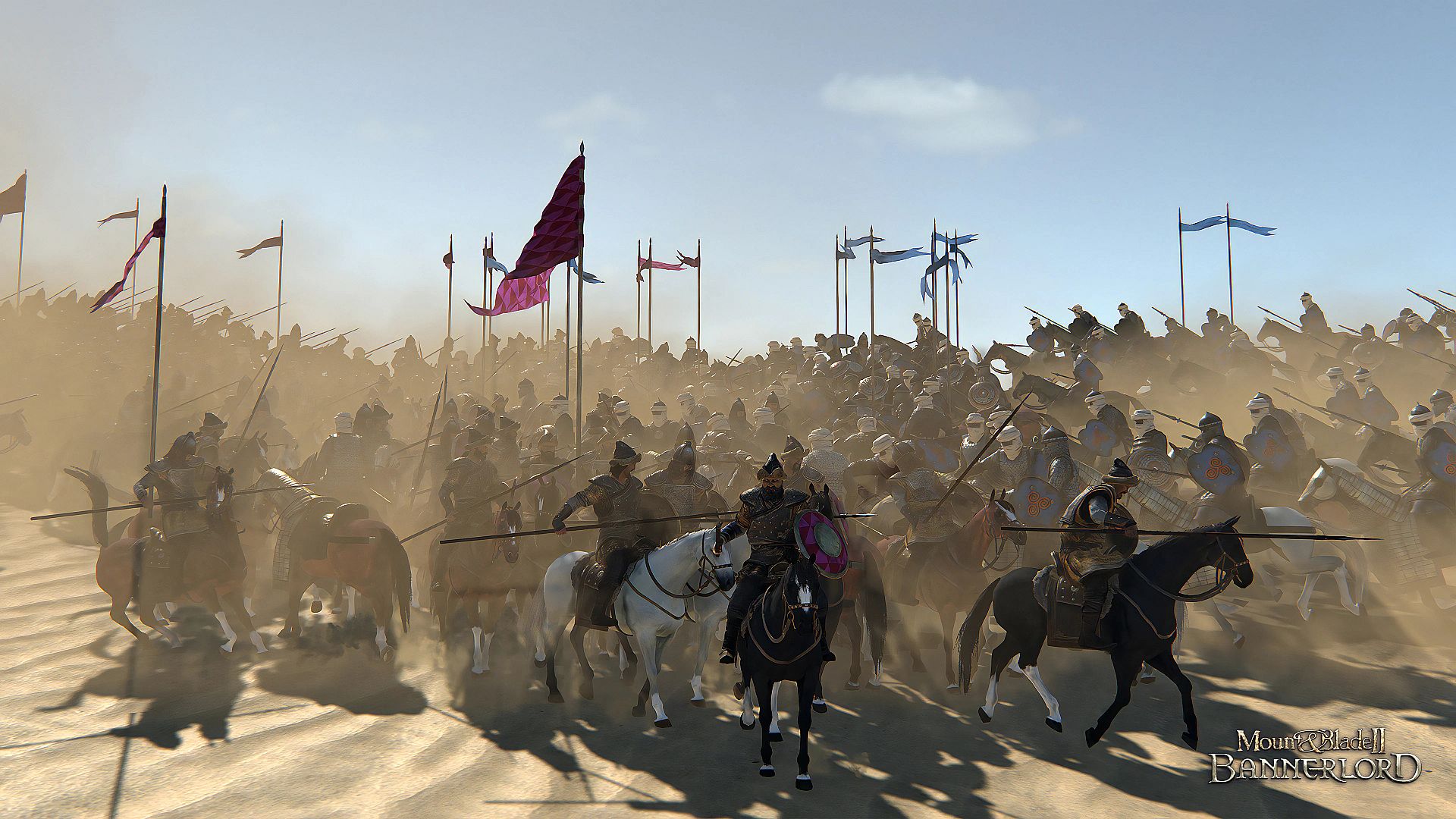
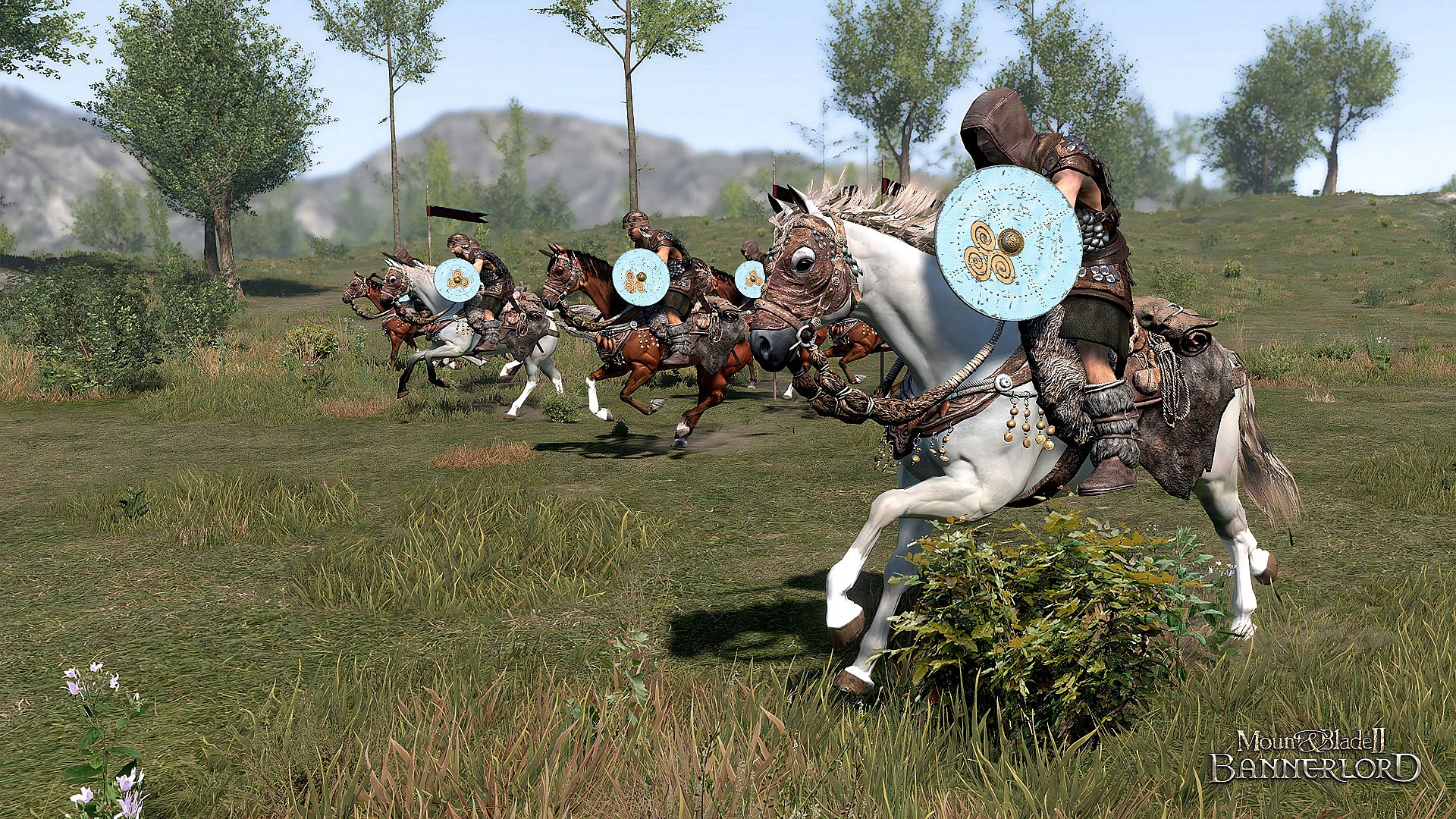
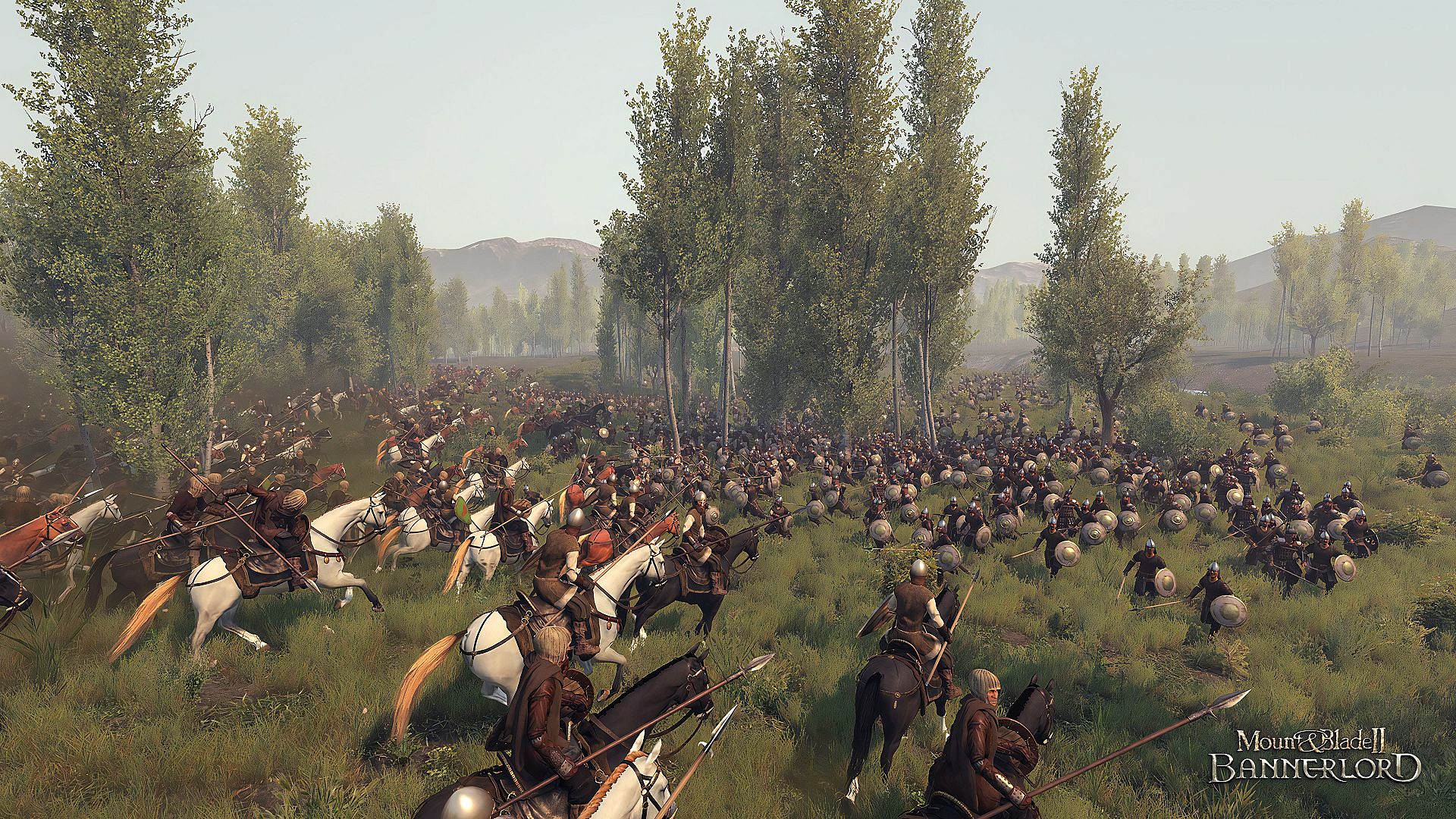
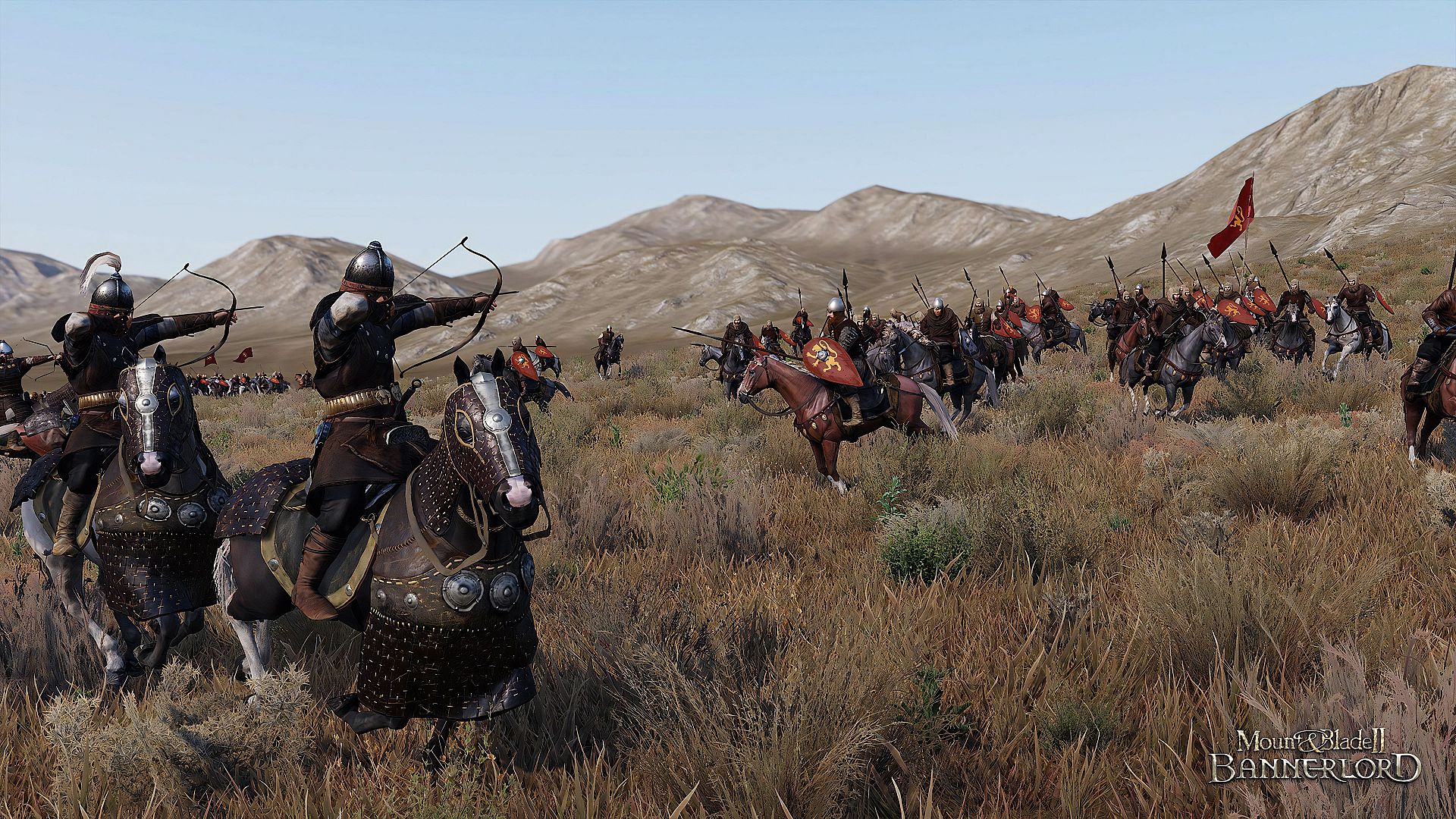
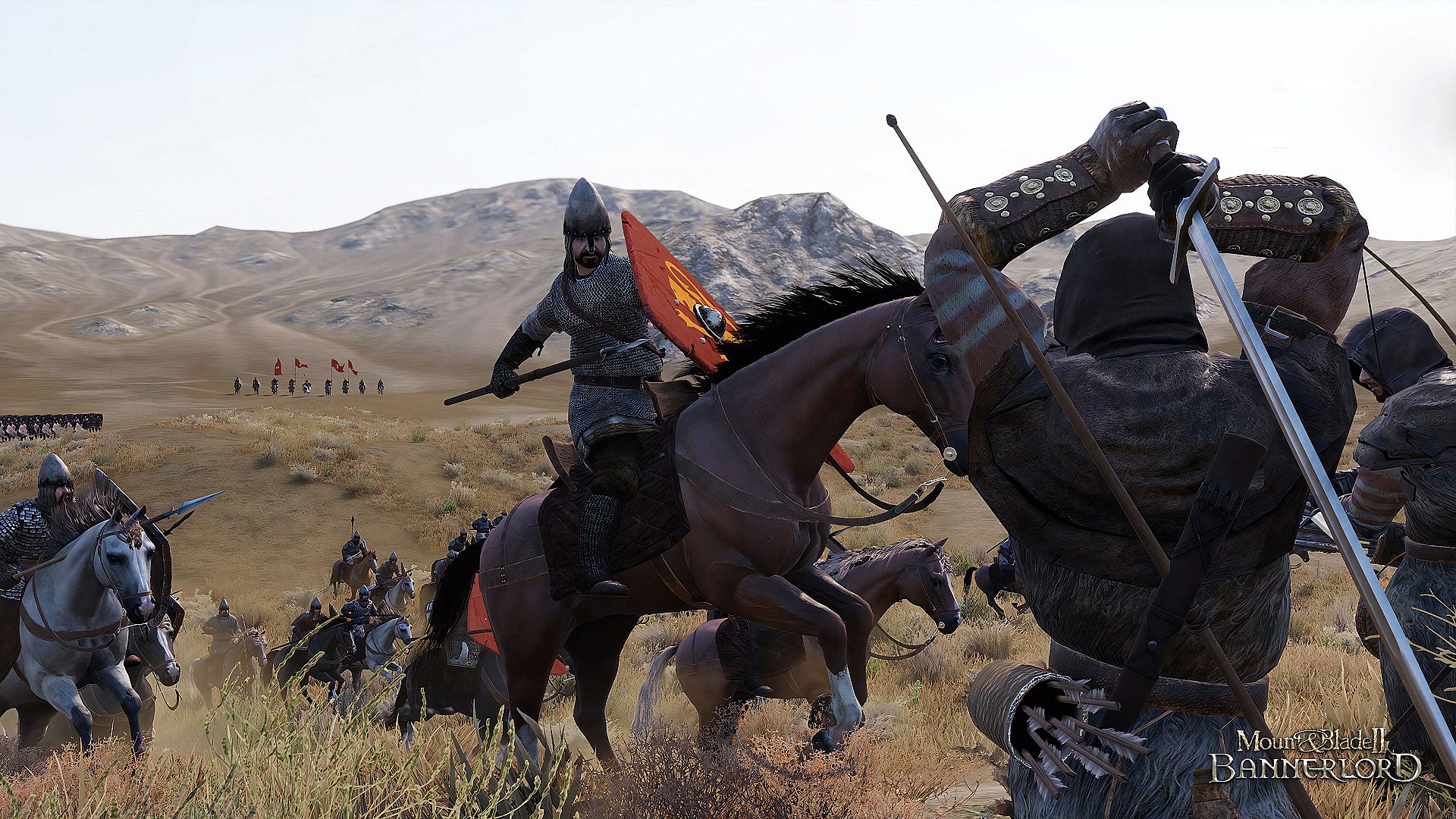
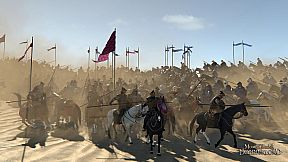
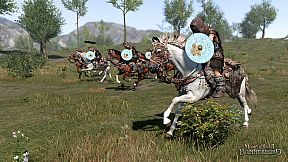
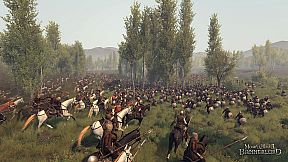
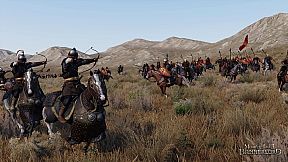
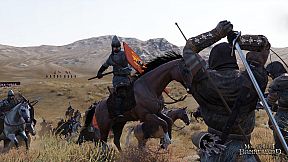
Combat emphasizes a directional system where attacks and blocks target specific angles to bypass defenses. This applies whether fighting on foot or horseback, with weapons ranging from swords and polearms to bows. Large-scale battles and sieges feature hundreds of units controlled by detailed AI, allowing players to issue commands while participating directly in the fray from first- or third-person views.
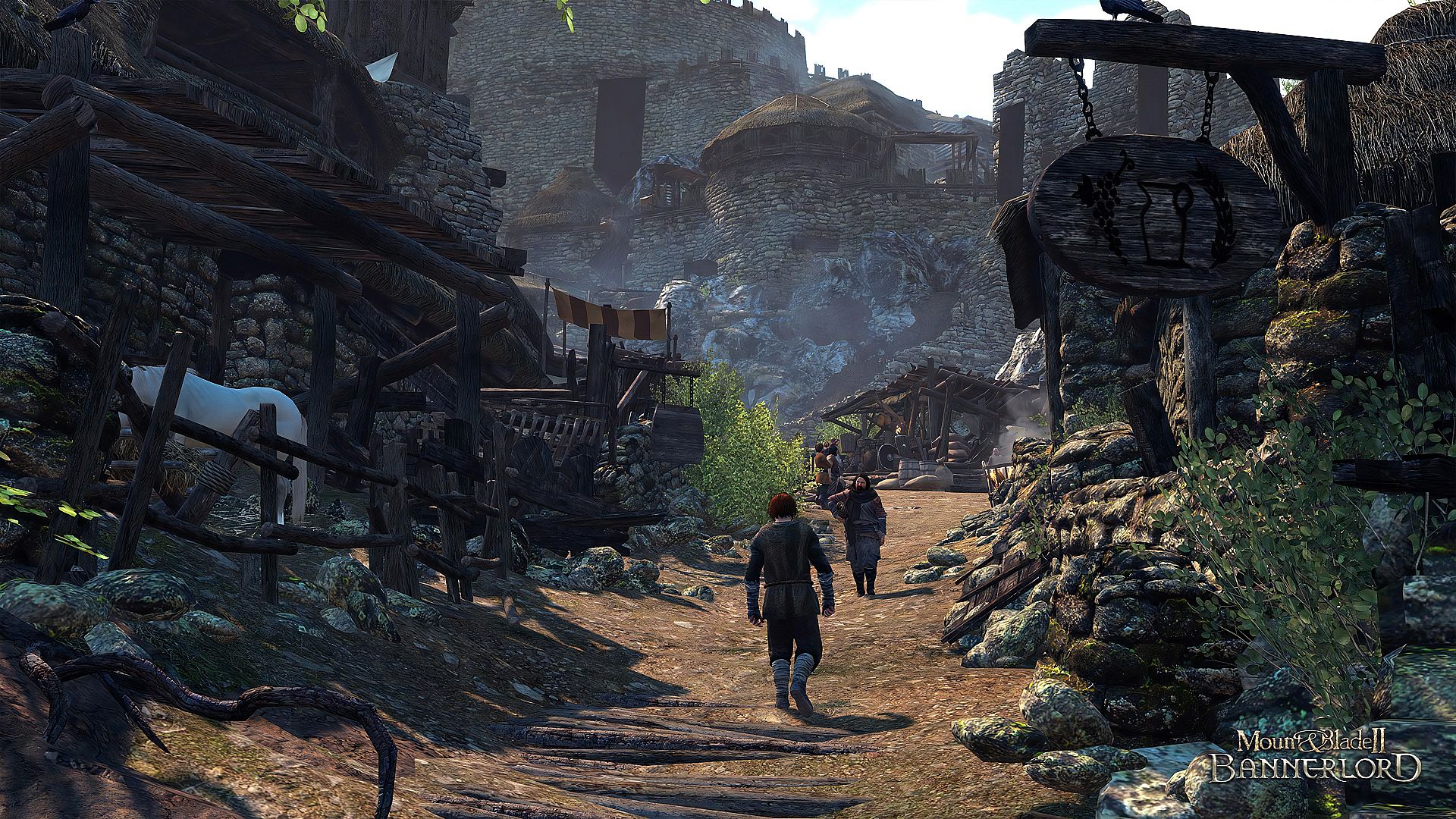
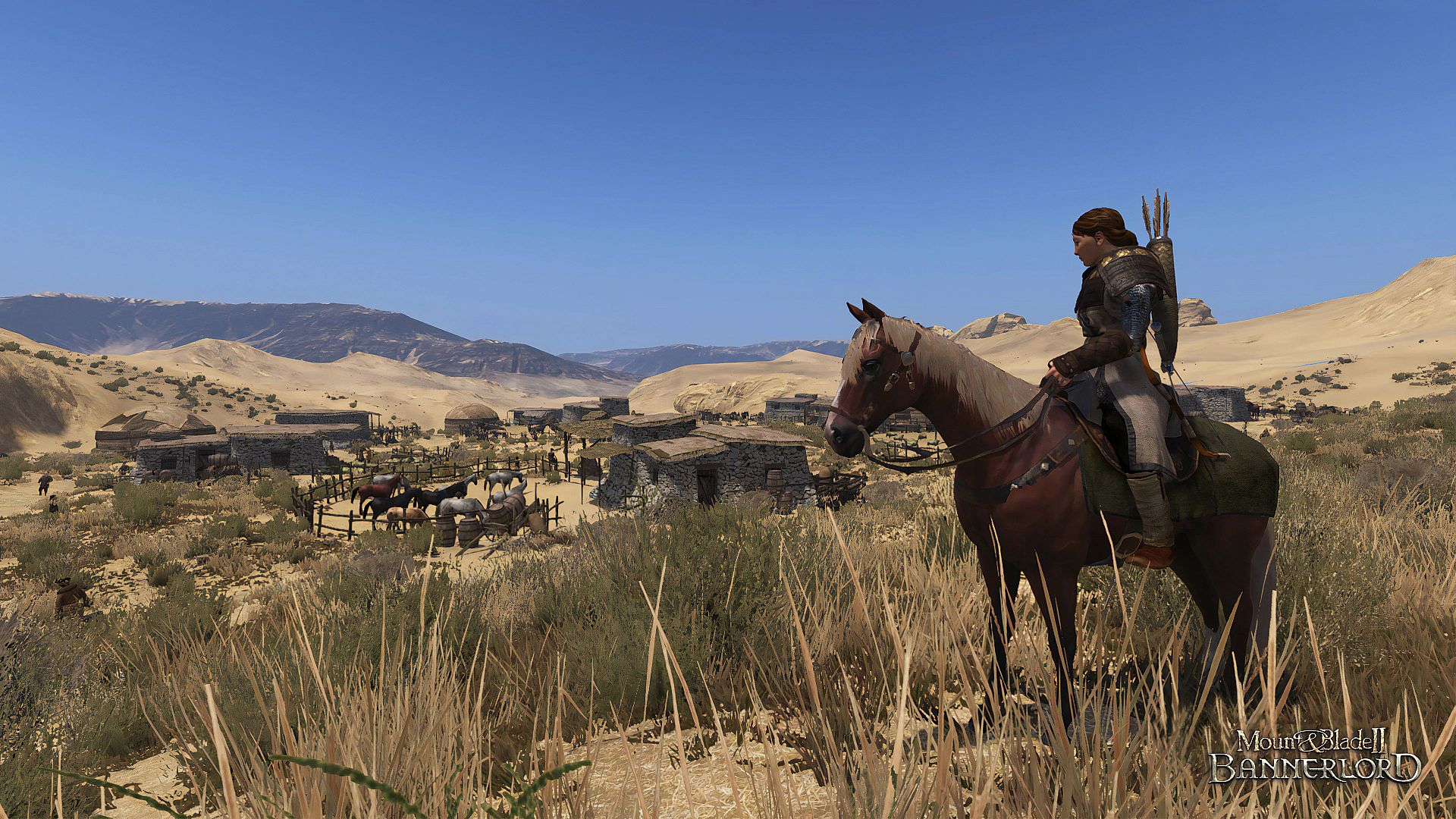
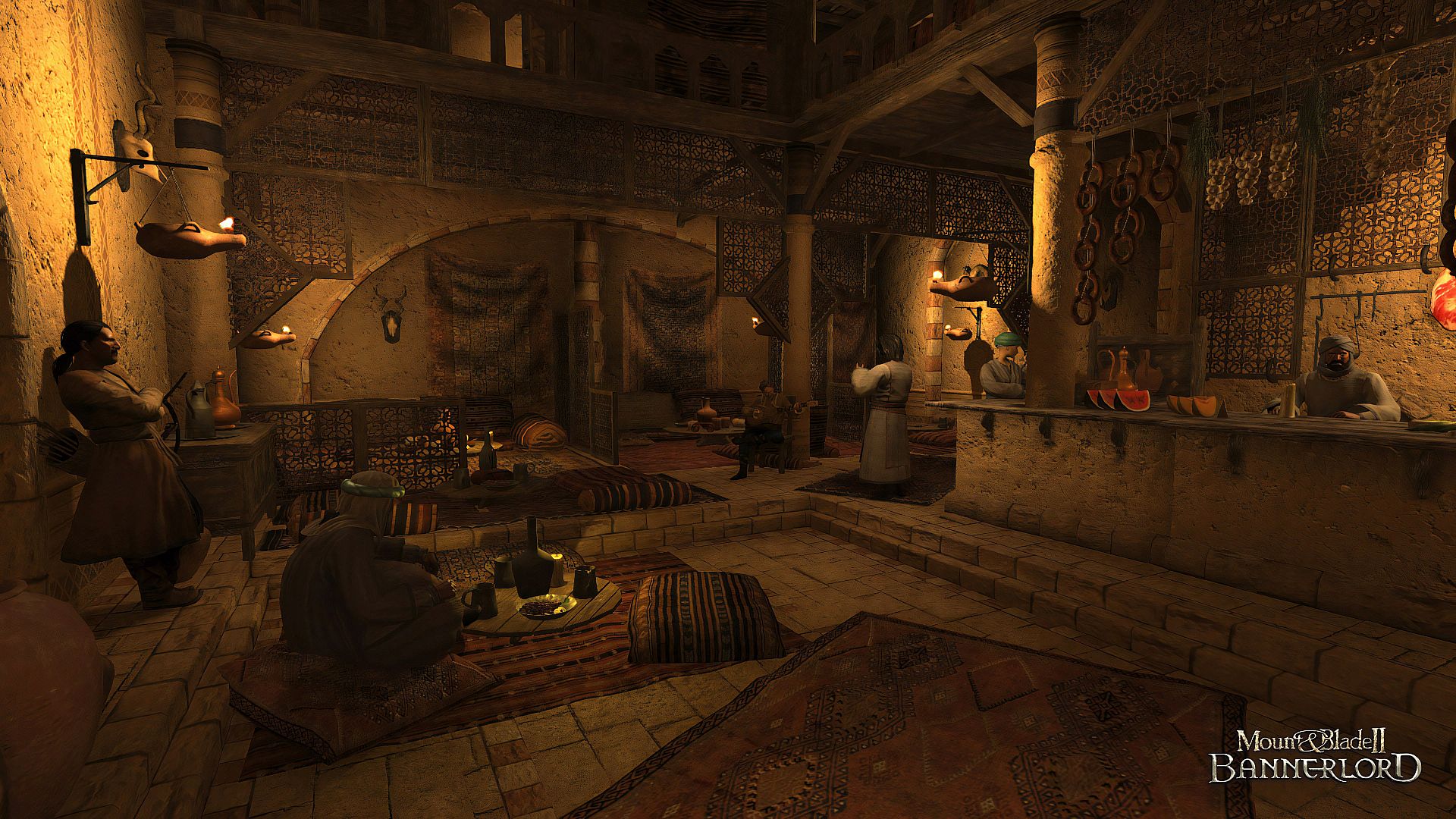
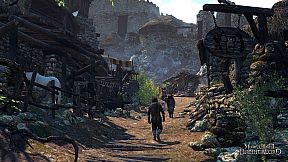
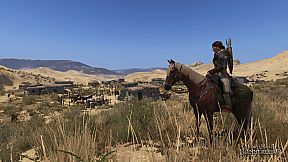
Exploration covers the vast continent of Calradia, where a simulated feudal economy causes prices for goods like grain, tools, and warhorses to shift based on supply, demand, and events such as sieges or raids. Players can engage in trade, establish workshops, or run caravans to generate income while managing clan growth through companions and followers.
Army command involves raising and maintaining forces, then directing them in real-time engagements. Sieges require strategic placement of equipment and troops to breach fortifications, with outcomes influenced by preparation and tactics.
Game Modes
The singleplayer experience centers on a sandbox campaign that supports multiple paths. An optional main storyline exists for those seeking structure, but players can ignore it entirely to pursue independent goals such as clan elevation, mercenary work, or kingdom founding through conquest or alliances.
Multiplayer offers separate competitive matches focused on tactical combat and leadership. Verified modes include Siege, where teams assault or defend fortifications in large-scale fights; Team Deathmatch, emphasizing kills across bigger teams; Skirmish, a smaller-scale player-versus-player format; and Captain mode, in which participants command squads of AI troops while competing for objectives.
These modes support matchmaking and custom servers, allowing players to test skills against others worldwide without tying into the campaign progression.
World and Factions
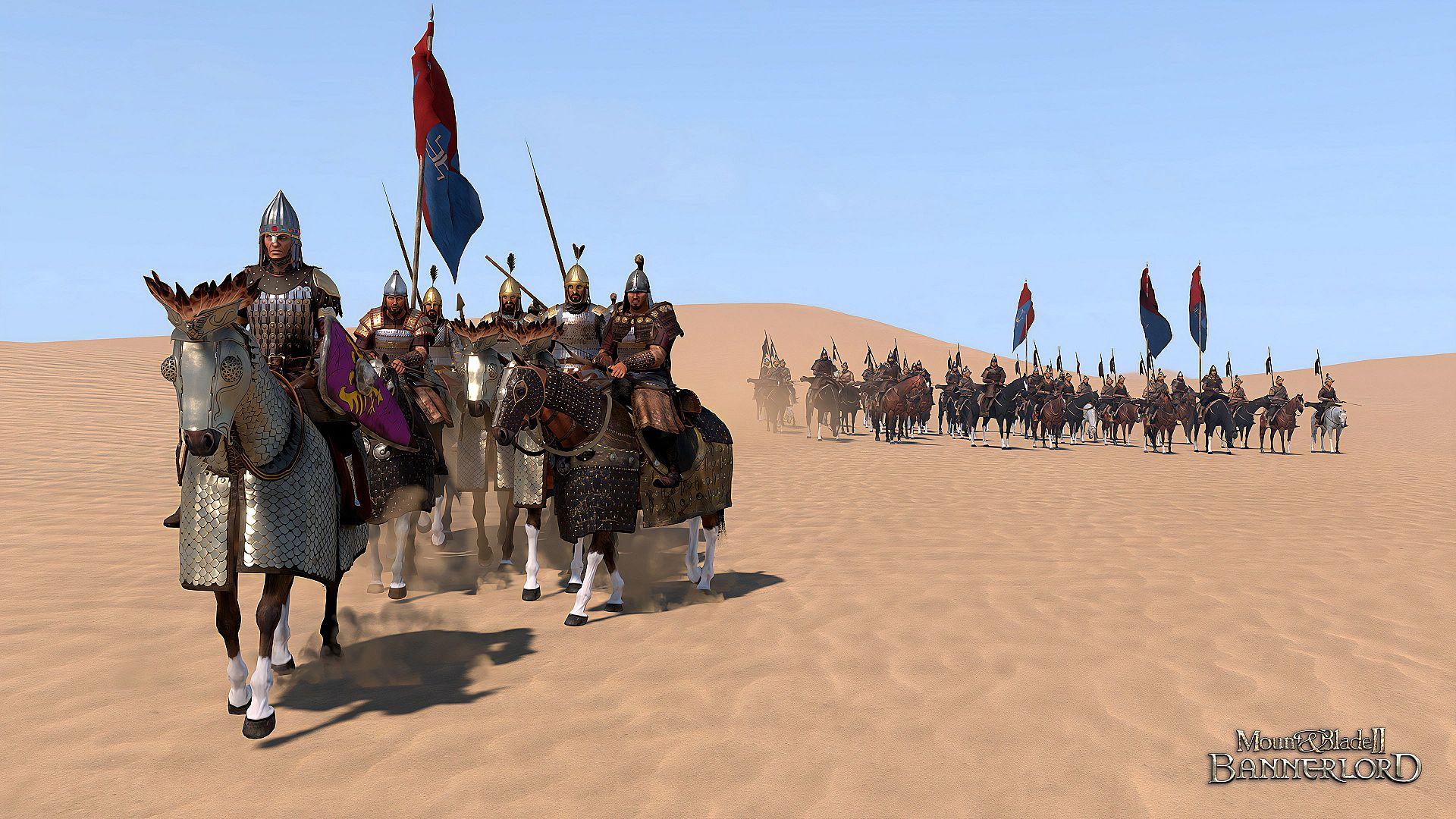
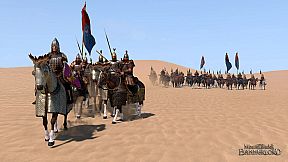
Calradia features eight major factions, each with distinct troop compositions, cultures, and territories. The Calradic Empire stands divided by civil war into rival successor states, while other groups control deserts, steppes, forests, and mountains. Players can join existing kingdoms as vassals, serve as mercenaries, or carve out independent realms by capturing settlements and managing diplomacy.
Post-release updates have refined AI behavior, introduced stealth mechanics for infiltration and prison breaks, and added random events that influence the world state. A major expansion brought naval elements, including new maritime skills, ship command, and a northern faction inspired by historical seafaring warriors, expanding opportunities for coastal raids and fleet-based strategy in the singleplayer campaign.
Is It Worth Playing?
Player reception remains strongly positive years after launch, with consistent updates supporting both the base game and expansions. The title suits those who enjoy deep sandbox systems combining action combat, army management, and kingdom-building elements without rigid linear progression.
Console versions on PS4 and PS5 deliver the full experience, including cross-generation ownership options where a PS4 purchase grants access to the PS5 edition. It appeals most to players comfortable with large-scale medieval battles, economic simulation, and long-term clan development rather than fast-paced linear stories.
Those seeking variety in singleplayer freedom or competitive multiplayer combat will find substantial depth, especially with ongoing patches addressing balance and adding features like improved naval integration. The game rewards experimentation across different roles and strategies in a persistent world that evolves through player actions and faction conflicts.