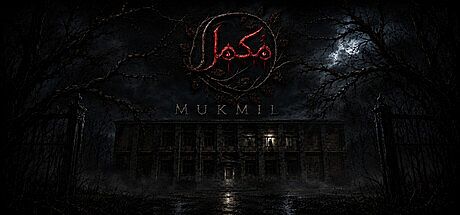



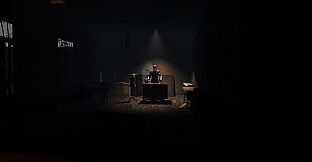
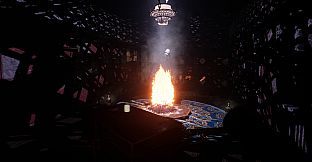
Mukmil is a first-person psychological horror adventure game developed for PC. The experience places players in the role of Sa'ad, a student whose regret over academic failure pulls him into a persistent nightmare. The story opens with Sa'ad neglecting his studies after late nights spent gaming, only to awaken inside an abandoned school rather than his own bedroom. Distorted memories, cryptic symbols, and scattered notes fill the environment, turning the school into a space where personal guilt intersects with older, unresolved forces.
Gameplay
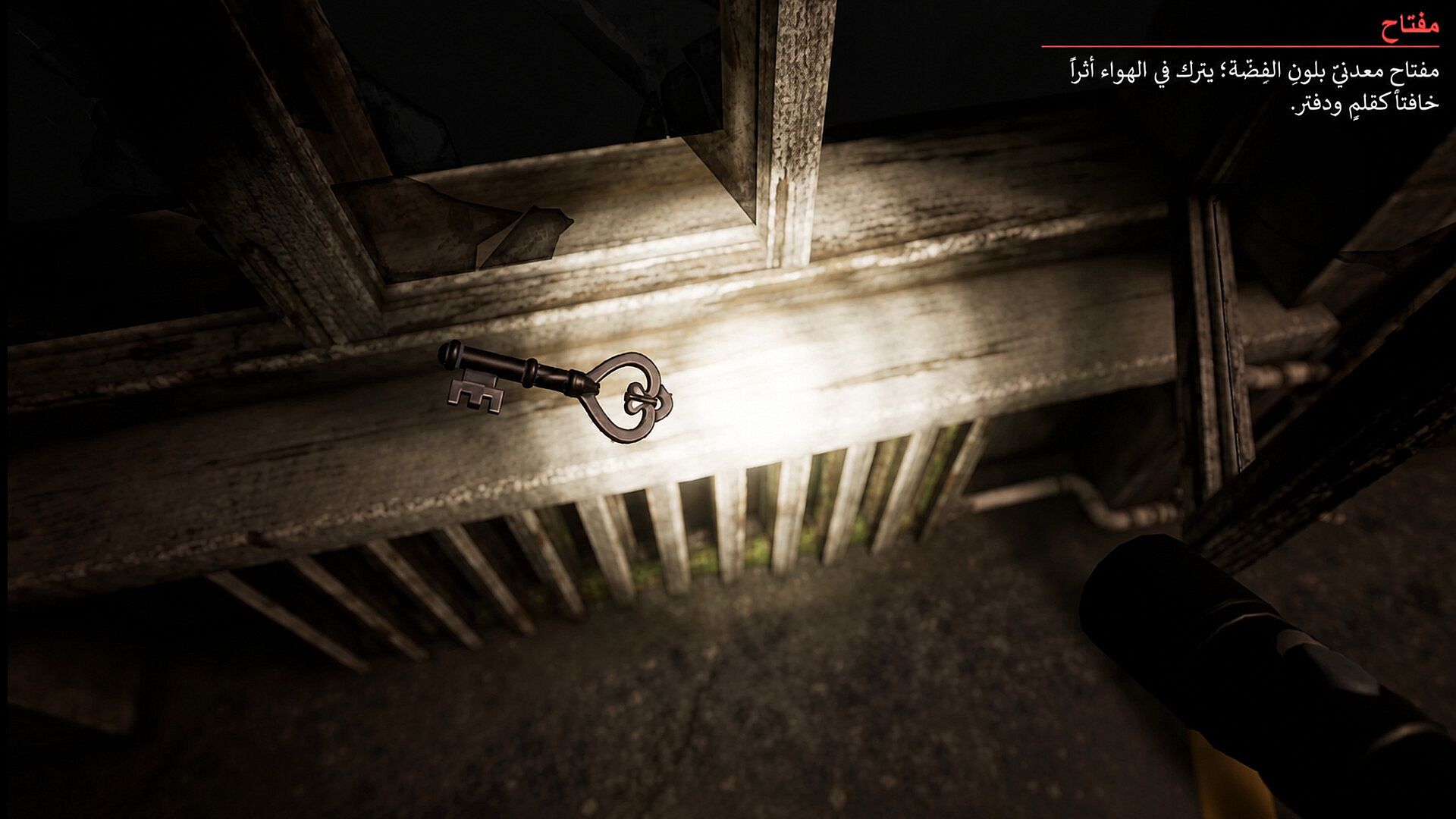
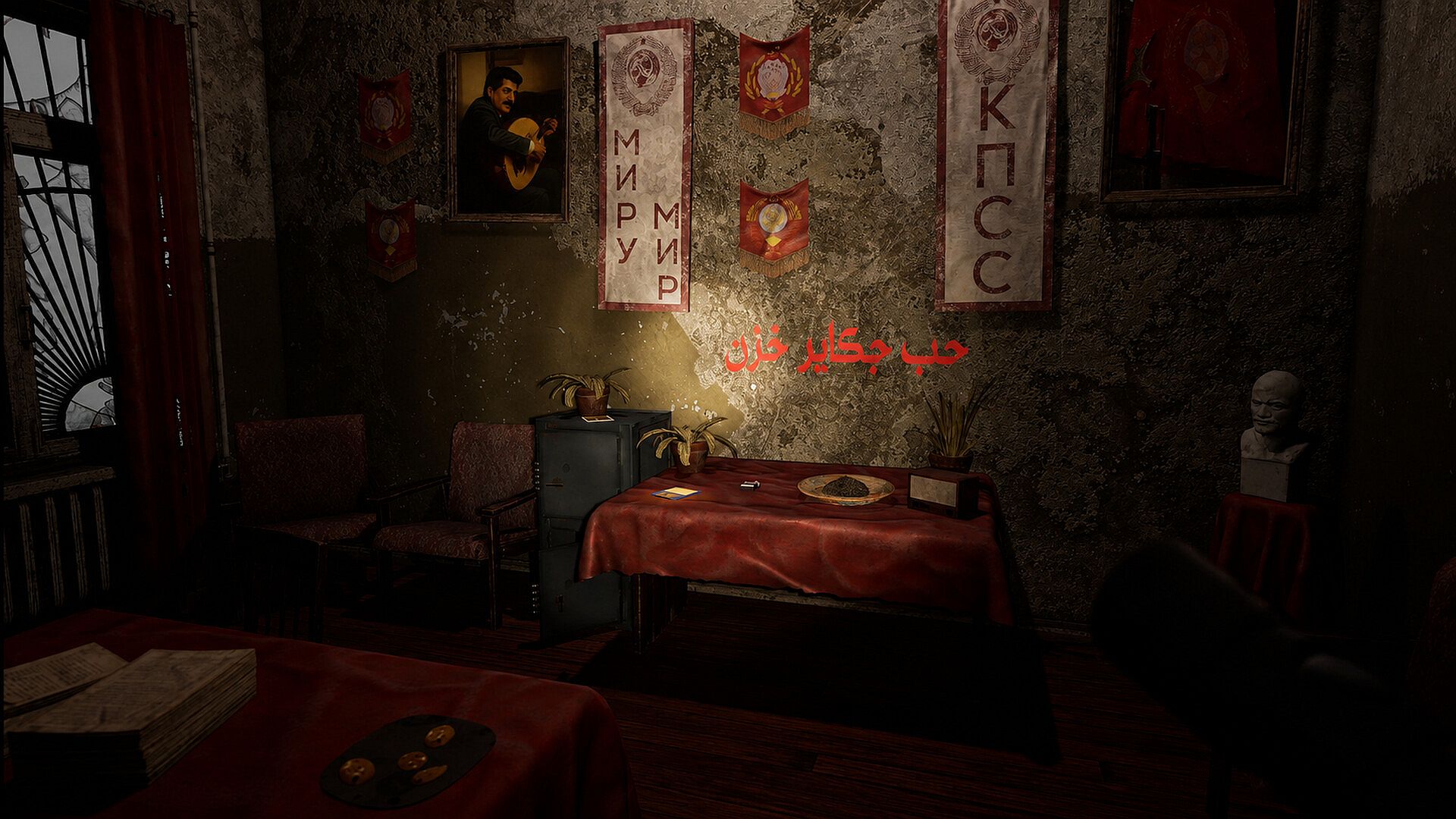
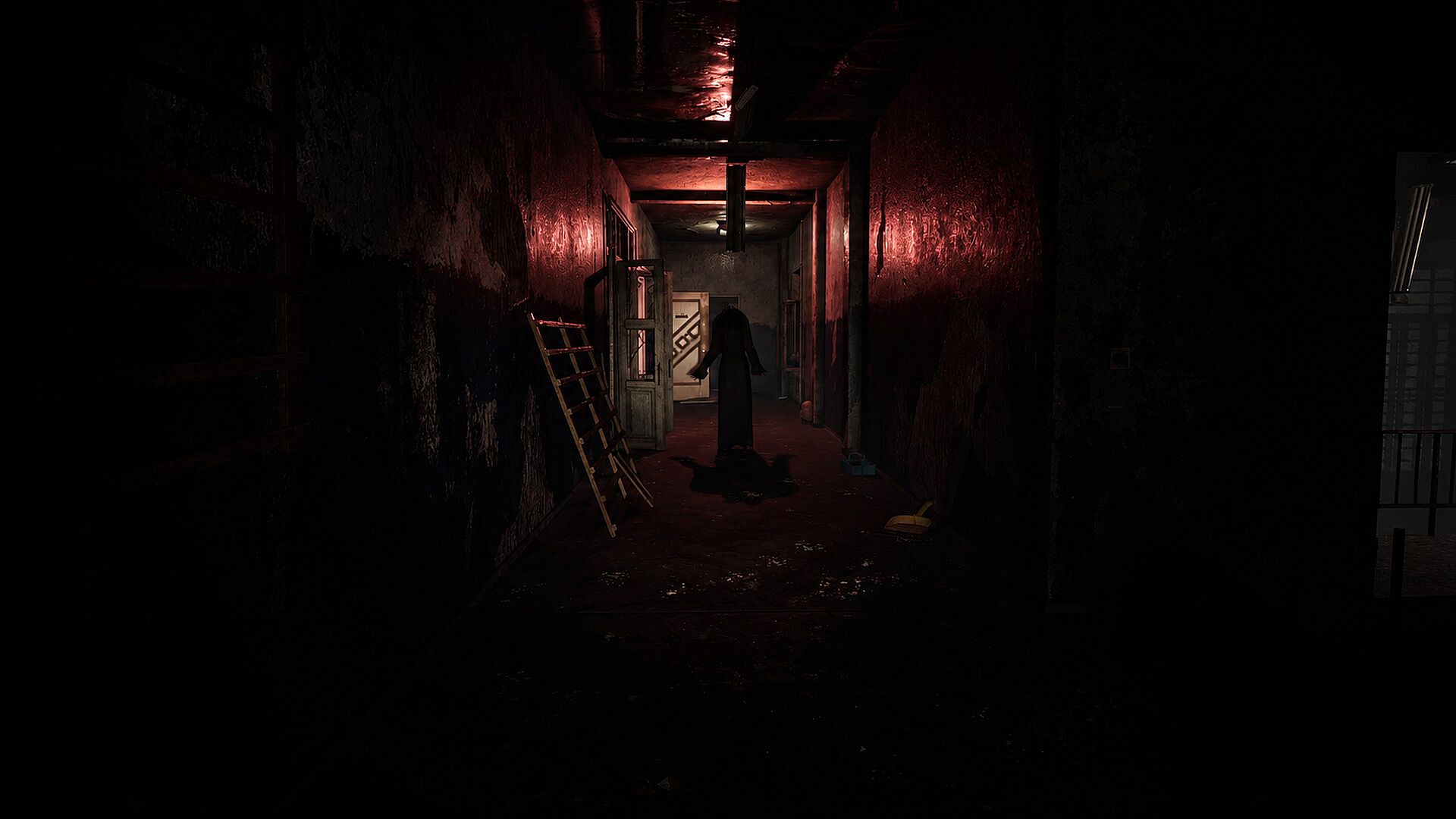
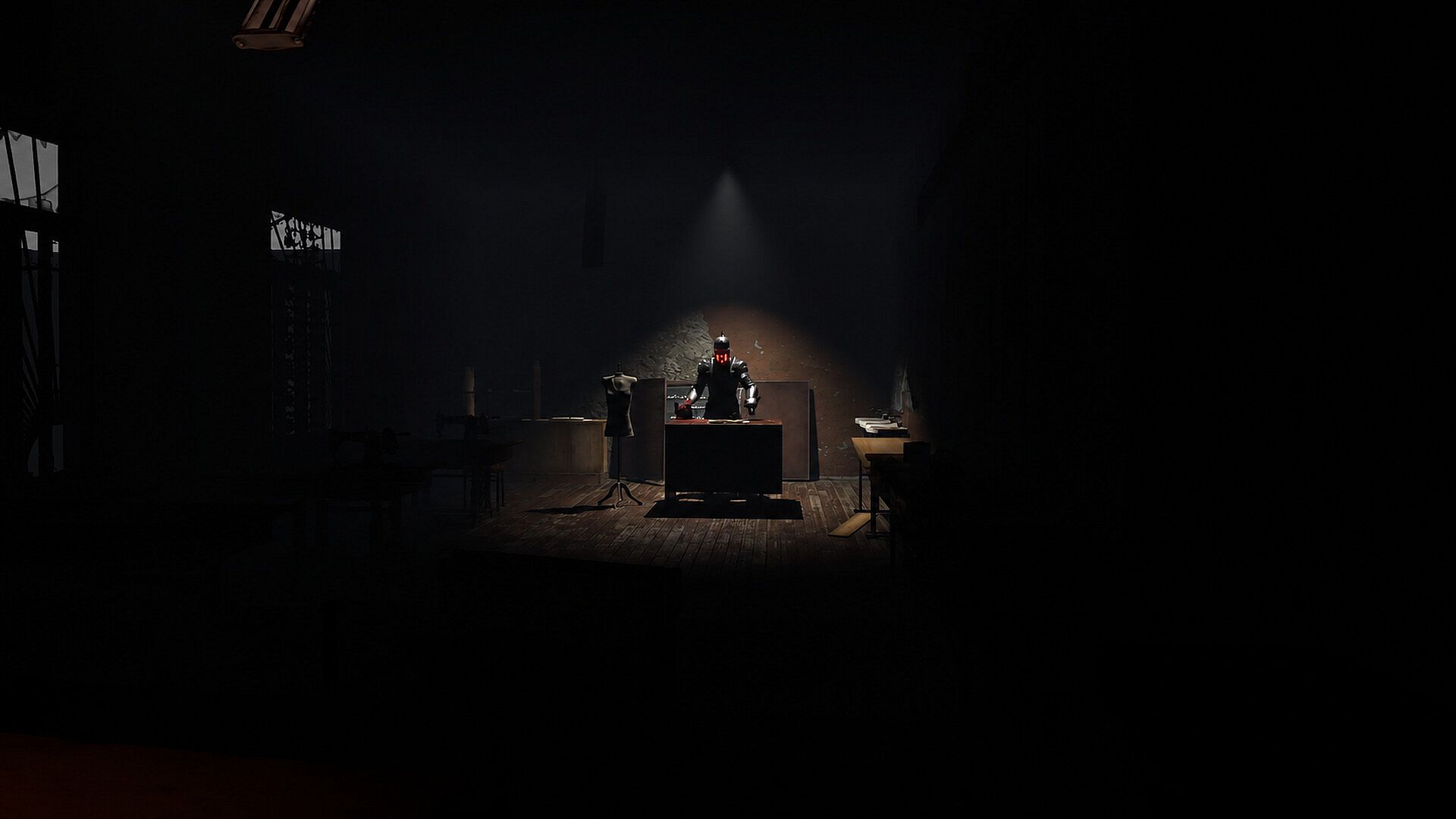
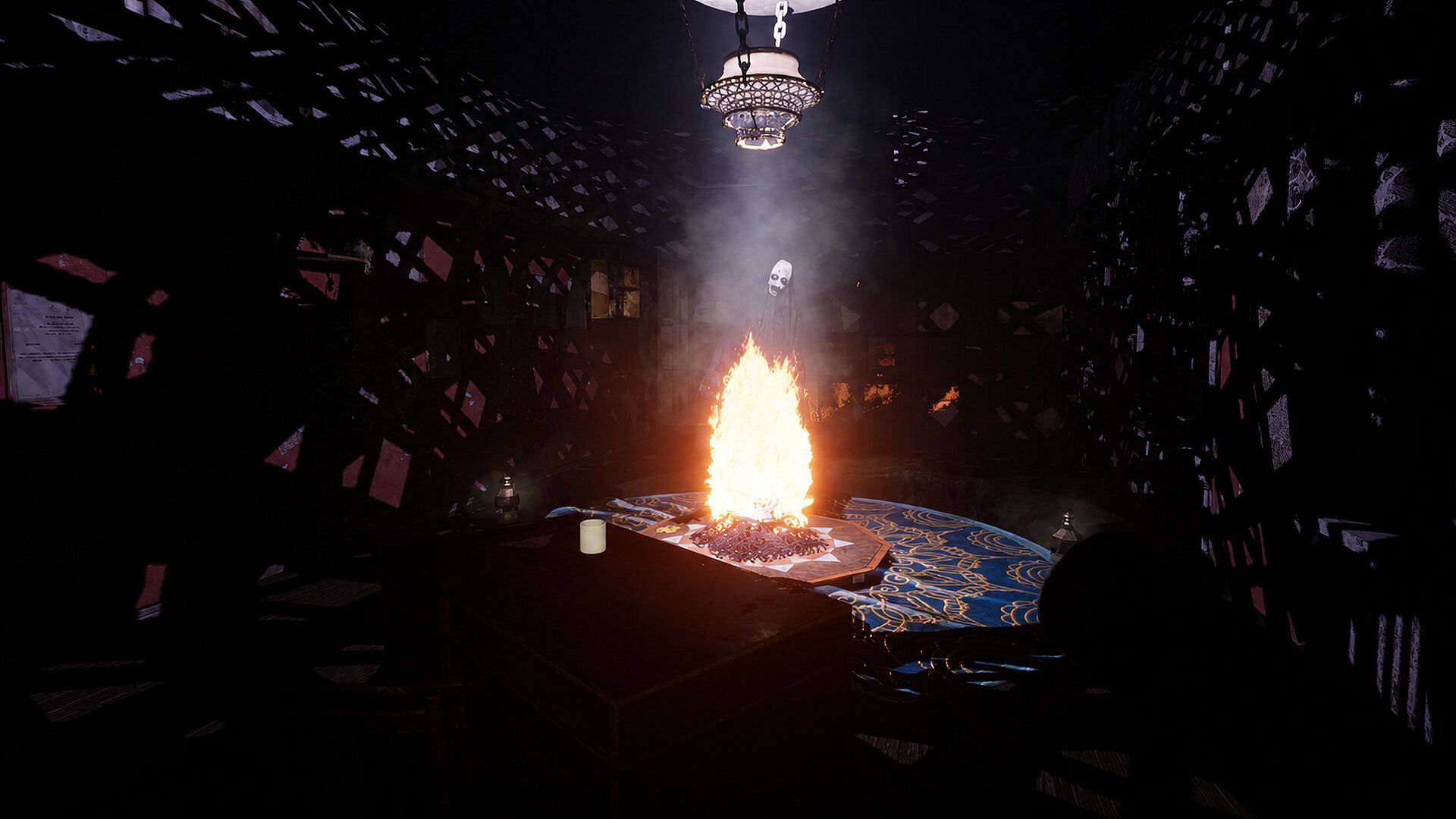
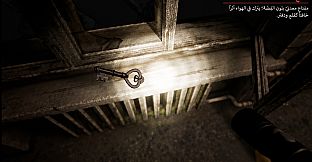
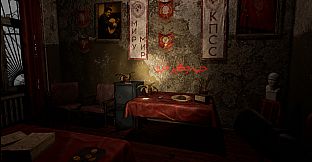
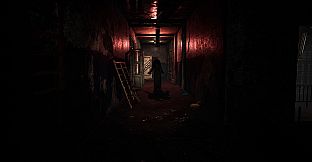
Core gameplay centers on exploration of the school's hallways and classrooms. Players move through dimly lit corridors and rooms that reflect a 1990s aesthetic, examining objects and reading notes that gradually piece together the narrative. Puzzle solving forms a central activity, with challenges tied to historical references, memory fragments, and symbolic imagery that must be interpreted to progress. Items such as keys and tools appear throughout the environment, and locating them supports continued movement and survival. An antagonistic entity appears at unexpected moments, creating tension during periods when safety seems assured. The loop alternates between careful navigation, environmental interaction, and moments of evasion, all viewed from a first-person perspective.
Game Modes
Mukmil operates exclusively as a single-player experience. There are no multiplayer components or additional modes listed. The entire game unfolds as a continuous narrative journey through the nightmare setting, with progress driven by exploration, puzzle resolution, and encounters with the pursuing presence. This structure keeps the focus on individual discovery and atmospheric tension without branching competitive or cooperative elements.
Story and Themes
The narrative follows Sa'ad as he confronts the consequences of his choices and uncovers layers of the school's hidden history. Notes and environmental details reveal connections between personal failure and broader, buried events. The psychological elements emphasize guilt, anxiety, and the difficulty of facing suppressed memories. Horror arises both from direct threats and from the realization that the entity represents something older and more persistent than immediate fear. The story builds through incremental revelations rather than overt exposition, encouraging players to connect details across different areas of the school.
Atmosphere and Setting
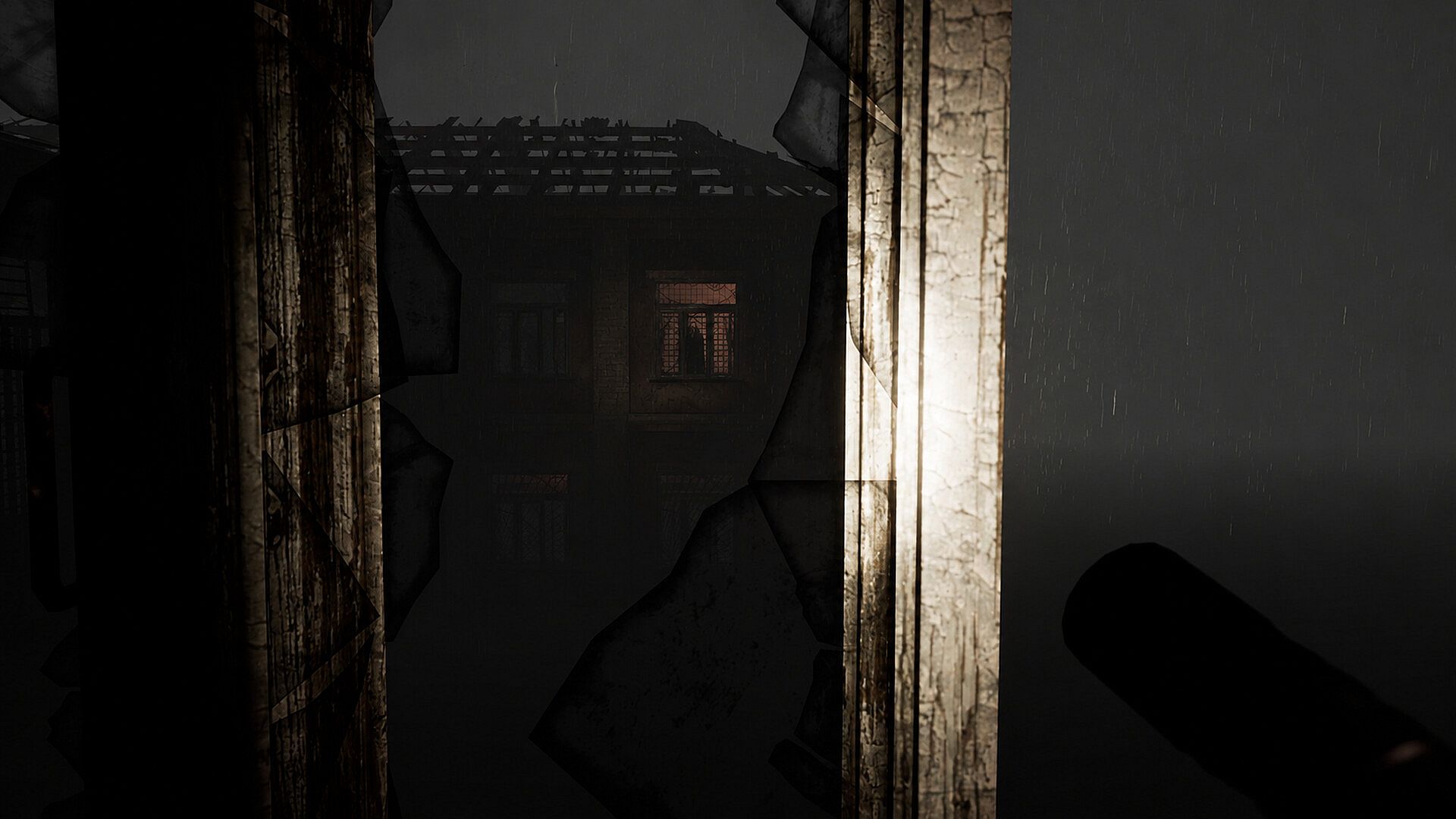
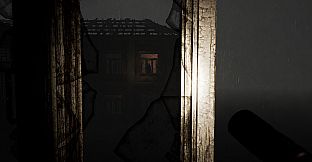
The abandoned school draws from 1990s visual and auditory cues, producing an environment of faded institutional spaces marked by decay and unease. Lighting remains low, with shadows and sudden shifts heightening disorientation. Sound design supports the sense of isolation, while visual symbols and altered memories reinforce the theme of distorted recollection. The setting functions as both a physical space to navigate and a representation of the protagonist's internal state, blending realistic school architecture with surreal distortions.
Is It Worth Playing?
Mukmil targets players who enjoy single-player psychological horror centered on narrative discovery and puzzle integration. The game remains in a pre-release state with no user reviews available at this time. Those drawn to atmospheric exploration, symbolic puzzles, and stories that blend personal regret with supernatural elements may find the experience engaging once it launches. The single-player format and focus on memory and fear provide a contained journey suited to fans of introspective horror rather than action-heavy or multiplayer titles. System requirements list modest hardware needs, making the game accessible on a range of PCs once released.