


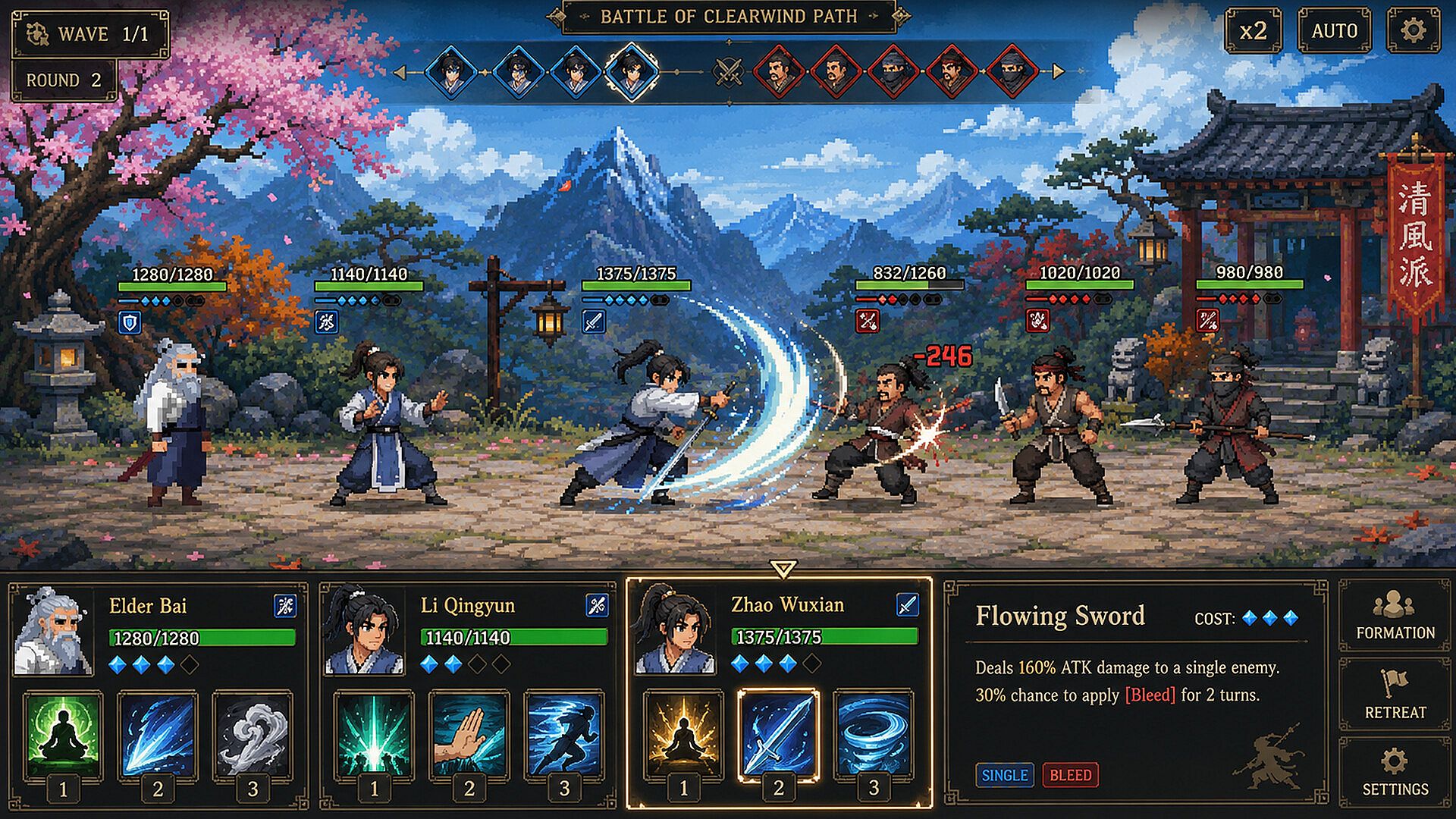



Murim Sect Leader is a management roguelite RPG for PC that places players in charge of a fledgling martial arts sect in a world filled with rival groups, wandering cultivators, ancient techniques, and spirit beasts. The core experience revolves around recruiting disciples, assigning resources, and making tough choices about who to train and who to send into danger, all while trying to grow from humble origins into a recognized power in the Murim.
Gameplay
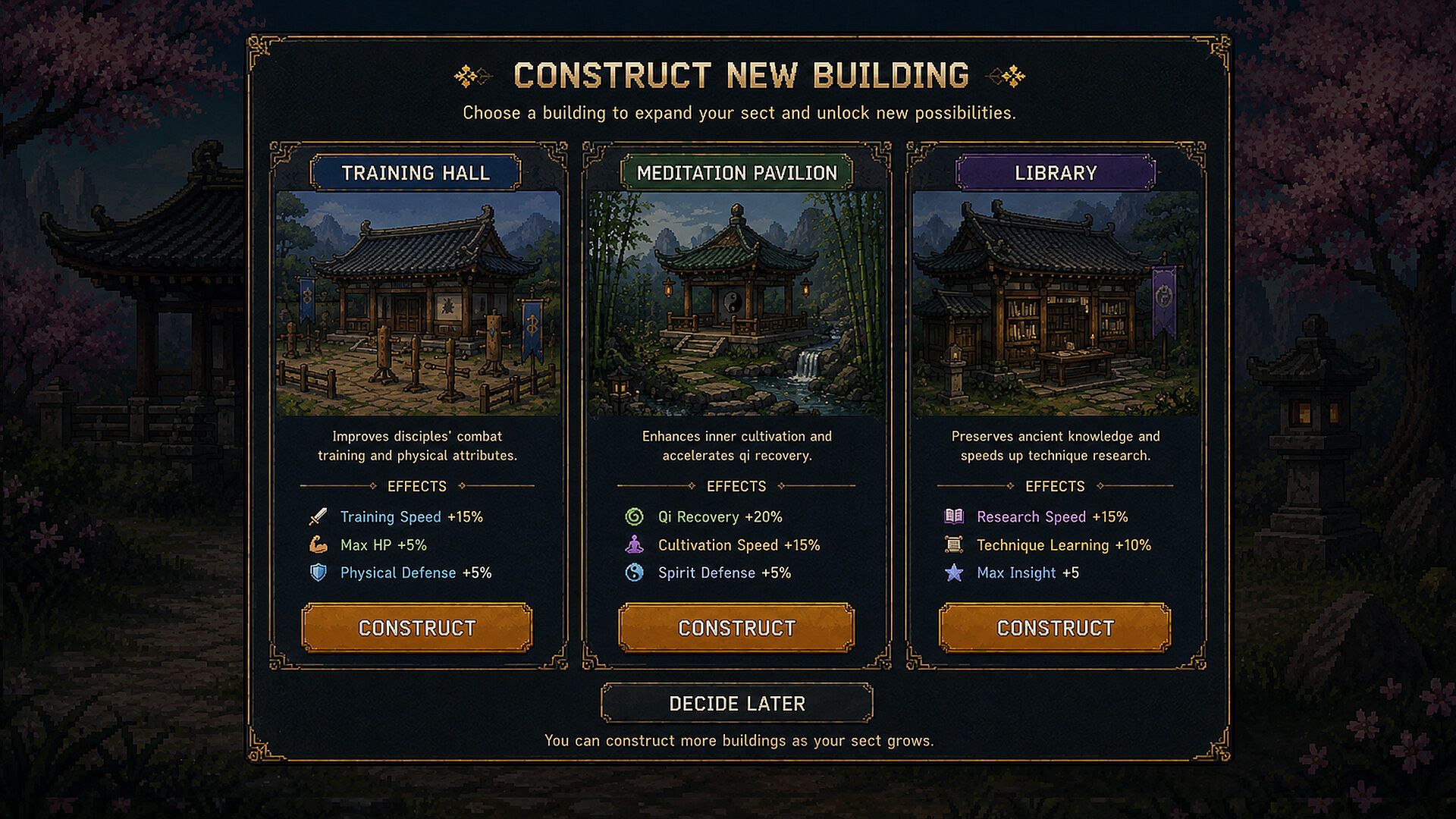
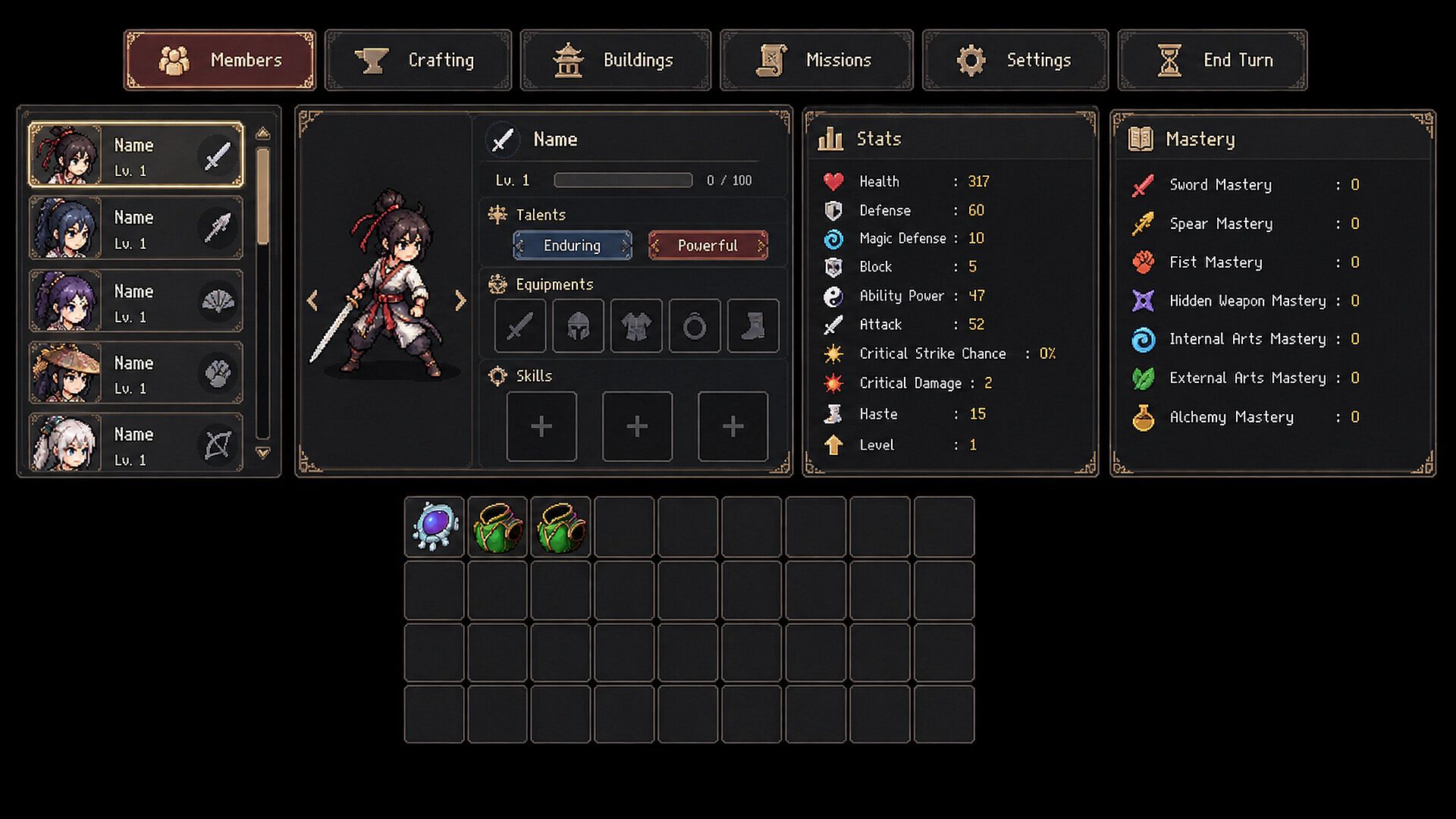
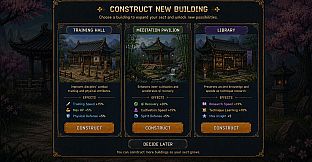
Players begin with a small group of disciples and limited resources. Recruitment brings in individuals with varying stats, traits, and martial affinities. These disciples can be assigned to buildings for training or production, prepared for fights, or dispatched on missions across the wider world. No disciple is flawless, so leadership involves weighing investment potential against compatibility and risk tolerance.
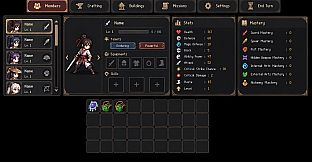
Martial arts form a central progression system. Recovered manuals unlock new techniques that disciples refine through repeated use in combat. Mastery grows over time, and combinations of schools, abilities, traits, equipment, and passives allow each fighter to develop a unique role within the sect's strategy. Equipment crafting draws from gathered materials, with sockets, gems, and trinkets adding further customization and passive effects that alter combat behavior.
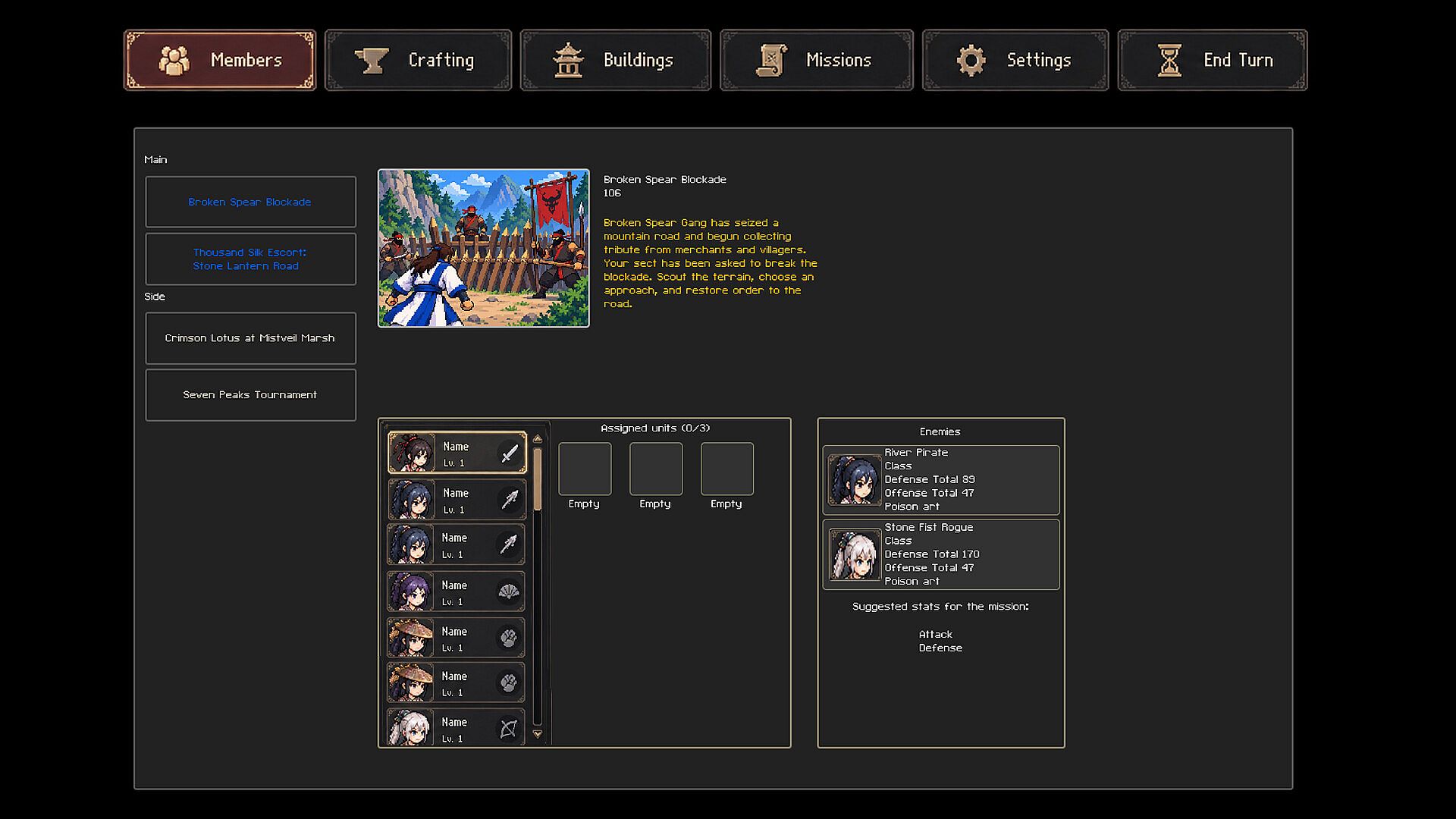
Exploration occurs through mission parties that encounter rival martial artists, bandits, spirit beasts, escort duties, tournaments, ruins, and tombs. Branching decisions and attribute checks influence outcomes, including rewards, reputation shifts, injuries, and whether conflicts can be avoided. Combat itself resolves automatically, yet success depends entirely on prior preparation of team composition, techniques, equipment, elemental affinities, and status effects. A well-planned group can overcome stronger foes, while poor choices lead to permanent losses.
Game Modes
The game operates as a roguelite with each run presenting fresh recruits, missions, manuals, equipment, and rewards. Successful runs unlock additional content for future attempts, encouraging repeated playthroughs that build toward a stronger sect over multiple cycles. Missions serve as the primary activity structure, blending resource gathering, reputation management, and combat preparation within a single overarching loop of sect development and expansion.
Resource allocation and disciple management tie directly into mission outcomes. Players decide daily priorities between internal growth and external expeditions, with choices carrying forward across runs through permanent unlocks. The structure emphasizes long-term planning over isolated sessions, as each cycle refines the sect's capabilities based on prior decisions.
Key Mechanics
Disciple development stands out as a core loop. Stats and traits influence assignment effectiveness, while combat performance feeds back into technique mastery. Equipment systems add depth through material gathering and customization options that reward careful resource use. Reputation from missions affects future opportunities and risks, creating a web of interconnected systems where short-term sacrifices can yield long-term advantages.
The roguelite elements ensure variety. Different starting disciples and random mission results lead to distinct sect identities each time. Permanent progression through unlocked manuals and missions rewards consistent play without removing the challenge of fresh runs.
Is It Worth Playing?
Murim Sect Leader suits players who enjoy deliberate management and roguelite progression in a martial arts setting. The emphasis on preparation, disciple individuality, and branching mission outcomes rewards thoughtful planning and repeated attempts. Those drawn to automatic combat paired with deep pre-battle strategy and sect-building will find the systems engaging. Availability is limited to PC, and the experience centers on single-player runs without multiplayer elements. The game appeals most to fans of casual RPG management who appreciate incremental growth across multiple cycles rather than fast-paced action.