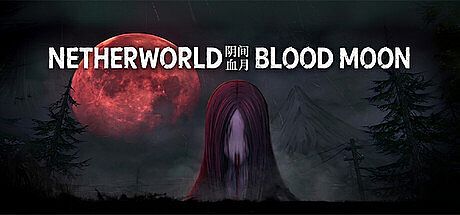


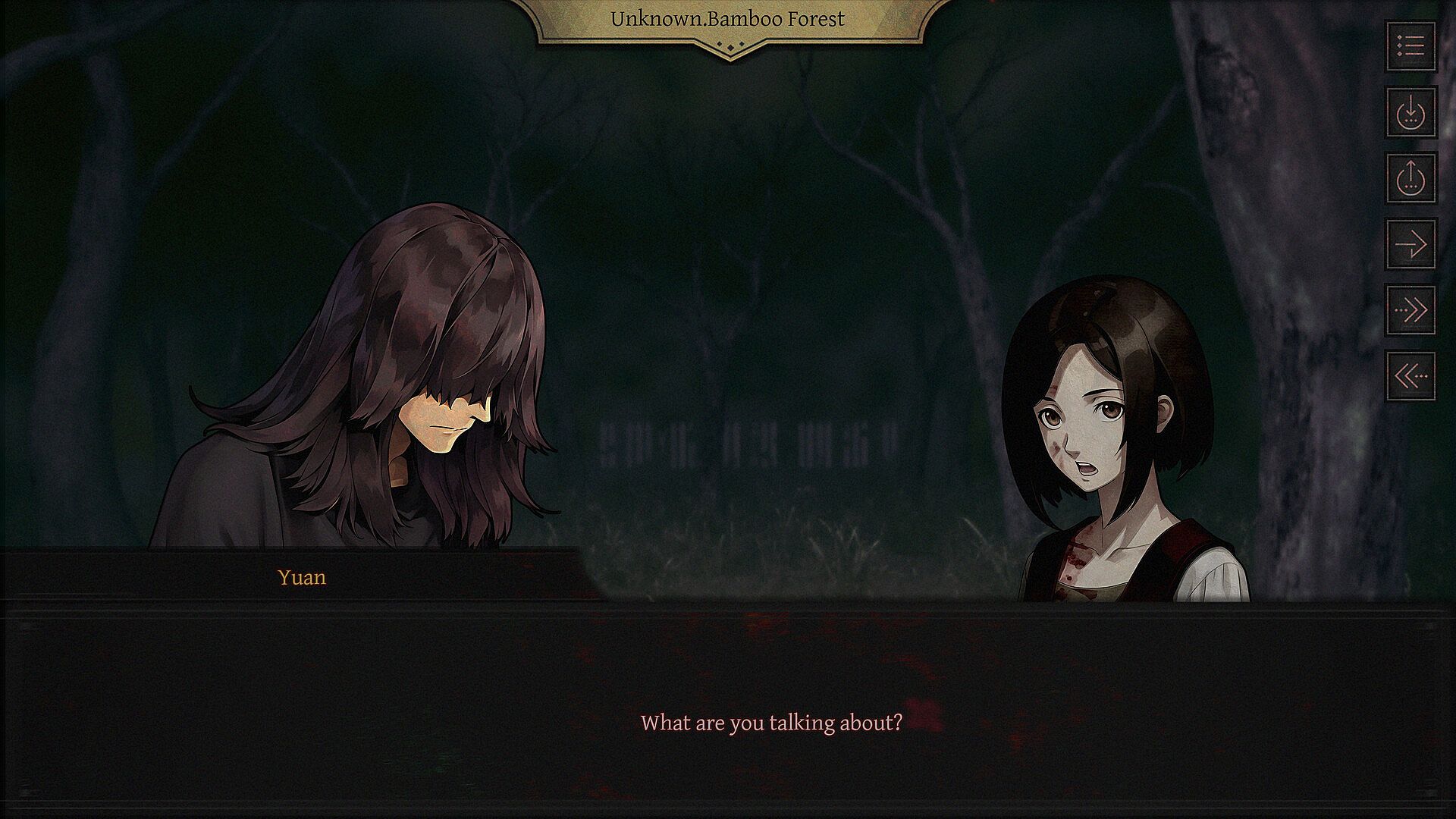
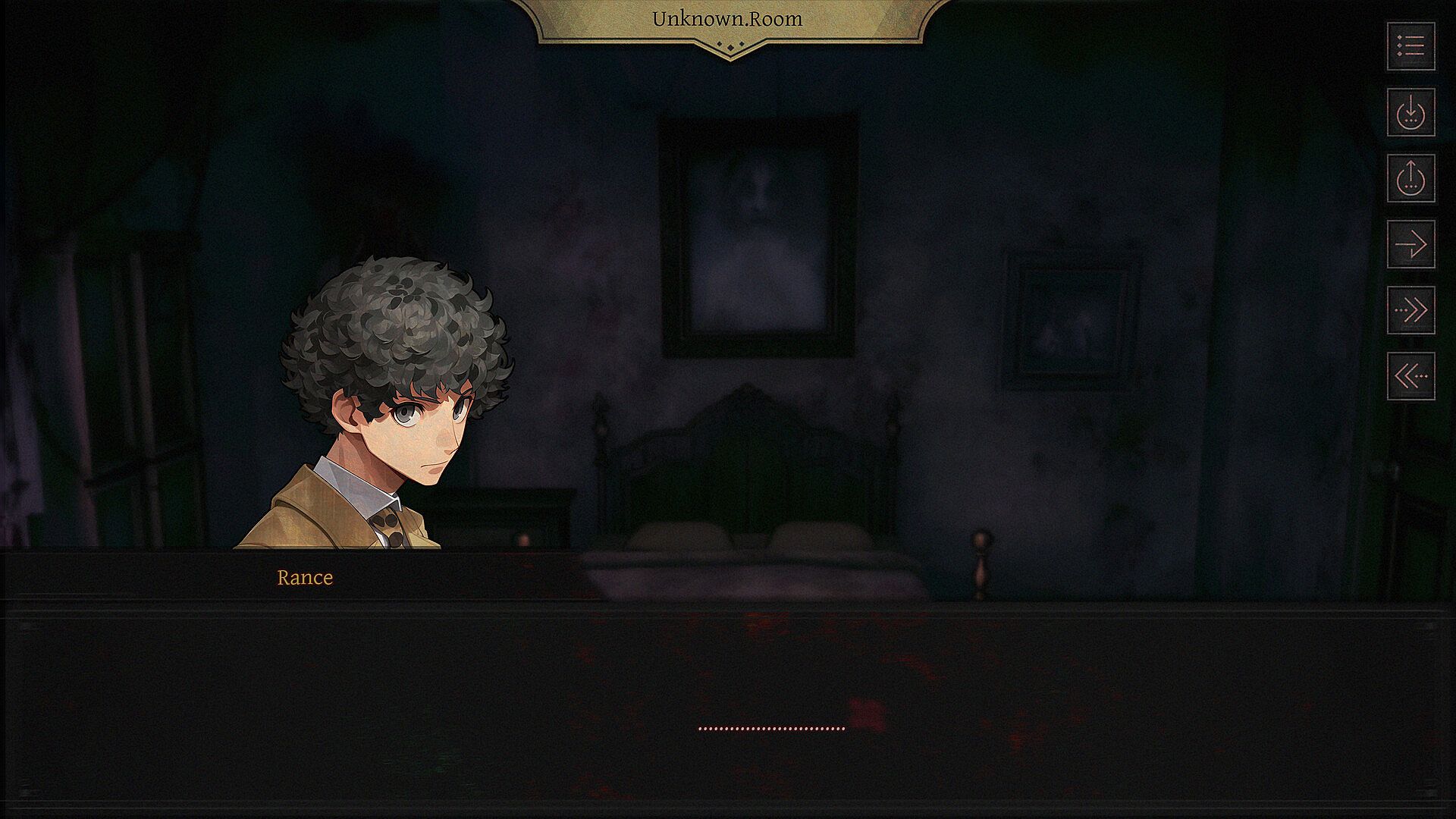
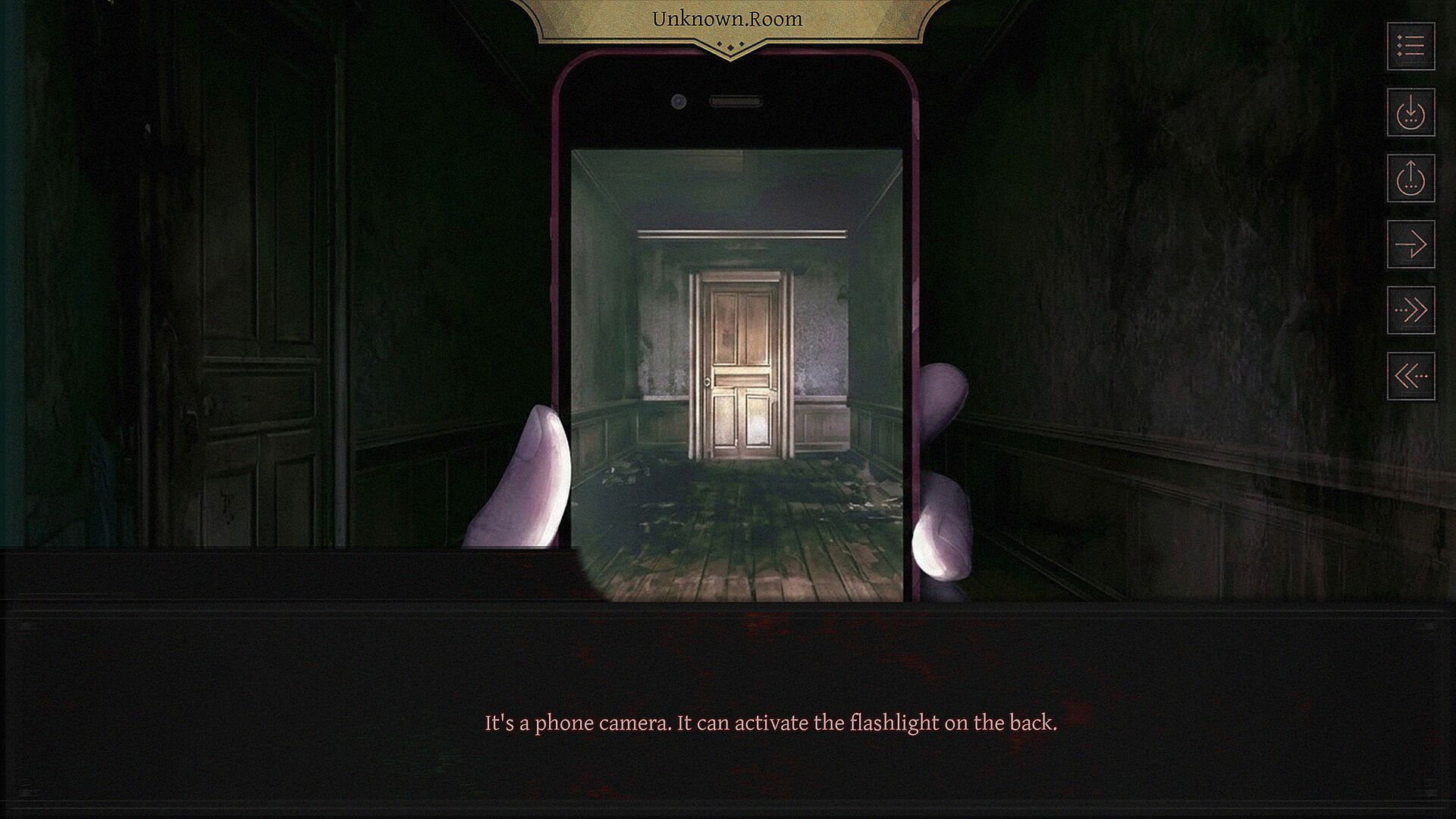
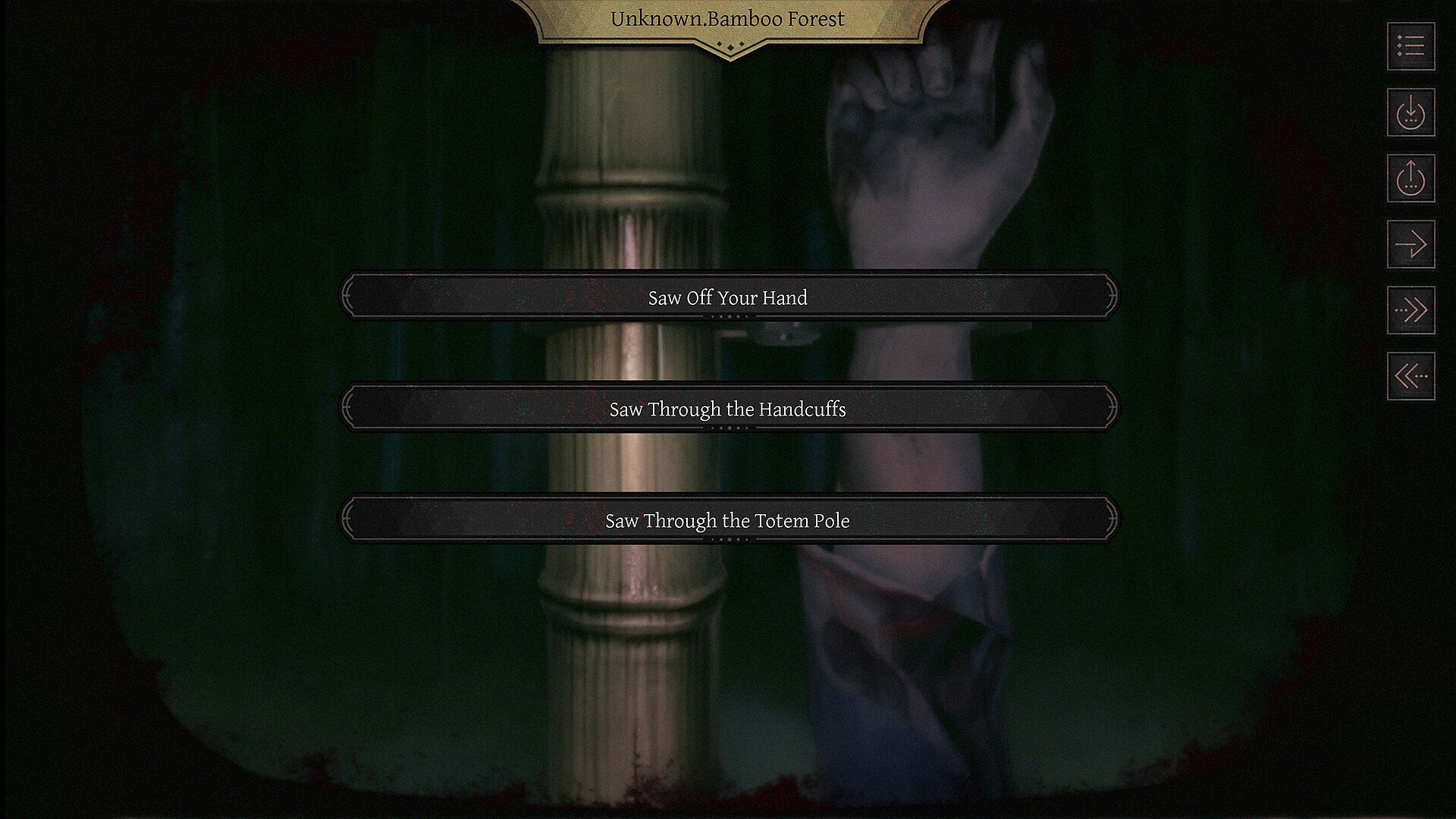
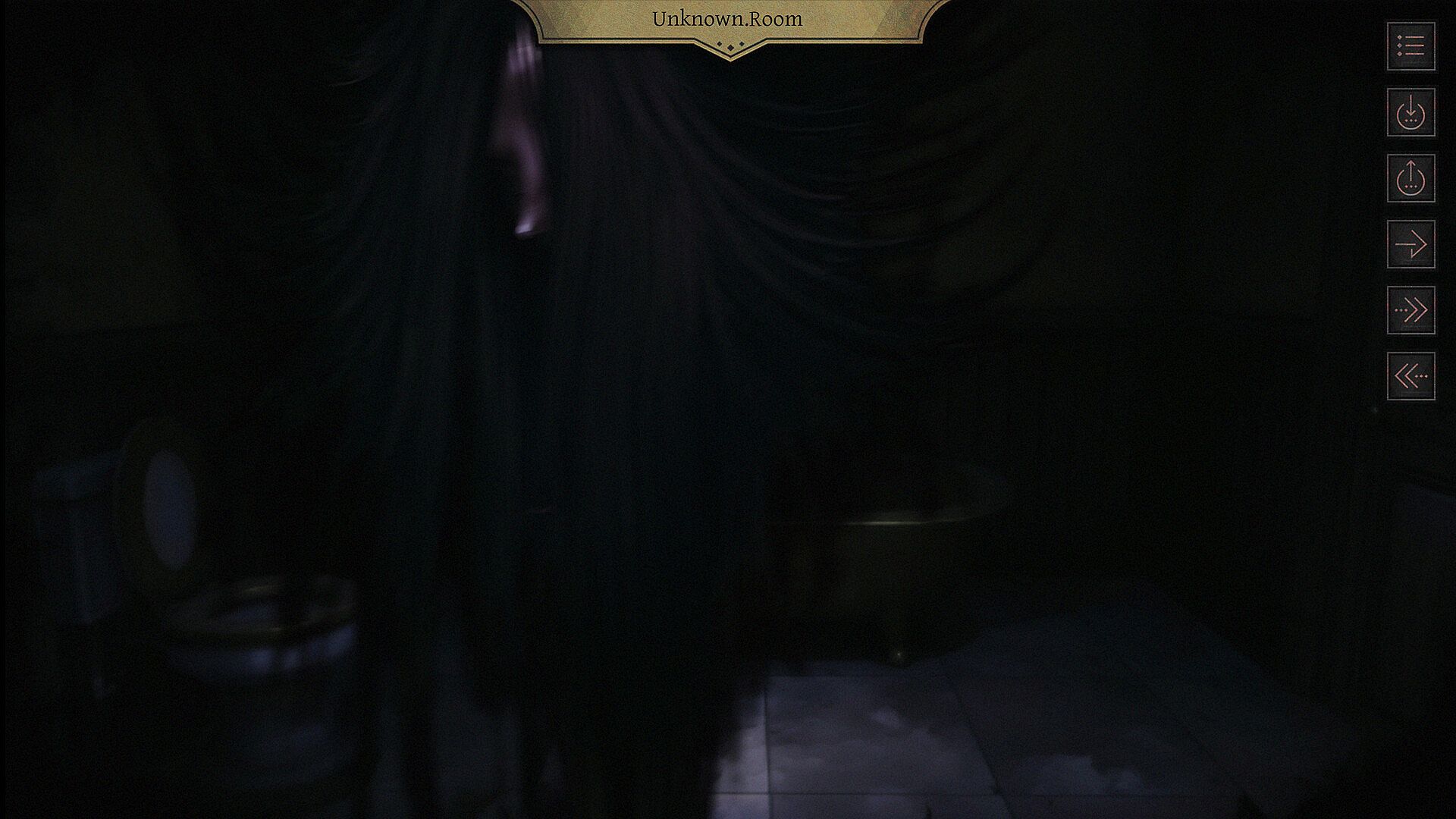
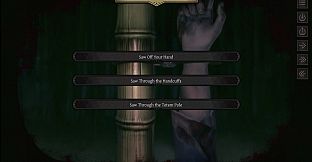
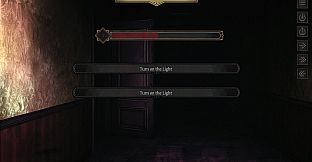

Netherworld: Blood Moon is an indie adventure game developed for PC that places players in a single-player narrative experience centered on survival amid supernatural horror. The story begins with the protagonist waking up shackled in an unfamiliar forest, where initial encounters with unnatural events quickly escalate into a series of life-threatening situations. Realistic visuals and a pervasive oppressive atmosphere combine with full voice acting for dialogue, narration, and sound design to evoke the tension of traditional ghost stories told in complete darkness.
Gameplay
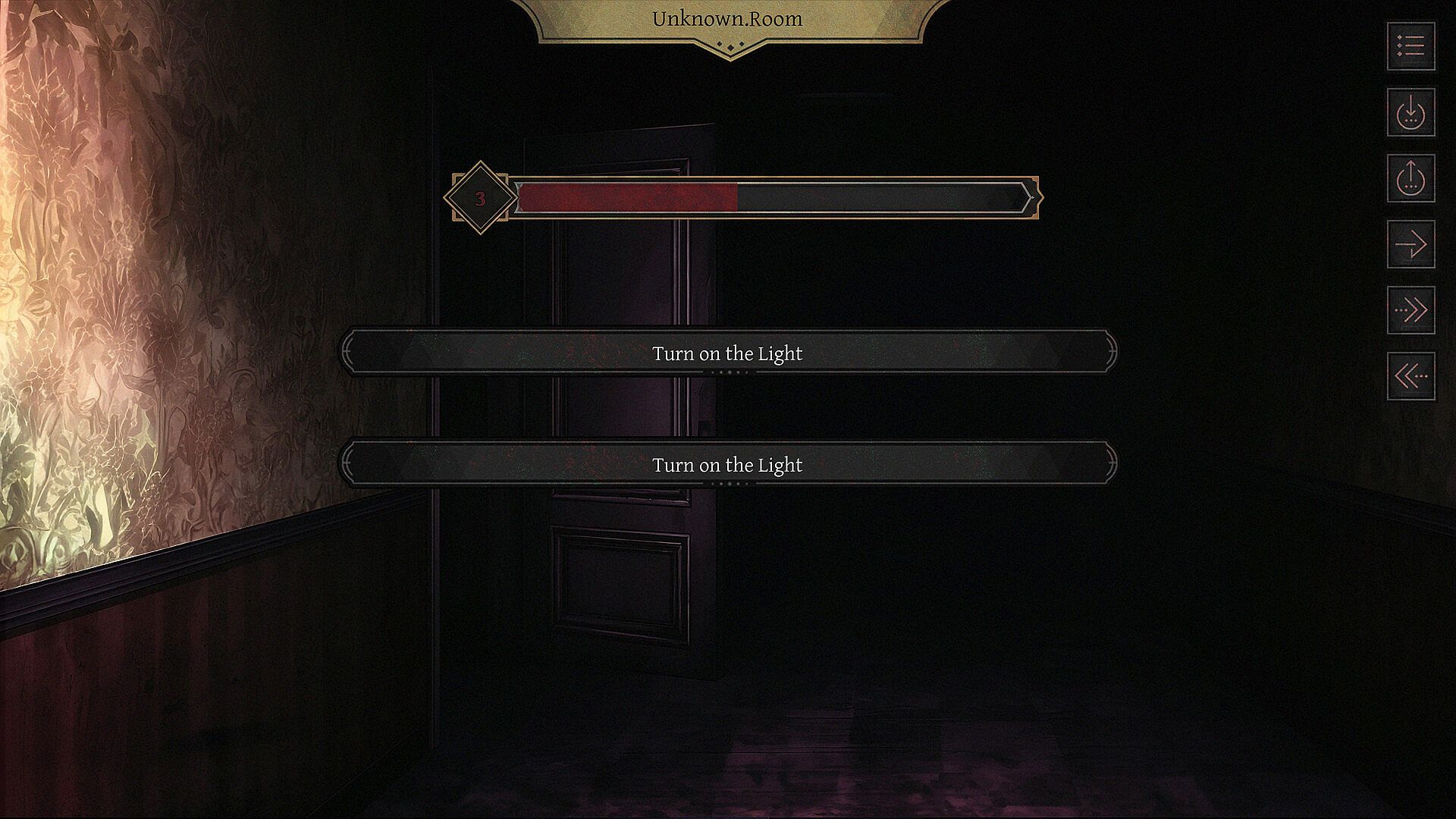
The core loop revolves around navigating a sequence of eerie and unnatural phenomena while making critical choices under strict time limits. Players encounter dynamic execution scenes that unfold based on decisions made in the moment, with failure resulting in permanent death and no opportunity for continuation from that point. Sound design emphasizes chilling audio cues that heighten the sense of dread, while character interactions and narration provide context for the unfolding events without relying on external exposition.
Visual presentation supports the horror through detailed environments that feel immersive and threatening. The emphasis remains on tension derived from the unknown, where each new phenomenon demands immediate attention and careful judgment to avoid fatal outcomes. This structure creates a focused experience built around observation, reaction, and consequence rather than open exploration or combat systems.
Game Modes
Netherworld: Blood Moon operates exclusively as a single-player title with no additional modes or multiplayer components. The entire experience unfolds through a linear yet branching narrative path driven by timed decisions and encounters with supernatural elements. Progression depends entirely on surviving successive challenges without the option to reload or retry after certain failures, reinforcing the high-stakes nature of every choice.
Voice work covers all dialogue and narration throughout the game, maintaining consistency in the atmospheric delivery across the full length of the story. No separate difficulty settings, co-operative features, or alternate play styles appear in the available information, keeping the focus squarely on the core horror narrative.
Story and Atmosphere
The narrative builds through a relentless series of bizarre and horrifying events that follow one another without pause. Players must interpret subtle cues from the environment and audio to anticipate threats, as the game avoids traditional tutorials or hand-holding mechanics. The setting shifts from an initial forest encounter into broader otherworldly territory, where the oppressive tone remains constant and the sense of isolation grows with each decision point.
Sound and voice elements work together to recreate the intimate fear associated with late-night storytelling, while visuals ground the supernatural occurrences in a believable framework. This combination aims to make each encounter feel immediate and personal, with execution scenes serving as direct visual payoffs for the choices made under pressure.
Is It Worth Playing?
Netherworld: Blood Moon targets players who enjoy choice-driven adventure games that prioritize atmosphere, voice acting, and high-consequence decisions over action or open-world elements. The single-player format and emphasis on timed survival choices suit those seeking a contained horror experience that can be completed in one or more focused sessions. With a planned release in 2027 and no user reviews available at present, the game remains in a pre-release state where its reception will depend on how effectively the described mechanics deliver sustained tension.
Those drawn to narrative adventures with realistic visuals and fully voiced ghost-story style presentation may find value in its approach to consequence and atmosphere. The absence of confirmed updates or additional content post-launch means the core experience stands alone as described. Prospective players should consider their tolerance for permanent failure states and preference for linear storytelling when evaluating whether the title aligns with their interests in the indie adventure genre.