




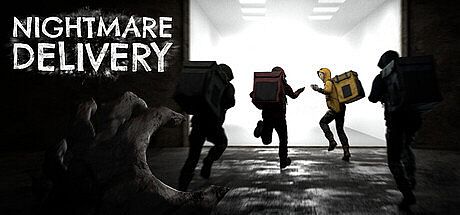


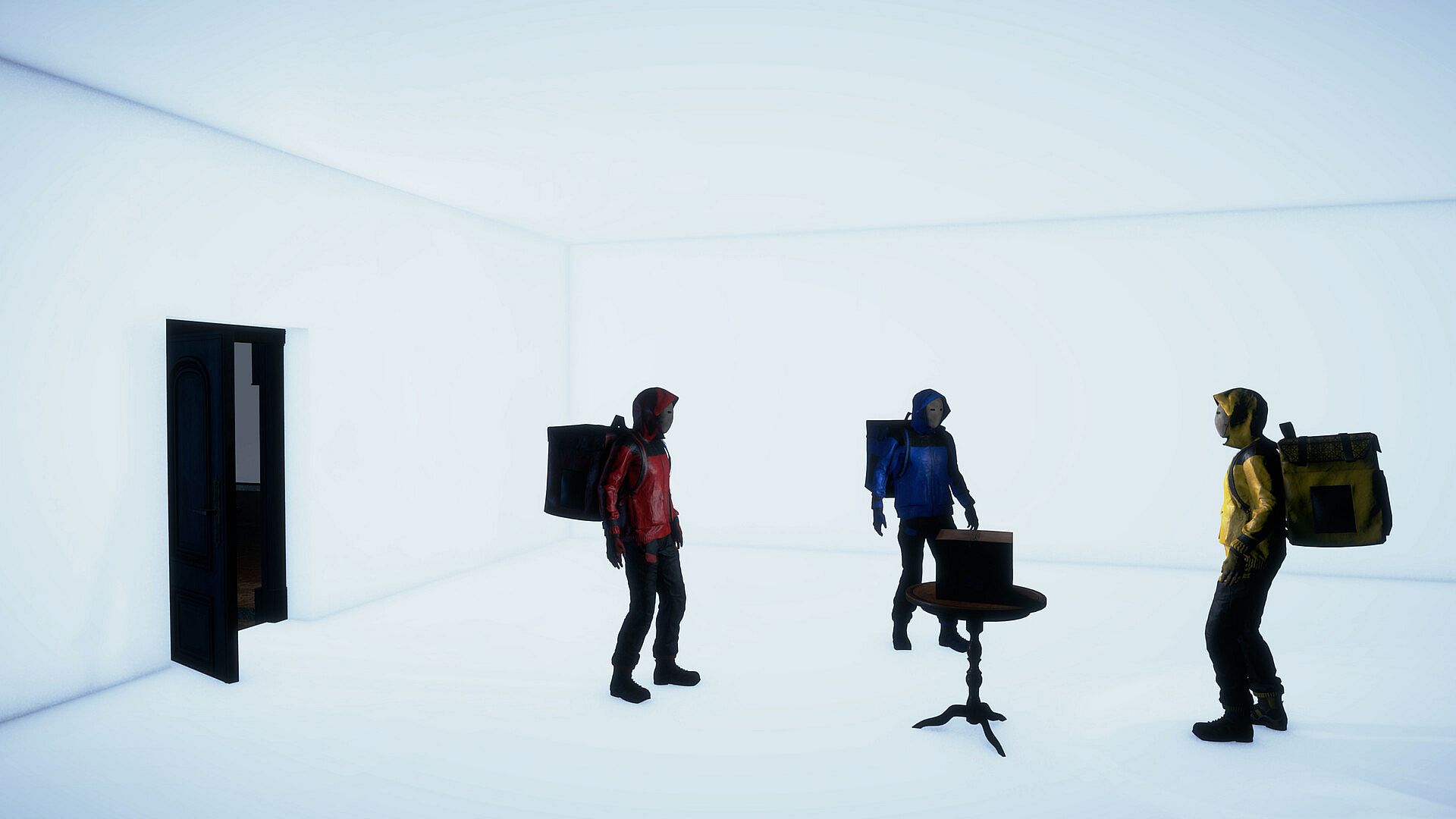
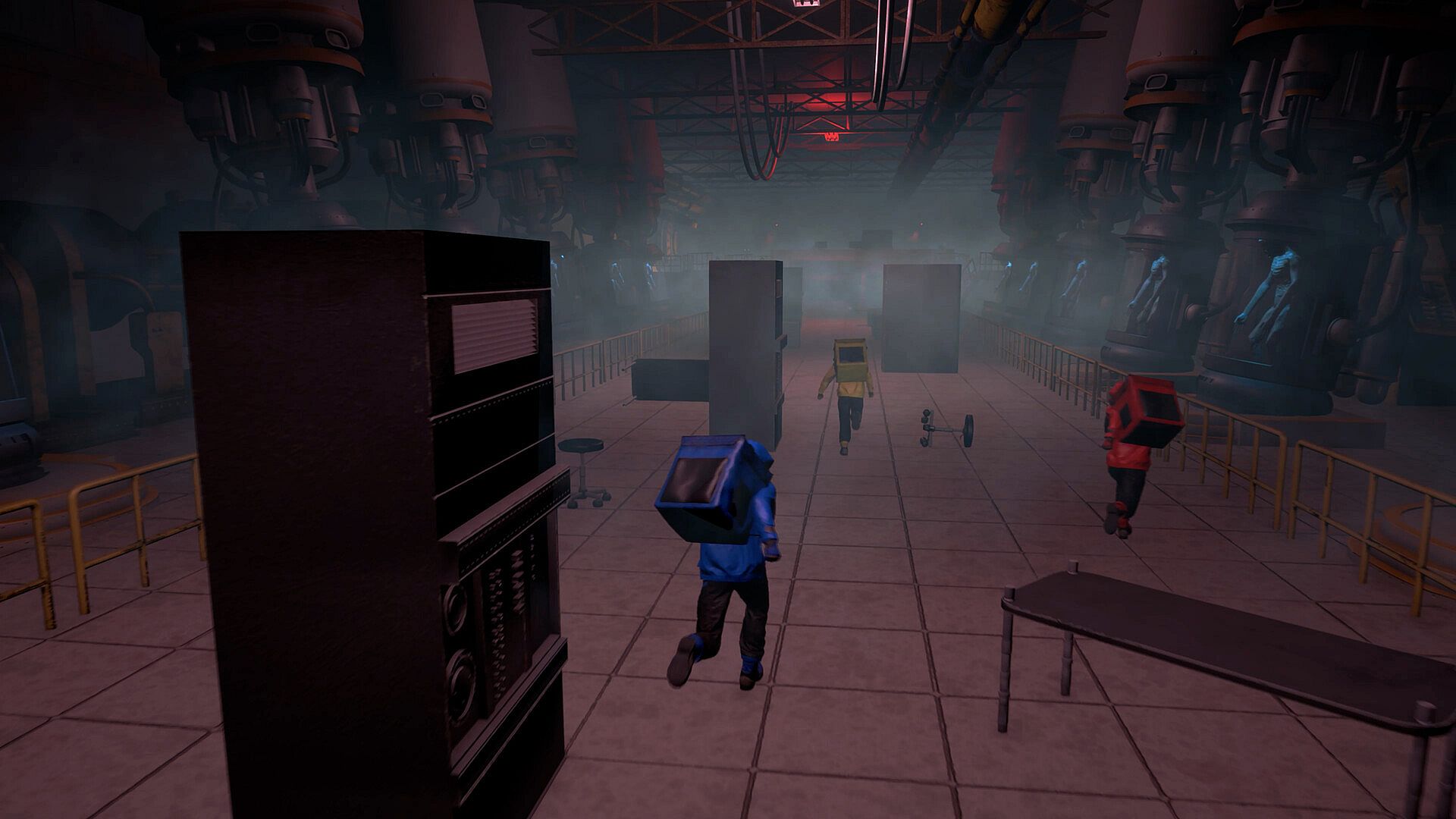
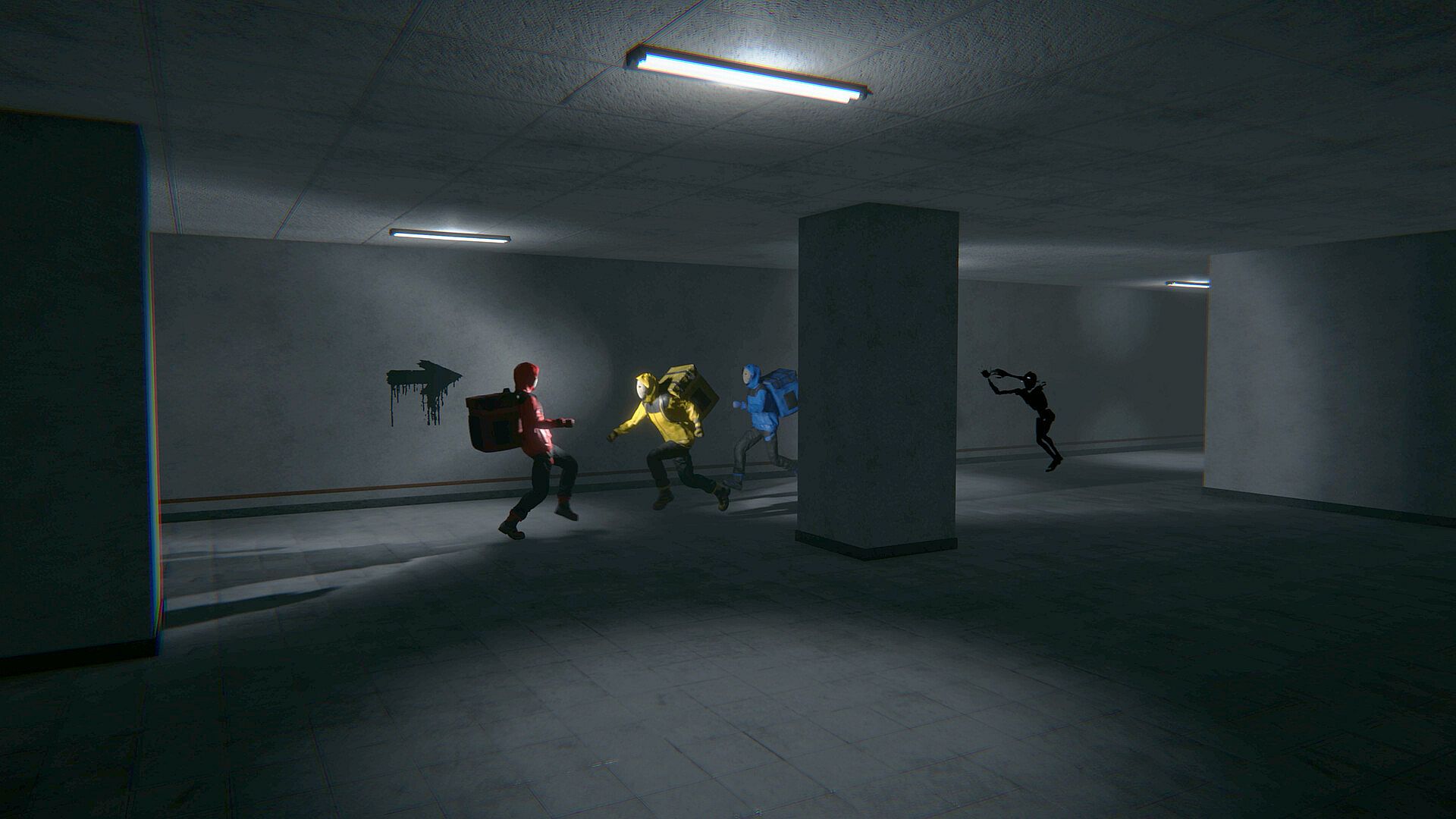
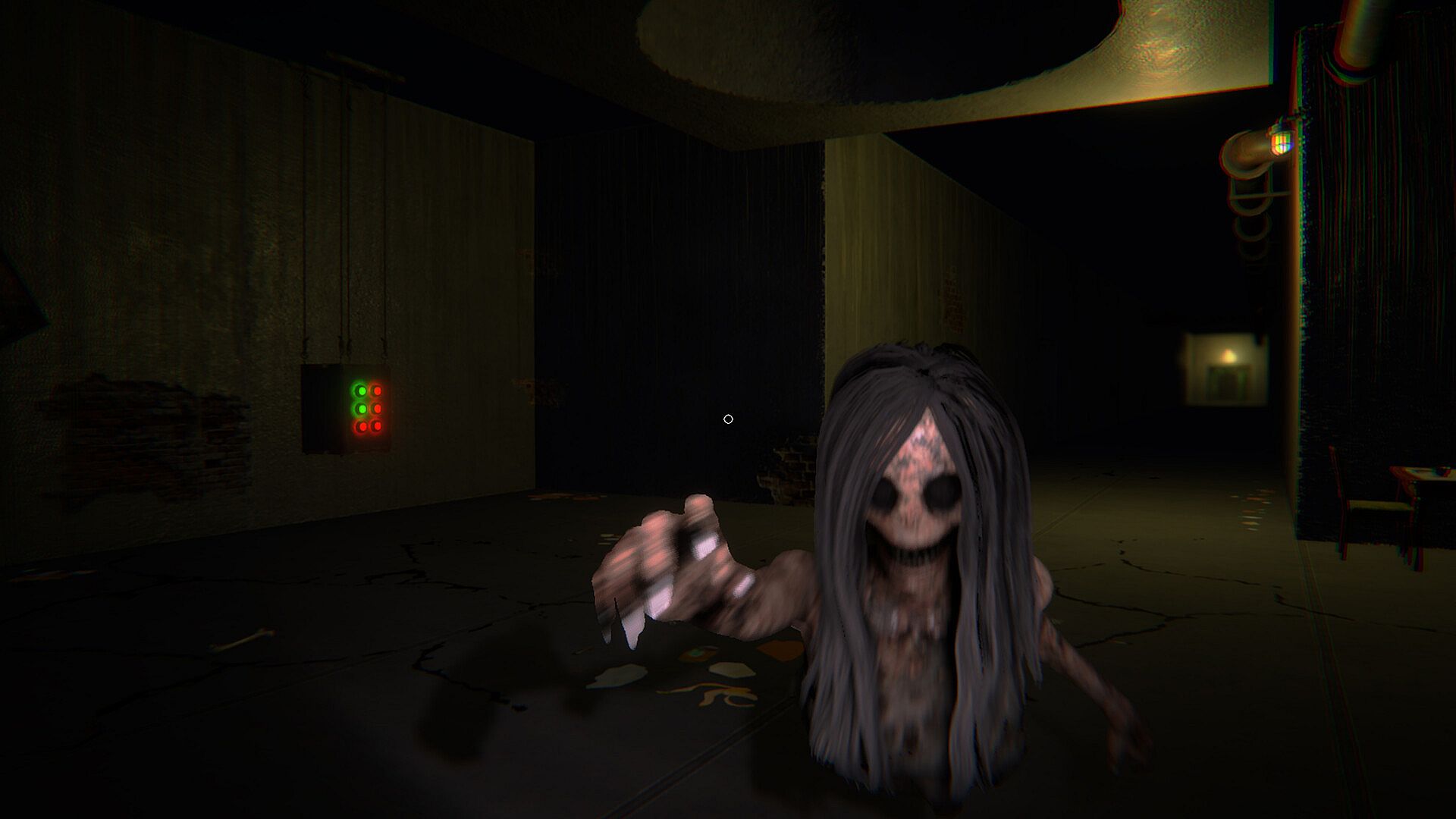
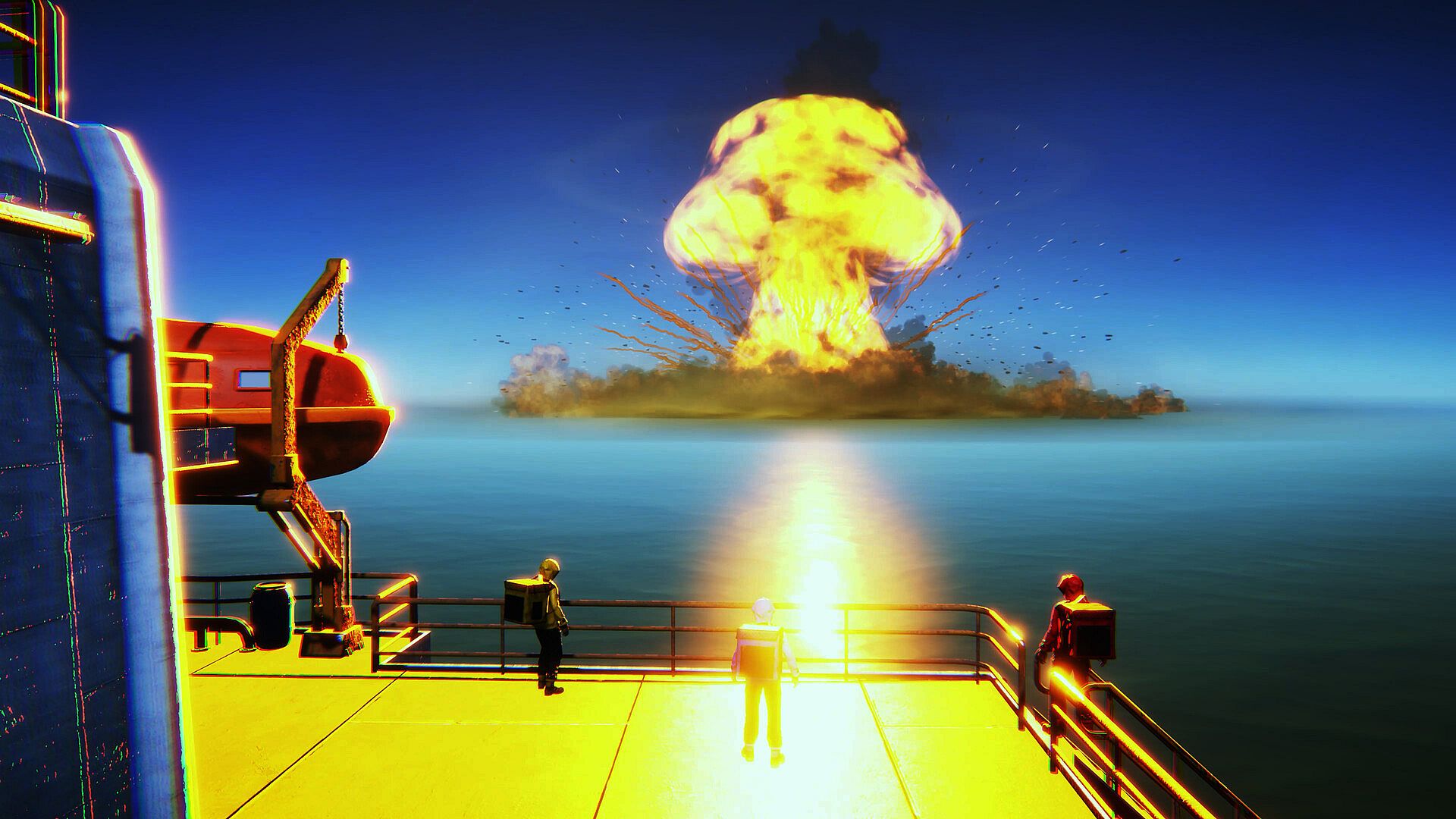
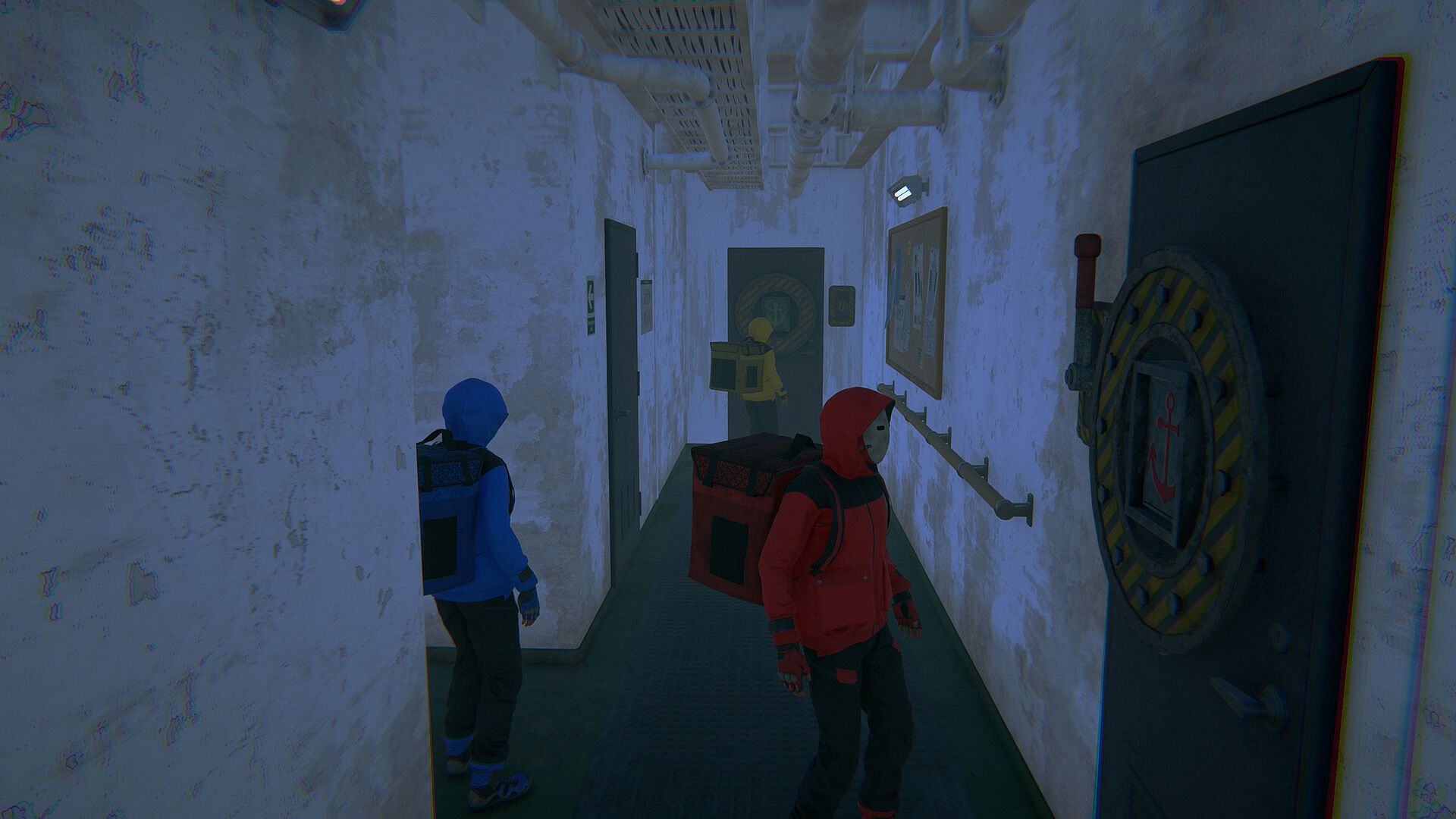
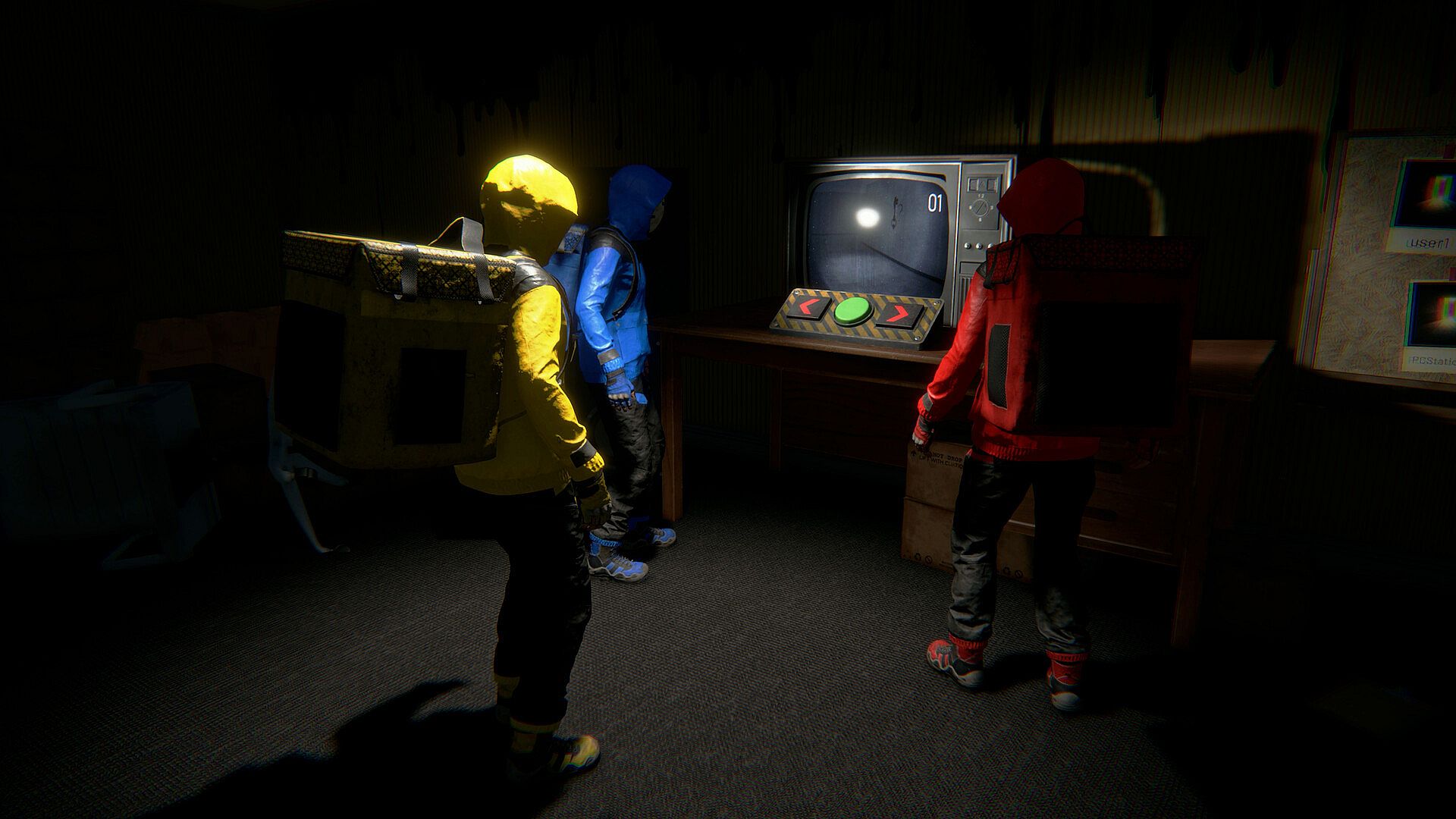
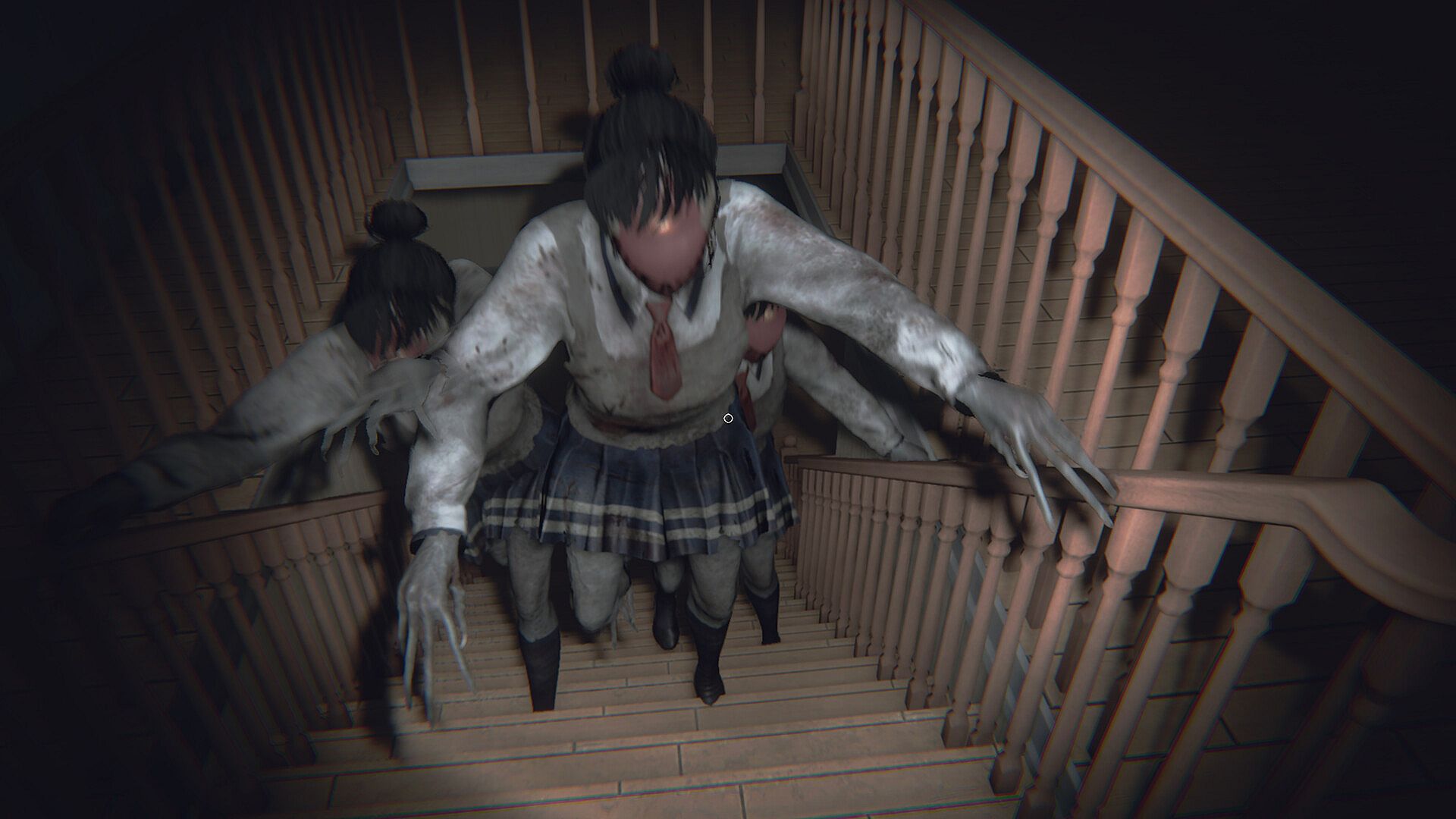
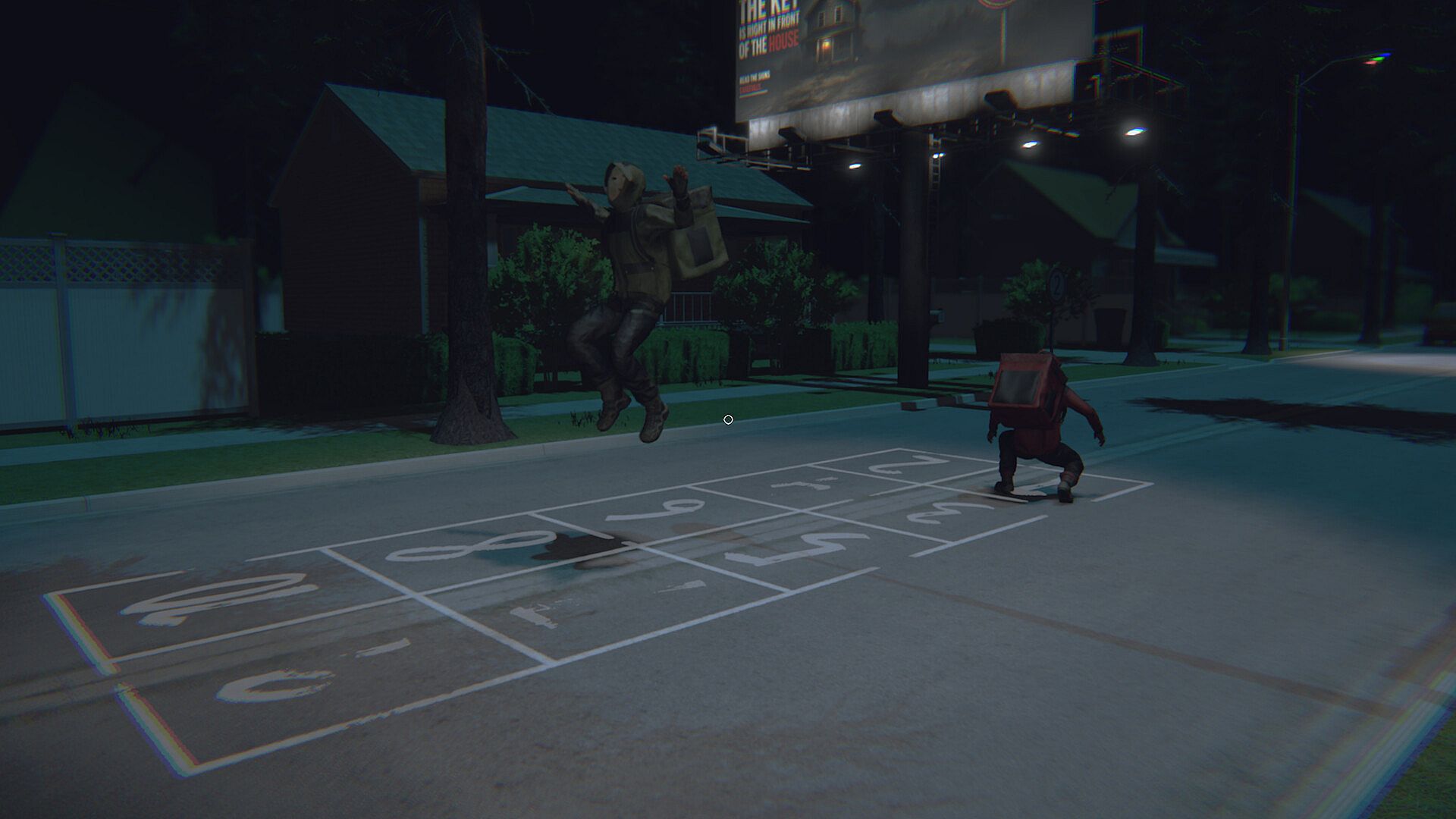
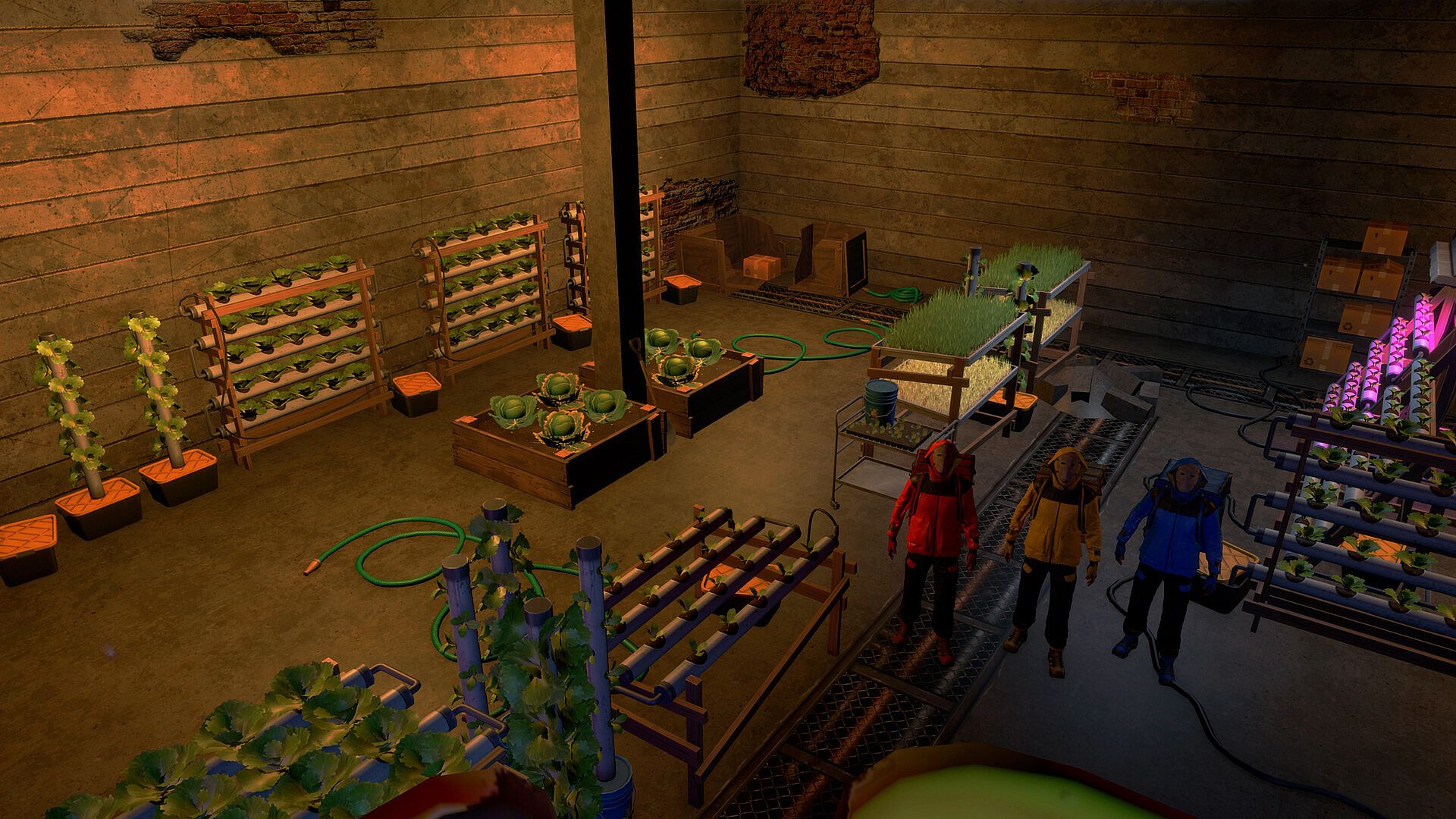
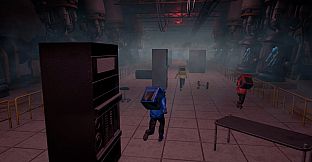
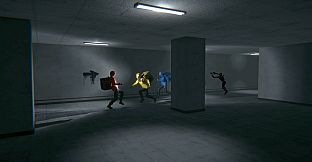
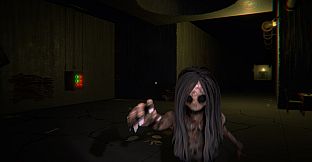
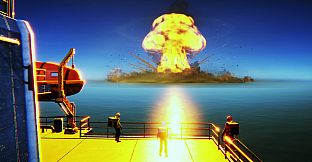
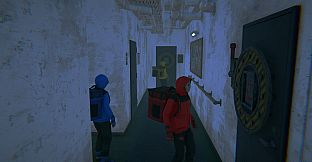
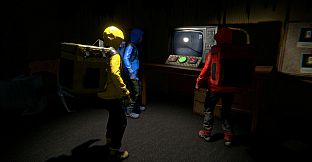

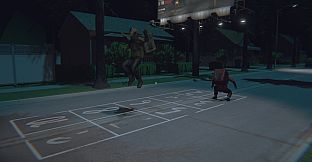
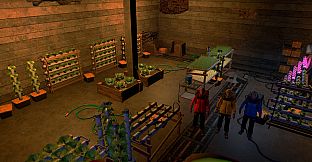
Nightmare Delivery is a psychological horror action adventure game developed for PC. Players step into the role of a courier tasked with entering twisted mental landscapes to complete deliveries that no ordinary person would attempt. The experience blends exploration, puzzle solving, and survival elements as couriers navigate environments shaped by fear, memory, guilt, obsession, and trauma.
Gameplay
The core loop centers on entering unique nightmare worlds that distort familiar spaces into unreliable territories. Corridors twist into impossible paths, rooms loop without logic, and everyday objects serve as clues, hazards, or puzzle components. Progress requires careful observation because the rules of each space shift and deceive the player. Ordinary movement becomes tense as the environment itself resists straightforward navigation.
Survival hinges on understanding threats rather than direct confrontation. Some entities follow predictable patterns that can be avoided through timing and positioning. Others demand deeper insight into their behavior and the underlying logic of the nightmare. Players search for hidden details, interpret broken rules, and piece together what the darkness seeks before attempting the final delivery. The tension builds from the constant uncertainty of what can be trusted in these mental spaces.
Game Modes
The game supports solo play for those who prefer to face the nightmares alone. In this mode, every decision and discovery rests on a single courier navigating the distorted minds without assistance. The experience emphasizes personal observation and careful pacing through each mission.
Online co-op allows teams of up to four players to enter the same nightmare world together. Participants share findings, coordinate puzzle solutions, and support one another when threats appear. The design notes that staying close can improve survival odds, yet certain nightmares actively work to isolate individuals. This creates dynamic tension even within a group setting, as players must balance teamwork with awareness of separation risks.
Exploring Distorted Minds
Each mission unfolds inside a distinct mental space with its own atmosphere, puzzles, and threats. These worlds draw from personal fears and traumas, resulting in environments that feel both intimate and alien. Players examine ordinary items for hidden significance, decipher illogical layouts, and adapt to shifting conditions that challenge perception. The variety across missions encourages repeated attempts to uncover different paths or outcomes within the same mind.
Environmental puzzles form a central pillar of progress. Rather than relying on combat, success comes from interpreting clues scattered throughout unreliable spaces. Objects that appear mundane at first glance often hold the key to advancing deeper toward the delivery point. This approach rewards patience and attention to detail over speed or aggression.
Surviving the Nightmares
Entities within each mind operate under specific rules that players must learn through direct encounters and careful study. Avoidance remains viable in many cases, but full understanding of a creature's logic often proves necessary for safe passage. The game emphasizes that running alone rarely suffices, pushing players to experiment with observation and deduction to calm or bypass the darkness.
The journey concludes only after the package reaches its intended recipient and an escape route opens. This final stage tests everything learned during the mission, combining prior discoveries into one decisive sequence. Success leaves the courier alive but changed by the experience of the mind they entered.
Is It Worth Playing?
Nightmare Delivery targets players who enjoy psychological horror with cooperative or solo options. The focus on exploration, environmental puzzles, and behavioral observation suits those drawn to atmospheric tension over action-heavy combat. Its indie roots and emphasis on unique mental spaces set it apart from more conventional horror titles.
Because the game remains unreleased with a planned launch in Q4 2026, no player reviews or long-term support details exist yet. Those interested in cooperative psychological experiences on PC may find the described mechanics appealing once it arrives. The combination of single-player accessibility and up to four-player co-op provides flexibility for different group sizes and preferences.











