




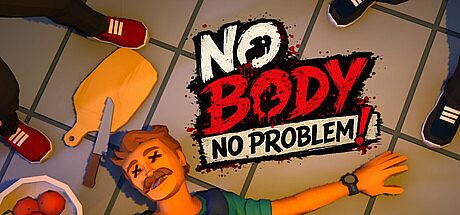


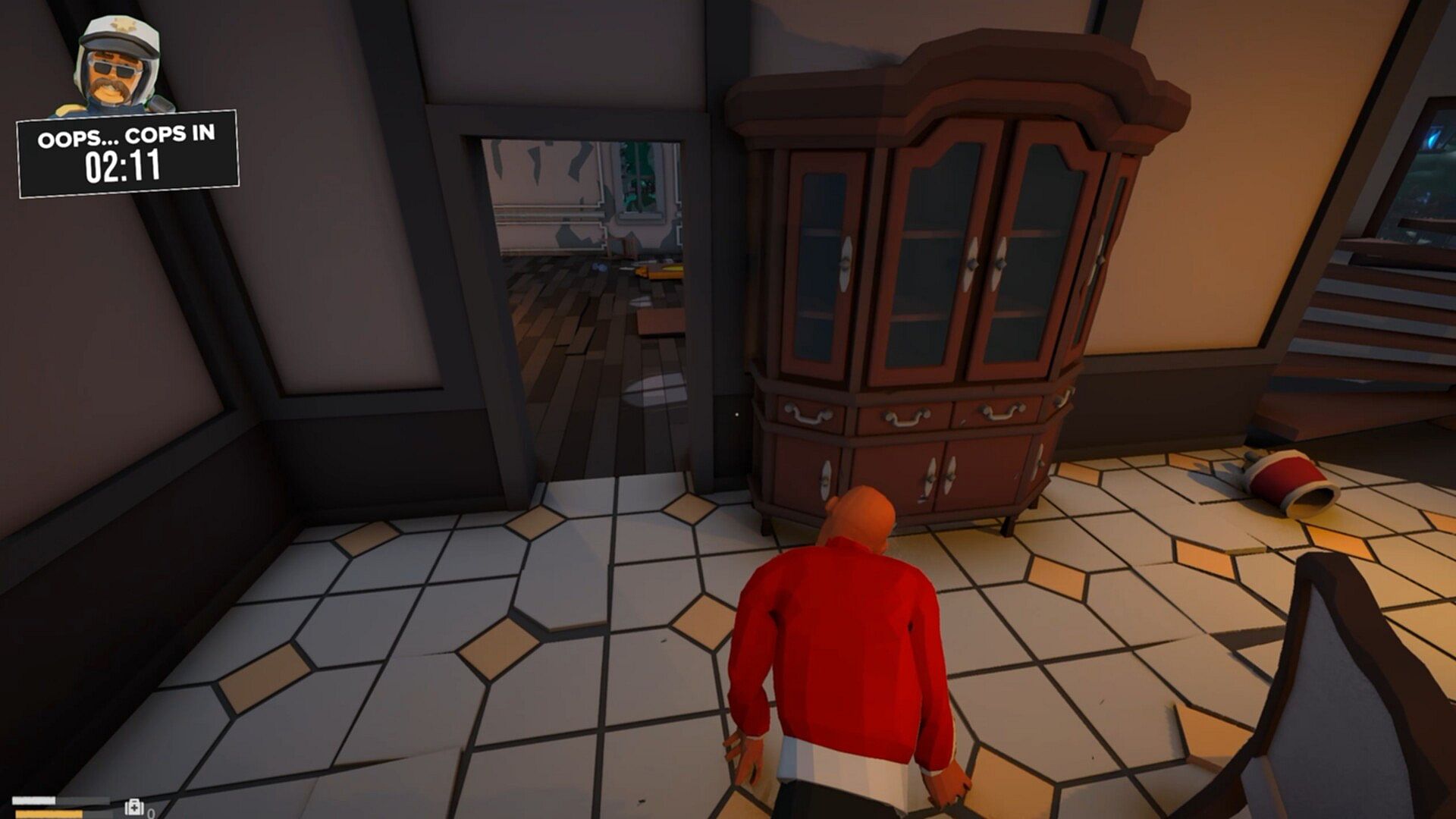
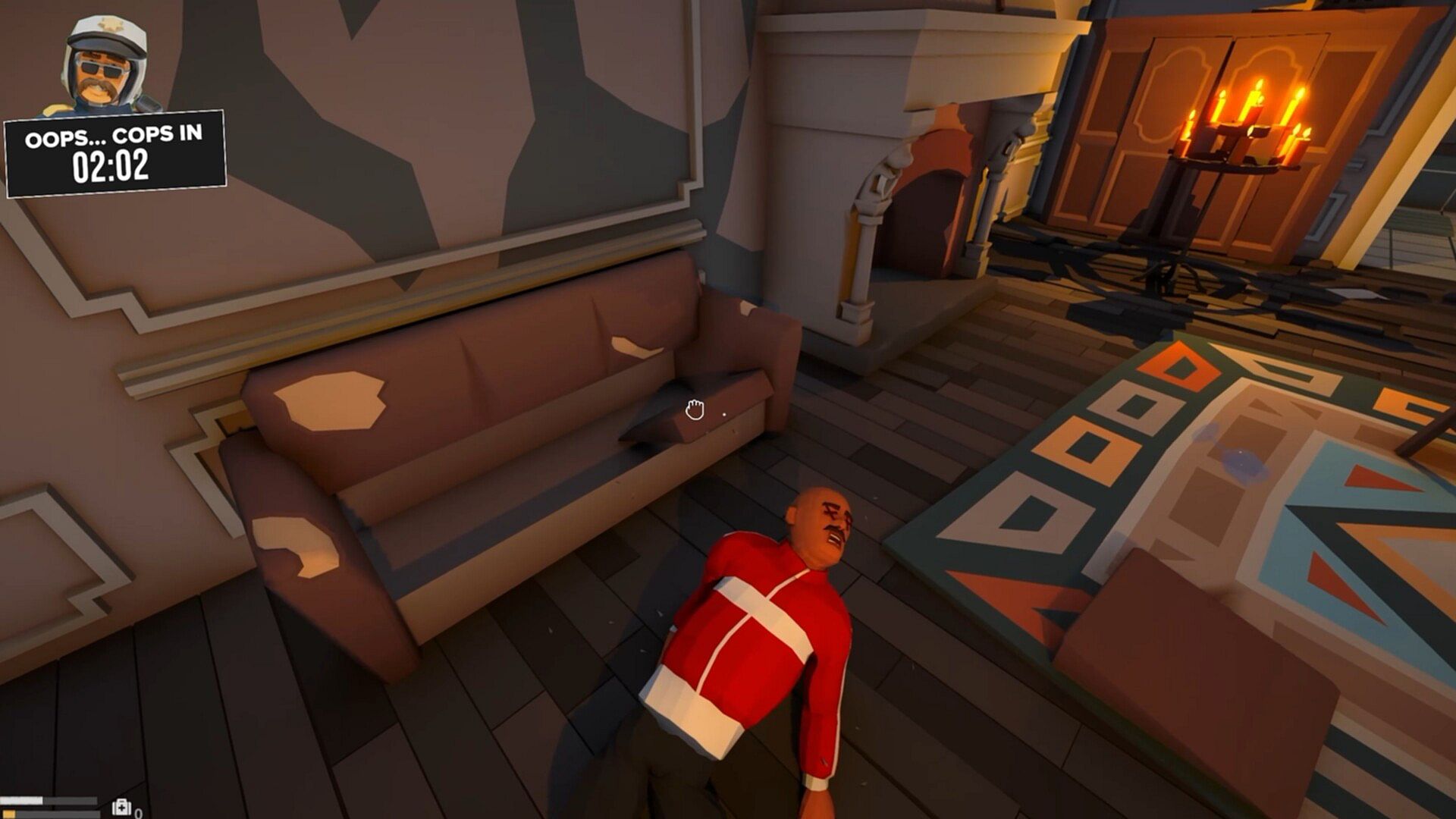
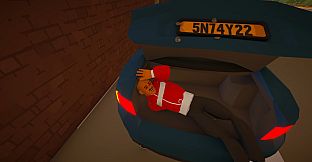
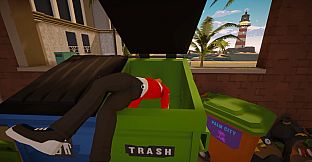
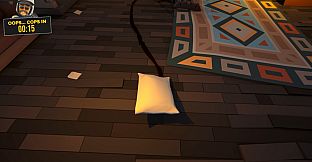
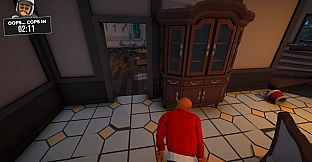
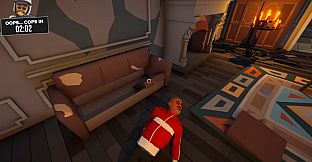
No Body No Problem! is an asymmetrical physics-based social stealth game in the action, indie, and casual genres. Designed exclusively for four players on PC, it places three participants in the role of suspects who must conceal a murder and three others who control a responding police officer. The core loop revolves around hiding a body, clearing evidence, and avoiding detection before time runs out, all while physics interactions turn simple actions into unpredictable mishaps.
Gameplay
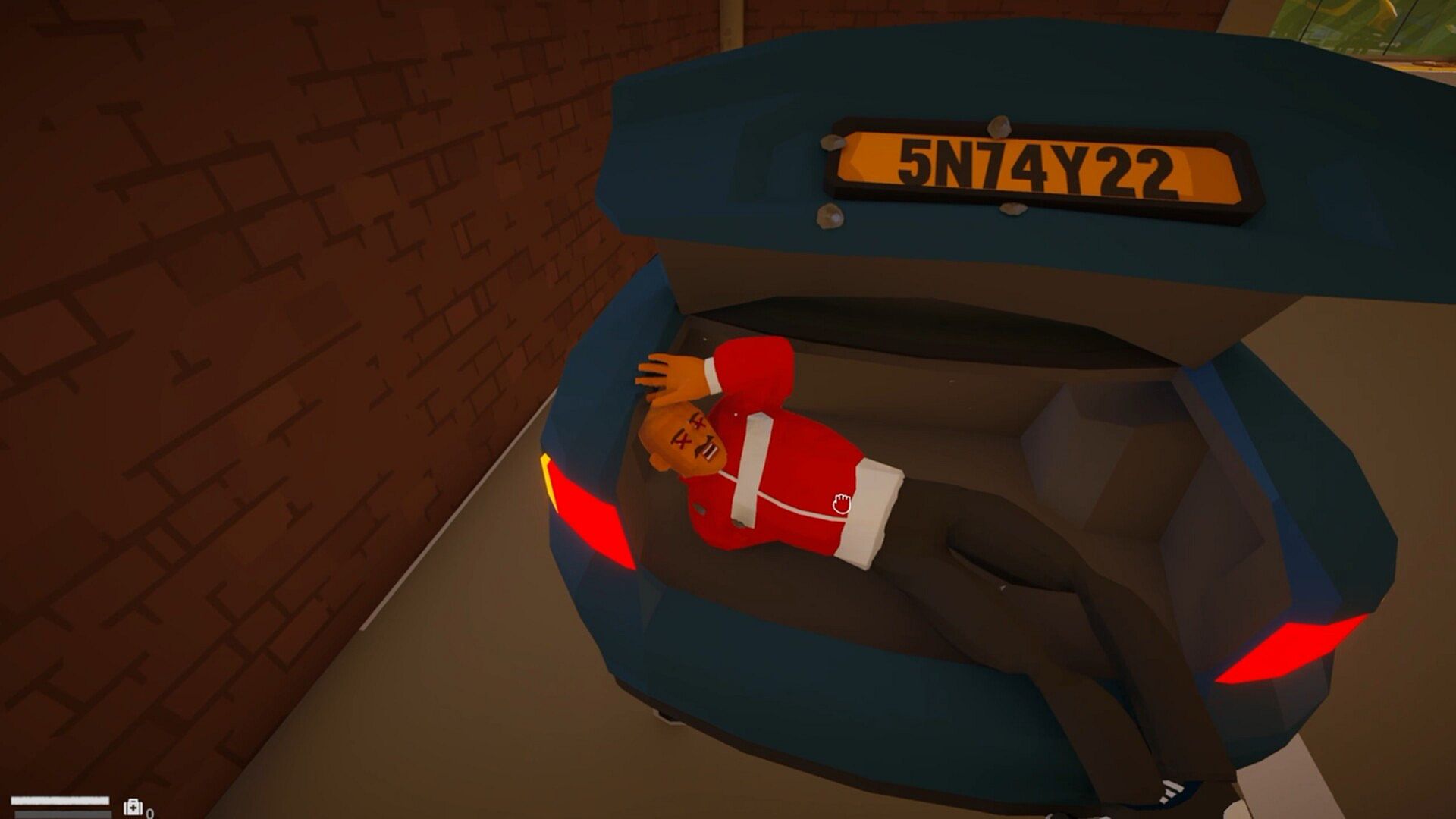
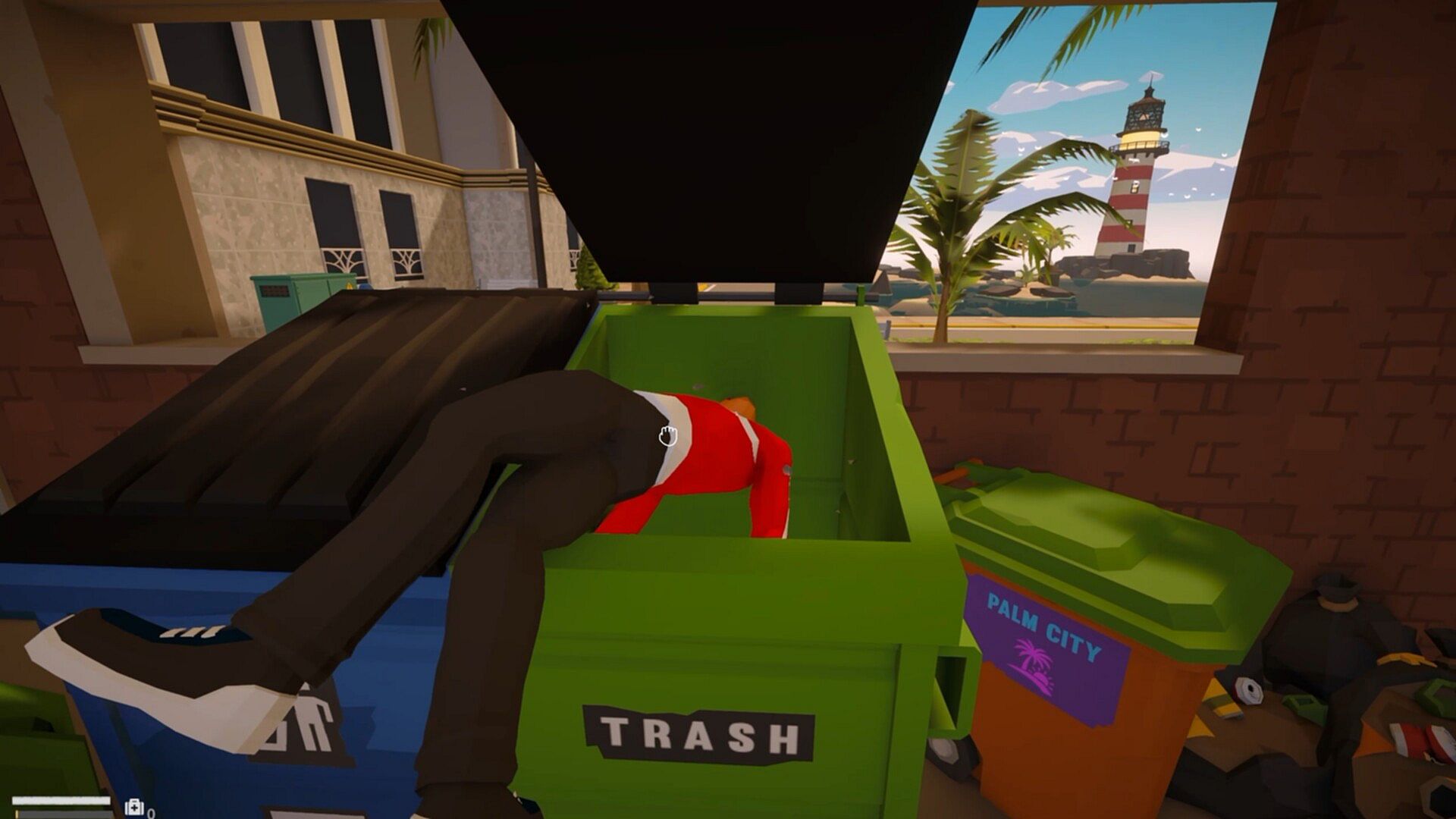
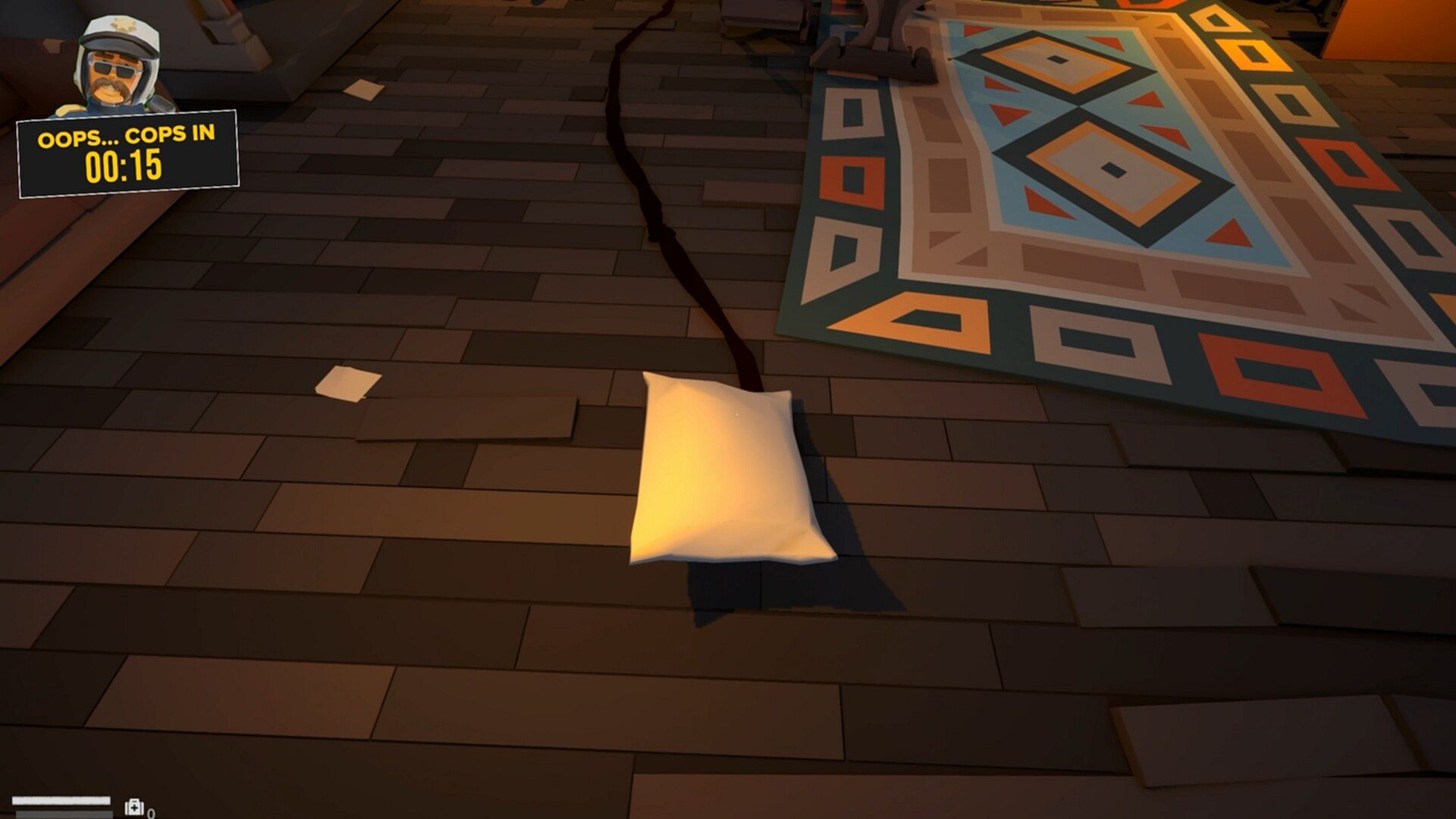
The suspects work together inside a contained crime scene to move the body to a secure spot, wipe away traces such as blood or broken items, and maintain normal behavior. Every object responds to realistic physics, so carrying the body through doorways or around furniture can send lamps crashing or chairs toppling. These accidents create fresh clues the officer can investigate. Suspects must coordinate movements and decisions under constant pressure, because the officer can enter at any moment and begin a systematic search of rooms, closets, and hidden spaces.
The officer role focuses on observation and deduction rather than direct confrontation. Small details matter: an open drawer, a wet floor that was recently cleaned, or a suspect acting oddly can trigger further checks. The officer moves freely through the environment, opening doors and examining surfaces while watching for behavioral tells. One overlooked clue or one panicked reaction from a suspect can end the round in seconds.
Improvisation defines every session. A planned hiding spot may prove insufficient once physics causes the body to slide into view. Friends may disagree on the next step, leading to last-second changes that either succeed or expose the group. The short time window before the officer arrives forces rapid choices and constant adaptation.
Game Modes
The game centers on a single core experience built around the four-player asymmetrical setup. Three players control the suspects attempting to complete their tasks, while the fourth player acts as the officer searching for proof of the crime. Roles rotate between matches so everyone experiences both sides of the tension. No additional named modes exist beyond this fundamental structure, which emphasizes direct player-versus-player interaction through stealth, search, and social pressure.
Matches unfold on varied maps that function as self-contained puzzles. Each location supplies different rooms, furniture arrangements, and interactive objects that change how the body can be moved or concealed. What works in one setting may fail in another because of layout or available hiding spots. The physics system remains consistent across all maps, ensuring that carrying the body always carries the risk of unintended noise or displacement.
Locations and Physics Interactions
Every environment presents unique challenges that force suspects to rethink their approach. A small apartment might offer tight corridors where the body gets stuck, while a larger commercial space could provide multiple rooms but also more surfaces that show disturbance. Interactive objects respond to contact, so moving furniture to block sightlines can accidentally create new evidence. These systems encourage experimentation and quick thinking rather than fixed strategies.
Physics chaos extends to everyday items. Knocking over a stack of papers or bumping into a shelf can leave visible signs that the officer notices immediately. Suspects learn to anticipate these chain reactions, yet the unpredictable nature of the engine means even careful plans can unravel from a single misstep. The result is repeated rounds that feel fresh because the same map rarely plays out identically twice.
Is It Worth Playing?
No Body No Problem! suits groups of four friends who enjoy short, high-stakes sessions built on coordination and laughter. The emphasis on improvisation and physics mishaps creates memorable moments where plans collapse in humorous ways. Trust between teammates becomes a central factor, as one player's panic or misjudgment can shift blame and alter the outcome for everyone.
The game rewards players who appreciate social deduction elements mixed with physical comedy. Those who prefer structured competitive play or solo experiences may find the reliance on group dynamics limiting. Because matches are brief and replayable through changing maps and player decisions, the title works well for repeated short sessions rather than long campaigns.
Reception remains limited due to the game's early stage, with focus staying on the core loop of hiding evidence and searching under time pressure. Players drawn to casual multiplayer titles that highlight friendship and failure will likely find the experience engaging, while those seeking polished single-player content or extensive progression systems should look elsewhere.











