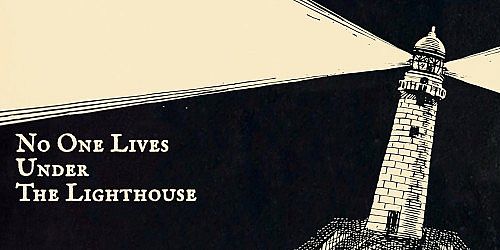


No One Lives Under the Lighthouse is a horror adventure game set on a remote island where players step into the role of a lighthouse keeper. The experience blends routine maintenance tasks with exploration and puzzle solving in a deliberately retro visual style reminiscent of early PlayStation games. Available on Nintendo Switch, it emphasizes isolation and slow-building tension over fast action or complex systems.
Gameplay
The core loop centers on daily responsibilities at the lighthouse. Players collect fuel canisters, fill the lamp at sunset, operate the crank mechanism to rotate the light, and perform basic repairs around the keeper's cabin and surrounding structures. Movement feels deliberate and unhurried, encouraging careful examination of the small island environment for interactive objects and hidden details. Puzzle elements arise naturally from these tasks, such as locating tools in a storage shed or figuring out how to access locked areas without any on-screen prompts or tutorials.
As days progress, the routine shifts. Strange occurrences interrupt the work, including misplaced supplies, unusual sounds, and visual anomalies that suggest something else shares the island. Exploration expands beyond the immediate lighthouse grounds to include beaches, a small village area, and underground passages. Some sequences switch perspective for tense evasion moments, while occasional direct confrontations require precise timing with limited tools. The low-polygon aesthetic and sparse sound design heighten the sense of unease, making every footstep and creak feel significant.
Controls remain straightforward across the Nintendo Switch version, with interaction focused on a single button and limited camera adjustments. The Director's Cut edition refines later sections for smoother pacing while preserving the original's cryptic approach to storytelling, which unfolds entirely through environmental changes and player actions rather than dialogue or text logs.
Game Modes
The game offers only a single-player campaign with no separate multiplayer or competitive options. Progress follows a linear day-by-day structure that branches based on exploration choices and item collection. Multiple endings exist, each tied to specific decisions such as which medallions are placed in a bedroom chest or how certain confrontations resolve. These variations encourage replaying the short experience to uncover different outcomes, though the fundamental loop of lighthouse upkeep and island investigation stays consistent across playthroughs.
There are no additional modes, difficulty settings, or seasonal content. The focus remains on one cohesive narrative journey that lasts roughly one to two hours on a first playthrough, with replays revealing new details through altered events and perspectives.
Story and Atmosphere
The narrative begins with the arrival of a new keeper after the previous one vanishes without explanation. Instructions emphasize keeping the light operational and avoiding the basement, yet events quickly challenge these rules. Visual storytelling reveals layers of mystery through shifting environments, recurring symbols like medallions, and increasingly unsettling encounters. The island itself becomes a character, its fog-shrouded shores and creaking structures amplifying feelings of solitude and doubt.
Supernatural elements draw from cosmic horror traditions, transforming the initial calm into something far more disorienting. Players witness transformations and hidden realms that question the nature of the keeper's reality. The retro presentation reinforces this by evoking classic survival horror without relying on modern polish or extensive cutscenes.
Is It Worth Playing?
This title suits players who appreciate deliberate pacing, atmospheric horror, and puzzle-driven exploration in a compact package. The Nintendo Switch version delivers the full Director's Cut experience with its updated later sections and multiple endings intact. Those seeking quick sessions or straightforward action may find the slow movement and lack of guidance frustrating, while fans of retro-styled mysteries often praise the tension and replay value from the branching conclusions.
Reception highlights the strong sense of isolation and clever use of environmental storytelling, though some note occasional control stiffness during evasion segments and the need for patience with obscure interactions. At its core, the game rewards curiosity about the island's secrets more than mechanical mastery. If the premise of solitary lighthouse duties turning ominous appeals, the short length makes it an easy commitment for a focused horror adventure session.