






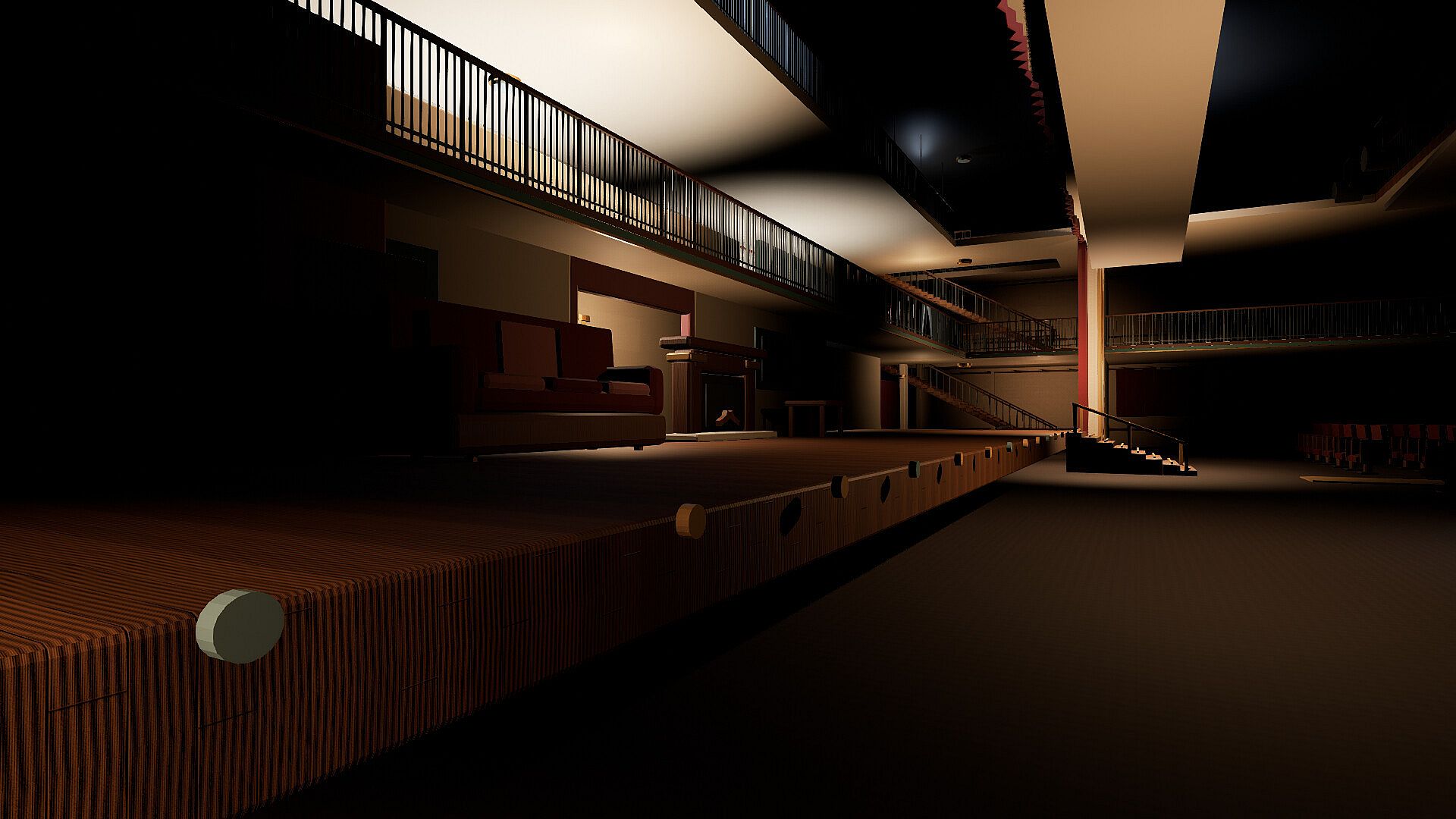
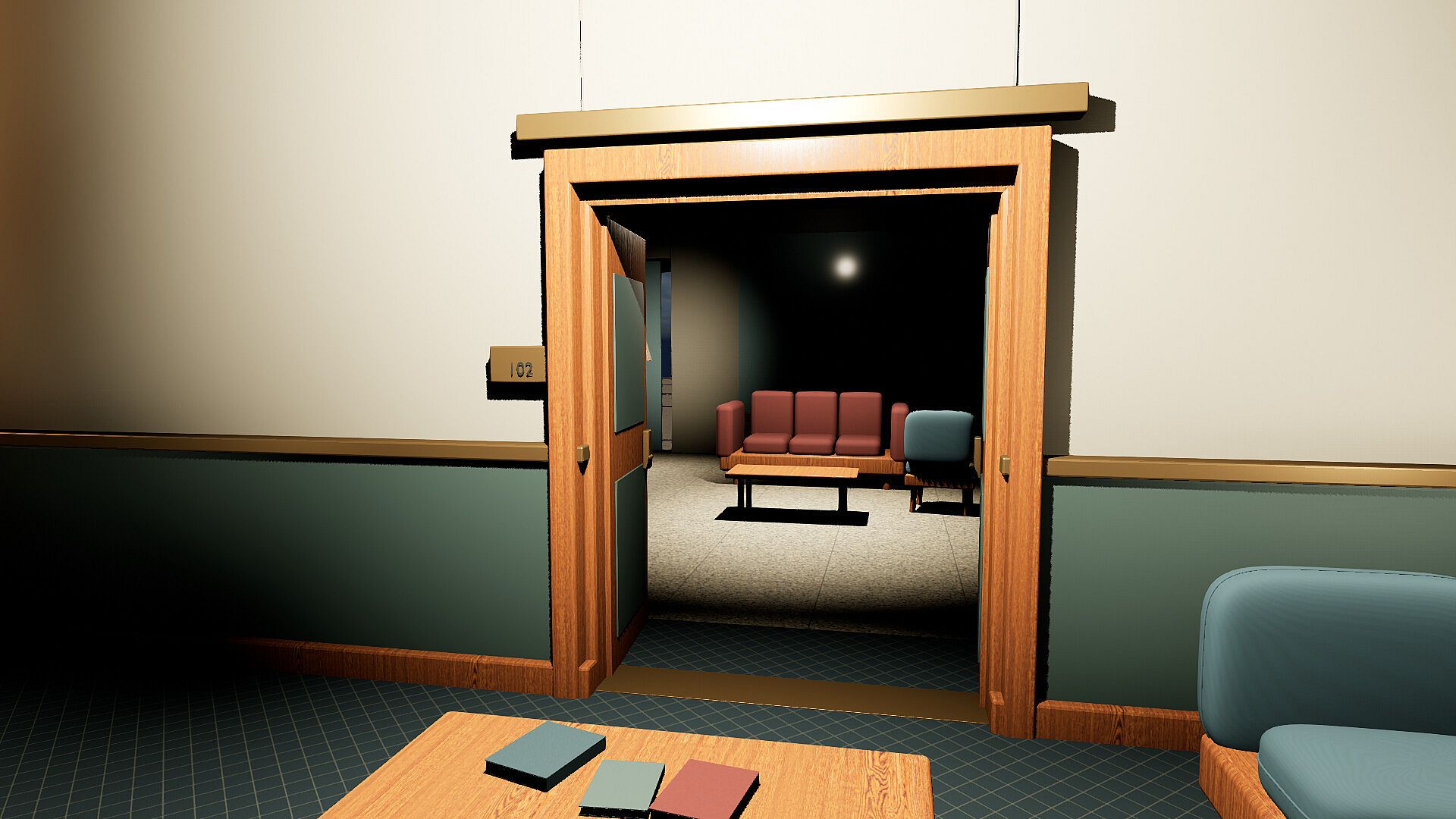
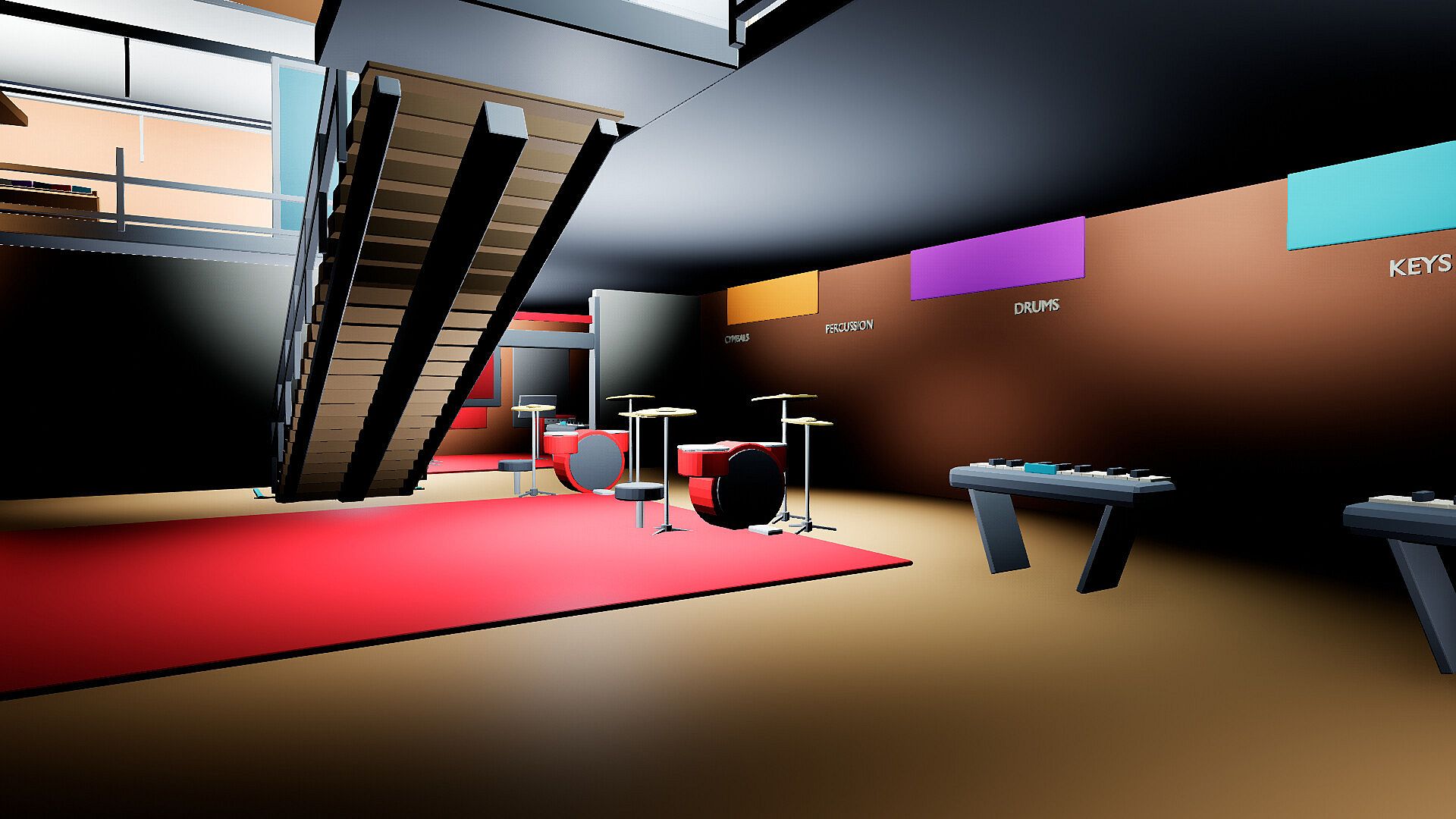
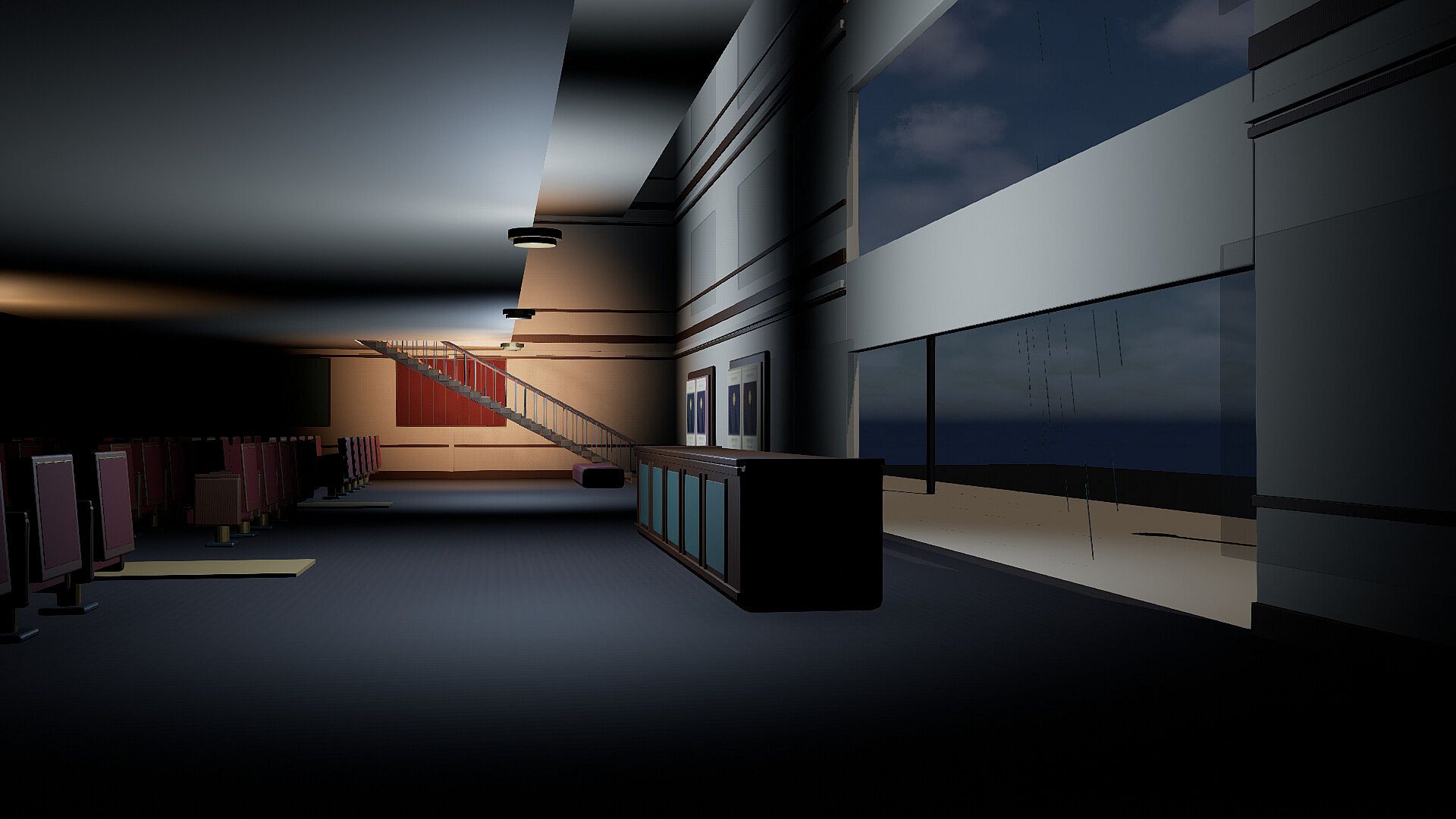
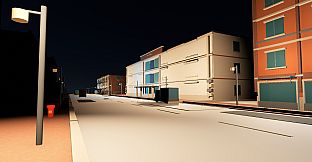
Not Musical Chairs!? delivers a first-person multiplayer party brawler experience on PC that blends action, indie creativity, and casual accessibility. Up to ten players compete in matches where the core loop revolves around exploration, combat, and quick adaptation to shifting objectives. The game emphasizes improvised weapons and environmental awareness rather than traditional loadouts or character progression, making each round feel distinct and unpredictable.
Gameplay
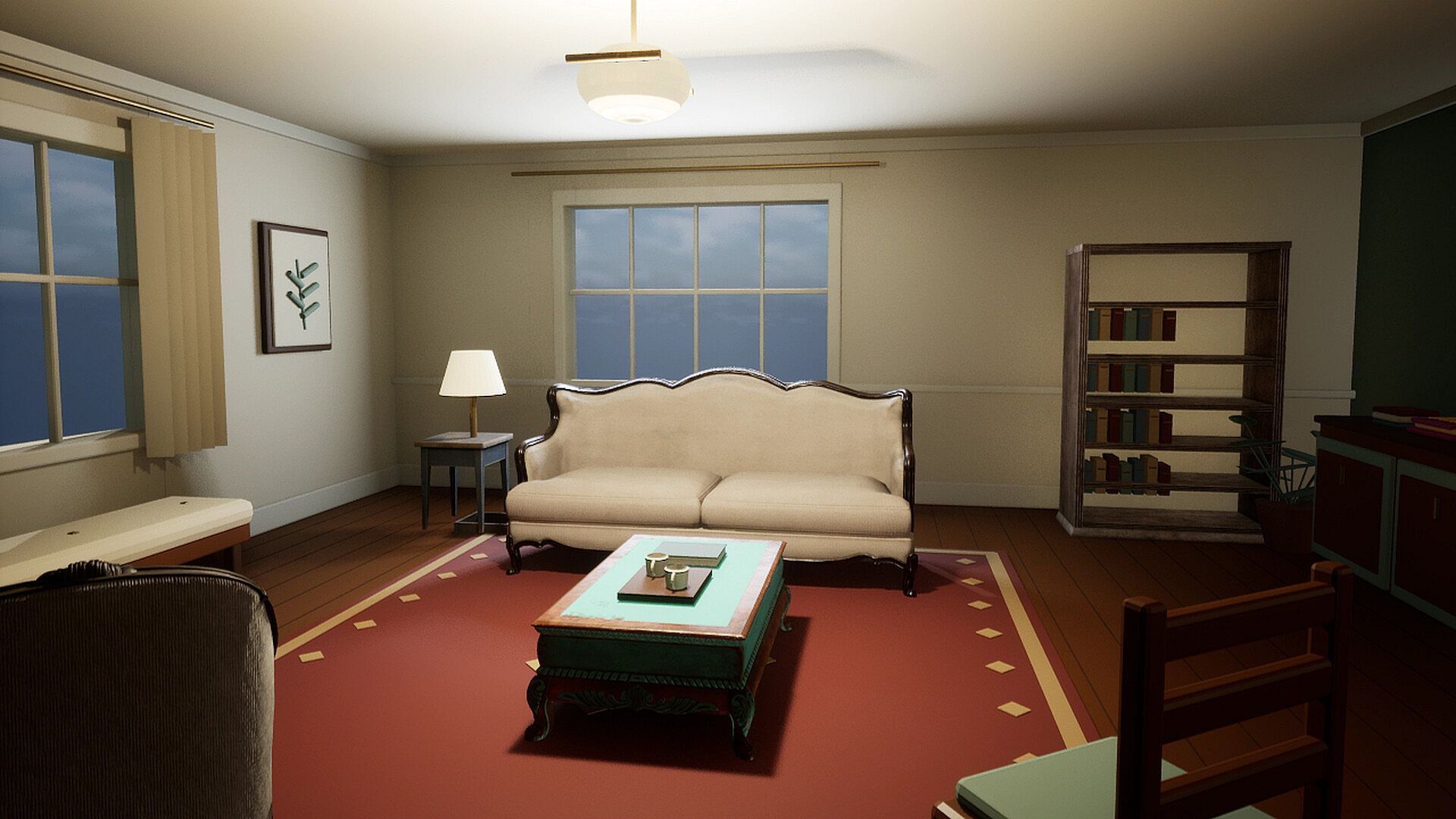
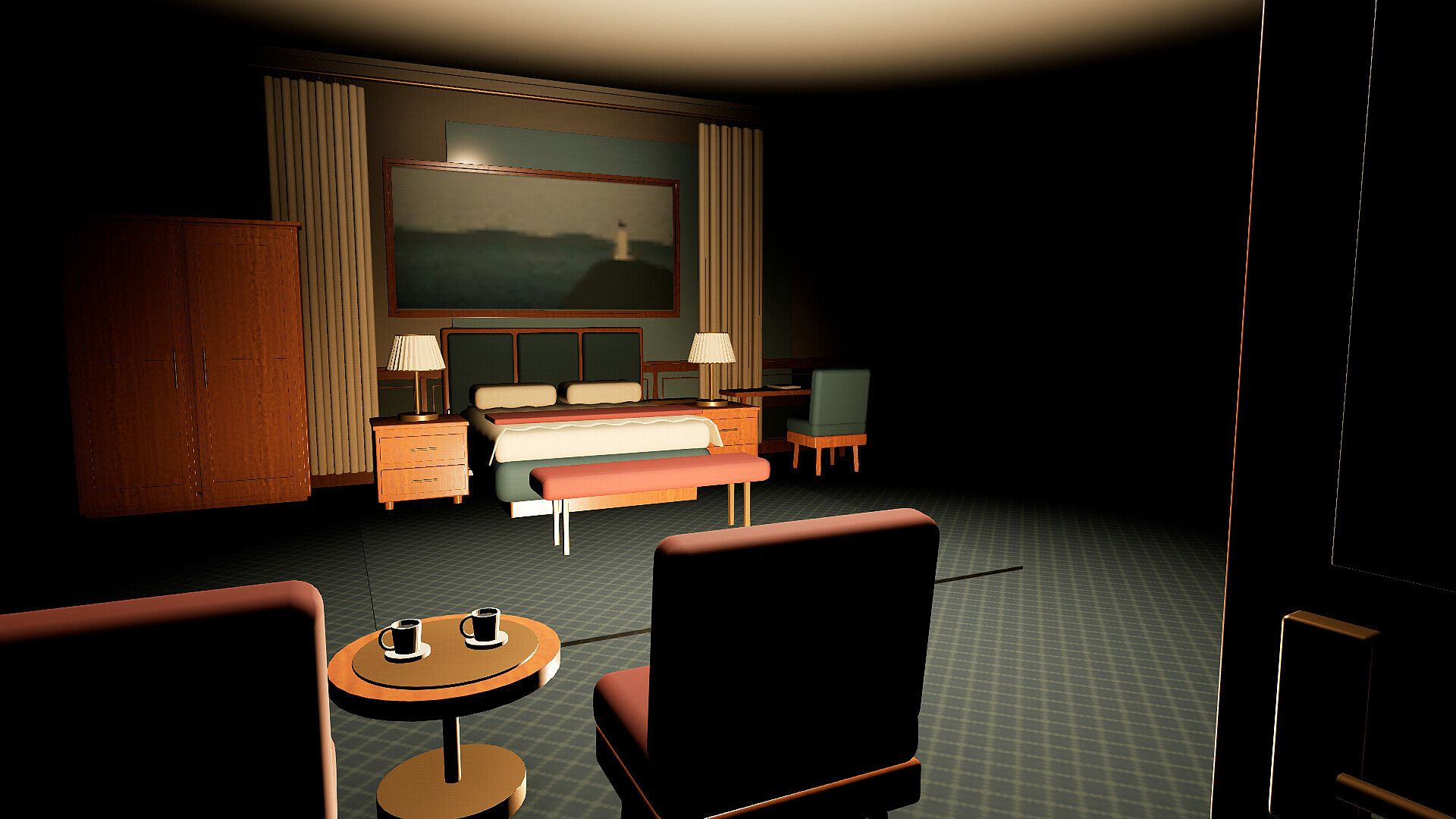
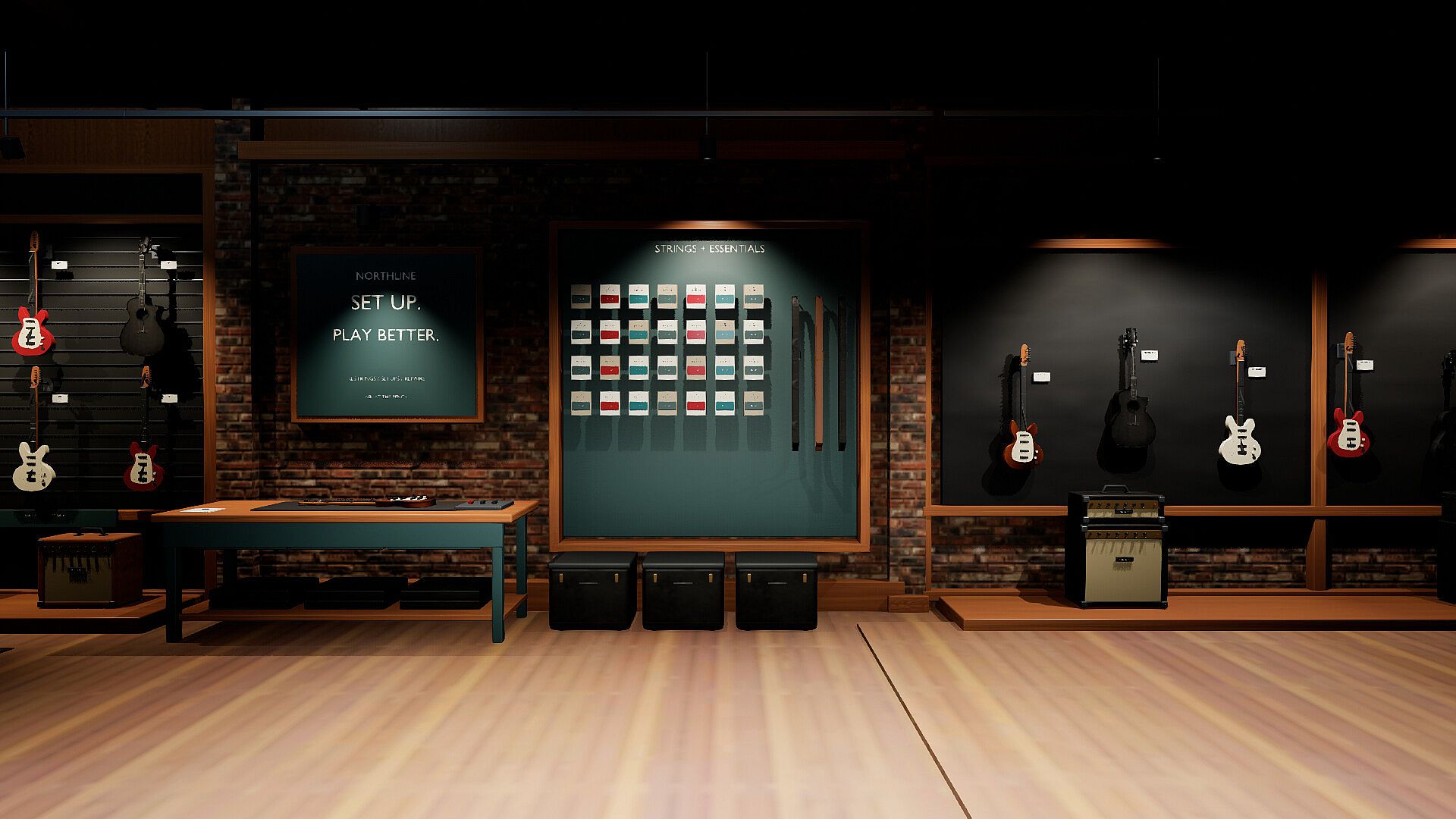
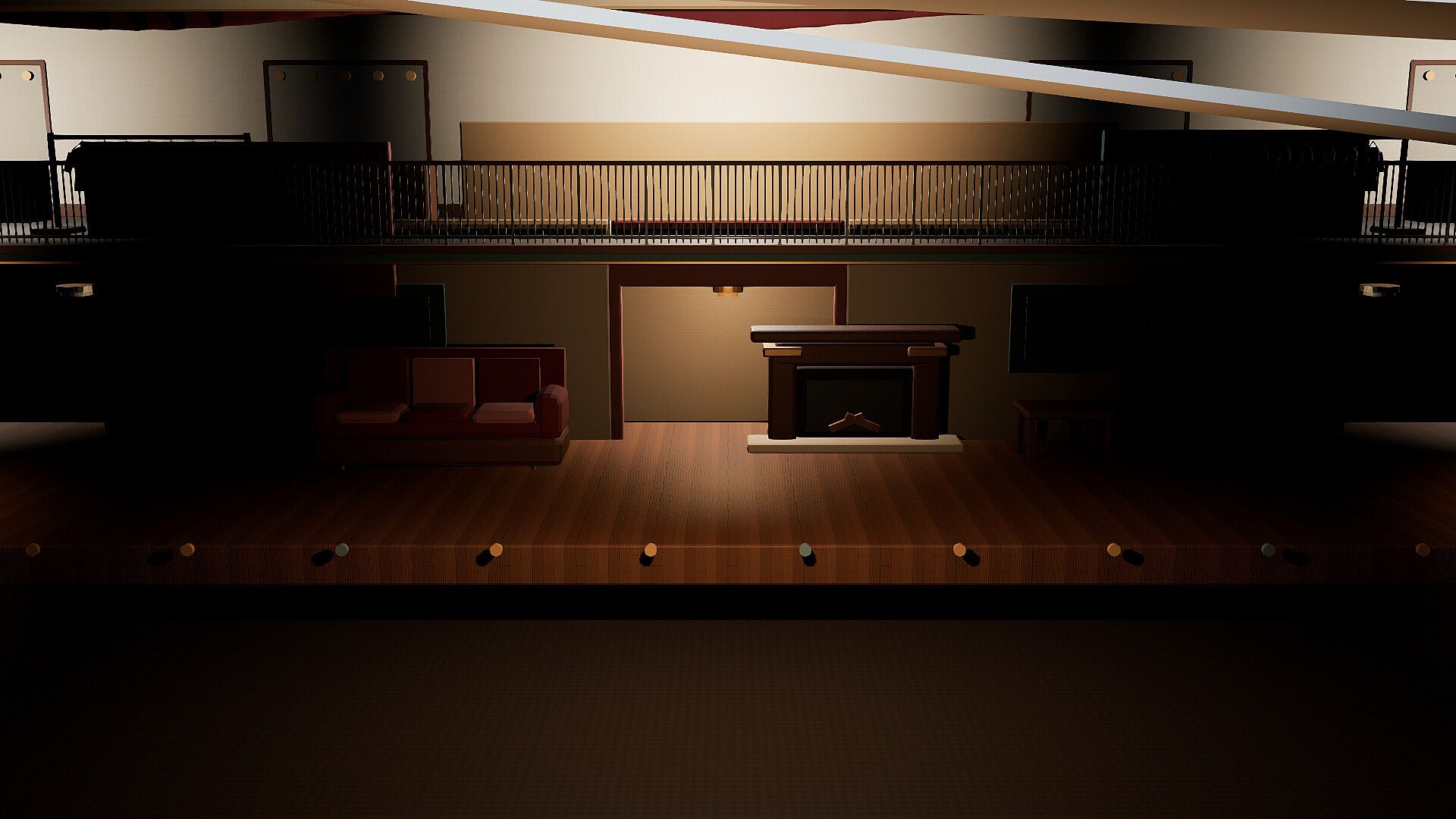
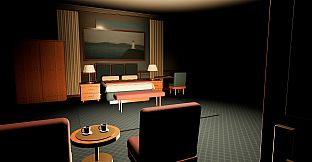
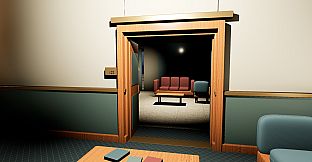
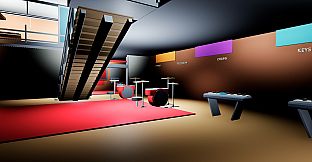
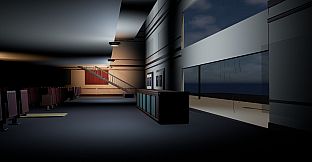
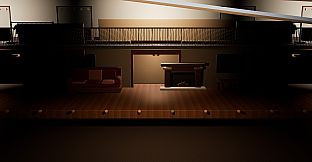
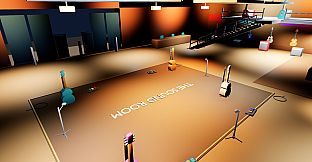
Matches unfold in furnished indoor settings designed for tight spaces and sudden encounters. Players start with limited information about item locations and timers, which encourages scouting and positioning before objectives activate. Combat centers on everyday objects that can be picked up, swung, thrown, or dropped. An unarmed player remains viable through movement and timing, as the emphasis stays on claiming or denying key items rather than direct elimination at every moment. Randomized elements such as starting spots, item placements, and round timers prevent repetition across sessions. The absence of single-player campaigns or leveling systems keeps the focus entirely on human opponents in short, replayable rounds.
Game Modes
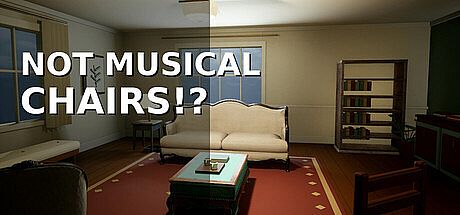
Five distinct modes each impose unique risks and strategies. In the mode titled Not Musical Chairs!?, participants move while music plays before rushing to secure scarce objects when it stops, with the last one standing declared the winner. Finders Keepers hides a powerful weapon that grants strength to its holder but marks that player as the primary target for everyone else. Dead Ringer requires passing a dangerous alarm clock before its timer runs out, turning possession into a liability. King of the Hill features a control zone that shifts location, awarding points only to the sole occupant. Marked for Removal assigns each participant a private target to eliminate while they attempt to identify and avoid their own hunter, with mistaken attacks revealing intentions. These modes rotate or combine within sessions to maintain variety.
Environments and Match Flow
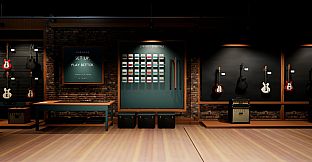
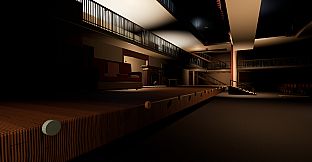
Multiple furnished locations support close-quarters action with limited sightlines that reward awareness and quick reactions. Starting positions, objective placements, and timing variables change between rounds, so players receive enough detail to form basic plans without feeling secure. The session-based structure means matches begin and end quickly, suiting groups that prefer repeated short bursts of play over extended campaigns. Improvised combat allows recovery of dropped items and fighting over contested objects, keeping every participant engaged even when initially unarmed.
Is It Worth Playing?
This title suits players who enjoy fast, objective-driven multiplayer without progression systems or narrative elements. The five modes create distinct pressures that reward observation, timing, and adaptability alongside direct confrontation. Matches support one to ten participants in purely human contests, emphasizing social interaction and repeated sessions over long-term unlocks. Those seeking casual action with indie flair and party-game unpredictability will find the core loop engaging, particularly if they appreciate first-person brawlers built around shared spaces and changing rules rather than standardized weapons or teams.











