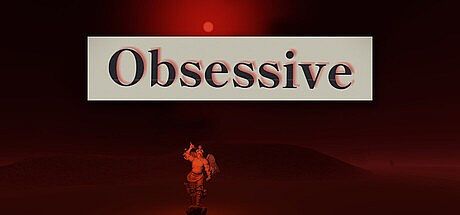


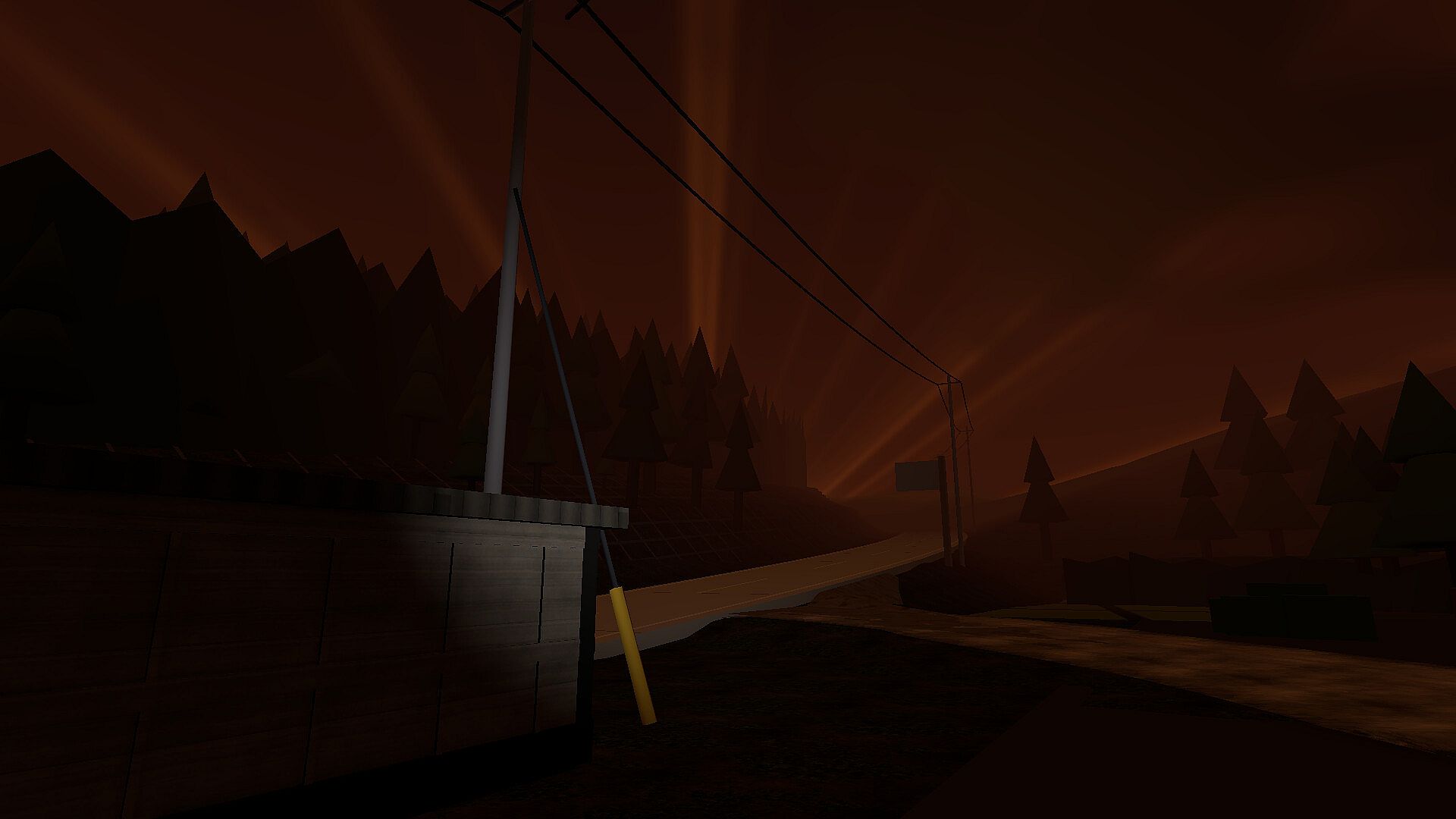
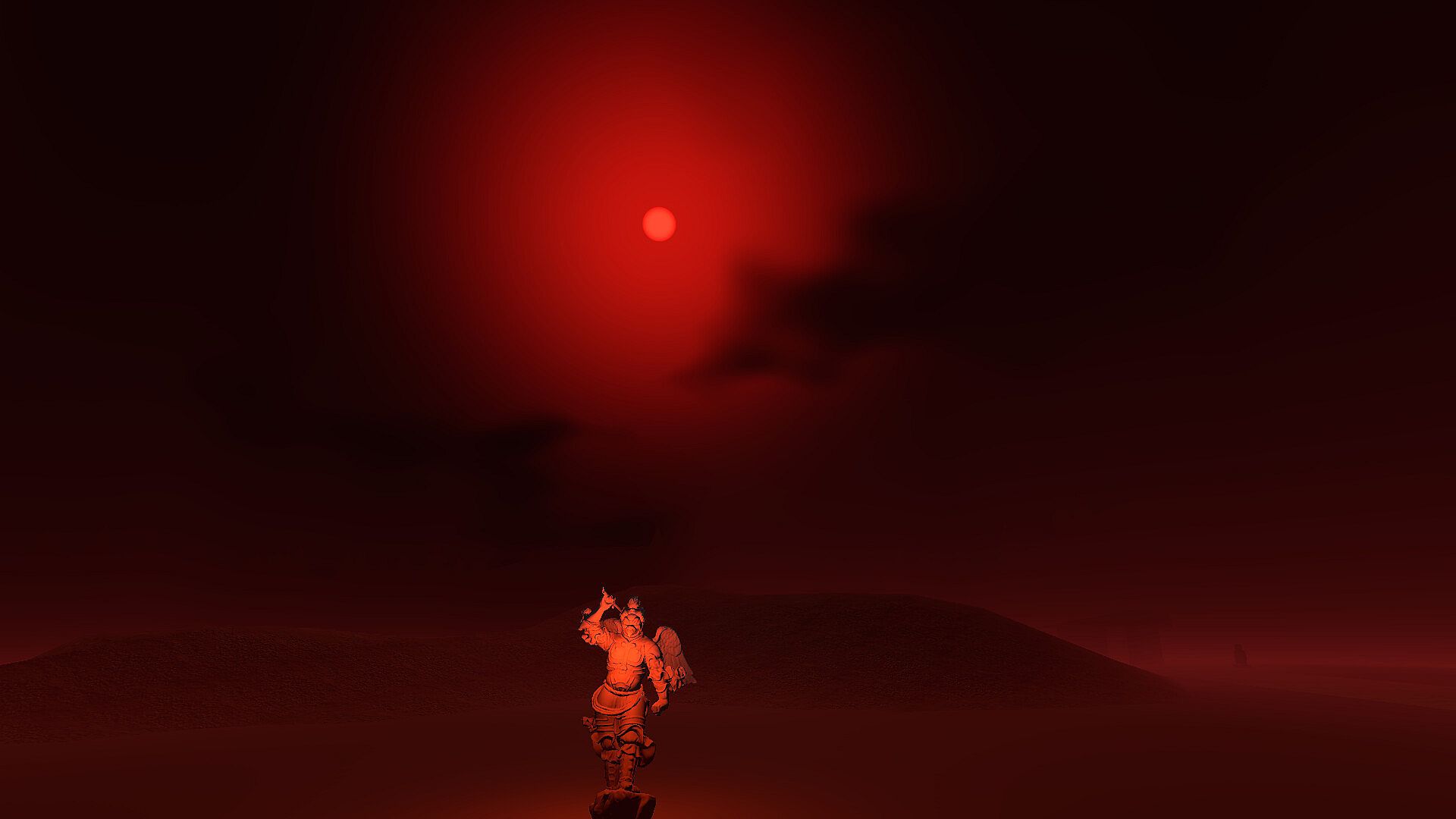
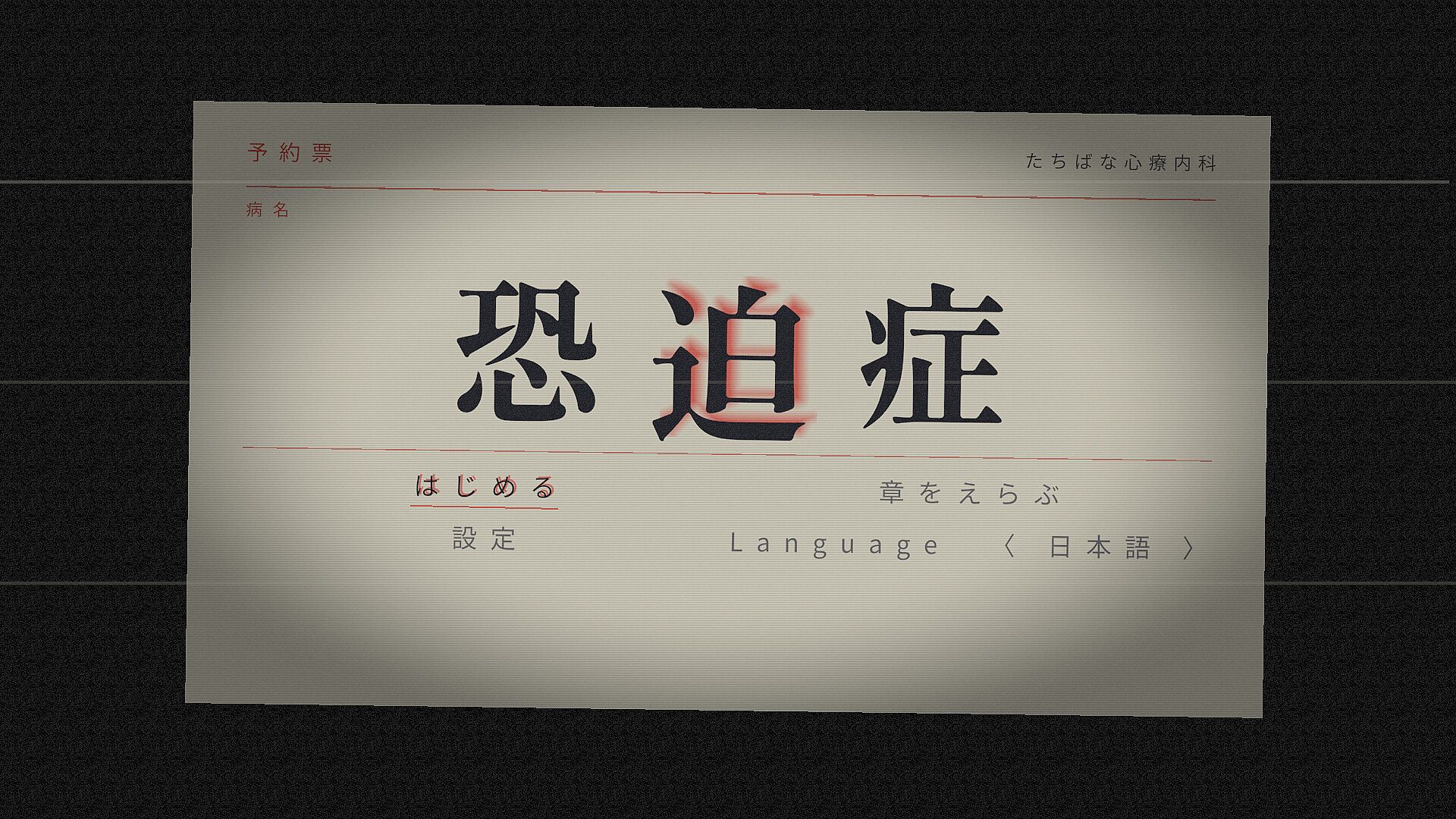
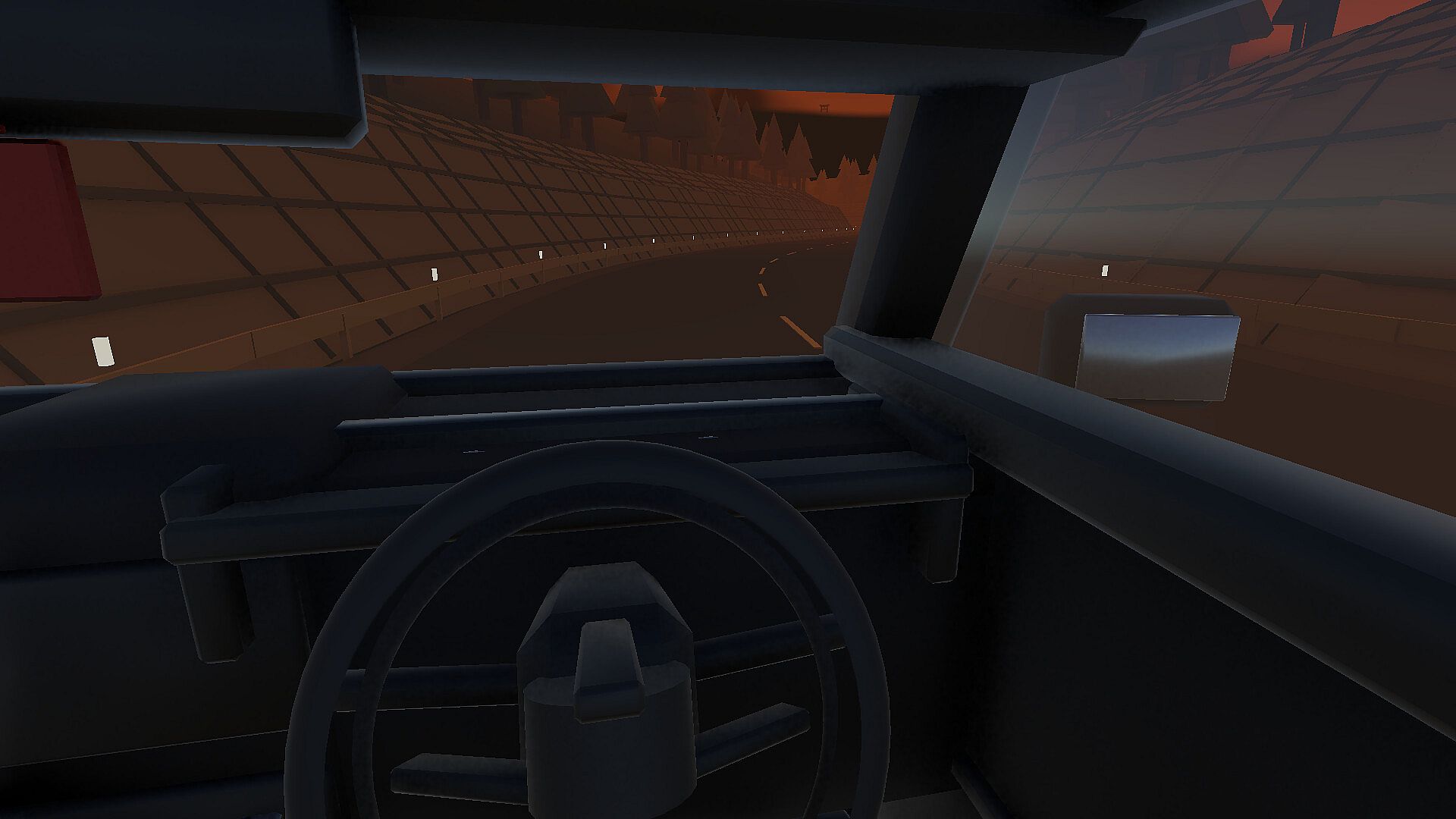
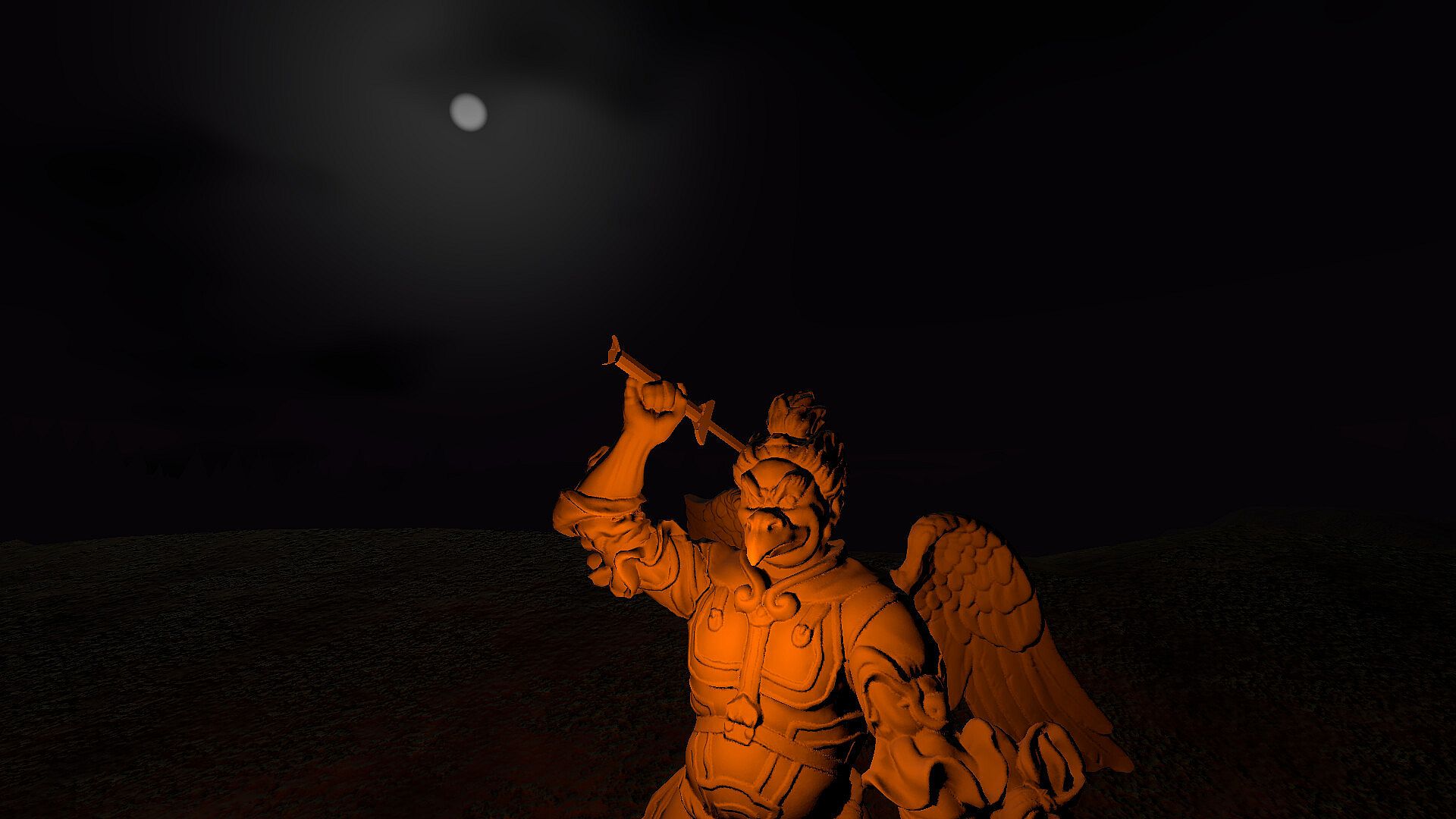
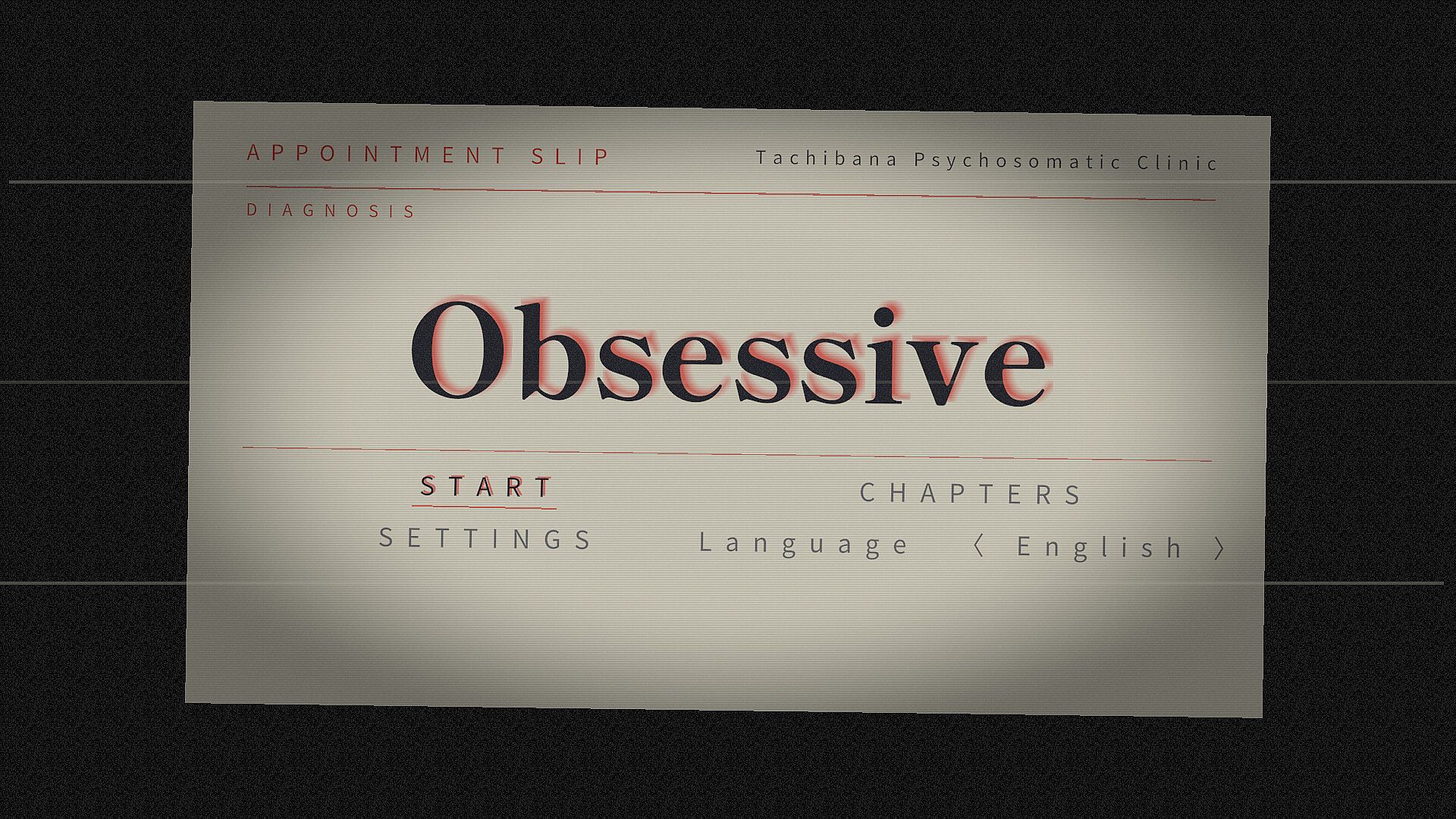
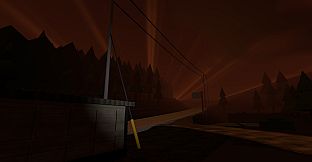

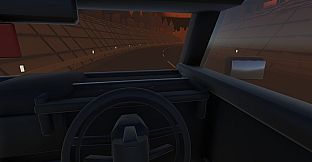

Obsessive is a first-person indie adventure horror game set in a single village. Players experience a compact psychological horror scenario centered on a pursuing stone statue and the compulsion to constantly verify its position. The title runs for one to two hours and draws directly from the clinical picture of obsessive-compulsive disorder to create tension through repeated checking rather than traditional chase mechanics.
Gameplay
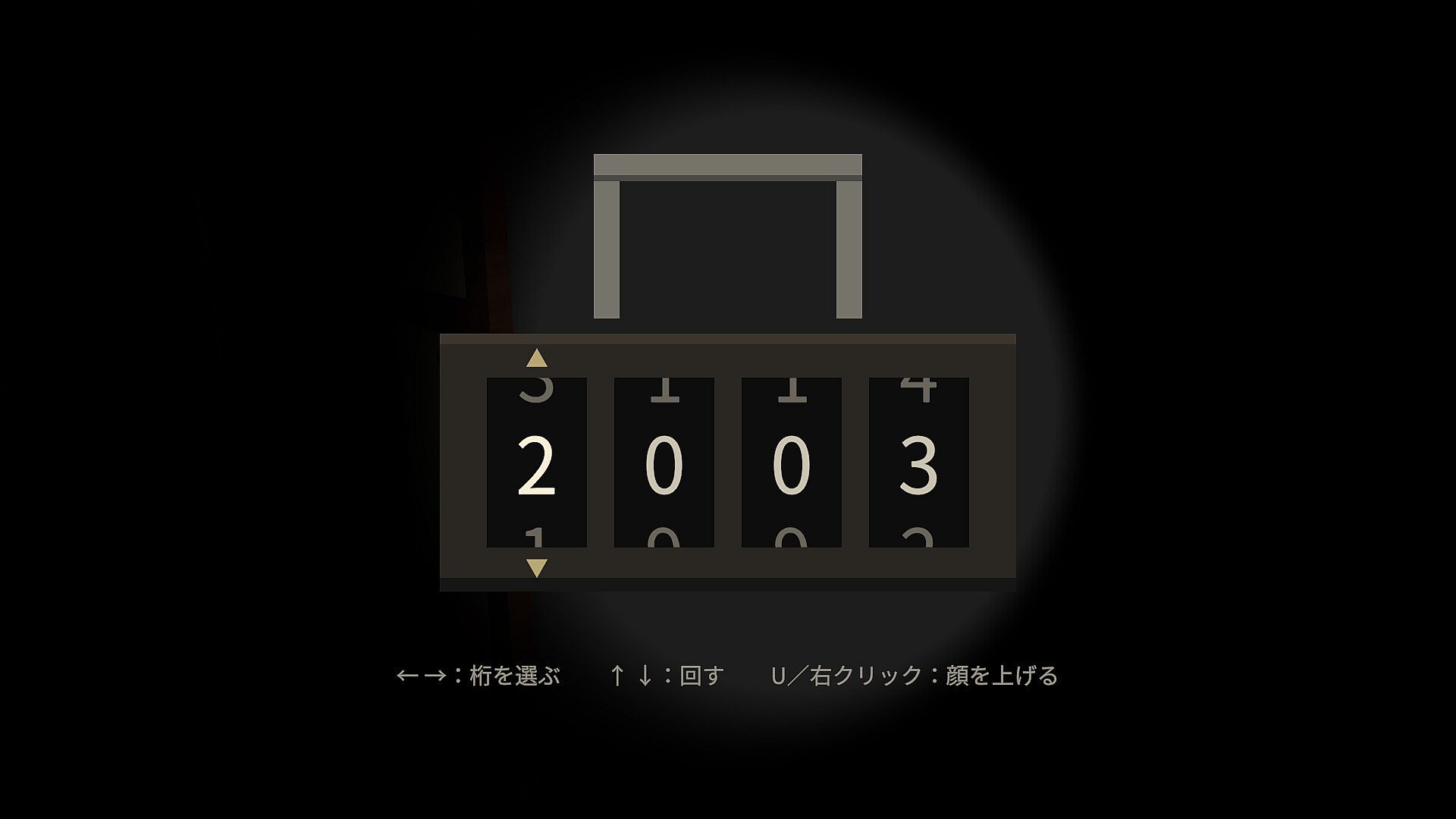
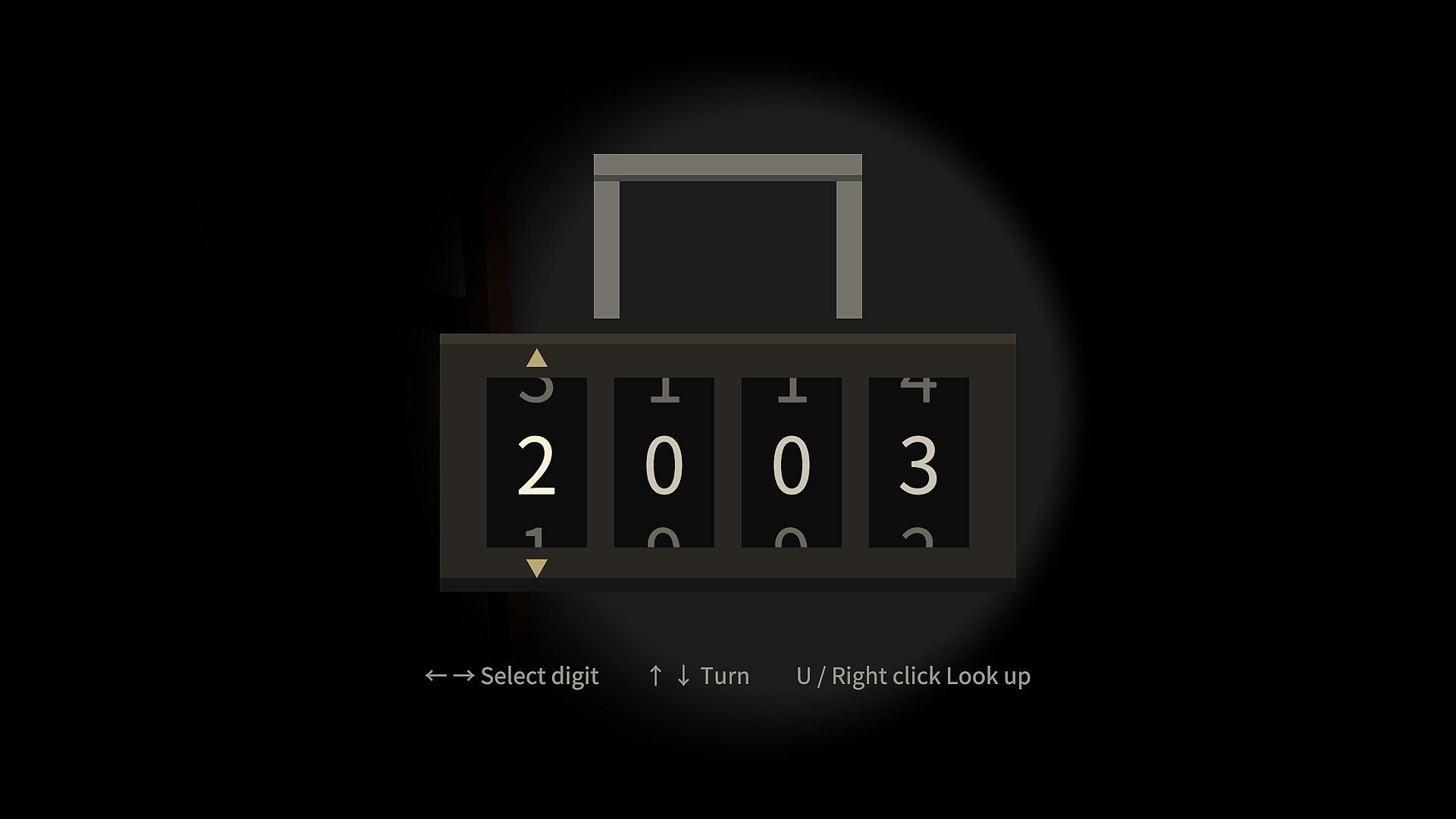
The core loop revolves around observation and verification. The stone statue remains still only while directly watched. Turning away allows it to close the distance, forcing players to manage their line of sight carefully. Outrunning the threat requires facing forward, which removes the ability to monitor the statue and heightens the risk. No stamina system or hiding spots exist, so survival depends entirely on looking, checking, turning back, and touching objects in the environment. Screen noise and flicker appear throughout to reinforce unease. The experience incorporates depictions of unwanted intrusive thoughts and death, all framed within the village setting.
Game Modes
Obsessive offers a single continuous playthrough with no separate game modes or variations. The entire session unfolds in one village across the stated one-to-two-hour duration. Players progress through the same sequence of checks and observations without branching paths or alternative formats.
Atmosphere and Themes
The horror stems from the inability to stop checking rather than from being chased. This approach mirrors the persistent doubt central to obsessive-compulsive disorder, where verification never fully resolves the underlying fear. The village environment supports this focus through limited spaces that encourage repeated glances over the shoulder and careful management of visibility. Visual effects such as persistent screen noise maintain a sense of instability without relying on jump scares or complex enemy behaviors.
Is It Worth Playing?
Obsessive suits players seeking a short, focused psychological horror experience built around compulsion and observation. Those interested in indie titles that explore mental health themes through mechanics rather than narrative exposition will find the approach distinctive. The absence of traditional survival elements like hiding or resource management keeps the emphasis on the checking loop. The game includes content warnings for intrusive thoughts and death, along with the note that it draws on OCD for inspiration but provides no medical advice or diagnostic value. Availability on PC makes it accessible for a single sitting, particularly for audiences drawn to concise Japanese-style horror concepts centered on psychological tension.