







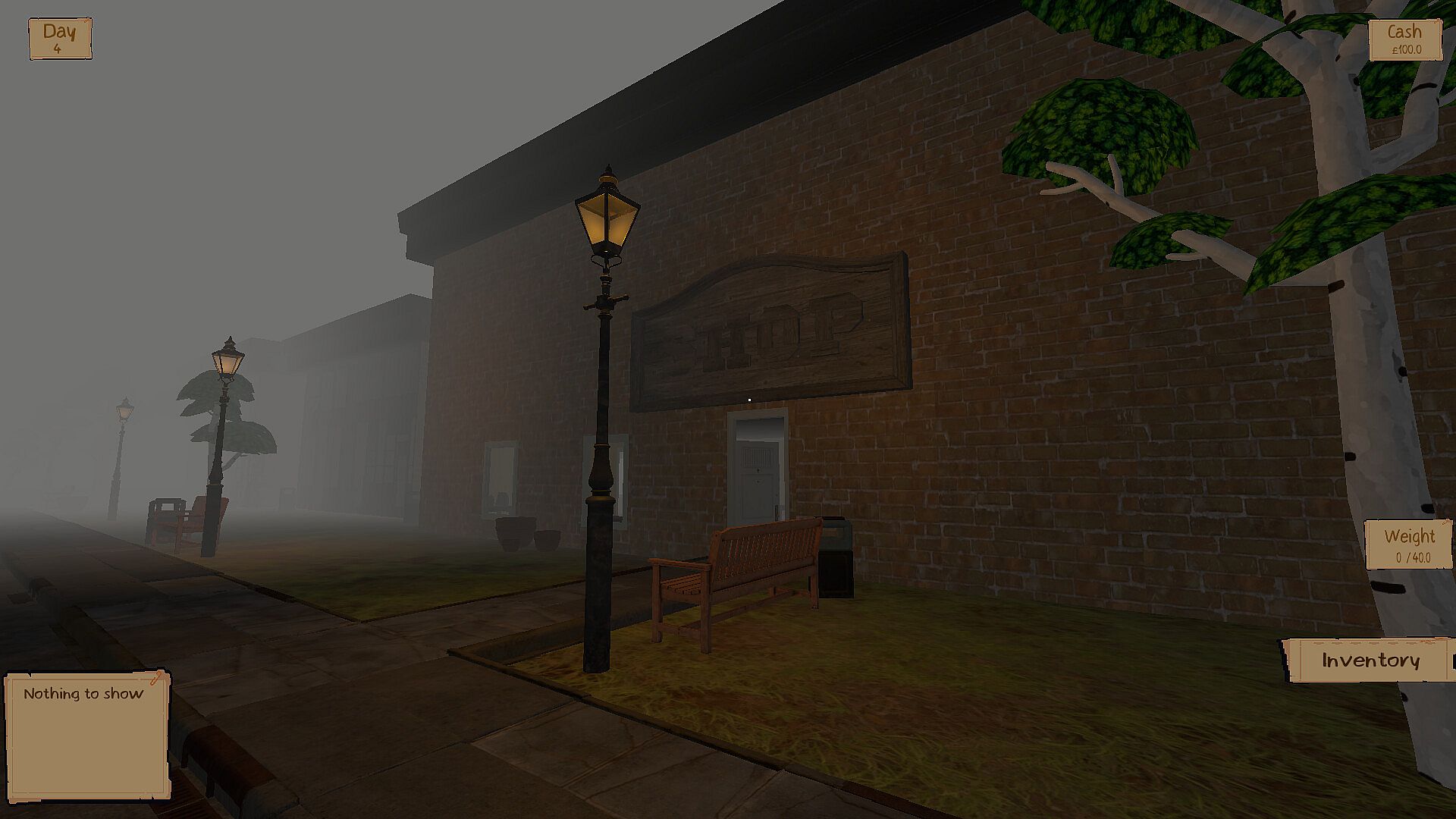

Oddments & Offerings is a single-player indie simulation adventure game that blends shop management with tense nighttime exploration. Players run a mysterious antique shop by day and venture into hazardous extraction zones at night to recover valuable objects. The title sits in Early Access on PC and combines action elements with simulation mechanics focused on inventory decisions and store expansion.
Gameplay
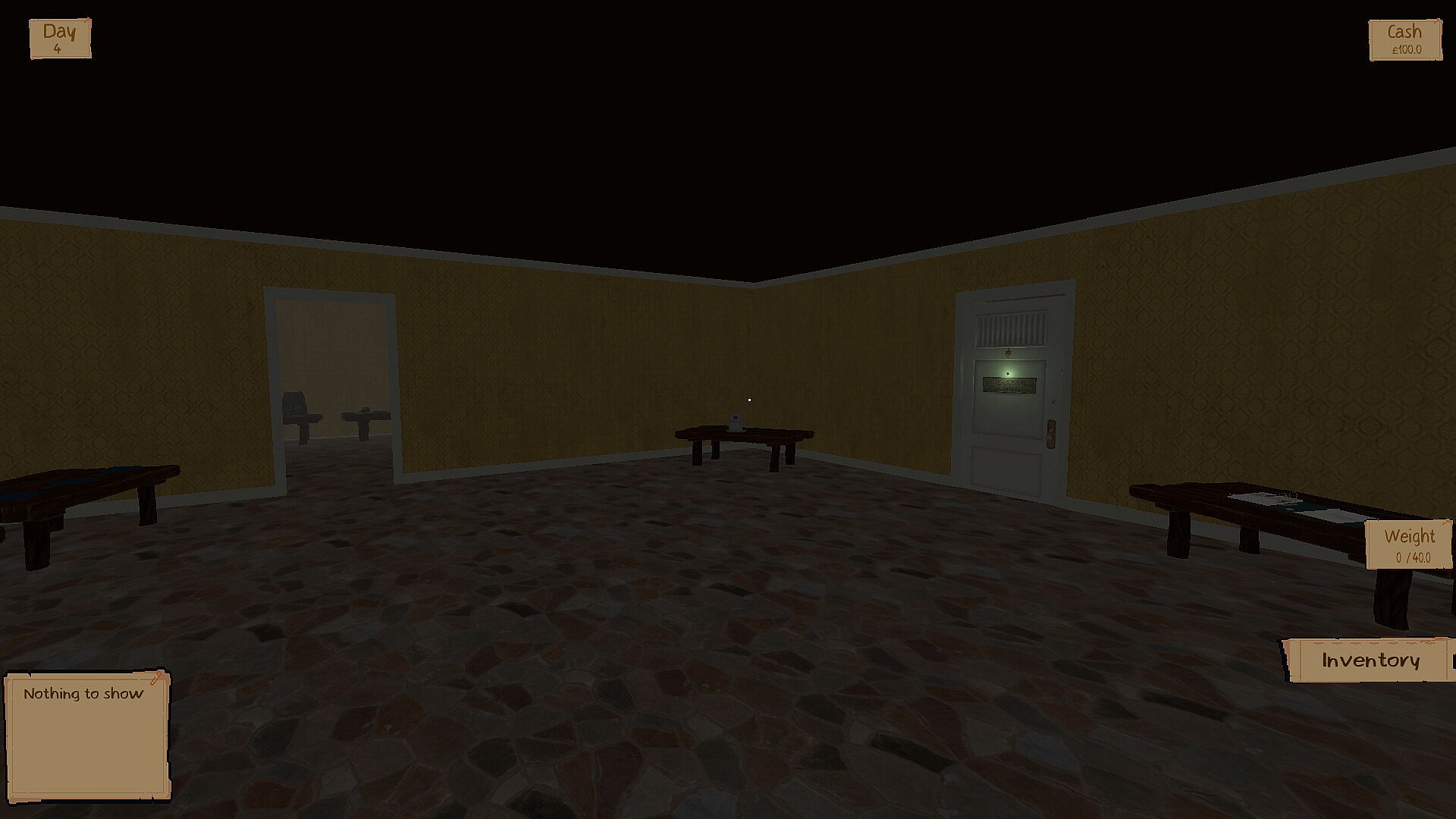
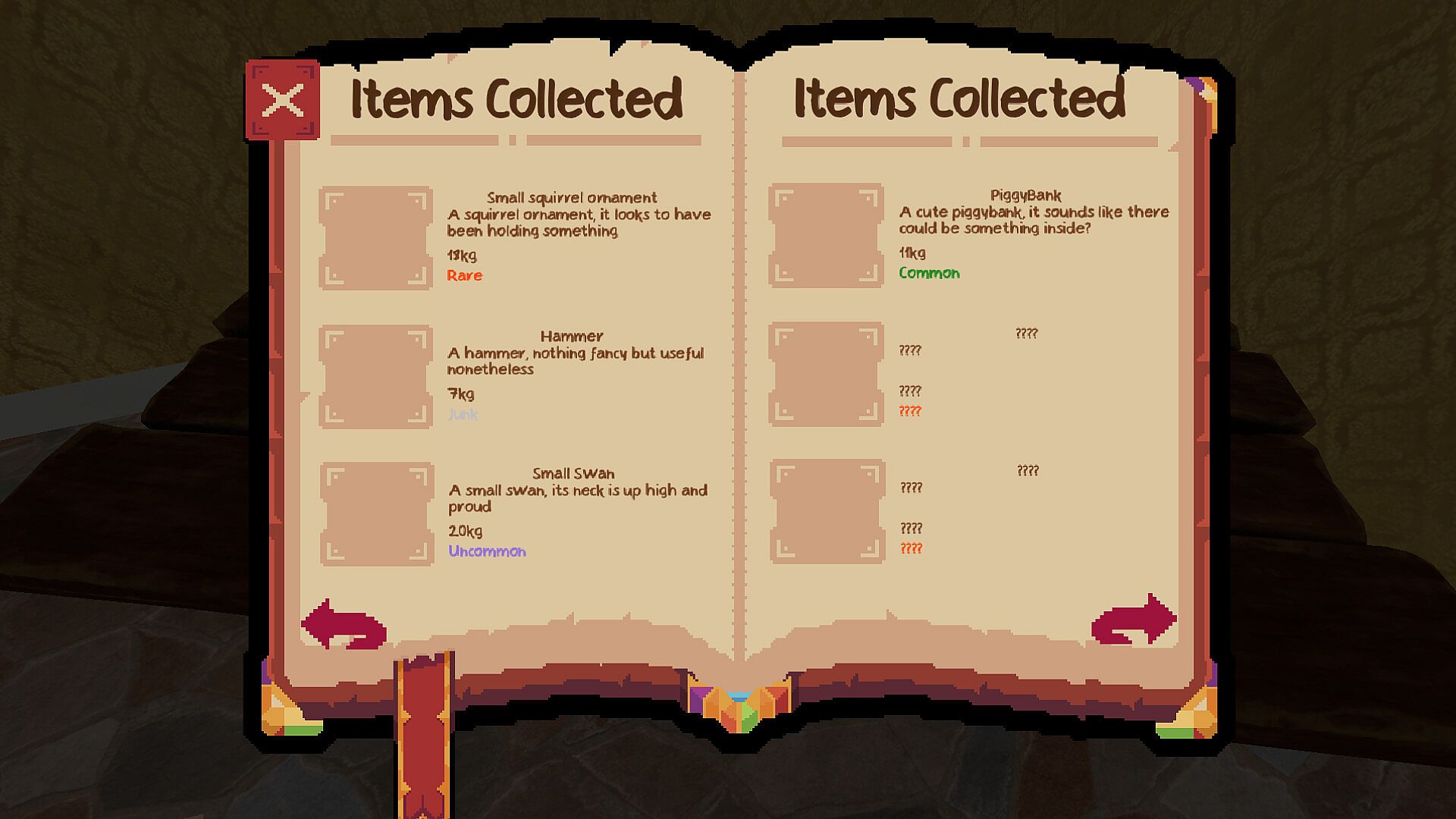
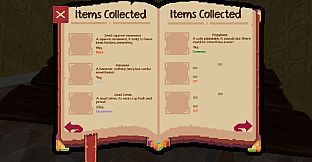
During daylight hours the focus shifts to running the antique shop. Recovered items become inventory that can be sold for profit. Earnings fund upgrades that unlock new store areas and improve overall capabilities. Players arrange displays to showcase rare artifacts while tracking collections in a dedicated book. Some objects carry hidden properties that may influence shop operations or future choices.
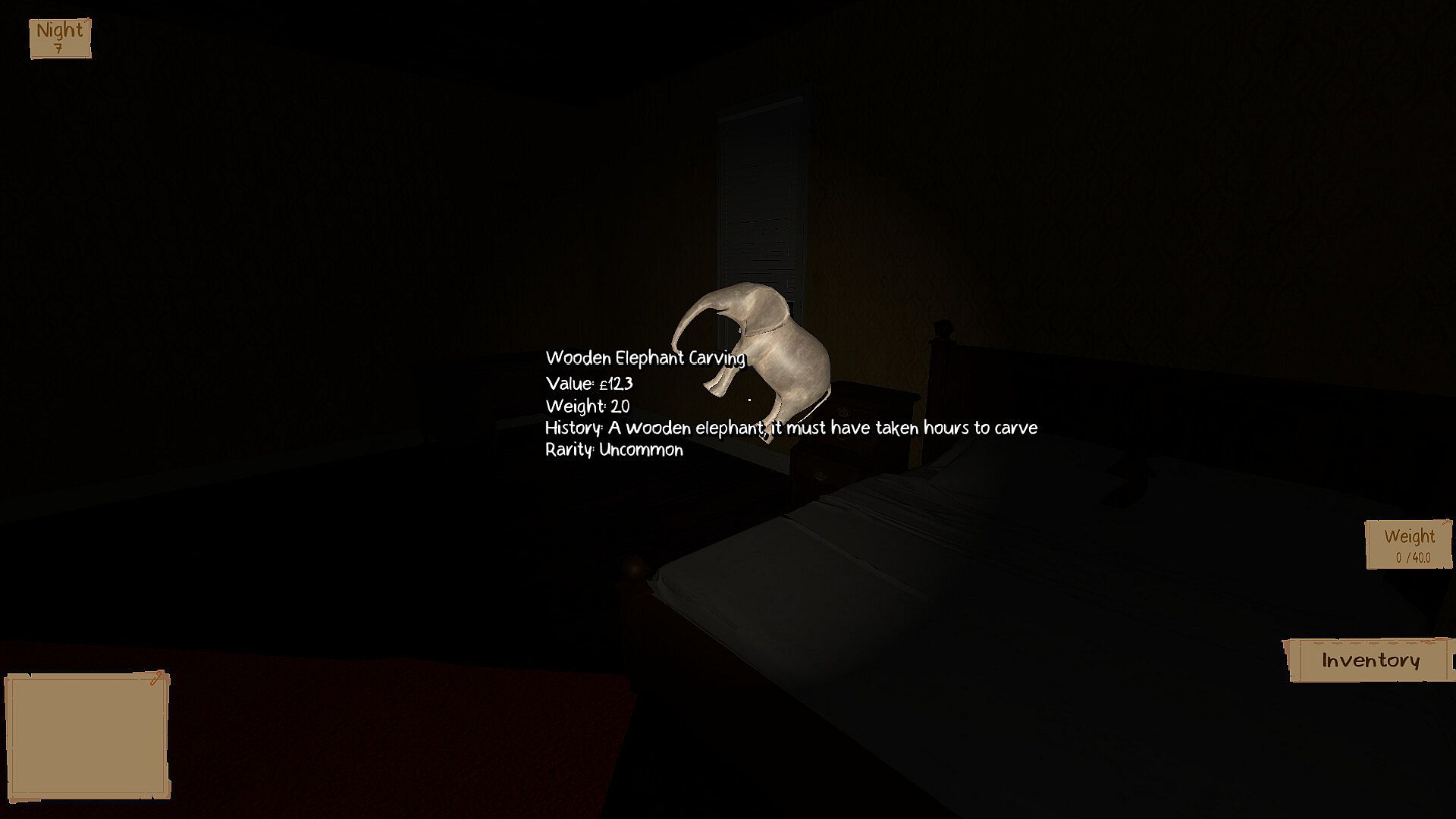
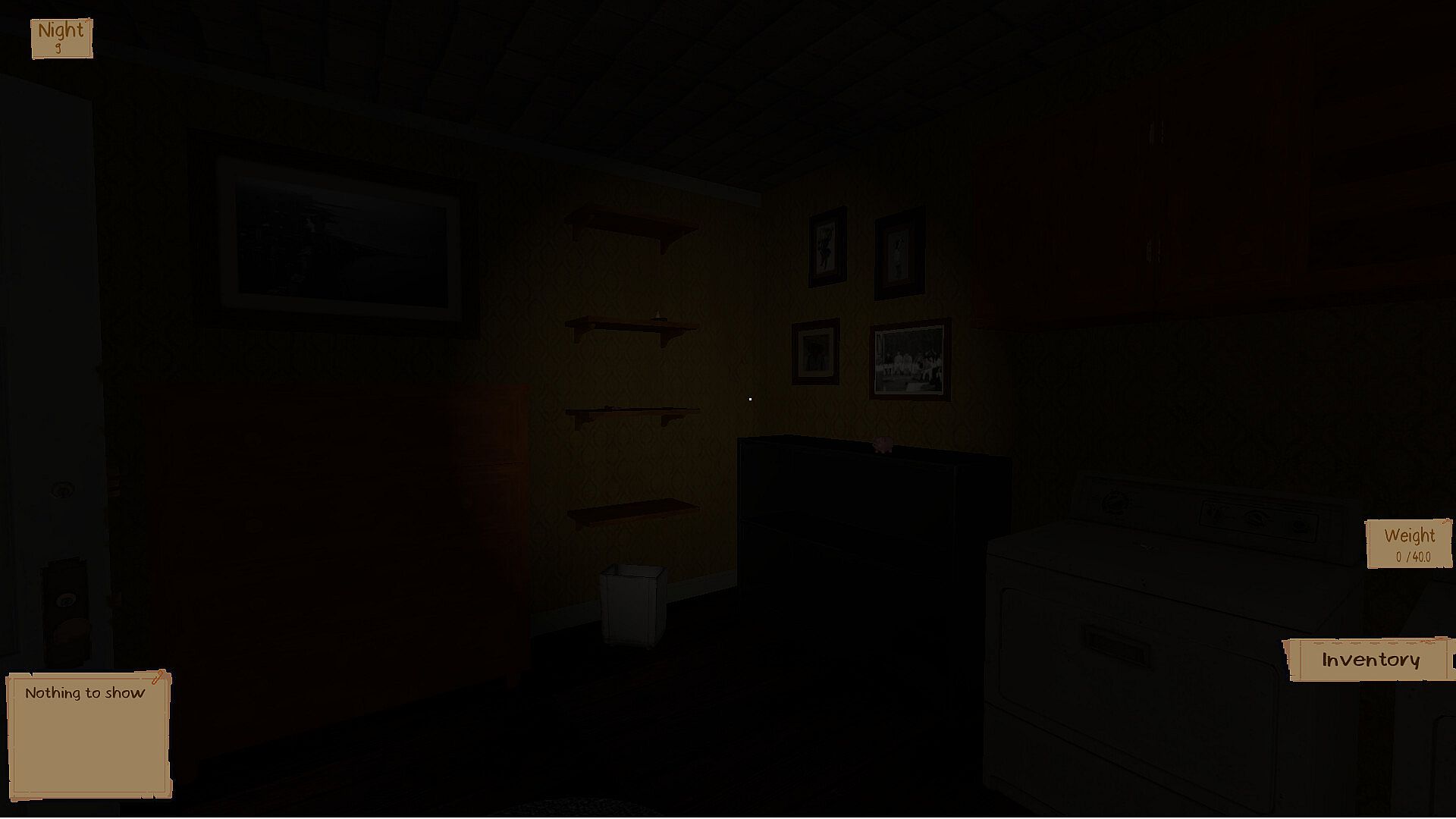
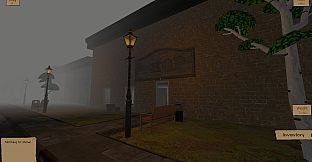
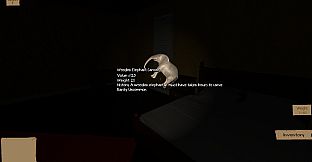
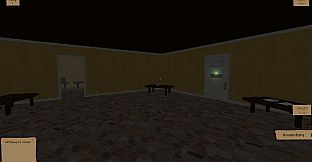
Nighttime shifts the pace to exploration and extraction. Abandoned mansions, hedge mazes, and similar locations serve as search sites. Players examine furniture, rooms, and concealed spots for antiques and unusual objects. Limited carrying capacity forces constant trade-offs because every item carries weight. Decisions about what to keep and what to abandon directly affect potential earnings and collection progress. Deeper exploration increases both rewards and dangers from whatever inhabits the zones.
The core loop ties the two phases together. Profits from daytime sales support better equipment and expanded storage for future nighttime runs. Discoveries feed back into the shop as both merchandise and personal collections. The system emphasizes careful planning over speed, with each run shaping the store's growth and the player's available options.
Game Modes
Oddments & Offerings centers on a single integrated experience rather than separate named modes. The day phase handles shop management and progression while the night phase delivers the extraction gameplay. This cycle repeats as the primary structure, with no additional multiplayer or competitive options described. Progression comes through store upgrades, new accessible areas, and an expanding collection of artifacts rather than distinct game variants.
Shop Building and Collection Systems
Store development forms a key progression layer. Profits convert into room unlocks, ability improvements, and larger display spaces. Players decide how to allocate resources between immediate sales and long-term collection goals. The collection book tracks found items, encouraging players to retain certain artifacts instead of selling everything. This creates ongoing choices about which objects hold personal or strategic value beyond their market price.
Inventory management adds tension during extractions. Weight limits mean players must evaluate each find on the spot. Common items offer reliable but modest returns, while rarer pieces promise higher value at the cost of reduced mobility. Returning safely with high-value loot requires balancing risk against reward across multiple runs.
Is It Worth Playing?
The game appeals to players who enjoy deliberate pacing and interconnected systems. Those drawn to shop simulation combined with light survival extraction will find the day-night structure engaging. Early Access status means the experience continues to evolve through updates, though the core loop of recovery, sales, and expansion is already present. Anyone seeking fast-paced action or large-scale multiplayer may find the focused single-player design less suitable. The title rewards patience with inventory decisions and steady store growth over repeated sessions.











