





Off the Clock: 13/F is a first-person indie adventure game that blends anomaly spotting with thriller and horror elements on PC. Players navigate a repeating office building after hours, relying on observation and memory to progress through floors that loop without end.
Gameplay
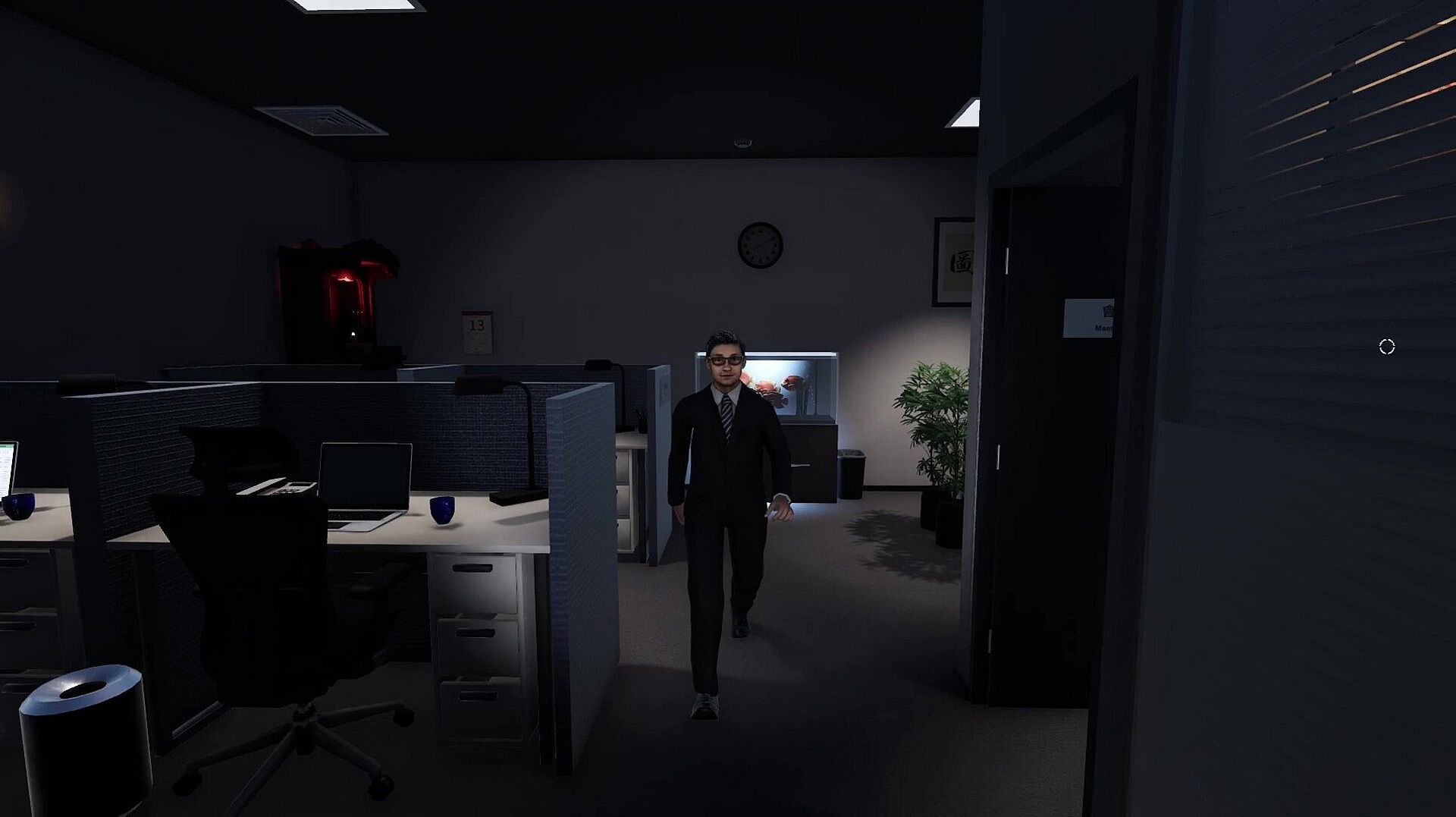
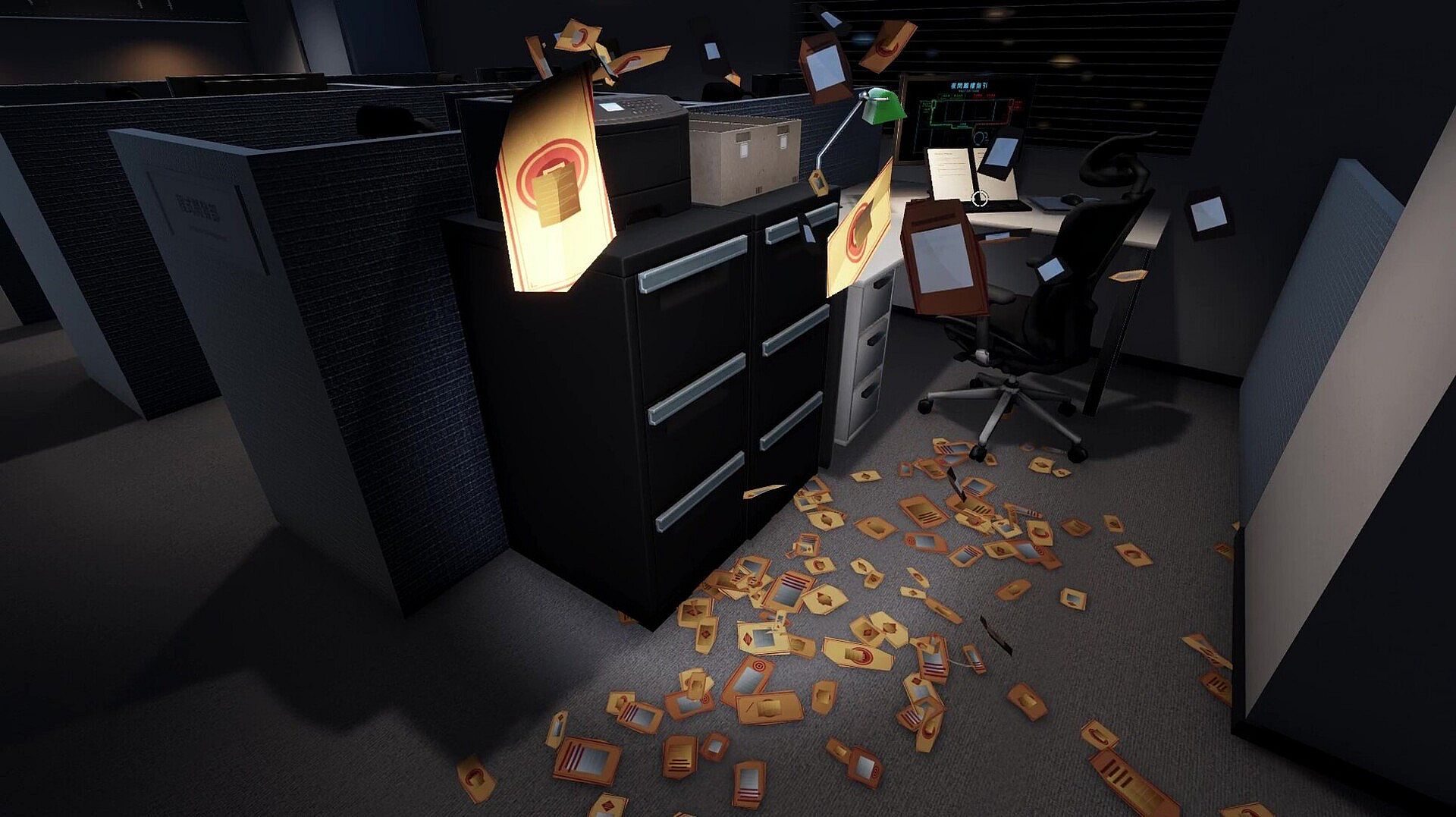
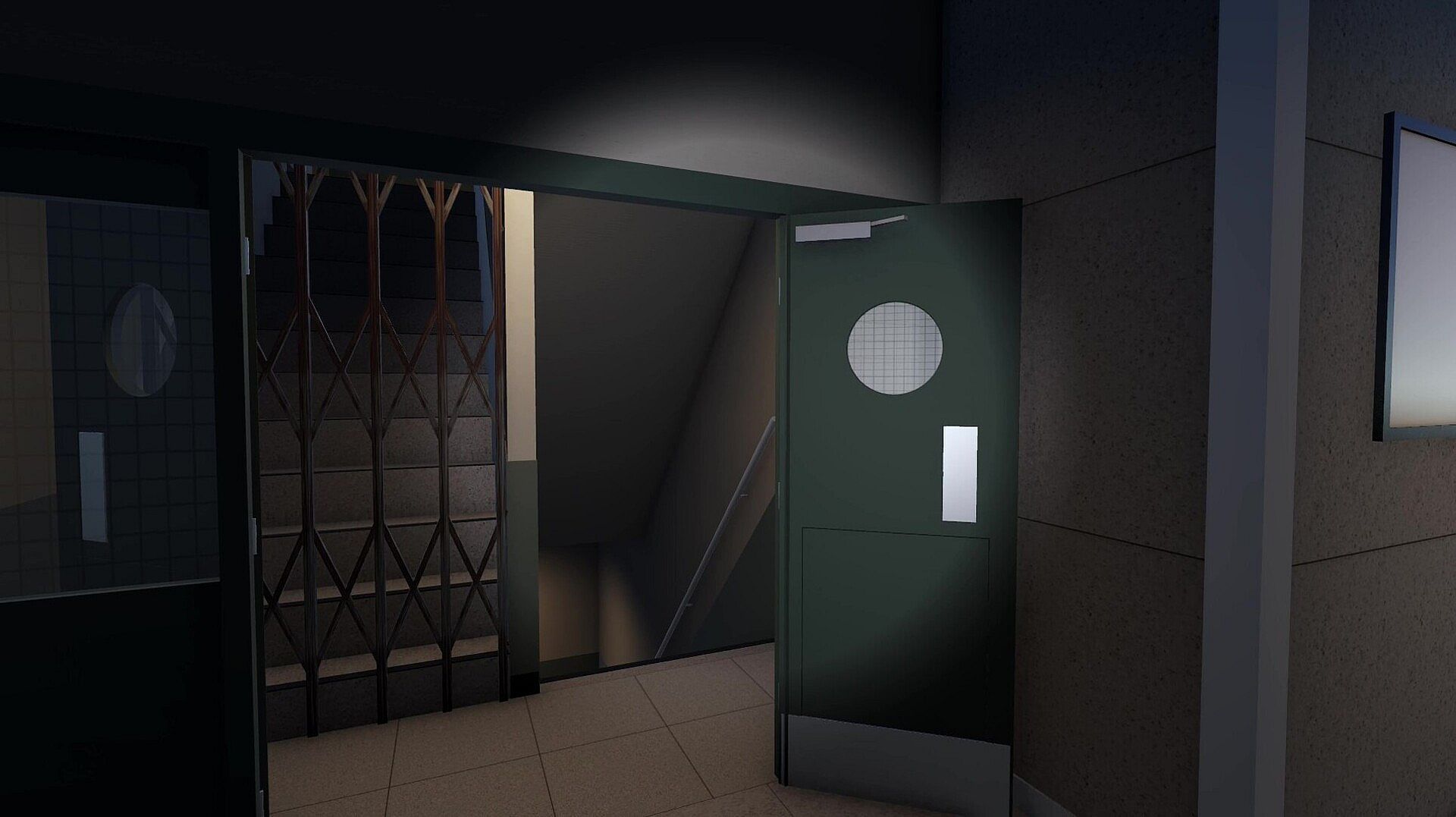
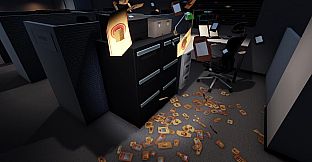
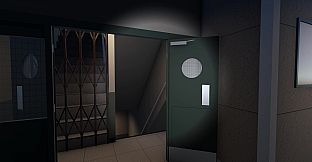
The core loop centers on descending stairs from the 13th floor in a modern office tower. Each floor presents the same layout of desks, copiers, and empty spaces. The player examines the environment for changes that signal an anomaly. Correct identification directs the choice between the fire exit or the staff exit. Subtle visual shifts, such as altered lighting from older tungsten bulbs or objects out of place, require careful scanning. Sound cues alone mark some anomalies, making headphones useful for detecting faint differences like a copier activating on its own or distant movements.
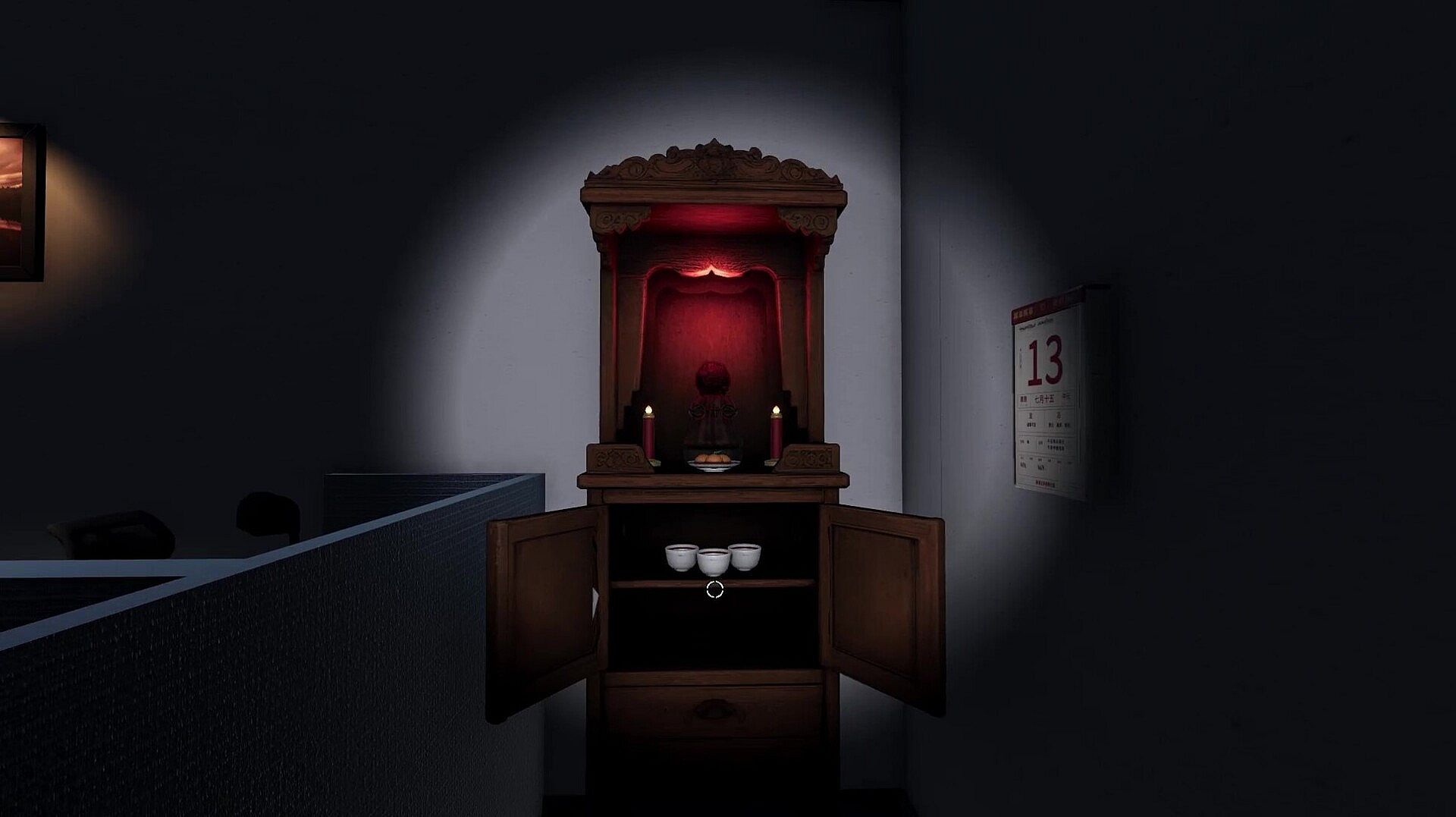
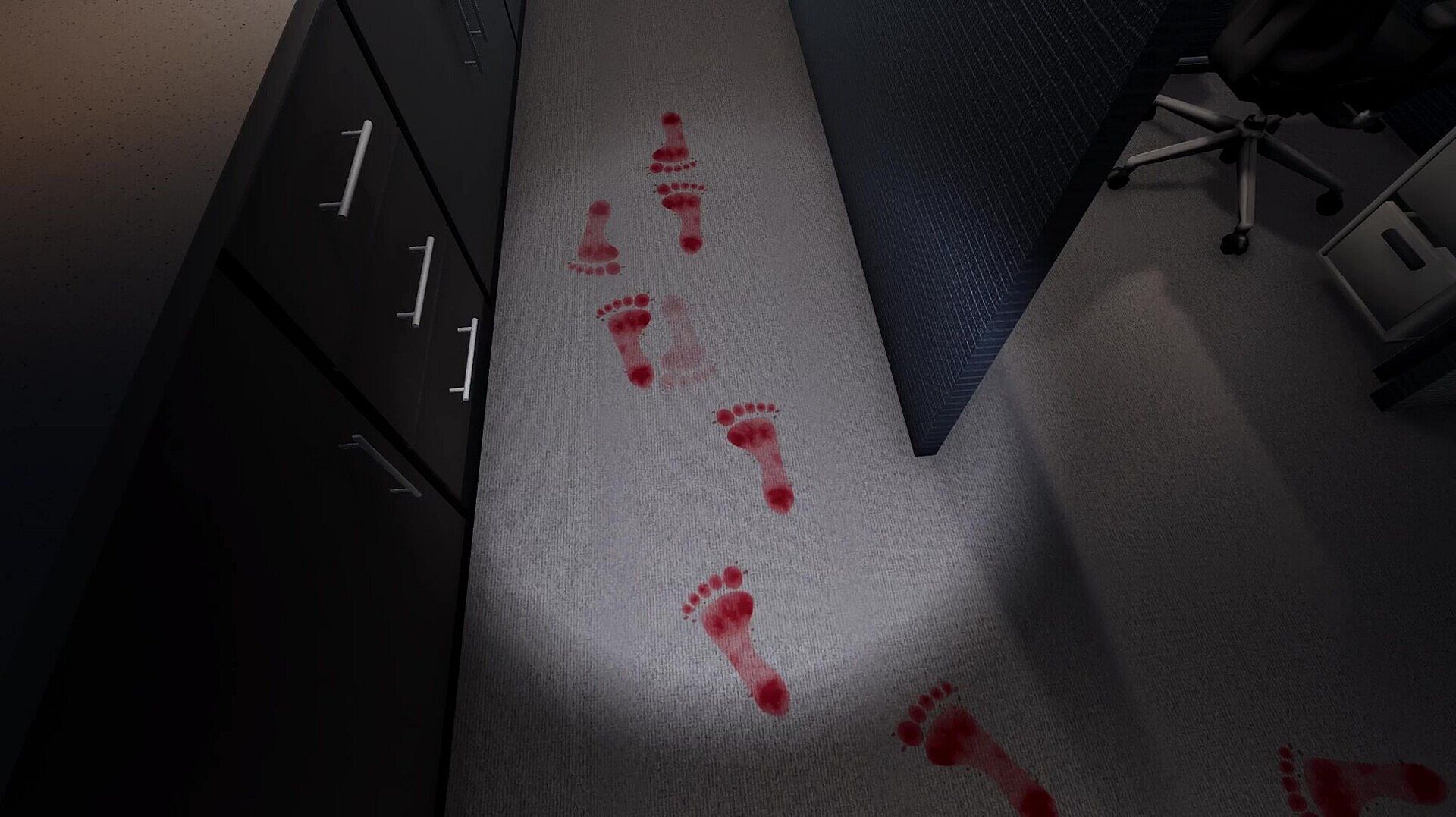
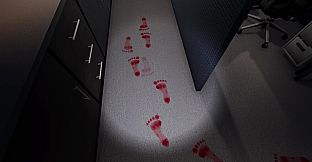
Anomalies draw from a 1980s and 1990s office aesthetic that bleeds into the present setting. Examples include a paper talisman taped behind a chair or a human shape visible through a wall. Most anomalies remain passive and do not directly threaten the player, yet each reveals details about the building's structure and the reason certain individuals remain after hours. Spotting one correctly yields a memory fragment. These fragments collect in an archive that persists across multiple playthroughs, allowing players to piece together the larger narrative about why the stairs never reach the ground floor and why this worker stayed behind.
The game emphasizes restraint in its horror presentation. Tension builds through repetition and the slow accumulation of clues rather than sudden scares. Behavior patterns in the environment, combined with visual and audio details, form the primary mechanics. Keyboard and mouse controls support precise observation in first-person view.
Game Modes
Off the Clock: 13/F operates as a single-player experience with no separate multiplayer or competitive modes. The main progression follows the stairwell descent, where each run tests memory and attention to detail. After reaching the ground floor once, the building grants access to additional content on subsequent attempts. Certain anomalies and story elements appear only after the player has already uncovered key memory fragments, encouraging repeated play to explore variations.
The memory-fragment archive carries forward between runs, supporting a structure that rewards observation over speed. Multiple endings exist, each tied to how thoroughly the player assembles the collected fragments and interprets the anomalies encountered. No additional game modes such as time trials or alternative scenarios have been confirmed beyond this core single-player loop.
Narrative and Atmosphere
The story unfolds through environmental storytelling and the memory fragments recovered from anomalies. Late-night overtime leaves the protagonist as the last person in the tower, with the elevator out of service. Every opened door returns to identical office spaces, creating a sense of inescapable repetition. The anomalies represent echoes of past workers who never left, their presence tied to the building's unusual properties. Quiet details, such as self-starting equipment or figures bleeding through surfaces, convey the theme without overt exposition.
Atmosphere relies on the contrast between a familiar modern office and intrusions from earlier decades. The restrained presentation keeps focus on player interpretation. Headphones enhance the audio layer, where isolated sounds provide critical information about anomalies that visuals alone might miss.
Is It Worth Playing?
Off the Clock: 13/F suits players who enjoy deliberate, observation-based gameplay in a single-player horror setting. The anomaly-spotting mechanics demand attention to small changes in visuals, sound, and behavior, while the persistent memory archive and multiple endings provide replay value once the initial descent is complete. As an upcoming indie title with confirmed features centered on narrative discovery through fragments, it appeals to those interested in atmospheric thrillers rather than action or combat. The game targets a measured pace built around memory and pattern recognition, with system requirements that support standard PC hardware for 1080p performance. No release date details or post-launch support plans have been specified yet, so interest should focus on the described core experience of anomaly identification and story reconstruction.













