



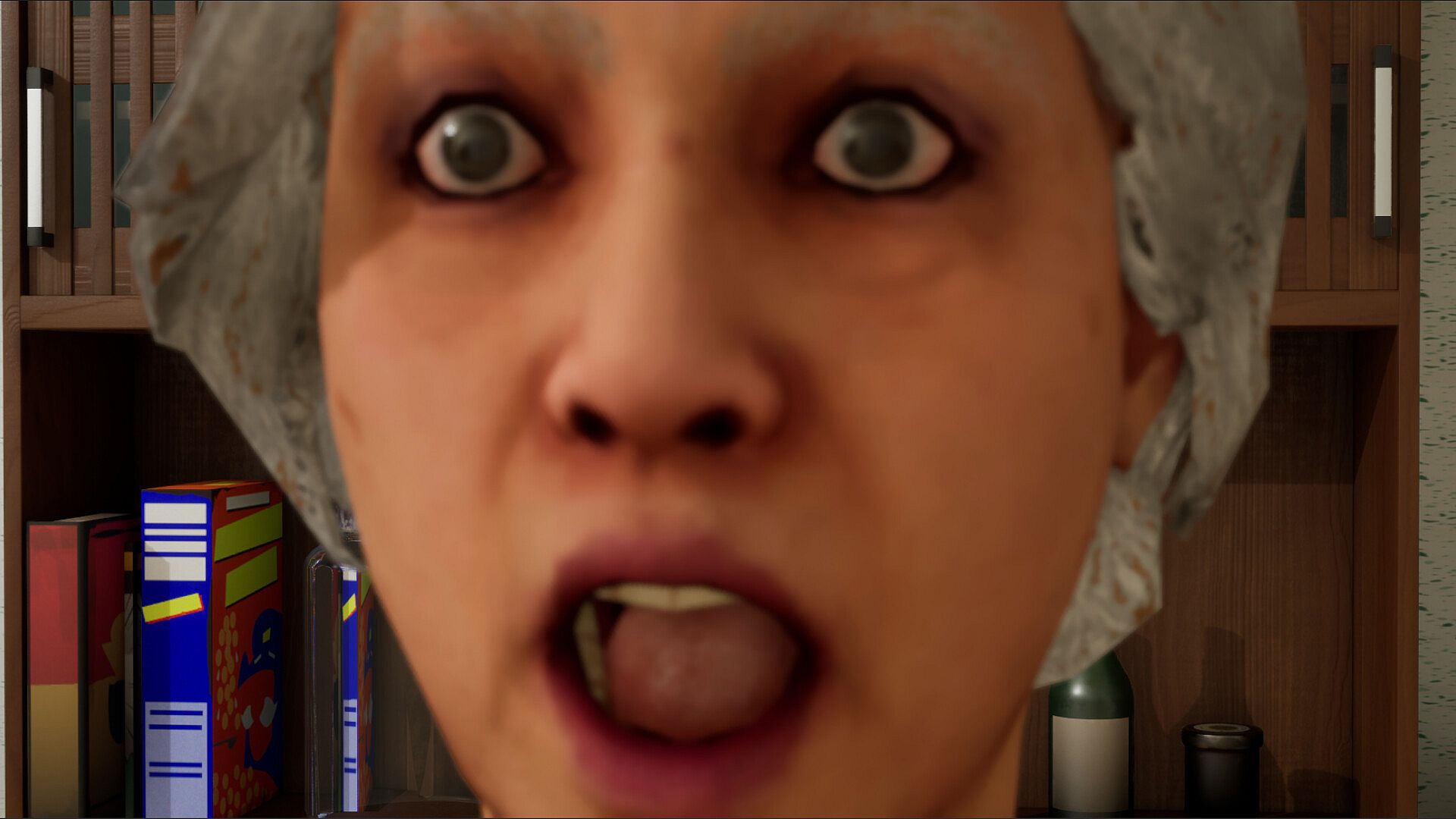



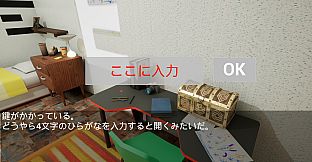
おかあさん is a Japanese horror puzzle walking simulator developed for PC. Players step into a tense domestic scenario where quick decisions and careful observation determine whether a mother survives a sudden crisis. The experience blends light adventure elements with strict puzzle constraints, all wrapped in a narrative that shifts from apparent warmth to unsettling horror.
Gameplay
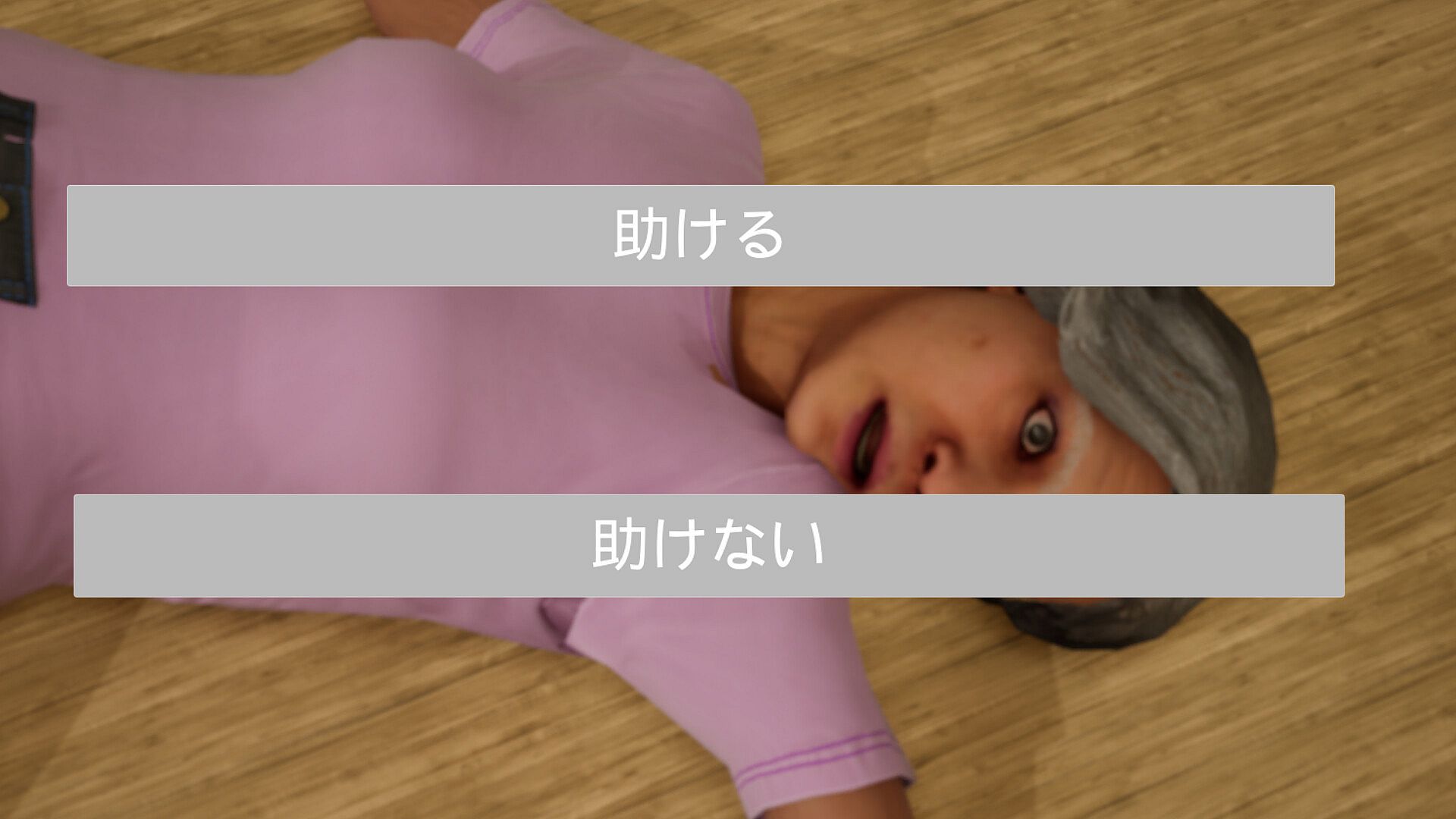
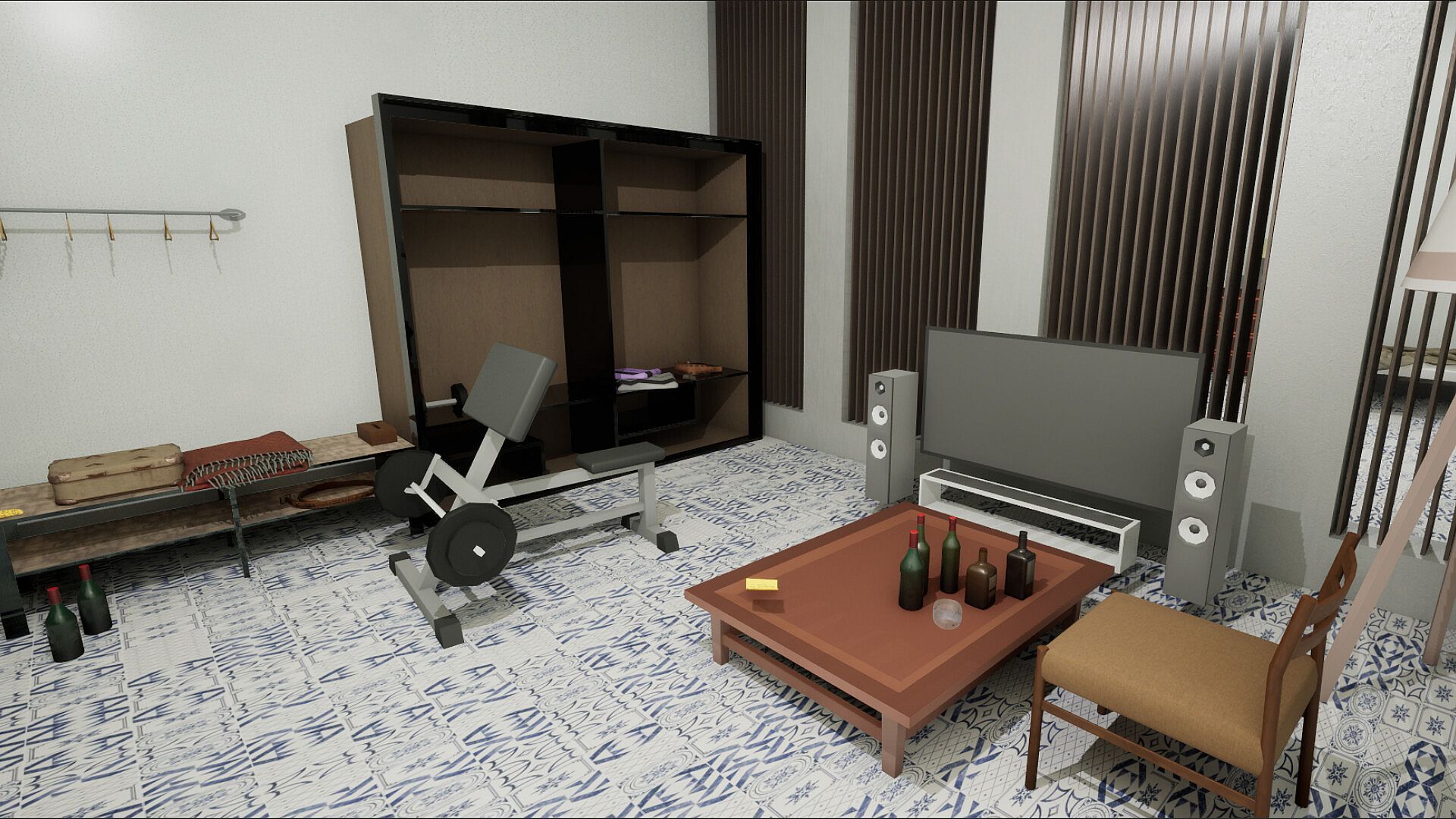
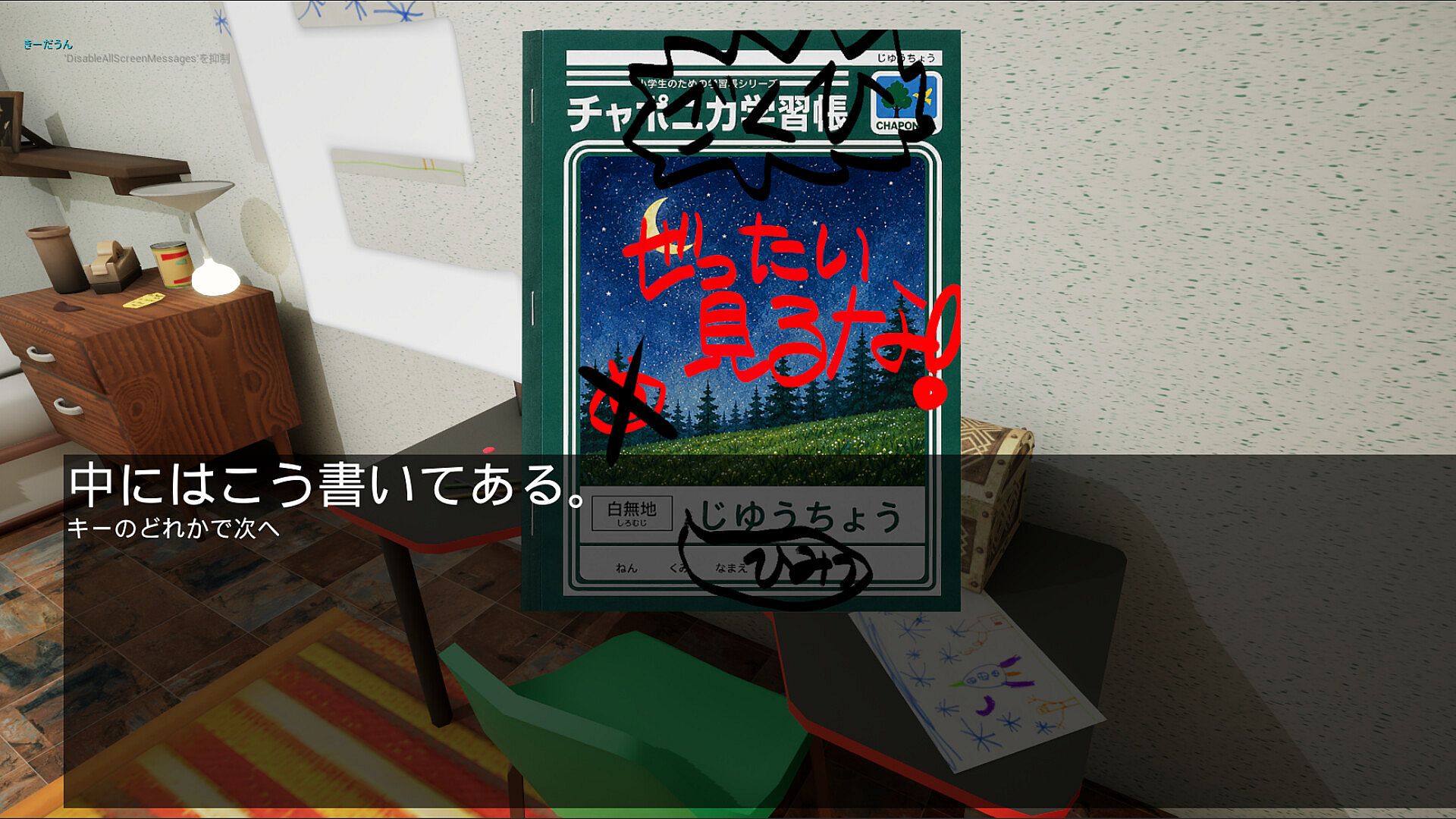
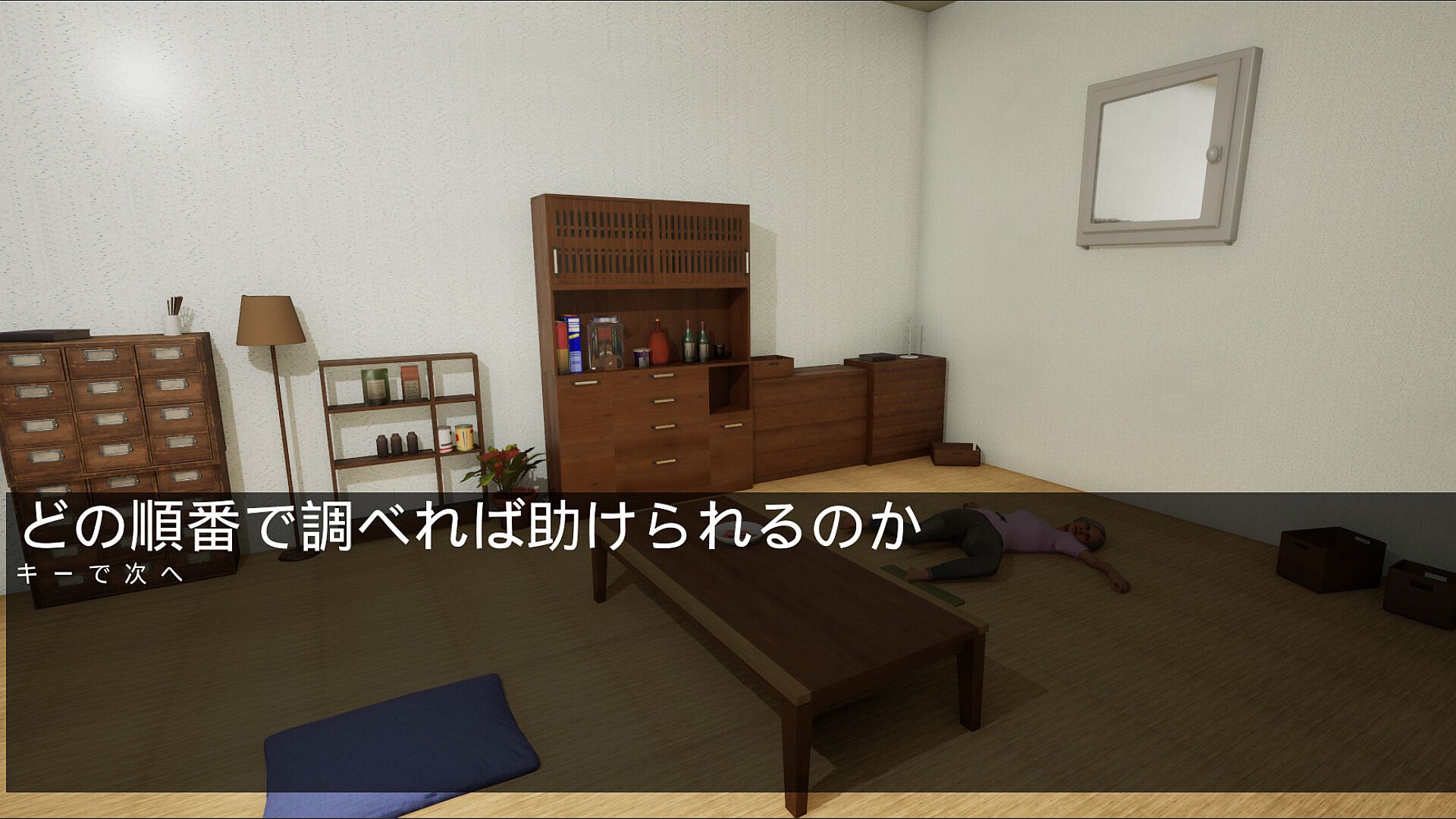
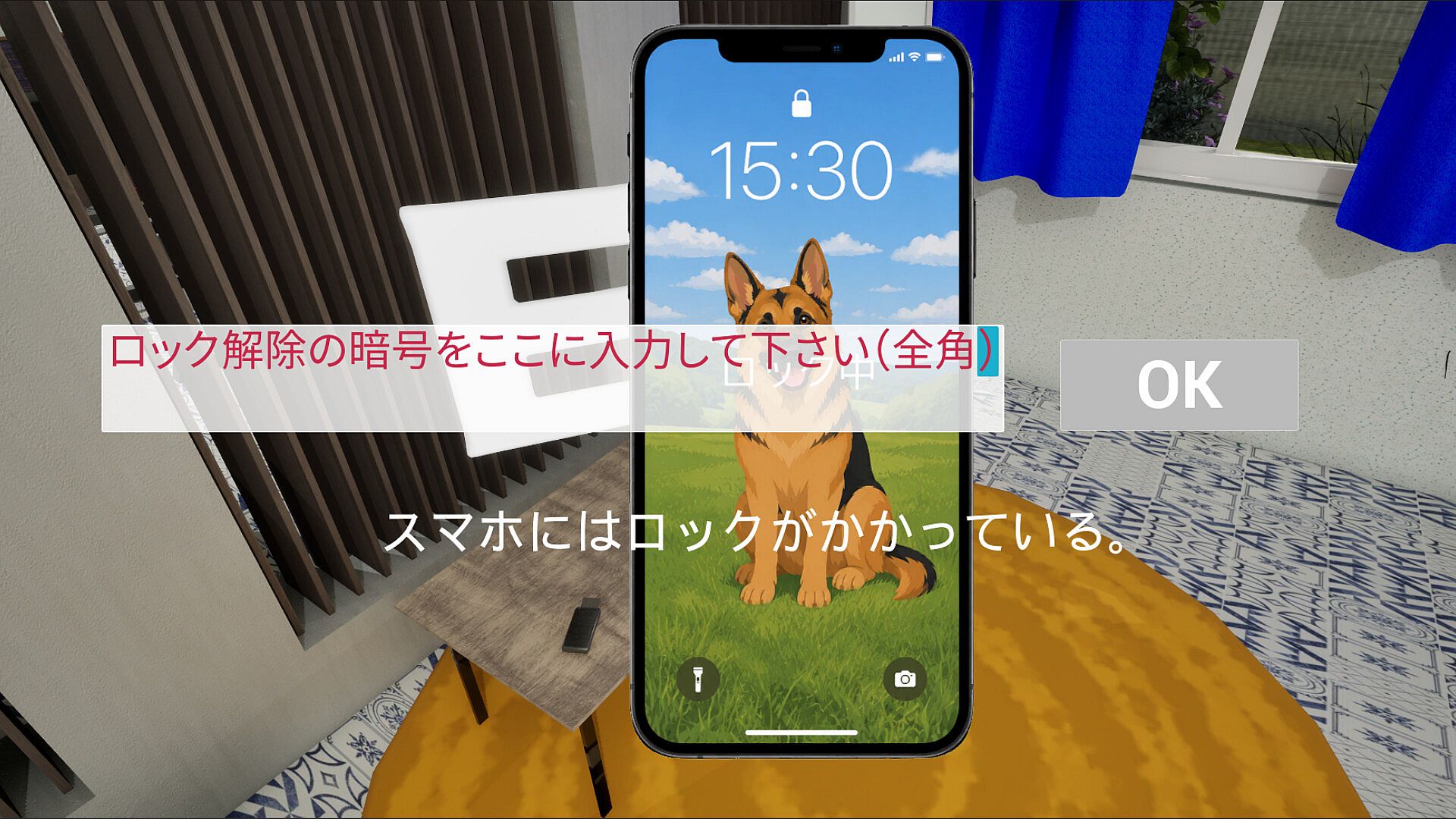
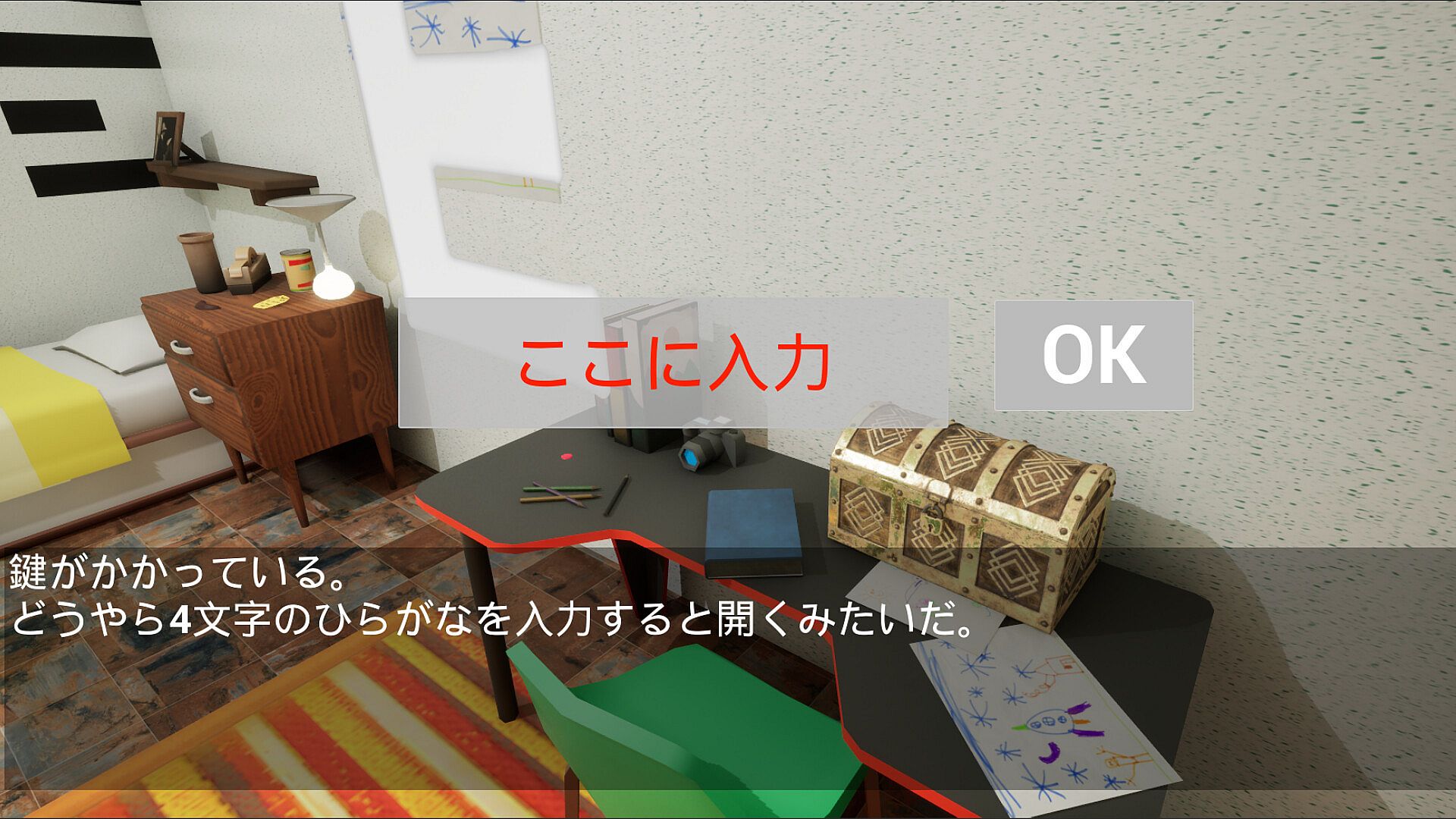
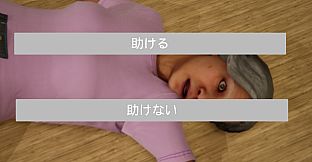
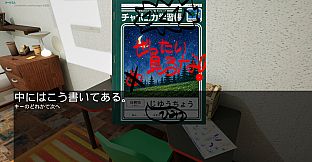
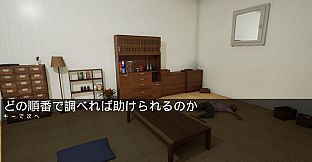
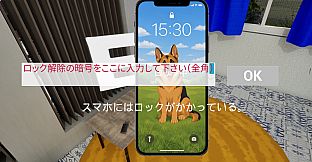
The core loop centers on returning home to discover the mother collapsed. Time pressure is immediate, and success depends on selecting the right objects in the correct sequence. Only two investigations are permitted per attempt, forcing players to prioritize and experiment across repeated runs. Clues appear throughout the environment, rewarding thorough exploration even after failures. The short session length suits repeated trials, with each playthrough revealing new details about the incident. Limited interactions keep focus on deduction rather than open-ended wandering, creating a deliberate pace suited to puzzle enthusiasts who enjoy trial and error.
Game Modes
The game operates as a single-player narrative experience with no separate modes or variations. All content unfolds through the central puzzle sequence, where players restart from the collapse event to test different object combinations. An ending list accessible from the title screen tracks progress across multiple conclusions, encouraging completion of every path without additional gameplay layers. This structure emphasizes replayability within one cohesive session rather than branching campaigns or competitive elements.
Story and Atmosphere
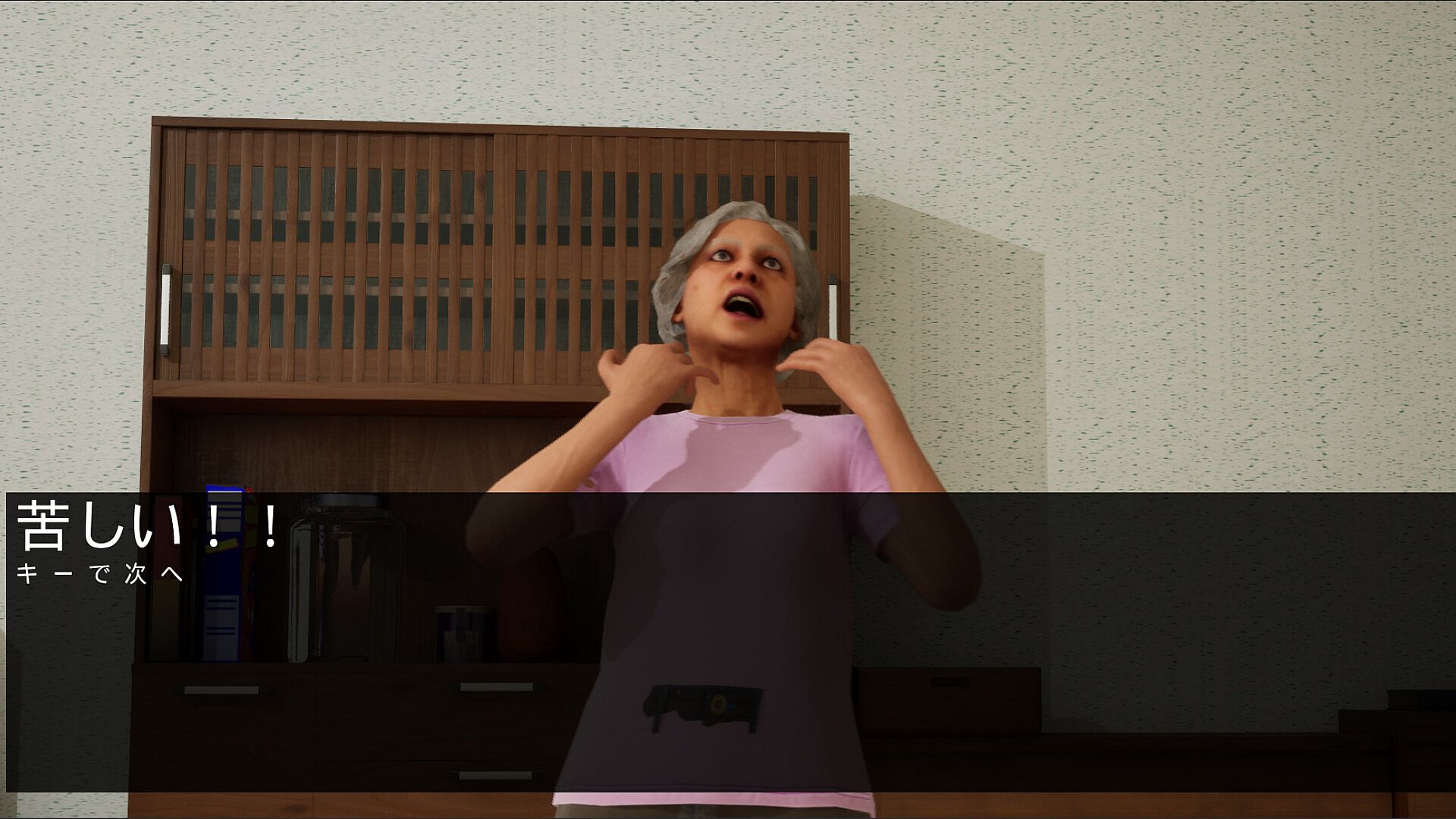
The narrative begins with a straightforward rescue premise that quickly reveals deeper layers. Initial attempts may feel straightforward, yet the horror undertone emerges through repeated failures and uncovered truths. Four distinct endings await discovery, some diverging sharply from expectations of a positive resolution. The presentation maintains a contained setting focused on the home environment, using subtle environmental storytelling to build tension. Japanese horror conventions appear in the gradual reveal of unsettling details, rewarding players who persist beyond the first few attempts.
Is It Worth Playing?
This title targets fans of concise, story-driven horror puzzles who appreciate limited mechanics and multiple endings. The estimated playtime remains under thirty minutes for those familiar with similar deduction games, making it accessible for a single evening or repeated short sessions. With four endings and an in-game list to track them, completionists find clear goals without extended commitment. The single-player focus and absence of additional modes suit those seeking a focused, atmospheric experience rather than expansive adventures. Player reception remains limited due to its upcoming status, yet the verified mechanics deliver a tight loop for anyone drawn to Japanese-style horror walking simulators with puzzle constraints.