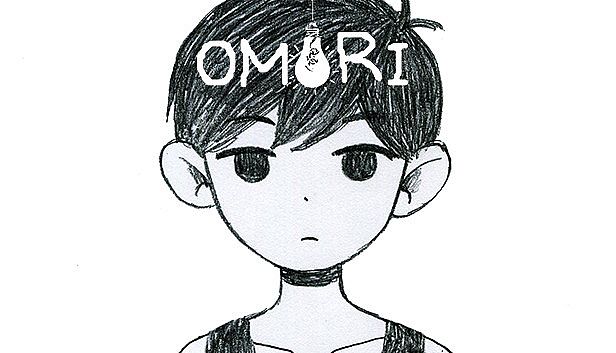










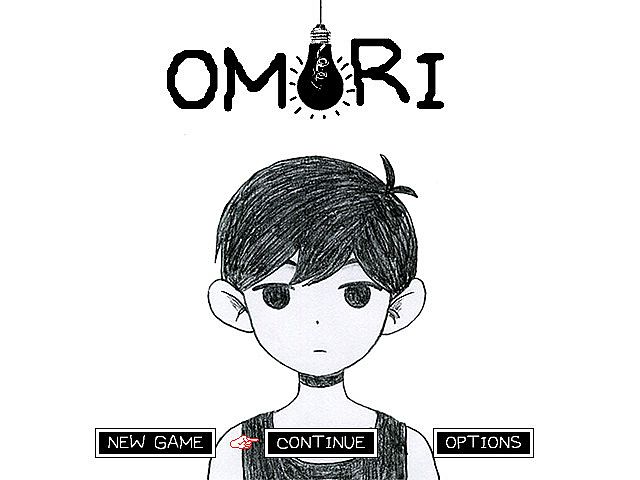
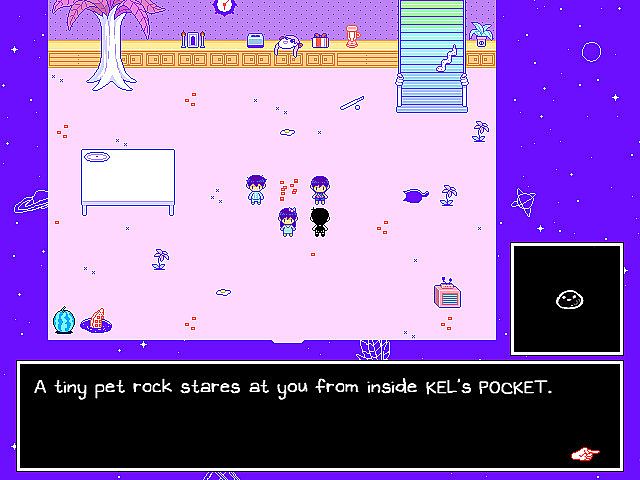
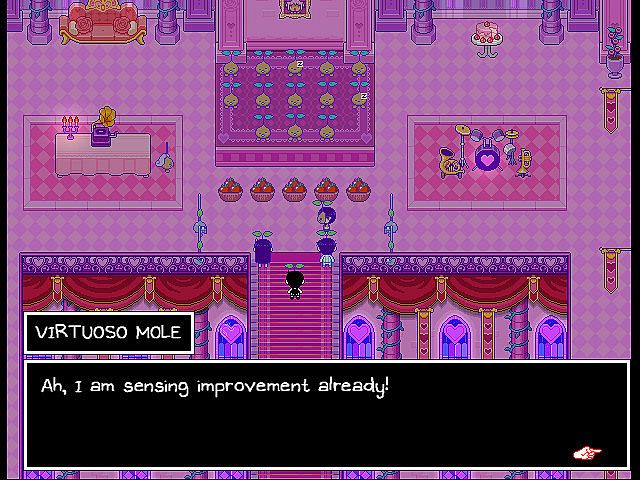
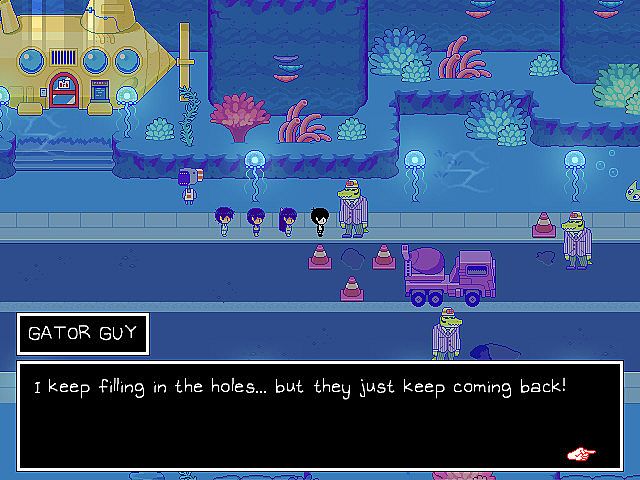
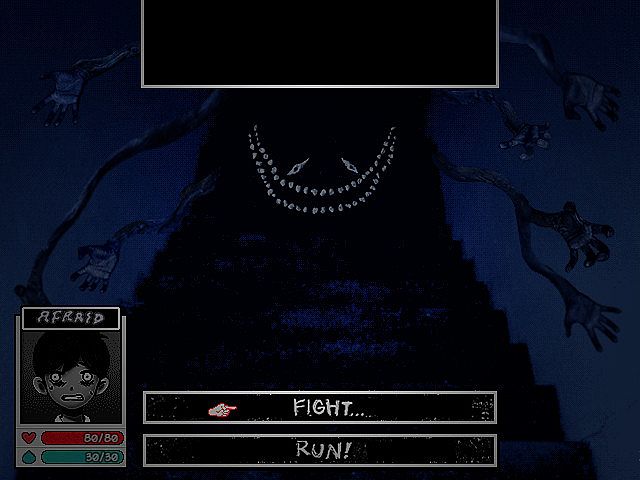
OMORI stands out as a psychological horror RPG that blends turn-based combat with deep narrative exploration, drawing players into a story about memory, friendship, and mental health. Developed by OMOCAT, this indie title invites you to guide a young protagonist through dreamlike realms and everyday settings, where choices shape the outcome of an emotional journey.
Gameplay
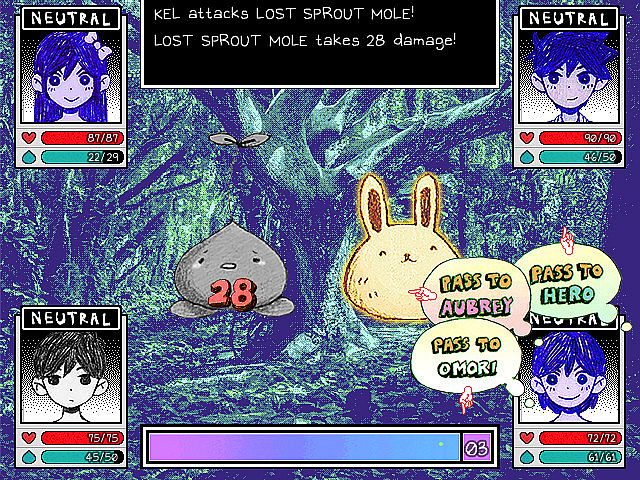
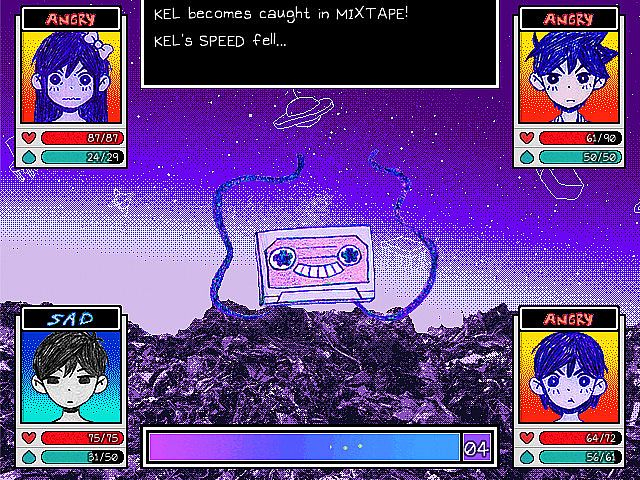
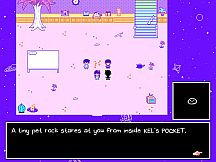
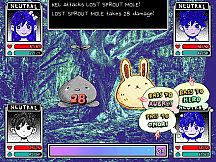
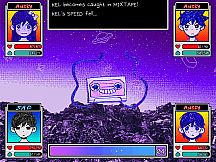
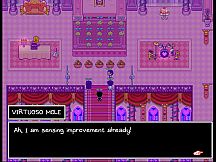
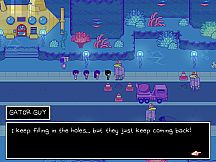
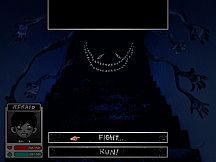
In OMORI, the core experience revolves around alternating between a colorful dream world called Headspace and the more grounded real world of Faraway Town. Exploration happens in a top-down perspective, where you solve puzzles, complete side quests, and use character-specific skills to navigate environments. Combat follows a turn-based system built around an emotion mechanic, with states like Happy, Angry, Sad, and neutral influencing battles.
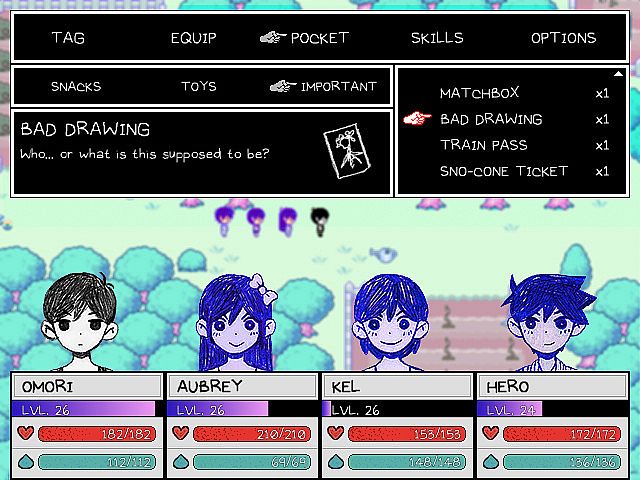
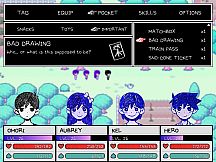
These emotions function in a rock-paper-scissors style: Happy overcomes Angry, Angry defeats Sad, and Sad counters Happy. Each state adjusts stats accordingly, such as Angry boosting attack while reducing defense, or Happy increasing speed and luck but lowering hit rate. Players manage a shared energy pool for follow-up attacks, which builds from taking damage, and track two resources: Heart for health and Juice for skills. In Headspace, you collect Clams as currency for gear, while the real world uses dollars.
Game Modes
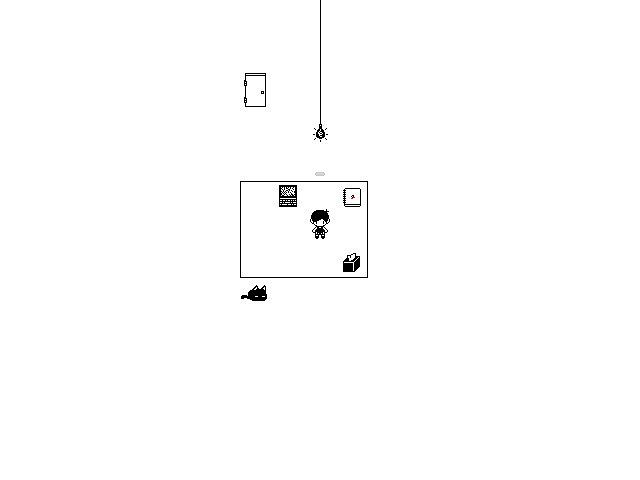
OMORI is strictly a single-player game without multiplayer components. The structure divides into segments in Headspace, where you control a party including Omori, Aubrey, Kel, and Hero, and sections in Faraway Town starting with the protagonist Sunny alone. Your decisions, such as whether to confront certain characters like Basil or stay indoors, lead to branching paths and multiple endings that alter the story's resolution.
Characters and World
The game features a cast centered on Sunny, a reclusive teenager, and his dream alter ego Omori. Friends like Aubrey, Kel, Hero, and the anxious Basil play key roles in both worlds, with Mari appearing as Omori's deceased sister. Headspace offers vibrant, whimsical areas full of quirky enemies and allies, contrasting the subdued, realistic tone of Faraway Town.
Is It Worth Playing?
With over 1 million copies sold as of December 2022 and ports to consoles like Nintendo Switch and PlayStation 4 in 2022 adding extra content, OMORI remains accessible today. It earned generally favorable reviews, scoring 86 on OpenCritic where 100% of critics recommend it, thanks to its praised soundtrack, art style, and handling of themes like anxiety and depression. Some noted drawbacks include occasional pacing issues in the narrative and combat that lacks depth.
If you enjoy story-focused RPGs with psychological elements, similar to titles like Undertale or EarthBound, OMORI delivers a memorable experience worth your time. Those seeking intense action or complex multiplayer might look elsewhere, but for narrative depth, it holds strong appeal.