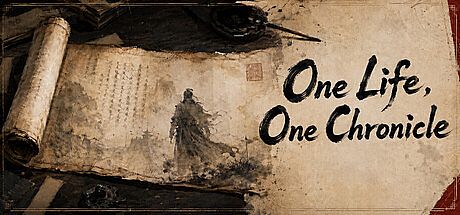


One Life, One Chronicle is a strategy indie game for PC that combines turn-based deckbuilding with roguelite progression and choice-driven narrative elements. Players create and guide a single character through a world marked by conflict, building a unique life record through decisions, attribute checks, and combat encounters. The experience centers on managing five core attributes while navigating events and battles that permanently shape the chronicle of that run.
Gameplay
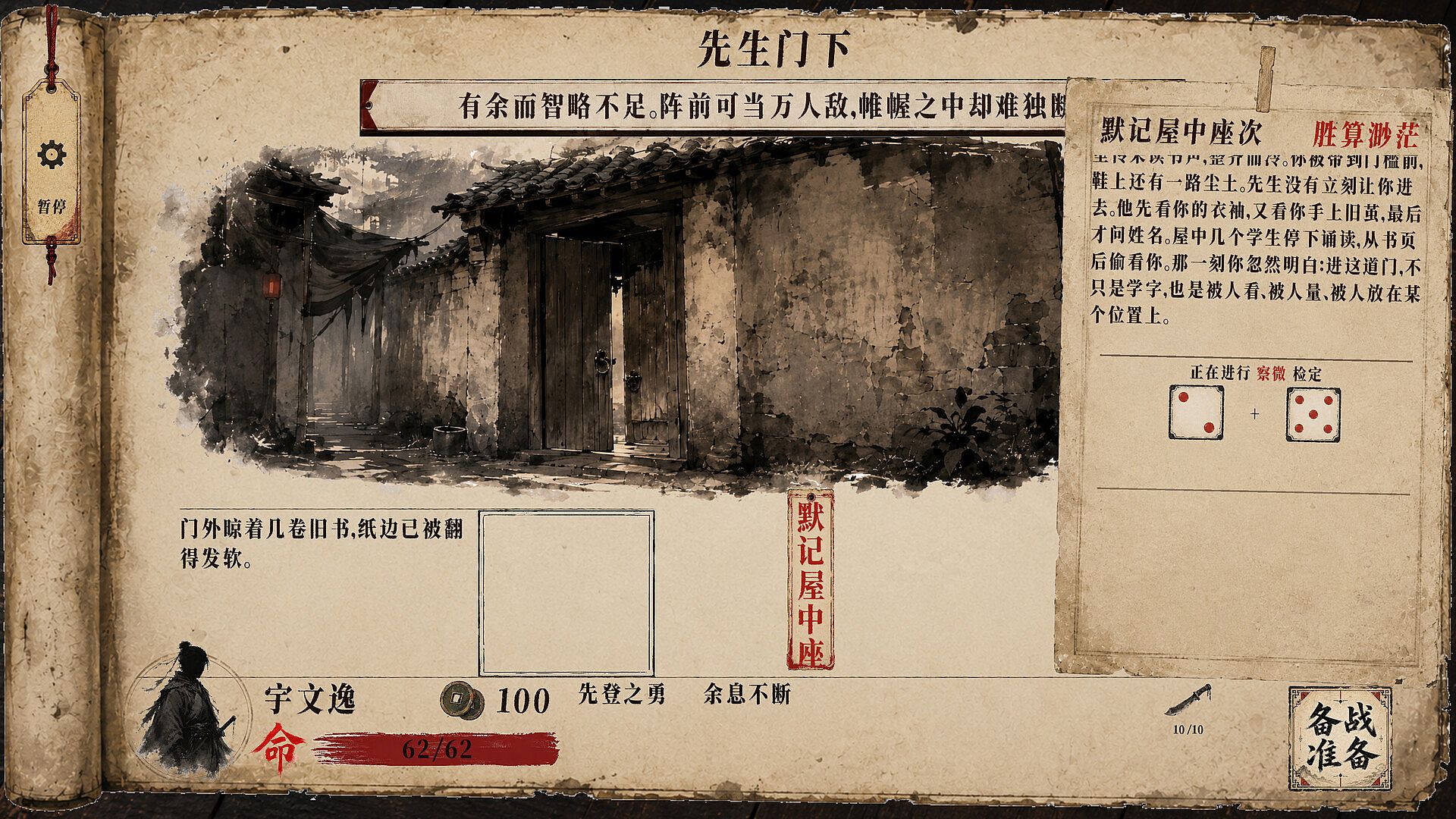
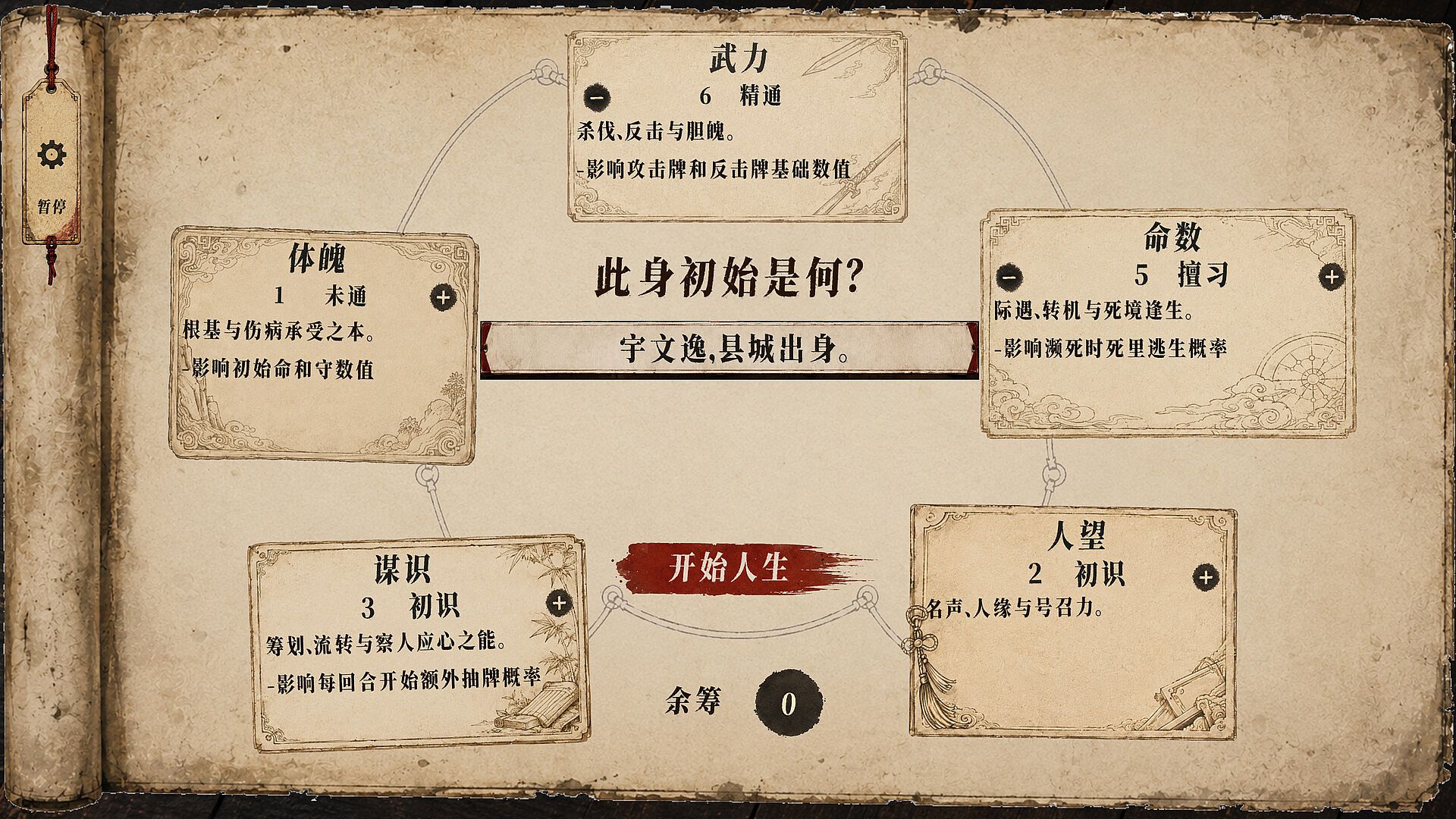
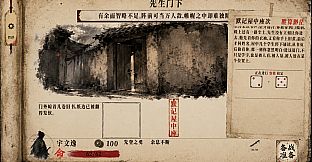
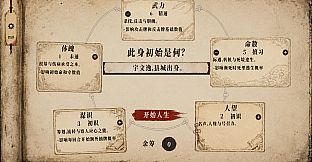
The core loop begins with the creation of a life record. A name and origin establish the starting point, after which the five attributes take shape as the initial entries. These attributes influence every subsequent interaction, from social encounters in villages to confrontations with officials or bandits. Force determines responses in physical confrontations, while Mind governs the ability to interpret hidden details in situations. Success adds triumphant lines to the record, and failures leave lasting marks that affect future checks.
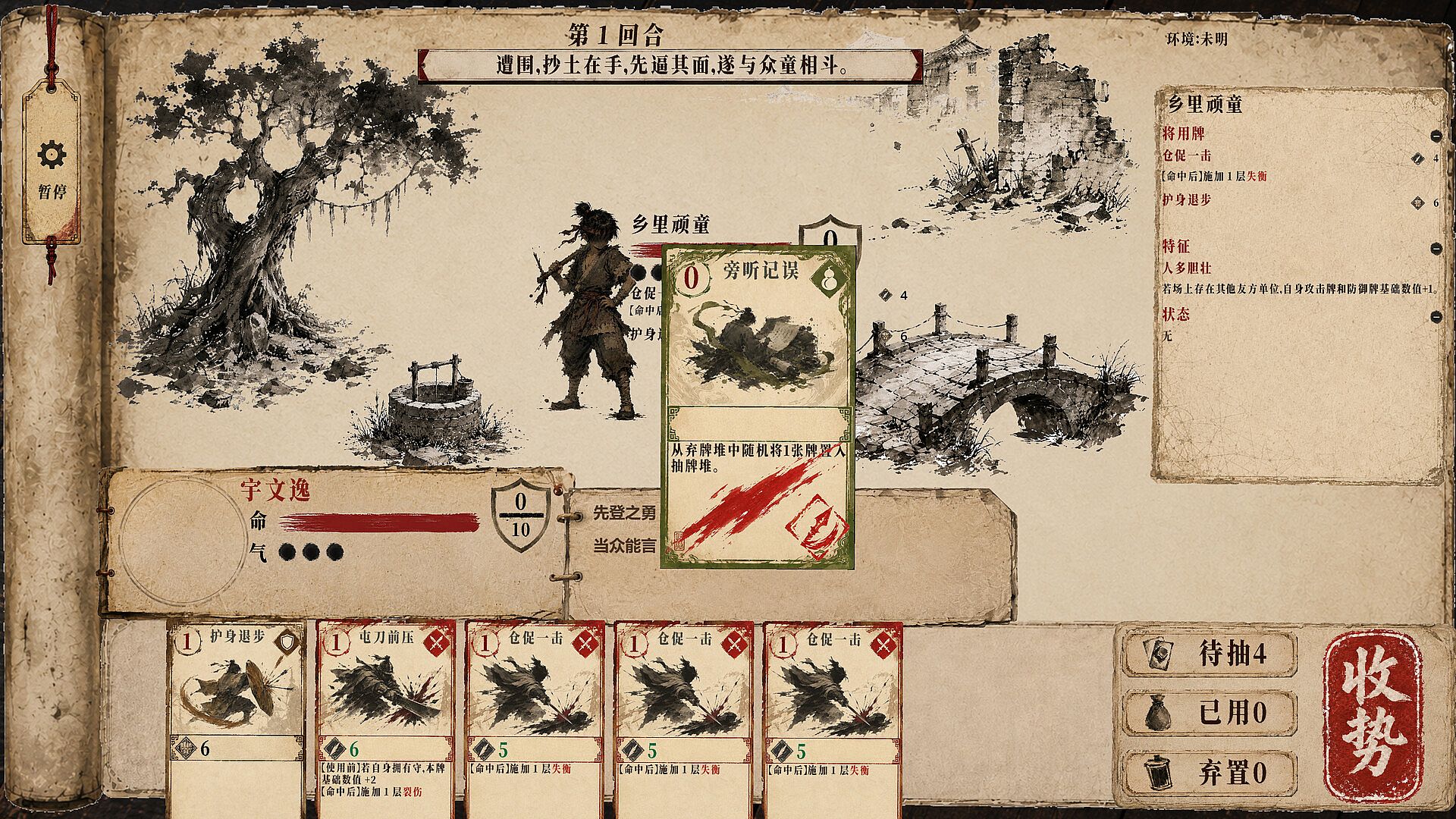
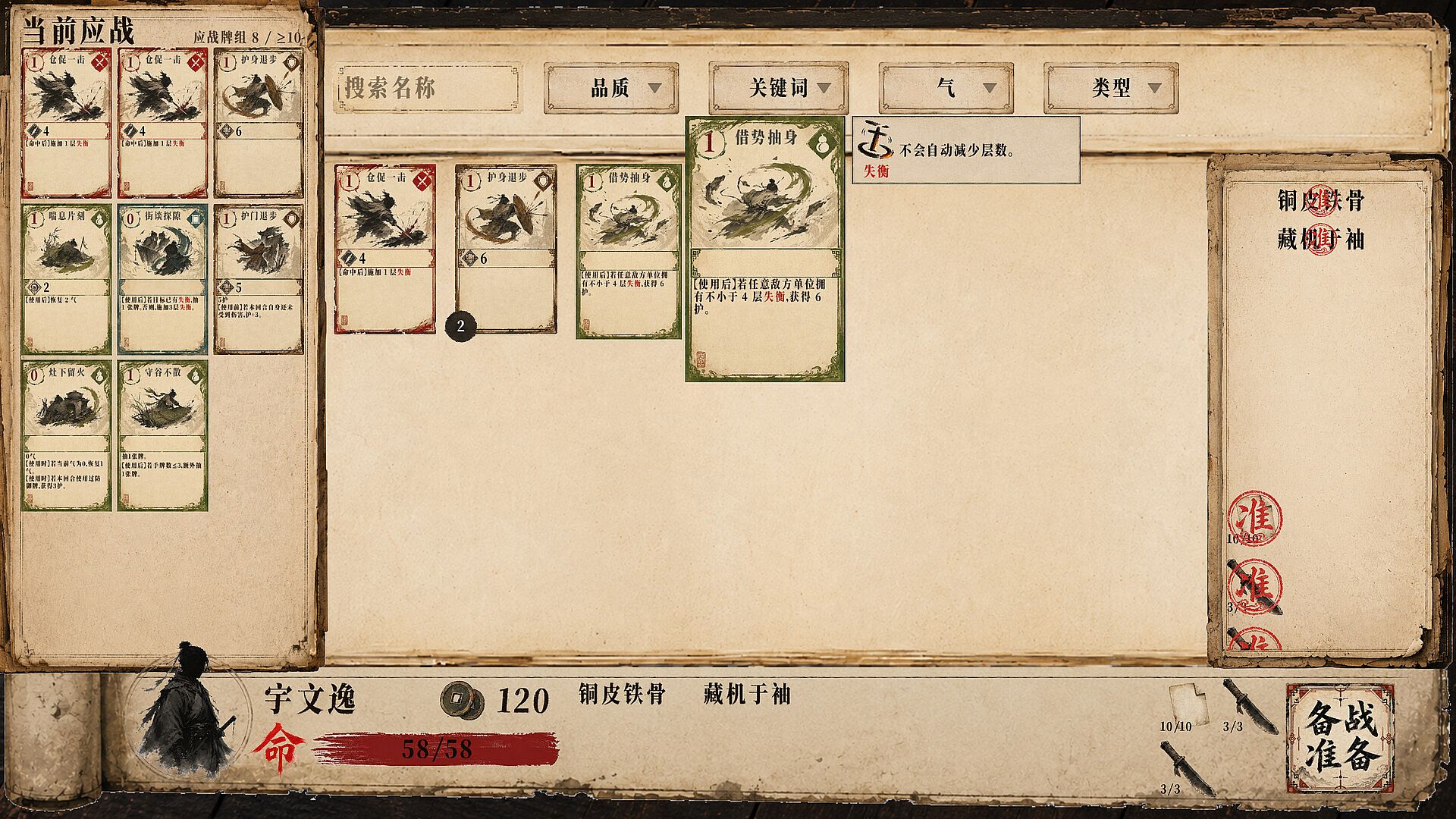
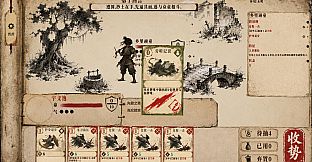
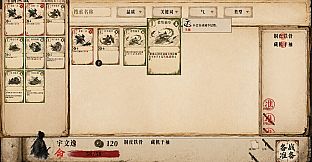
Combat preparation stands apart from standard deckbuilding titles. Before each fight, players reorganize cards, traits, and objects into a tailored loadout suited to the specific threat. Officials may require suppression tactics, while uncanny enemies demand disruption counters. During battle, unplayed cards remain available rather than discarding automatically, and resources do not reset to full each round. This setup rewards careful management of hand composition and timing across multiple exchanges.
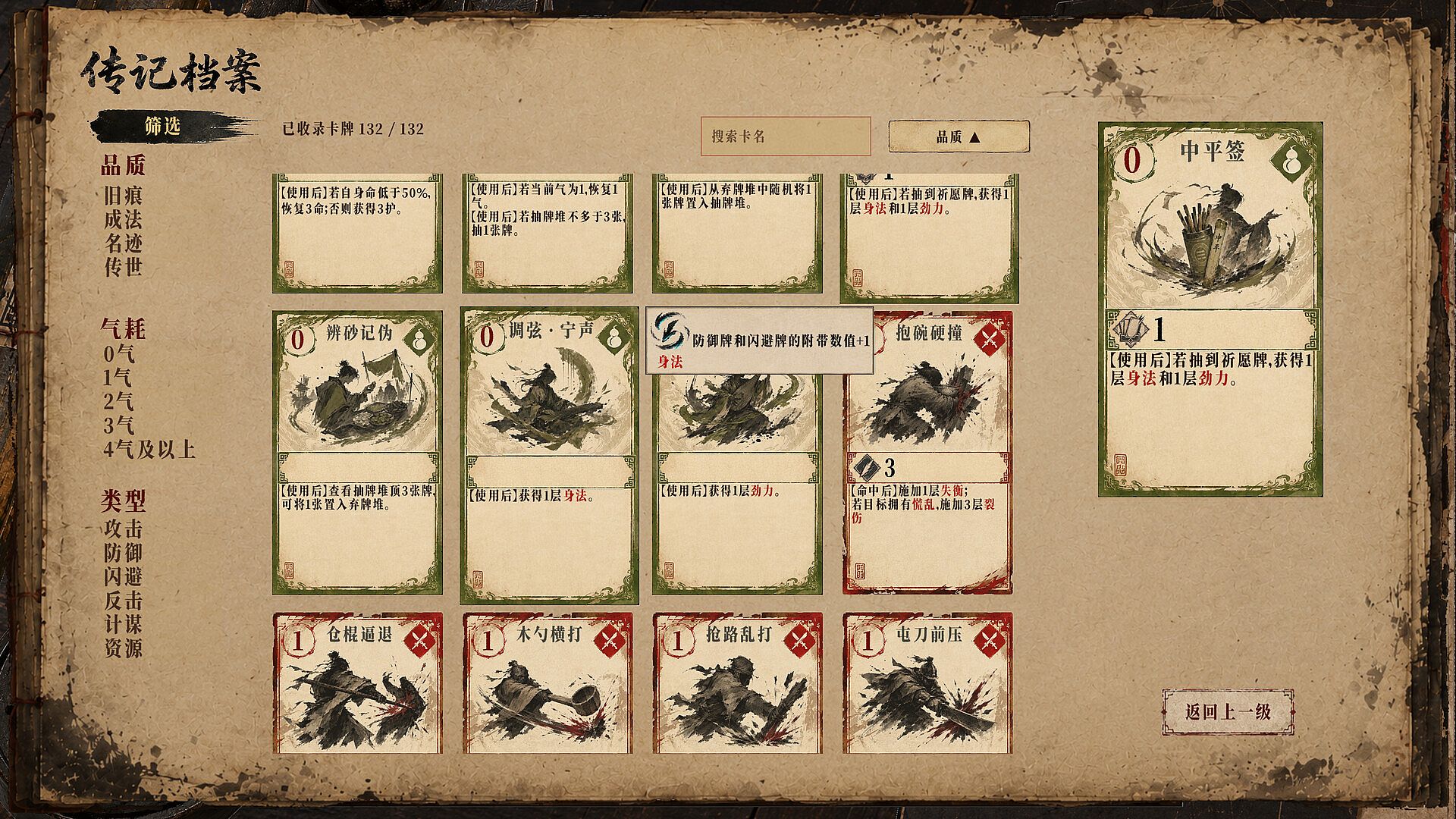
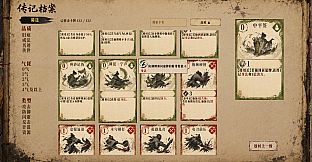
Enemies operate under identical rules, complete with their own hands, resources, and action sequences displayed openly. Six card types provide the foundation for over one hundred available options, allowing varied builds that incorporate traits and objects. These elements also influence event resolutions and the final evaluation of the life record.
Game Modes
The game operates as a single-player roguelite experience built around repeated runs that generate distinct chronicles. Each attempt starts fresh with character creation and unfolds through a sequence of events and battles. Procedural elements arise from the combination of acquired cards, traits, and objects, ensuring that no two records follow identical paths.
Progression relies on the accumulation of a life record that documents every choice, gain, loss, wound, and status effect. The structure emphasizes adaptation rather than fixed progression trees, with old acquisitions potentially proving decisive in later encounters. This format supports extended play sessions focused on refining loadouts and interpreting the consequences of prior decisions.
Key Mechanics and Systems
Fifty-two choice-driven events present more than one hundred options, each carrying varied outcomes that feed back into attributes and the overall record. Sixty-plus traits and thirty-two objects alter combat pacing, event directions, and final scoring. Fifteen enemy units introduce distinct mechanics such as summoning, stacking effects, and formation pressure, all resolved through the shared combat framework.
Resource management extends beyond simple depletion. The absence of automatic full recovery each round forces players to consider long-term positioning of cards and objects. This system integrates with the broader life record, where combat results contribute lines that influence later attribute checks and narrative branches.
Is It Worth Playing?
One Life, One Chronicle suits players who enjoy deliberate deckbuilding paired with narrative consequences in a roguelite format. The emphasis on pre-battle loadout customization and persistent record-keeping rewards thoughtful planning across runs. Those drawn to strategy games that blend combat systems with character history will find the mechanics align closely with that preference. The single-player structure focuses entirely on individual chronicle development without multiplayer components. Availability on PC makes it accessible for those seeking an indie title centered on attribute management and event resolution.