



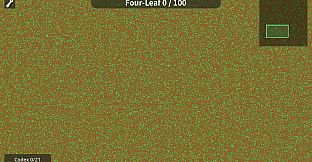
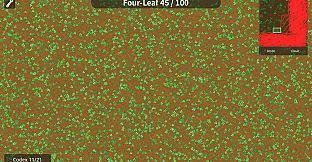
One More Leaf is an indie casual single-player game set on PC where players search a vast meadow for rare four-leaf clovers and unique variants among hundreds of thousands of ordinary three-leaf ones. The experience centers on patient observation and gentle discovery rather than speed or competition, allowing players to move freely, zoom in on details, and note subtle differences in leaf shapes, colors, directions, or markings.
Gameplay
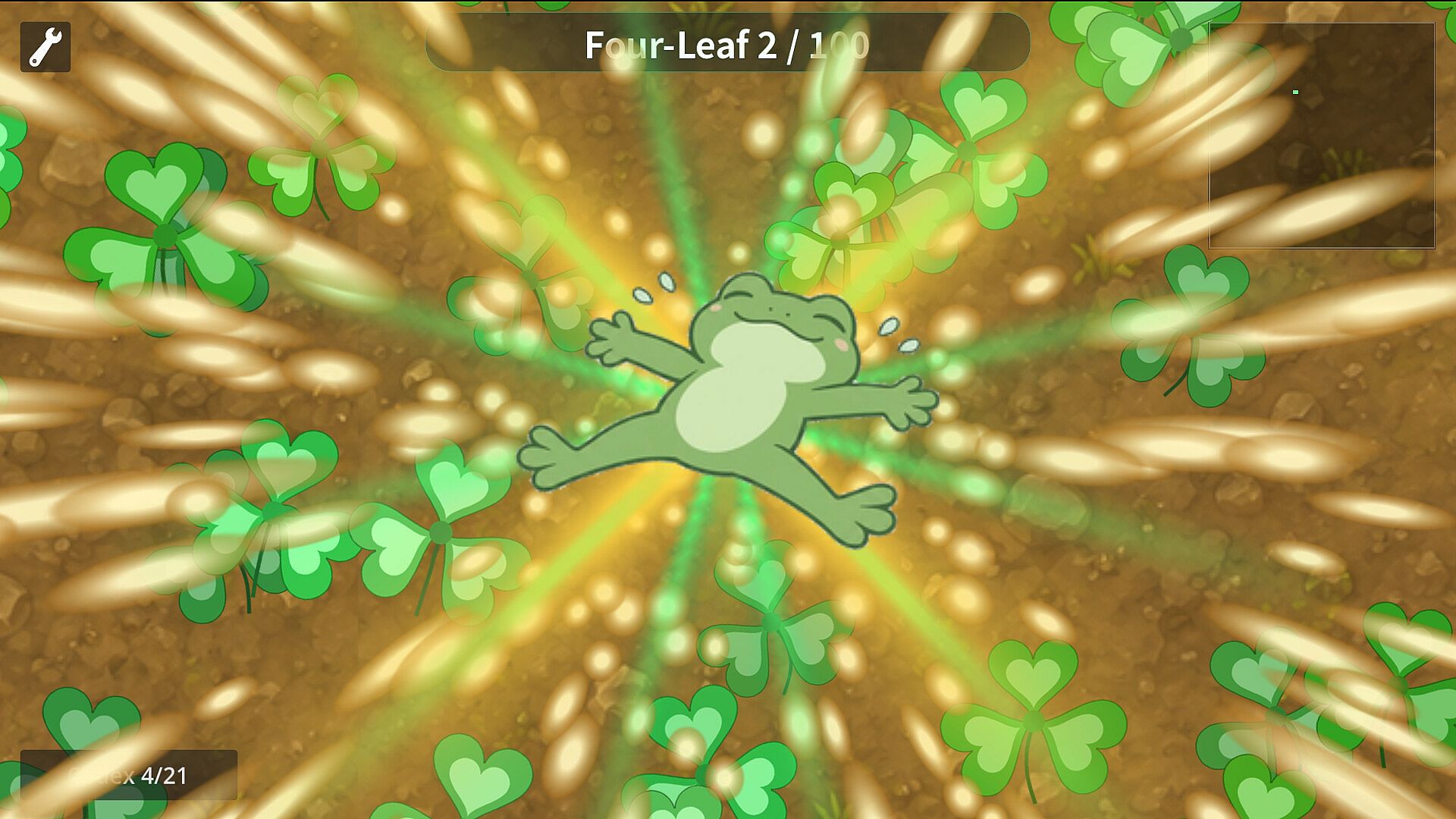
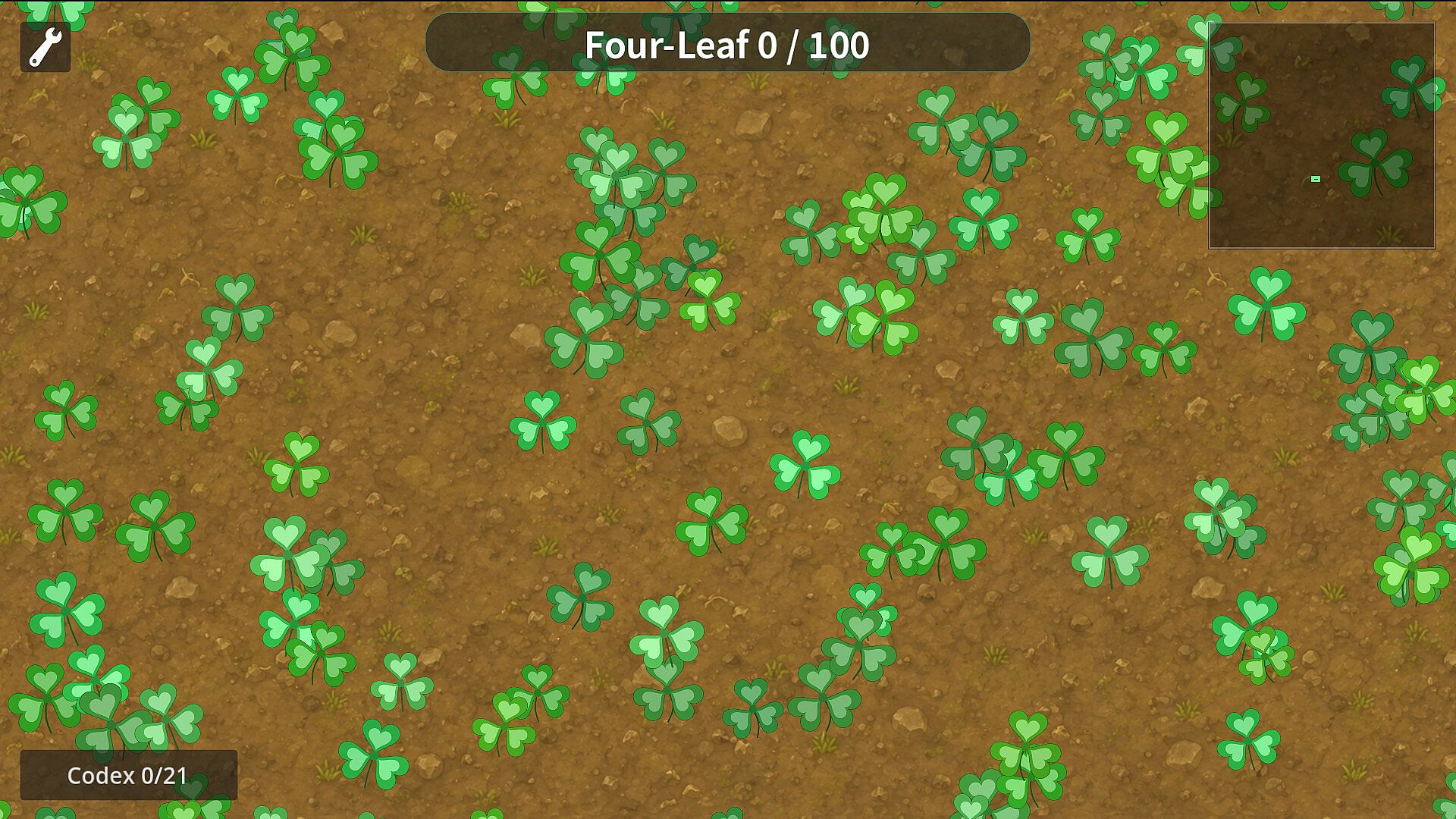
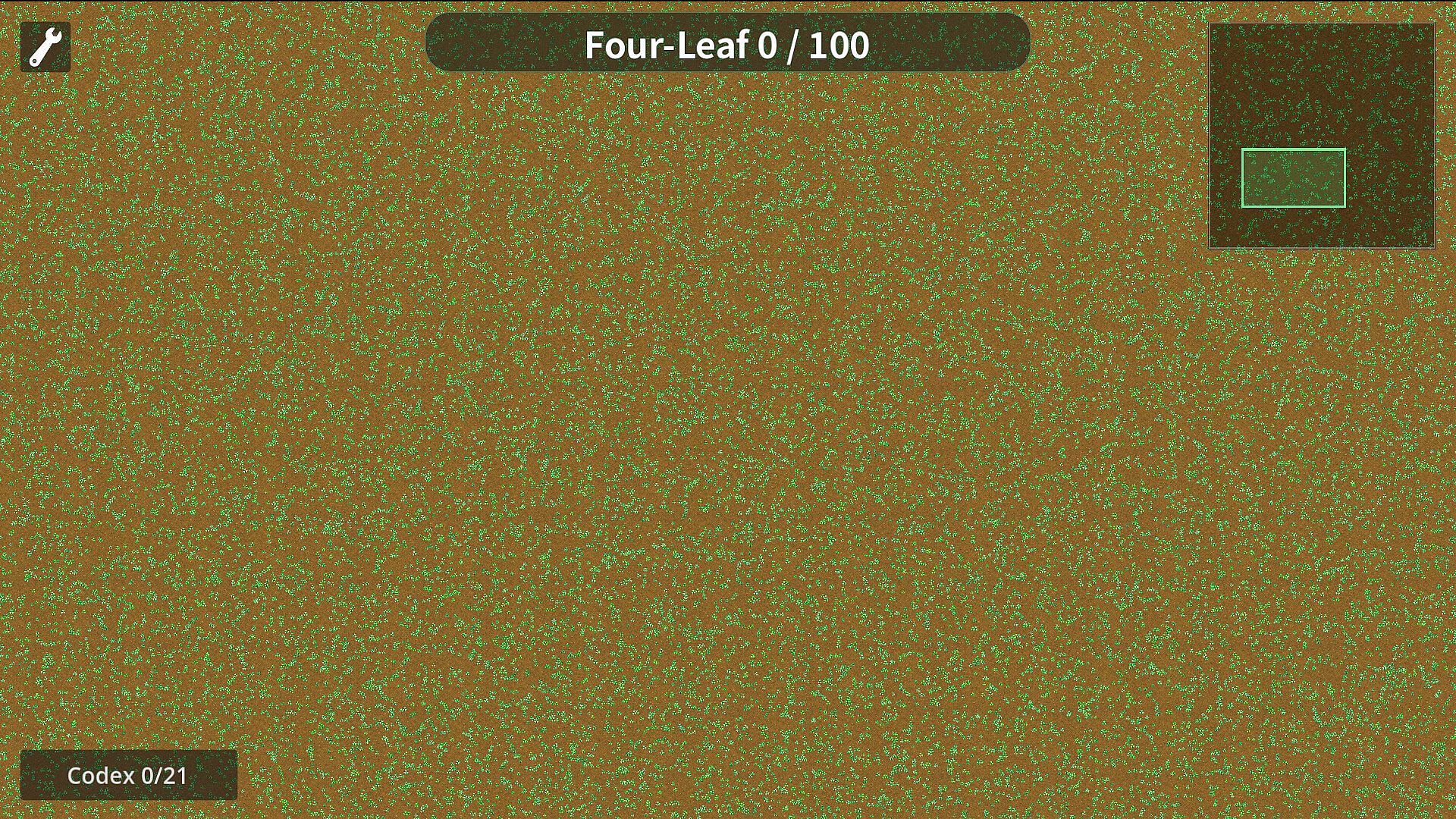
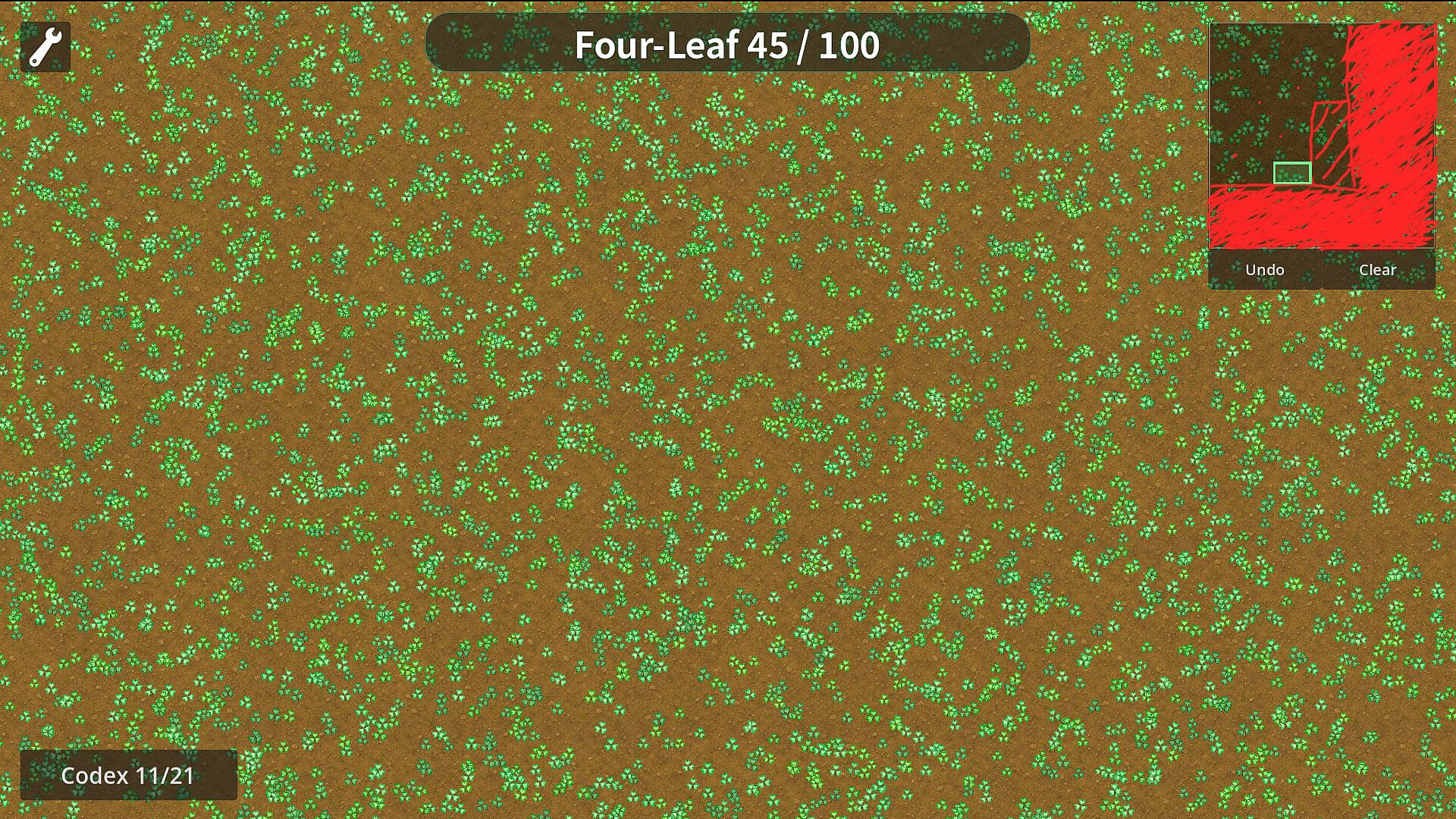
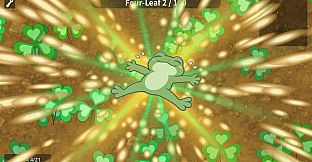
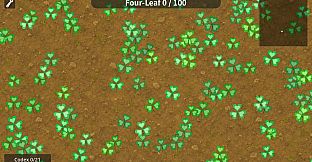
The core loop involves traversing a large field filled with 250,000 three-leaf clovers. Players control movement and zoom to inspect areas closely, relying on visual cues that stand out from the uniform background. Special clovers trigger a quiet in-game celebration upon discovery, emphasizing the satisfaction of noticing small anomalies without any pressure from timers or failure states.
Exploration supports flexible pacing through a minimap for tracking position and the ability to place personal notes on interesting spots. Sessions can be short or extended, with progress saved so players can pause and return later without losing ground. Gentle music and ambient sounds accompany the search, reinforcing the relaxed atmosphere.
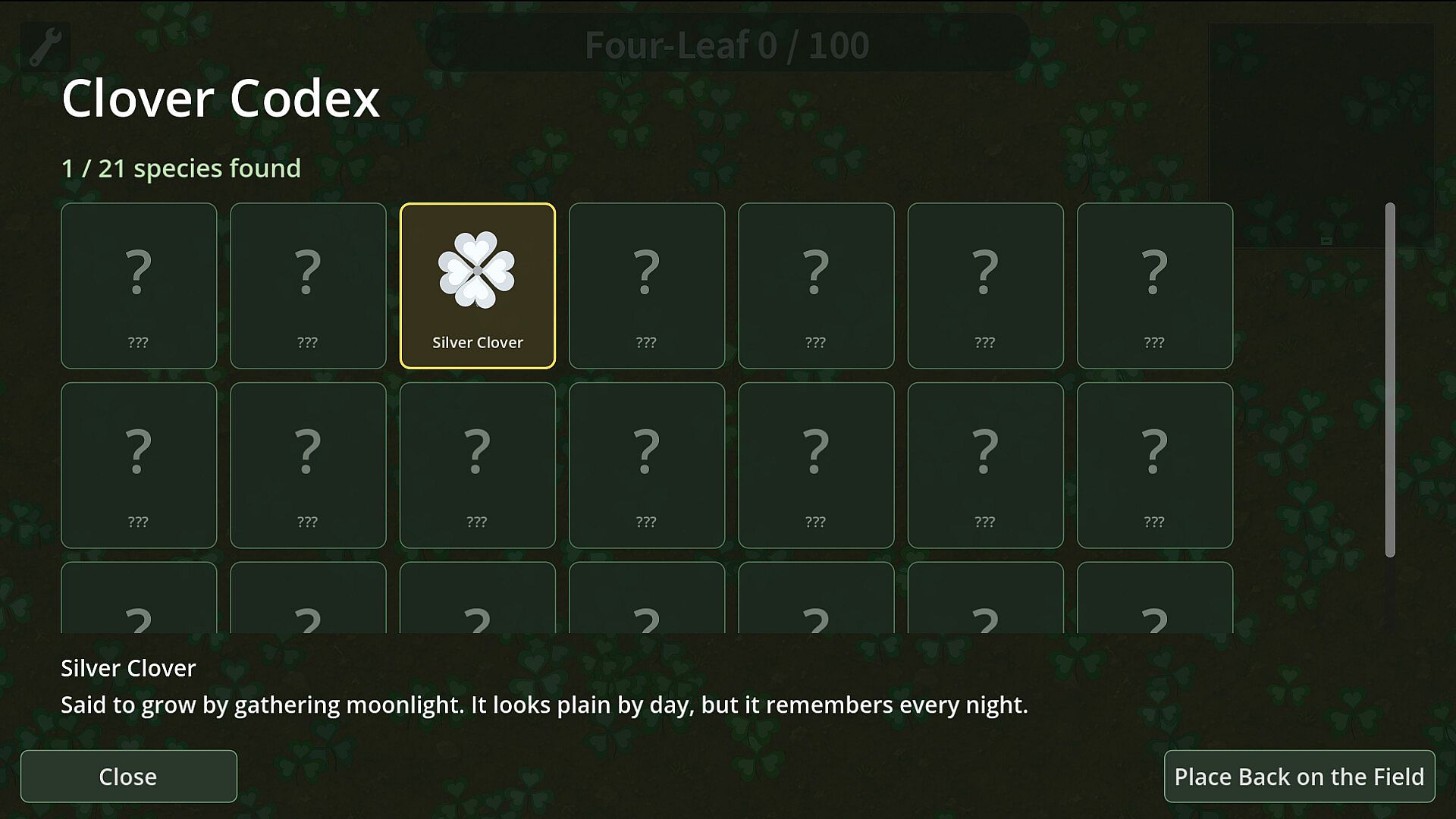
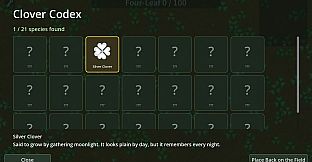
Found clovers enter a catalog that grows more detailed with each entry. Each special clover includes a short accompanying story, adding layers of charm and occasional humor to the collection process. The catalog itself evolves visually as more entries accumulate, turning the act of recording finds into an ongoing source of engagement.
Game Modes
One More Leaf operates as a single-player experience with no separate modes or variations. The entire game revolves around the meadow exploration loop, where the focus remains on locating the 100 four-leaf clovers and 21 one-of-a-kind mysterious clovers scattered throughout the field. These rarer items appear only once each, encouraging thorough but unhurried scanning of the environment.
Mechanics stay consistent across play, with no branching paths, competitive elements, or alternate objectives. Players simply continue searching at their preferred speed, using zoom and movement to investigate potential oddities until they decide to stop or complete their personal catalog goals.
Discovery and Collection Features
Identification relies entirely on visual inspection rather than hints or markers. Differences in leaf appearance can be minor, such as slight shape variations or unexpected color shifts, rewarding close attention and repeated visits to the same areas. The 21 mysterious clovers add an extra layer of rarity, each appearing in just one location across the entire meadow.
Once located, every special clover receives an entry in the catalog complete with its own short narrative. These stories contribute personality to the finds without altering core gameplay. The growing catalog serves as both a record of progress and a visual reward, becoming more lively with additional discoveries.
Is It Worth Playing?
One More Leaf suits players who prefer quiet, self-paced hidden-object or spot-the-difference style experiences over action or narrative-driven titles. Its lack of timers, penalties, or required completion goals makes it accessible for short sessions or longer relaxed sessions alike.
The game emphasizes the small pleasure of noticing details in a repetitive yet varied environment, supported by features like the minimap, notes, and evolving catalog. Since it remains in a pre-release state with no player reviews available yet, its appeal rests on the described mechanics of calm exploration and collection in a single-player format.
Those drawn to indie casual games focused on observation and incremental discovery will likely find the straightforward loop engaging, while players seeking faster pacing or multiplayer options may want to consider other titles. The verified systems center on freeform meadow searching with cataloging as the primary progression element.