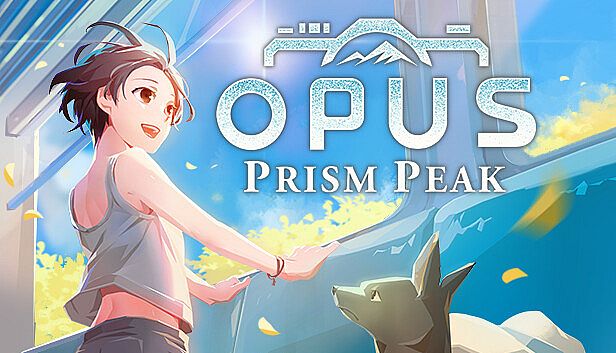












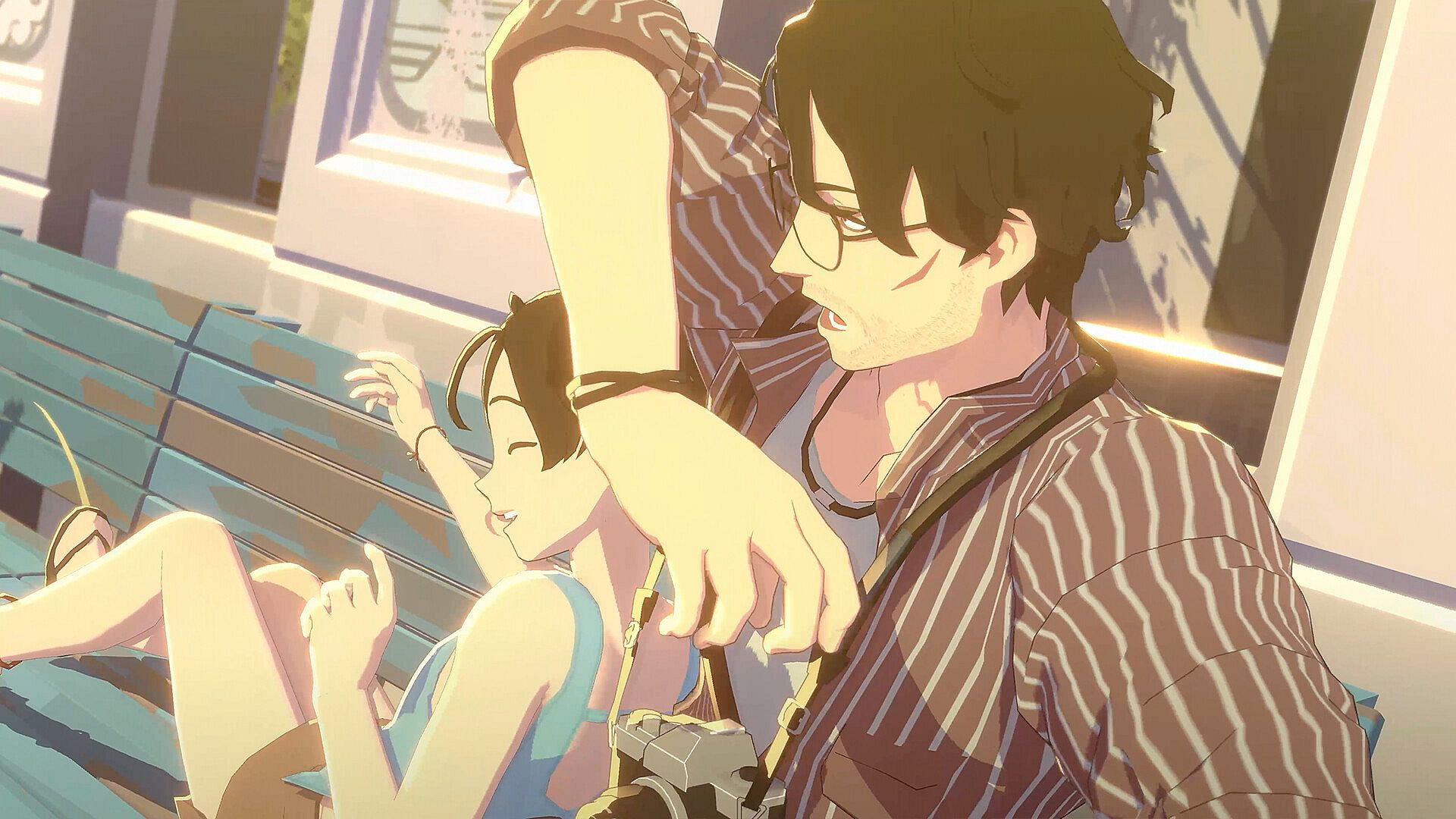
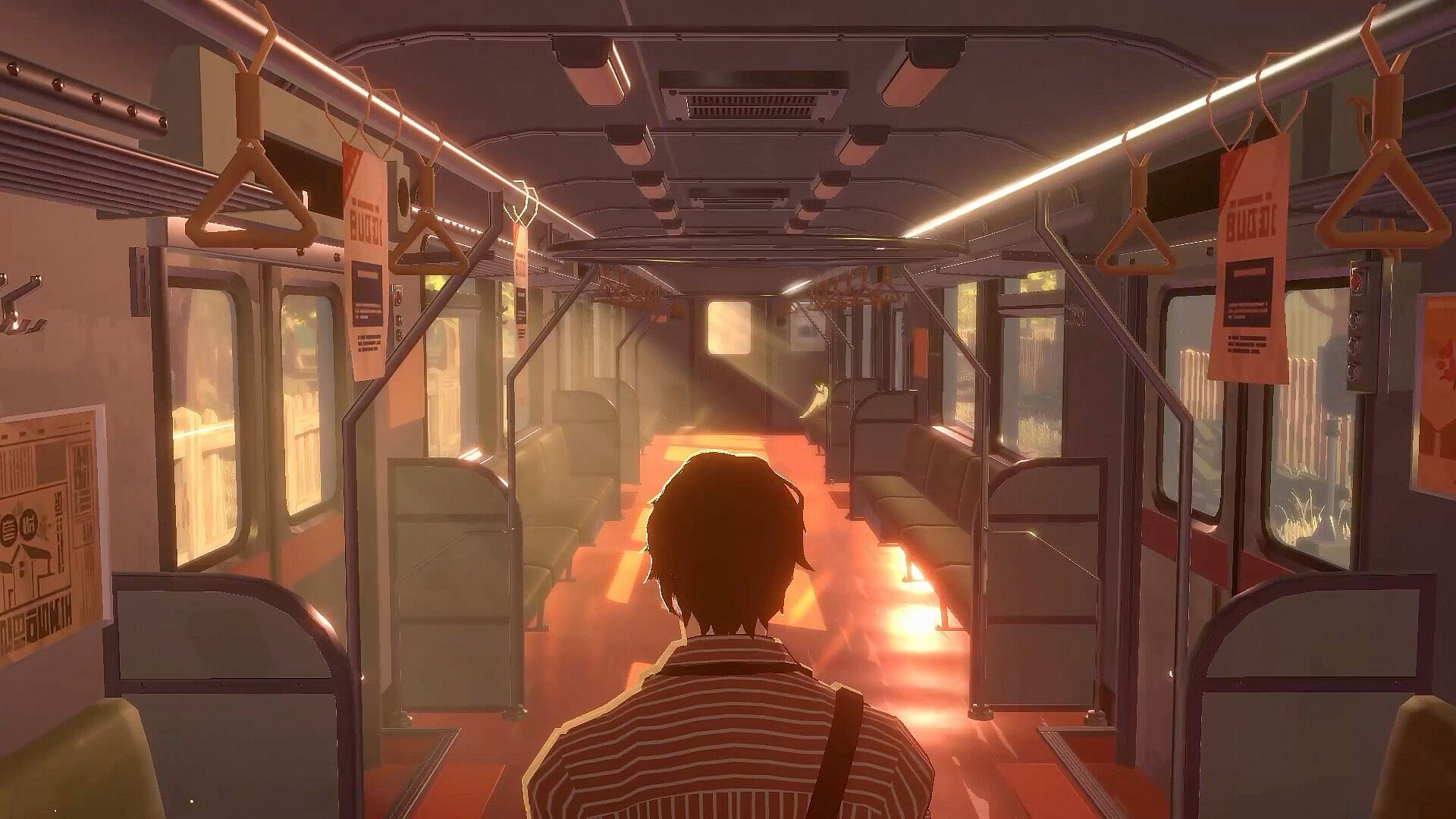
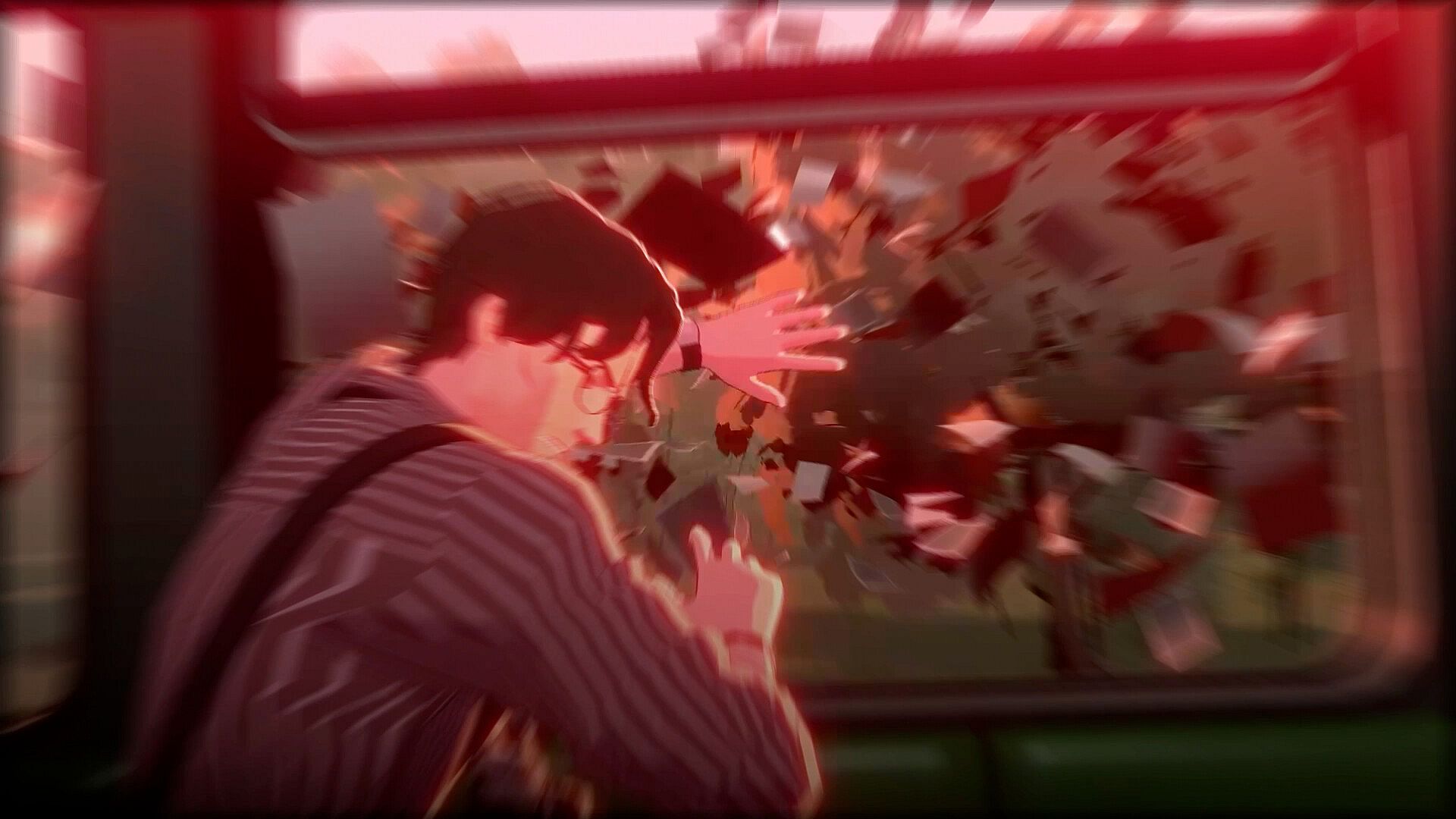
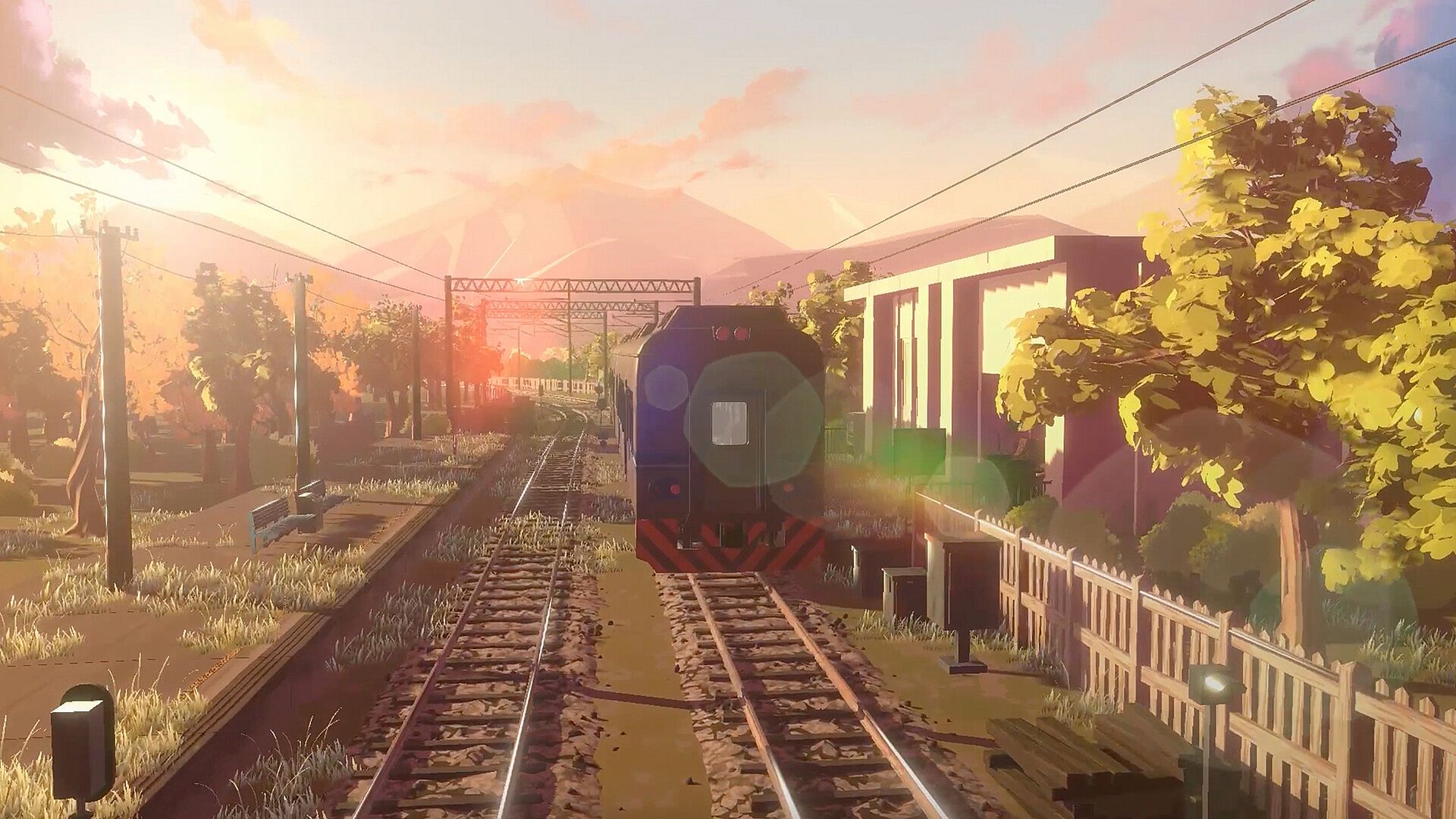



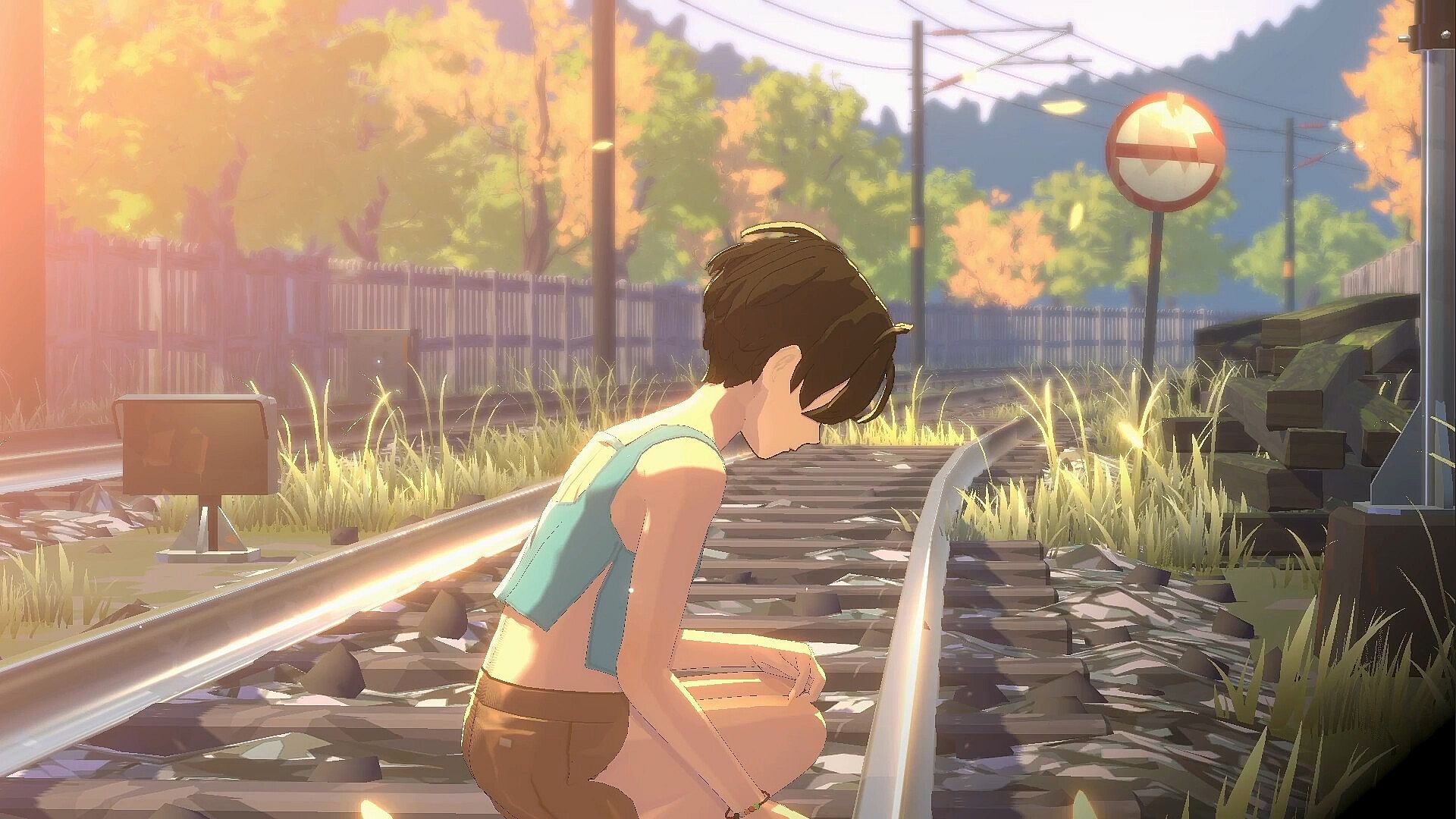
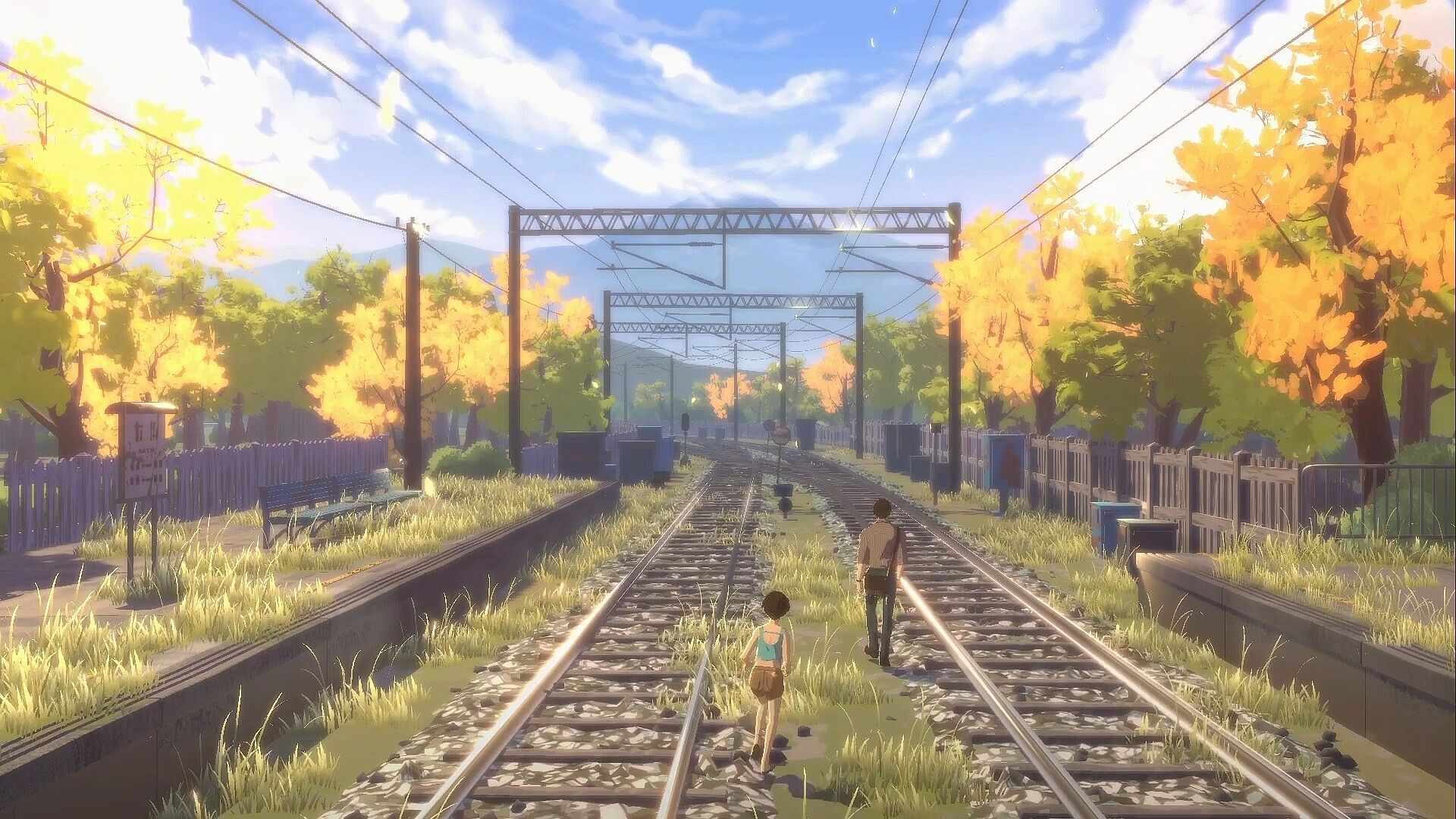
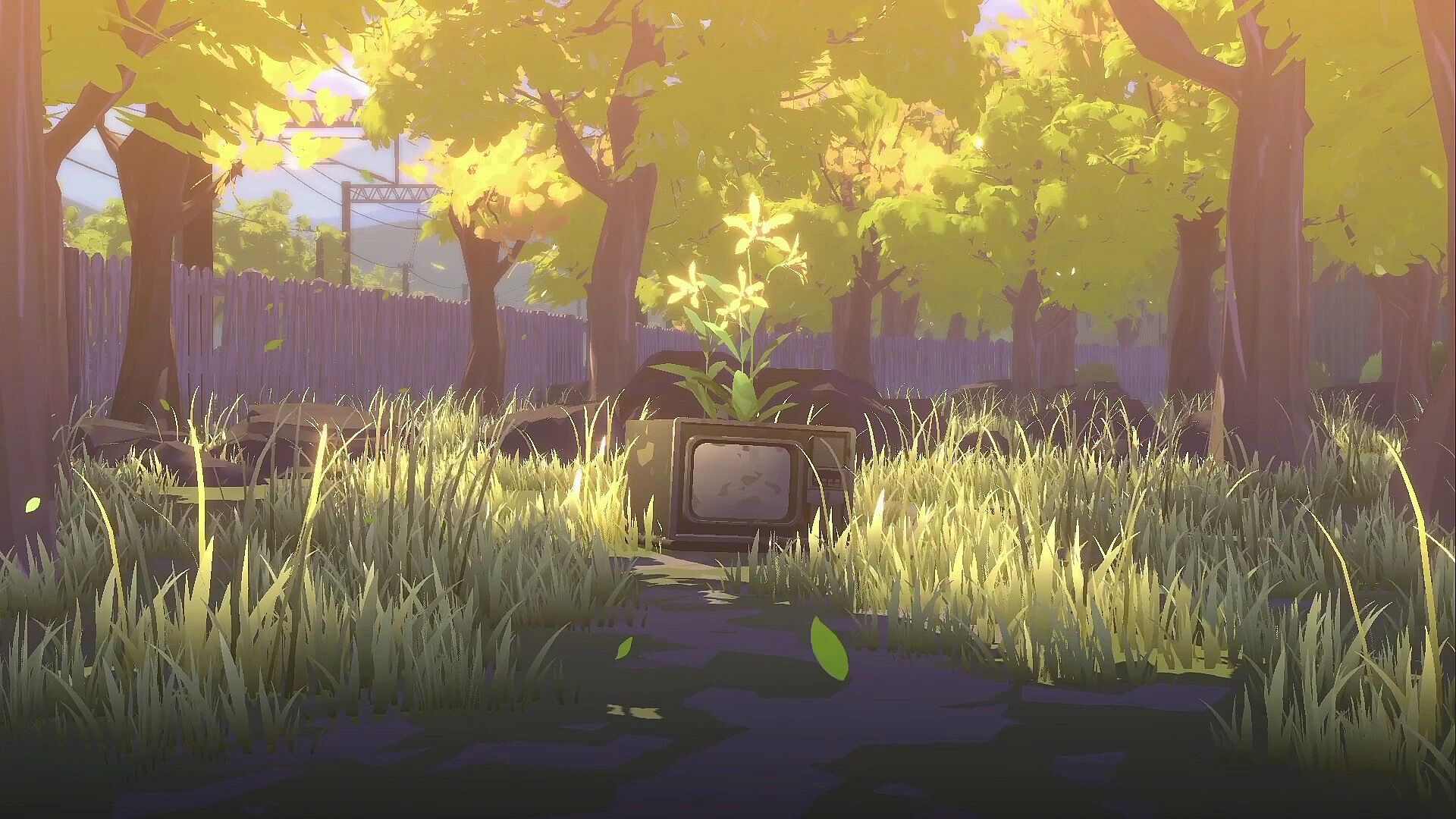
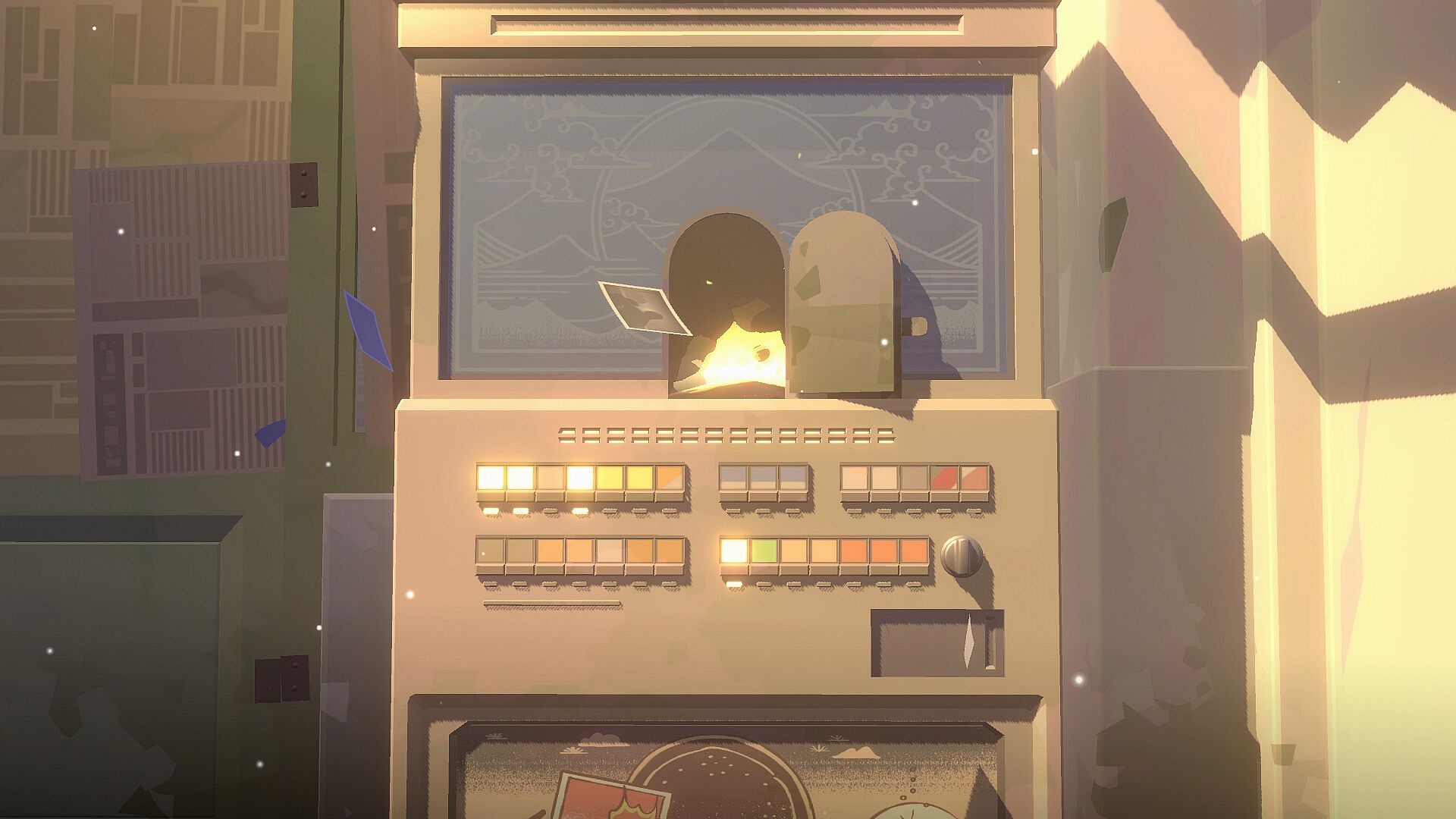
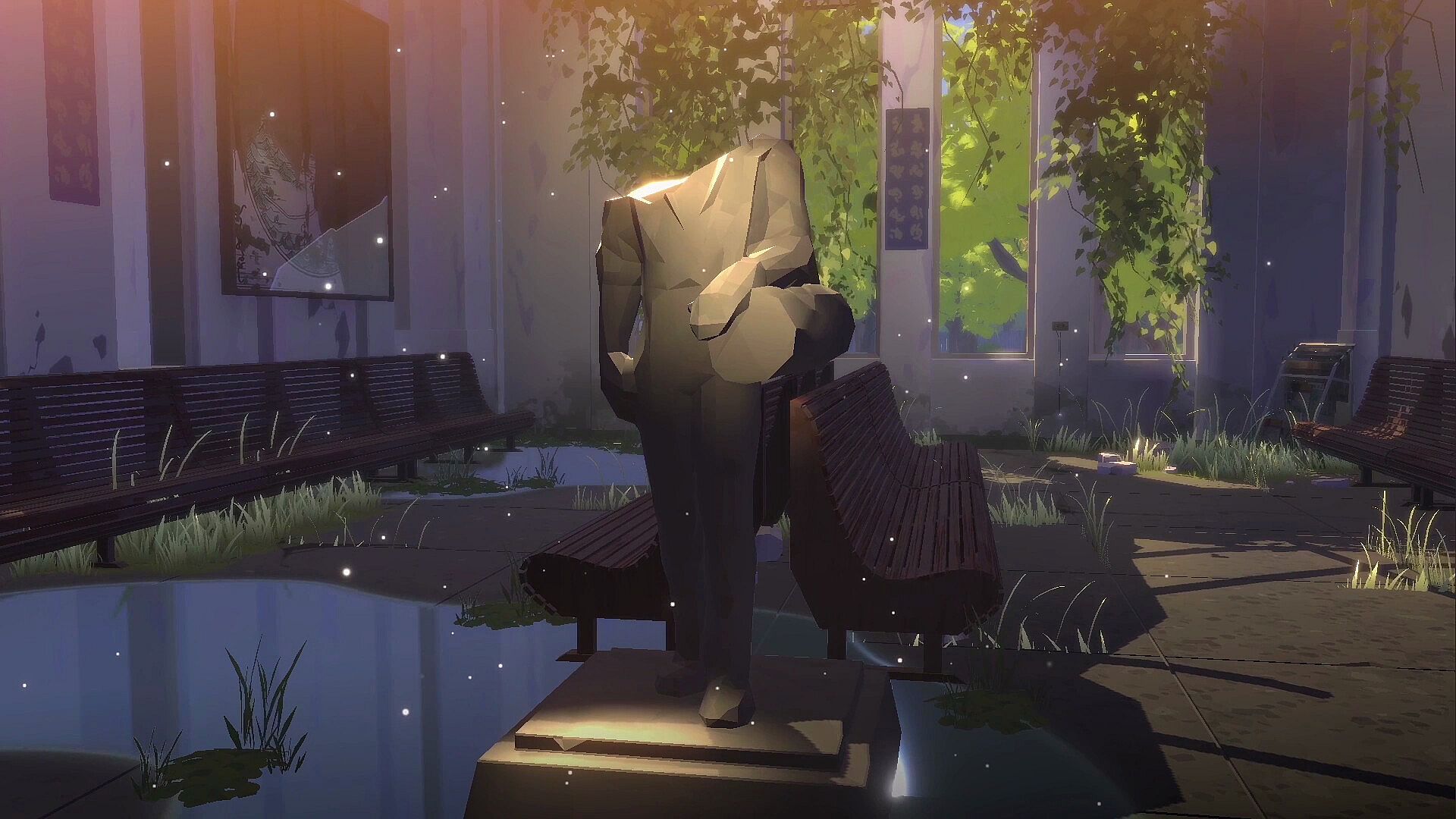

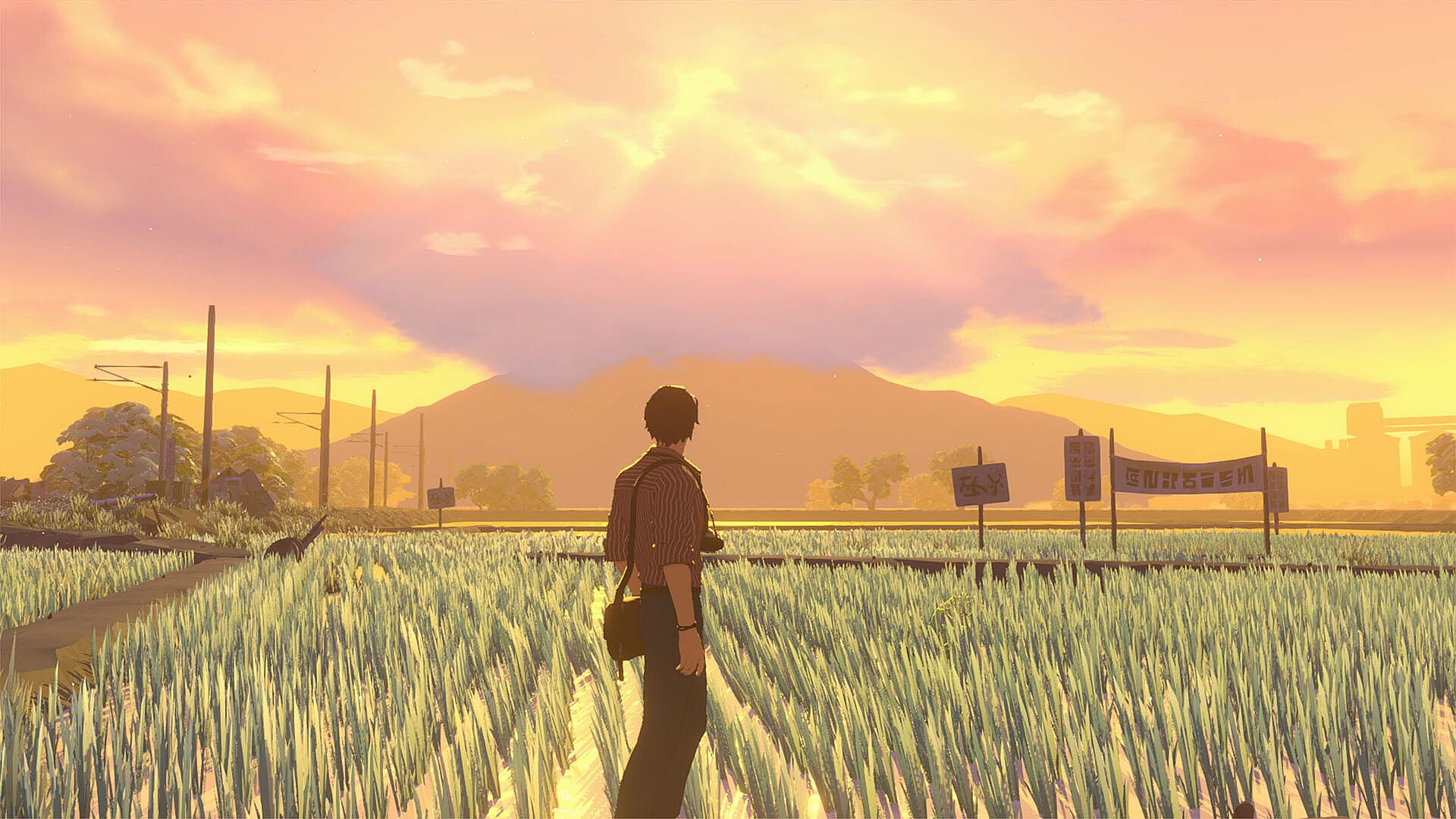
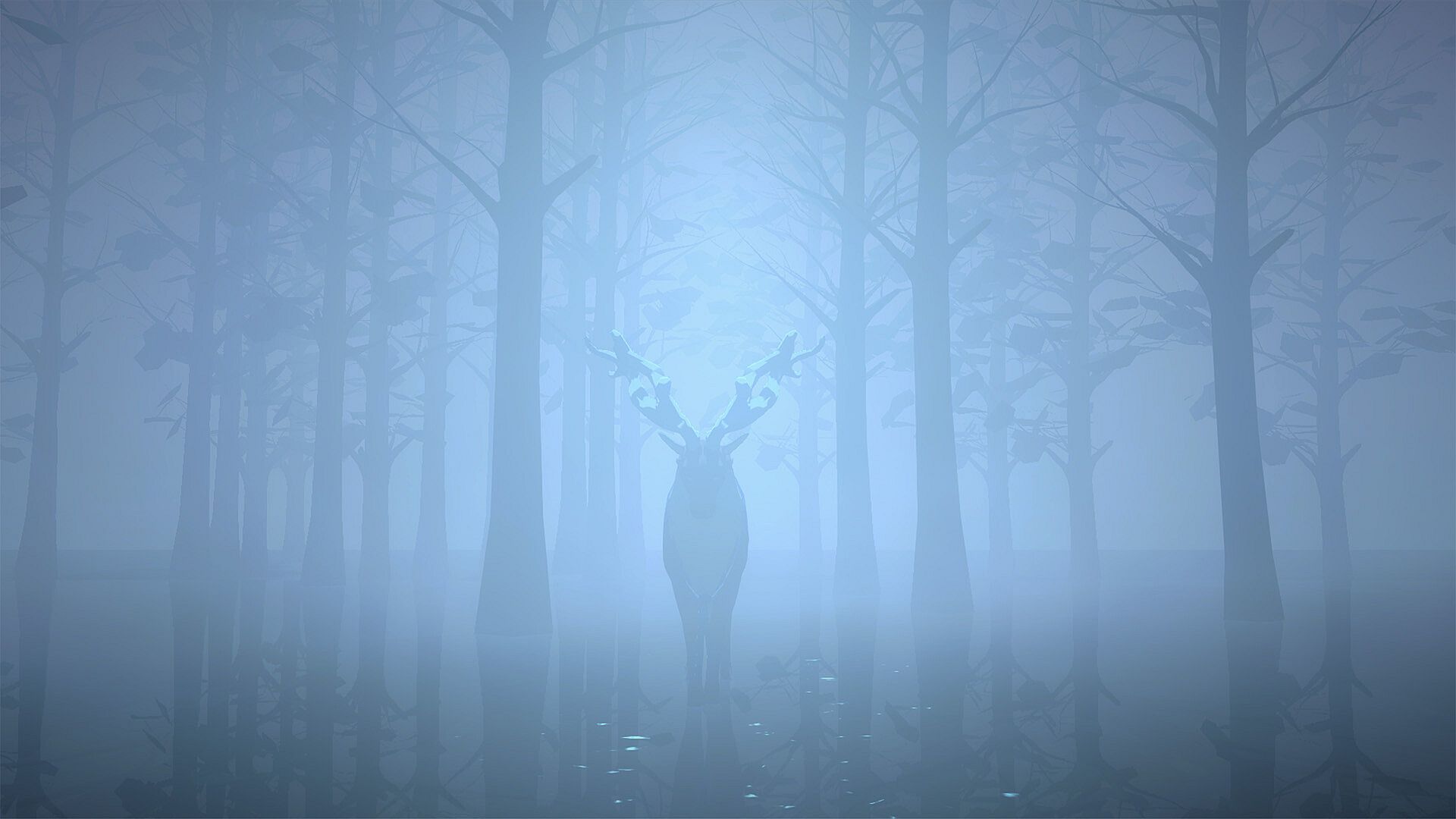







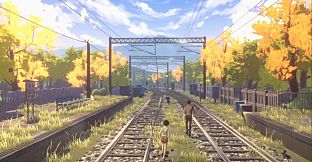
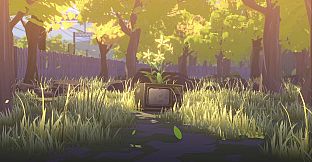

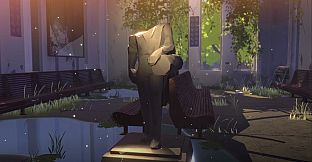

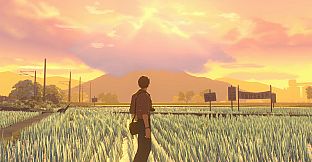
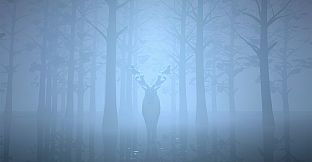
OPUS: Prism Peak stands out as a narrative adventure game that blends exploration with photography mechanics, set in a mysterious world devoid of humans. Developed by indie studio SIGONO, this title casts you as a middle-aged photographer navigating the enigmatic Dusklands alongside a girl who has lost her memories. With its focus on observation and puzzle-solving through a camera lens, the game appeals to those who enjoy thoughtful, story-driven experiences on PC.
Gameplay
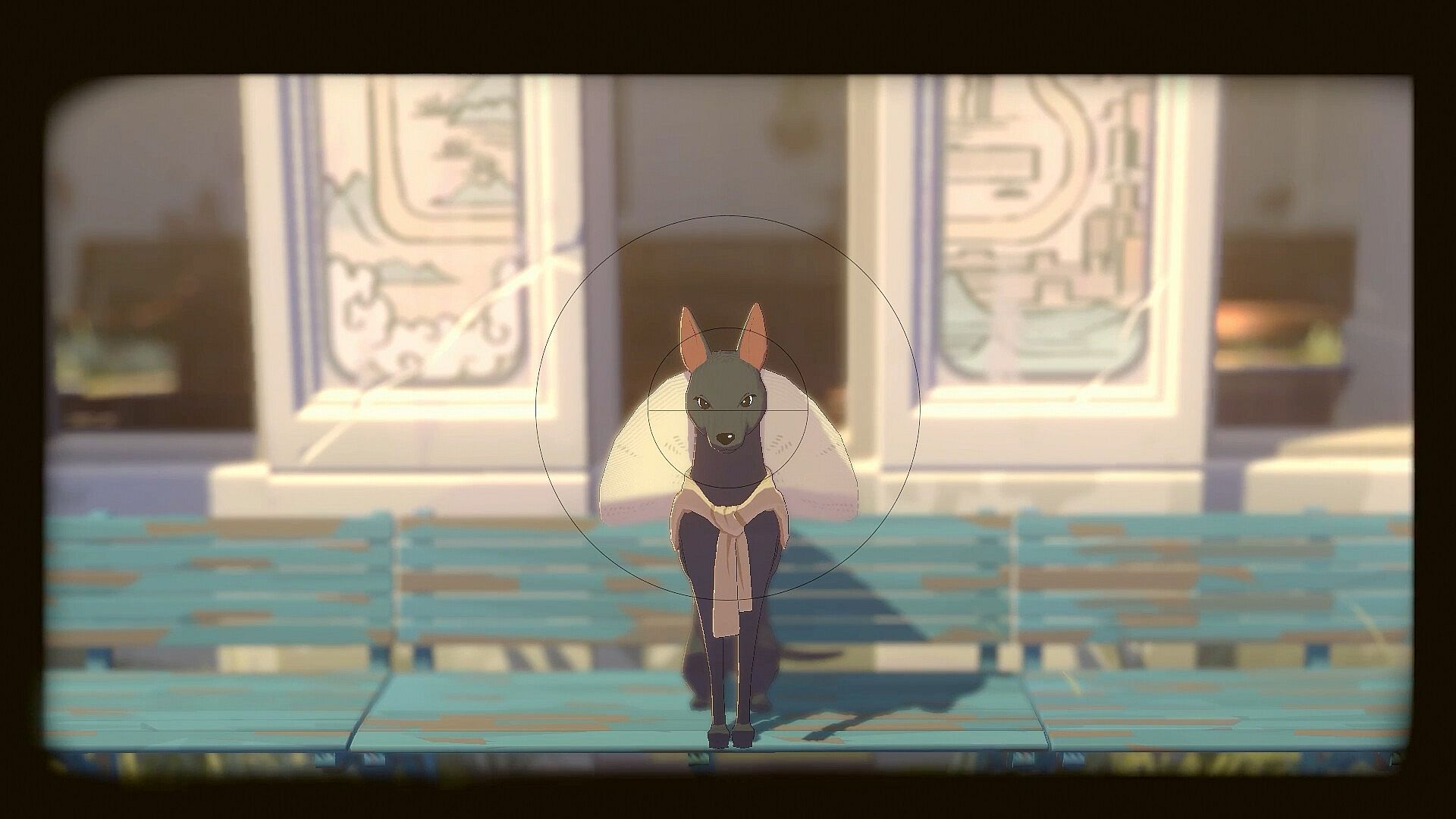
In OPUS: Prism Peak, the core mechanics revolve around using an old analog camera to interact with the environment and progress the story. You frame shots, adjust timing, exposure, focus, and apply filters to capture specific images that reveal secrets or satisfy the demands of Sacred Firebowl shrines. These shrines, marked by aperture symbols, act as puzzles where you must photograph particular scenes to obtain items and camera upgrades. Exploration involves traveling through the Dusklands, a land inhabited only by animal-like spirits, while piecing together clues from a journal called Dusklands Field Notes. This journal collects photos and stories, helping you identify spirits, decode runes, and uncover myths. Choices in interactions with spirits can influence bonds, subtly affecting the journey's outcome. The gameplay emphasizes careful observation, mirroring real-world photography by encouraging players to study surroundings and understand the desires of encountered beings.
Beyond photography, you journey with a mysterious companion, the amnesiac girl driven to reach Dusk Mountain. The narrative unfolds through wistful magical realism, where the absence of humanity becomes a central mystery to unravel. Mechanics like adding clues to the journal add layers of discovery, making each step feel purposeful in this single-player setup.
Game Modes
OPUS: Prism Peak is designed as a single-player narrative adventure without traditional multiplayer components or distinct competitive modes. The experience centers on a linear yet exploratory journey through the Dusklands, where progression ties directly to story advancement and puzzle completion. There are no confirmed separate modes like challenges or endless play; instead, the game focuses on one cohesive campaign that integrates photography and exploration into the main storyline.
Story and World
The setting of OPUS: Prism Peak draws from a world that echoes reality but lacks human presence, populated solely by spirits in animal forms. As the photographer, you delve into the reasons behind this emptiness, guided by the girl's faint urge to ascend Dusk Mountain. Themes of loss, memory, and observation weave through the plot, with elements like the Sacred Firebowls connecting different realms and holding key secrets. The Dusklands Field Notes serve as a tool for deeper lore, allowing you to document findings and connect dots across the adventure.
Interactions with spirits depend on your choices, fostering bonds that shape the ending. This structure suits players interested in emotional, introspective tales rather than action-heavy gameplay.
Is It Worth Playing?
With a demo available that has garnered positive impressions for its thoughtful approach to photography and themes of coming to terms with loss, OPUS: Prism Peak shows promise for fans of narrative adventures. Early feedback highlights the game's gorgeous visuals and emotional depth, making it a strong fit for those who appreciate indie titles with unique mechanics like camera-based puzzles. The full release is scheduled for April 16, 2026, and while no post-launch updates or seasons are detailed yet, the demo's reception suggests it could appeal to players seeking a reflective single-player experience. If you enjoy games that prioritize story and observation over combat, this one merits consideration upon launch, especially given the award-winning history of the OPUS series.