







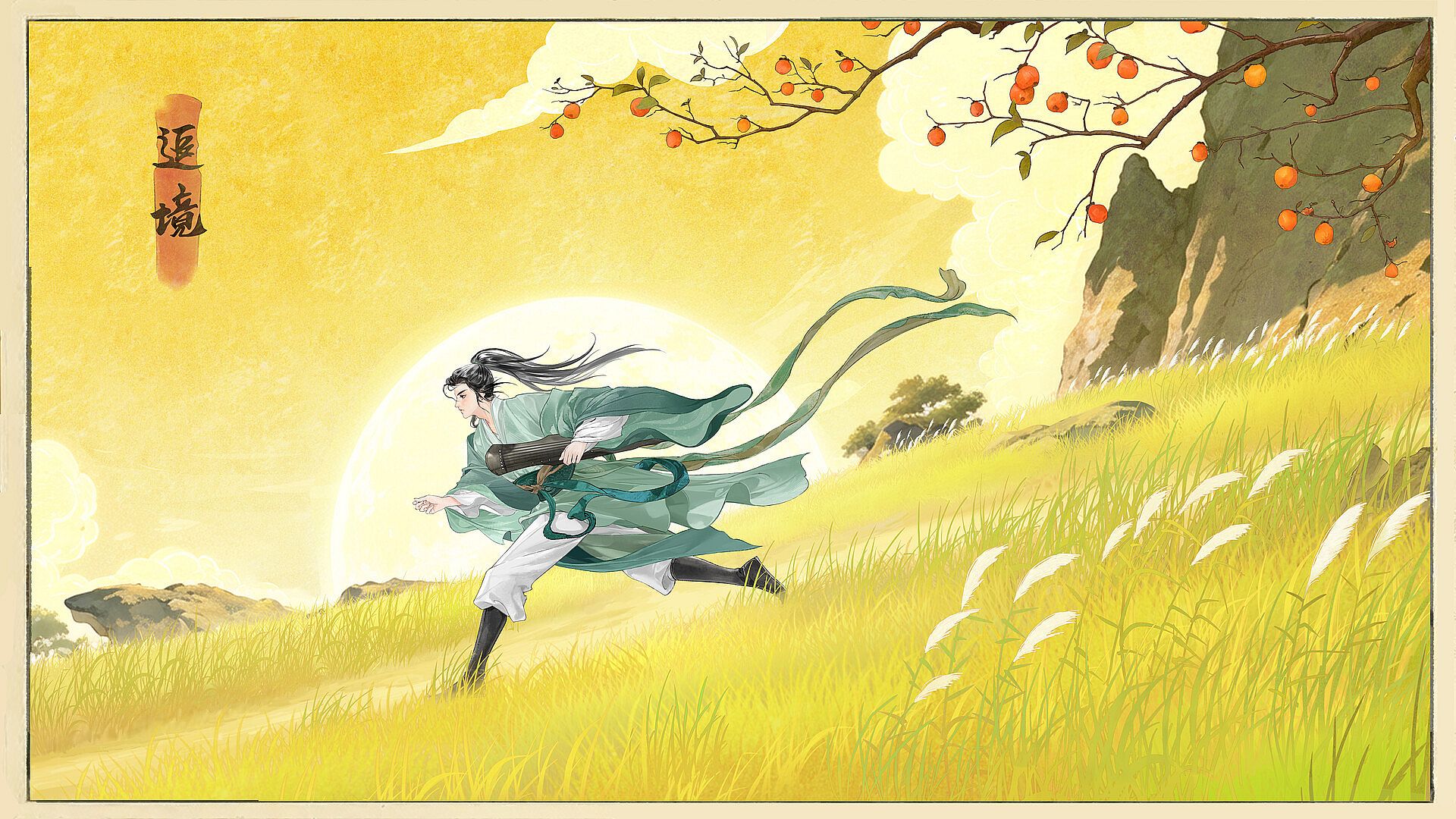
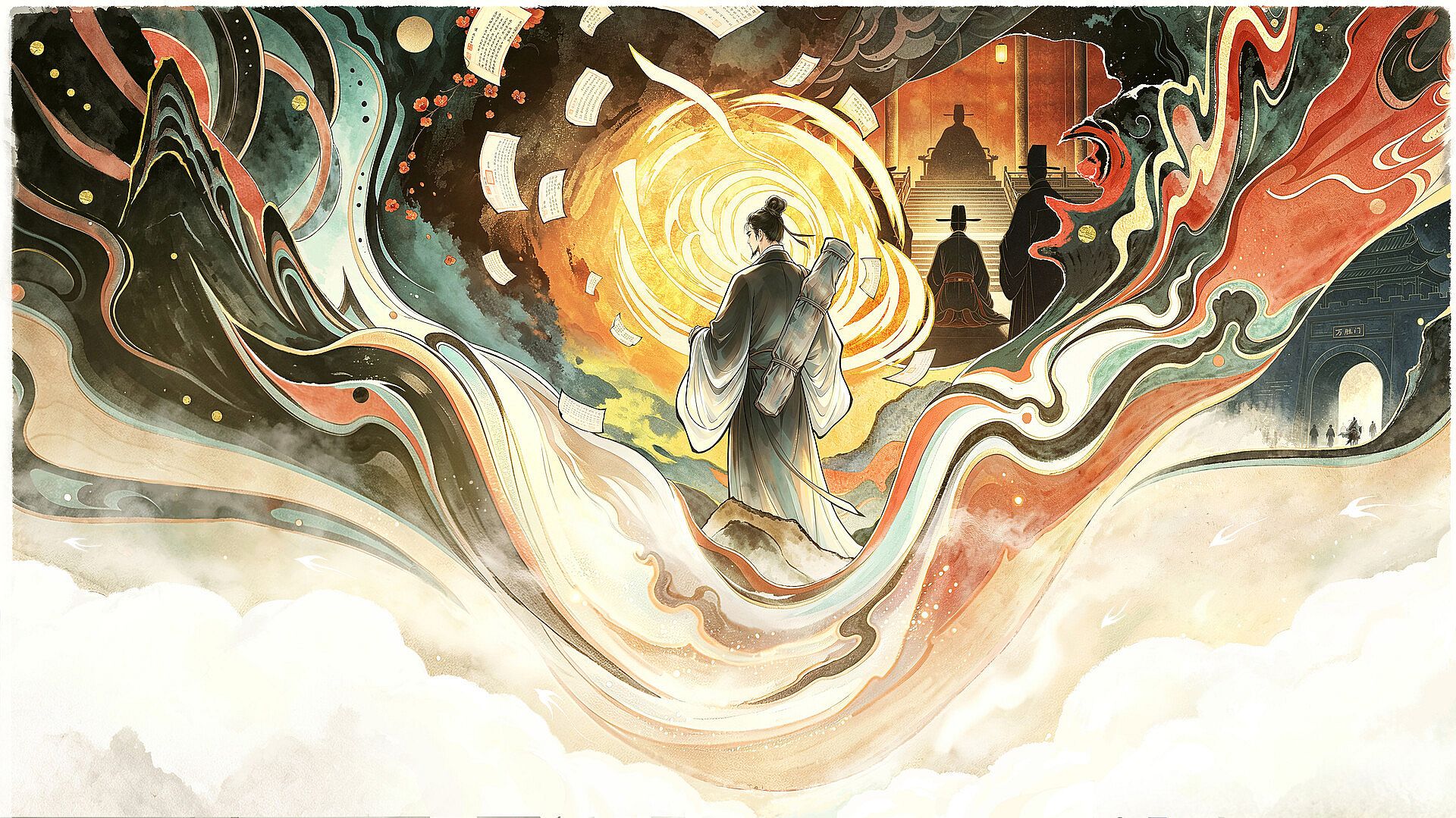
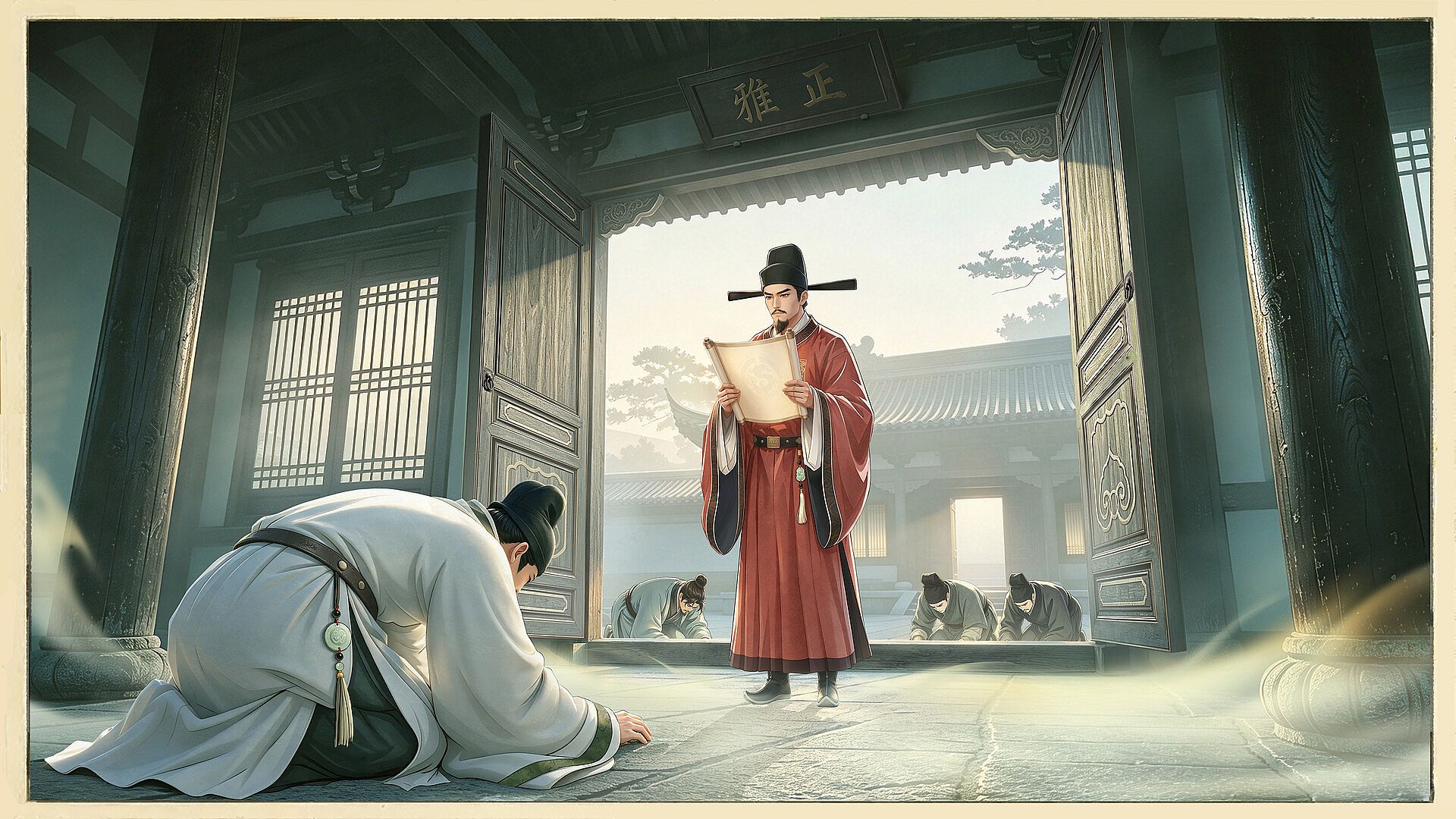


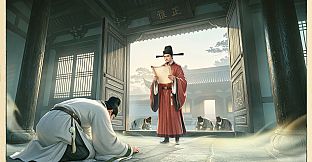

Path to Transcendence (追境) is an indie casual adventure game centered on auditory puzzle solving and narrative storytelling set in the Northern Song dynasty. Players follow a tale that unfolds across three decades, moving from remote Qinling mountains through Jiangling Prefecture and into the imperial palace at Bianjing. The experience emphasizes listening and interpretation over traditional visual navigation or combat.
Gameplay
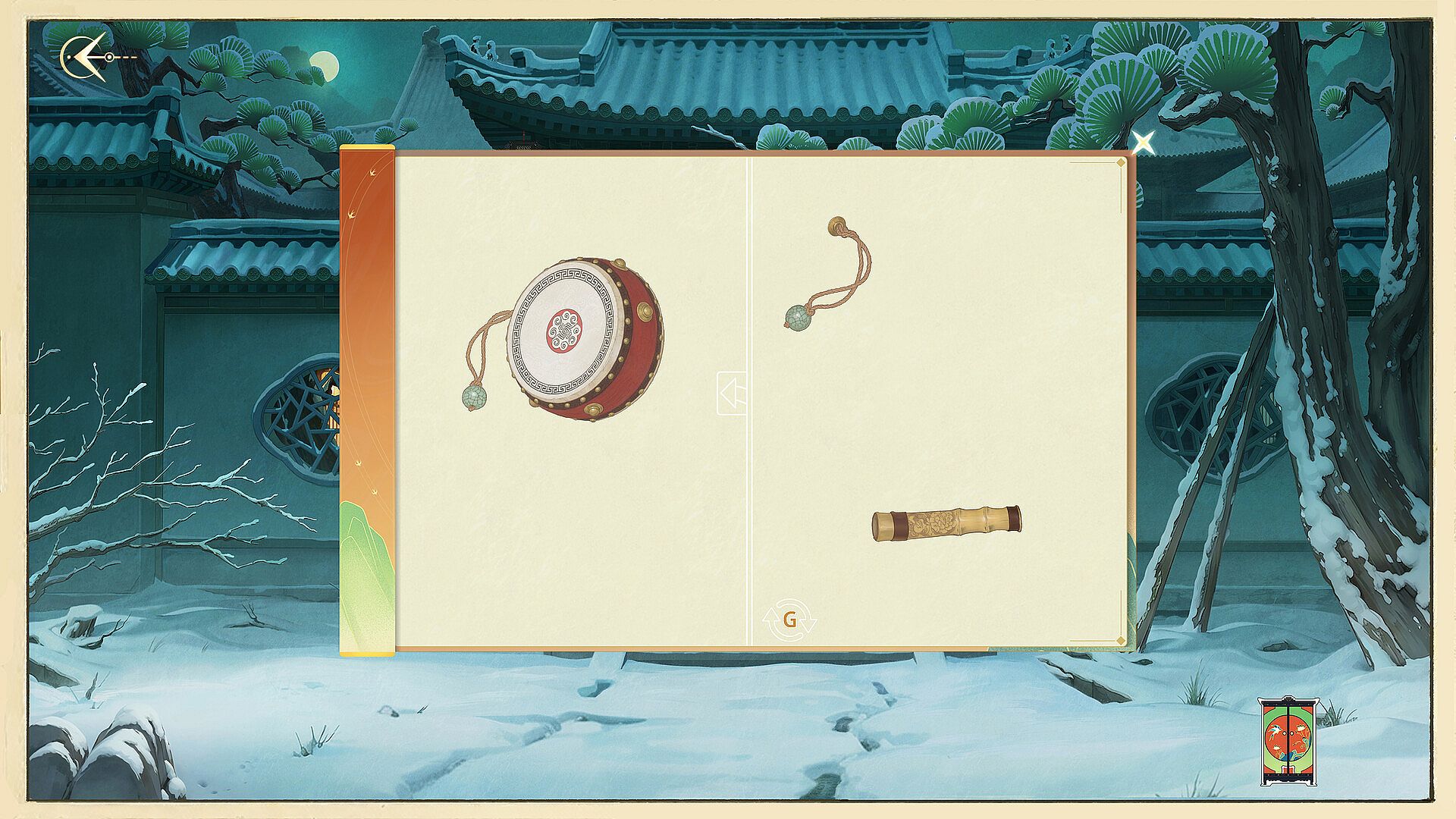
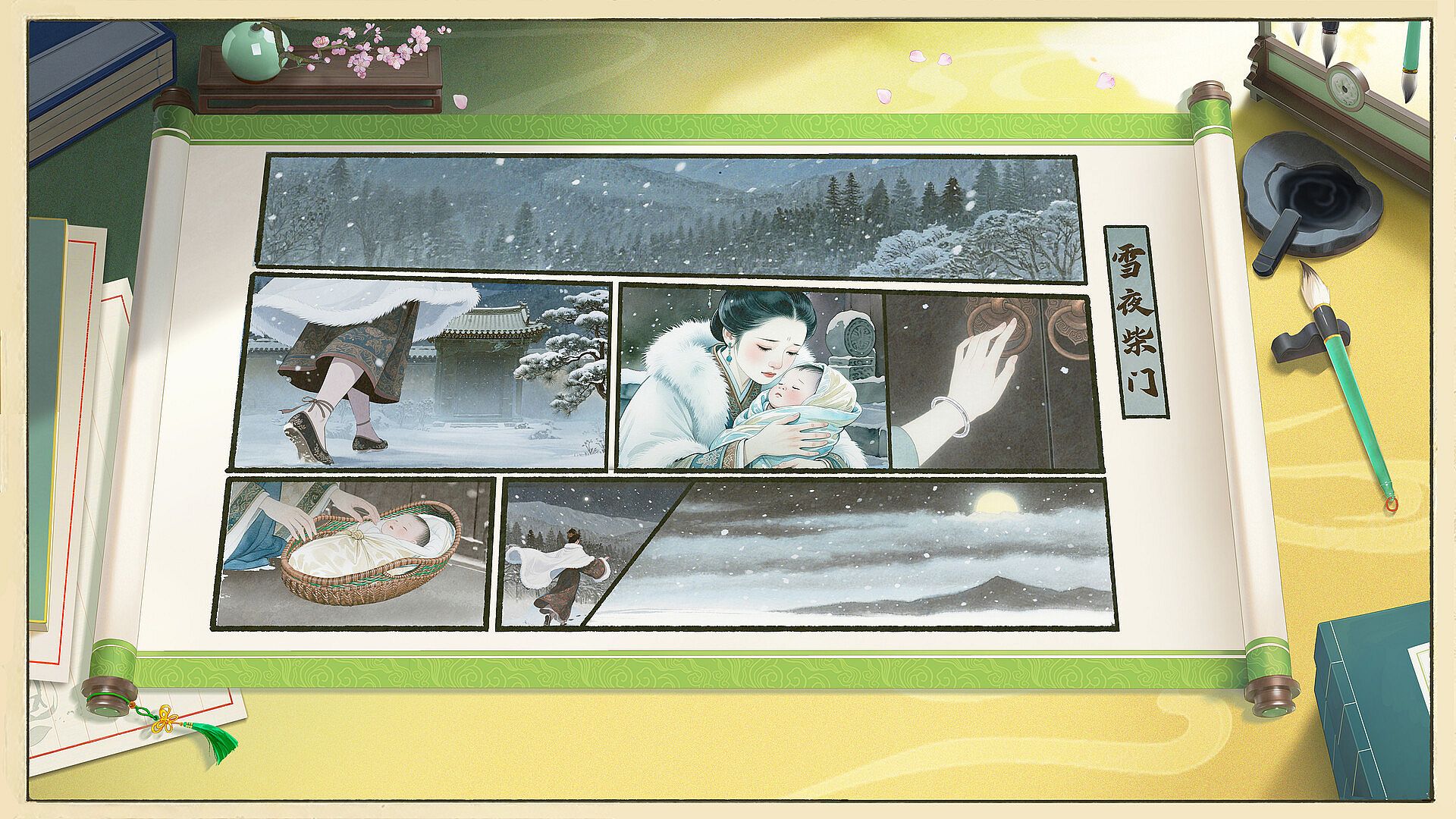
The core loop revolves around environmental audio cues and layered sound puzzles that advance the story. Every location features distinct ambient sounds that players interpret to uncover clues, progress scenes, and reveal character backstories. Puzzle solutions rely on matching audio patterns rather than precise musical knowledge, with on-screen visual waveforms, graphic overlays, and breathing-circle indicators providing guidance for sound recognition, pitch alignment, and rhythm timing. These assists keep the focus on narrative immersion instead of technical skill. Exploration involves moving through detailed period settings rendered in traditional Chinese artistic style, where each scene contributes to the atmosphere of court music traditions, scholarly life, and everyday existence during that era. The protagonist's journey begins with an adopted child raised by a former court musician exiled for altering classical music, and choices in listening and interpretation shape how fragments of the past surface over the thirty-year span.
Game Modes
The game operates as a single continuous narrative experience without separate competitive or multiplayer modes. All interaction stays within the story framework, blending dialogue sequences, environmental listening segments, and light puzzle resolution. There are no branching difficulty settings or alternate play styles confirmed at this stage; the design prioritizes a consistent, accessible path through the plot for players interested in historical fiction and sound-based mechanics.
Story and Setting
The narrative follows the life of Yunsheng, the orphan taken in during a snowy night by the disgraced musician Mingdao. Over thirty years the story traces connections between personal loss, court politics, and the cultural role of music in Song dynasty society. Locations range from isolated mountain retreats to bustling urban centers and palace interiors, each rendered with attention to period architecture, clothing, and daily routines. The emphasis remains on emotional resonance and historical texture rather than action sequences or resource management.
Visual and Audio Design
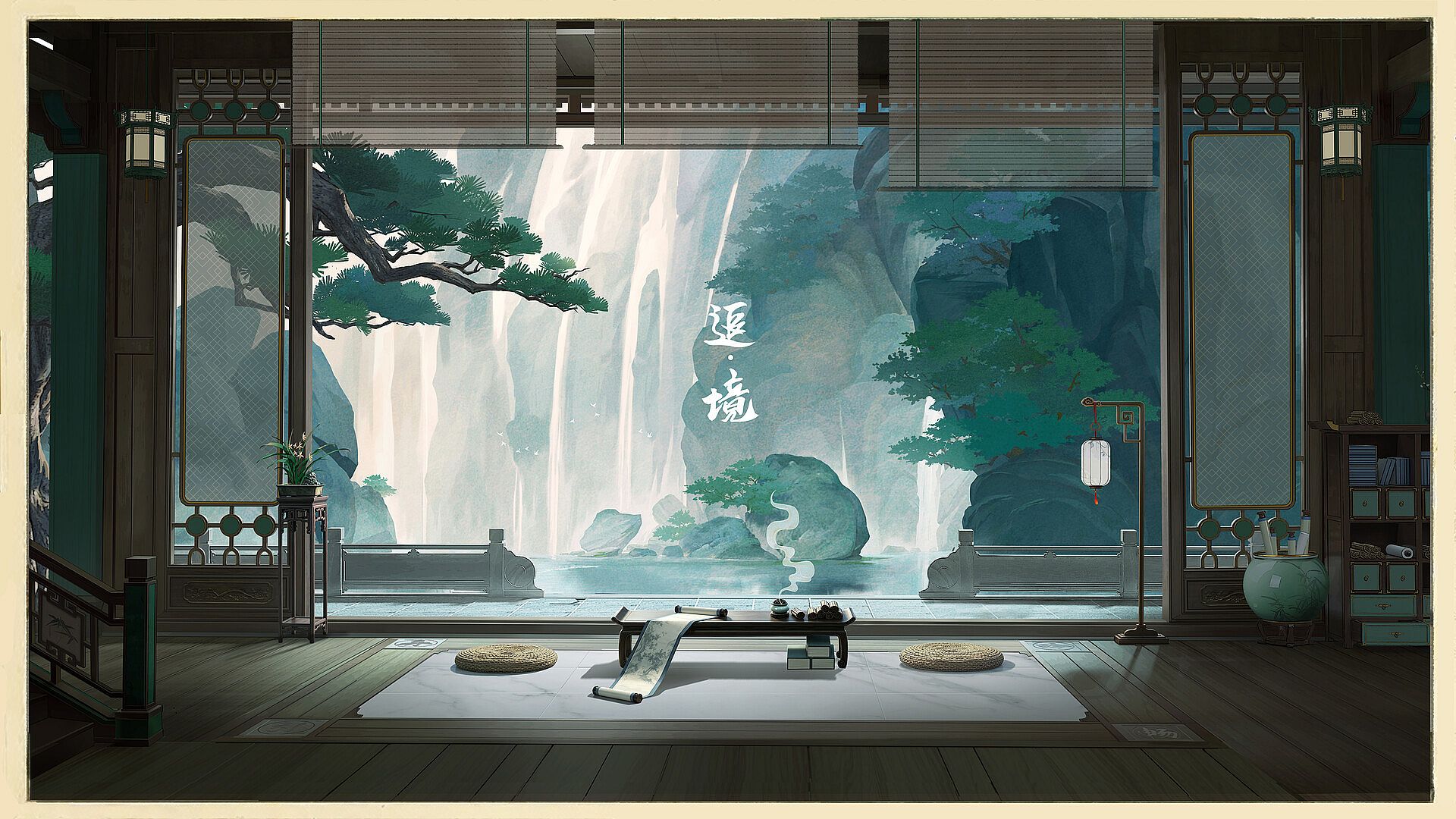
Art direction draws from traditional Chinese painting techniques to depict mountain snowscapes, river towns, and imperial halls with fine detail. Audio design forms the primary interactive layer, using spatial sound and layered tracks to represent wind, water, instruments, and human activity. The combination creates a cohesive sensory presentation that supports the story without requiring external musical training.
Is It Worth Playing?
Path to Transcendence remains in active development with a planned release in the first quarter of 2028. Its distinctive approach to puzzle solving through guided audio interaction and its focused single-player story make it a potential fit for players who enjoy narrative adventures with cultural themes and relaxed pacing. Those seeking fast action or complex systems may find the light puzzle emphasis and plot priority less engaging. Wishlisting on the official store page allows interested players to follow progress toward launch.











