




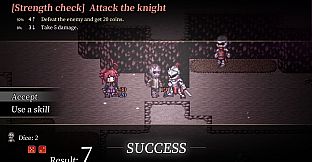

Peacemaker: The Die Is Cast is an indie RPG adventure built around dice rolls, puzzle solving, and mind control mechanics on PC. Players take on the role of a villainess reanimator who serves the Dark Lord, using strategic checks and zombie creation to enforce a twisted version of peace across the game world.
Gameplay
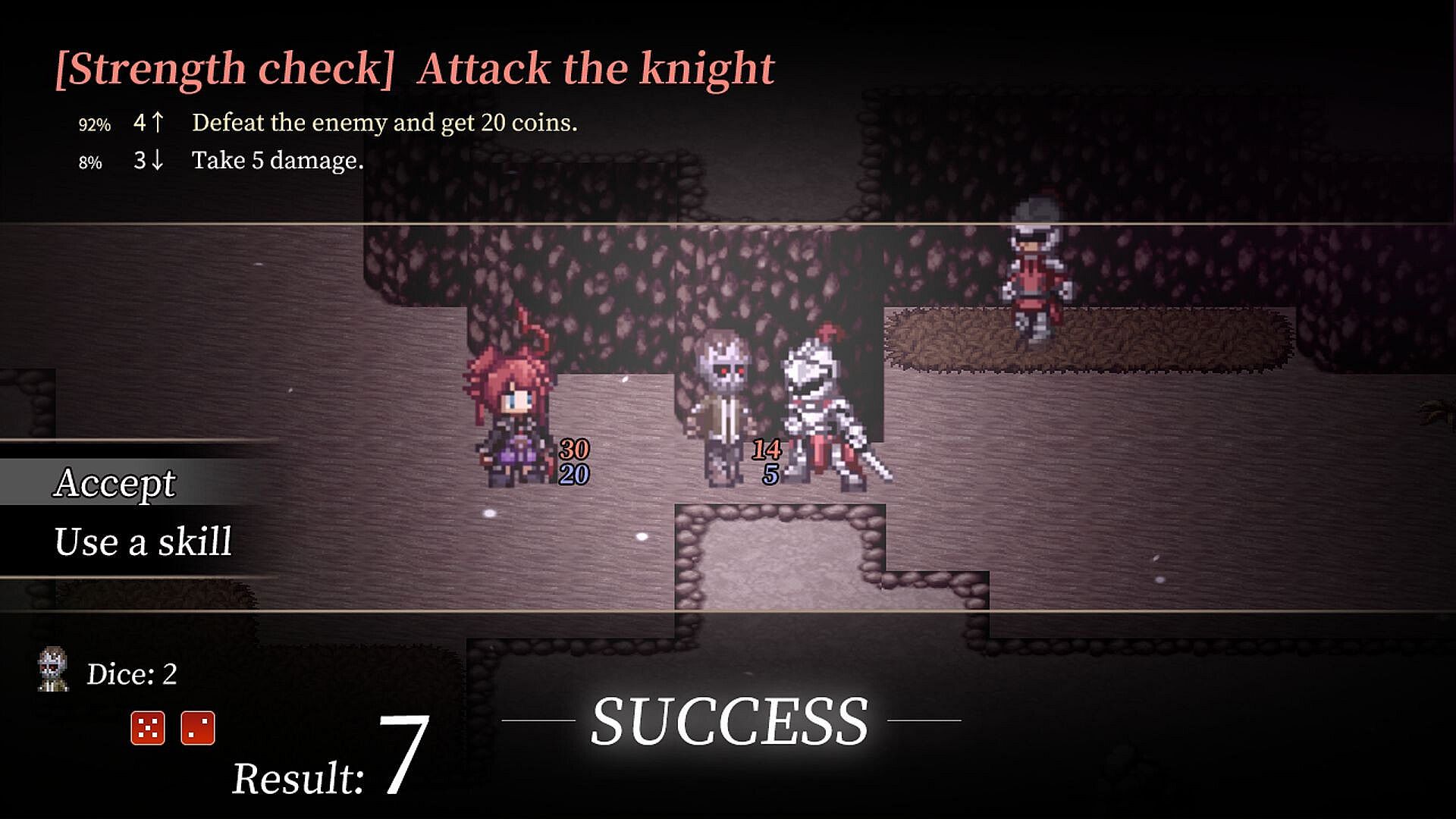
The core loop centers on rolling dice for attribute checks in Strength, Dexterity, or Intelligence. These rolls determine success in combat encounters, hazard avoidance, or spell casting during exploration and story progression. Success allows players to defeat enemies and then zombify them, which directly increases the total number of dice available for future checks. This creates a feedback loop where aggressive play expands options over time.
Mind control elements tie into the puzzle aspects, as players turn former allies or neutral characters into puppets that attack their own companions. The 2.5D camera setup supports focused storytelling by shifting perspectives during key scenes without breaking the top-down or side-view puzzle flow. Fate Points serve as a resource to adjust low rolls upward, adding a layer of risk management that rewards careful planning rather than pure luck.
Game Modes
Difficulty options range from Combat-free Mode, which removes all fighting to emphasize narrative flow, through standard and higher challenge levels up to Extreme Mode for players seeking tough enemy encounters. Each mode alters the balance between dice checks, puzzle complexity, and combat frequency while keeping the same core systems intact. Combat-free Mode functions like a linear story experience, while Extreme Mode demands precise use of expanded dice pools and Fate Point spending to overcome stronger foes.
Story and Characters
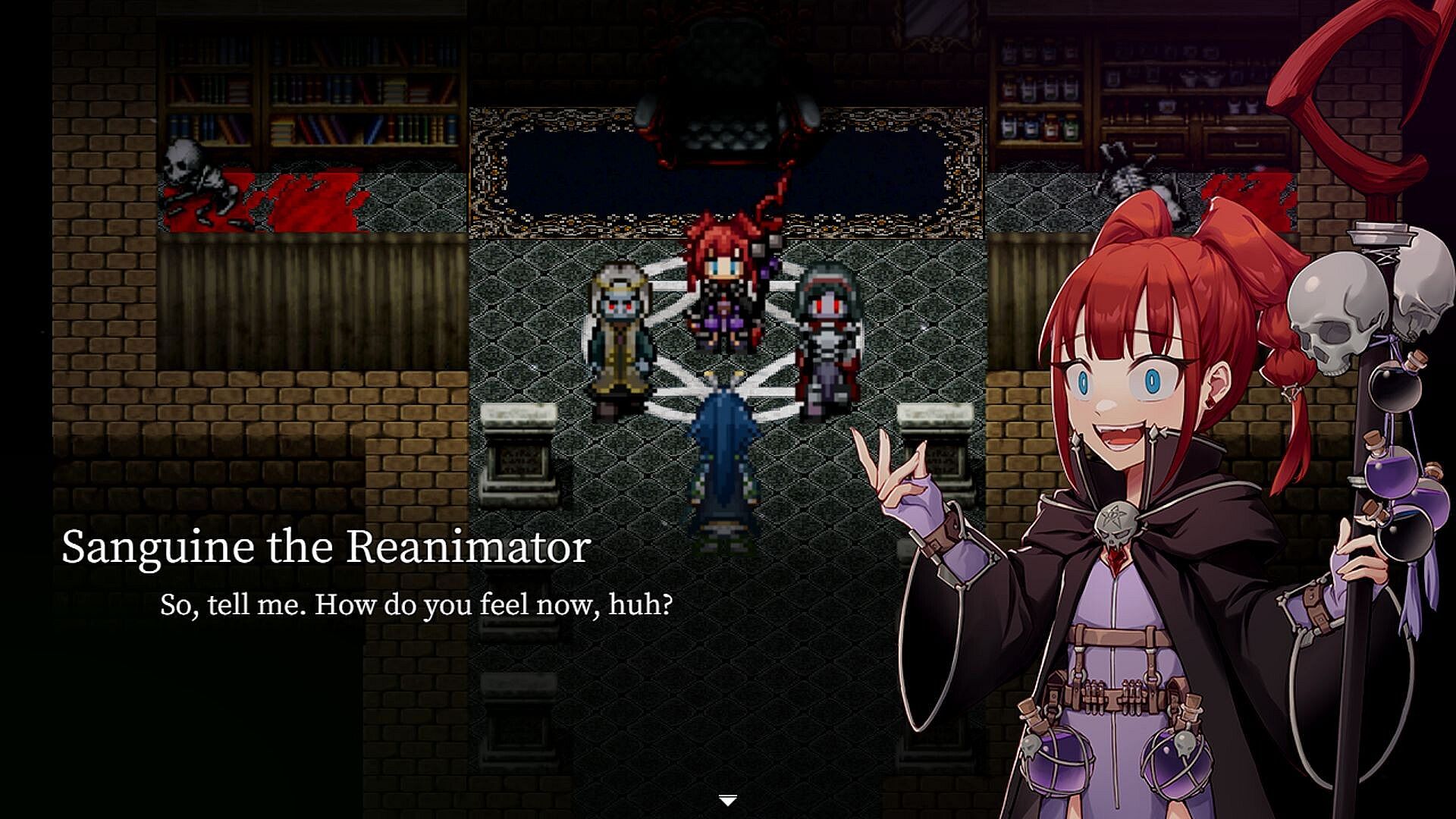
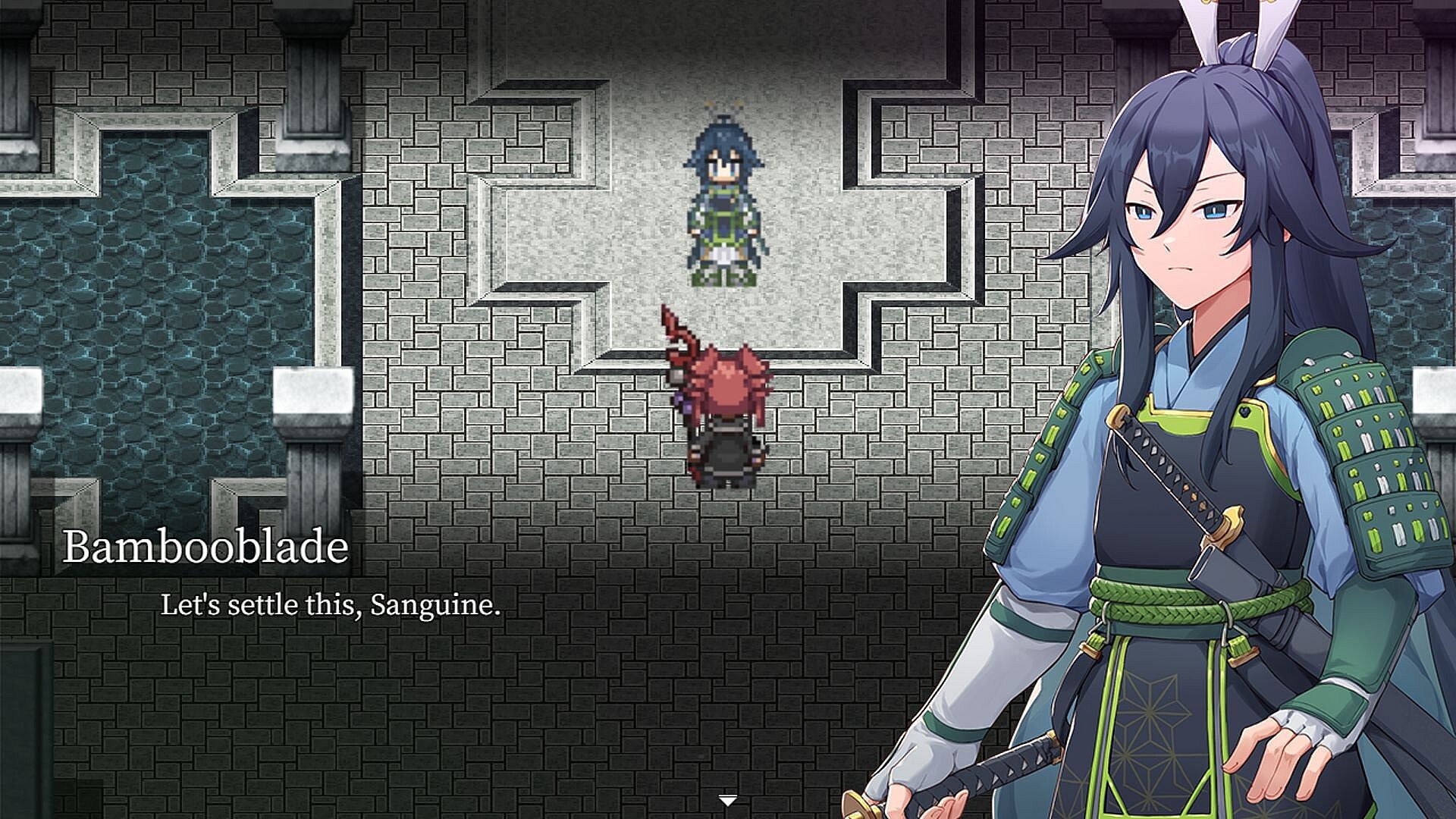
The narrative follows Sanguine, a determined reanimator who pursues her objectives without hesitation. Her path crosses with Bambooblade, a warrior rival whose confrontations drive key conflicts. Dialogue and events highlight the moral gray areas of using mind control and undead forces to achieve order, with player choices in checks influencing how these rivalries unfold.
Exploration mixes puzzle rooms that require specific attribute successes with encounters where zombified units can be positioned for tactical advantages. The single-player structure keeps focus on individual decision making and resource management across the campaign.
Is It Worth Playing?
This title suits players who enjoy dice-driven systems combined with puzzle elements and unconventional villain perspectives in an indie RPG format. The Fate Point mechanic and dice expansion through zombification provide meaningful progression that scales with play style. Those who prefer adjustable difficulty will find options that support either relaxed story runs or demanding combat challenges without altering the fundamental rules.
Reception centers on the unique blend of reanimation tactics and check-based resolution, with the 2.5D presentation enhancing key character moments. Availability on PC makes it accessible for those interested in short-to-medium length adventures that reward strategic thinking over reflex-based action. If dice rolls, mind control puzzles, and anti-hero narratives align with your preferences, the game delivers a focused experience built around those systems.