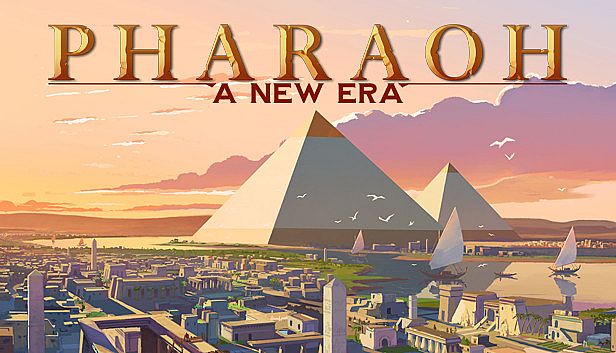


















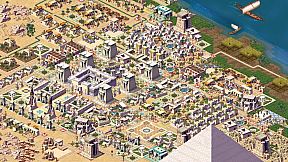
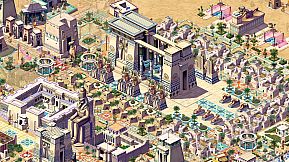
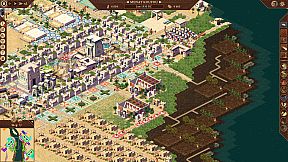
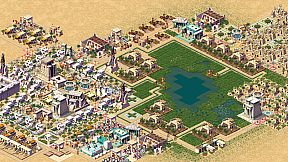
Pharaoh: A New Era stands out as a strategy simulation city-builder that revives a beloved classic from the late 1990s. This remake brings the intricate world of Ancient Egypt to modern players, focusing on constructing thriving settlements along the Nile while navigating historical challenges. With its emphasis on resource management and urban planning, the game appeals to those who enjoy deep strategic depth in a historical setting.
Gameplay
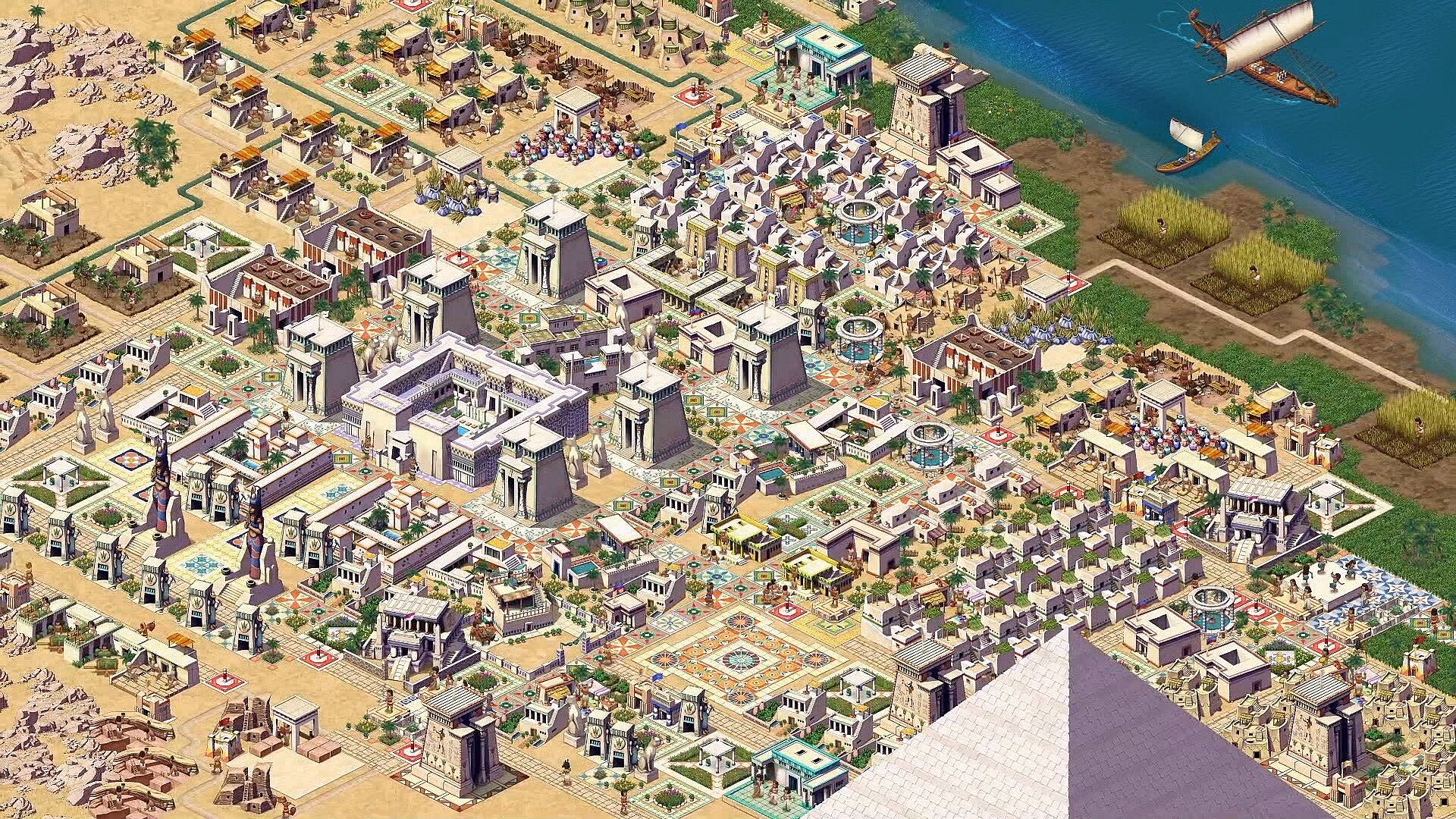
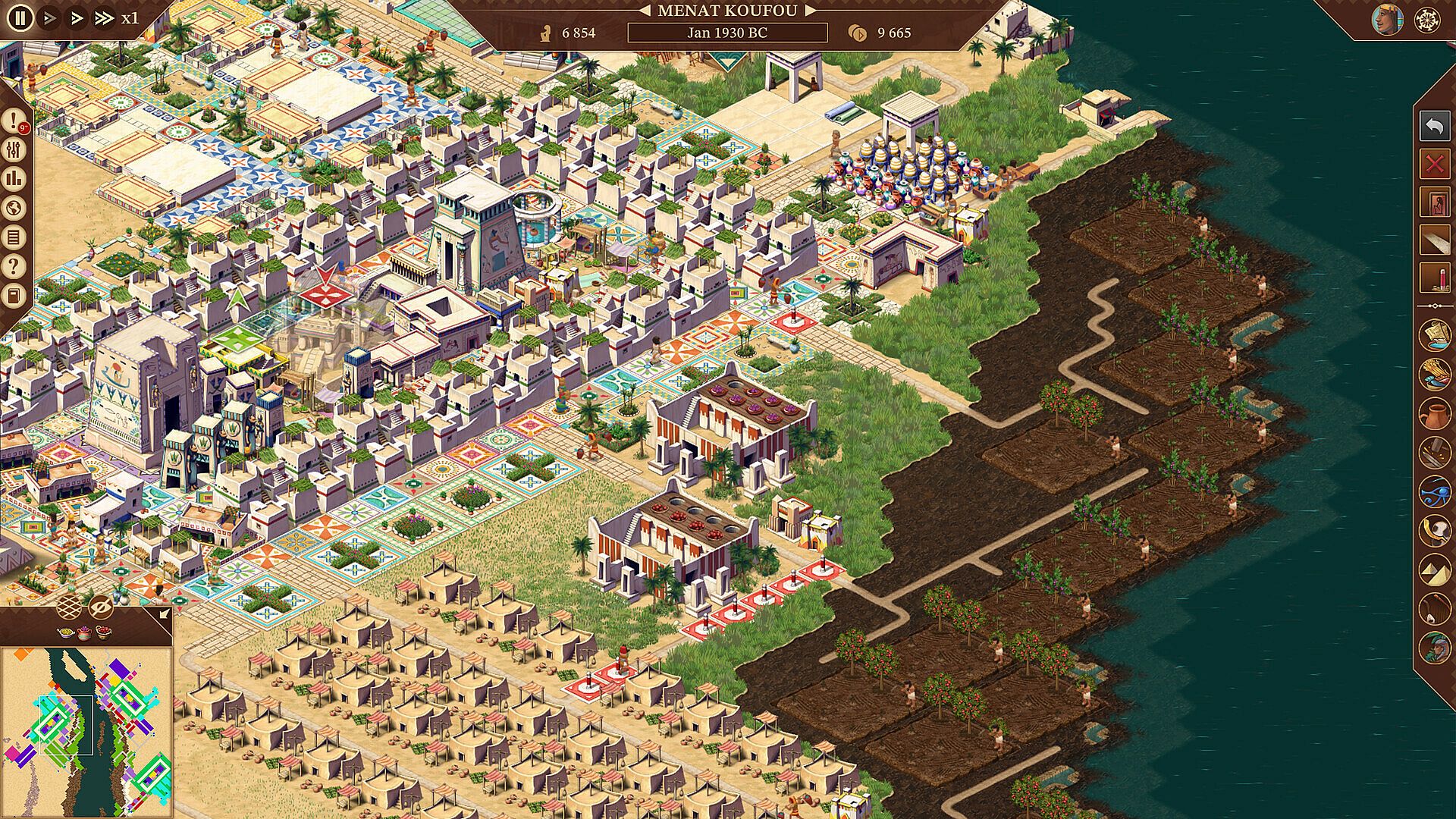
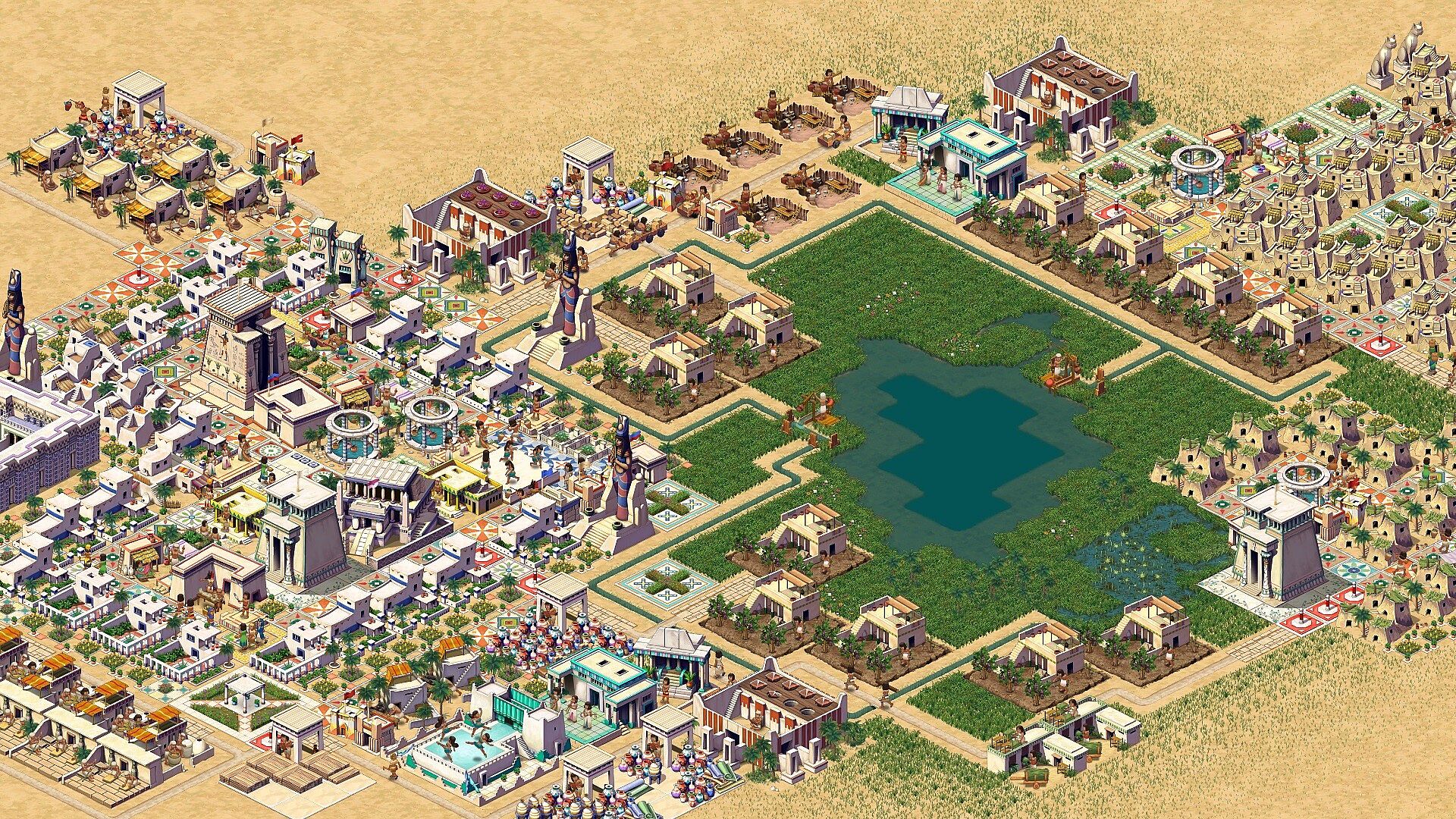
In Pharaoh: A New Era, the core experience revolves around developing cities from humble beginnings into grand civilizations. Players start by cultivating fertile lands near the Nile, setting up farms, housing, and essential services to support a growing population. Resource gathering plays a central role, with mechanics tied to mining, fishing, and agriculture that respond to seasonal floods measured by tools like the Nilometer.
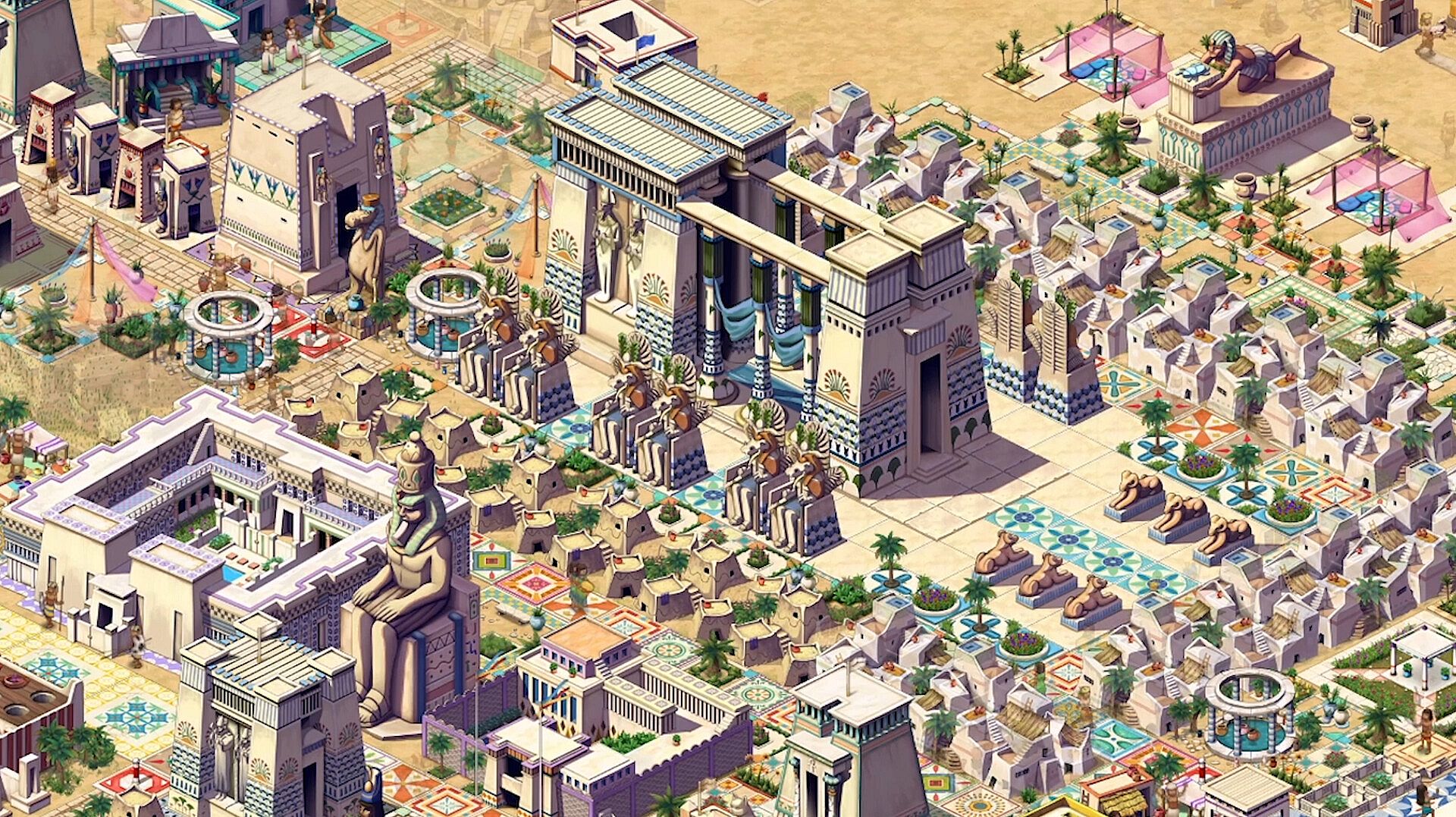
Building iconic structures such as pyramids, the Sphinx, and temples forms a key part of progression. These projects require careful labor allocation, using features like the Global Labor Pool and Fixed Worker Ratio to optimize workforce efficiency. Trade with neighboring regions bolsters the economy, while managing aspects like health, culture, and religion helps maintain stability. Challenges arise from events like enemy invasions, plagues, or divine disfavor, demanding adaptive strategies to keep the city prosperous.
Quality-of-life improvements enhance the flow, including the ability to copy-paste buildings and disable certain threats like predators. Combat is simulated rather than directly controlled, keeping the focus on city management over tactical battles. The isometric 2D visuals, fully reworked in high definition, provide clear oversight of sprawling settlements.
Game Modes
The game offers two primary ways to engage with its systems. Campaign mode guides players through over 50 missions spanning 4,000 years of Egyptian history, blending tutorials with narrative elements. Each mission introduces new mechanics, from basic city setup to complex monument construction and crisis management, delivering more than 100 hours of structured content.
Sandbox mode provides freedom for creative building without mission constraints. Here, players can design custom cities, experiment with layouts, and focus on aesthetics or efficiency at their own pace. This mode suits those who prefer open-ended play after mastering the basics in the campaign.
Is It Worth Playing?
Pharaoh: A New Era earns praise for faithfully updating a classic, with an OpenCritic average score of 80 indicating strong reception among critics and players. Reviewers highlight its depth and the satisfaction of watching cities flourish, though some note that the mechanics can feel dated compared to contemporary titles.
It suits strategy enthusiasts who appreciate detailed simulation and historical themes, especially fans of the original game seeking a polished version with modern tweaks like an improved UI and reorchestrated soundtrack. Newcomers might find the learning curve steep, but the remake's additions make it more accessible. Released in 2023 without ongoing seasons or major updates mentioned, it remains a solid single-player experience for those drawn to city-building in an ancient context. If you value thoughtful planning over fast action, this title holds lasting appeal.
Key Mechanics and Features
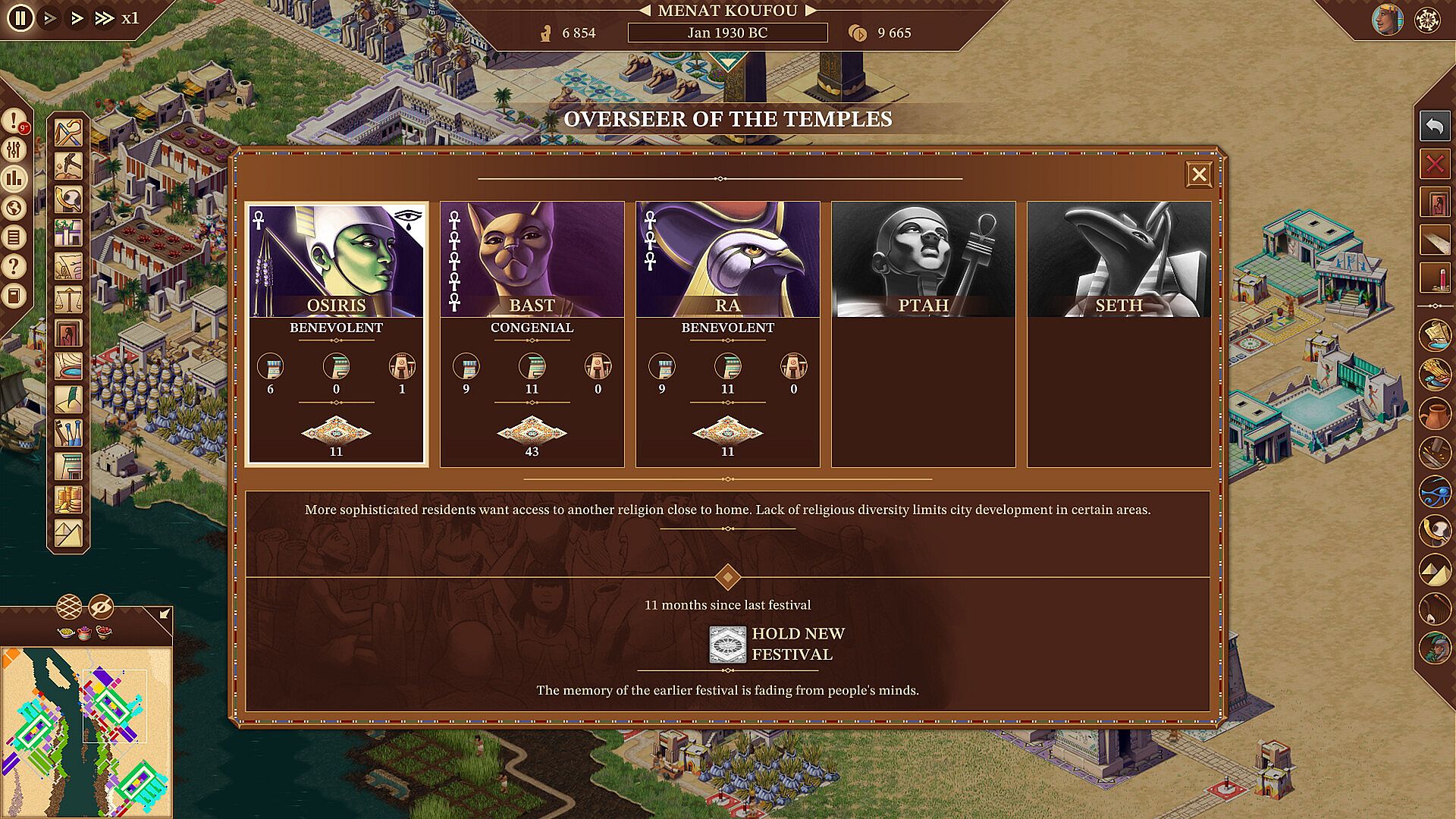
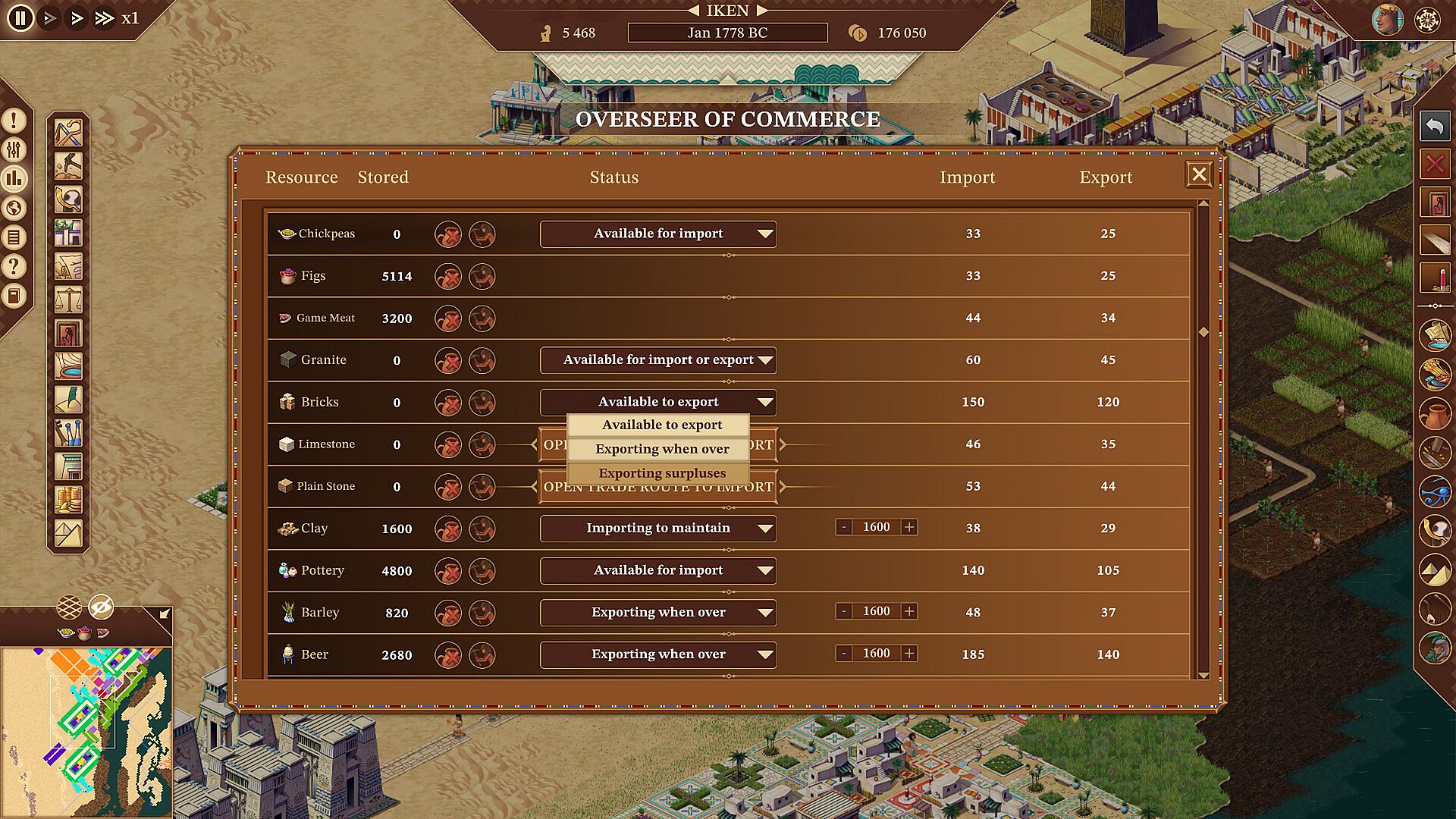
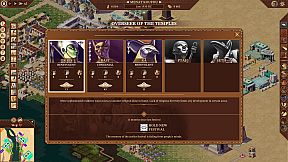
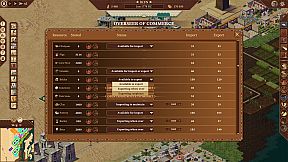
Beyond basic building, the game integrates polytheistic religion as a mechanic, where constructing temples and holding festivals earns favor from gods, influencing city health and prosperity. Economic tools track trade routes and internal production, while indicators for population mood and flood quality add layers of oversight.
Standout elements include:
- Monument building that requires phased construction and resource stockpiling.
- Dynamic events like Nile floods that affect agriculture and require preparation.
- Worker management systems that allow precise control over labor distribution.
These features create a rich loop of expansion and adaptation, set against a backdrop of Egyptian lore.