




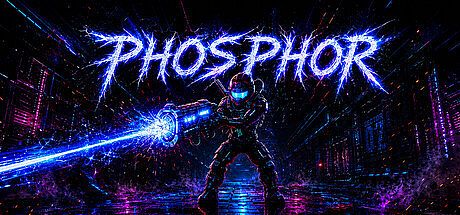



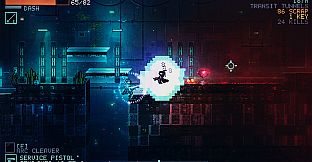
PHOSPHOR is a single-player precision action-roguelike platformer built around fluid movement, readable combat, and a curated progression system. Players control reclaimed husks descending through a decaying cyberpunk facility where every run involves scavenging weapons, reacting to telegraphed threats, and refining loadouts before banking rewards and pushing deeper.
Gameplay
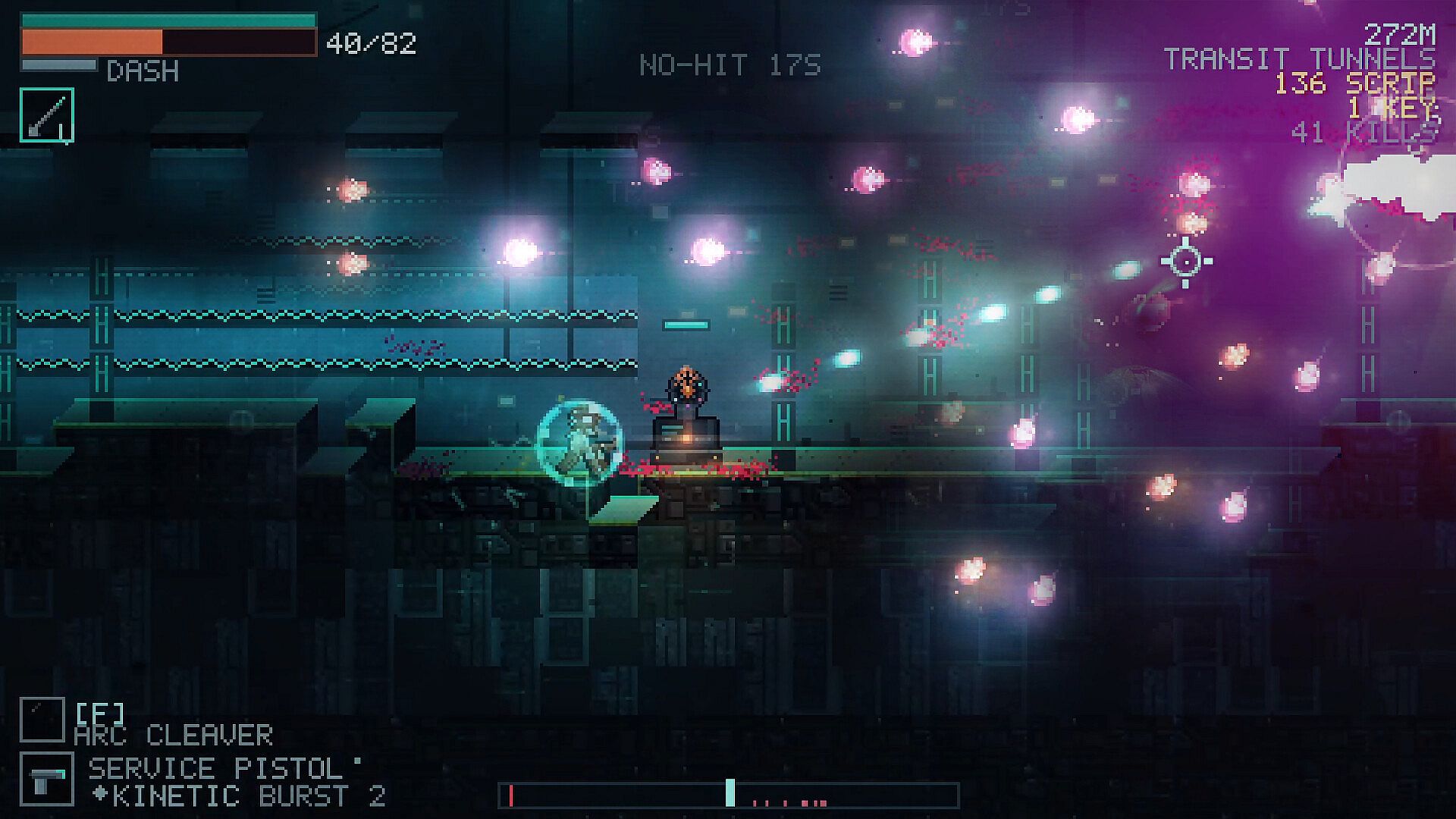
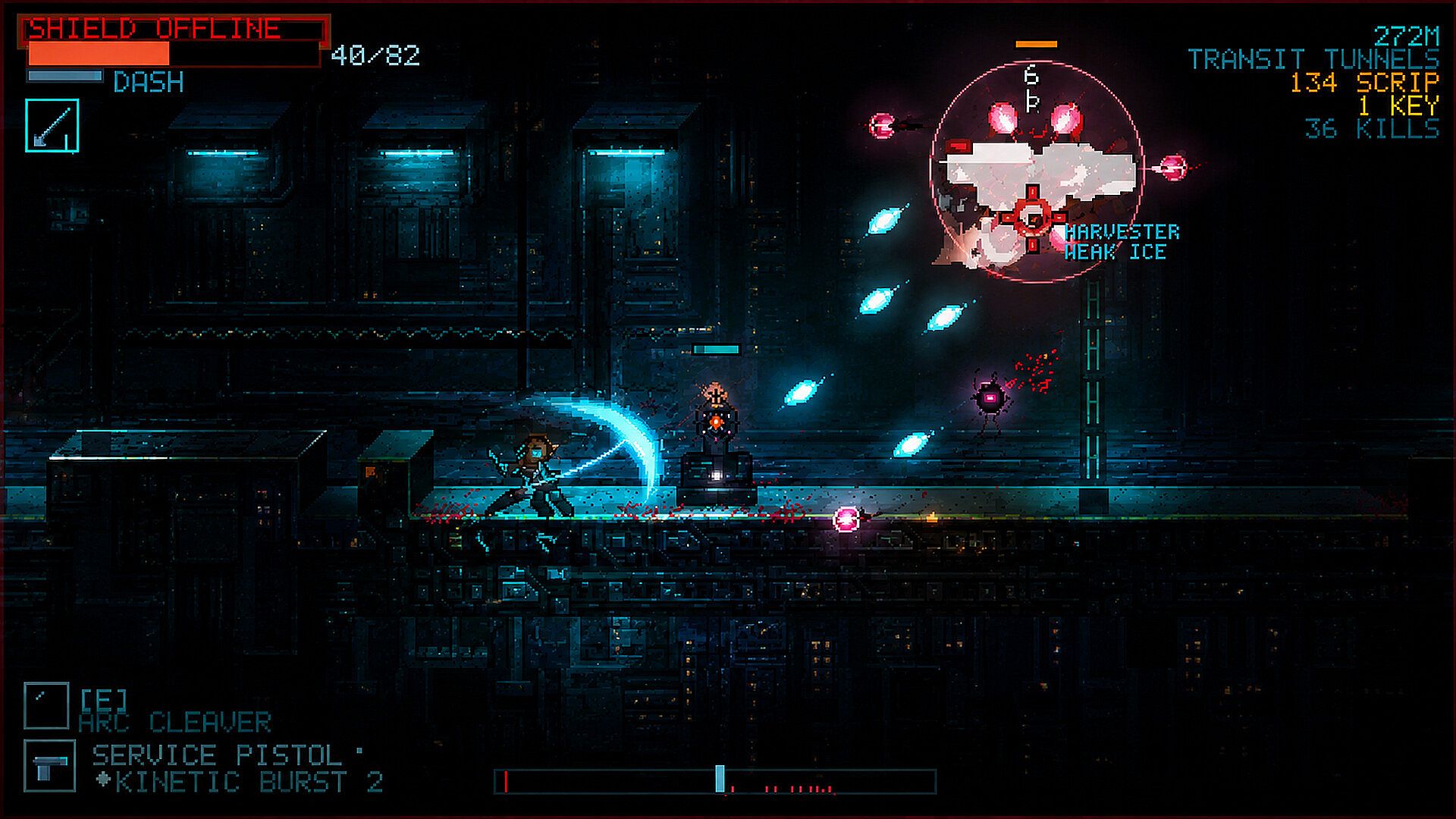
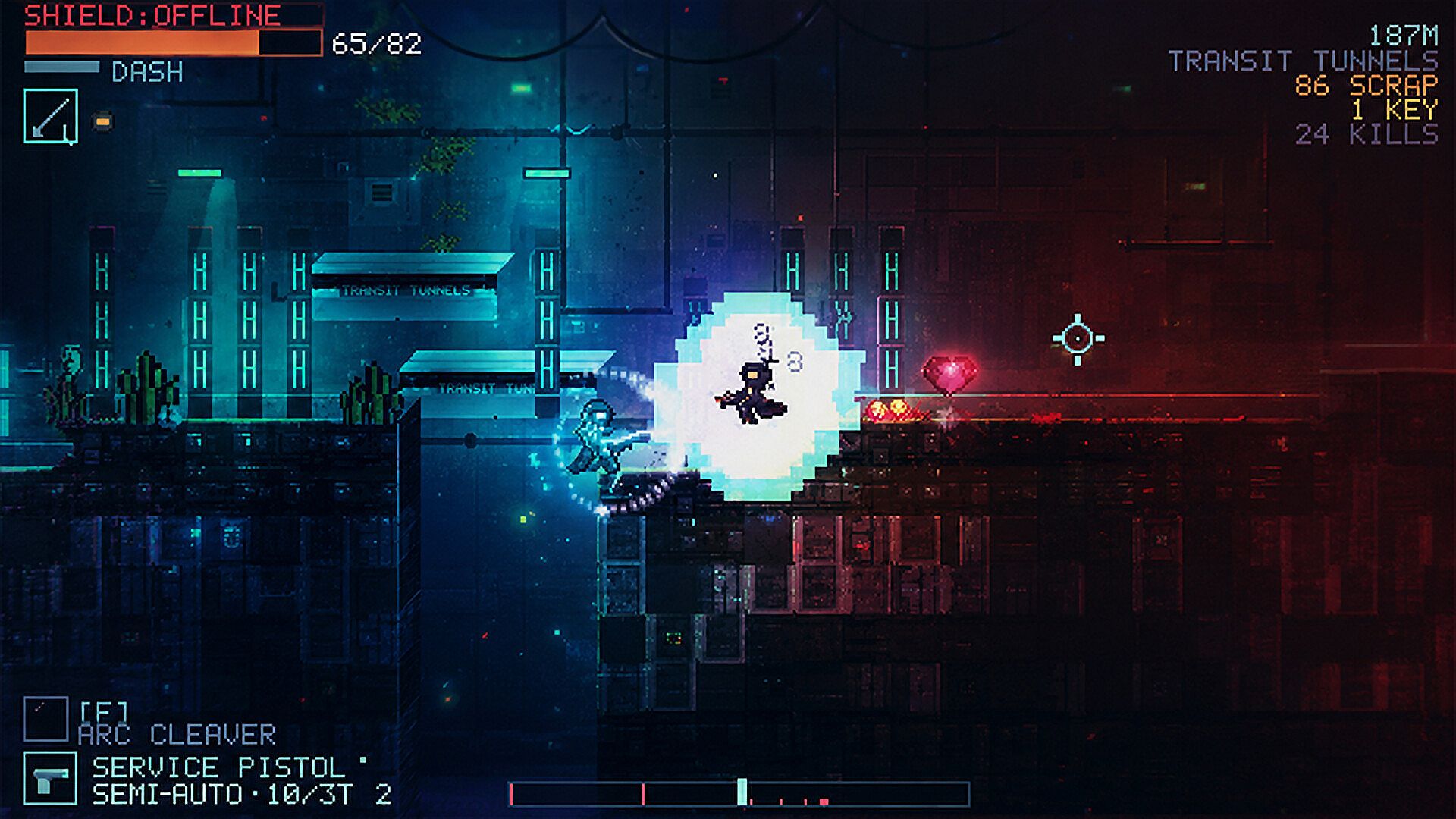
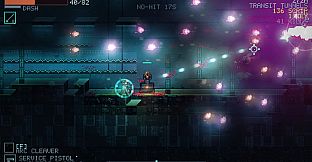
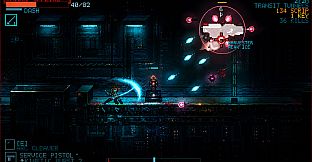
Core movement relies on grounded platforming mechanics that include coyote time, variable jump height, air control, wall slides, and wall jumps. A two-tier dash system starts with a quick dodge and unlocks a Super Dash featuring invincibility frames and afterimages. Combat emphasizes weight and feedback through hitstop, screenshake, staggered enemies, kill zooms, and a perfect-dodge slow-motion effect. Melee attacks deflect incoming projectiles, while every danger provides clear visual cues before hitboxes activate.
Electric fences follow predictable pulse cycles that players can time for safe passage. Boss encounters feature distinct phases and arena alterations, each tied to consistent signals for danger, reward, and interactables. The design avoids reliance on memorization, focusing instead on execution and economy of motion across 19 hand-tuned biomes and roughly two dozen enemy types.
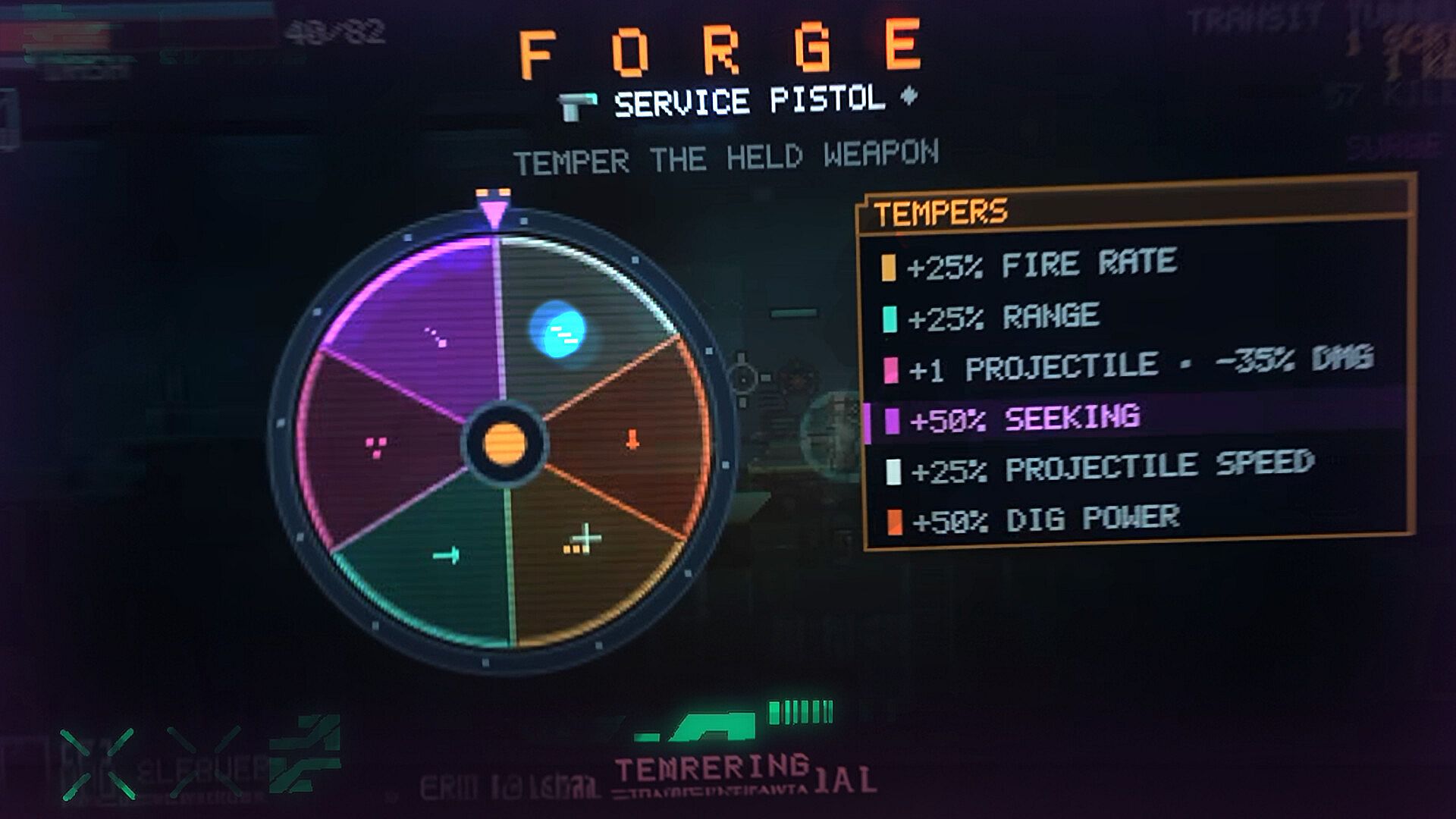
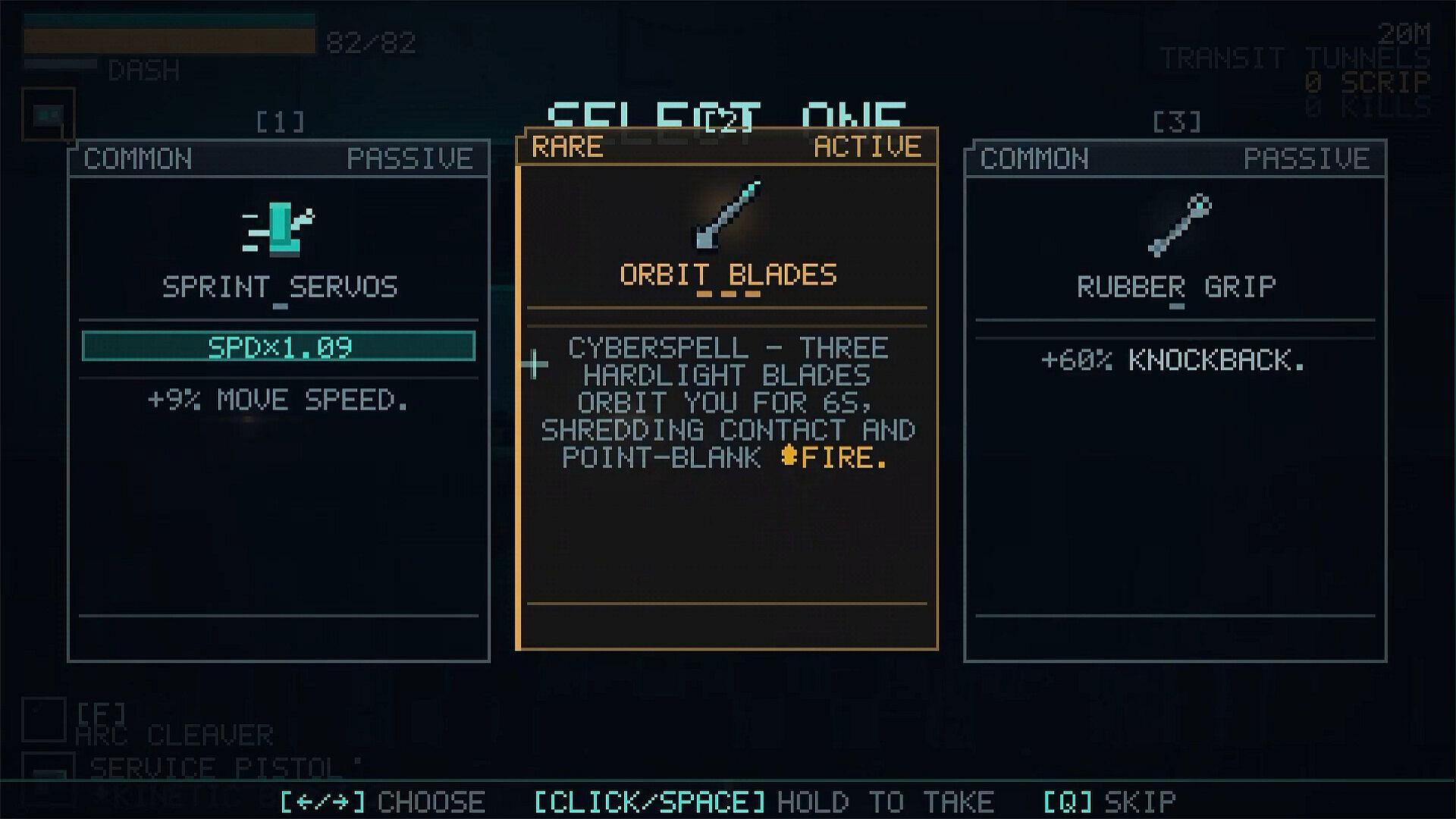
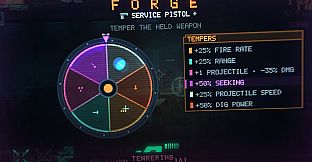
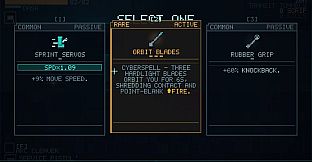
Elemental systems add layers of strategy. Fire, toxin, shock, and ice apply timed effects, and combining elements on the same target triggers reactions such as Thermal Shatter, Superconduct, Combustion, or Corrosion. Weapons span six rarities and carry specific mechanics including pierce, chain, ricochet, charge, lifesteal, execute, and seeking. Synergy sets and keystones further alter playstyles, with sets enabling effects like ignited attacks or refreshed dashes on kills, and keystones enforcing rules such as chained shots or guaranteed elemental procs.
Game Modes
The primary loop centers on Descent, a direct run into the facility that ends either in death or a successful ascent back to the hub. Custom runs allow players to apply heat modifiers for increased rewards. Daily and weekly challenges share a seed across participants, with local best times available for comparison. After clearing the Core, the descent cycles with scaling difficulty for continued play.
Determinism ensures identical seeds produce the same world layout, loot, and visuals on every attempt. Between combat sections, players encounter shops, repair bays, free caches, boon altars that pair gear with curses, and mini-events such as ambushes or hold-the-line scenarios.
Progression and Hub
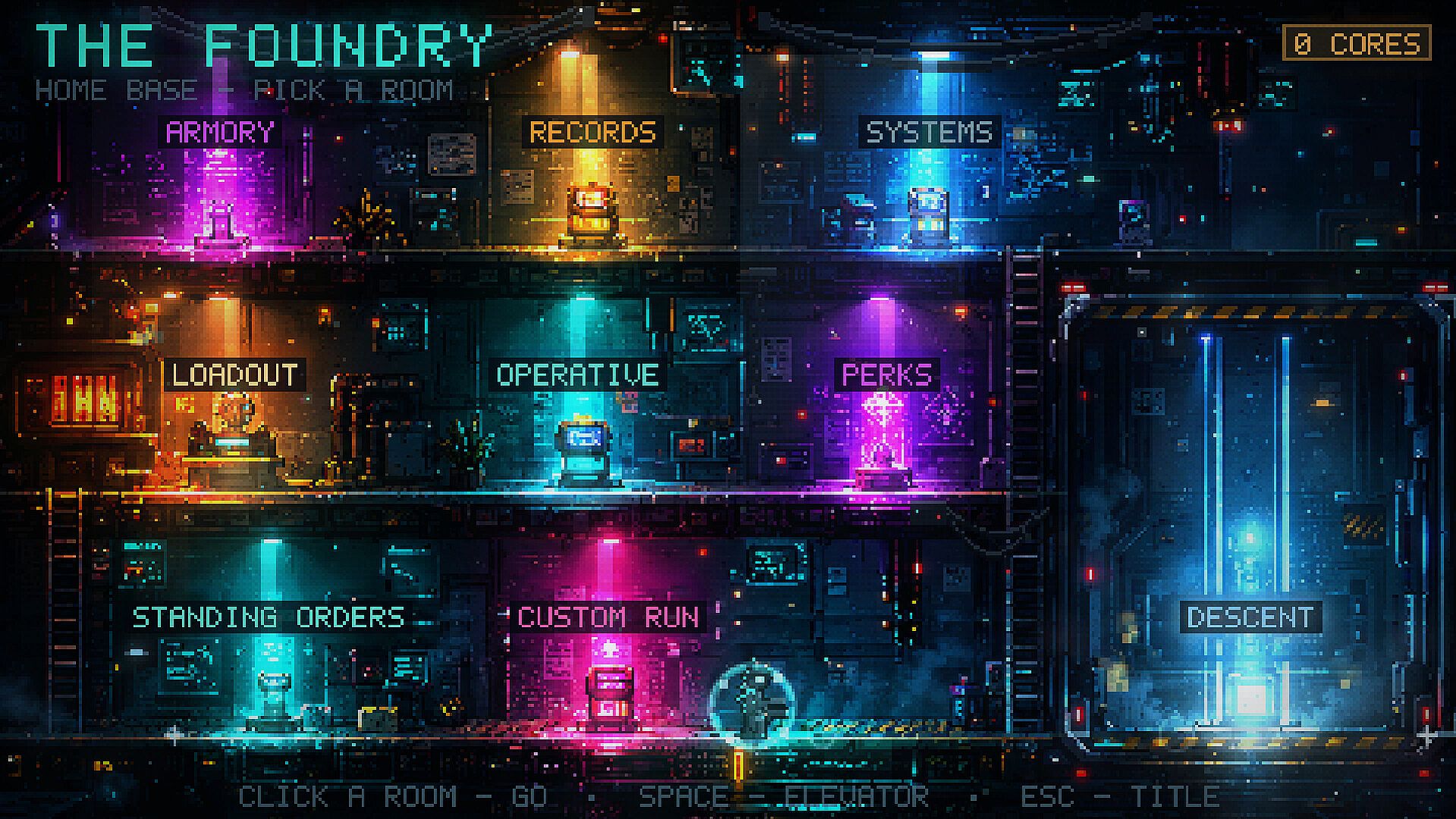
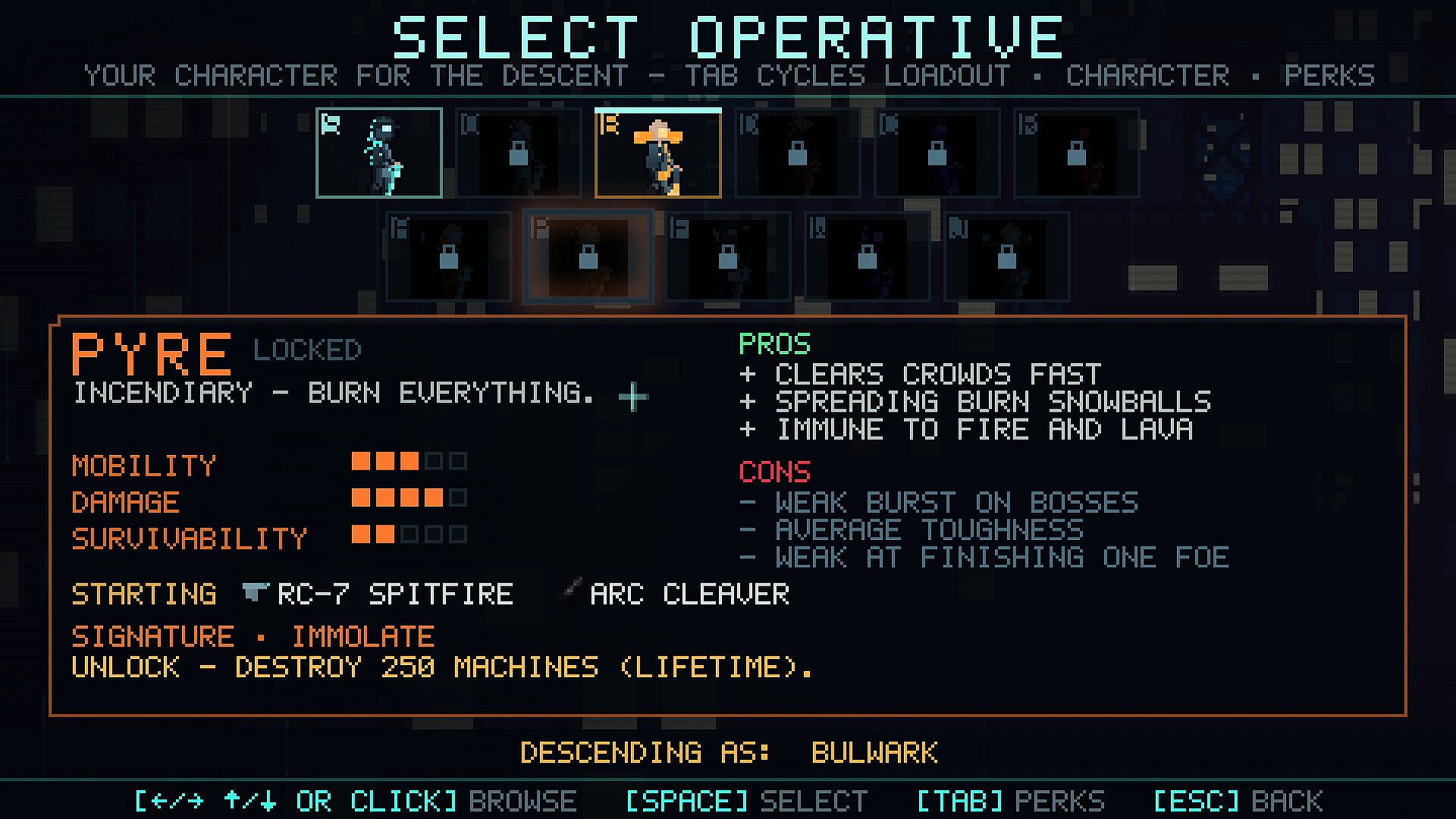
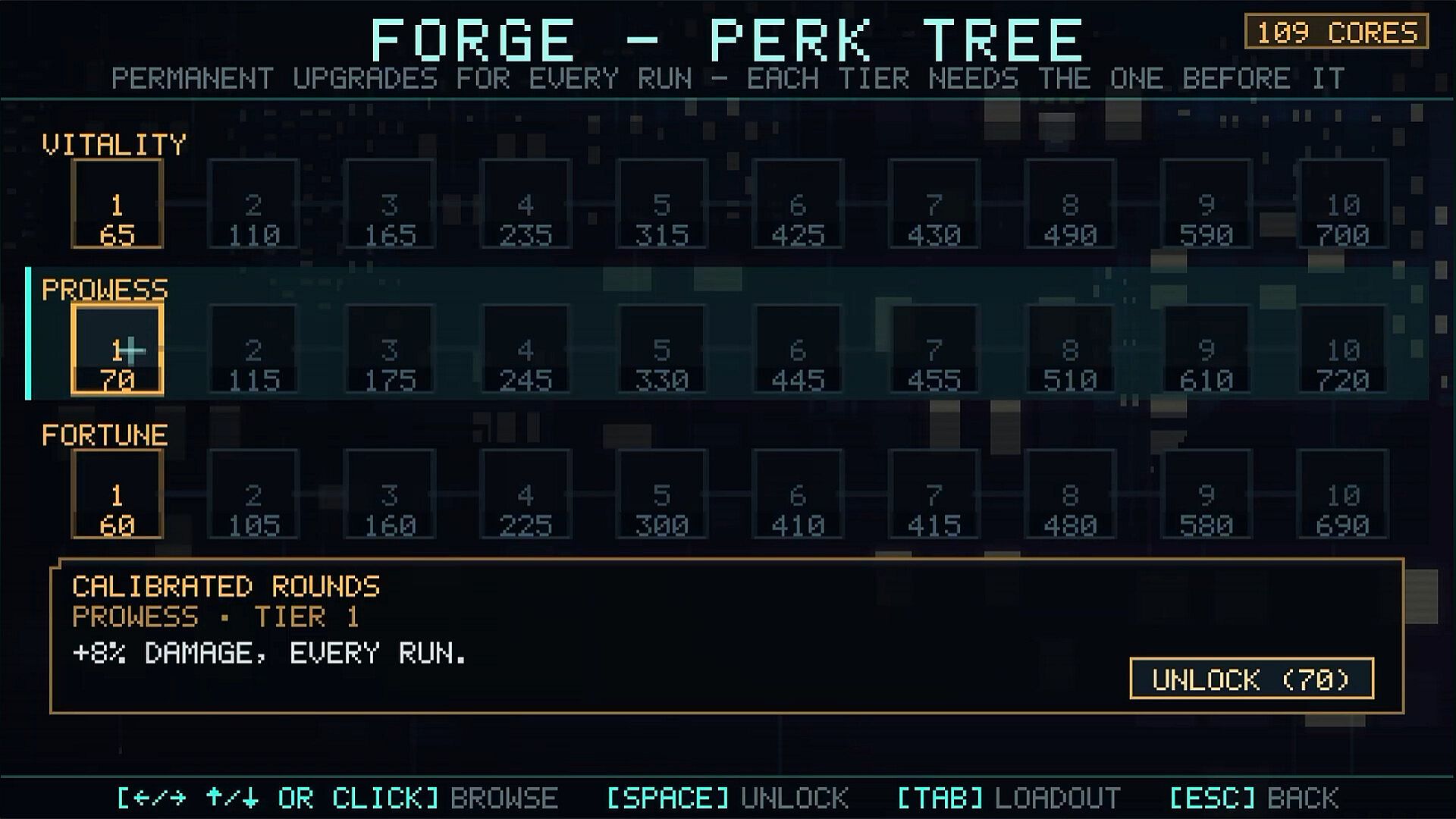
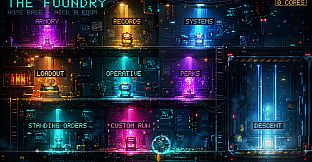
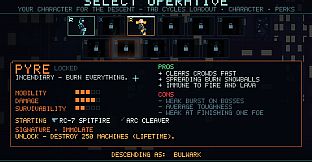
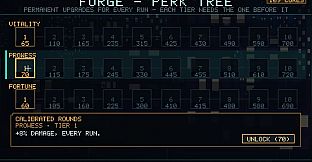
Successful runs or deaths return players to the Foundry hub. Cores earned during descents fund permanent gear unlocks, starting loadout adjustments, a forge perk tree, and long-term Standing Orders. The Archive expands with story fragments collected across runs. Operatives provide distinct starting kits, ranging from glass-cannon frames to armored brawlers, cyberspell casters, and lifesteal revenants.
The game enters Early Access on August 11, 2026, with the initial version delivering the complete core experience including controller support and accessibility options. Planned expansions for the full release focus on deeper hub systems, additional story elements, and online leaderboards for timed challenges.
Is It Worth Playing?
PHOSPHOR suits players who value precise platforming, telegraph-based combat, and build experimentation within a deterministic roguelike structure. The emphasis on readable threats and mechanical weight rewards practice and adaptation rather than pattern memorization. With no user reviews available prior to launch, reception will depend on how the Early Access period refines balance and content depth based on community input. Those drawn to single-player action-roguelikes with strong movement feel and elemental synergies will find the verified systems align closely with the described experience. Early access buyers receive all future additions at no extra cost during the planned development window.











