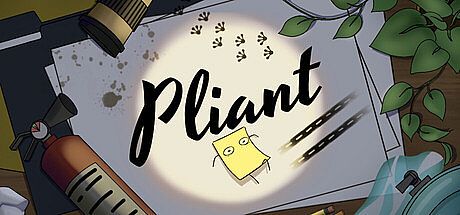


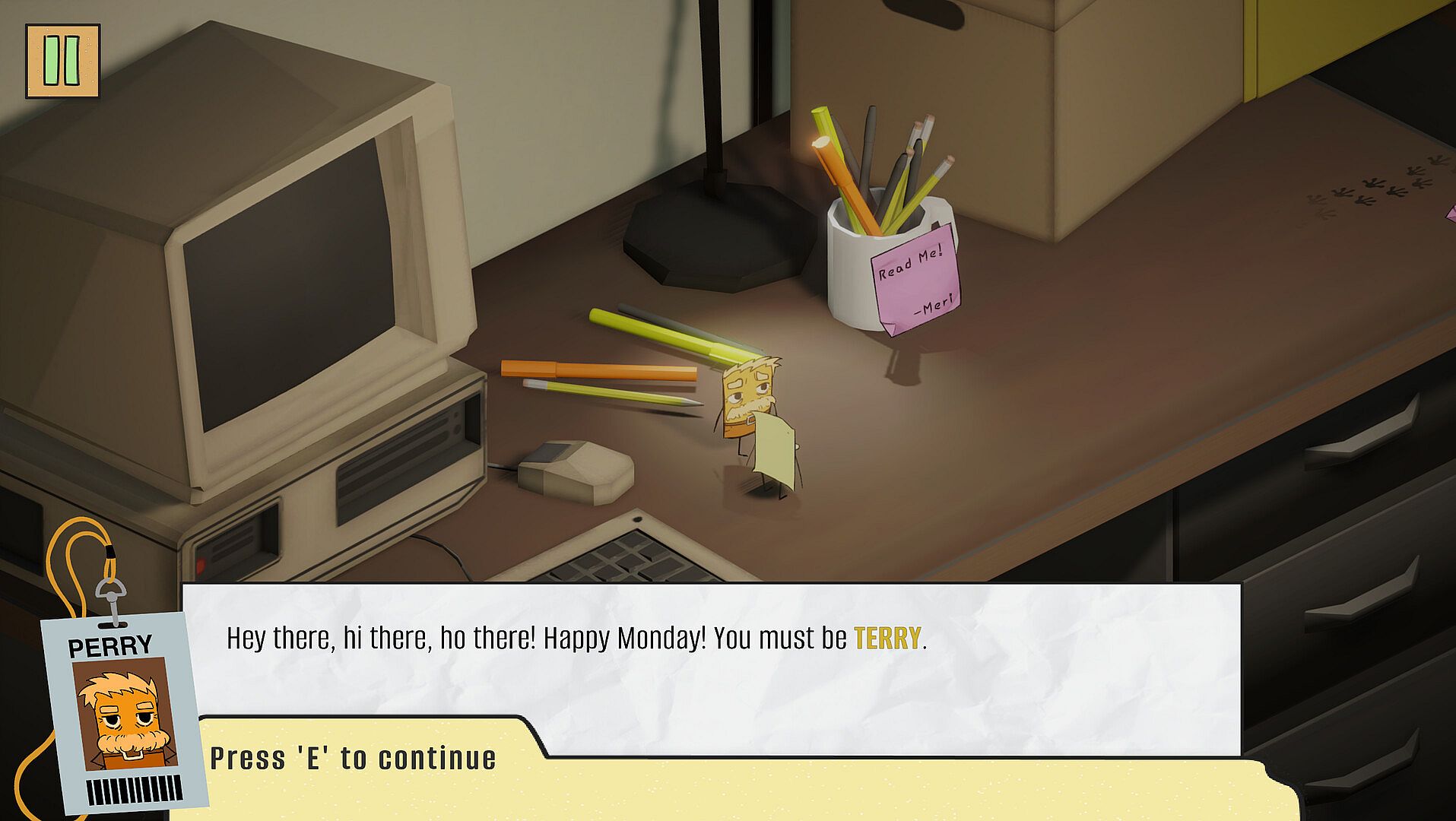
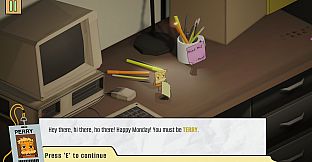
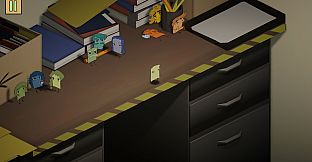
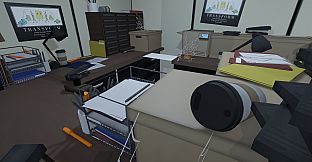
Pliant is a 2.5D isometric adventure game set in a corporate office environment. Players take on the role of Terry, a post-it note navigating his first week at the Pliant Paper Co. through a series of daily floors filled with tasks that require creative problem solving and environmental interaction.
Gameplay
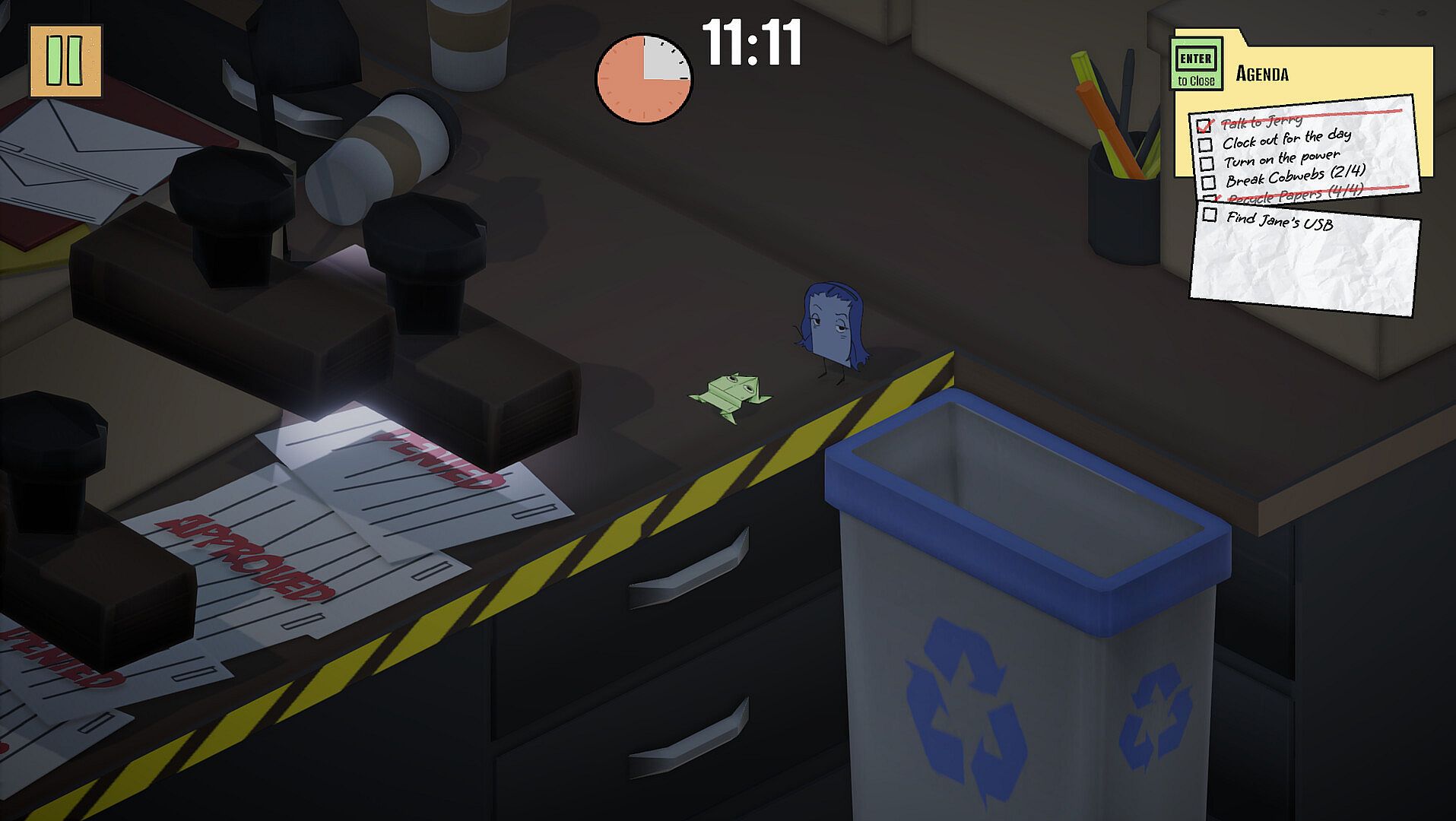
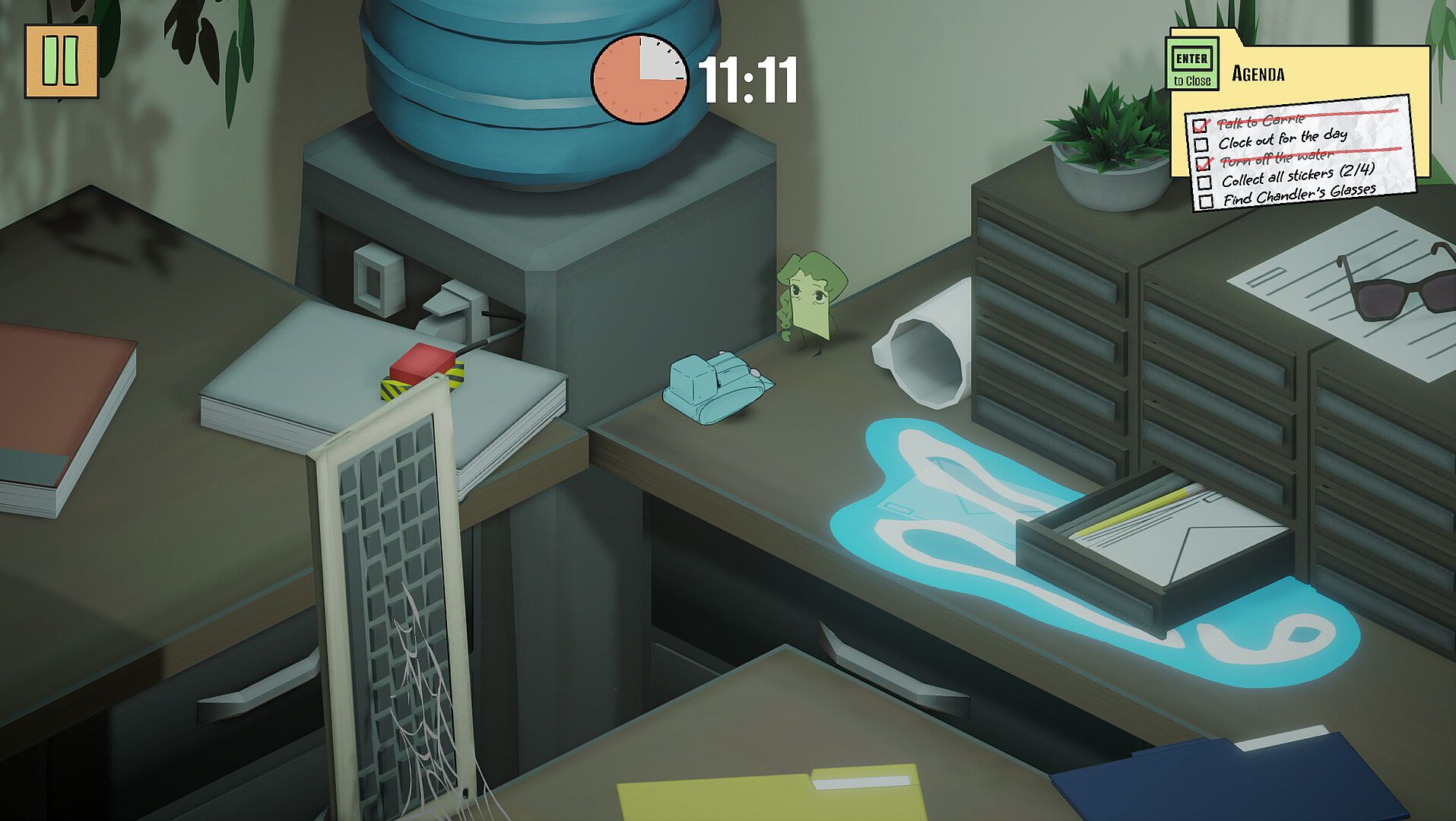
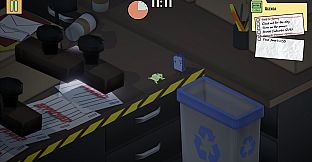
The core loop centers on progressing through office floors by completing an agenda of tasks each day. Terry starts in a standard form and can switch between a frog and a bulldozer to handle different obstacles and objectives. The frog form supports precise movement with jumps that clear gaps and heights, pulling stickers from surfaces to tidy areas, and a grappling hook for vertical or horizontal traversal across barriers. The bulldozer form focuses on physical manipulation, pushing or pulling objects into position, breaking through cobwebs to clear routes, and sprinting at speed to cross open spaces quickly.
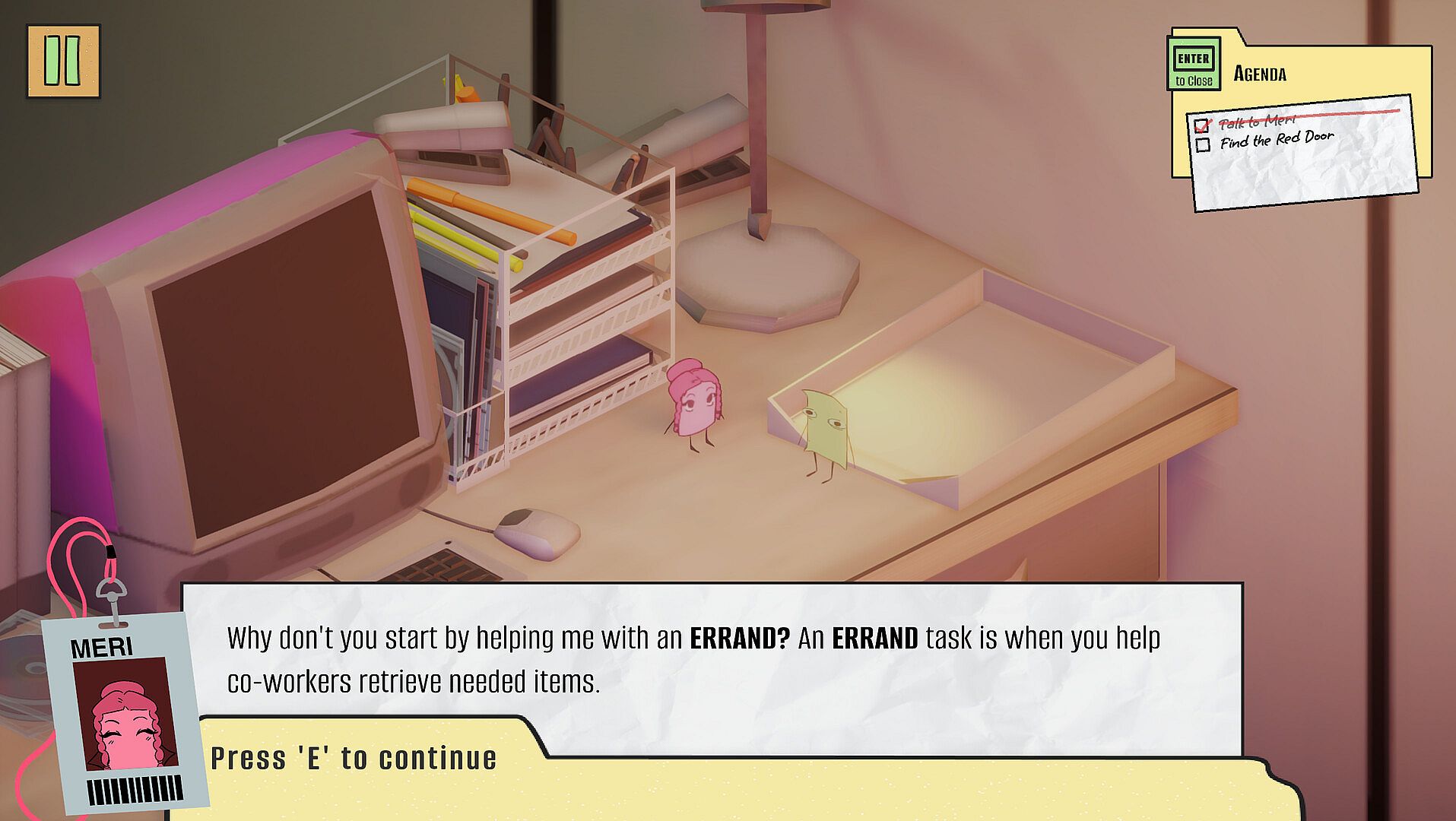
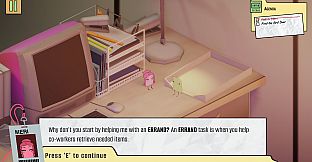
Interaction remains consistent across forms, allowing players to speak with coworkers, activate buttons that change the layout, and handle a special late-game item unique to Terry. Tasks break down into several types that shape how each floor unfolds. Buttons require direct activation to modify surroundings. Errands involve locating and returning misplaced items to non-player characters. Routines demand repeating a specific action a set number of times. Deadlines impose time limits that force efficient routing and form changes. These elements combine to create layered challenges where shape-shifting decisions directly influence progress and cleanup.
Game Modes
Pliant operates exclusively as a single-player experience. No multiplayer options or alternate modes appear in the available details. The entire campaign unfolds through sequential daily floors, each presenting a fresh set of tasks and environmental puzzles tailored to the abilities unlocked or emphasized that day. Progression remains linear in structure, with the objective of reaching the end of the work week intact.
Office Environment and Progression
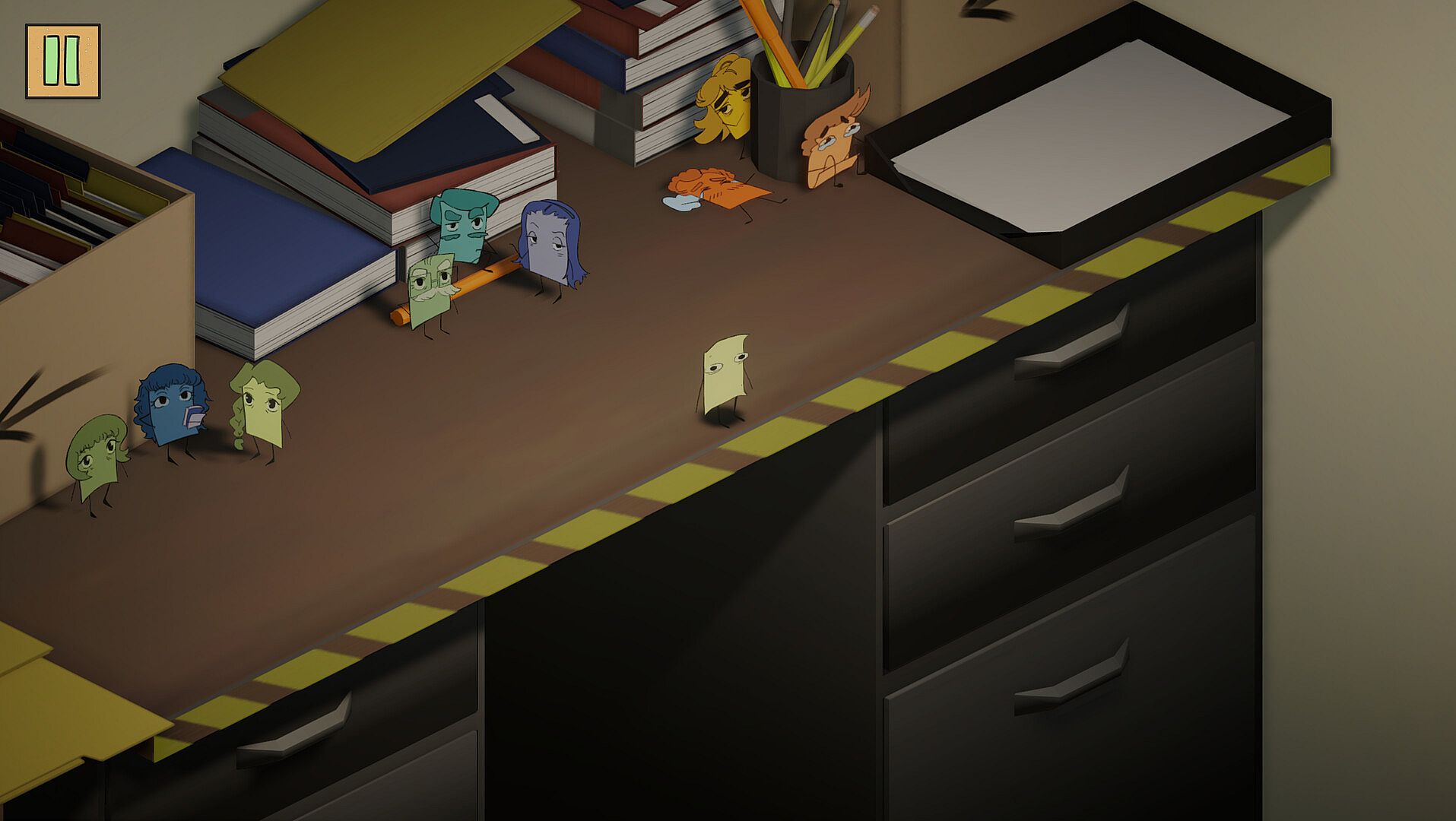
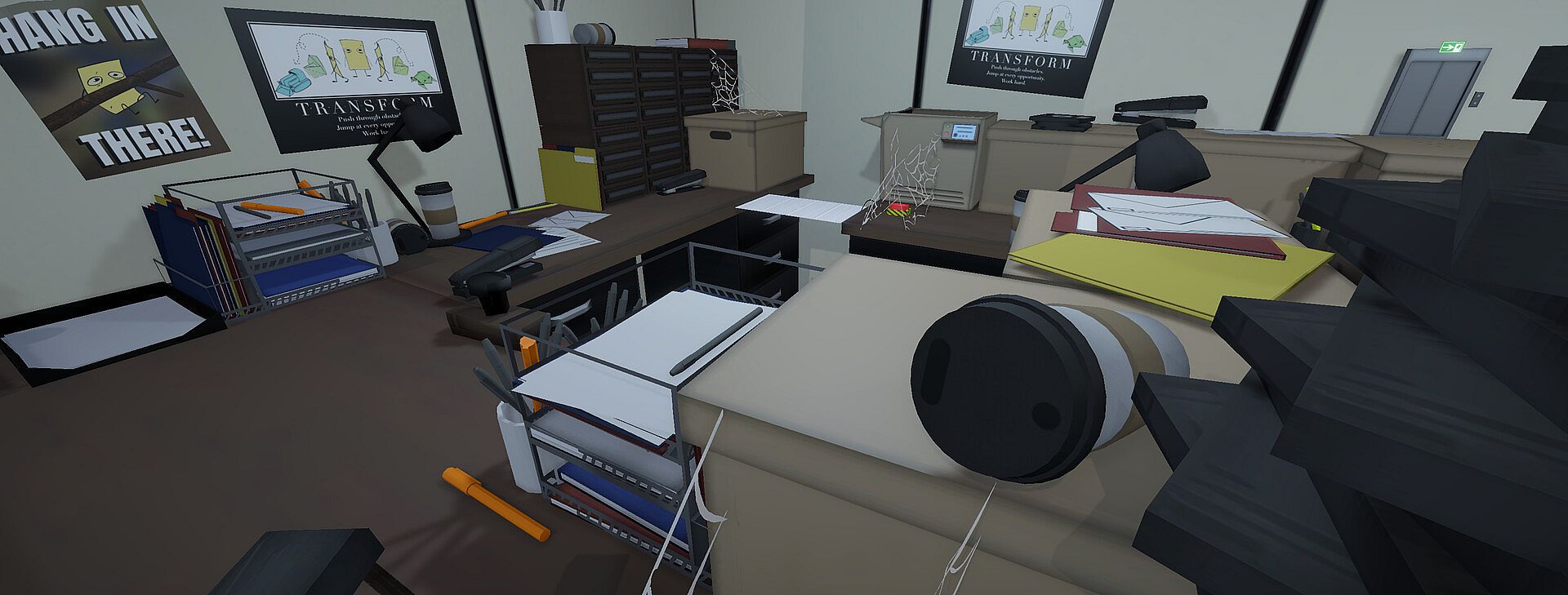
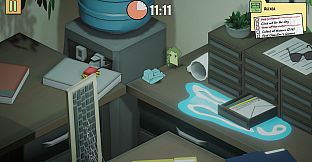
Each floor introduces distinct visual and mechanical variations, including cluttered cubicles, overgrown sections, and areas affected by fire damage. Navigation relies on combining frog and bulldozer capabilities to reach new areas, remove hazards, and fulfill coworker requests. The isometric perspective keeps the full layout visible, encouraging players to plan routes that account for both mobility and object interaction. Terry's goal remains consistent across all floors: clear the agenda and advance to the next day while managing the limitations of each form.
Is It Worth Playing?
Pliant targets players who enjoy methodical single-player adventures built around transformation mechanics and task-driven progression. The shape-shifting system creates meaningful choices between agile traversal and forceful manipulation, supported by clear task categories that mix exploration, repetition, and time pressure. With a release date still listed as coming soon and no user reviews available yet, the game appeals most to those drawn to compact, puzzle-oriented experiences on PC. Its focus on daily office routines presented through creative ability use offers a distinct take on the adventure genre for anyone seeking short sessions centered on environmental problem solving rather than combat or open-world freedom.