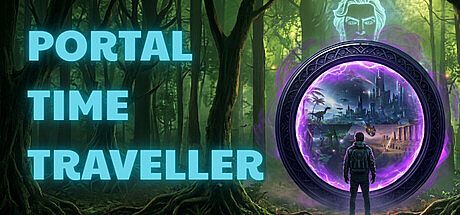


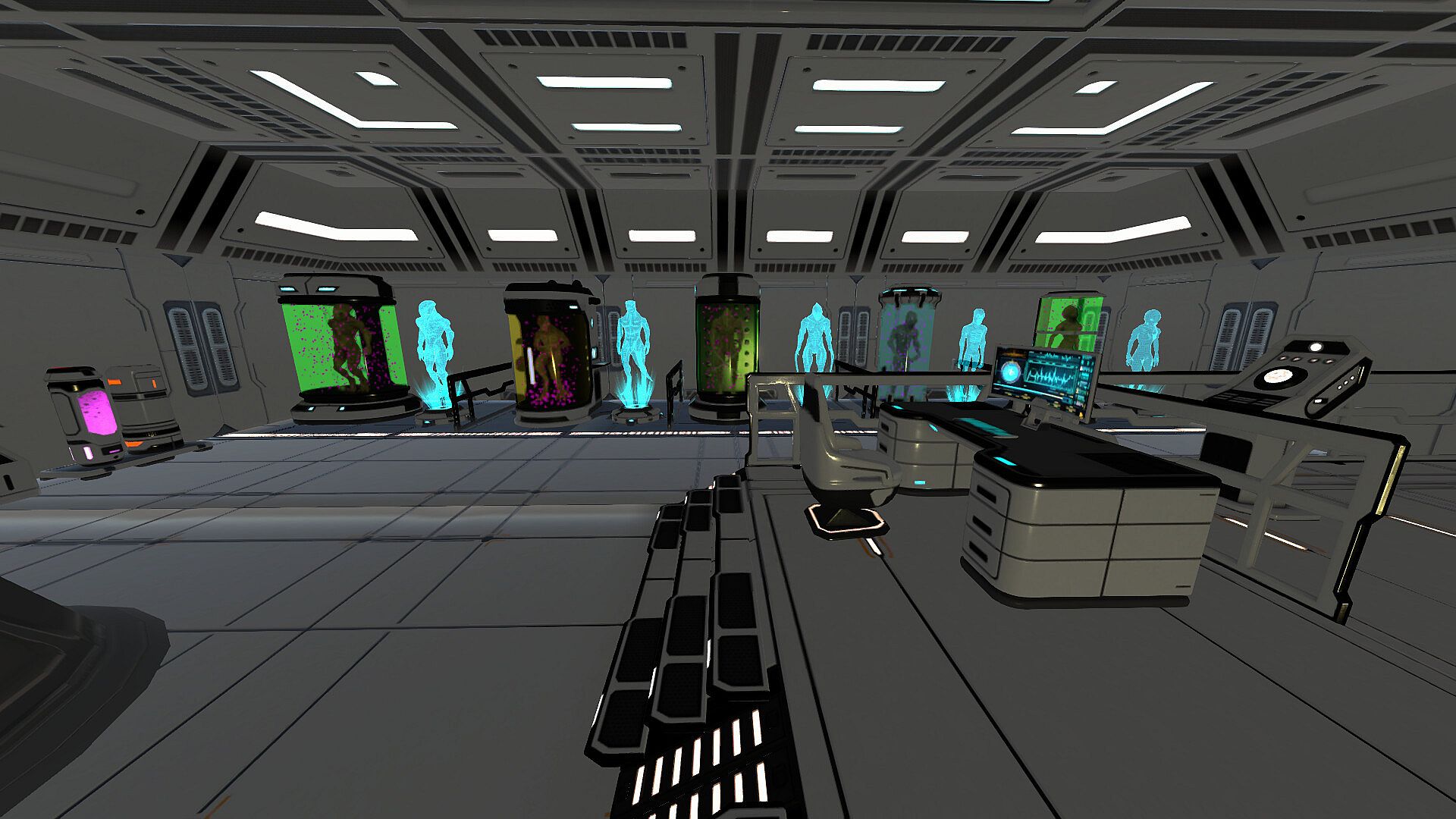
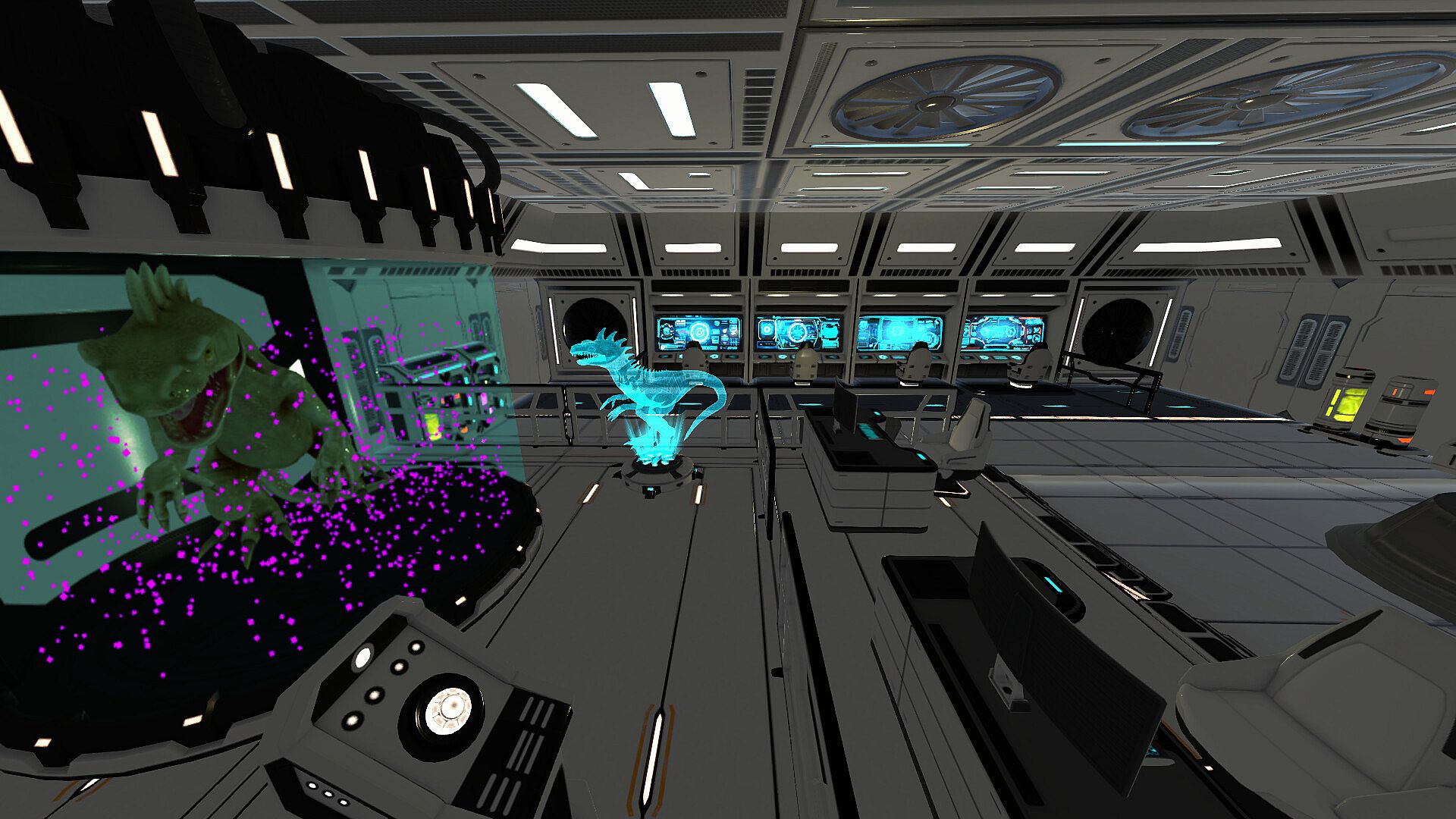
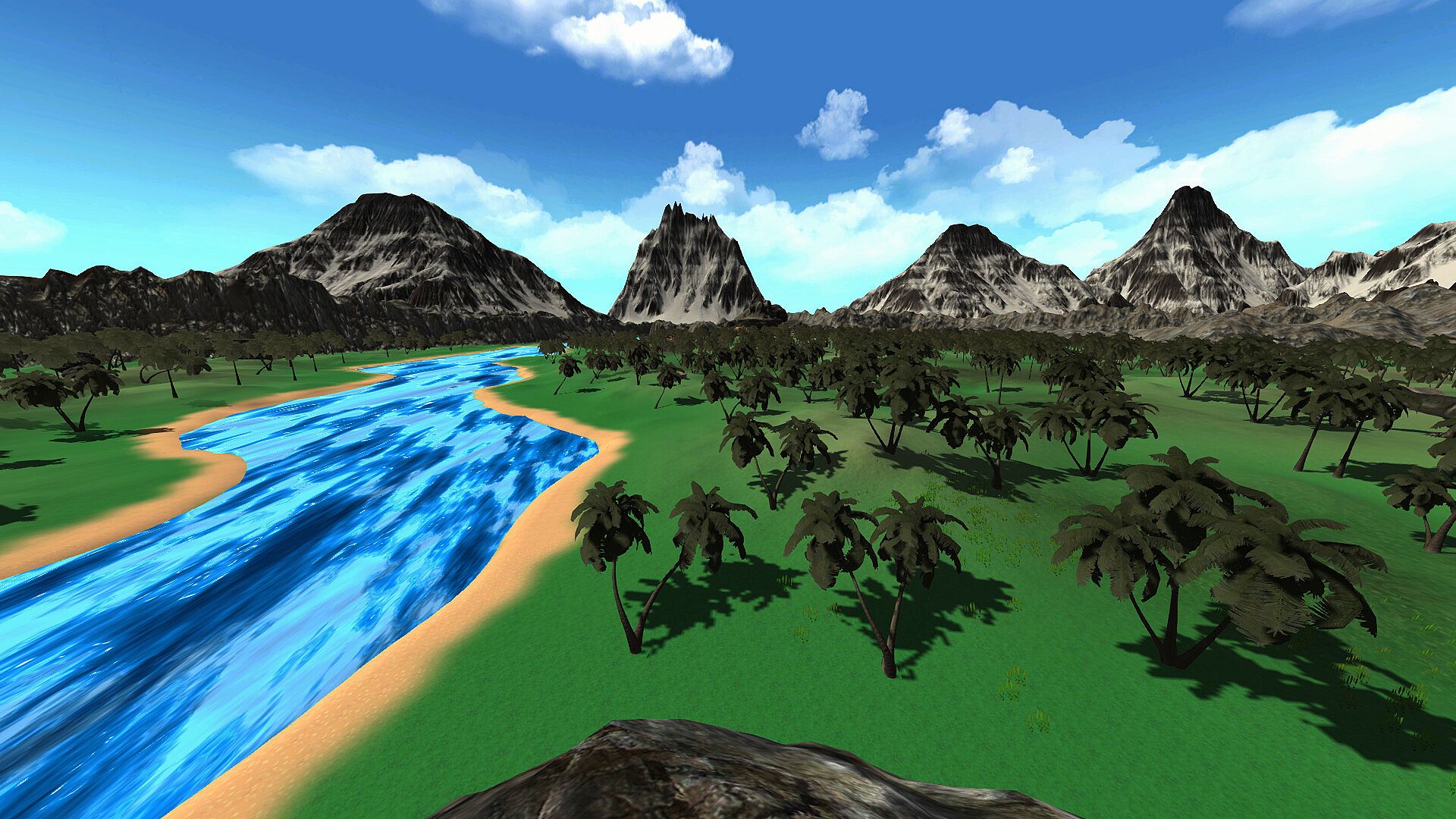
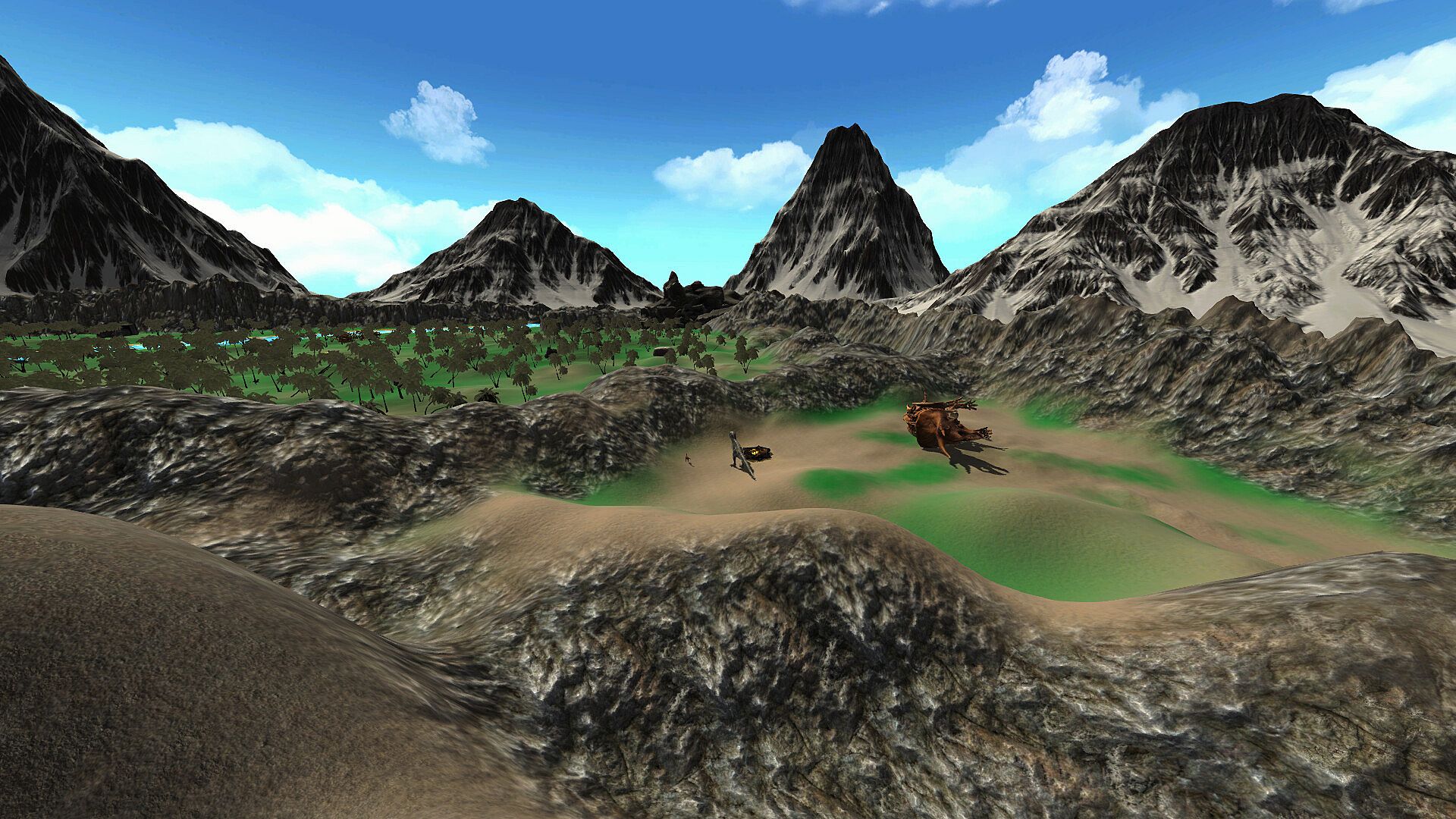
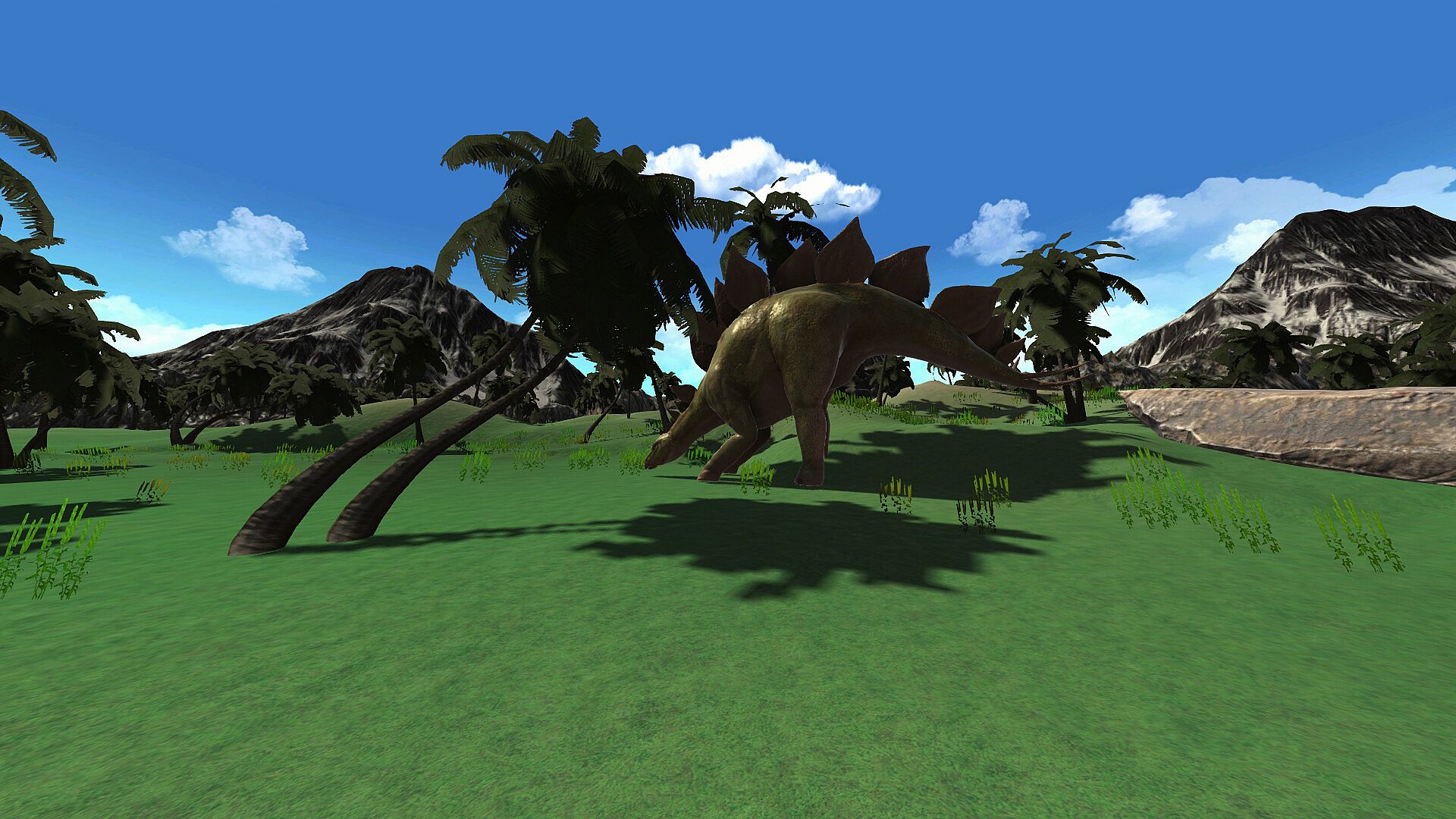
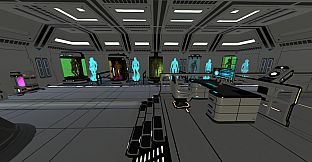
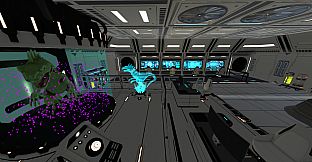
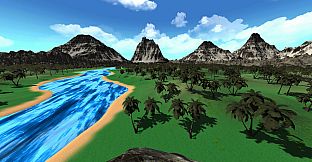
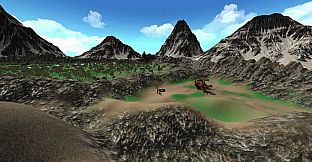
Portal Time Traveller is a first-person action-adventure game with RPG elements developed by ERY Games for PC. Players take on the role of Subject 247, a test subject in a secretive laboratory who travels through time portals to retrieve specific artifacts from four distinct historical and futuristic eras.
Gameplay
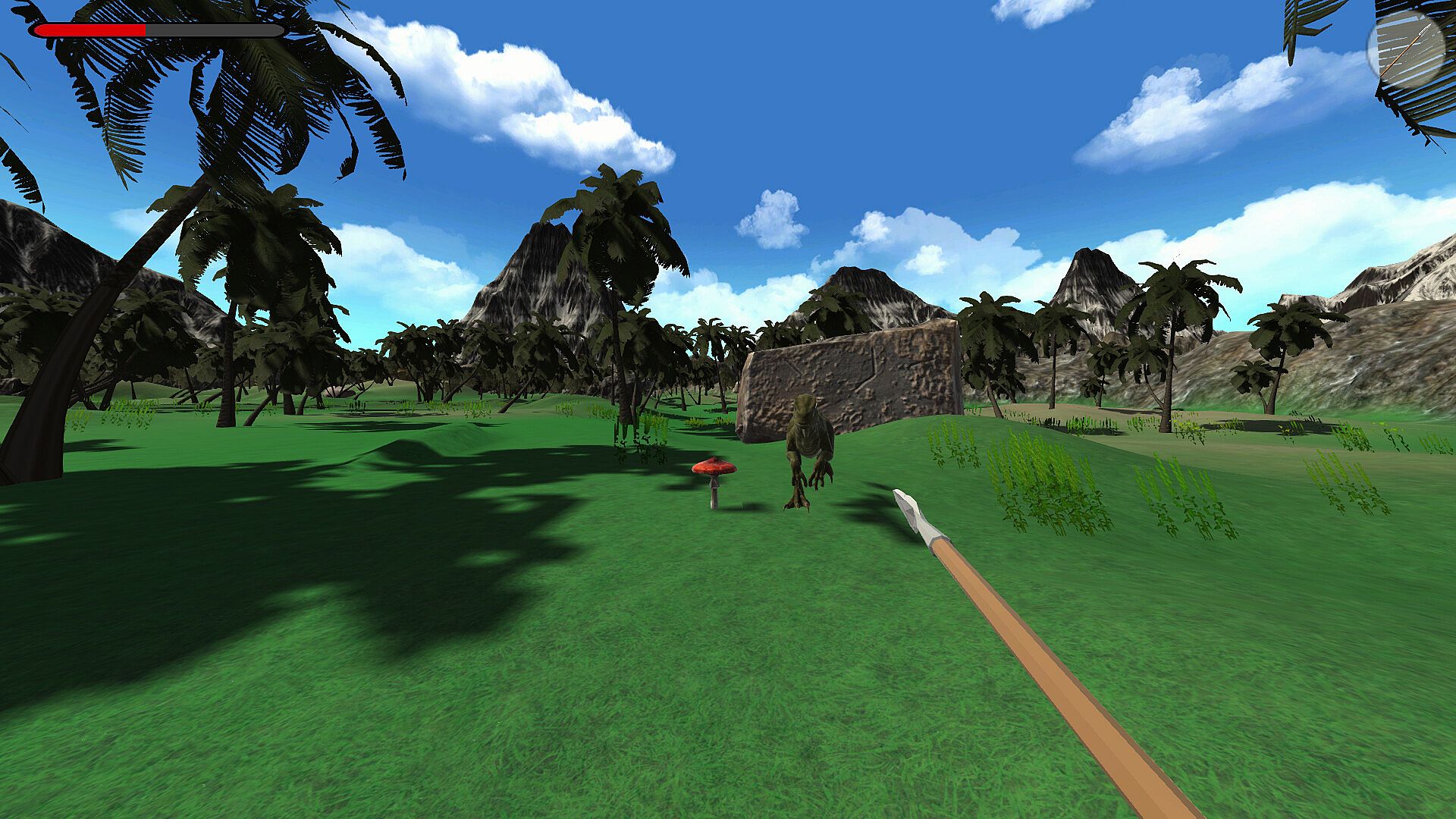
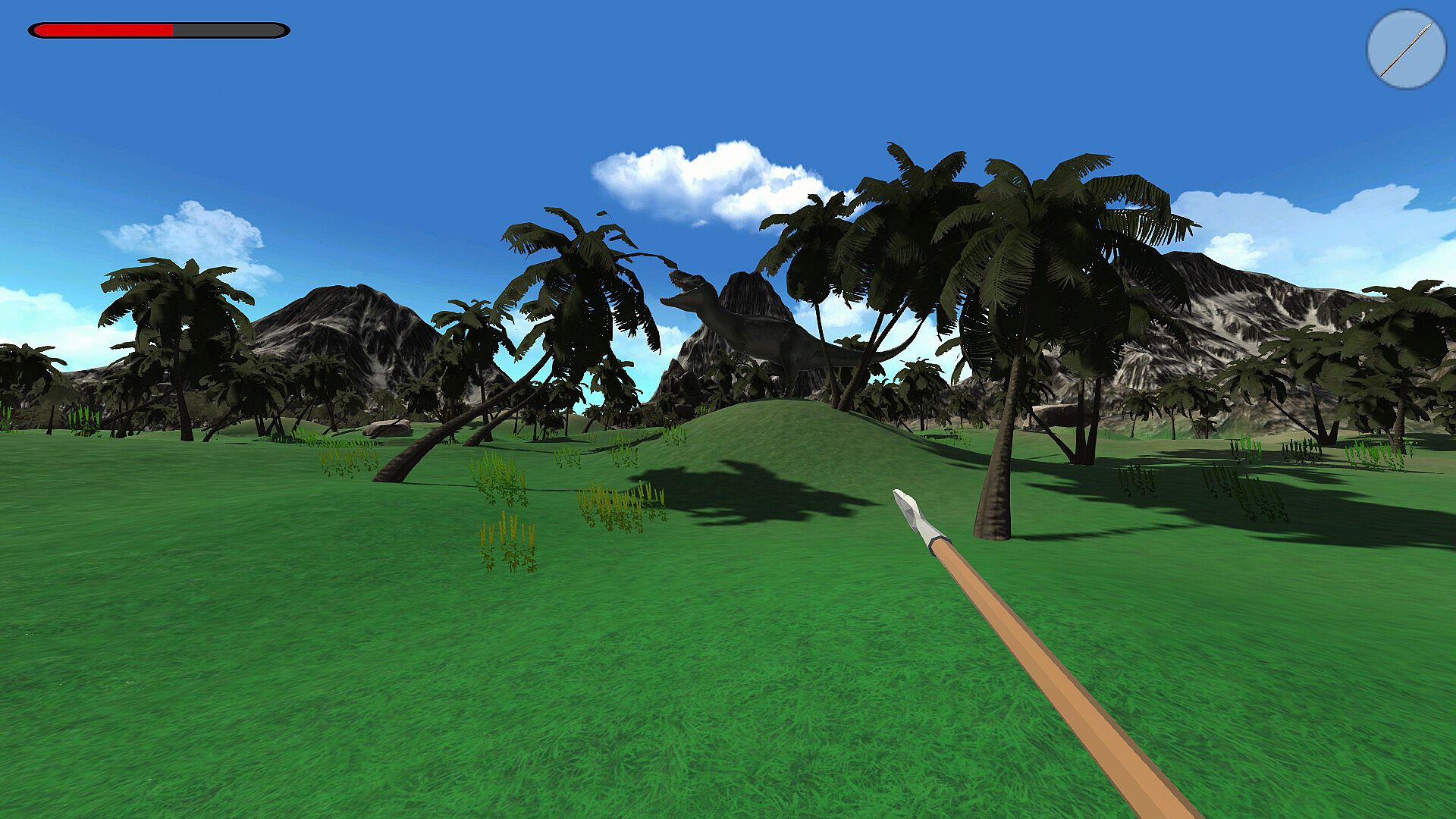
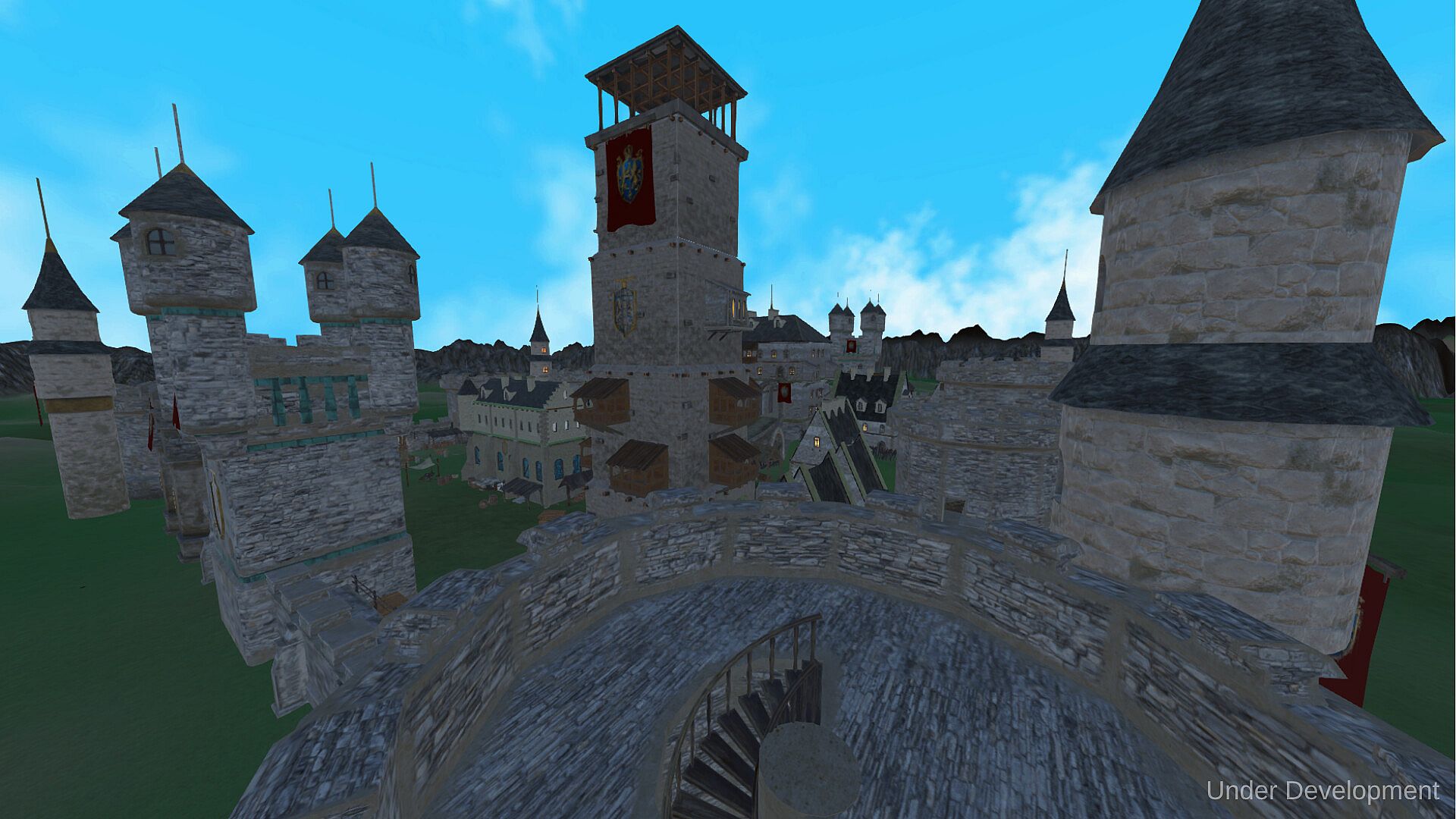
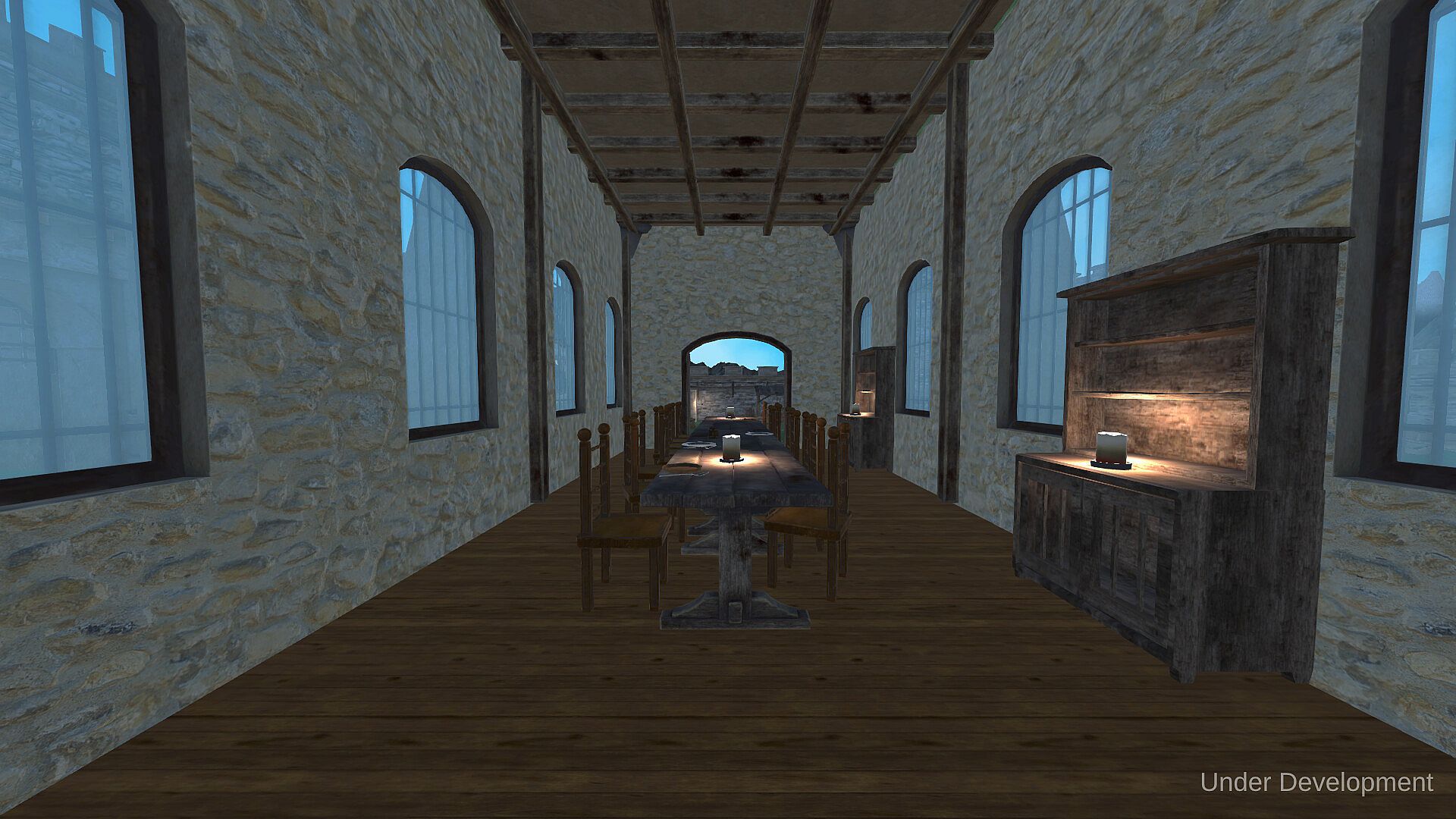
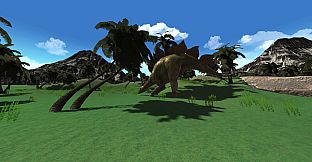
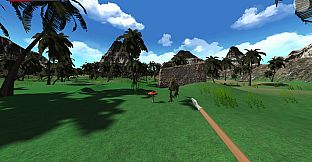
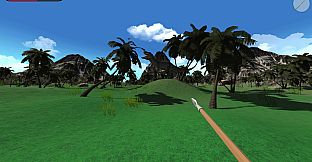
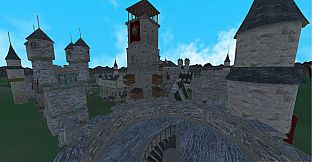
The core loop centers on entering time portals to reach different periods, locating required objects, and returning them to the lab. Each era imposes its own environmental challenges and survival demands. In the prehistoric setting, players must navigate threats from advanced predators using stealth, quick thinking, or direct confrontation. The medieval era involves exploration of large castles and interactions within a society governed by barbarian kingdoms. The modern urban environment requires movement through dense cityscapes filled with skyscrapers, where players adapt to either subtle or forceful approaches. The neon-lit future presents a cyberpunk landscape dominated by advanced technology and systemic corruption. Progression depends on adapting to these shifting conditions while managing the consequences of following or defying laboratory directives. The experience remains strictly single-player, with narrative branches arising from player decisions across the timelines.
Game Modes
No separate multiplayer or competitive modes exist. The game functions as a single-player narrative adventure where the primary variation comes from the obey-or-rebel choice system. Following orders leads to a linear path of artifact collection and return trips. Choosing rebellion opens opportunities to disrupt the laboratory's plans across eras, altering story outcomes based on accumulated decisions. Each era serves as a distinct segment rather than a selectable mode, with its own set of rules and objectives tied to the central time-travel framework.
Story and Choices
The narrative begins inside the cold, impersonal laboratory where the player exists only as a numbered subject. Missions involve retrieving objects whose true purpose remains unclear, prompting questions about whether they serve a greater good or a hidden agenda. Defiance allows the character to extend influence beyond the lab, sparking personal rebellion that spans multiple timelines. Endings shift according to the balance of compliance and resistance, encouraging replay to explore alternate paths without introducing new mechanical systems.
Visual and Atmospheric Elements
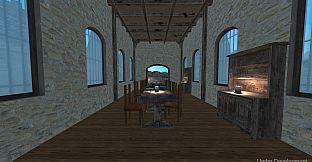
Each era receives distinct environmental design that reinforces its thematic identity. Prehistoric zones emphasize raw survival against wildlife in natural settings. Medieval areas highlight imposing stone structures and feudal power structures. Contemporary city levels focus on vertical architecture and shadowed alleys. The dystopian future incorporates neon signage, cybernetic elements, and layered urban decay. These backdrops support the first-person perspective without additional gameplay layers such as crafting or character progression trees beyond the core time-travel and choice mechanics.
Is It Worth Playing?
The game remains unreleased with a planned launch in Q4 2026 and currently offers a demo limited to the prehistoric era. No user reviews or aggregated scores are available. It suits players interested in first-person exploration combined with time-travel themes and branching narrative outcomes driven by moral choices. Those seeking multiplayer features or extensive mechanical depth beyond era-specific survival and decision-making may find the scope narrower. Availability is limited to wishlist status on digital storefronts until release.