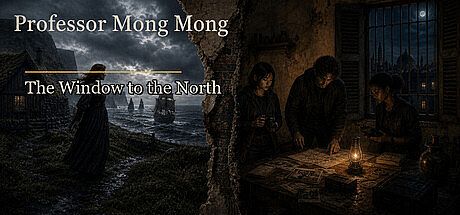


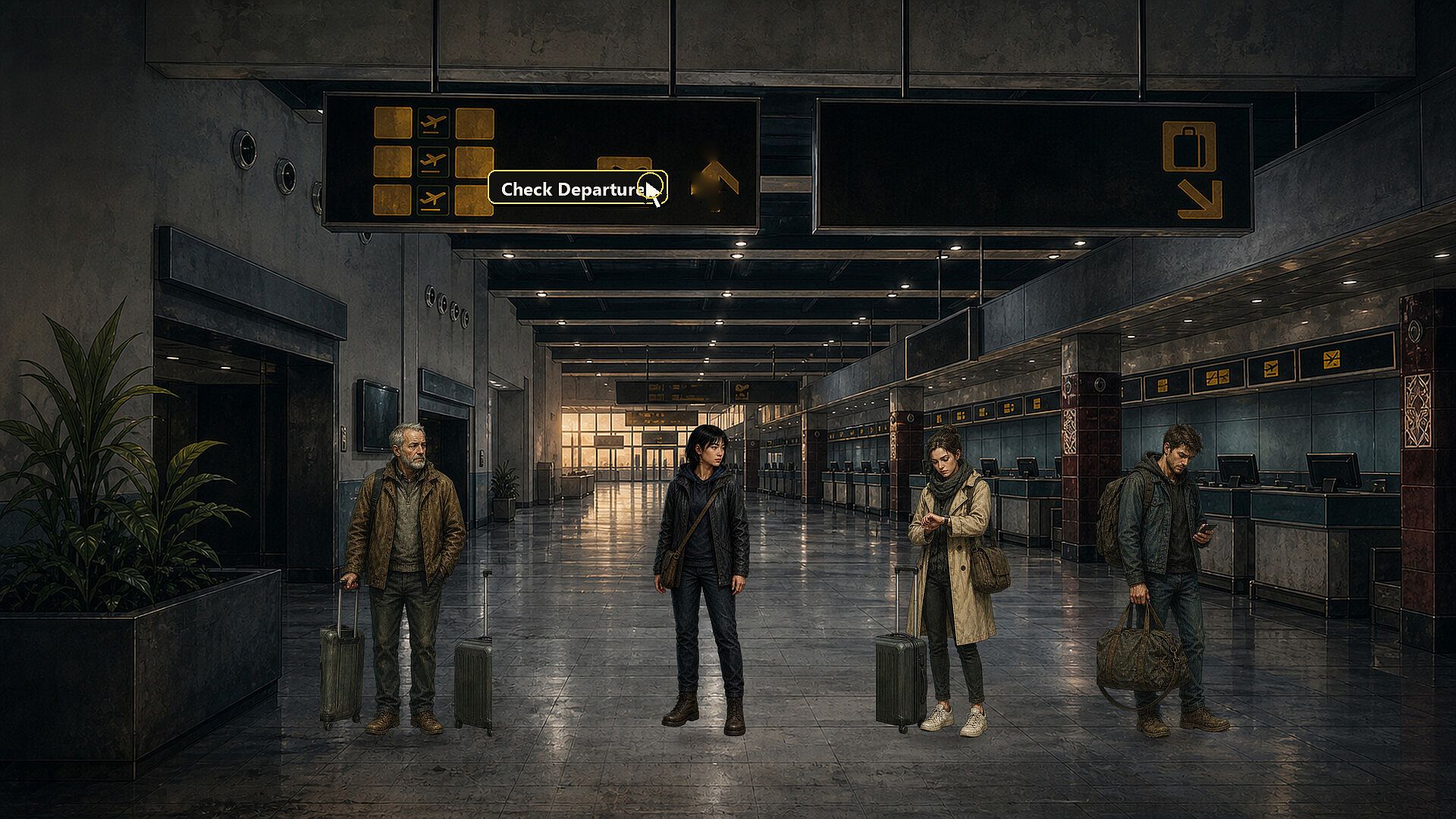
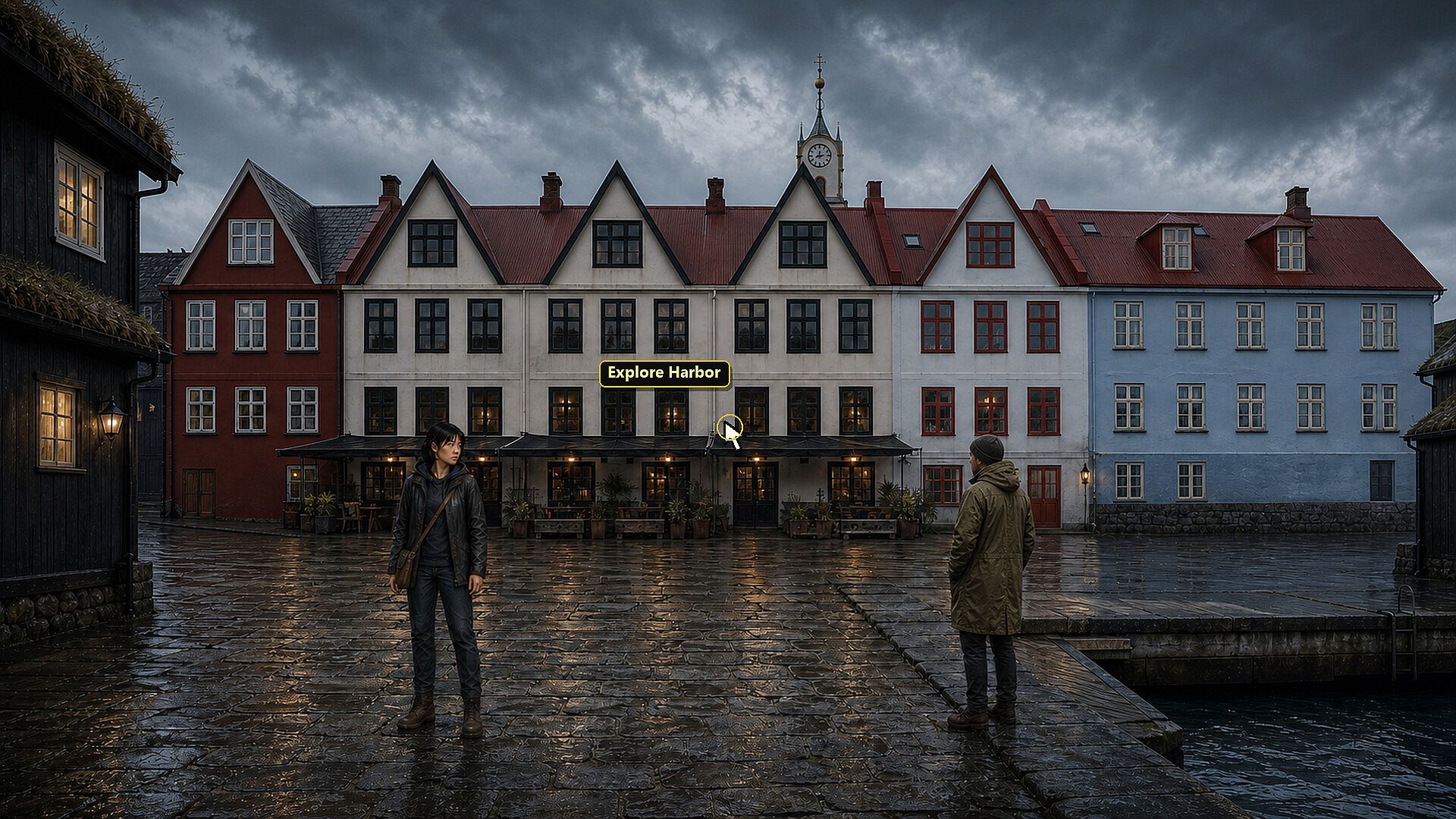
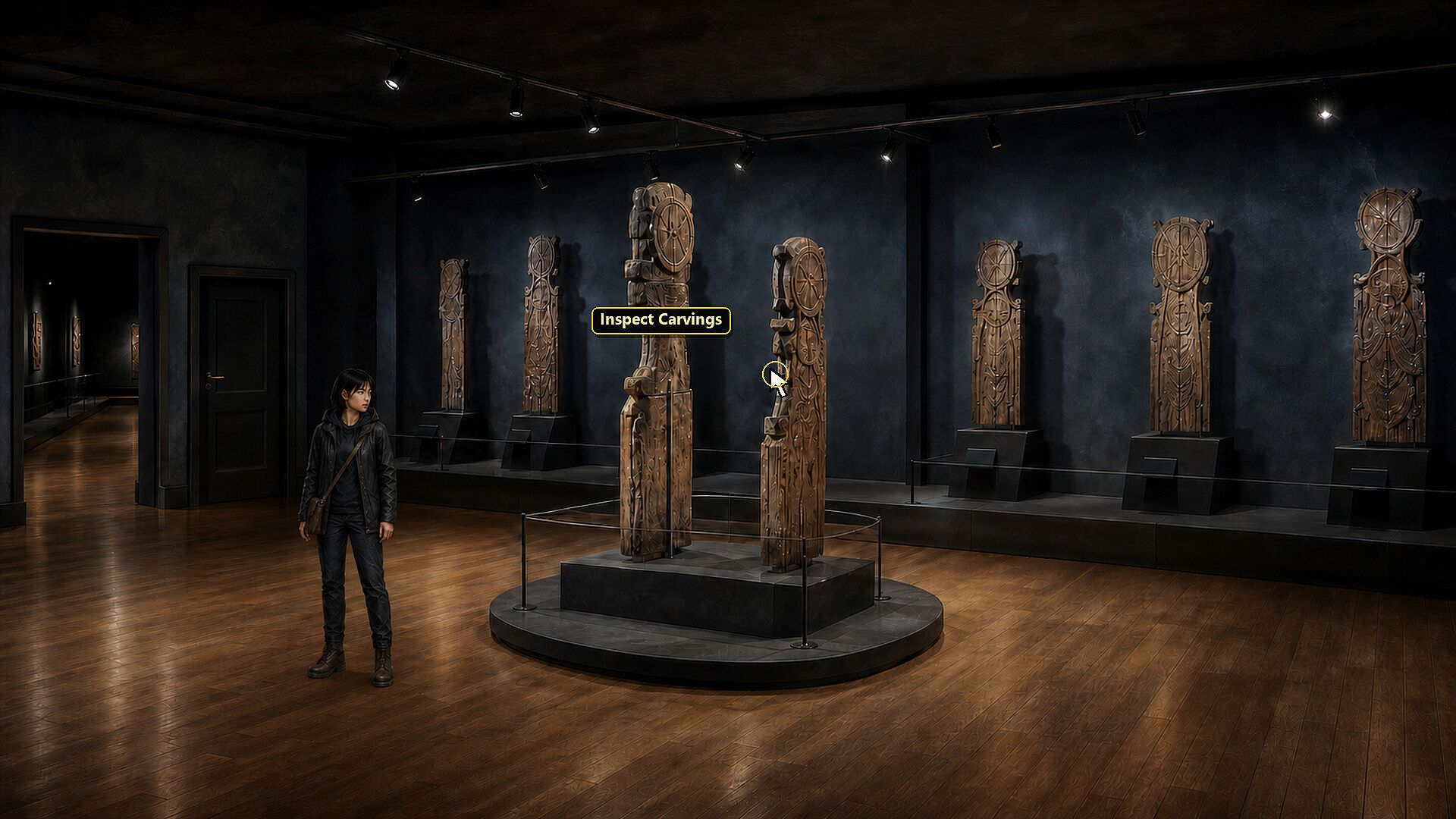
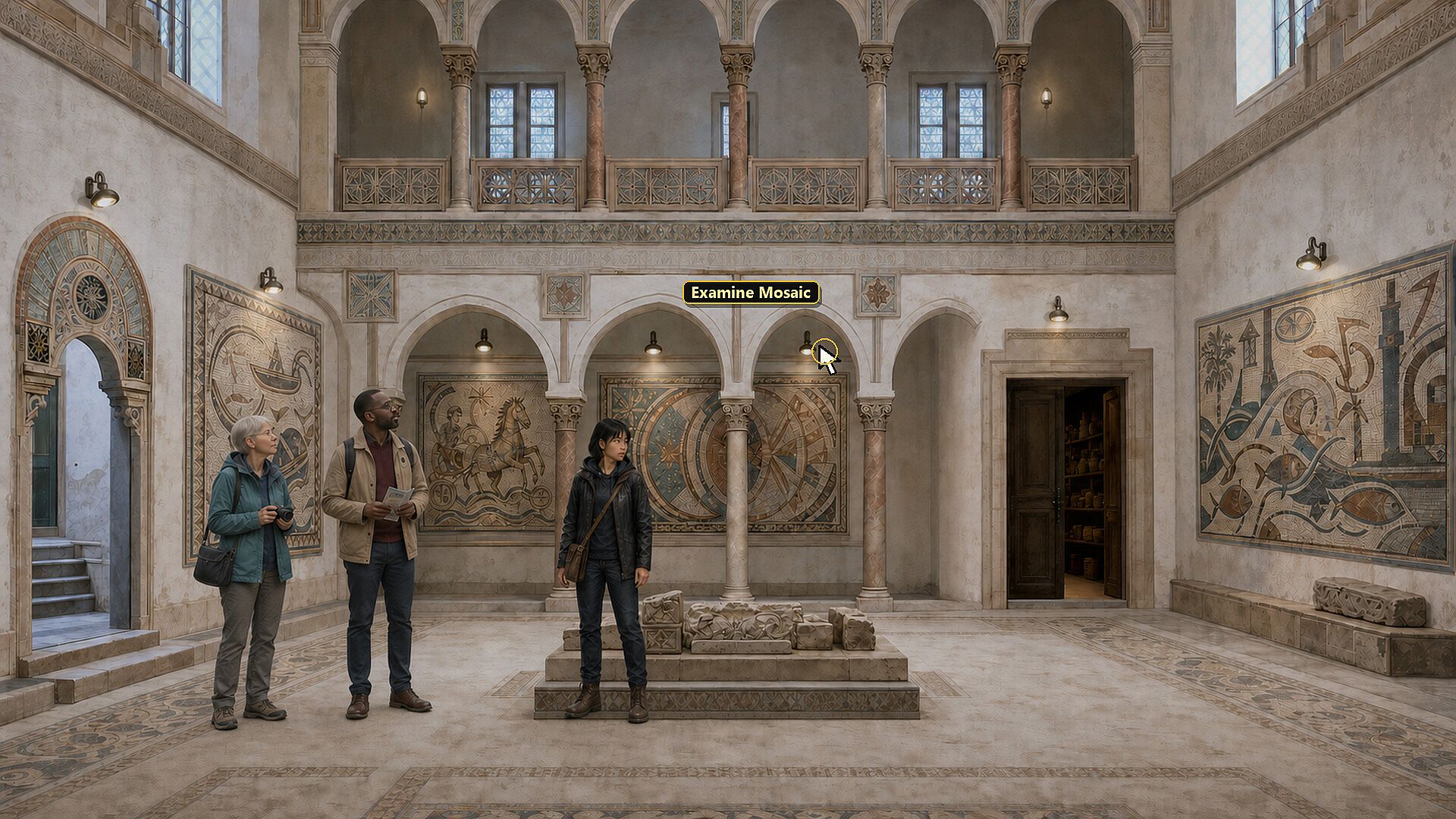
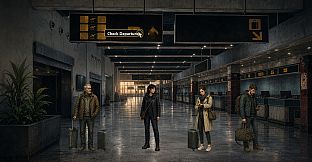
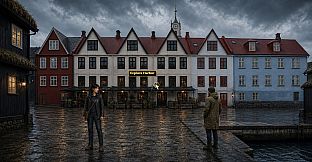
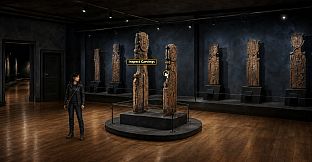
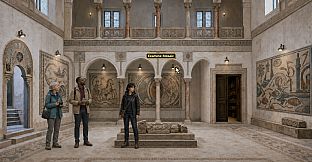
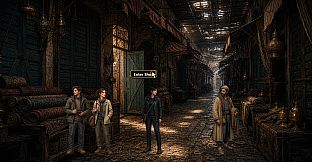
Professor Mong Mong: The Window to the North is an indie 2D point-and-click adventure game built around a paranormal investigation on the remote Faroe Islands. Players take on the role of Yuri Kim as part of the GhostVibesGlobal team, drawn into a centuries-old mystery centered on an abandoned house and a window that locals warn against opening. The experience blends exploration of atmospheric environments with examination of objects, conversations with witnesses, and puzzle-solving drawn from Faroese history and folklore.
Gameplay
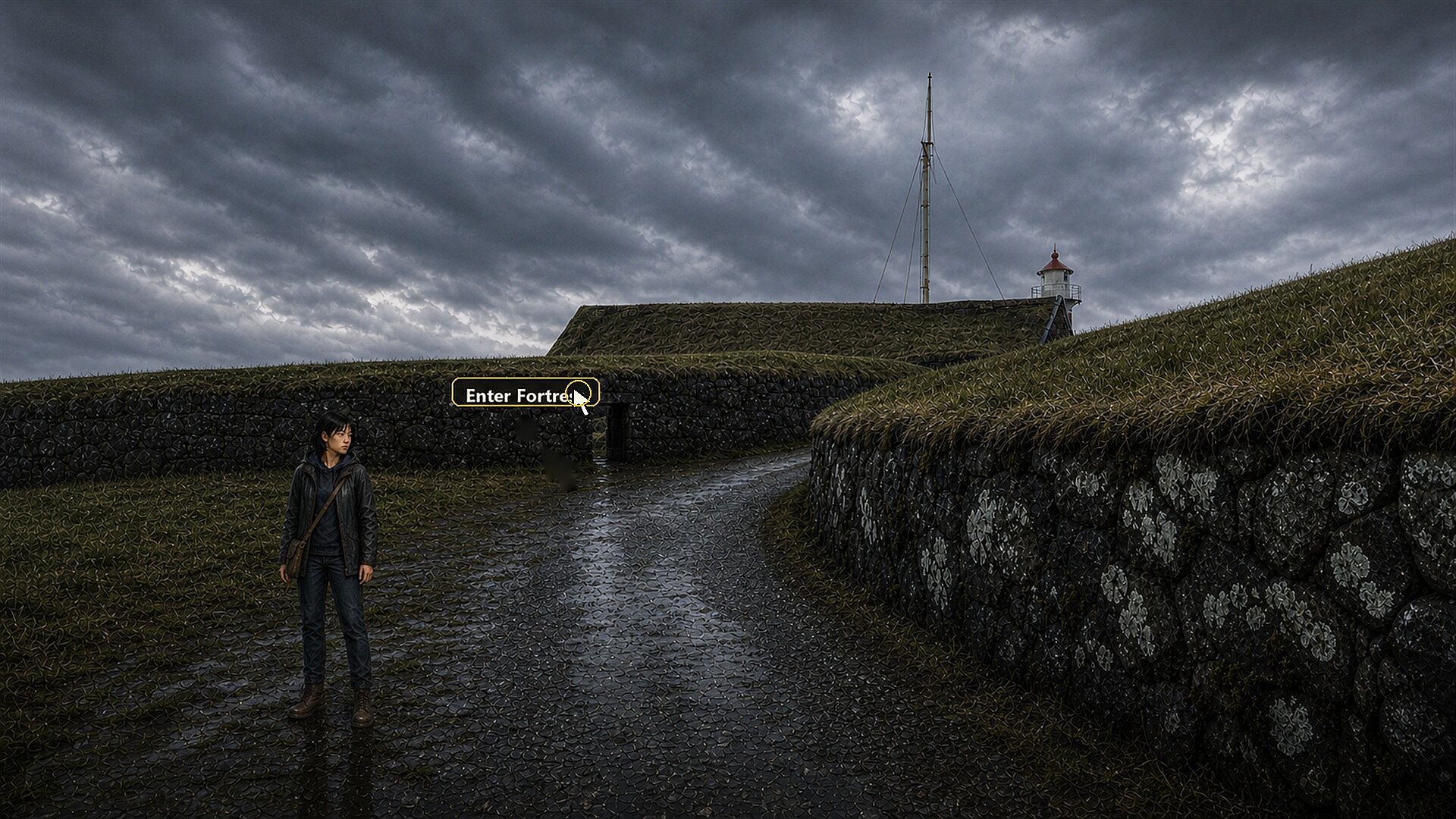
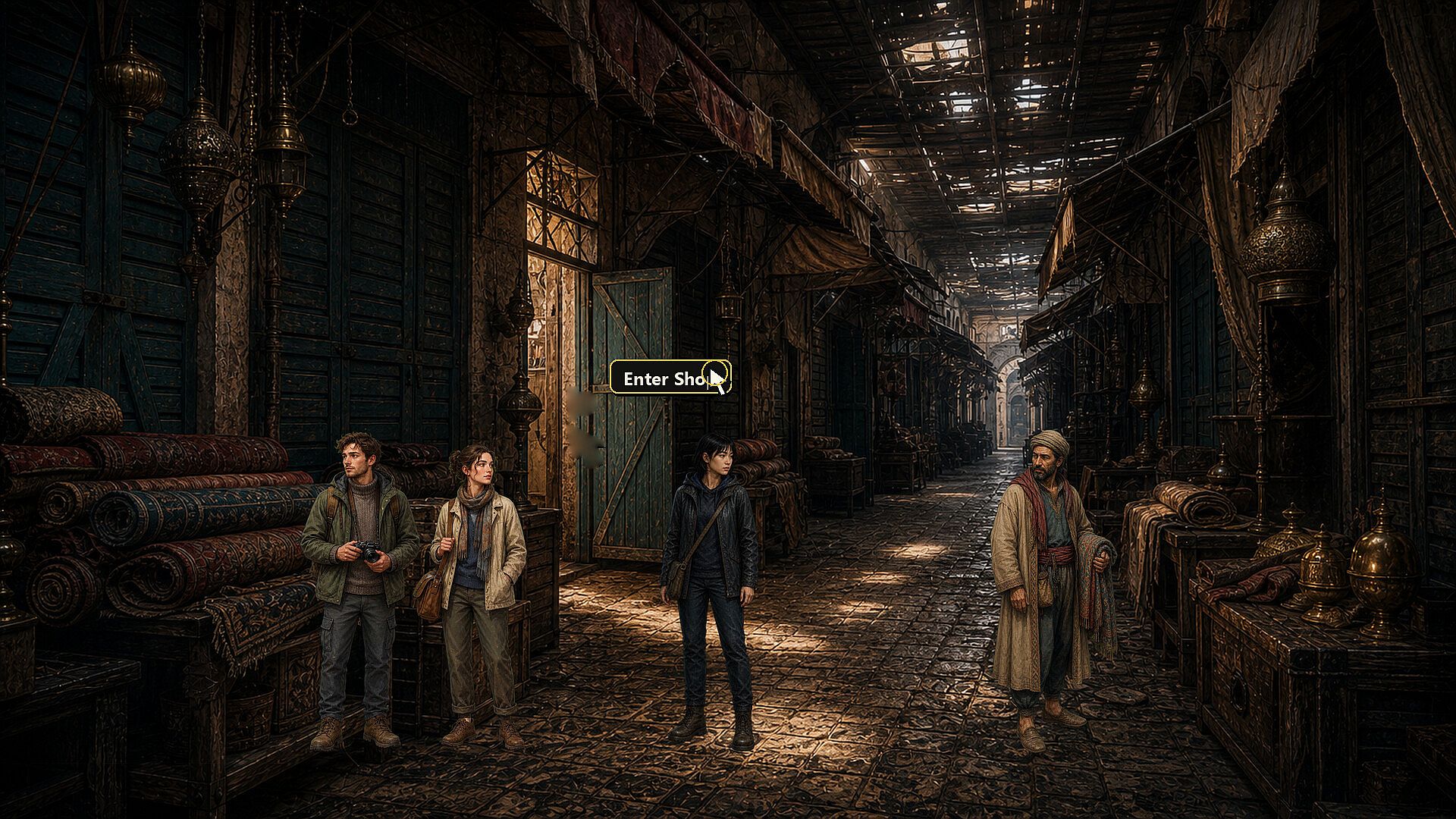
The core loop centers on methodical investigation in a 2D point-and-click format. Players navigate detailed locations around the isolated house overlooking the North Atlantic, clicking to inspect items that hold clues or advance the narrative. Environmental puzzles require careful observation of surroundings and logical connections between found objects and reported events. Interviews with local fishermen and other witnesses provide additional context, revealing layers of myth and reported phenomena such as unexplained lights and voices on the wind.
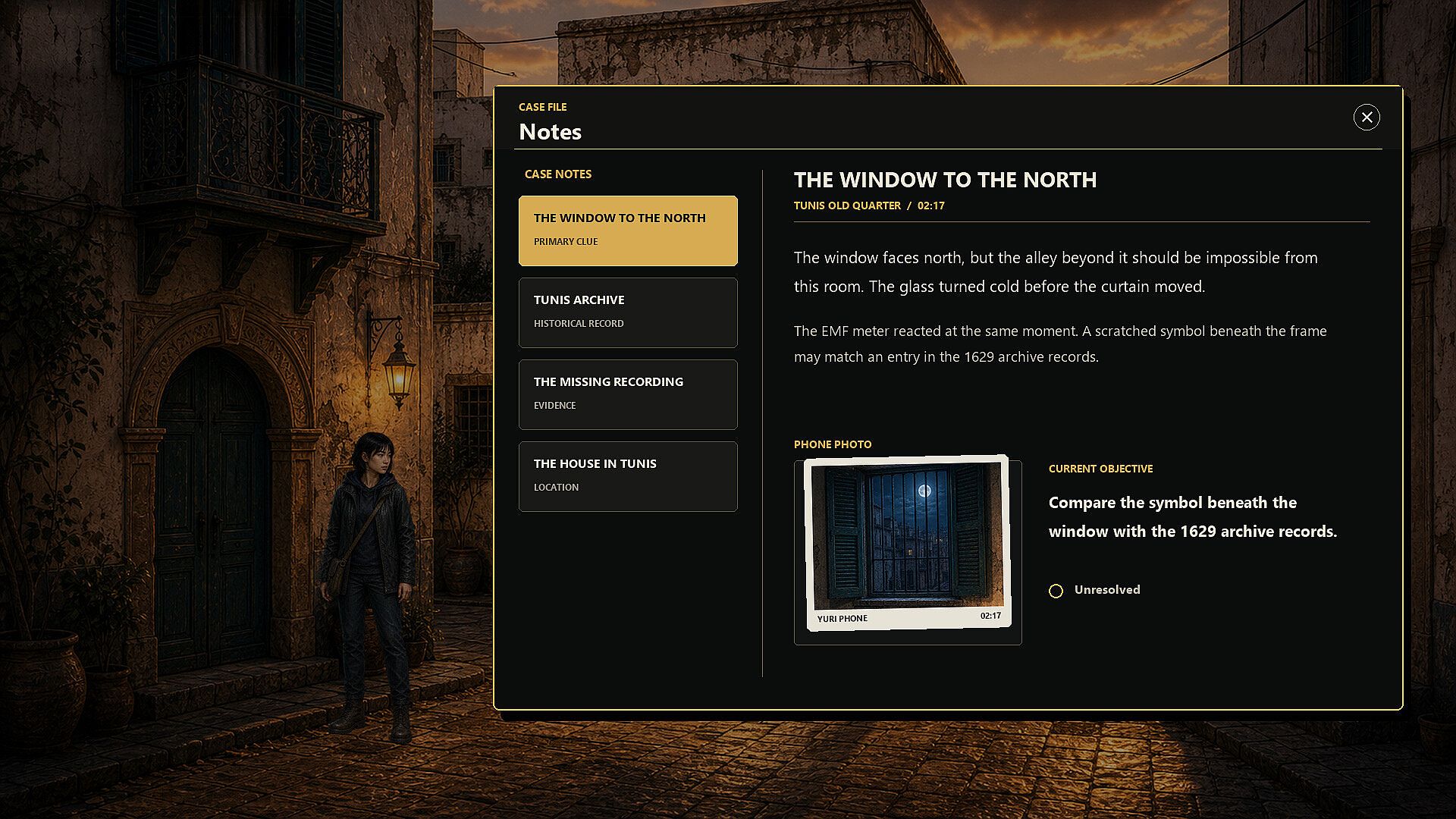
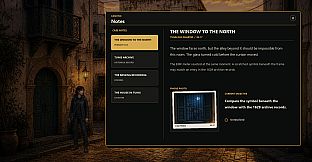
Progression unfolds through accumulating evidence that blurs the boundary between folklore and observable reality. Discoveries often lead to new questions rather than immediate resolutions, encouraging thorough searching of each area. The mechanics emphasize patience and attention to detail over action or combat, with all interactions tied directly to the central case file.
Game Modes
The game operates exclusively as a single-player experience. There are no multiplayer components or alternative modes; the entire narrative and investigation unfold in a linear yet exploratory structure that players complete at their own pace. This design keeps the focus on the personal journey of Yuri Kim and the unfolding mystery without external competition or cooperative elements.
The Setting and Narrative
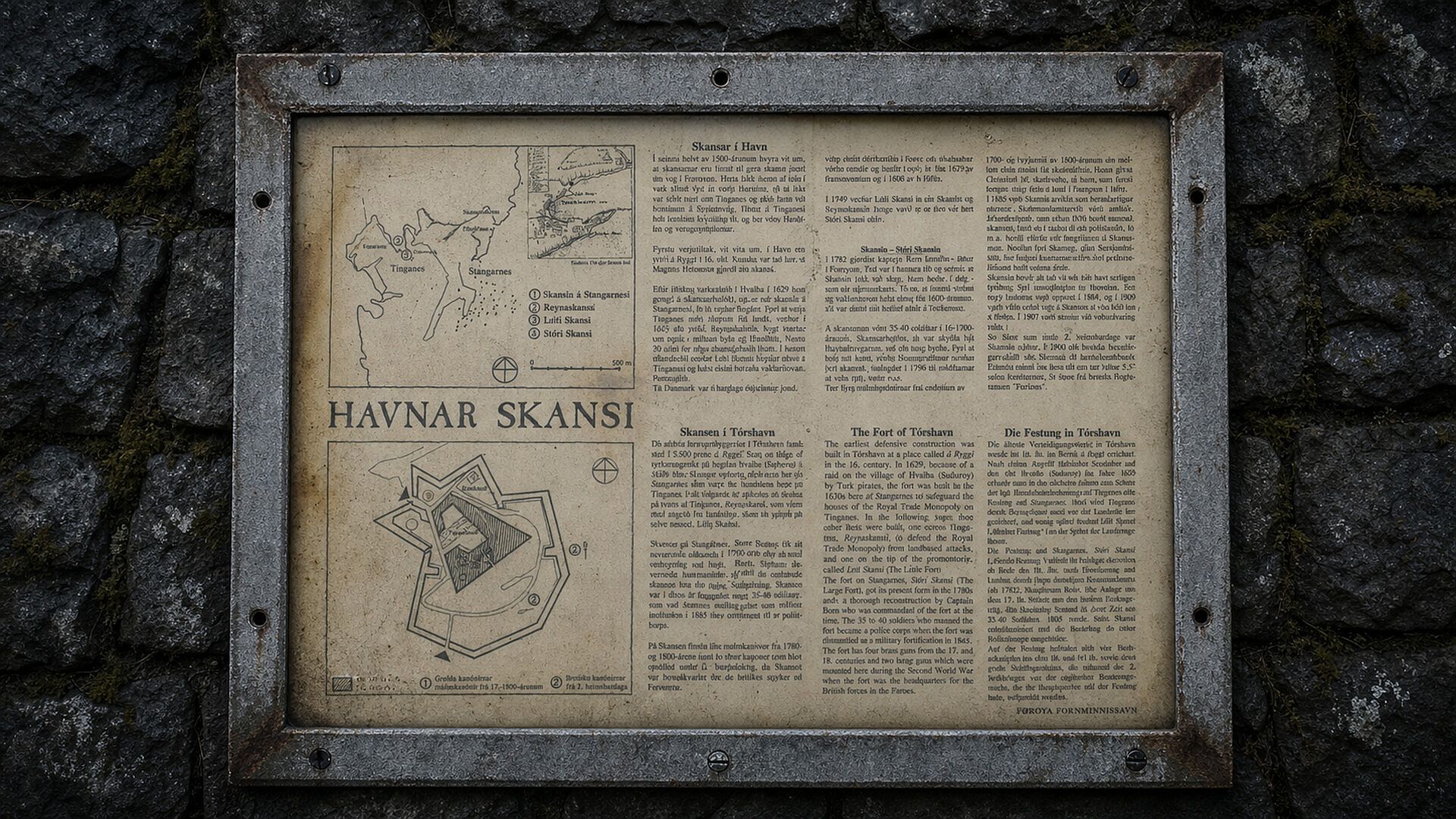
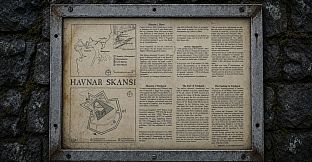
The story takes place in a remote Faroese location where an abandoned house serves as the focal point for strange occurrences. Authentic historical and folkloric elements from the region inform the clues and background details, including references to local traditions and past events. As the investigation deepens, the narrative explores themes of spirits seeking resolution rather than conflict, adding emotional weight to the discoveries.
Atmospheric details such as wind-carried voices and reported lights build tension gradually. The single window at the heart of the legend acts as both a literal and symbolic element that players must address through their findings. This approach creates a grounded mystery that respects the cultural context of the Faroe Islands while delivering a self-contained paranormal case.
Is It Worth Playing?
Players who enjoy deliberate point-and-click adventures with strong narrative focus and atmospheric exploration will find a match in the described mechanics. The game targets those interested in folklore-inspired mysteries and patient clue-gathering rather than fast-paced action. As an upcoming title with a planned release in December 2027 and no reviews available yet, its appeal rests on the confirmed single-player structure and investigative loop outlined in the official description. Those drawn to story-rich indie experiences centered on cultural legends may wish to follow its development for future updates.