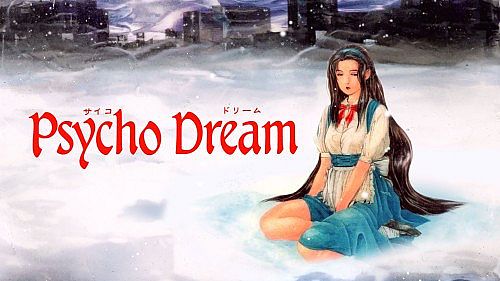


Psycho Dream is a side-scrolling action platformer released on the Nintendo Switch in 2025. Players control one of two agents tasked with rescuing a young girl named Sayaka from a virtual reality film known as a D-Movie.
Gameplay
The core loop centers on progressing through linear stages while defeating groups of grotesque enemies and navigating platforming sections. Movement feels deliberate, with emphasis on positioning for attacks and avoiding hazards in real-world inspired environments that turn nightmarish. Combat relies on close-range weapons that can be upgraded through collectible proteins dropped by foes. Yellow proteins enhance melee strikes, while blue ones improve ranged options. Collecting enough of one type allows access to a powerful super form that combines strong melee and projectile attacks across the screen. Both characters share the same six stages but differ in their starting weapons and upgrade paths, encouraging separate playthroughs to experience the variations in combat flow.
Game Modes
The game offers only a single-player campaign. There are no additional modes such as multiplayer, versus, or challenge variants. Progression follows a fixed sequence of six stages, each ending in a boss encounter, with a time limit applying to each area.
Story and Setting
The narrative places players in a near-future scenario where immersive virtual films called D-Movies have led some users to abandon their physical bodies entirely. Government agents known as Diamond Dogs enter these digital worlds to extract trapped individuals before they perish. The mission focuses on Sayaka, who has become lost inside one such film, with the two playable agents serving as the rescuers. Story elements remain minimal during gameplay itself, serving mainly as context for the action.
Is It Worth Playing?
Psycho Dream delivers a compact retro-style action experience suited to players who enjoy methodical side-scrolling combat and character-specific upgrades. The 2025 re-release on Nintendo Switch includes practical additions such as rewind functionality, save states, screen filters, and a gallery of original artwork. Reception for the port has been mixed, with some noting technical inconsistencies that affect playability. It suits those interested in exploring lesser-known 16-bit action titles or fans of similar games from the era, particularly at its low price point, though expectations should align with its short length and focused scope rather than expansive content.







![UNDER NIGHT IN-BIRTH Exe:Late[cl-r]](https://img.xd.deals/capsules_thumbs/74/5c/745cc2c6b6acd7e1604b84df065556f5b7f8928c25602900_280x160.jpg)