


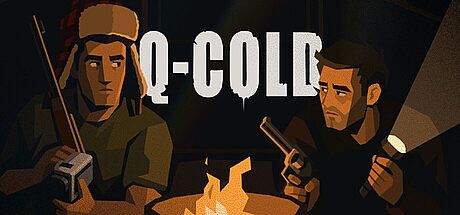


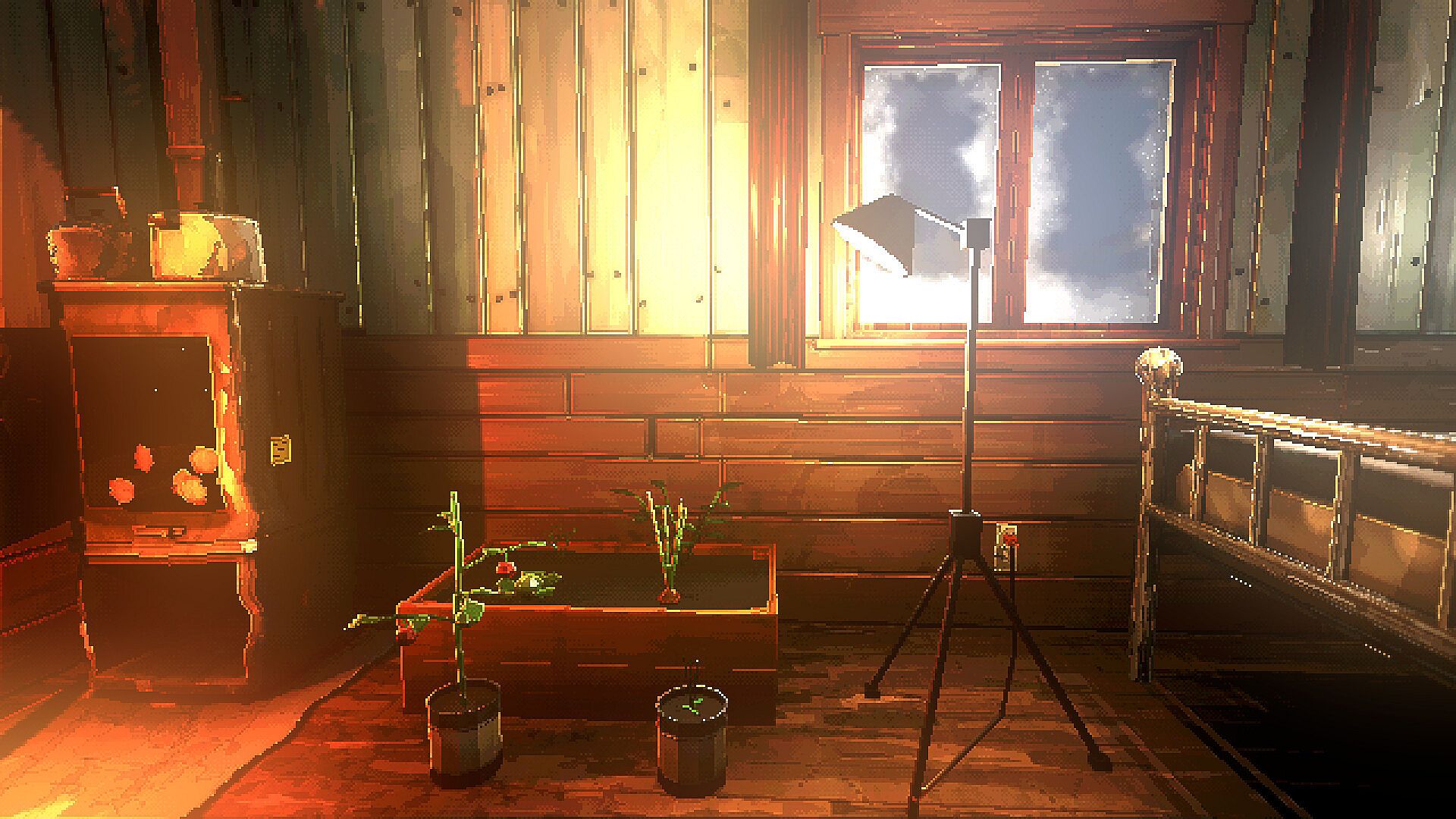
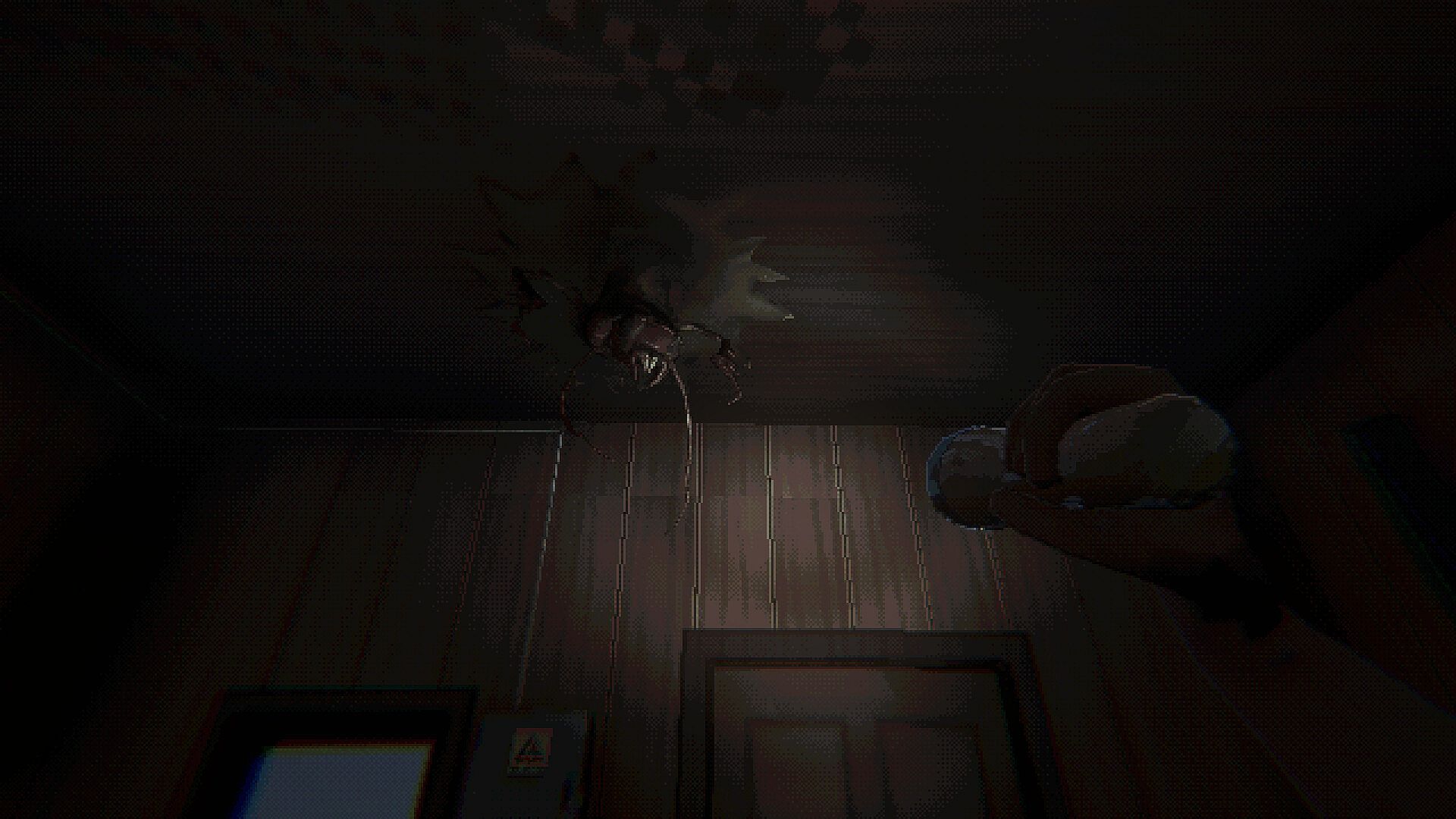
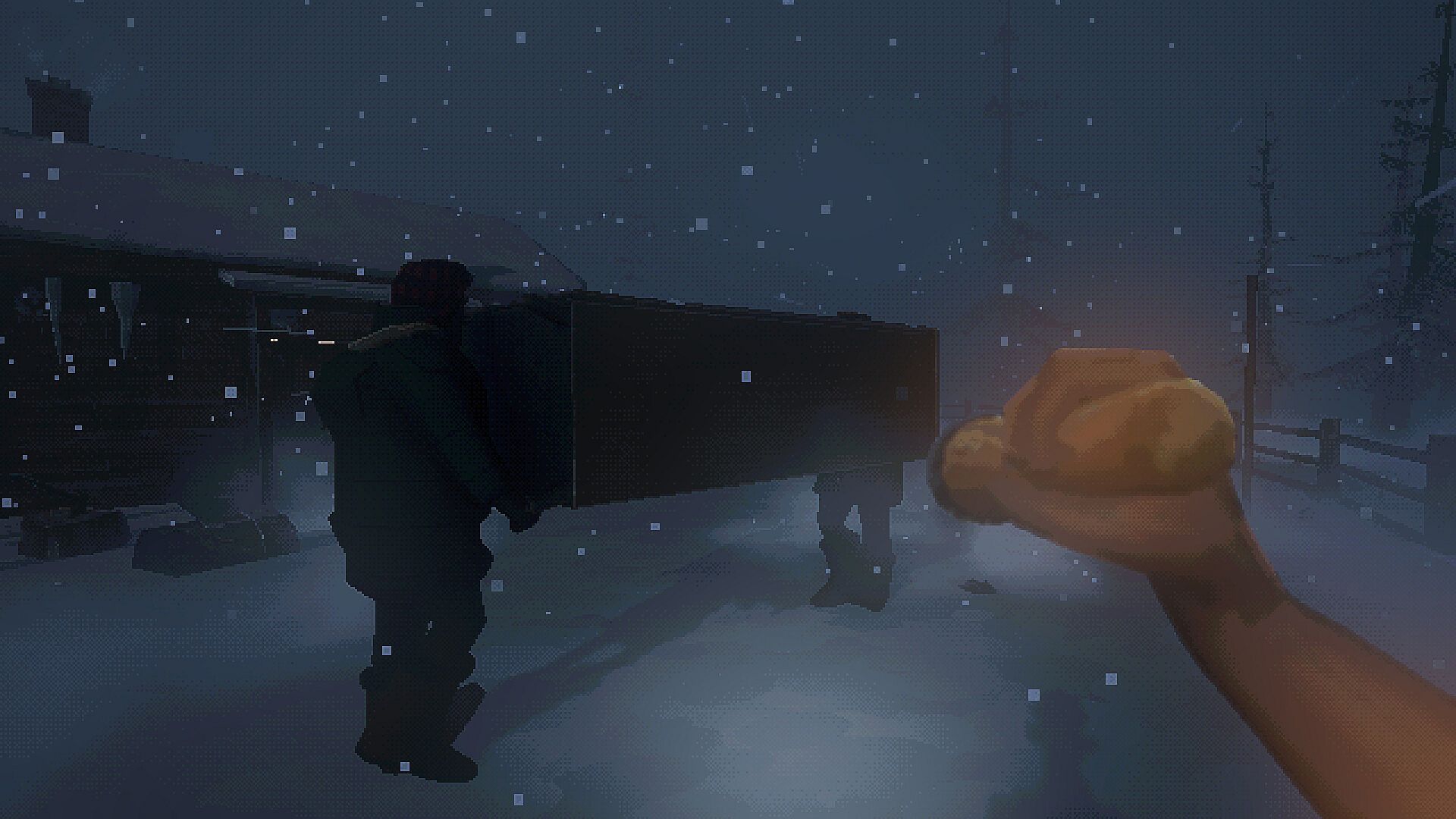
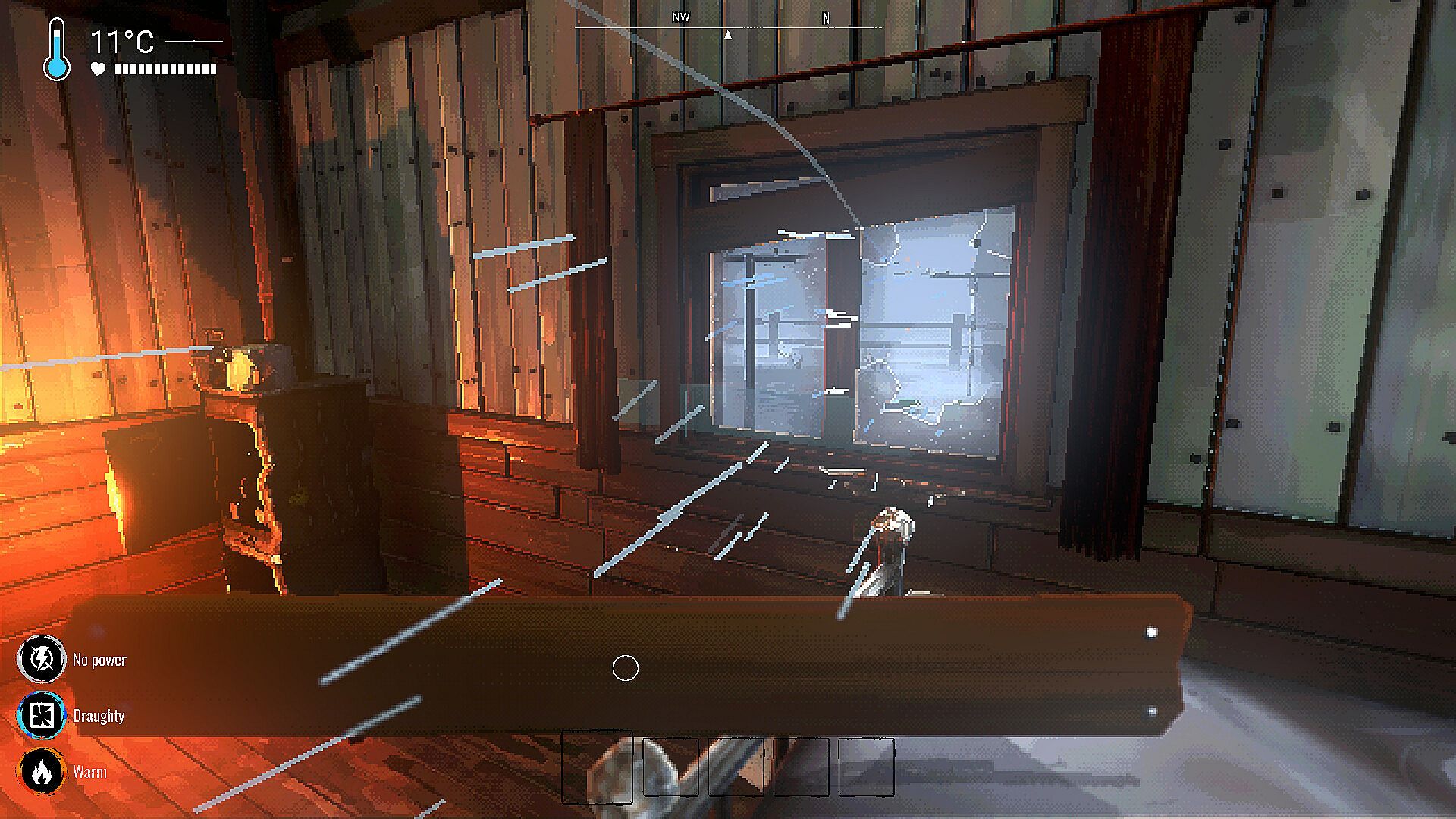
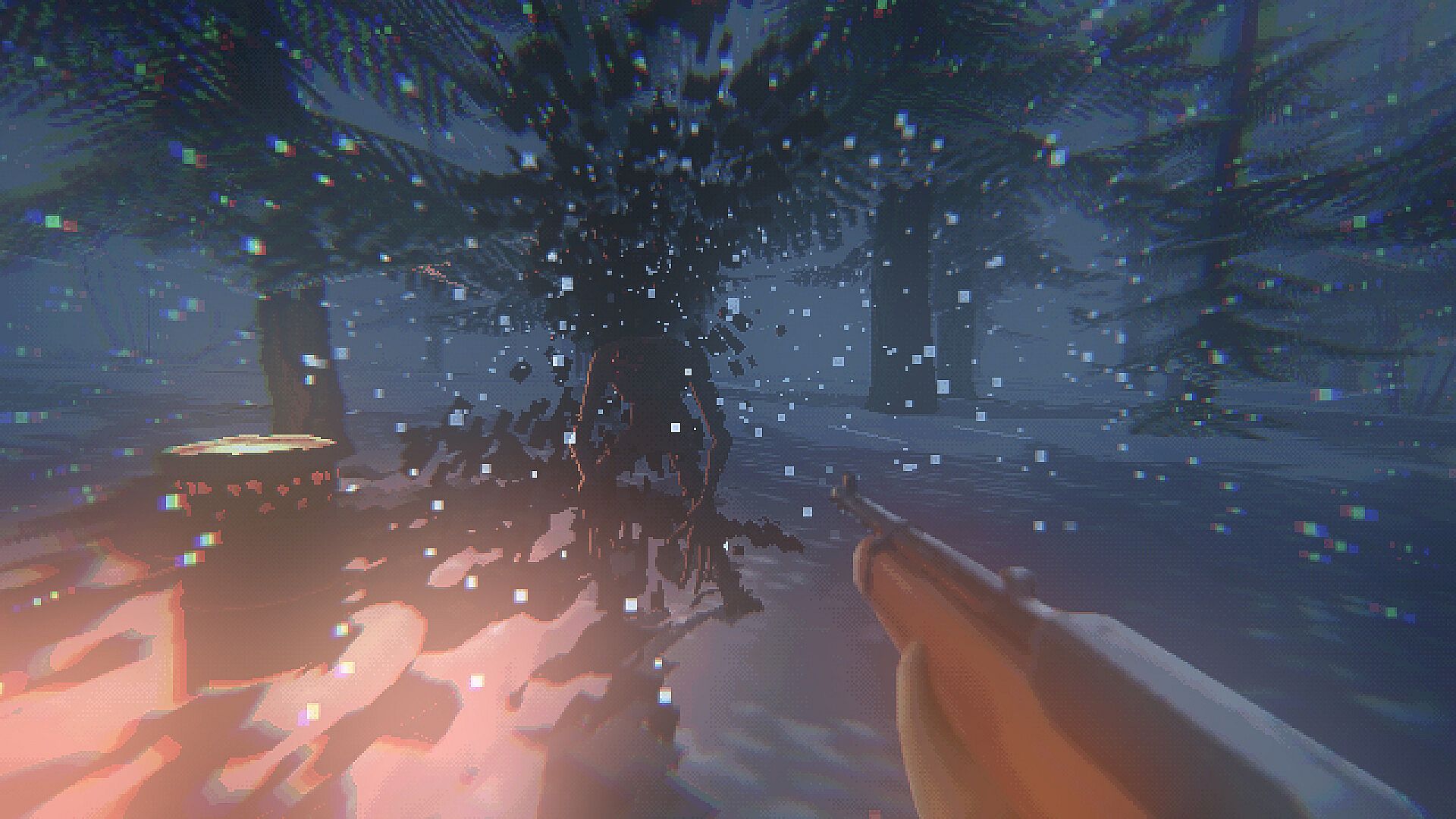
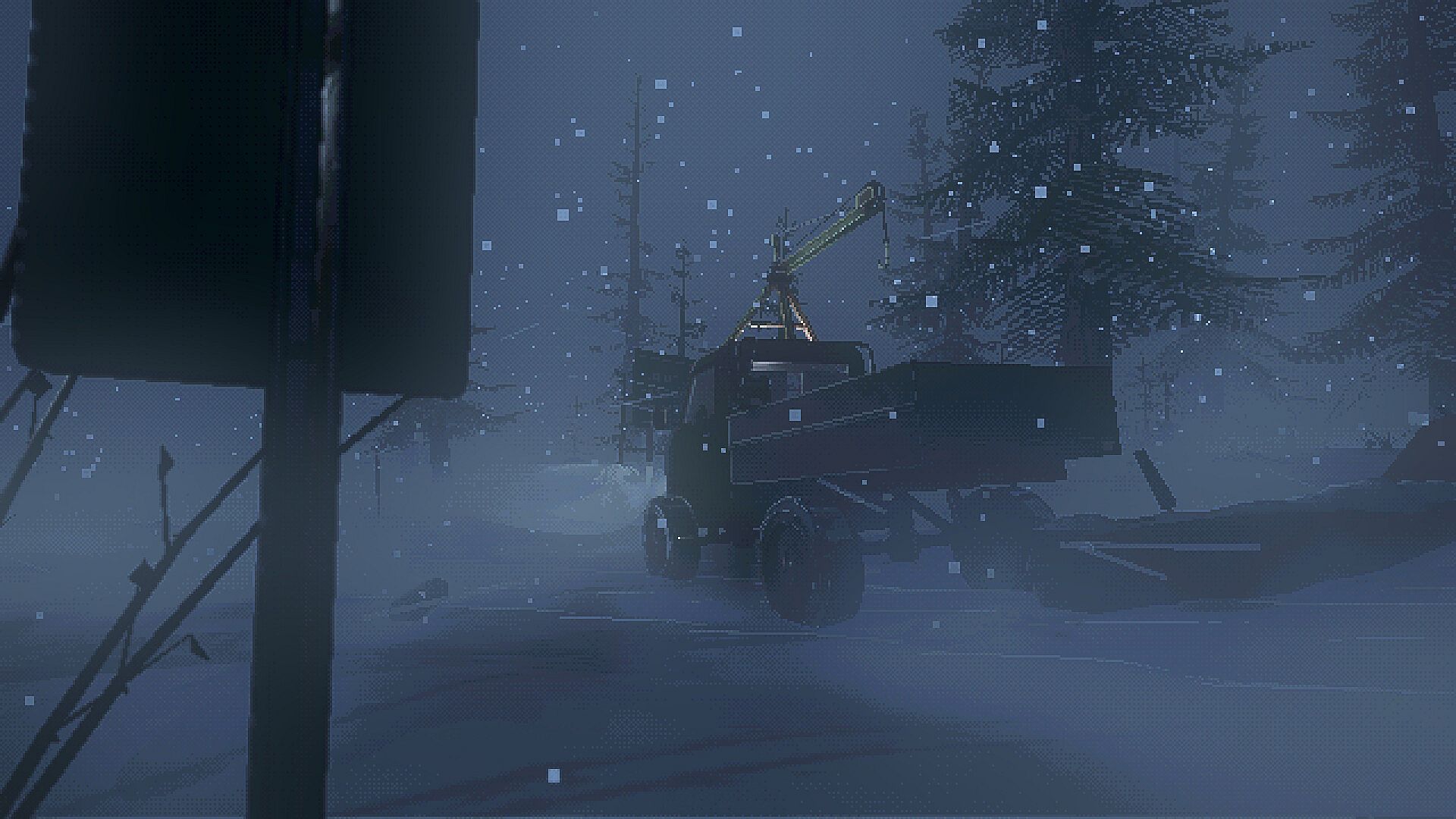
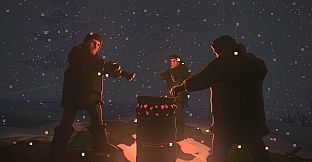

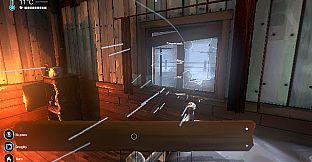
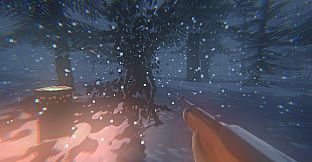
Q-Cold is a first-person survival horror game for PC that places one to four players in a 1990s American backwoods setting where sudden extreme cold restricts movement and forces constant management of warmth and resources. The core loop revolves around expanding a single house that serves as the only reliable shelter while venturing outward to scavenge valuables, tools, and information that might explain the unexplained freeze. Procedural layout changes every session, so familiar landmarks such as a motel, diner, or mine appear in different locations and require fresh navigation each time.
Gameplay
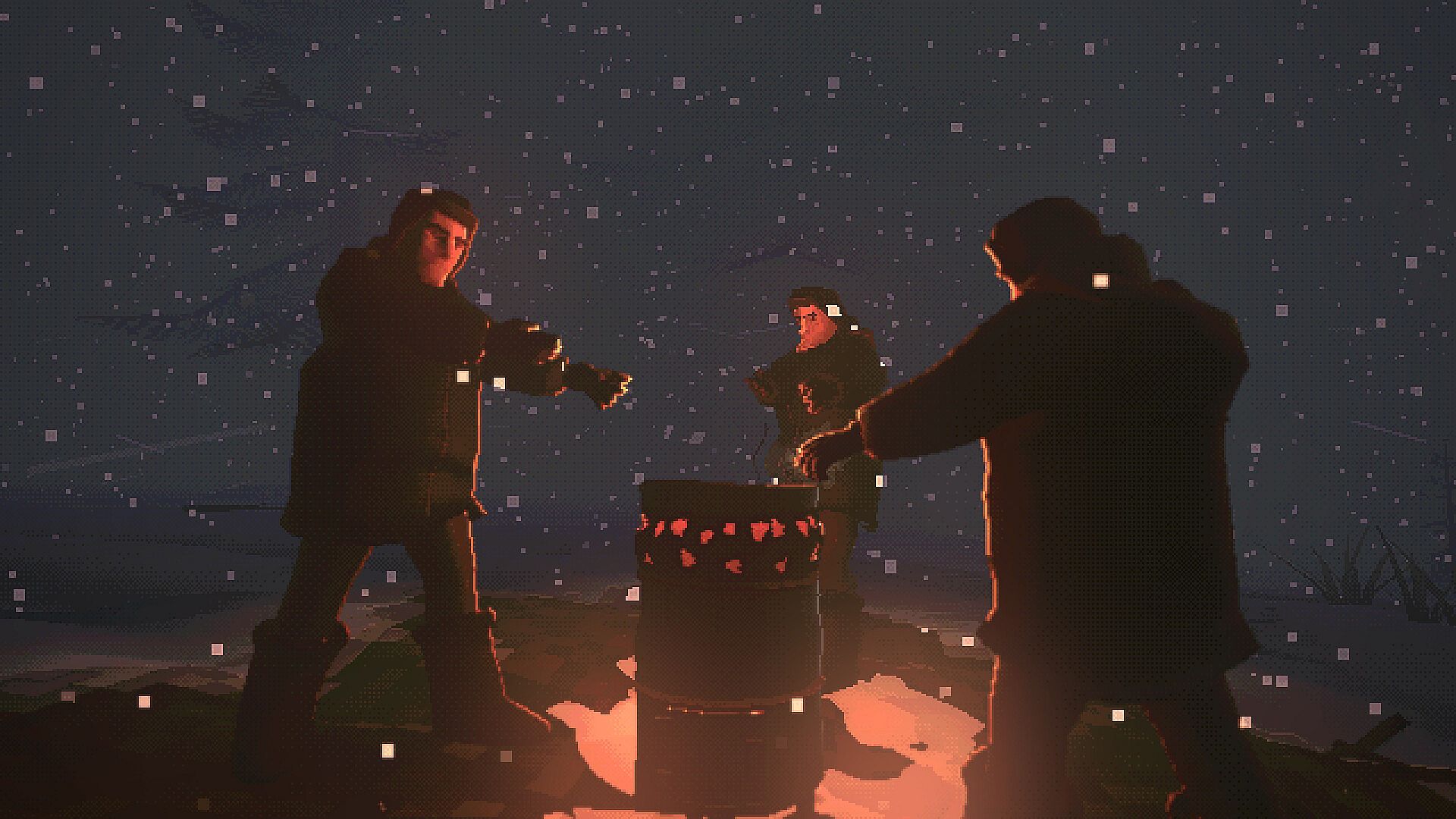
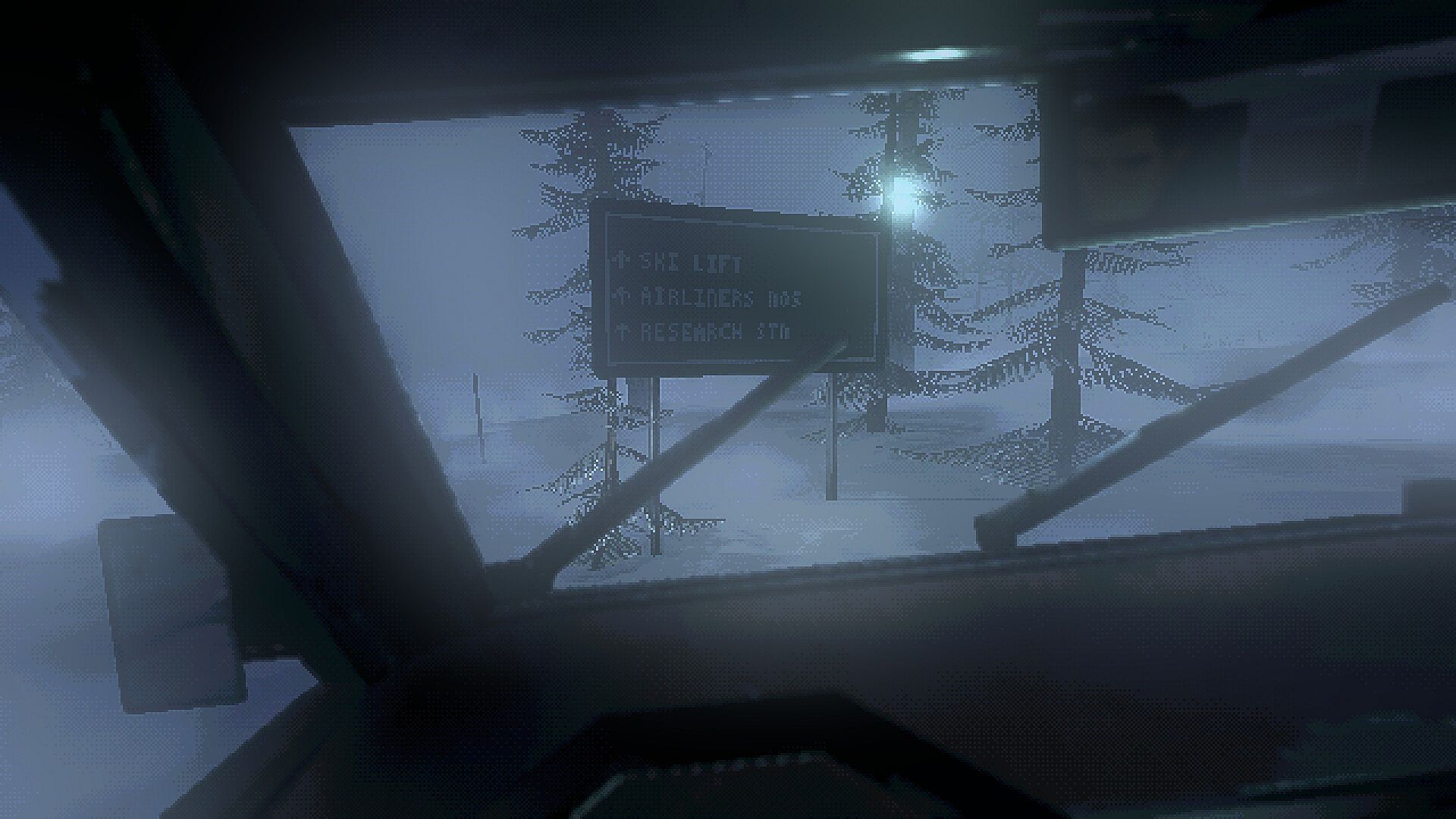
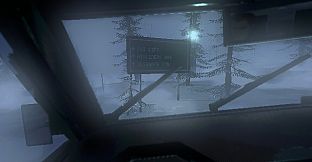
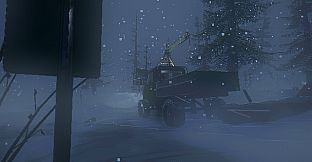
Survival centers on the cold itself. Time spent outside is limited, and weather shifts without warning between snowstorms, dense fog, and early nightfall. Clothing degrades with exposure and must be repaired or replaced. Movement on foot is slow in deep snow, which pushes players to locate and reach drivable vehicles scattered across the map. Six cars are available in total, each started with a physical key and equipped with a functional heater that provides temporary relief during longer trips.
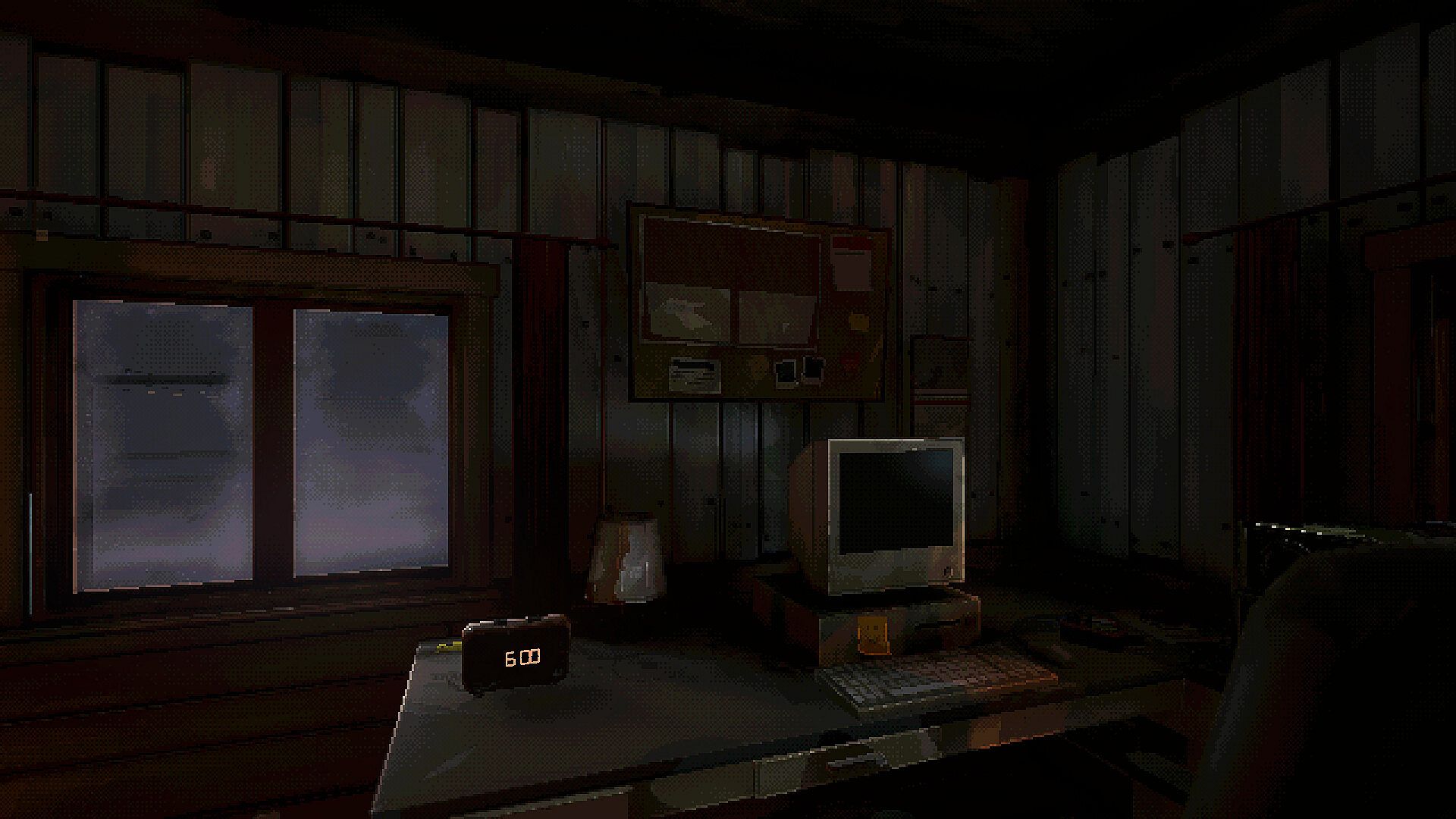
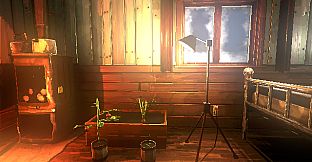
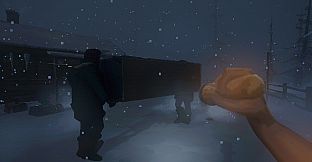
House progression begins with a basic cabin. Players expand it up to four times by hauling furniture and supplies back from the wilderness, with some larger items requiring two people to carry. Heat leaks through any open door or window, and the stove consumes fuel quickly, so maintaining the interior demands ongoing attention. Money earned from selling found items buys additional supplies and upgrades that cannot be crafted on site.
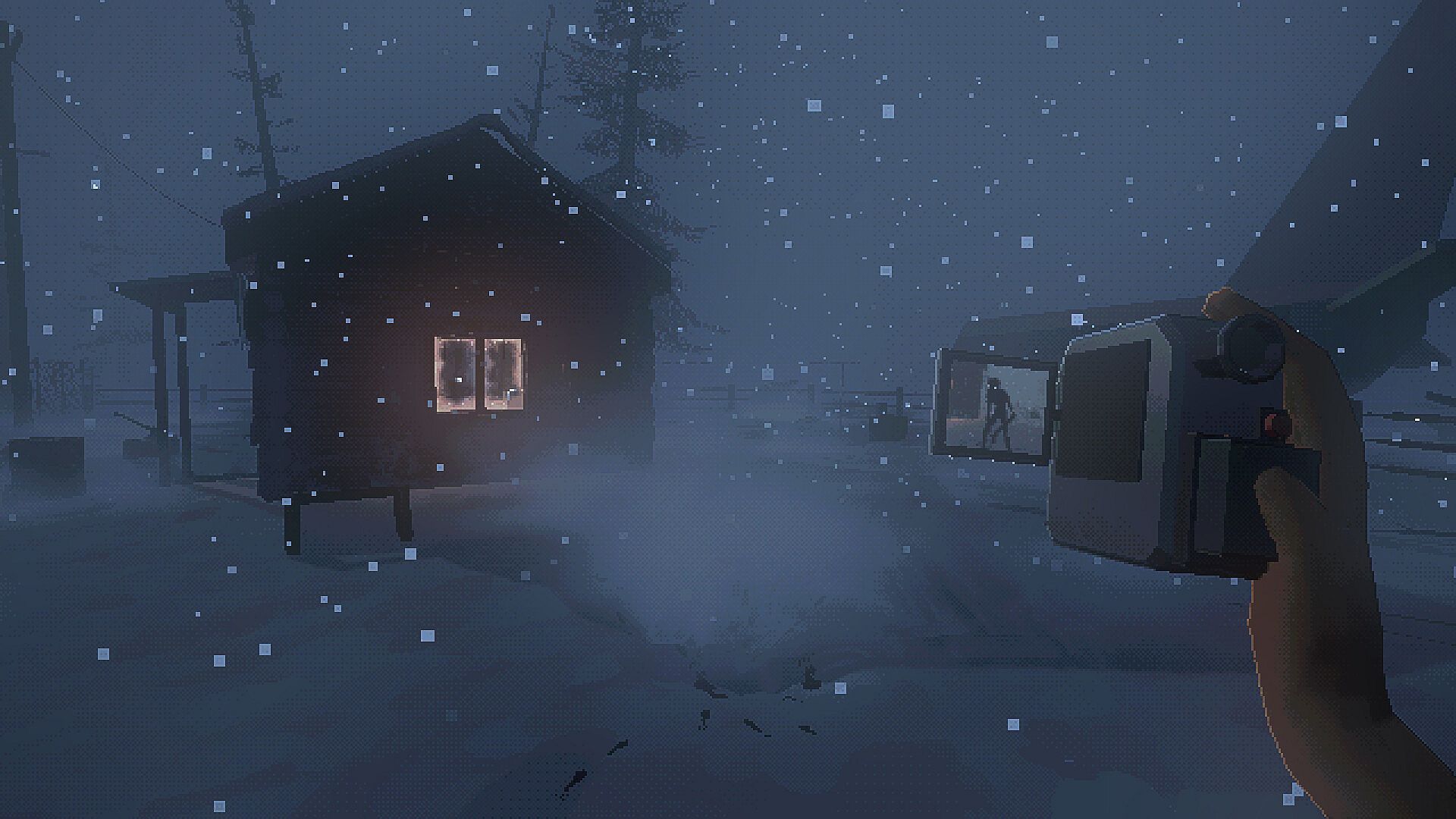
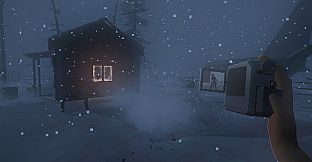
A 1990s camcorder serves as a key tool. Its grainy display and limited battery reveal details invisible to the naked eye, but only the player holding the device can see them. The rest of the group must rely on verbal descriptions, creating moments of uncertainty and trust. Melee weapons range from simple sticks to sledgehammers, and all degrade over time. Firearms include a rifle, revolver, and shotgun. Simple crafting recipes work anywhere, while more complex ones require a workbench. Twenty-seven melee options and the listed firearms provide variety for defense against whatever lurks in the woods.
Game Modes
The game supports online co-op for one to four players or solo play. Proximity voice chat and walkie-talkies allow communication that respects distance, so separated teammates must use the radios to coordinate. No other named modes exist beyond these options. Every session features a freshly generated world layout, which keeps repeated runs distinct even when playing alone.
Exploration and Resource Management
The open world spans more than two kilometers and contains locked structures that players can open with found keys, lockpicks, or brute force. Abandoned notes, newspapers, and tapes provide fragments of story about what happened before the cold arrived. Better loot and potential answers lie farther from the starting cabin, but the risk increases with distance and time. Clothes and melee tools wear out during expeditions and can be mended back at the house or with carried supplies. Vehicles extend range but still require reaching them first on foot or with another car.
Procedural generation affects roads, buildings, and item placement, so no two outings follow the same path. Players must balance the need to push outward for progress against the constant pressure to return before cold exposure becomes fatal.
Is It Worth Playing?
Q-Cold targets players who enjoy deliberate, co-operative survival horror focused on environmental pressure and base maintenance rather than fast-paced action. The combination of a persistent house to upgrade, limited visibility through the camcorder mechanic, and a world that rearranges itself each session offers a distinct loop for those comfortable with solo or small-group play on PC. Because the title remains in development with a coming-soon status and no released player data, anyone considering it should watch for launch details on system performance and final feature completeness. The verified mechanics align with fans of slow-burn co-op survival experiences that emphasize preparation, communication, and repeated exploration in changing conditions.












