























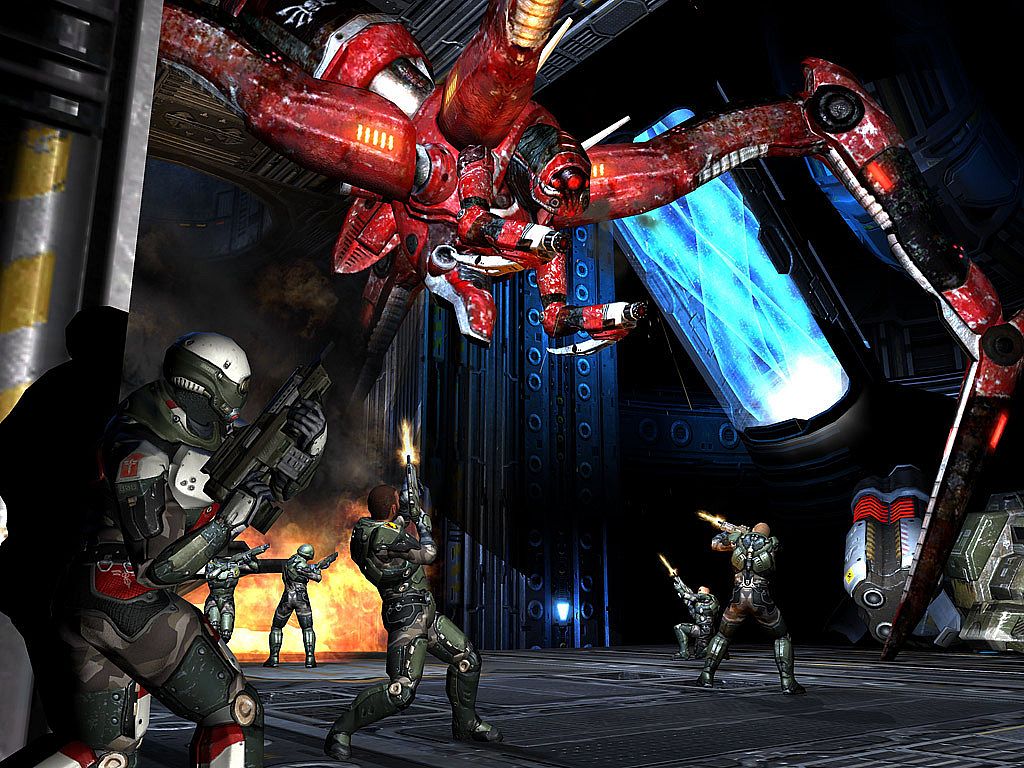
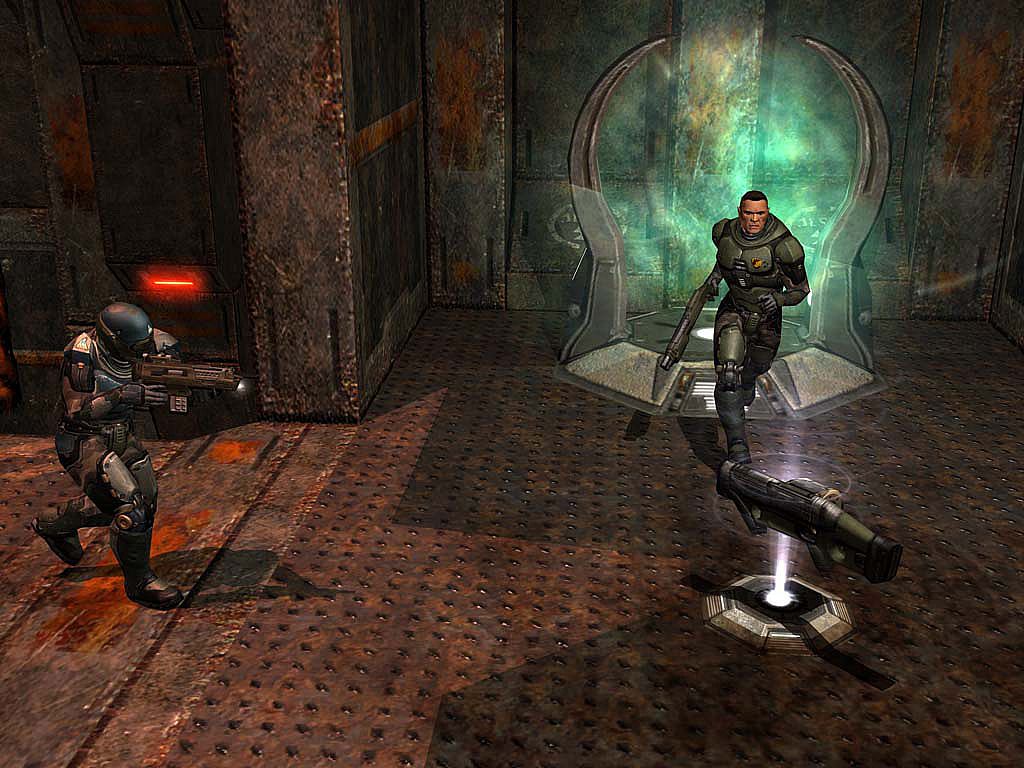
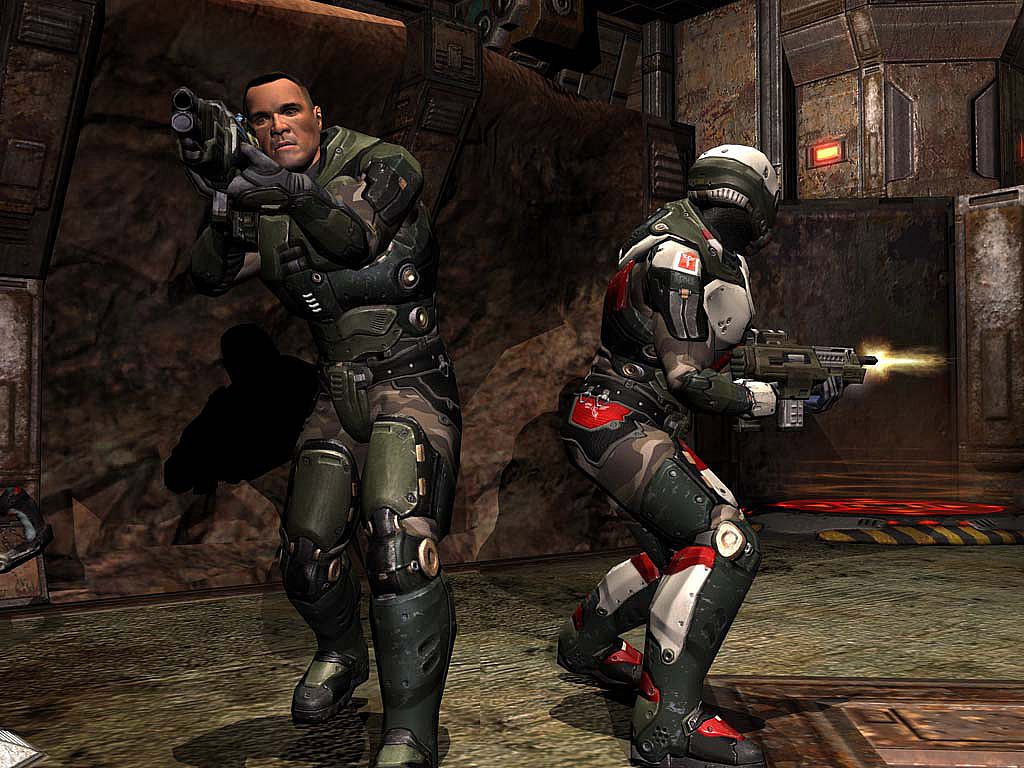
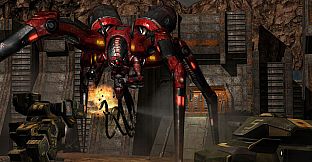
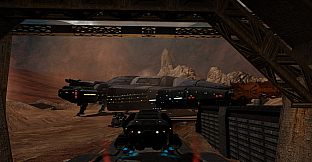
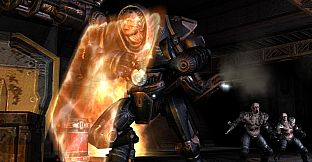
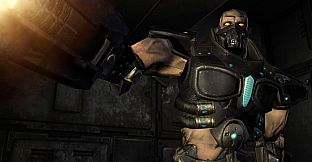
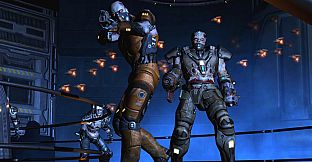
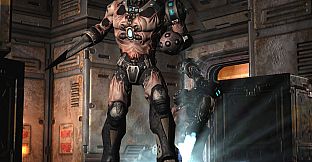
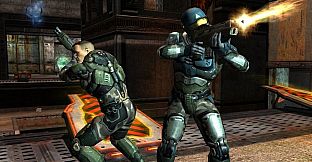
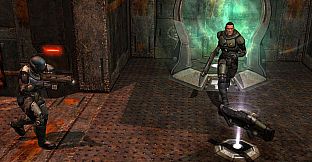
Quake 4 stands as a first-person shooter that blends a focused single-player campaign with arena-style multiplayer combat. Released in 2005 as a direct sequel to Quake II, the game places players in the role of Marine Corporal Matthew Kane during a renewed assault on the Strogg homeworld of Stroggos. The experience centers on fast-paced gunplay, strategic movement, and progression through linear missions that emphasize both infantry combat and occasional vehicle sections.
Gameplay
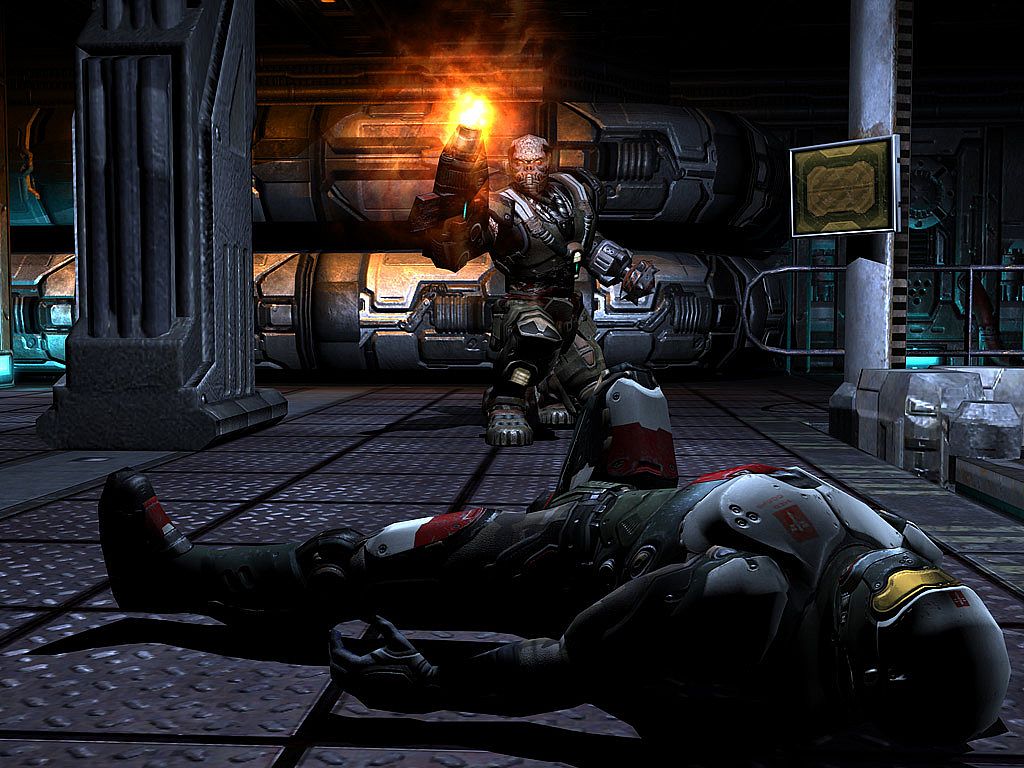
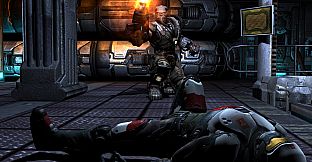
The core loop revolves around navigating industrial and alien environments while engaging waves of Strogg forces. Players wield a selection of weapons that include the machine gun for sustained fire, the shotgun for close-range encounters, the rocket launcher for area denial, and the railgun for precise long-range shots. Movement relies on classic techniques such as strafe-jumping and rocket-jumping, supplemented by ramp jumps for extra height and crouch slides to maintain momentum around corners. These mechanics encourage fluid navigation and aggressive positioning during fights.
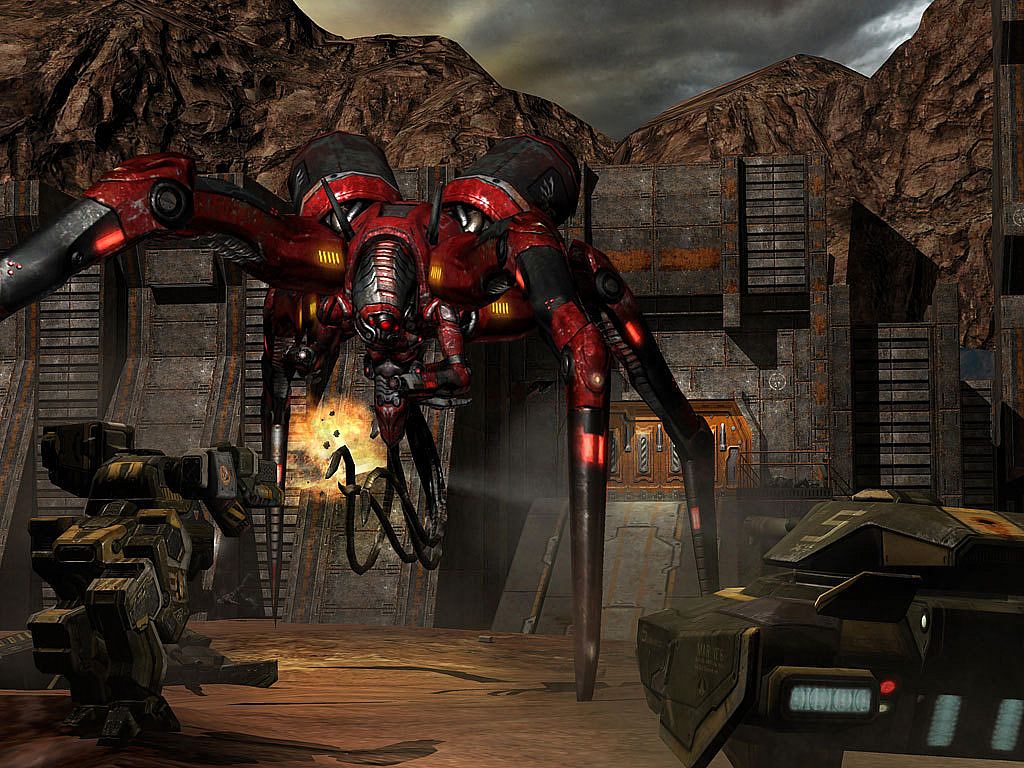
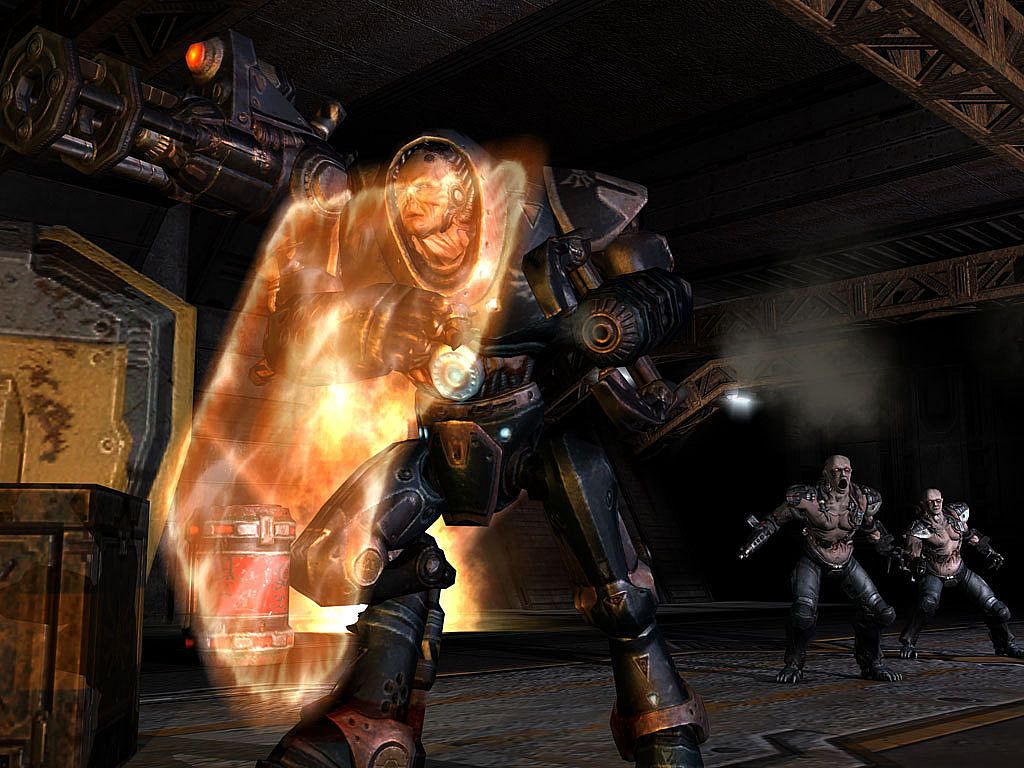
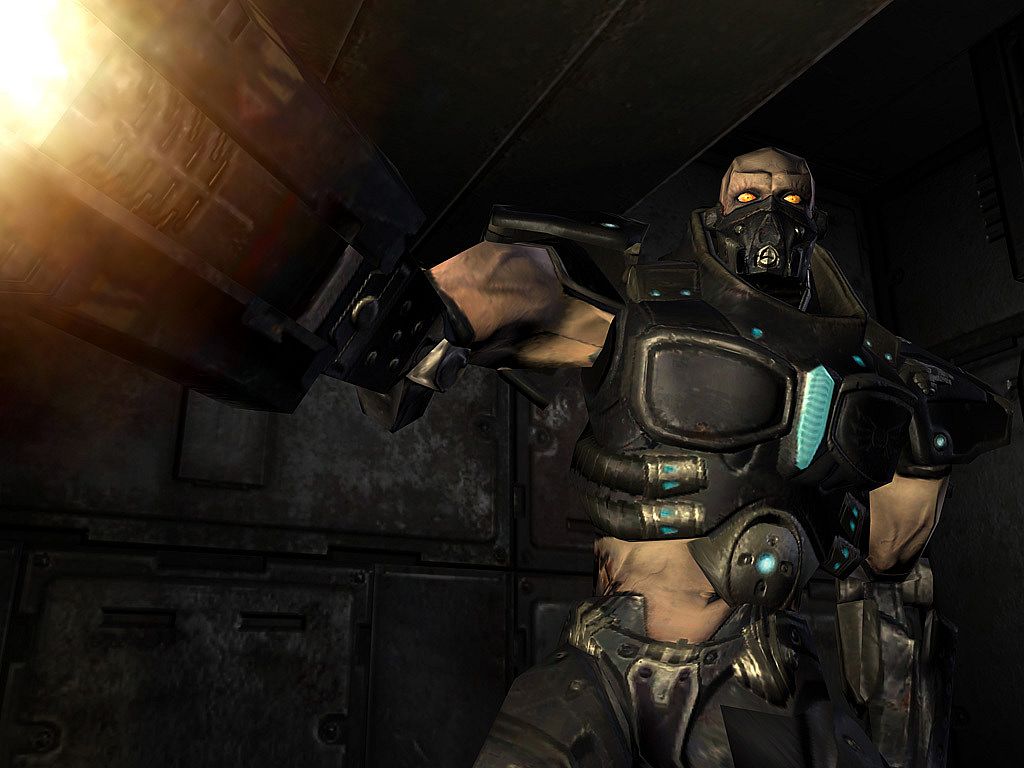
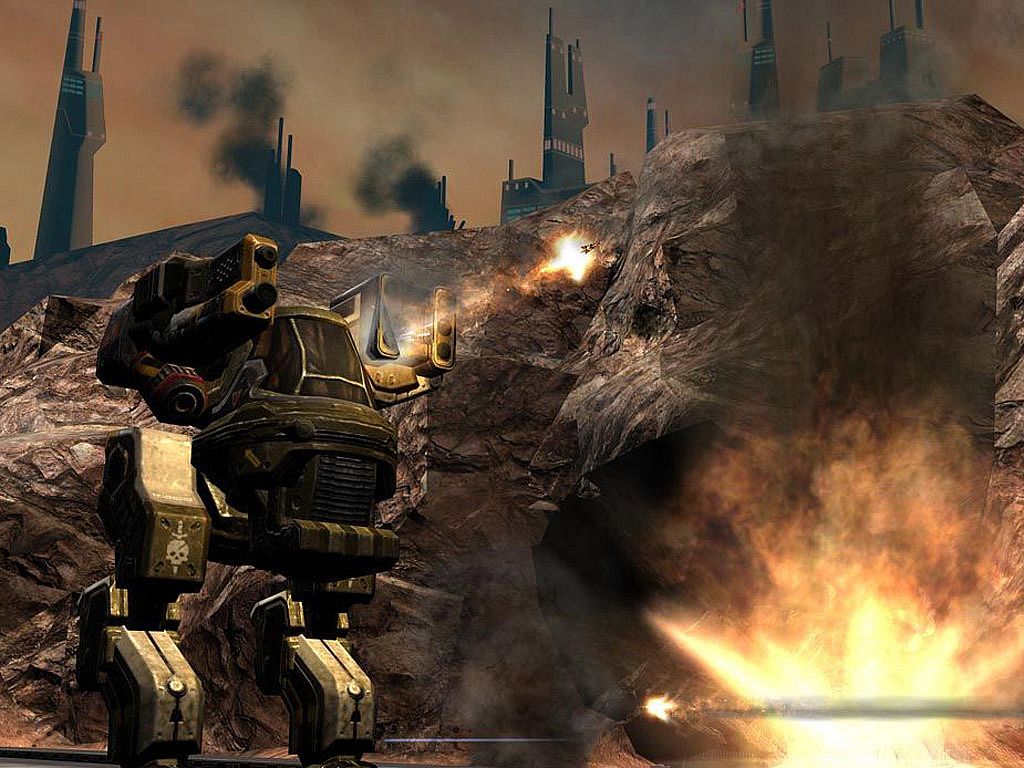
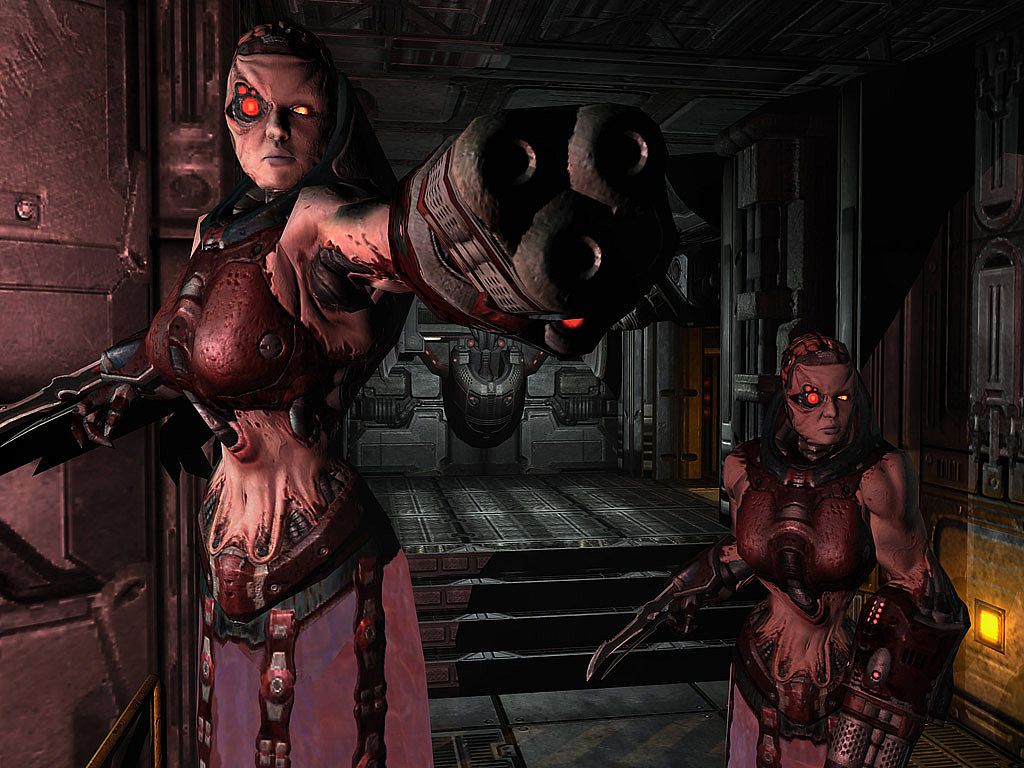
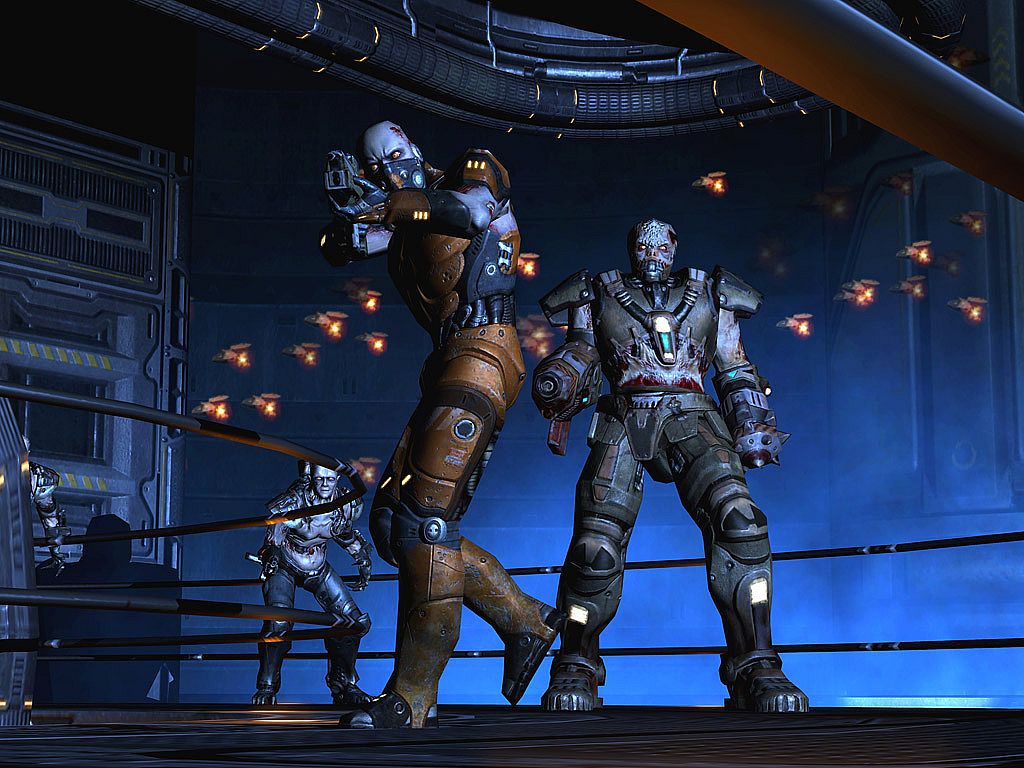
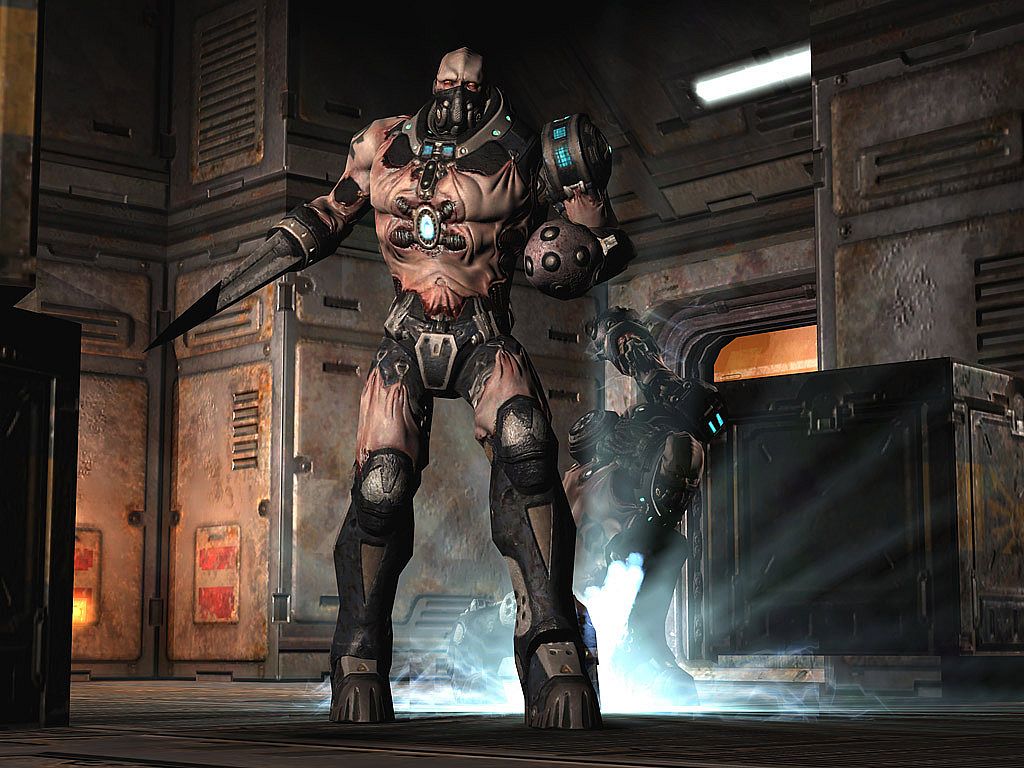
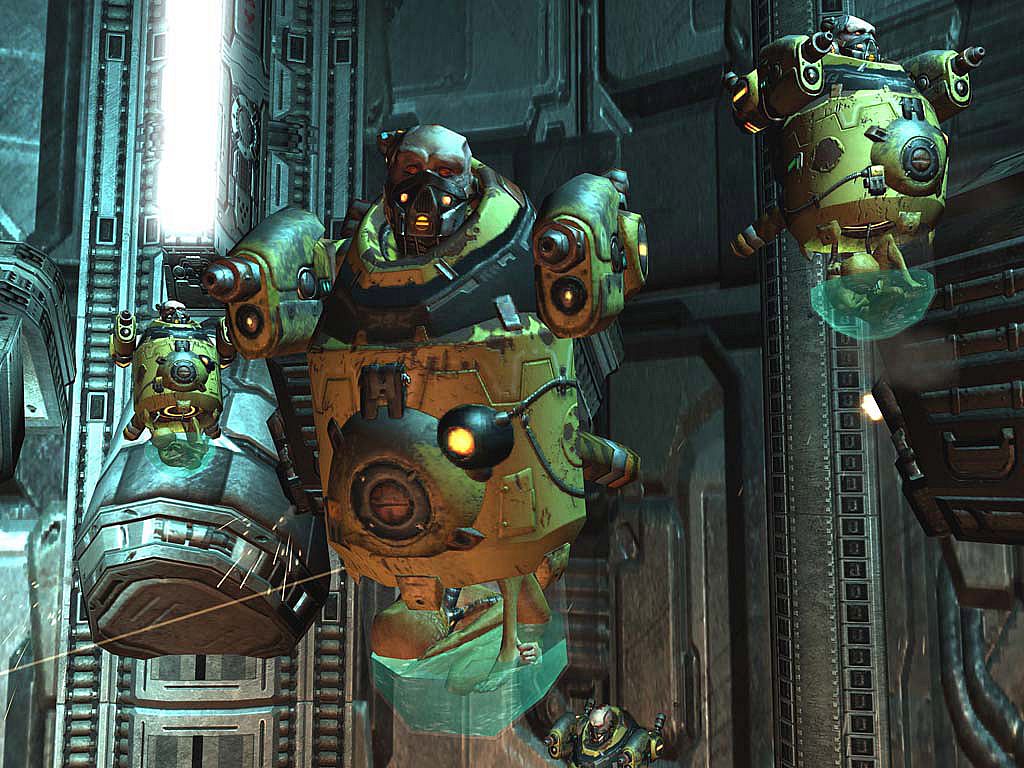
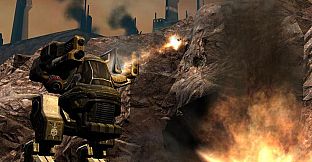
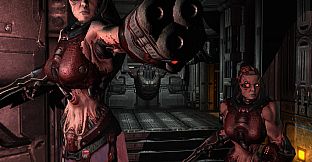
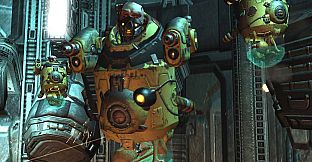
Single-player missions incorporate mechanized walkers and hover tanks at key points, allowing players to control heavier firepower against larger enemy groups. The campaign features varied level designs that mix tight corridors, open arenas, and defensive sequences. Enemy types range from basic infantry to specialized units like gladiators and iron maidens, each requiring different approaches to defeat efficiently. Health and armor pickups appear throughout levels to support sustained play sessions without frequent checkpoints interrupting the flow.
Game Modes
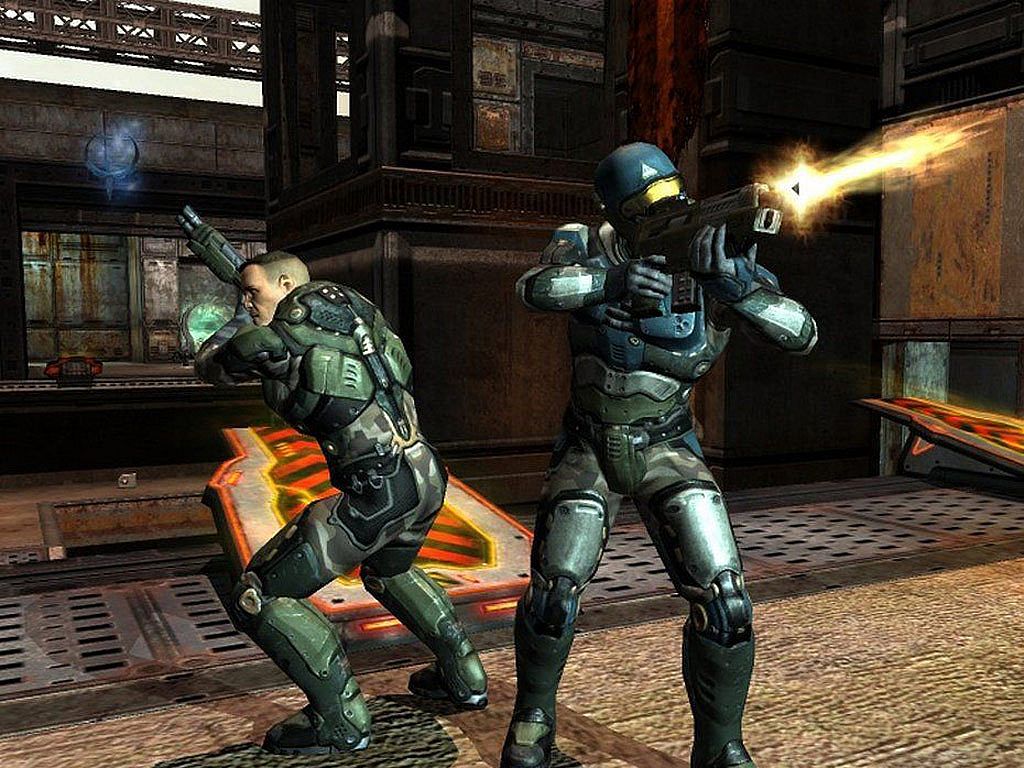
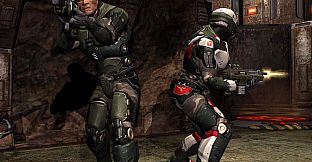
Multiplayer supports up to 16 players on dedicated servers and includes several competitive formats. Deathmatch pits all participants against one another in a free-for-all scramble for the highest frag count. Team Deathmatch divides players into opposing sides for coordinated objective play. Tournament mode structures matches as one-on-one duels where winners advance and spectators watch.
Capture the Flag requires teams to seize and return the opposing flag while defending their own base. Arena CTF adds a round-based twist to flag capture with limited respawns. DeadZone introduces a distinct variant focused on control points and survival elements within the same maps. Movement physics carry over from the single-player side, with additions like shots passing through teleporters and grenades bouncing off jump pads for creative plays.
Single-Player Campaign
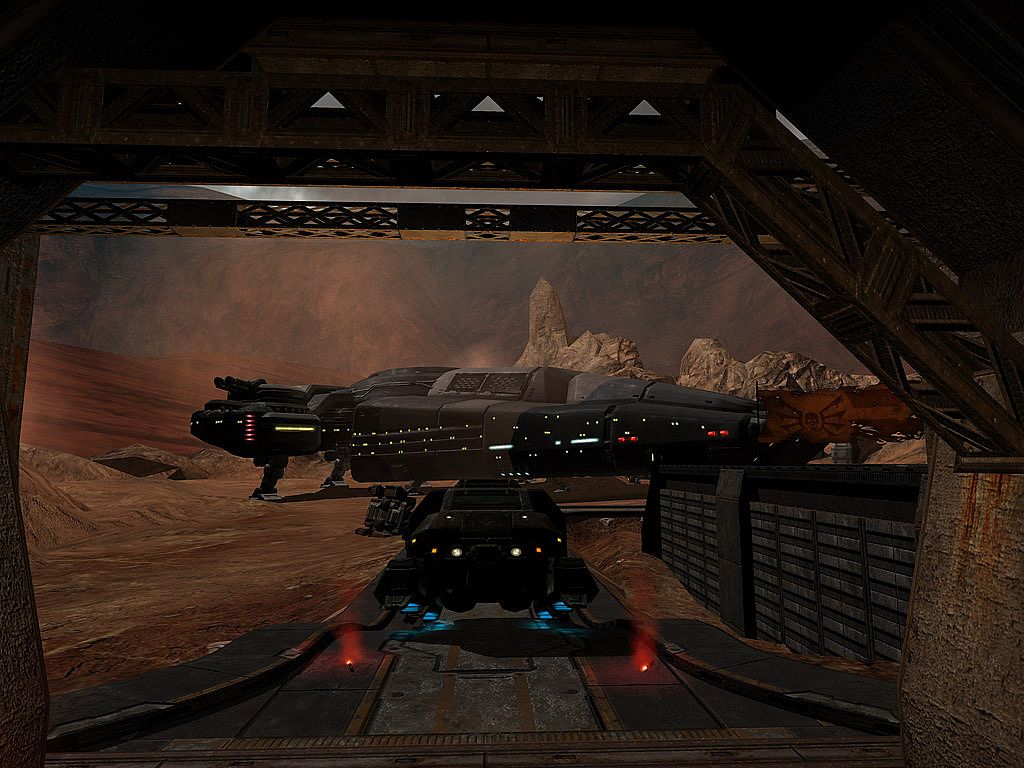
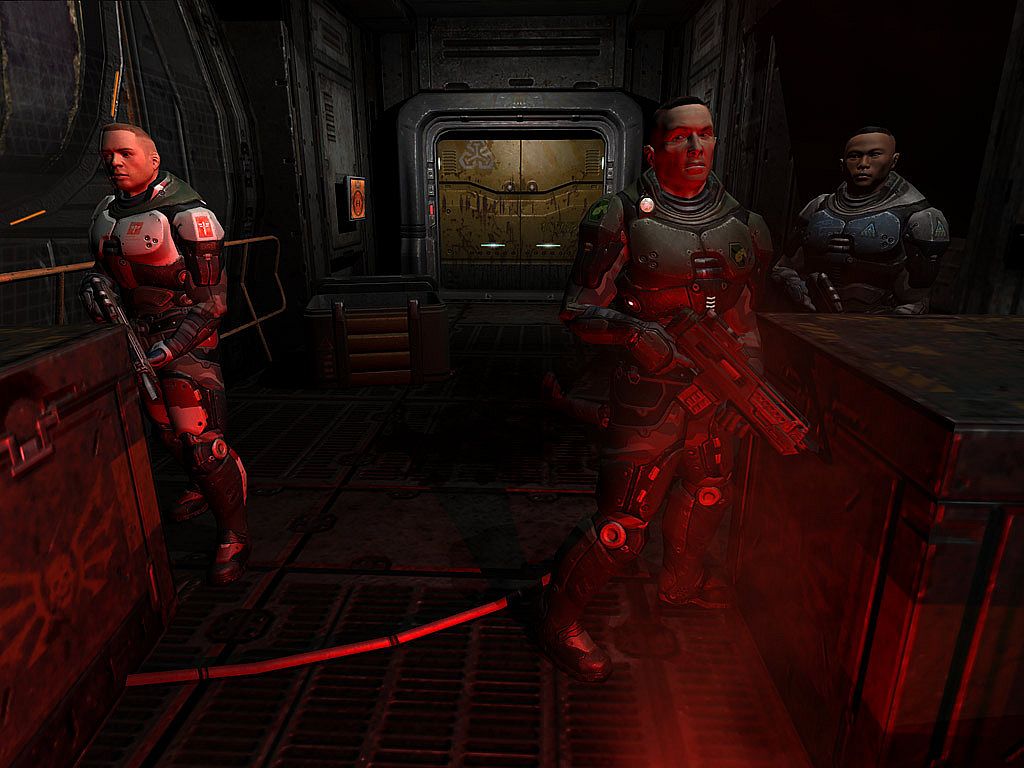
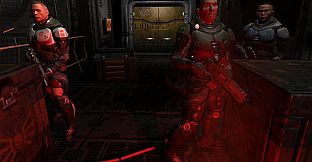
The narrative follows the invasion force after the events of Quake II, with Rhino Squad leading the charge against the Strogg hierarchy. Missions progress through key locations such as air defense bunkers, medical facilities, and the central Nexus hub. Players encounter story beats involving squad interactions and escalating threats that culminate in a direct confrontation with the alien core. Vehicle segments break up the infantry focus and provide moments of larger-scale destruction against Strogg convoys and fortifications.
Weapon upgrades and new armaments unlock naturally as the campaign advances, encouraging experimentation with different loadouts. The pacing alternates between intense firefights and exploration of hostile facilities, maintaining tension across roughly six hours of playtime for most players.
Multiplayer Experience
Online matches emphasize skill-based movement and map knowledge over modern progression systems. Maps range from compact arenas suited for quick frags to larger layouts that support team strategies in Capture the Flag. The absence of bots keeps servers populated by human opponents, preserving the competitive edge familiar from earlier Quake titles. Community patches and map packs expanded the selection over the years, though the base experience remains intact on active servers.
Is It Worth Playing?
Quake 4 appeals most to players who enjoy classic first-person shooter campaigns with strong emphasis on movement and gun handling. The single-player portion delivers a self-contained story with consistent action and occasional mechanical variety through vehicles. Multiplayer remains functional with servers still active years later, offering straightforward competitive matches for those seeking arena-style combat without additional layers of customization or seasonal content.
Reception highlights the campaign as an enjoyable throwback for fans of the series, while multiplayer receives mixed notes for its traditional approach. Those interested in revisiting or discovering the Quake formula through a narrative lens will find the package coherent and focused. Availability on modern systems through digital platforms supports straightforward access for new or returning players.