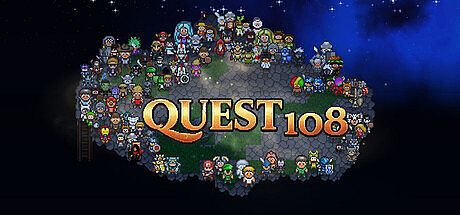


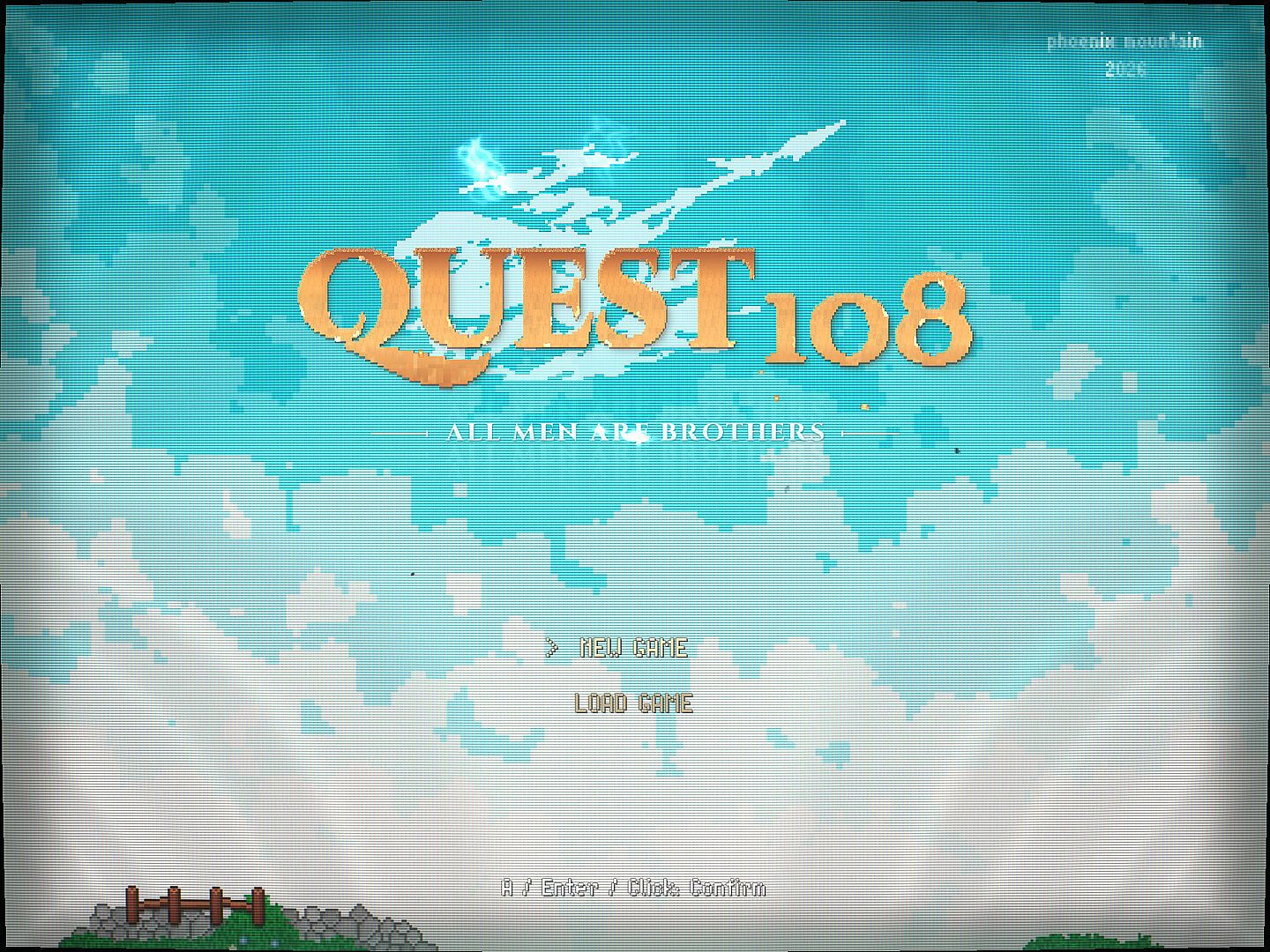
Quest 108 is a single-player indie RPG for PC that centers on careful preparation before combat rather than moment-to-moment control. Players build and refine a party drawn from a roster of 108 characters, then observe how those choices play out in automatic battles. The experience stays rooted in retro pixel art and an old-school JRPG interface while focusing on a repeatable loop of planning, watching results, and improving for the next attempt.
Gameplay
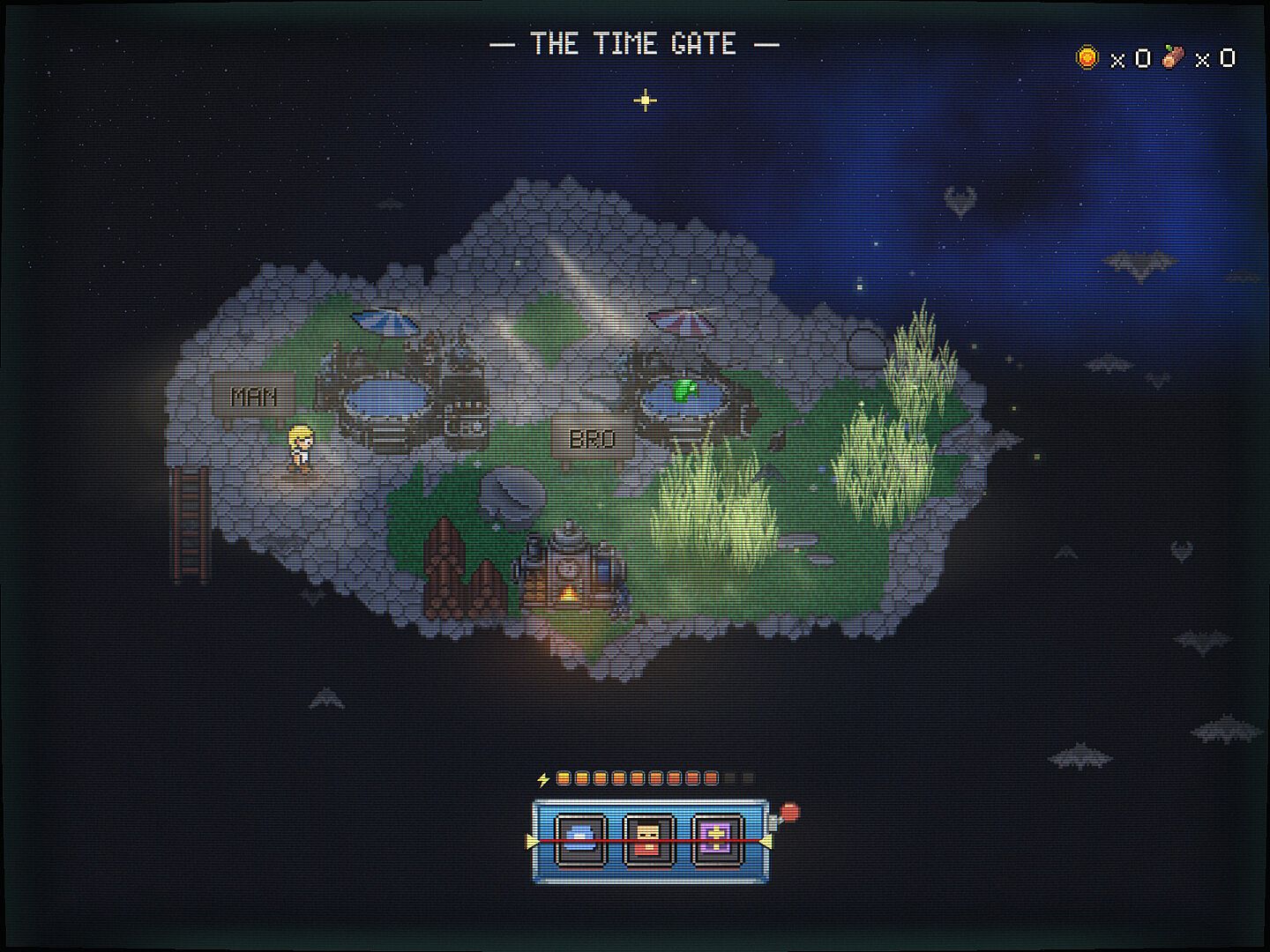
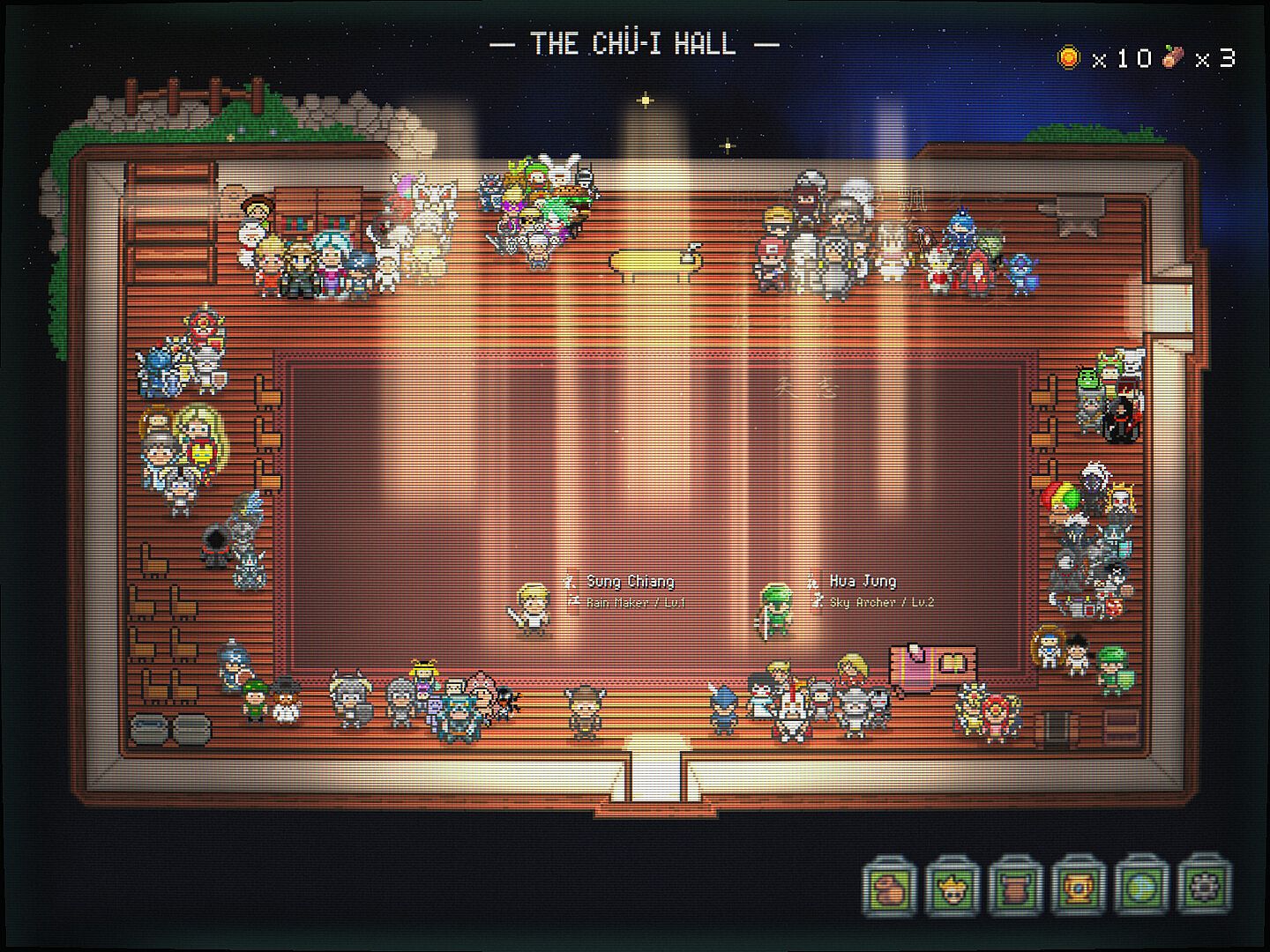
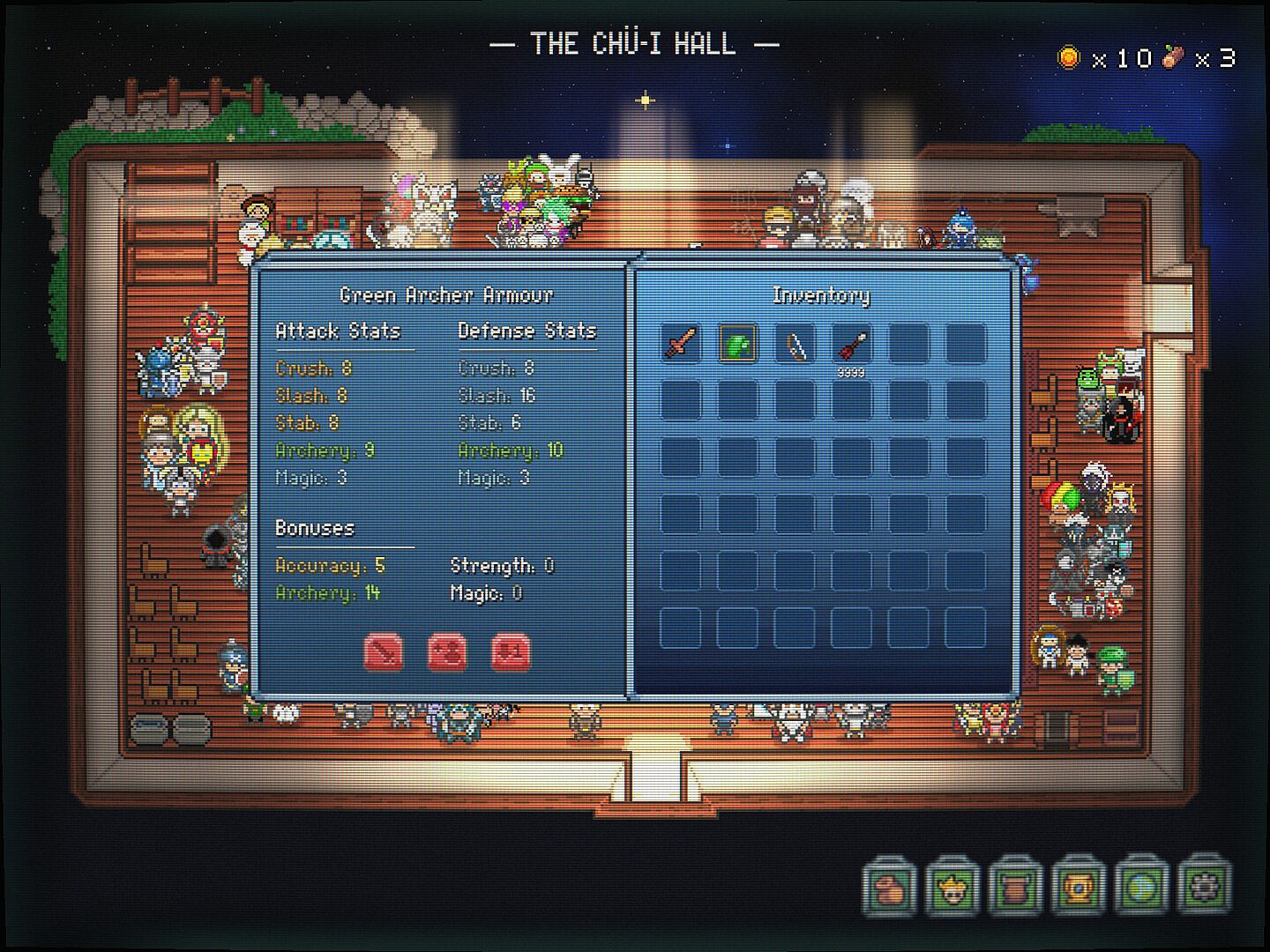
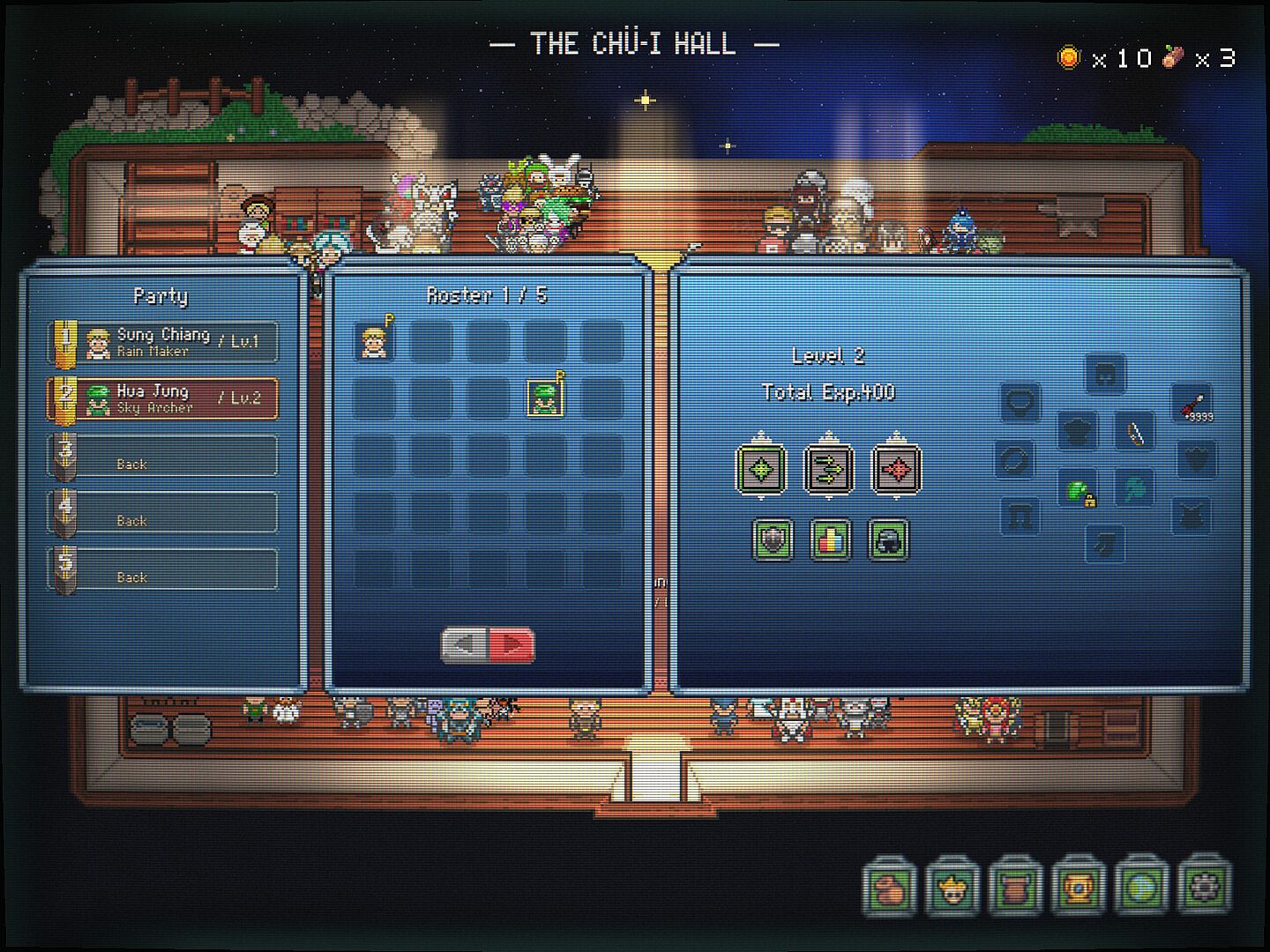
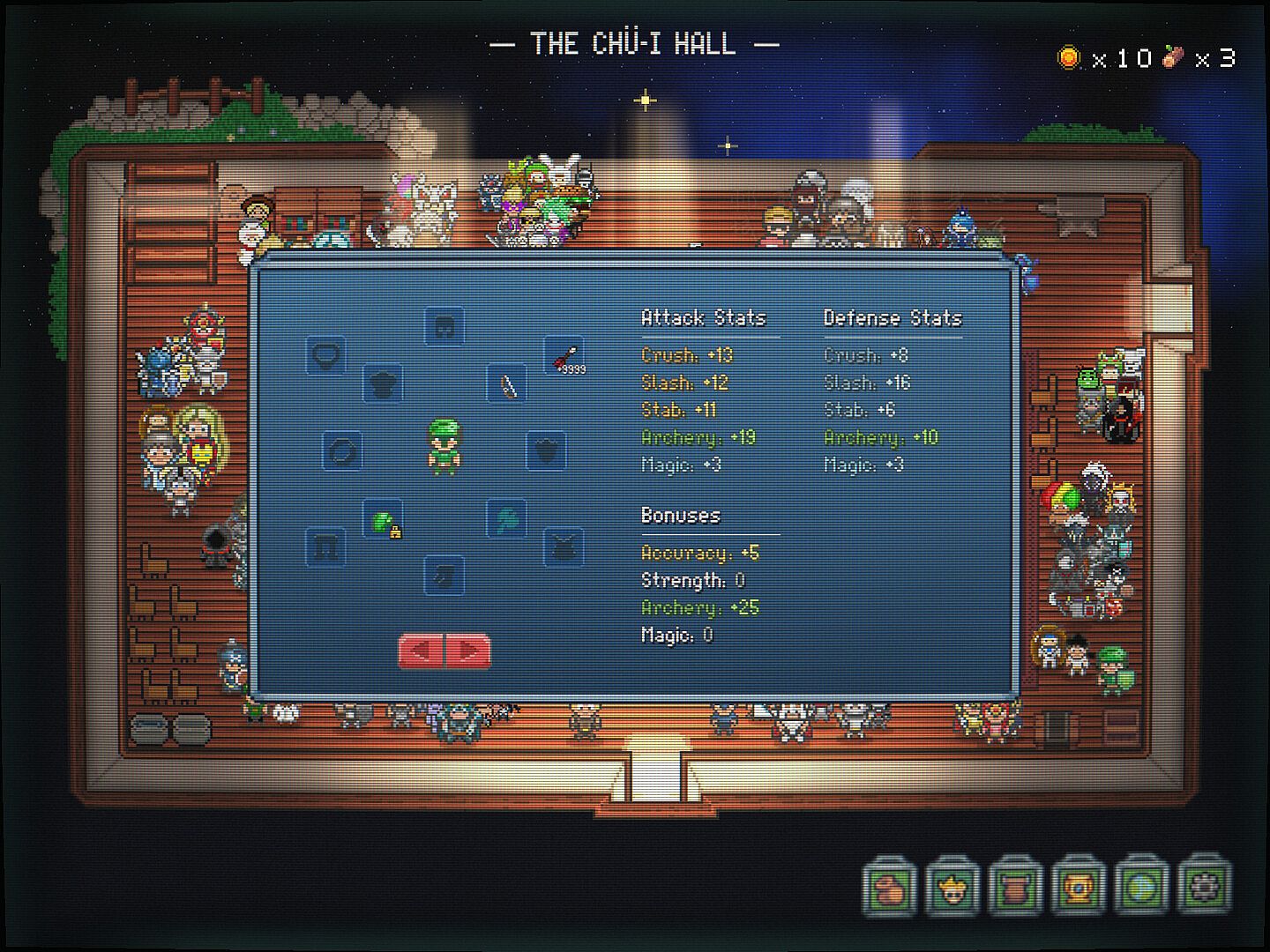
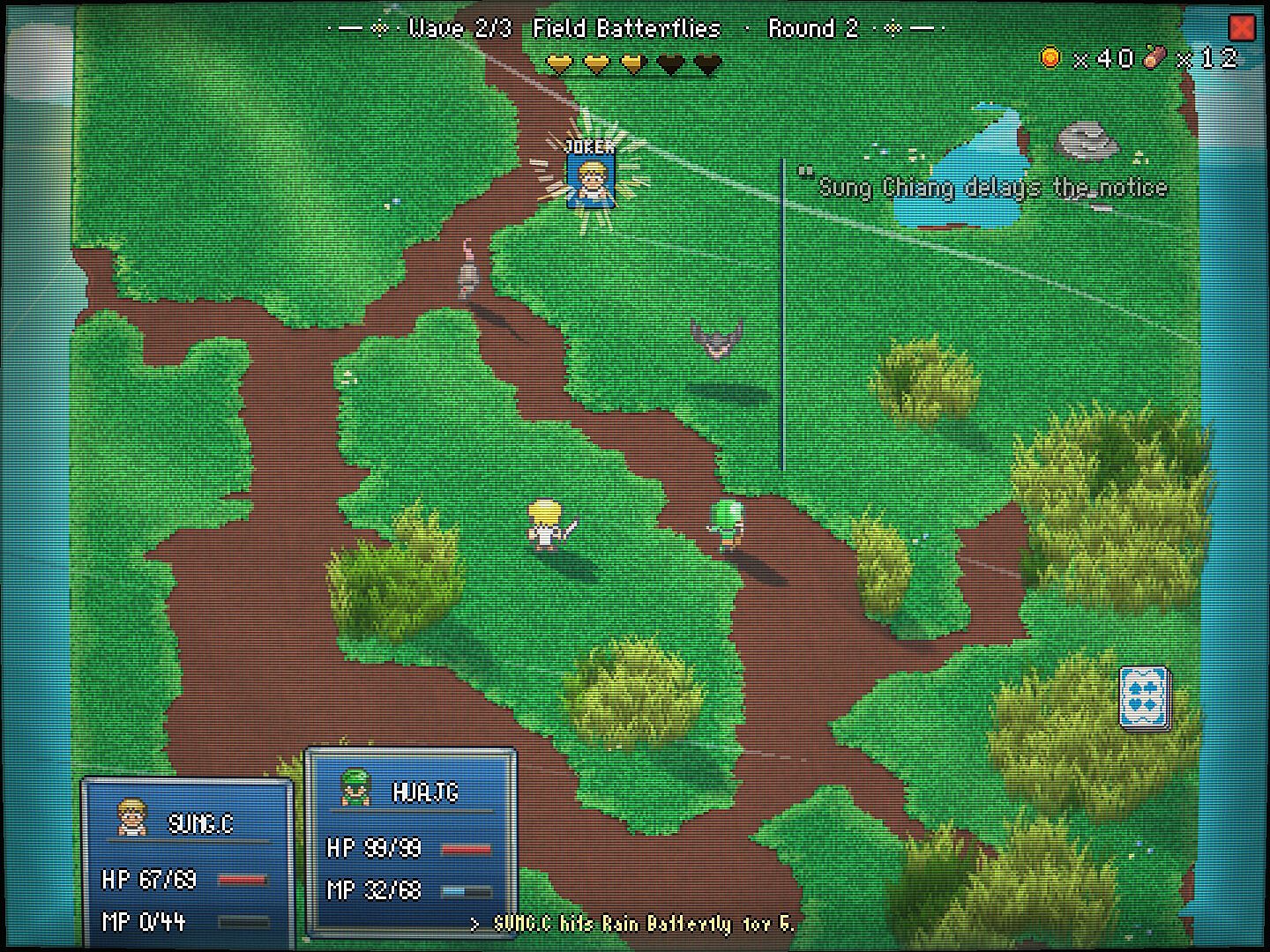
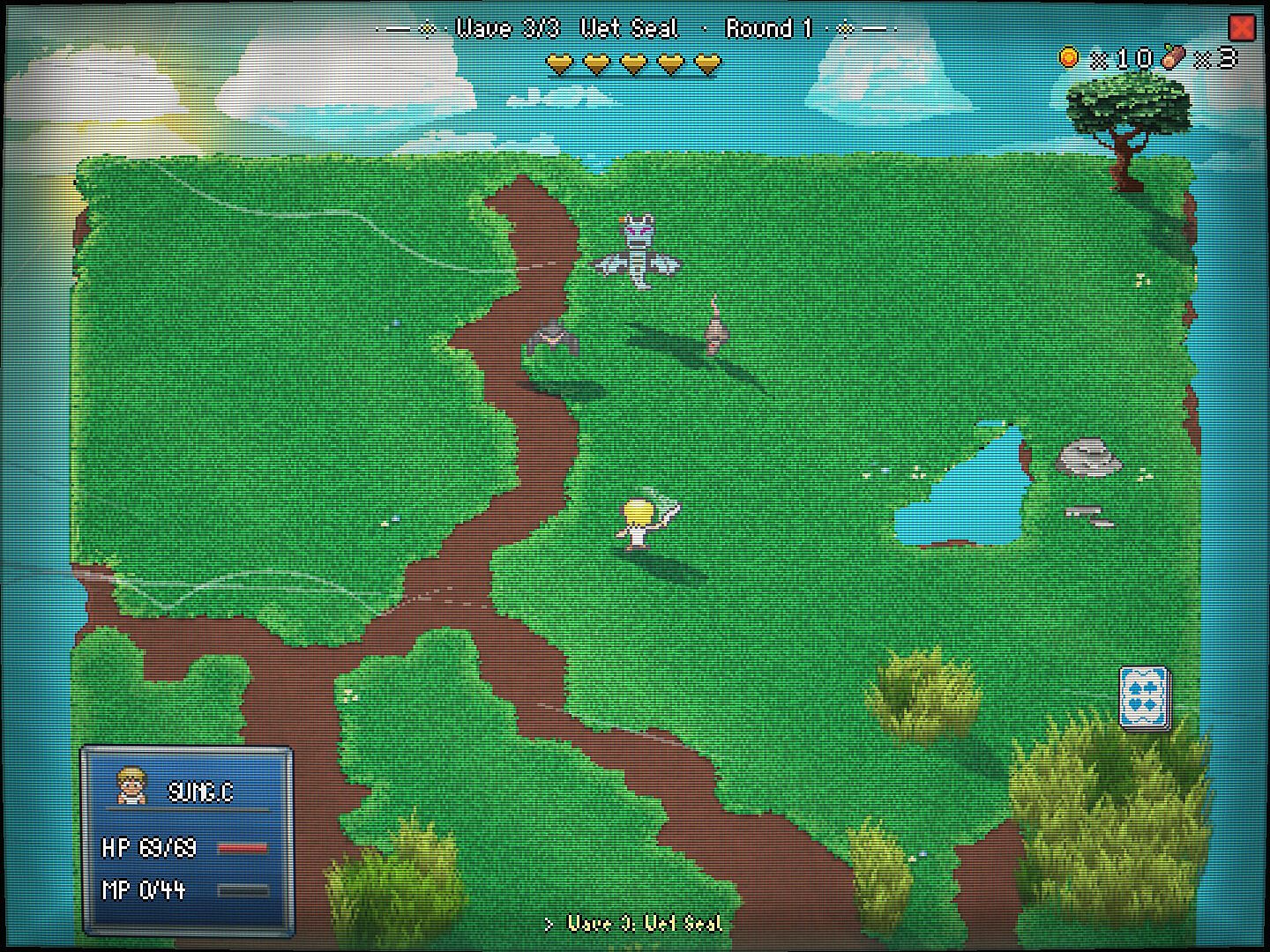
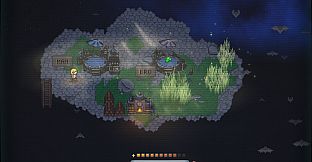
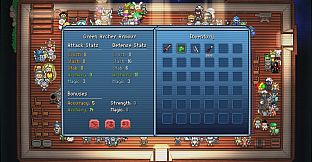
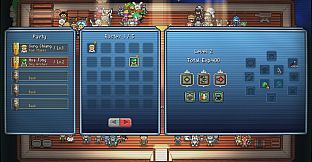
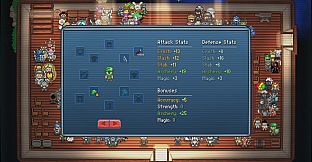
The core loop begins at the guild base where players select a trial and assemble a five-member party. Each character slots into fixed front or back positions, and the preparation phase includes equipping gear and selecting skills that will influence the upcoming encounters. Once the trial starts, the party moves through compact fights that resolve automatically, allowing players to evaluate the effectiveness of their setup through clear outcome feedback instead of issuing commands during combat.
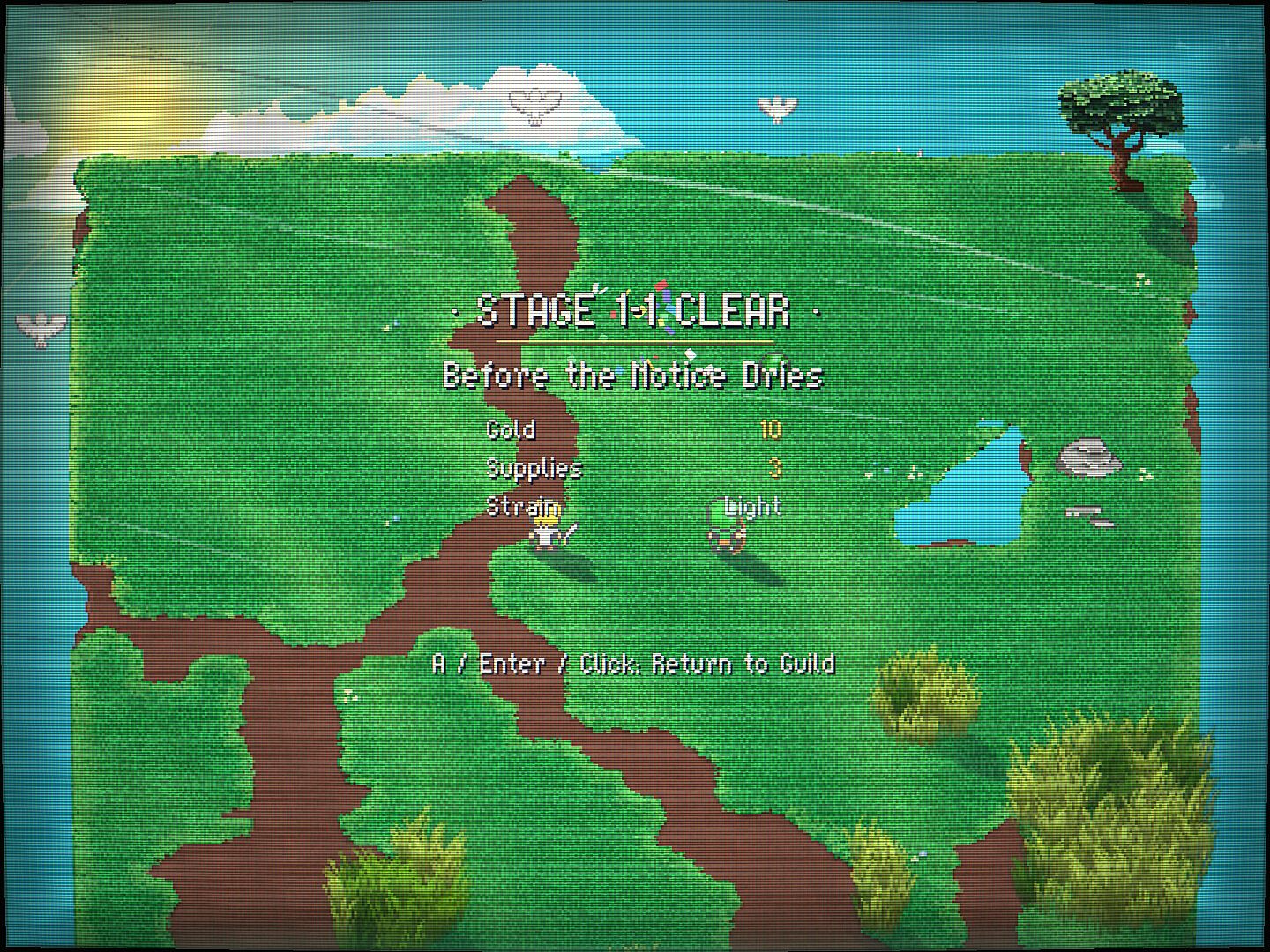
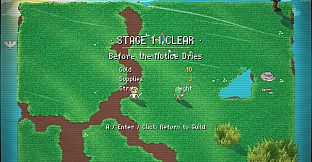
After the trial concludes, rewards and results feed directly back into the guild for the next cycle of adjustments. Stronger characters, upgraded equipment, and refined tactical choices gradually open access to tougher challenges. This structure keeps the emphasis on pre-battle decisions while the automatic combat serves as the readable test of those decisions.
Game Modes
Quest 108 offers a single-player experience built entirely around its preparation and settlement loop. There are no separate multiplayer modes or competitive formats. All activity takes place within the guild-based progression system where players repeatedly choose trials, assemble parties, and review outcomes to drive long-term growth.
The trials themselves function as the primary activity, each one presenting a contained sequence of encounters that reward successful preparation. Players return to the guild after every run to apply lessons learned, creating a continuous cycle without branching game modes or alternate formats.
Character Roster and Party Building
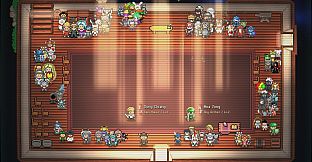
The game includes a roster of 108 distinct characters that players can compare, recruit, and rotate across different trial lineups. With only five slots available per party and fixed front and back positions, composition choices carry clear weight. Equipment tuning and skill selection further differentiate each character's role within the automatic combat system.
Because battles resolve without direct input, the value of each character emerges through repeated runs and post-trial analysis. Players learn which combinations produce better results and adjust future parties accordingly, turning the roster into a resource that grows more useful over time.
Visual Style and Interface
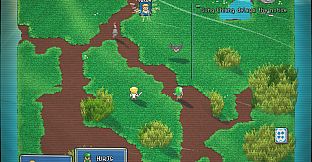
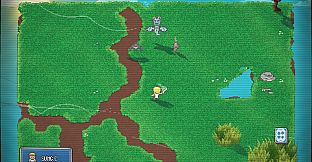
Quest 108 uses retro top-down pixel maps paired with an old-JRPG style interface designed specifically for PC. The presentation supports the focus on preparation by keeping combat readable and the guild navigation straightforward. Compact trial runs keep sessions focused on the decision-reward cycle rather than extended exploration.
Is It Worth Playing?
Quest 108 suits players who enjoy strategic party building and the satisfaction of seeing a plan unfold without needing to manage every action in real time. The automatic combat and post-battle settlement create a clear feedback loop that rewards thoughtful preparation and incremental improvement.
The game remains in development with the core loop already established. Balance adjustments, additional content, and presentation refinements are planned ahead of a public Steam demo and eventual full release. Those interested in indie RPGs that prioritize pre-combat decisions over direct battle control will find the current foundation worth following as it progresses toward launch.