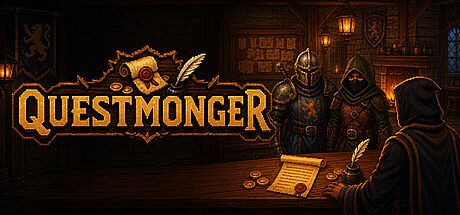



Questmonger is an indie casual simulation game on PC in which players take on the role of a guild master who assigns quests to adventurers and manages the risks and rewards that come with the job. The core experience centers on balancing contracts, hero capabilities, and resource costs while building a sustainable operation under royal oversight.
Gameplay
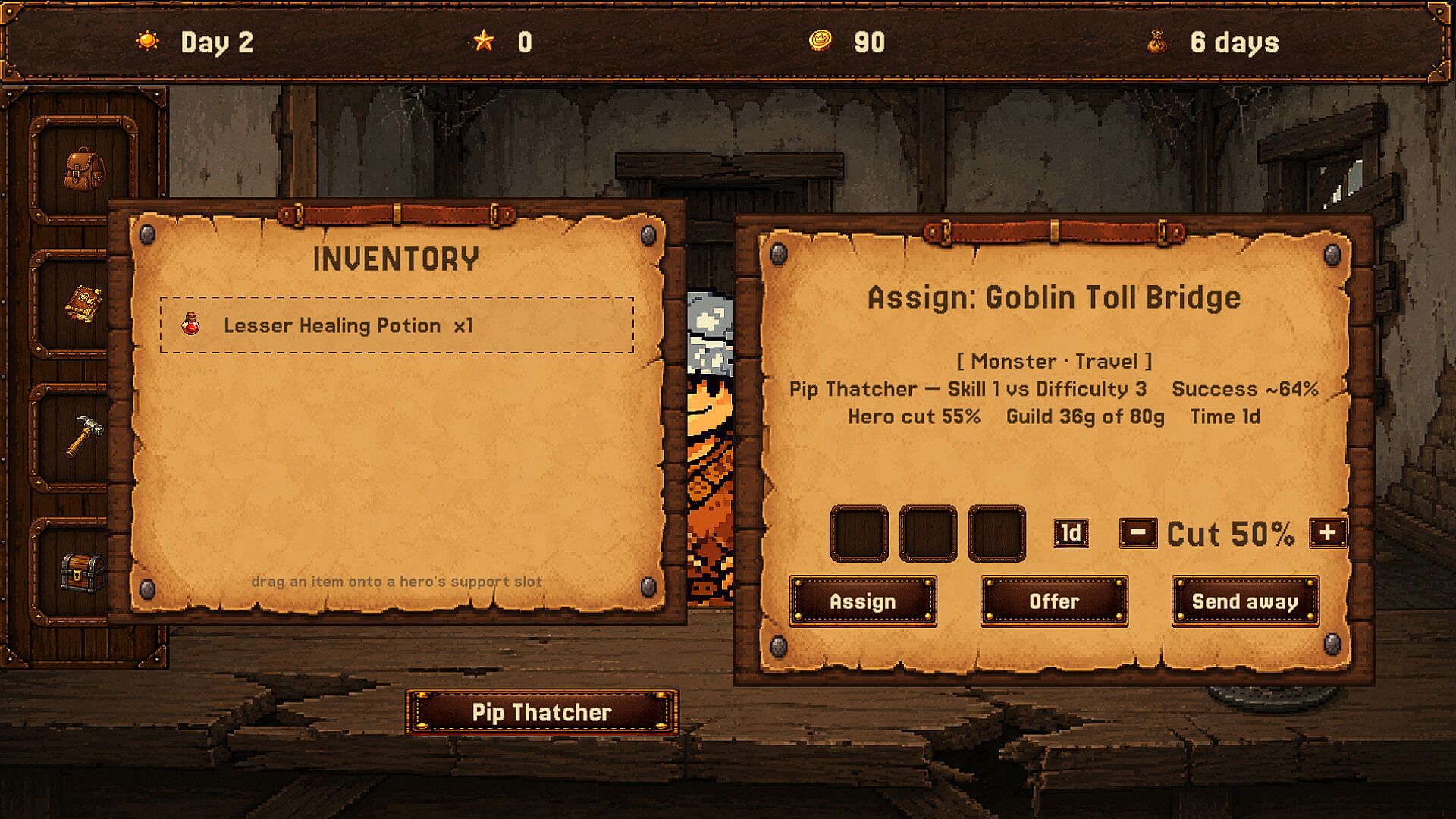
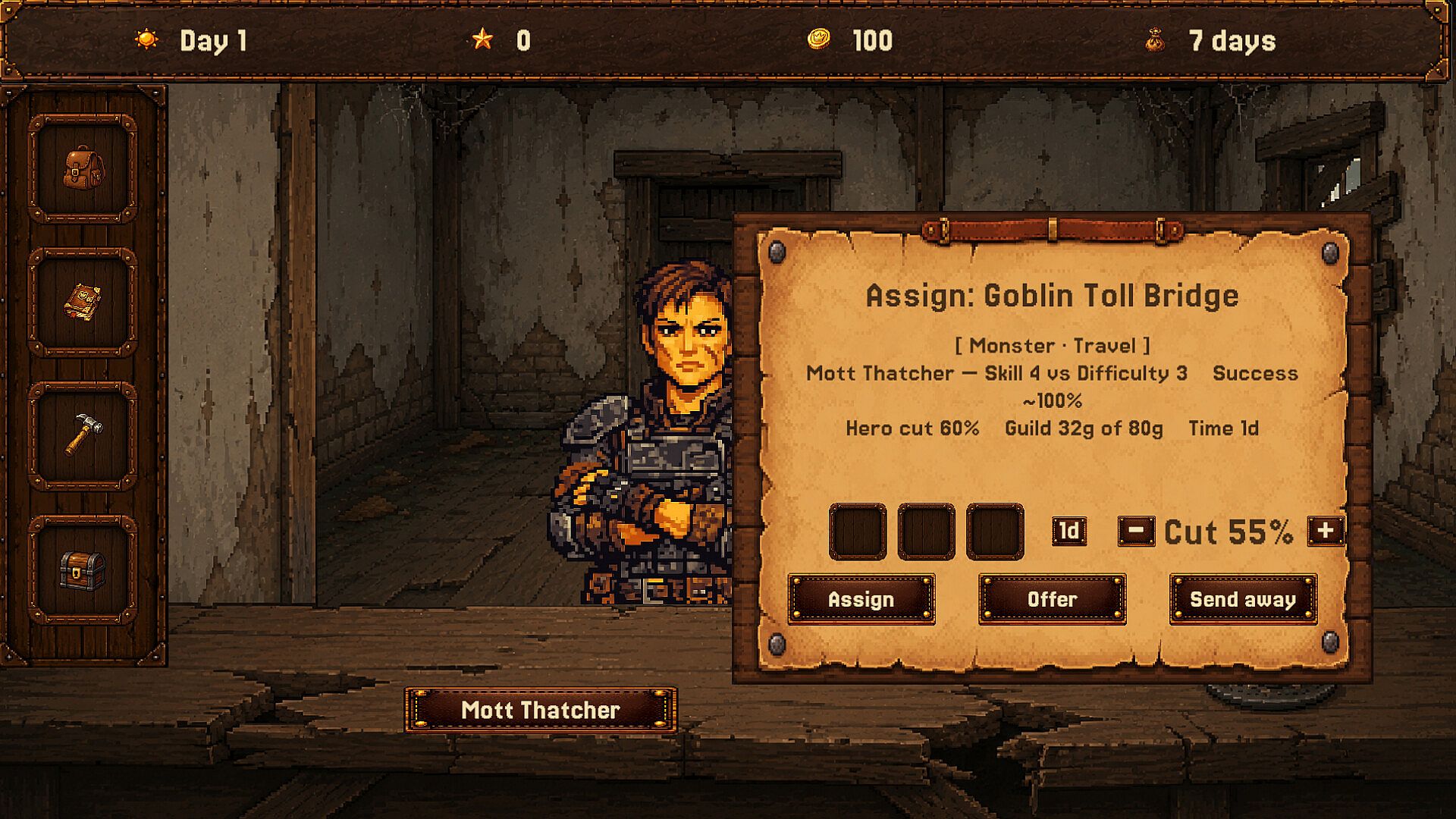
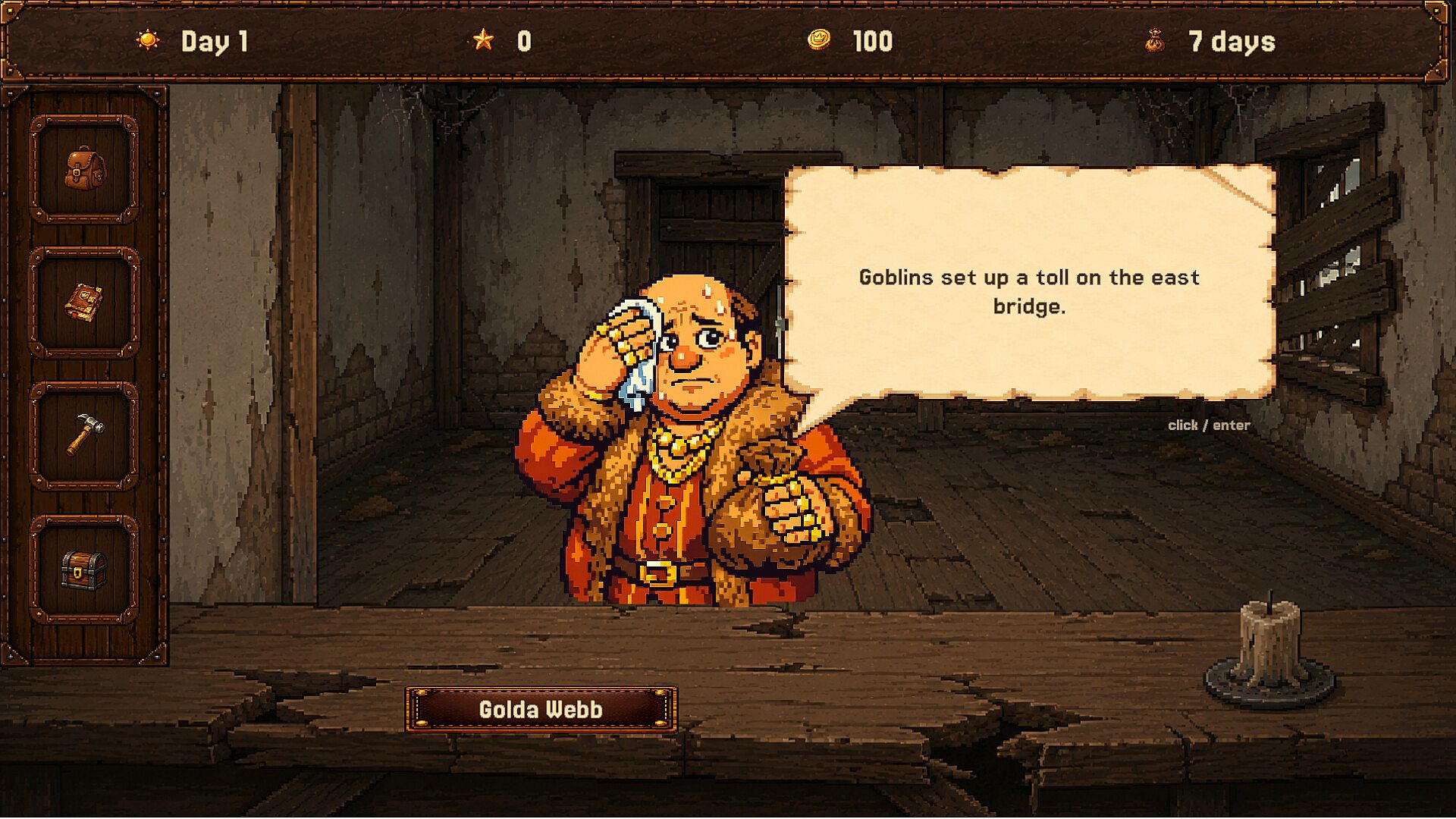
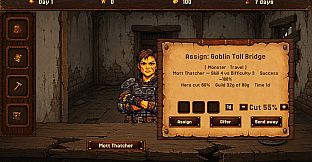
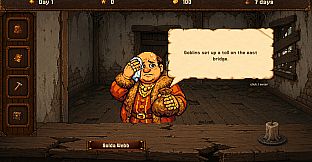
The central loop involves receiving requests from farmers, merchants, nobles, and other clients who need problems solved. Each request requires selecting an available hero whose skills align with the task. A goblin raid might call for a fighter, while a poisoned swamp demands someone familiar with antidotes. The choice affects both the likelihood of success and the size of the commission earned.
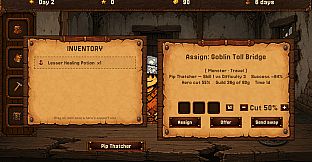
Equipment plays a direct part in outcomes. Potions, blades, torches, and other items can be purchased and assigned to improve chances, yet they reduce immediate profits. Consumables disappear after use, while durable gear returns only if the hero survives. Heroes themselves persist across assignments, gaining experience, loyalty, and reputation based on how they are treated and equipped. A death removes the hero permanently along with any loaned items.
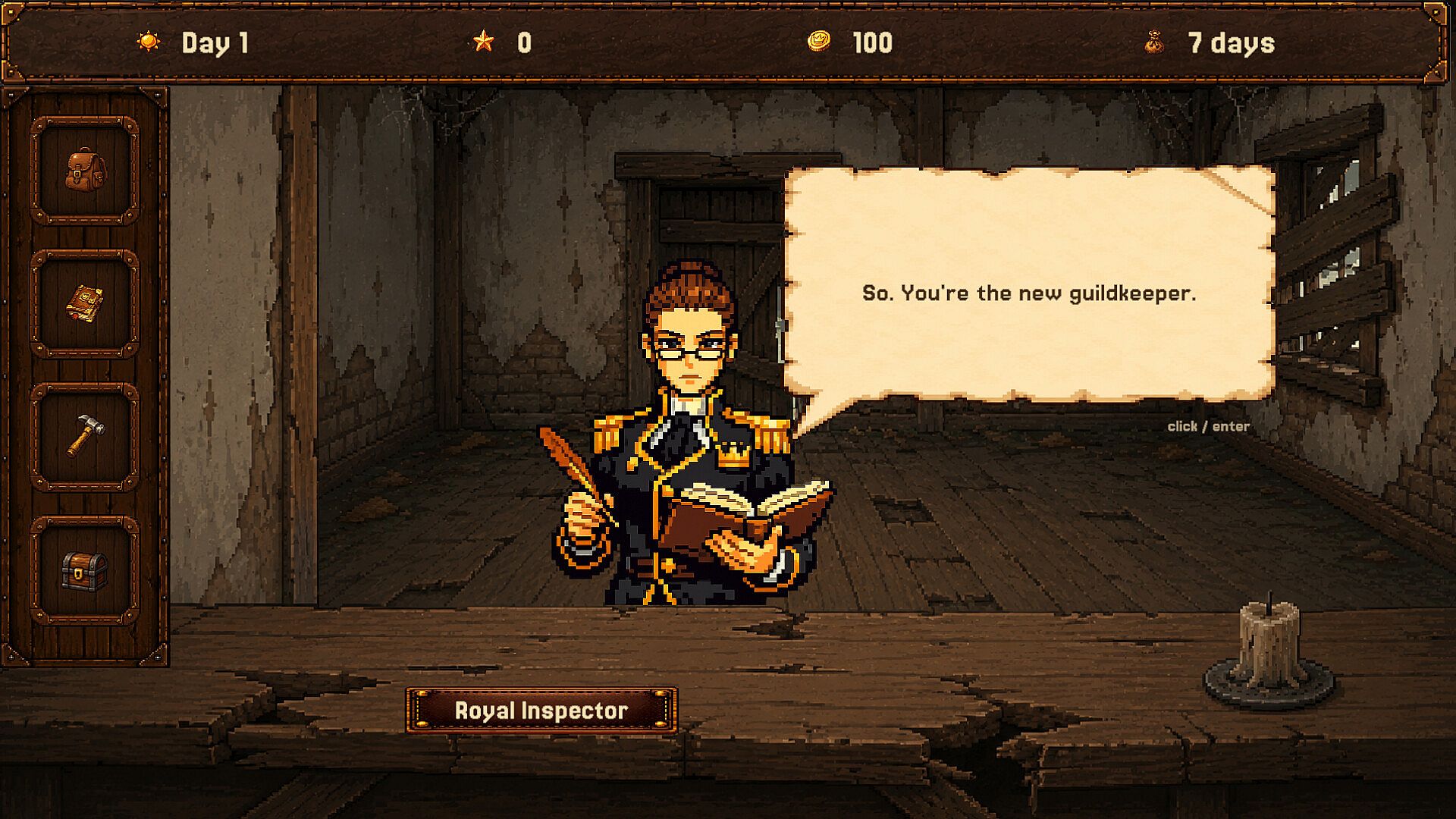
Financial and regulatory pressures add another layer. Rent payments and periodic royal inspections track performance. Repeated failures or high casualty counts trigger warnings, and three warnings result in the guild being reclaimed. Growth comes through successful management, allowing upgrades from a basic shack to larger, more prestigious halls that attract stronger heroes and higher-profile contracts.
Game Modes
Questmonger operates as a single-player management simulation without separate named modes. The entire experience unfolds through sequential contracts and guild development, with progression tied to reputation, finances, and infrastructure improvements. Players handle all decisions around hero selection, equipping, and contract fulfillment in one continuous campaign structure.
Core Mechanics
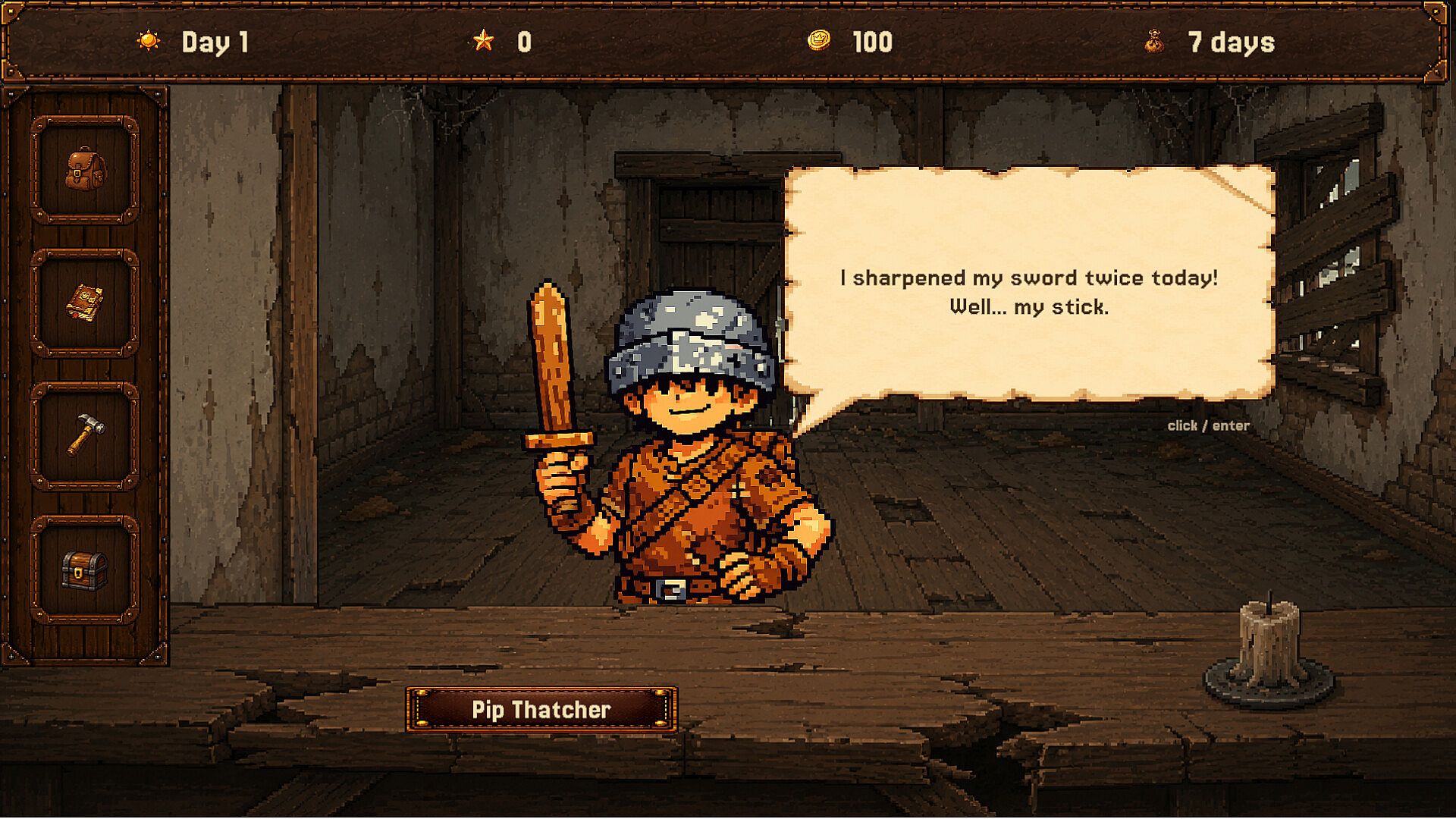
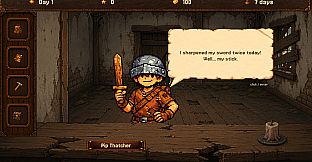
Matching heroes to quests forms the primary decision point. Newcomers cost less but carry higher failure risk, while veterans demand larger cuts yet bring better odds. Reputation influences future hero availability and client trust. The permanent nature of heroes creates long-term consequences for every assignment sent out.
Resource management extends beyond money. Equipment decisions require weighing immediate costs against potential returns, and lost items from fallen heroes represent permanent setbacks. The royal audit system enforces consistent performance, turning every contract into a calculated risk rather than a guaranteed payout.
Is It Worth Playing?
Questmonger suits players who enjoy deliberate management simulations with clear cause-and-effect systems. The permanent loss of heroes and equipment creates meaningful stakes that reward careful planning over repeated attempts. Those who appreciate building an operation from modest beginnings into something more established will find the progression loop engaging. The game offers no multiplayer elements or additional modes, so it appeals most to single-player fans of guild or business management titles. Availability remains limited to PC at this time, with no confirmed updates or seasonal content beyond the base experience described.