




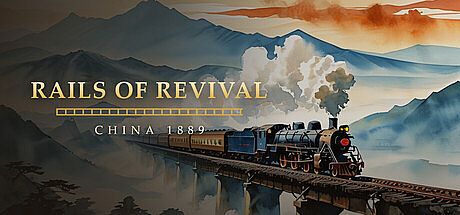


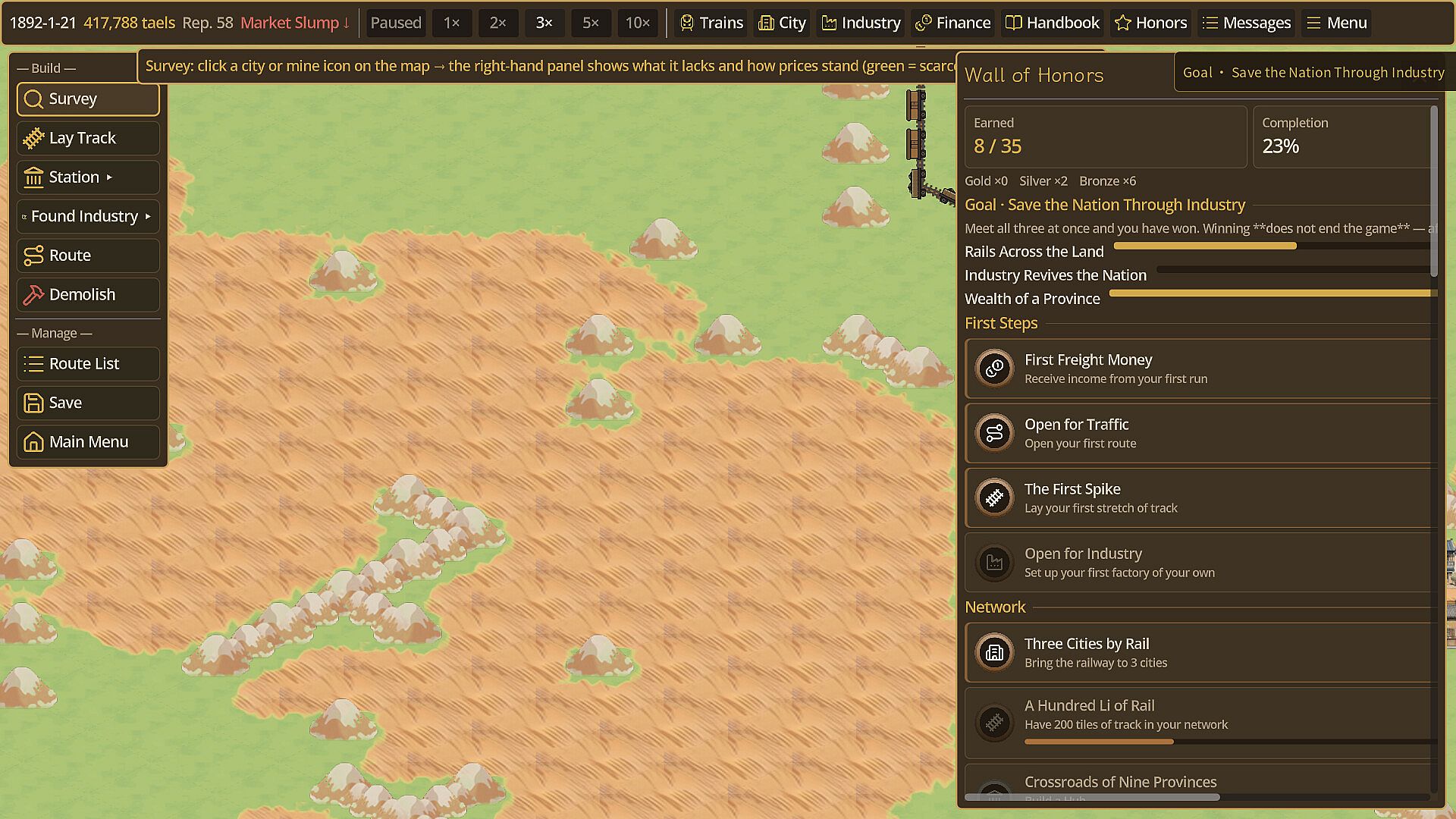
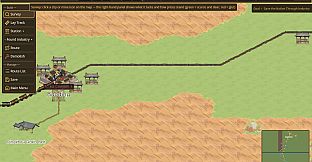
Rails of Revival: China 1889 is a strategy simulation game set on PC where players build and manage railway networks across China from 1889 to 1937. The core loop centers on laying track tile by tile across a grid map, connecting mines, mills, ports, and cities while balancing terrain costs for rivers, mountains, and grades. Freight delivery drives the economy, with prices fluctuating based on supply and demand across twenty-four distinct goods such as coal, salt, silk, and machine parts.
Gameplay
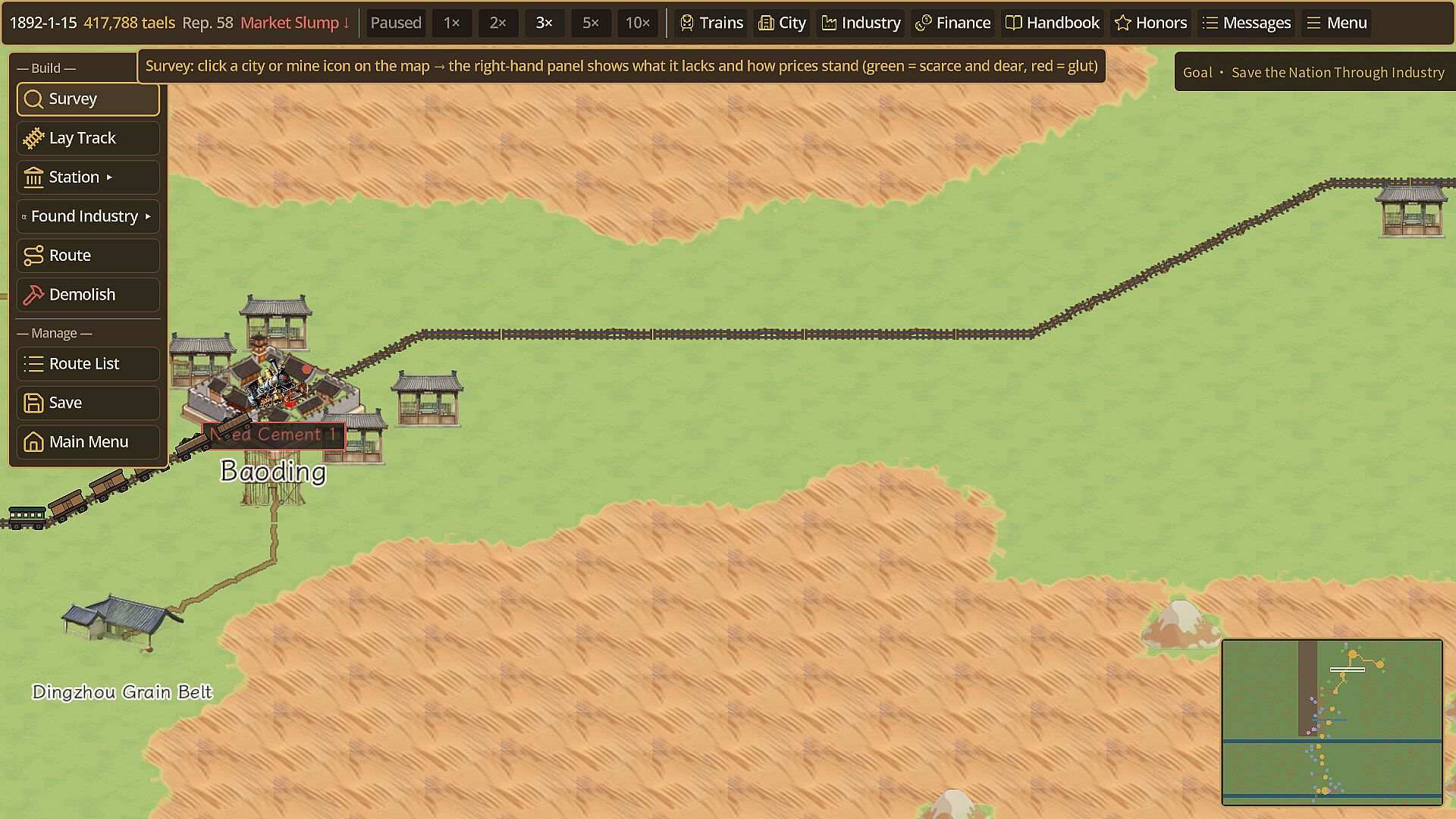
Track construction uses eight-way connections on the grid, where each tile carries a price that reflects the landscape. Players negotiate routes between capital limits and geography, building bridges or grades as needed. The map responds dynamically: every city and mine tracks its own stock levels and prices, so deliveries lower local costs while shortages drive them higher. This creates a living supply-and-demand system that rewards efficient routing.
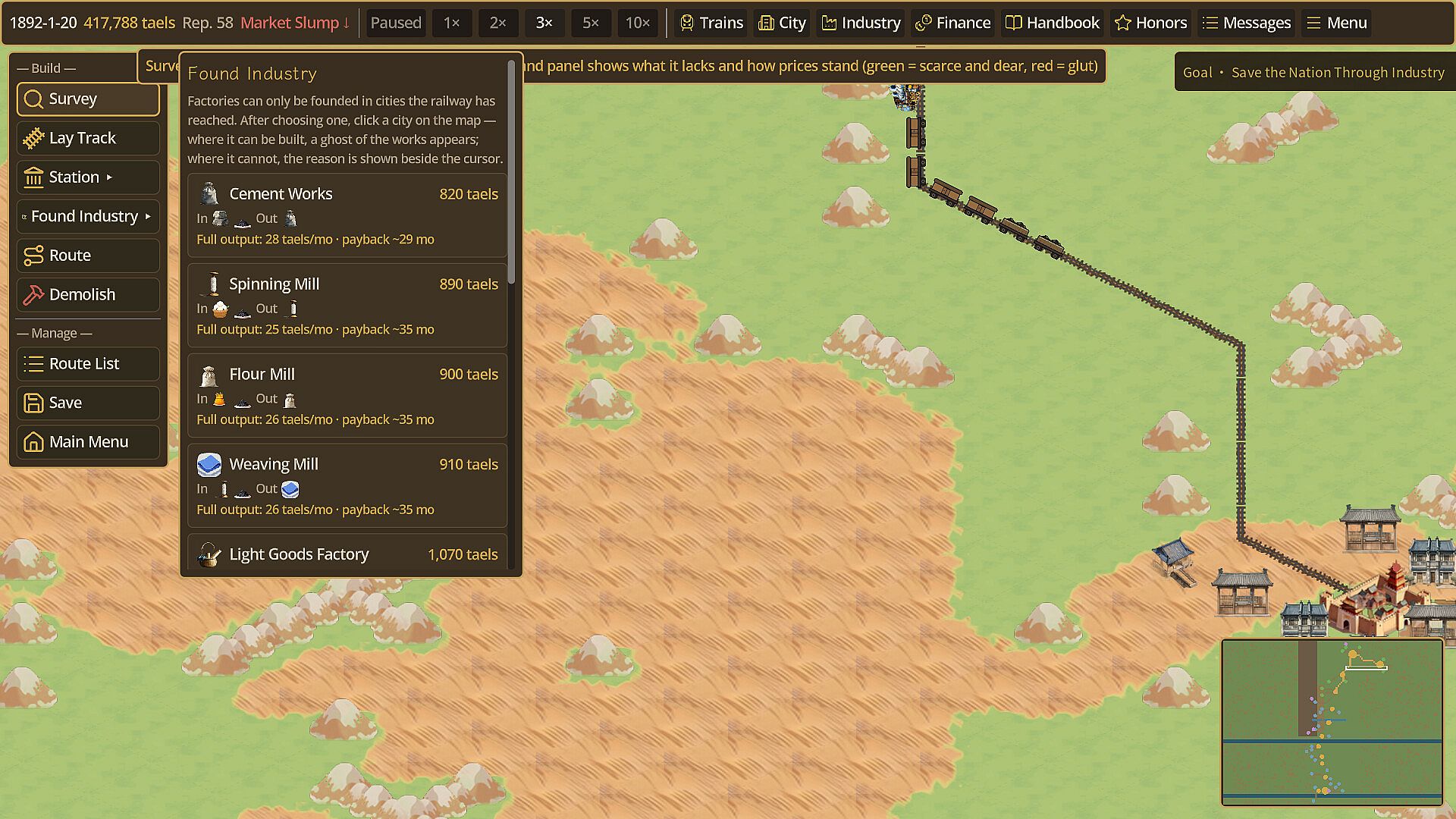
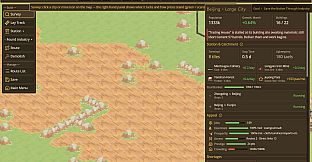
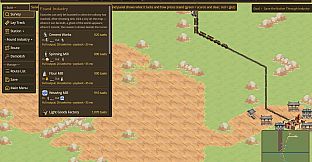
Production chains add depth. Coal and iron feed steelworks, which supply rail mills and locomotive factories. Cotton moves through yarn and cloth stages. Players can found their own mills and integrate them into their networks for vertical control. Cities expand visibly as freight arrives, turning courtyard houses into denser blocks and boosting populations. Historical events unfold on fixed dates, including the Sino-Japanese War, Boxer crisis, 1911 Revolution, and warlord years, triggering requisitions, market shifts, and other disruptions that test network resilience.
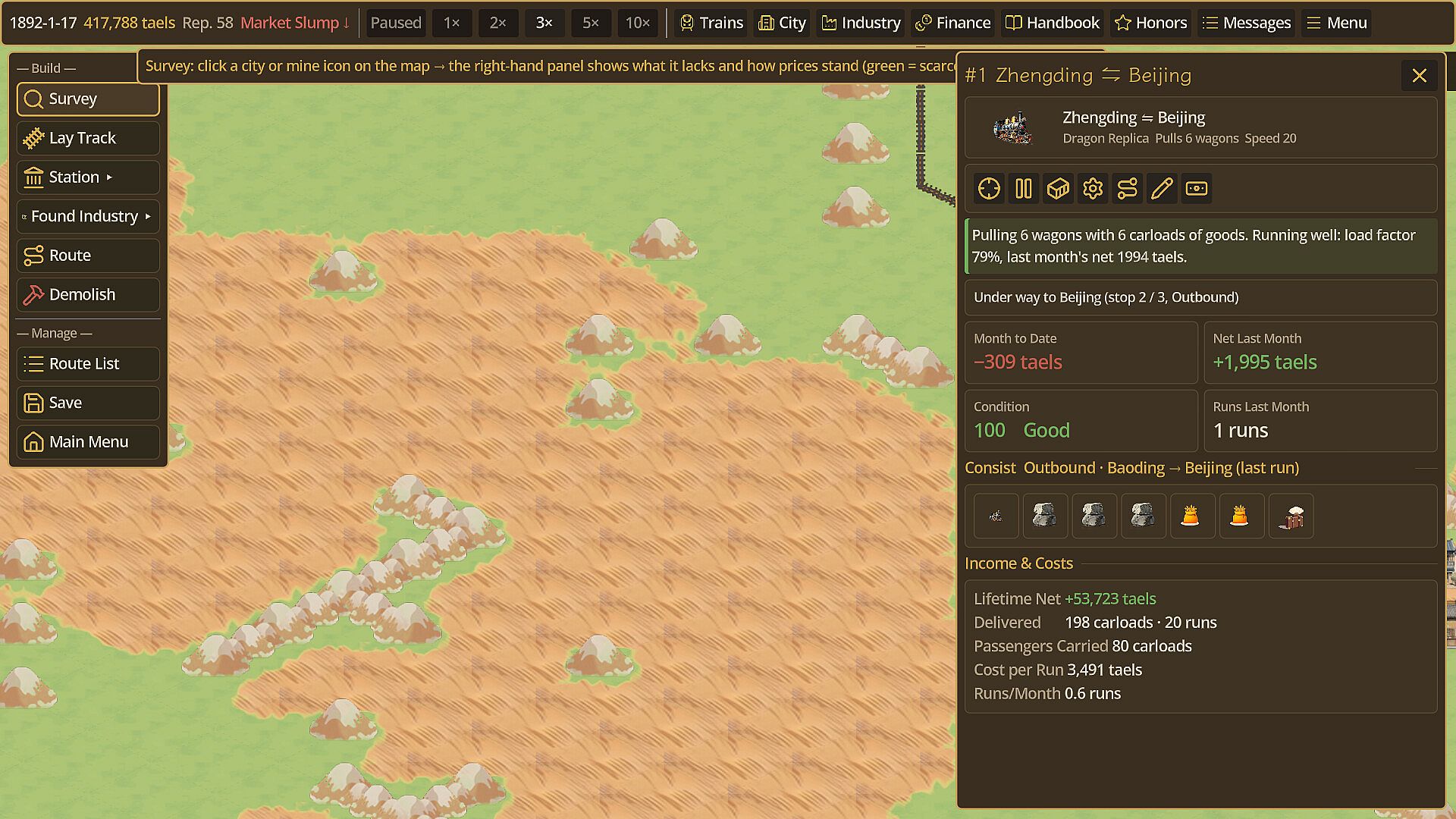
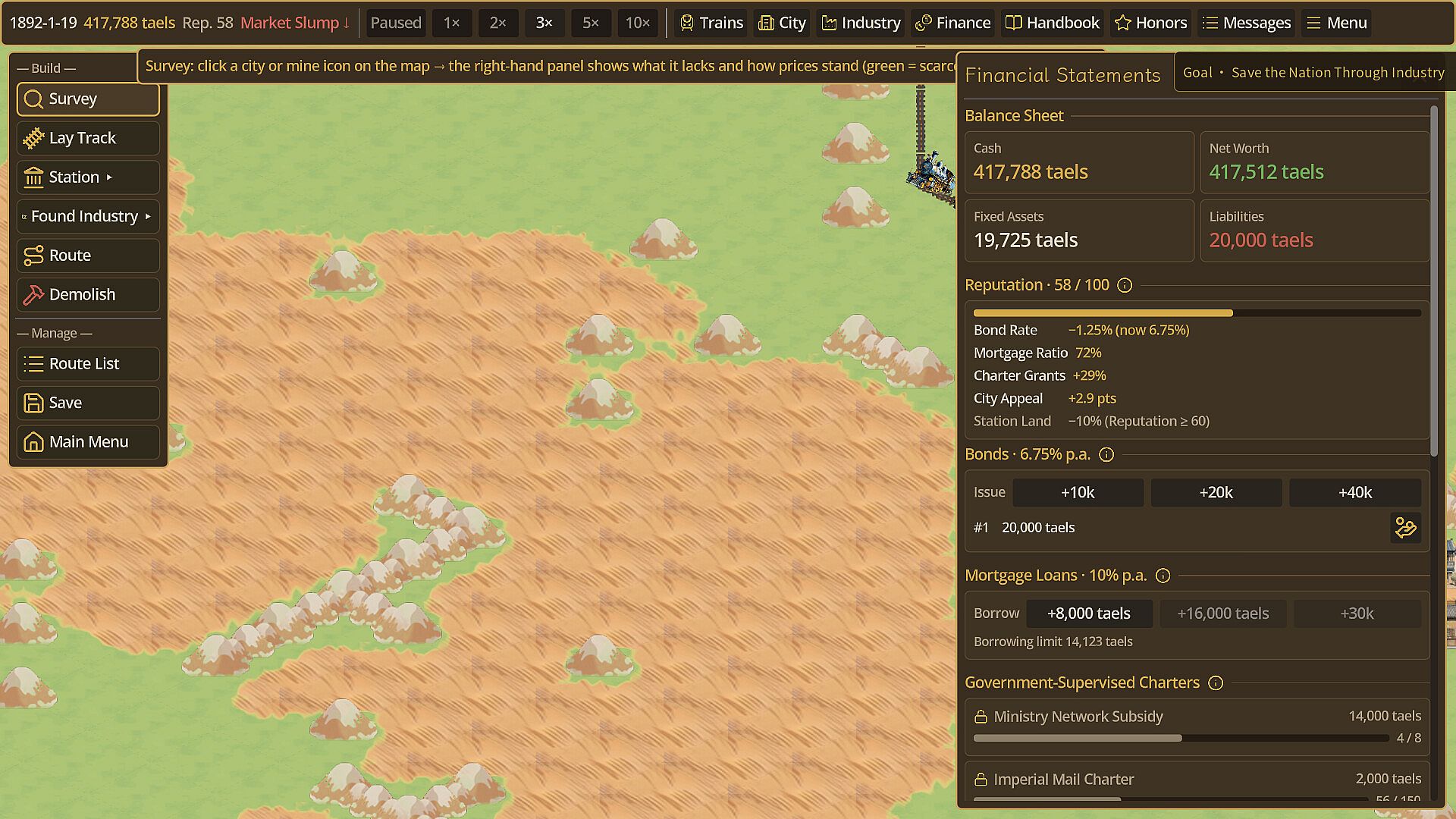
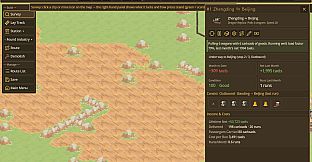
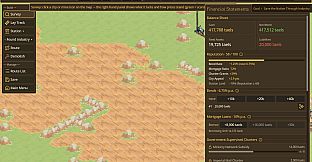
Financial management requires careful borrowing. Bonds and mortgages fund expansion when cash runs short, but interest rates react to events like silver crashes or bank failures. Eight generations of locomotives, from early replicas to Mikado types and early diesels, offer trade-offs in power, speed, and reliability. Routes function as capacity calculations rather than individual trains, eliminating signals and deadlock concerns so larger networks remain manageable.
Game Modes
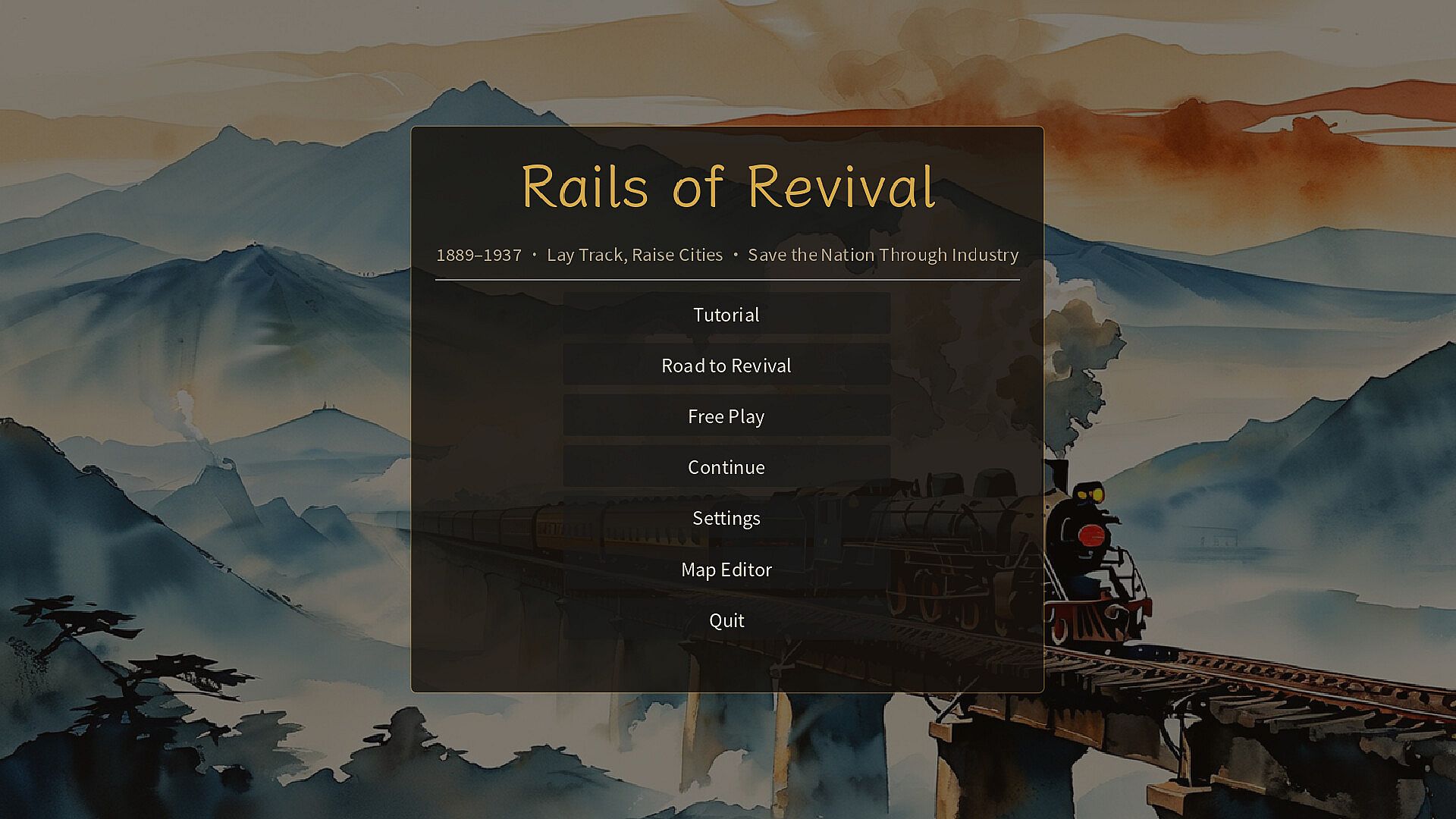
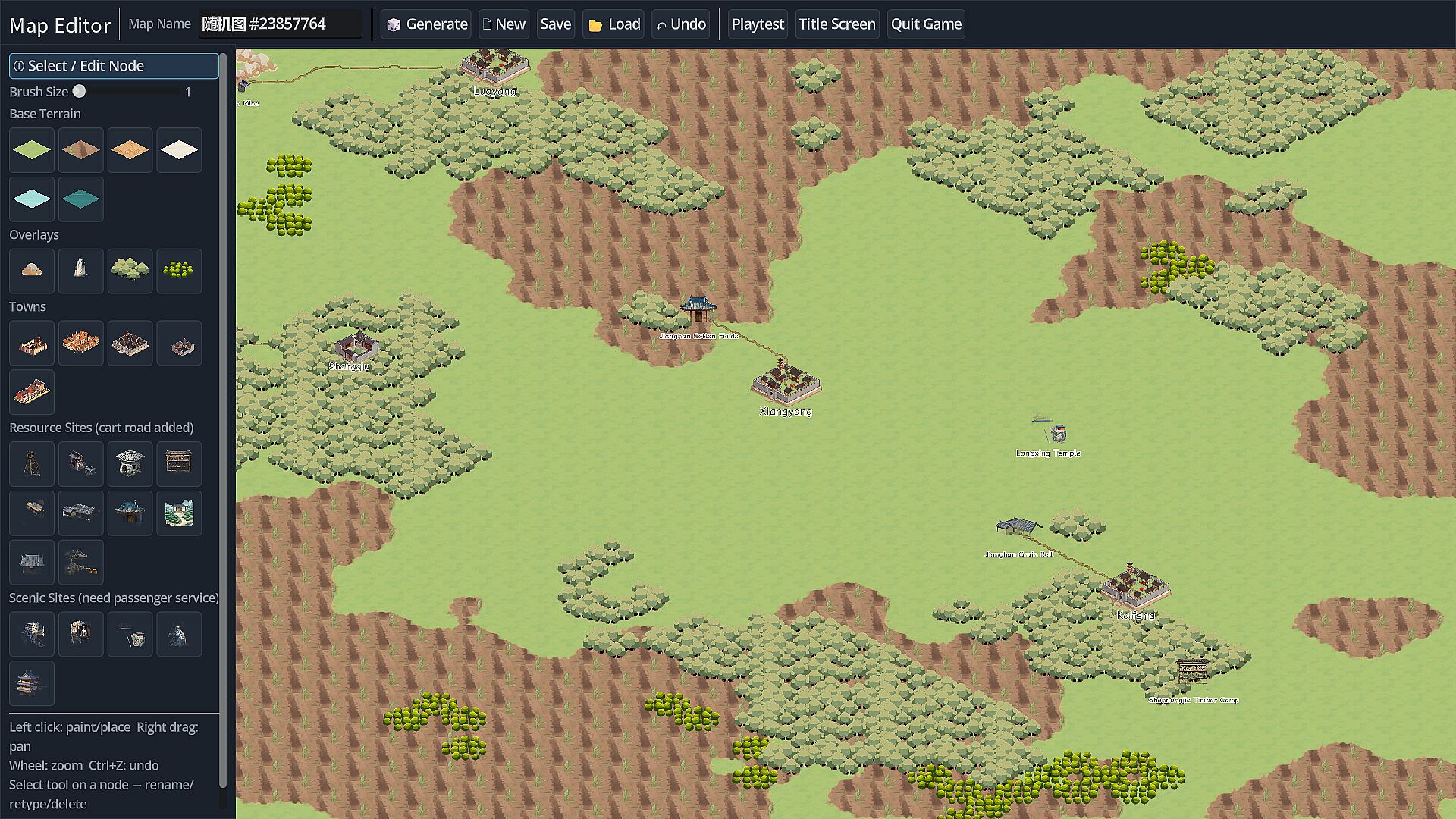
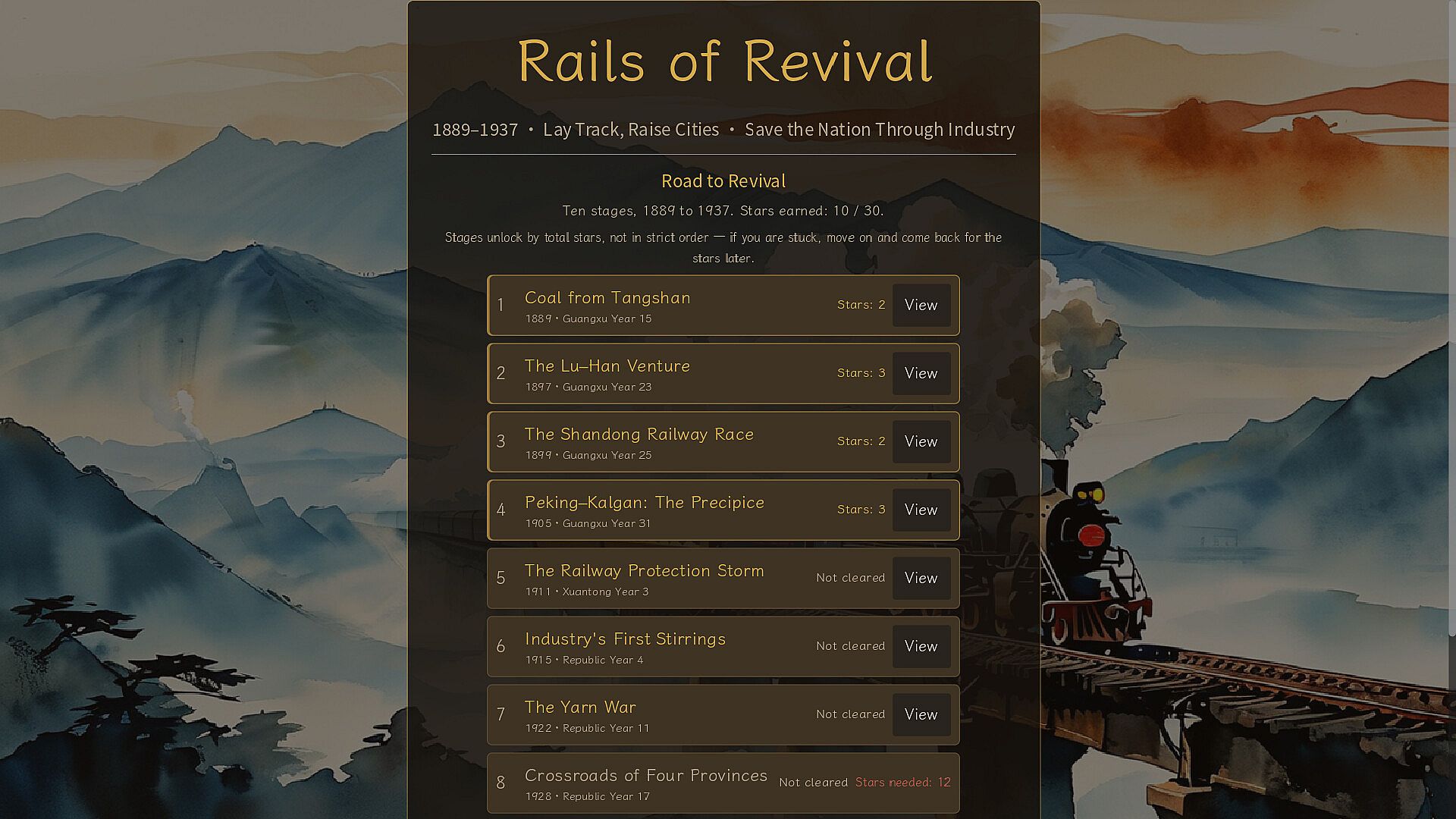
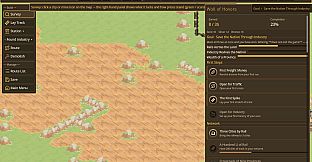
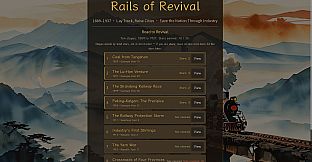
The game includes a playable prologue that introduces core systems. Ten campaign levels each present a specific management challenge, with three stars available per level based on performance. Free play provides seven preset map layouts across three sizes, allowing open-ended building without campaign constraints. A map editor supports custom country designs, and every generated map includes a fifteen-character seed code that recreates identical terrain, resources, and geography for shared play or comparison.
Key Mechanics and Features
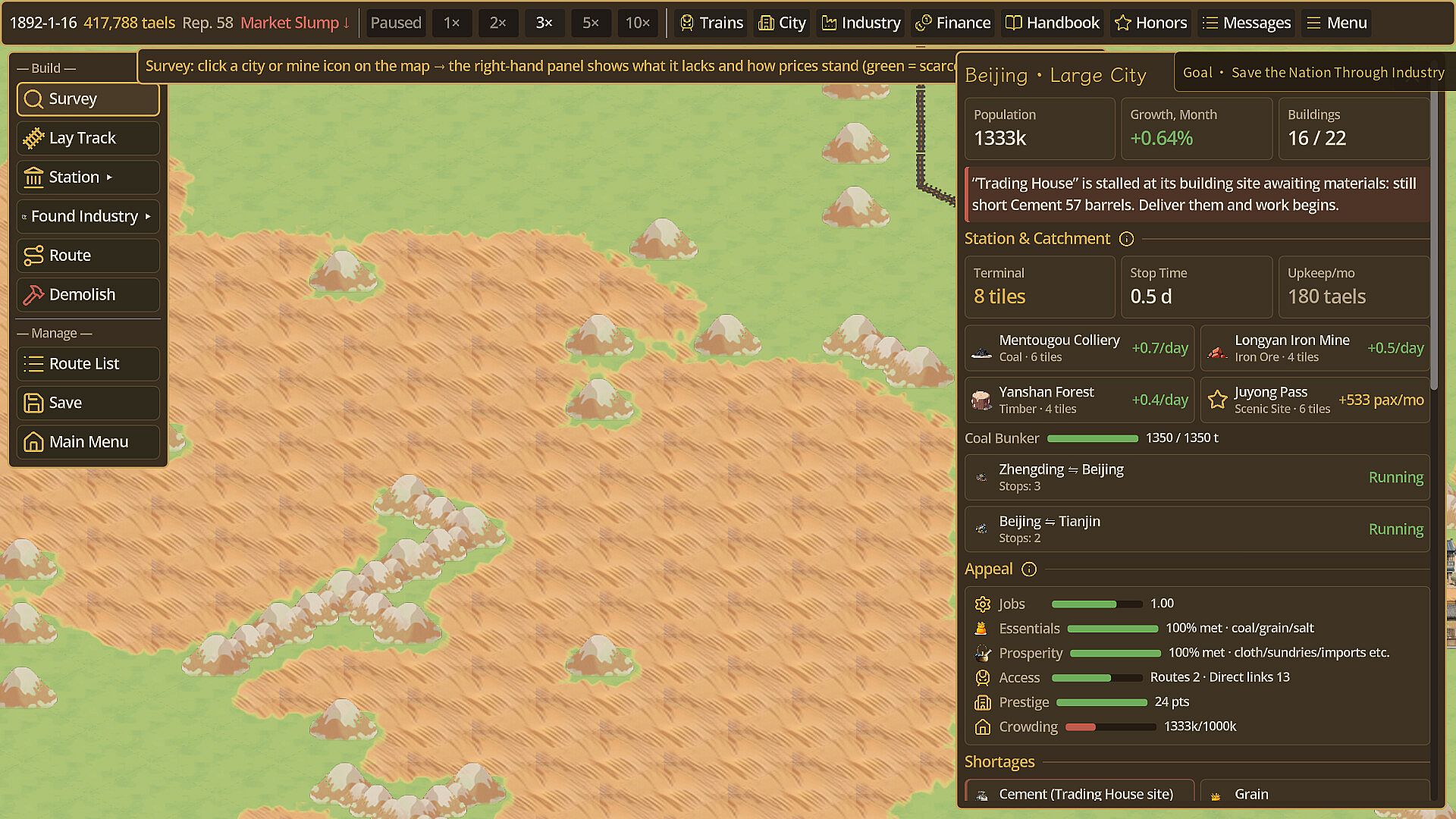
Interface tools emphasize clarity. Opening any city, mine, or mill displays plain-language summaries of shortages, surpluses, and idle facilities, with clickable figures revealing supply chains. The system supports single-player only and runs in English, German, Simplified Chinese, and Traditional Chinese. No in-game purchases or accounts are required. The absence of train micromanagement keeps focus on strategic decisions about routes, industries, and finances across the full historical span.
Is It Worth Playing?
This title targets players who enjoy supply-and-demand railway building and production chains but prefer to avoid signal placement or traffic management. The historical setting from 1889 to 1937 offers a focused period rarely covered in similar games, with events that directly affect operations. As an upcoming release with no user reviews available yet, its appeal rests on the detailed mechanics described: capacity-based routing, dynamic economies, integrated industry founding, and shareable maps. Those drawn to thoughtful strategy simulations centered on terrain negotiation, credit management, and long-term network growth will find the systems align closely with that preference. The single-player focus and absence of additional monetization keep the experience self-contained once available.











