

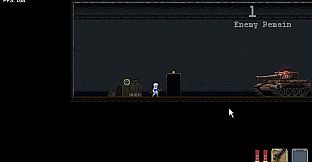
Rain of Lead is an action indie game for PC that centers on precise, high-stakes combat and a branching narrative. Players control a wuxia-style heroine in a dieselpunk alternate Britain, where every encounter demands exact timing and weapon choice. The core loop revolves around navigating linear stages filled with soldiers, vehicles, and fortifications while managing a dual narrative path that rewards either blind loyalty or careful investigation.
Gameplay
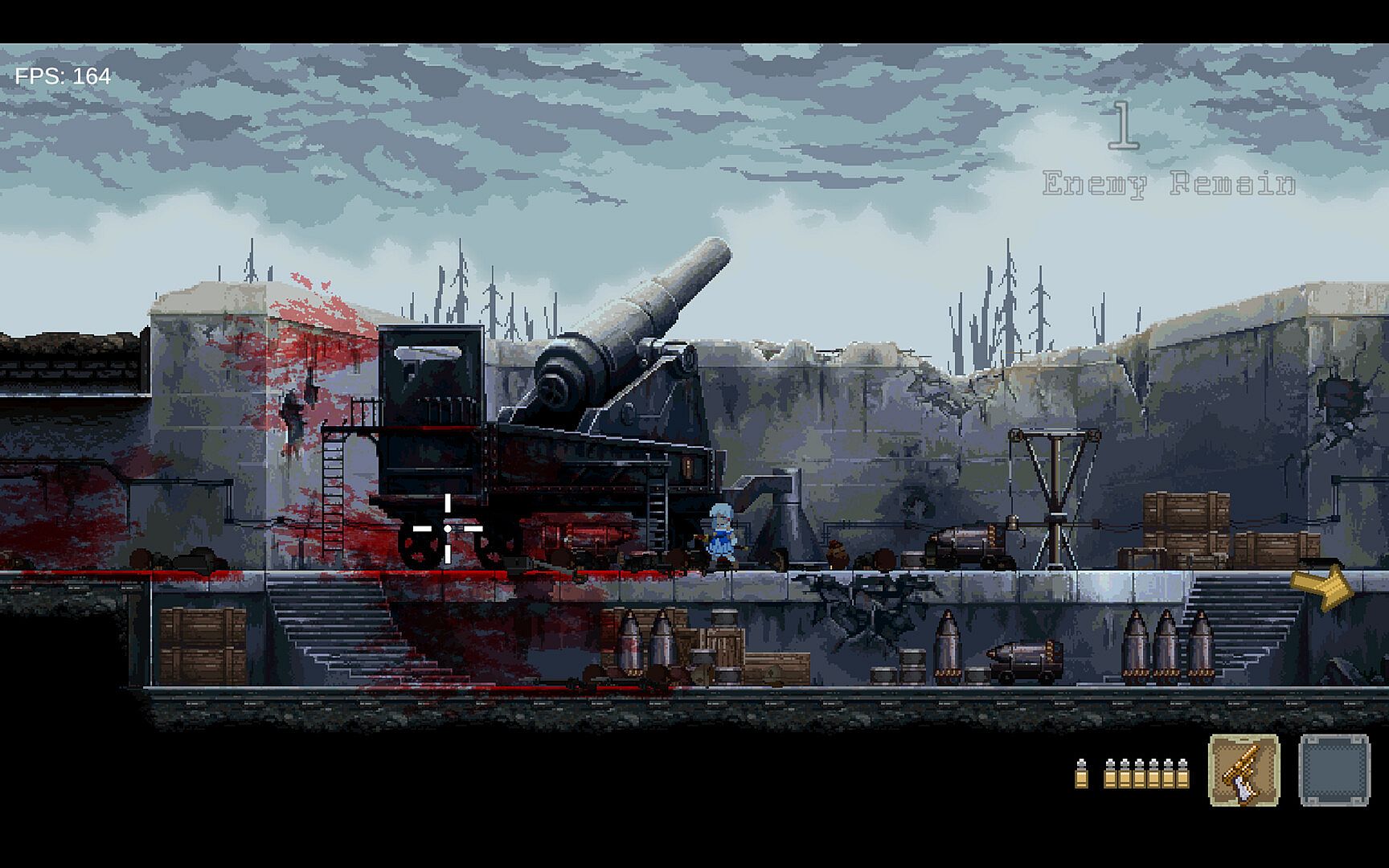
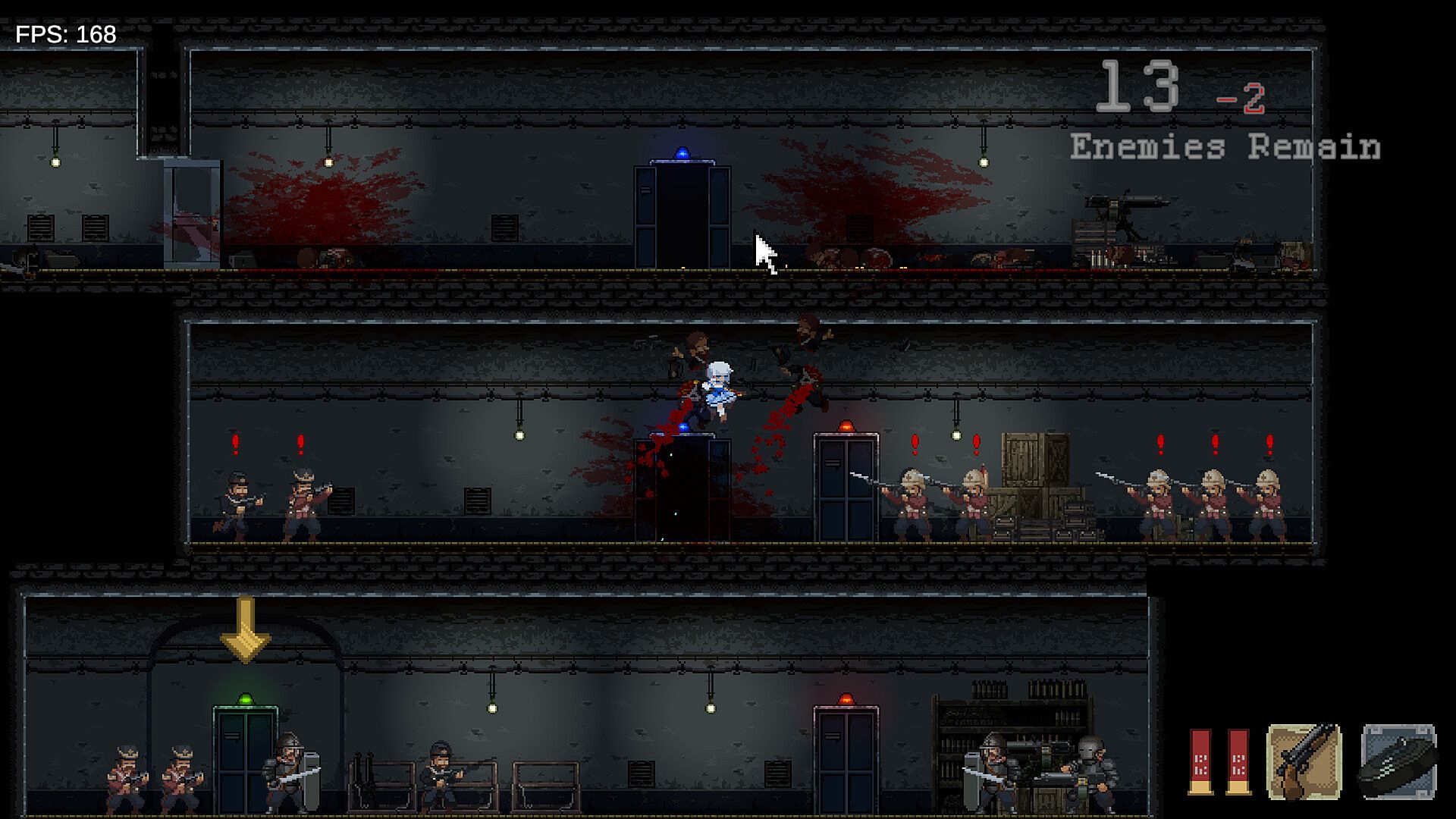
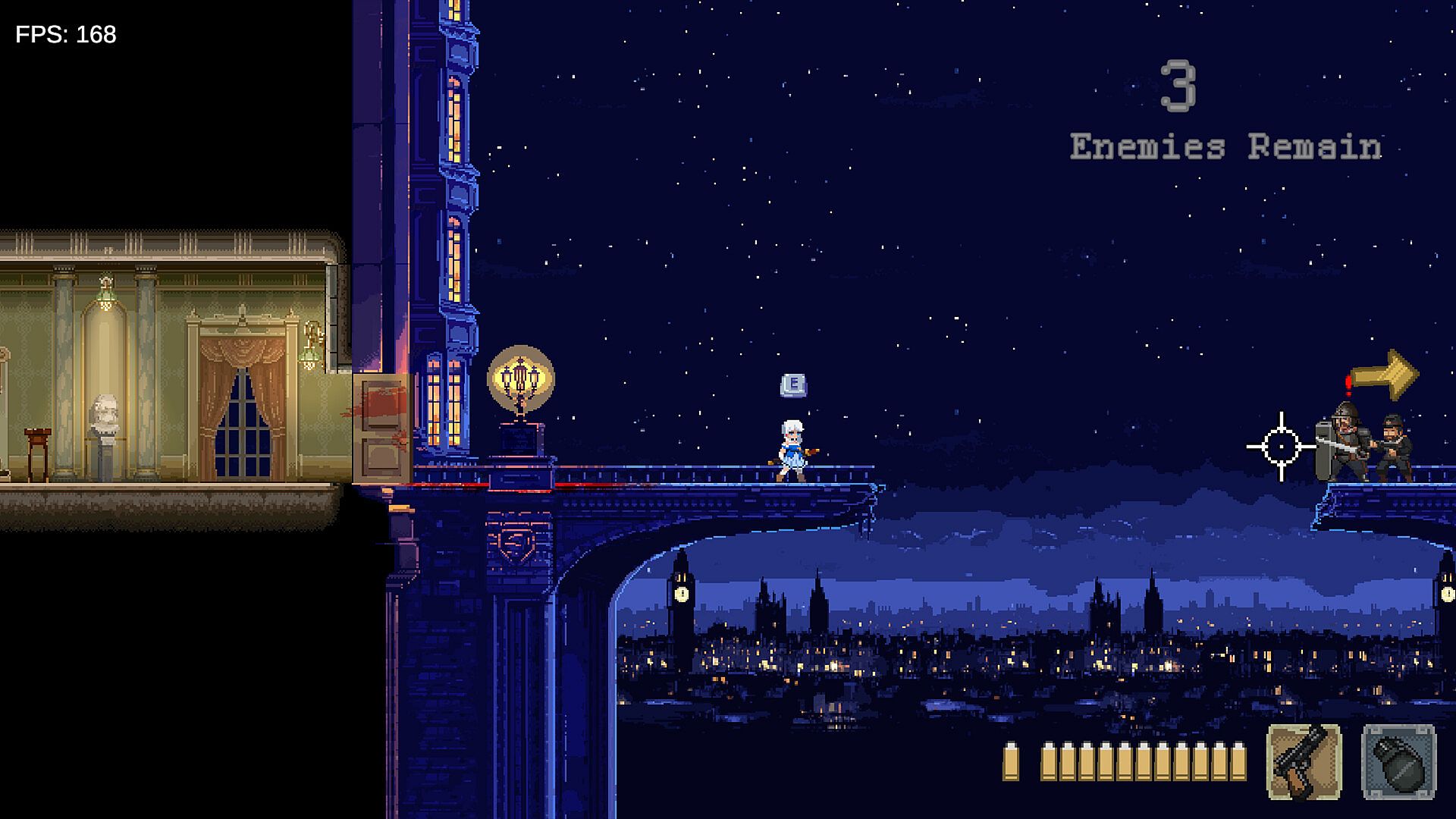
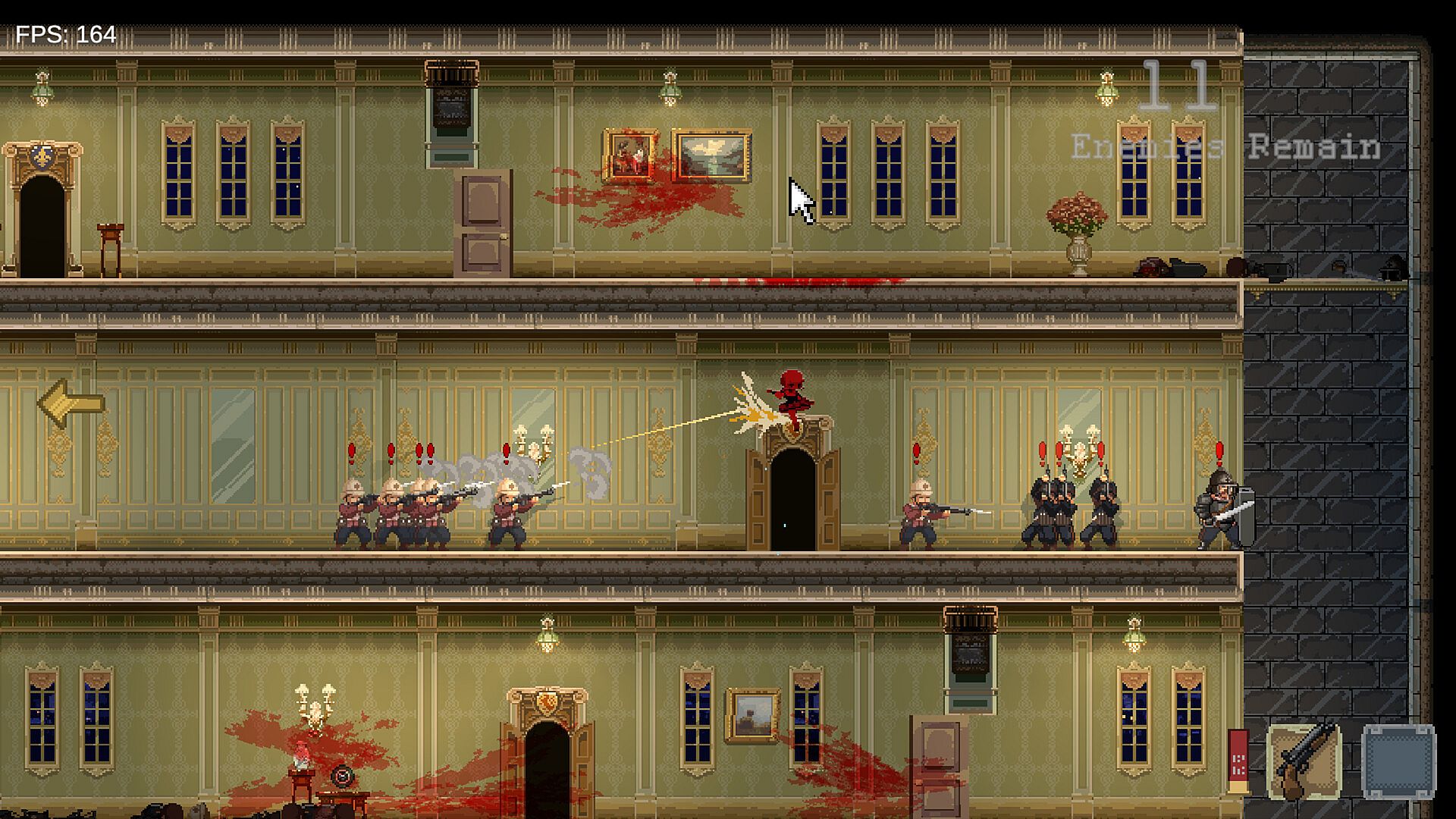
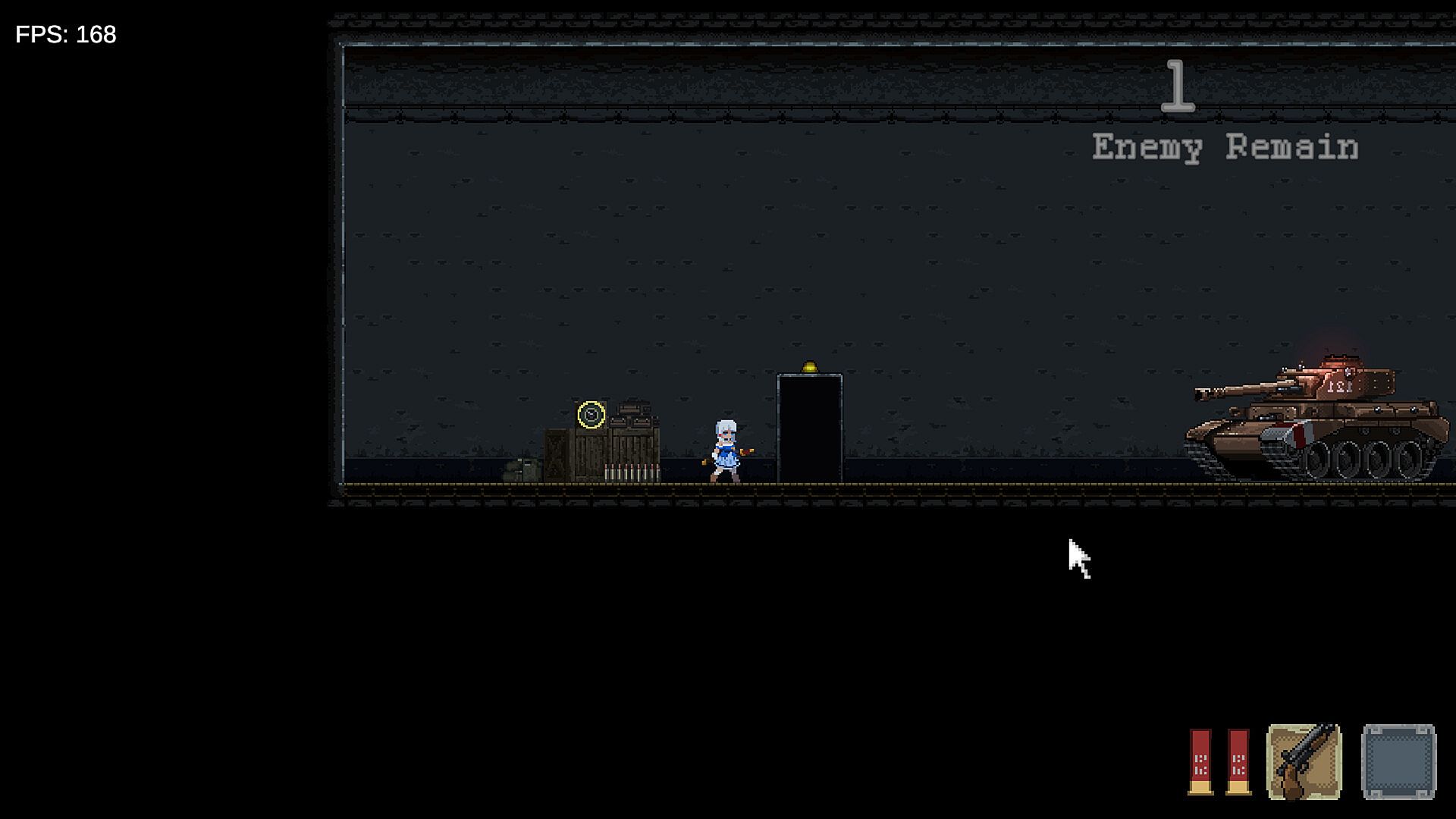
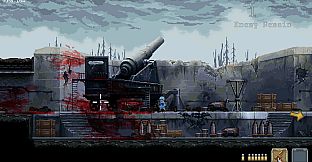
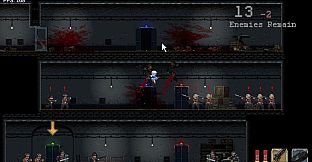
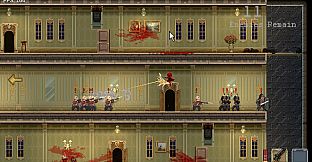
Combat operates on a one-hit-kill system for both the player character and opponents. This design removes health bars and second chances, forcing constant movement and accurate switches between sword and pistol. The sword handles close-range threats and quick slashes, while the pistol provides ranged options against artillery and distant targets. Stages include palaces, fortresses, and factories populated by varied enemy types that require different approaches to clear efficiently. Progress involves tearing through waves of infantry and heavier units until an entire force is eliminated in a single sequence.
Exploration ties directly into the story system. Dialogue from both allies and enemies contains clues that can be collected across playthroughs. These pieces allow players to piece together the world's background without altering the immediate combat flow. The heroine's movement emphasizes fluid transitions between melee and ranged attacks, suiting the pixel-art presentation where visual clarity supports quick decision-making.
Game Modes
The game runs as a singleplayer experience built around sequential stages and narrative decisions. There are no separate multiplayer or competitive modes. Instead, replay value comes from the dual-layer story structure. One path follows the queen's directives to eliminate threats and restore order. The alternate path involves gathering information to question the initial premise, leading to different dialogue outcomes and revelations while the combat encounters remain consistent.
Stage completion depends on clearing all enemies in the area. No additional modes such as endless survival or time trials appear in the available details. The focus stays on the main campaign's combat sequences and the choice between surface-level allegiance or deeper inquiry.
Story and Setting
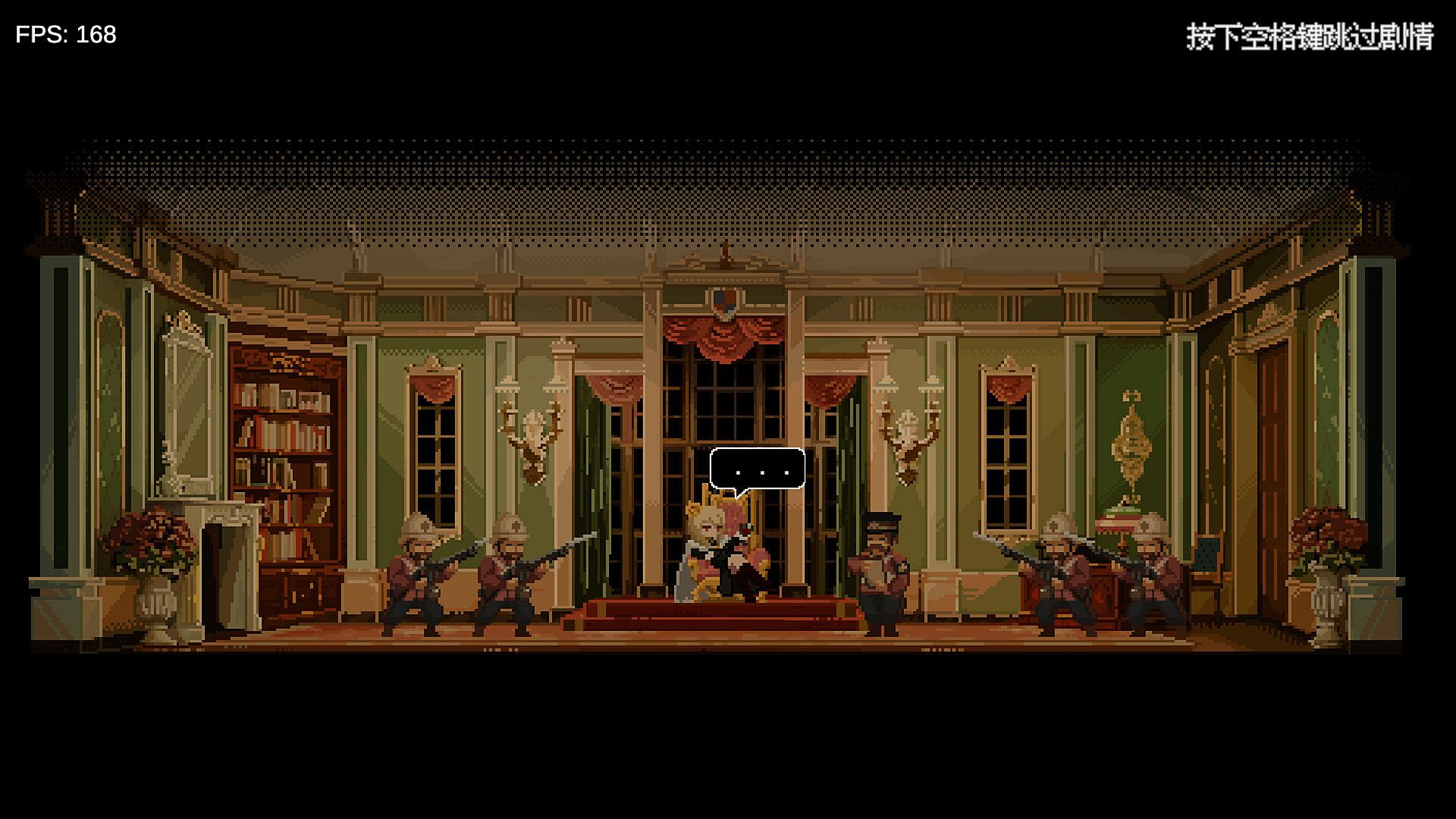
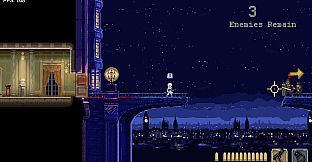
The narrative begins with the protagonist waking from slumber with no memories. A queen presents herself as the player's wife and requests military support to reclaim a throne. The setting blends Chinese wuxia elements with British dieselpunk aesthetics, featuring ornate palaces alongside industrial factories and military outposts. Enemy forces include standard soldiers alongside armored vehicles and artillery that must be dismantled through precise attacks.
Dialogue serves as the primary vehicle for world-building. Allies and opponents reveal fragments that either reinforce the queen's claims or suggest contradictions. Players decide whether to pursue total victory under her banner or investigate the inconsistencies hidden in conversations. This structure keeps the story contained within the action framework rather than expanding into open-world elements.
Visuals and Presentation
Striking pixel art defines the visual style, with detailed sprites for the heroine, enemies, and environments. The art direction highlights contrasts between elegant palace architecture and gritty factory machinery. Animations emphasize the lethality of each strike and shot, showing clear feedback for successful hits without relying on particle effects or complex effects.
Sound design supports the fast pace through direct audio cues for weapon switches and impacts. The overall presentation maintains a consistent retro-inspired look that aligns with the indie action focus, keeping attention on positioning and timing rather than graphical spectacle.
Is It Worth Playing?
Rain of Lead targets players who enjoy demanding action games where precision matters more than resource management or character progression. The one-hit lethality creates tension in every encounter, and the narrative choice adds replay incentive for those interested in uncovering layered story details. With a planned release in Q1 2027 and no user reviews available yet, the game appeals most to fans of pixel-art action titles that combine tight combat with investigative storytelling elements. Those seeking multiplayer options or expansive open worlds will find the scope more limited. The verified mechanics suggest a focused experience suited to short, intense sessions rather than long campaigns with frequent updates.