

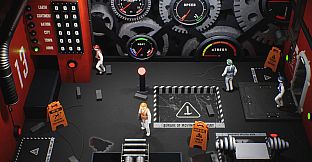
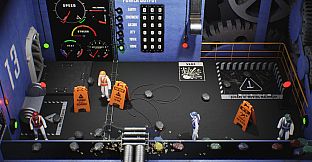
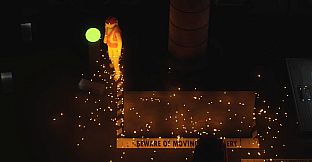
Reactor 13 is an action indie casual game centered on managing a volatile dark matter reactor through frantic hands-on tasks. Players handle raw materials in a factory setting to generate power, with the core loop revolving around collection, processing, and careful balancing to avoid disaster. The experience supports both solo runs and group sessions where coordination determines success or spectacular failure.
Gameplay
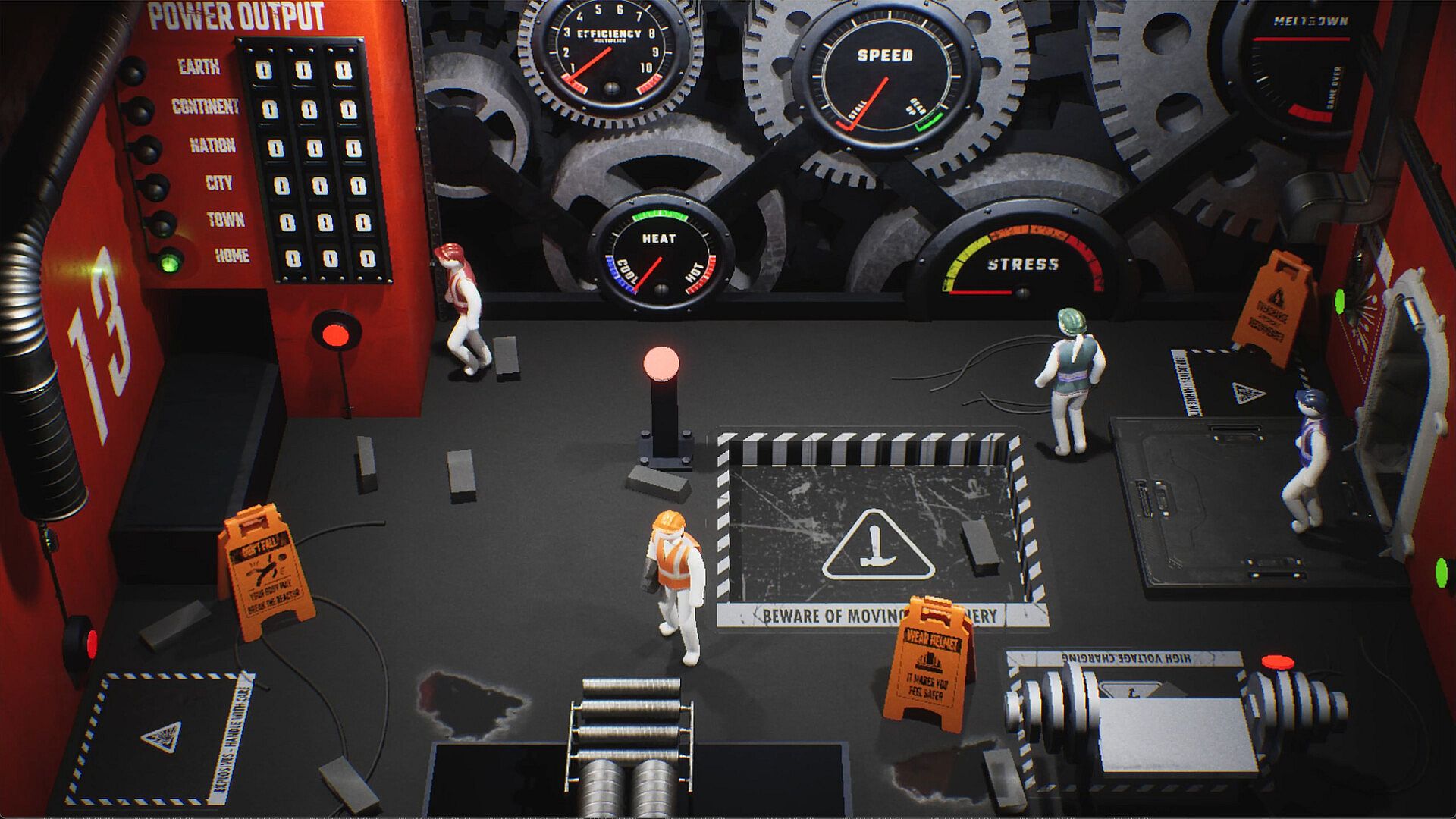
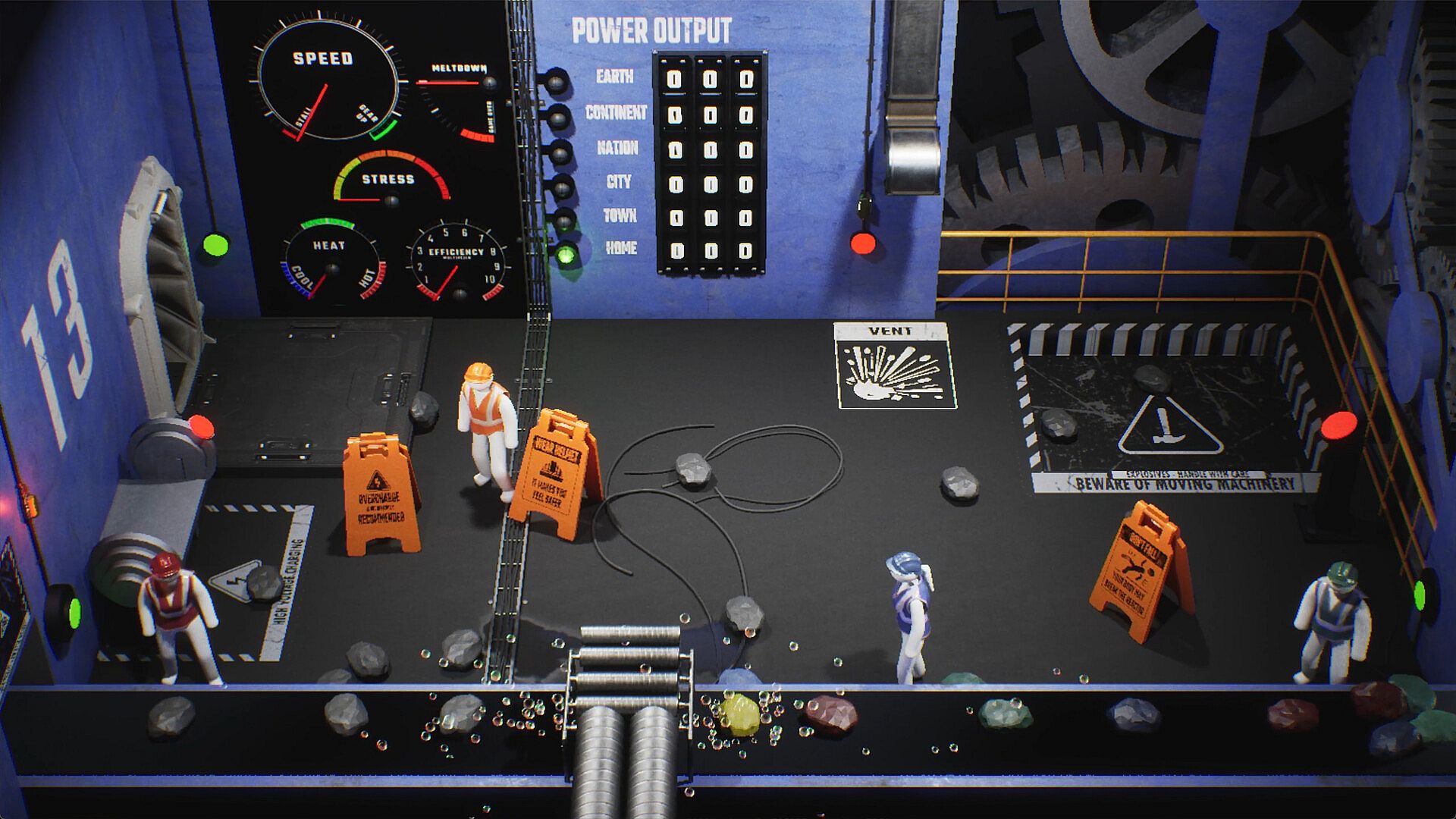
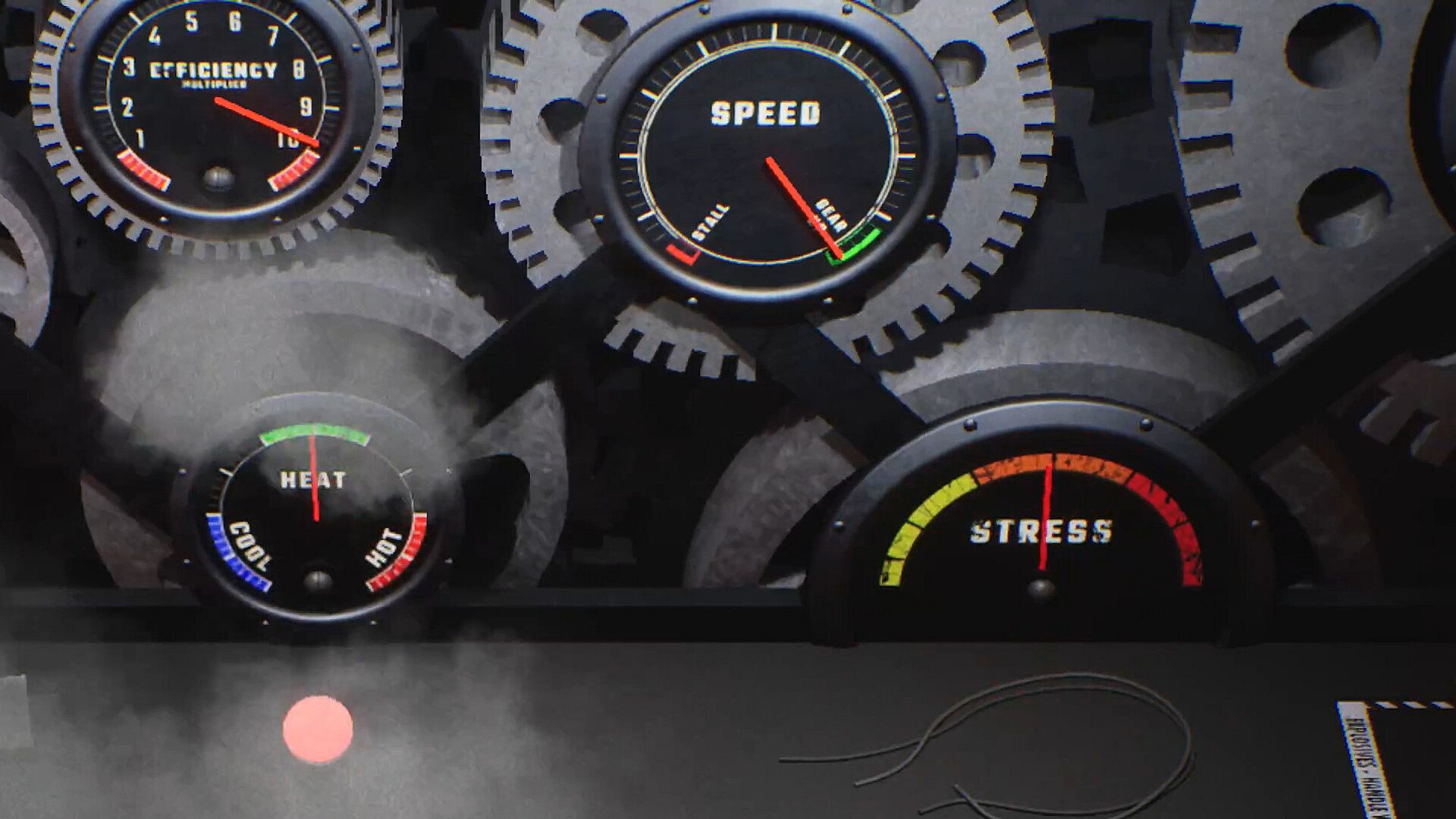
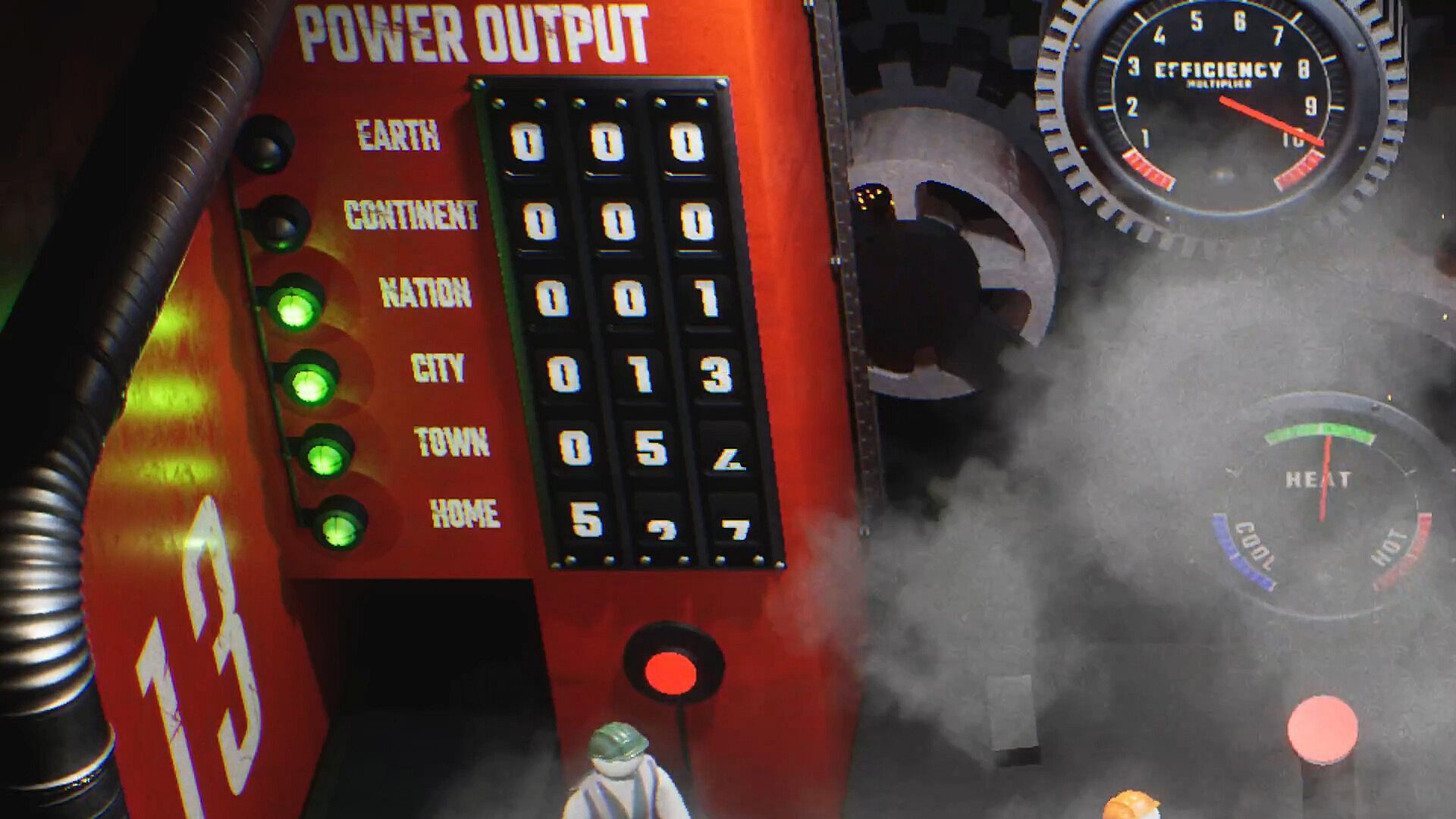
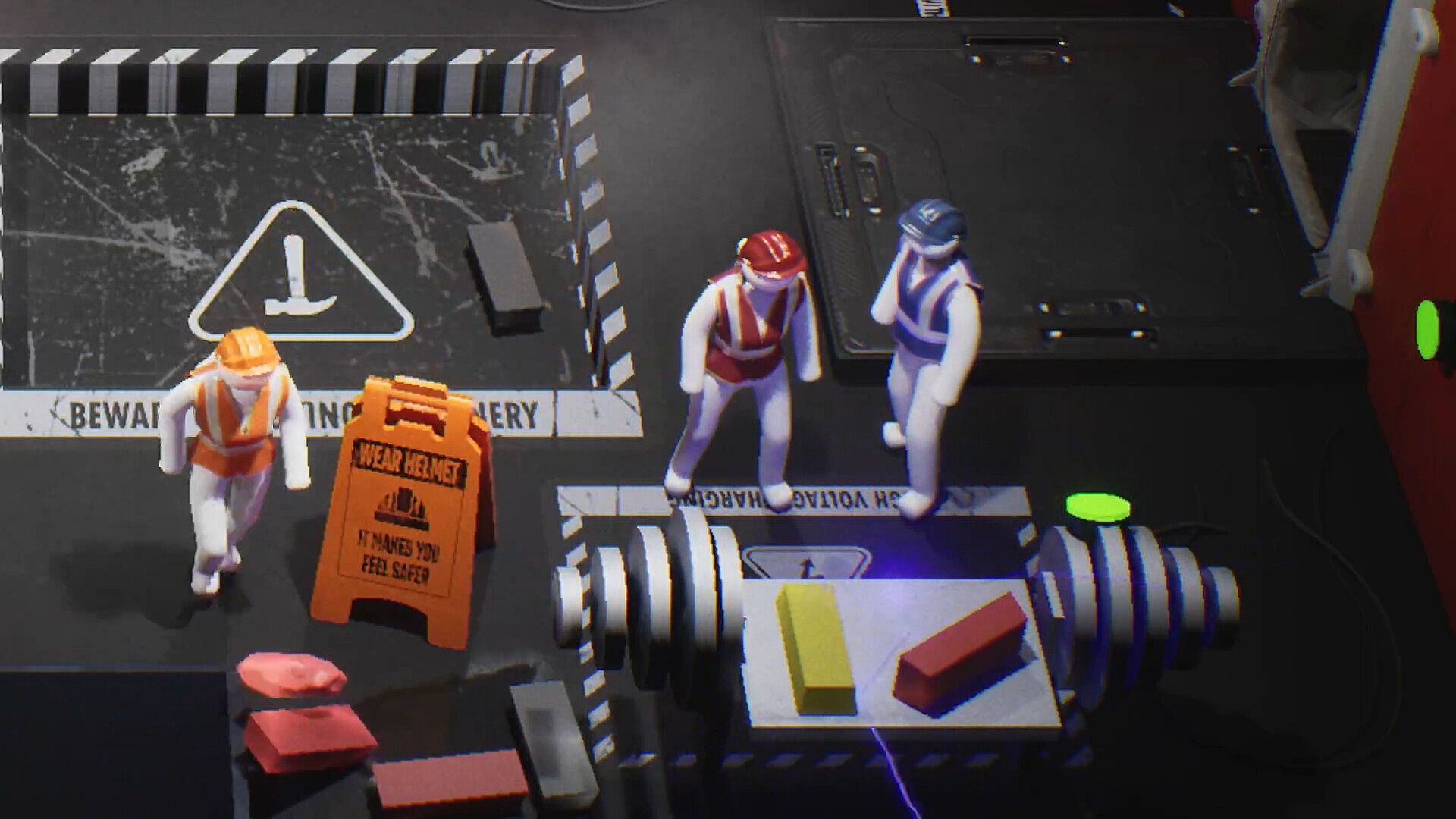
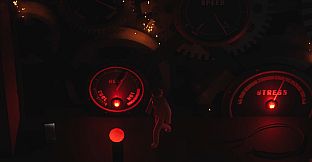
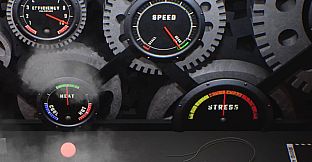
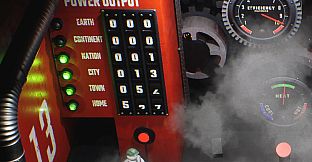
The central activity involves pulling dark matter blocks from an intake belt and processing them through washing, charging, and crafting steps to create stable fuel. This fuel feeds directly into the reactor to increase output levels. Gauges mounted on the walls provide all necessary feedback on heat, balance, and overall stability, eliminating any traditional interface overlays.
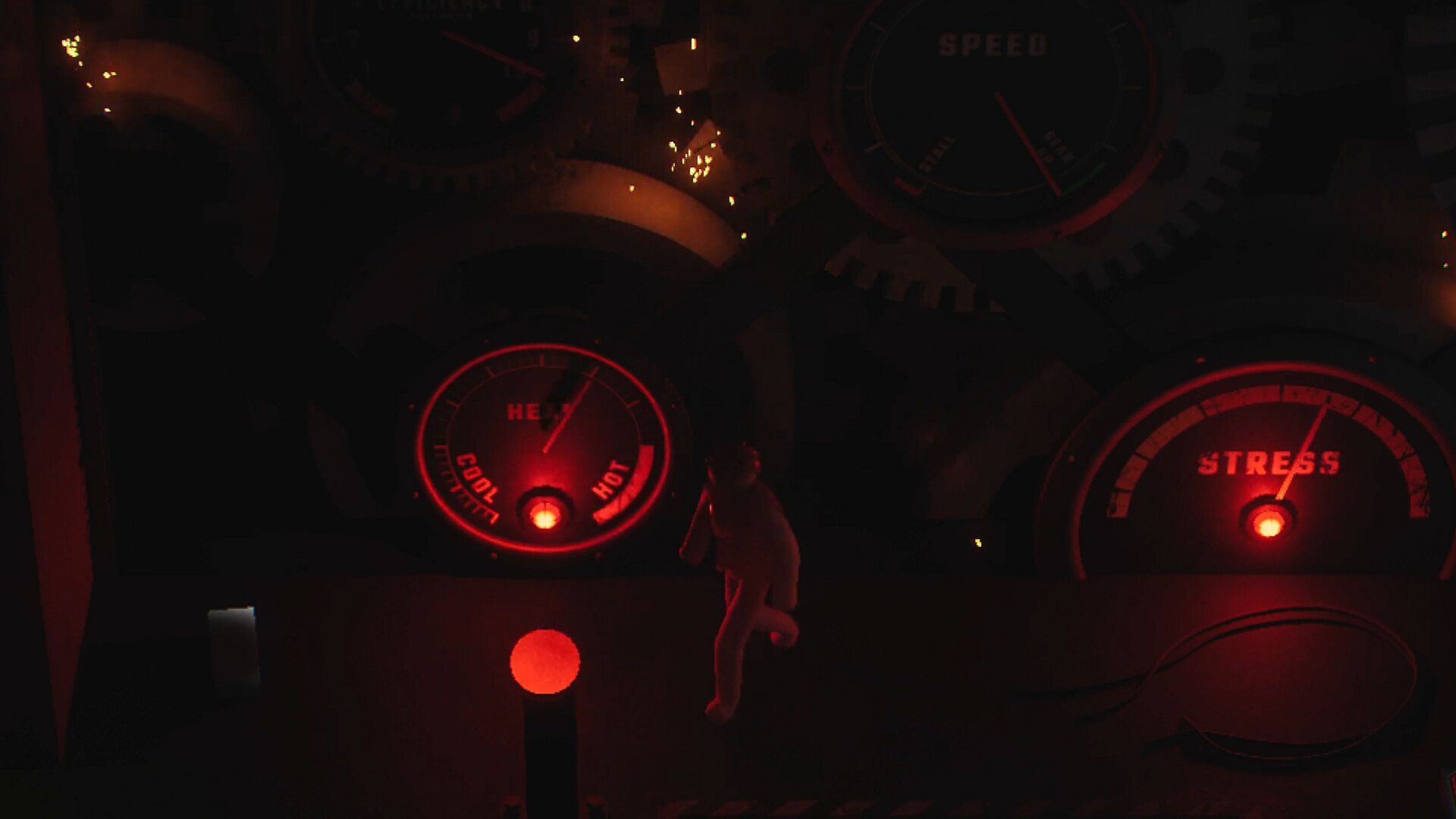
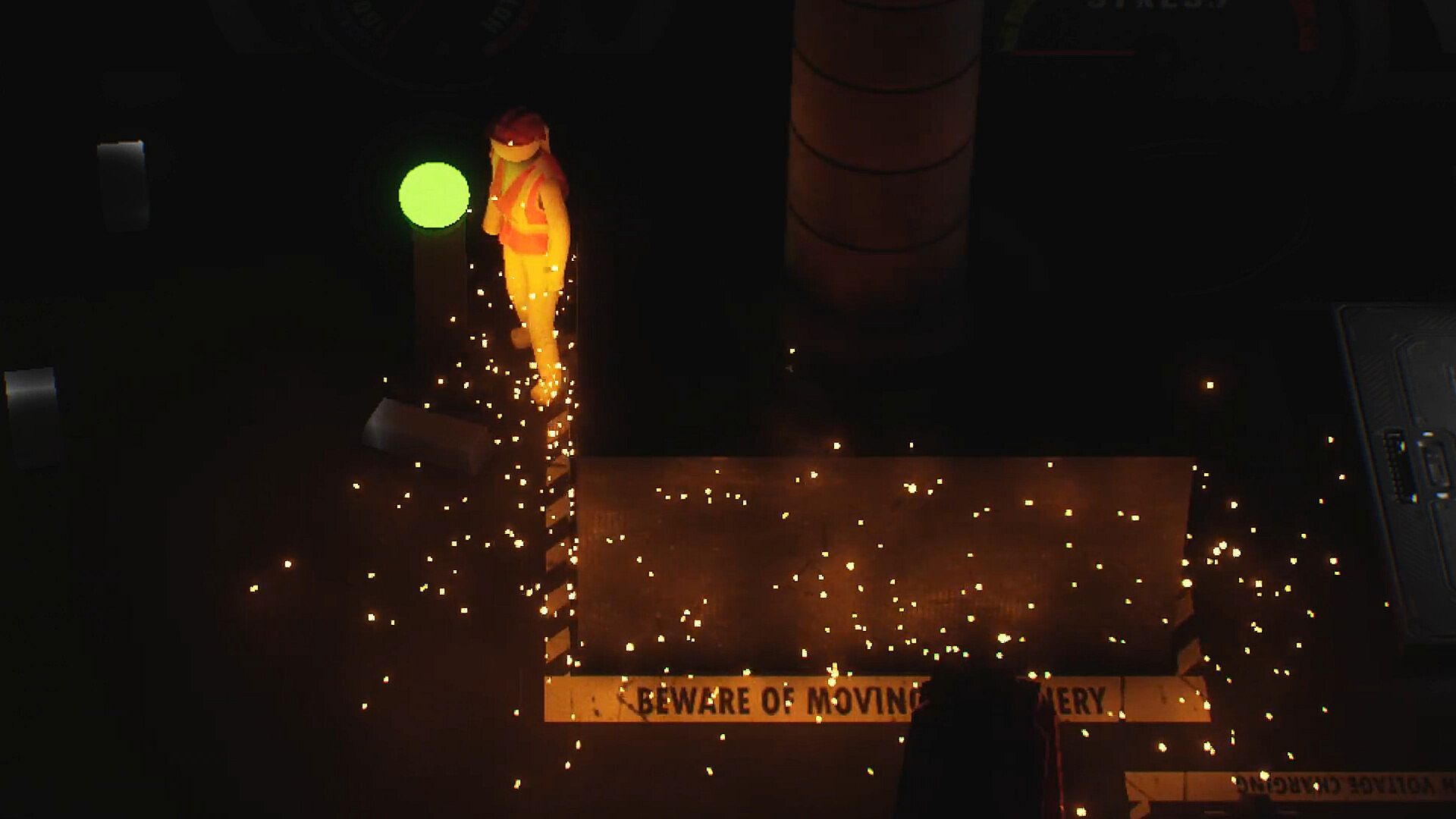
Heat accumulates quickly when fuel and coolant fall out of alignment, forcing constant adjustments to prevent an overheating state that ends the shift. Overcharging the system delivers larger power gains but introduces the risk of chain reactions that can cascade into a full meltdown. Efficient processing reduces heat buildup and improves final scores, rewarding precise timing and resource management across the production line.
Players work in a shared physical space with no external displays, relying on visual and positional cues from the reactor environment itself. The process scales in complexity as output targets rise, requiring tighter control over every stage of material handling.
Game Modes
Reactor 13 offers solo play for individuals who want to handle the full reactor operation alone. In this setup, one person manages intake, processing, feeding, and monitoring without assistance.
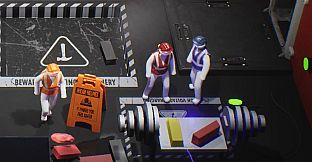
Local co-op supports up to four participants who divide tasks among the crew. Teammates can specialize in different stations or rotate responsibilities, with the shared goal of maintaining reactor stability while pushing output higher. The format encourages quick communication and shared accountability when things go wrong.
Both approaches follow the same progression structure, moving through increasing power demands that start small and expand to planetary scale. No separate competitive or versus options exist beyond the cooperative framework.
Progression and Scoring
Success comes from sustaining higher reactor output over time while keeping heat and balance under control. Each successful shift unlocks access to new levels with greater challenges and larger power targets.
Players track personal bests through power output scores that reflect efficiency and total energy delivered. Better input quality leads to cleaner runs with lower heat and stronger results. The system rewards repeated attempts to refine techniques and improve overall performance across the available stages.
Is It Worth Playing?
Reactor 13 suits players who enjoy short, intense cooperative sessions built around physical tasks and shared responsibility. The blame-oriented co-op dynamic adds humor and tension when mistakes occur, while the solo option provides a focused test of individual skill.
With a playtest scheduled that includes achievements and remote play support, the game remains in active development ahead of full release. Those drawn to casual action experiences with clear cause-and-effect mechanics and escalating difficulty will find the reactor management loop engaging for repeated play. The absence of a heads-up display keeps attention on the in-world systems, creating a distinct feel compared to more conventional management titles.