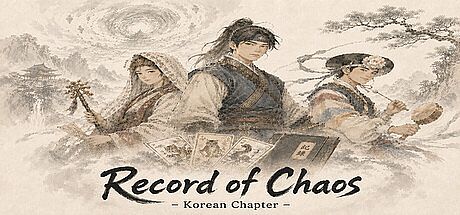


Record of Chaos - Korean Chapter is an indie turn-based deckbuilding roguelike developed for PC. Players select one of three characters rooted in Korean folklore and build decks through card rewards, upgrades, and strategic choices while navigating an unpredictable world shaped by chaos.
Gameplay
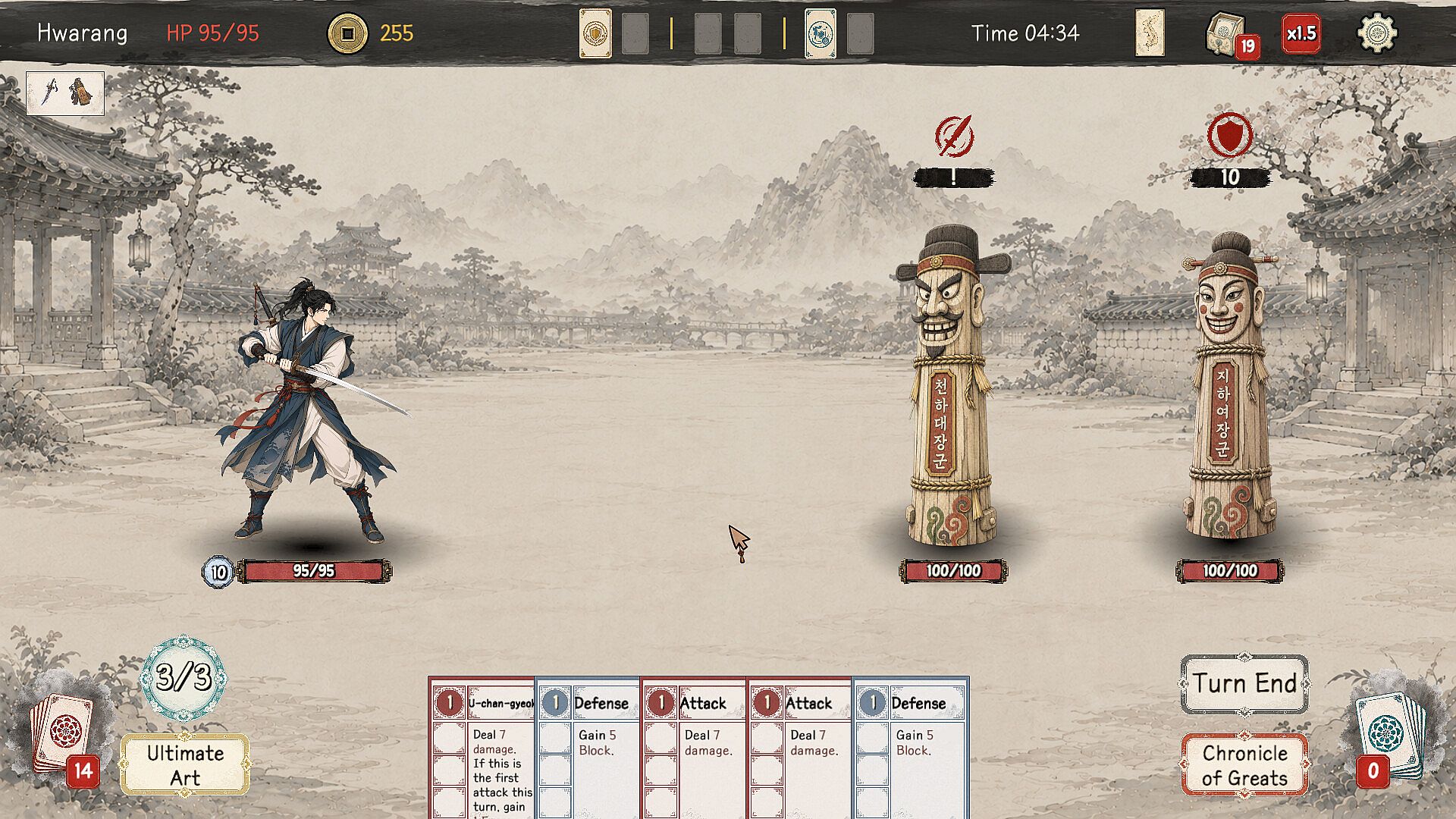
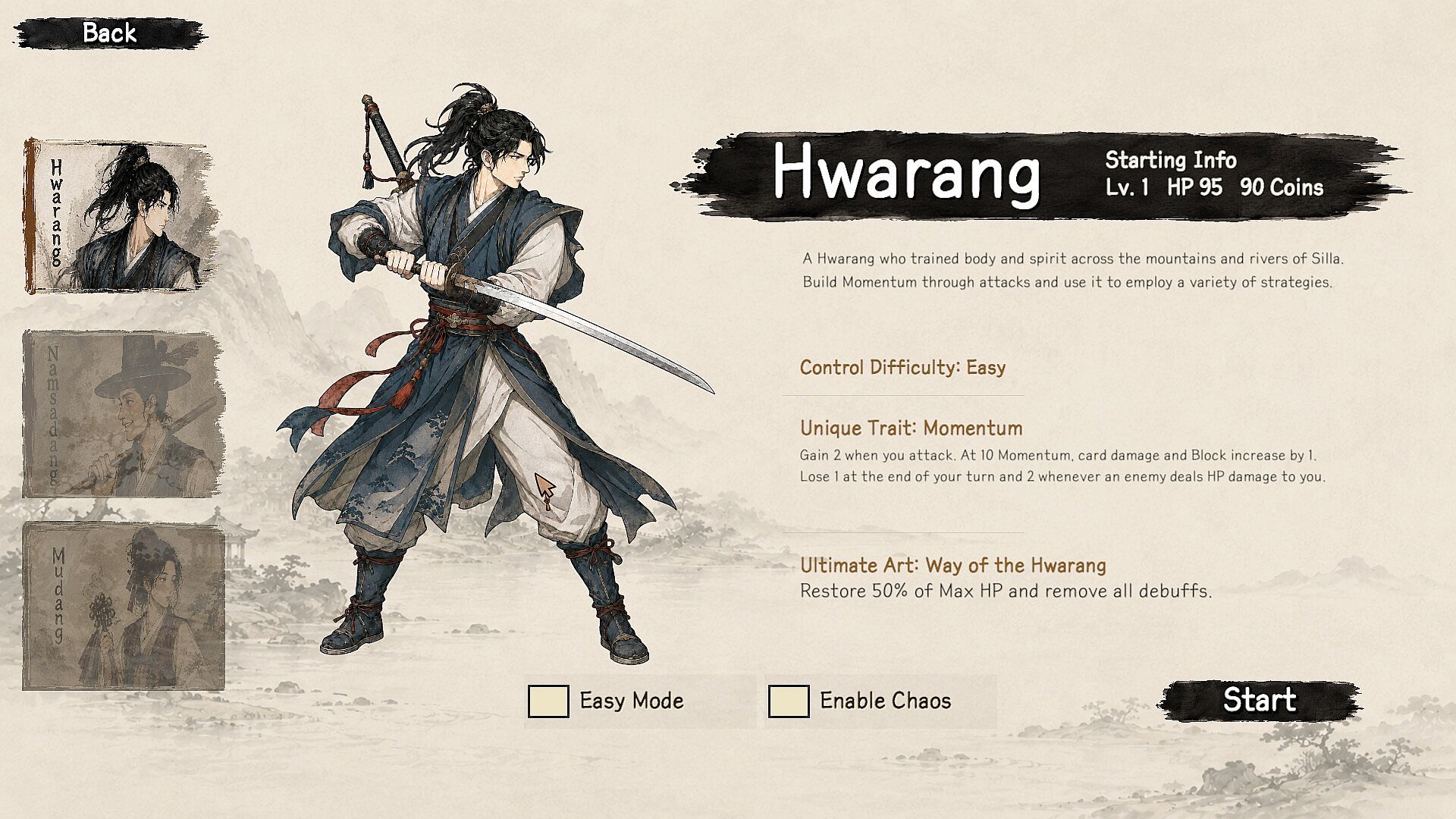
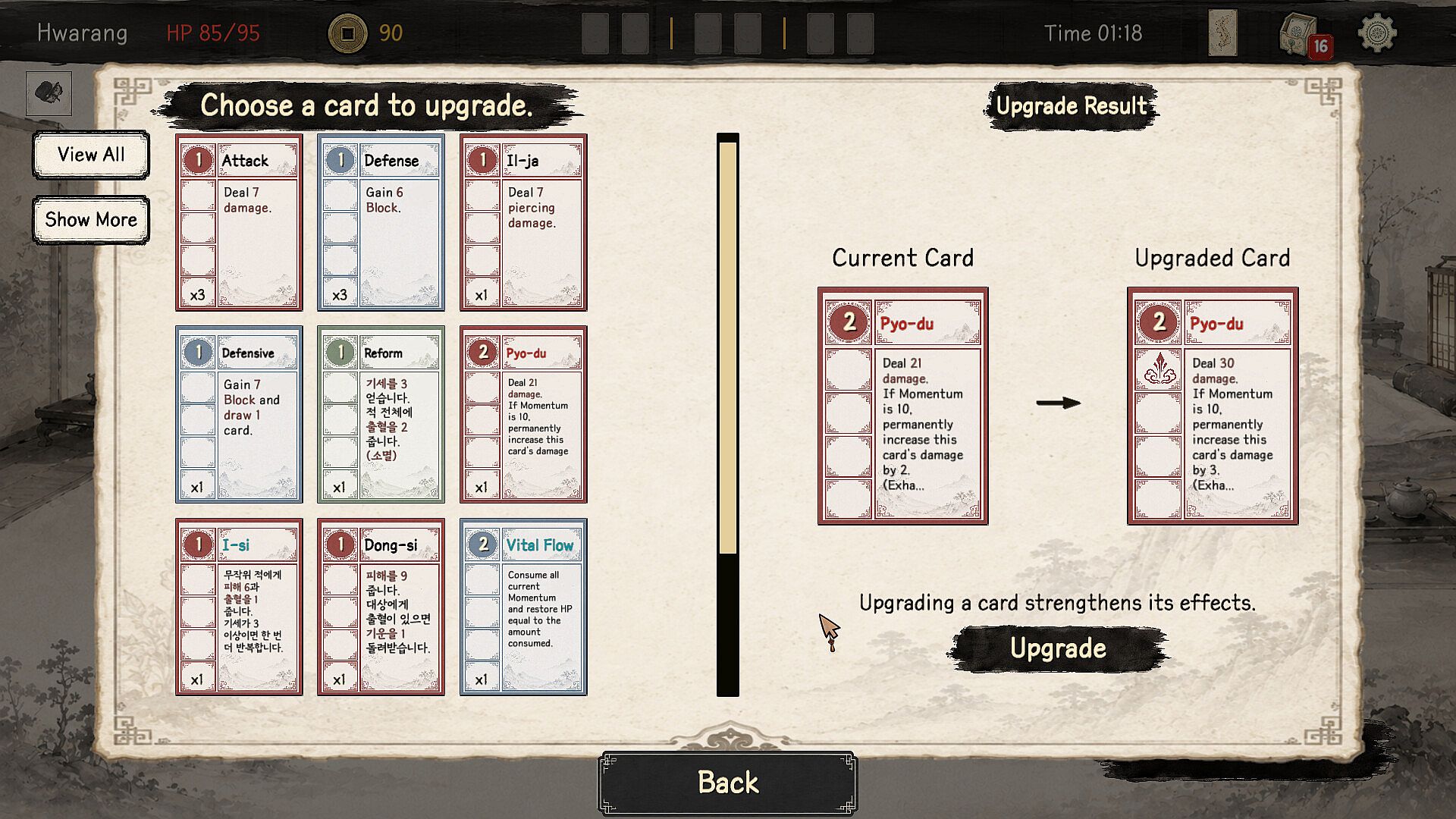
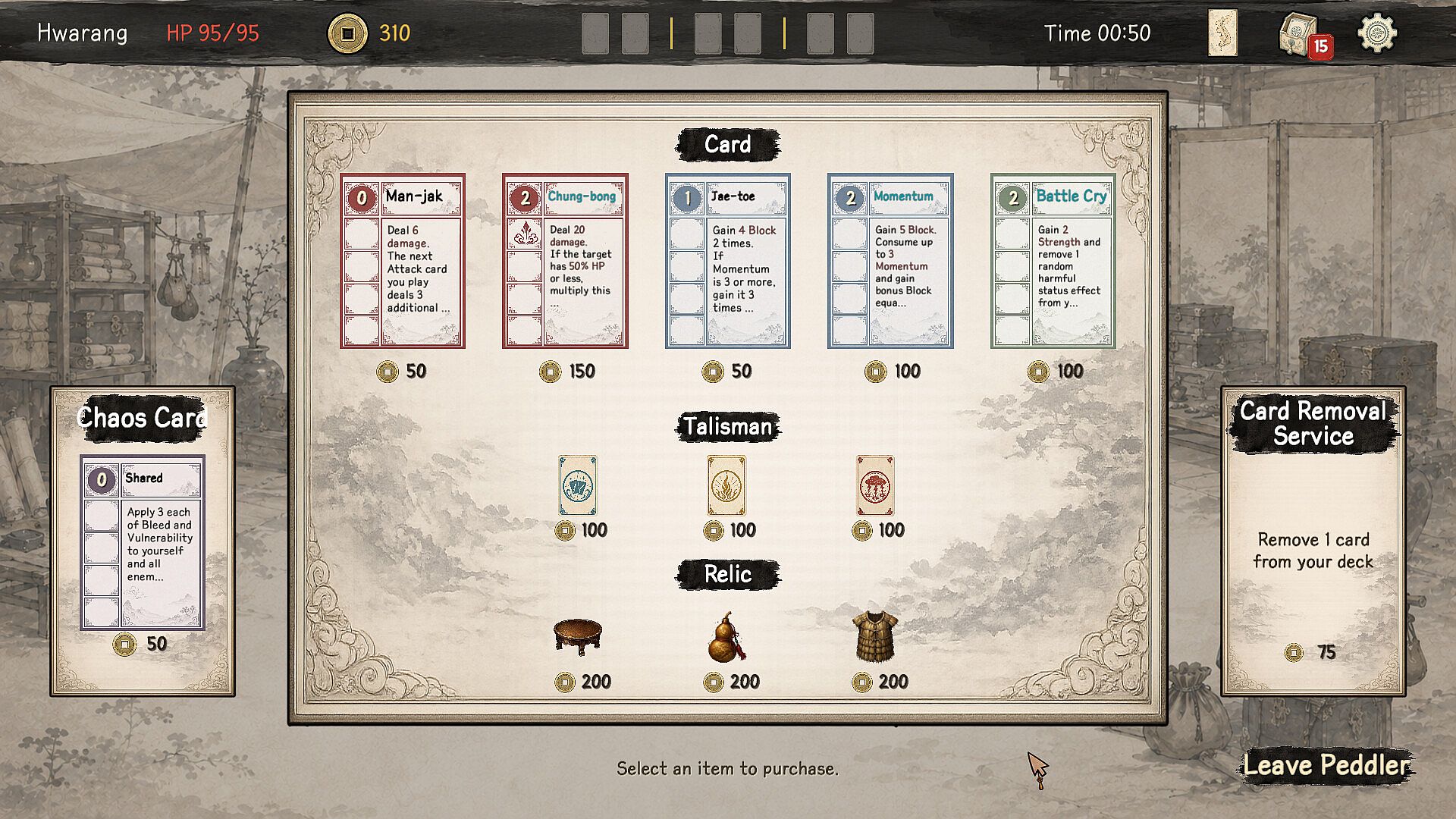
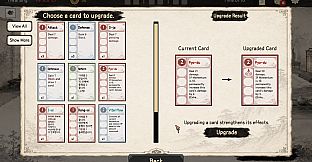
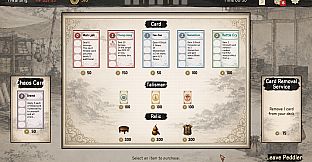
Each run begins with a choice among the Hwarang, Namsadang, or Mudang. Battles proceed in turns where players spend Energy to play Attack, Defense, and Ritual Cards after first observing enemy intent. Rewards from victories include new cards and Yeopjeon coins that fund further growth at merchants or other stops.
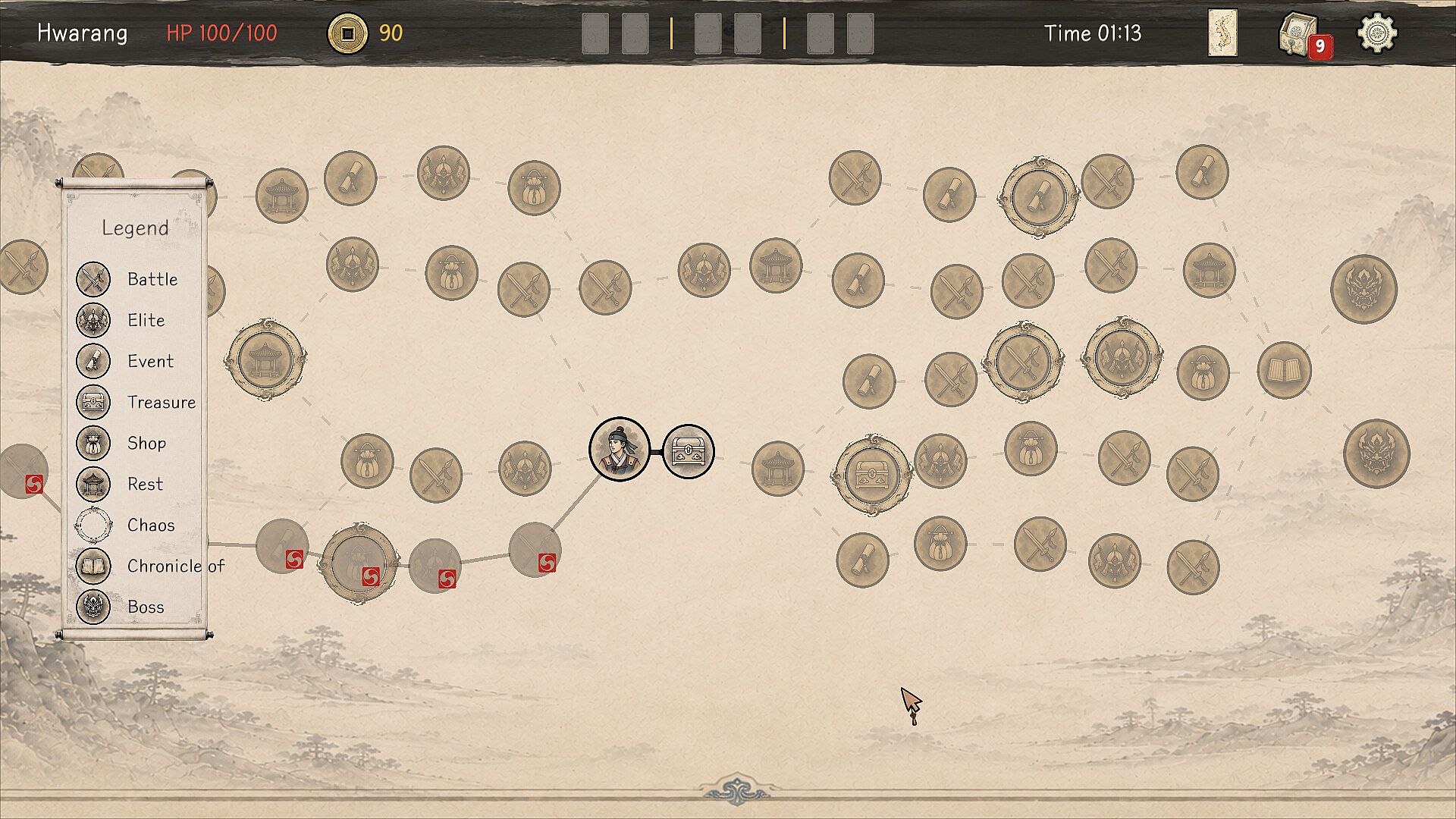
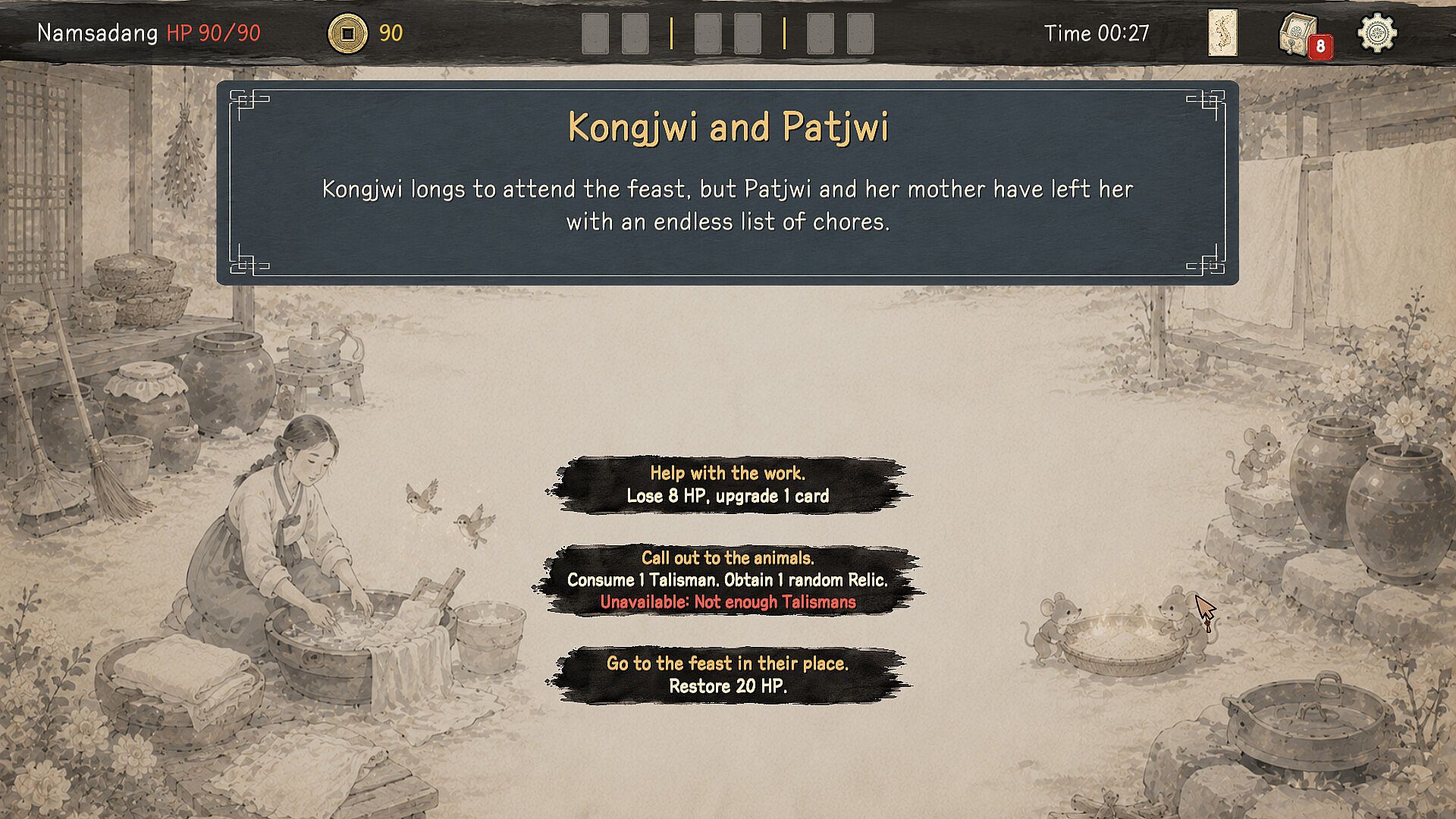
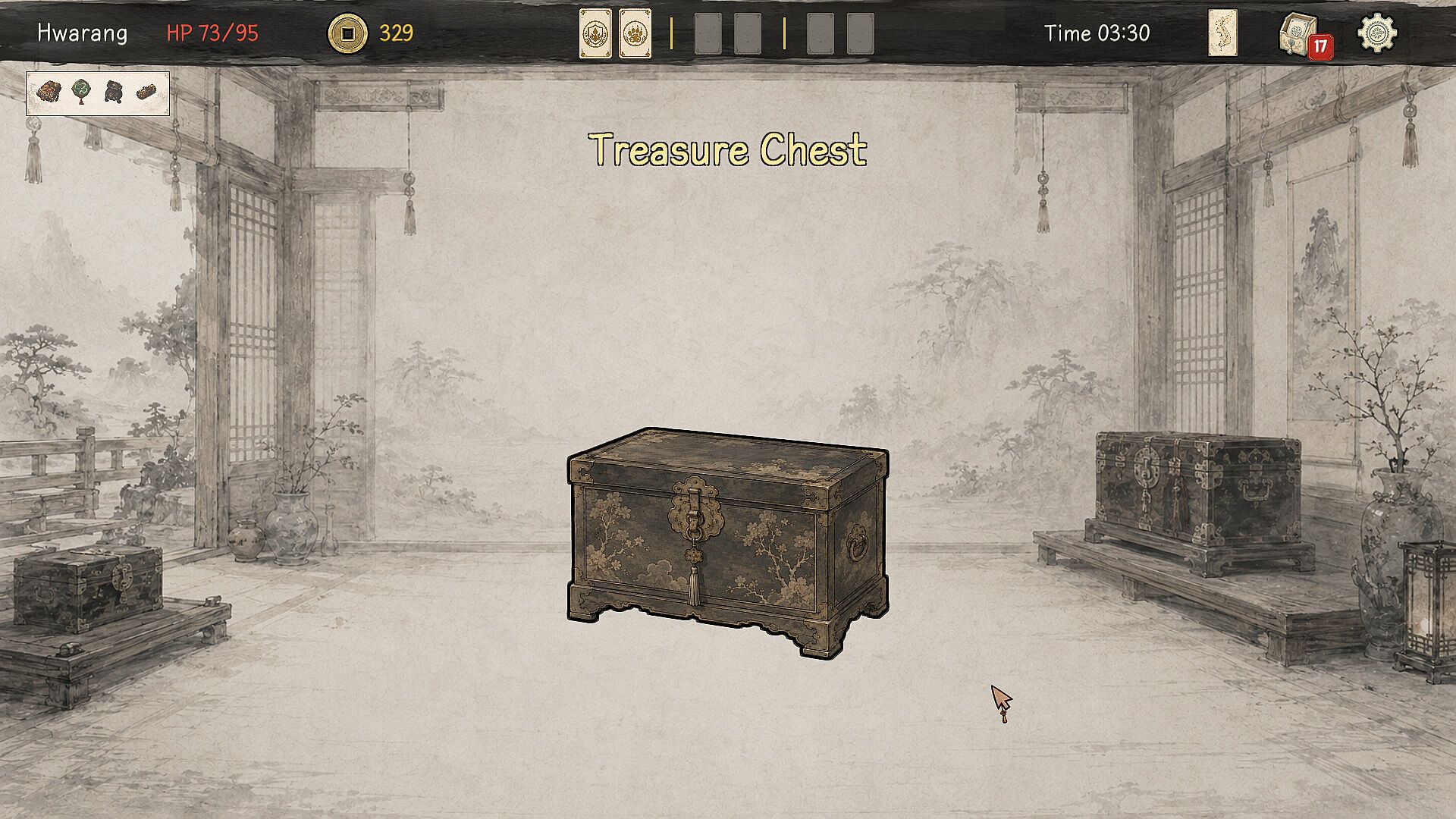
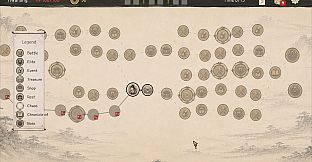
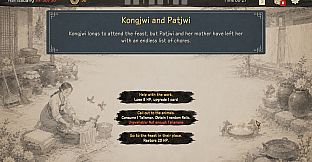
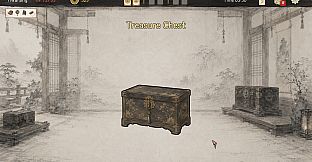
Between fights, routes branch across nodes such as standard encounters, tougher elite battles, rest sites, random events, treasure rooms, and traveling merchants. Greater risks at elite nodes or chaotic events yield stronger cards and Relics, while safer paths limit opportunities for deck expansion. Talismans add another layer of customization that alters how cards interact during combat.
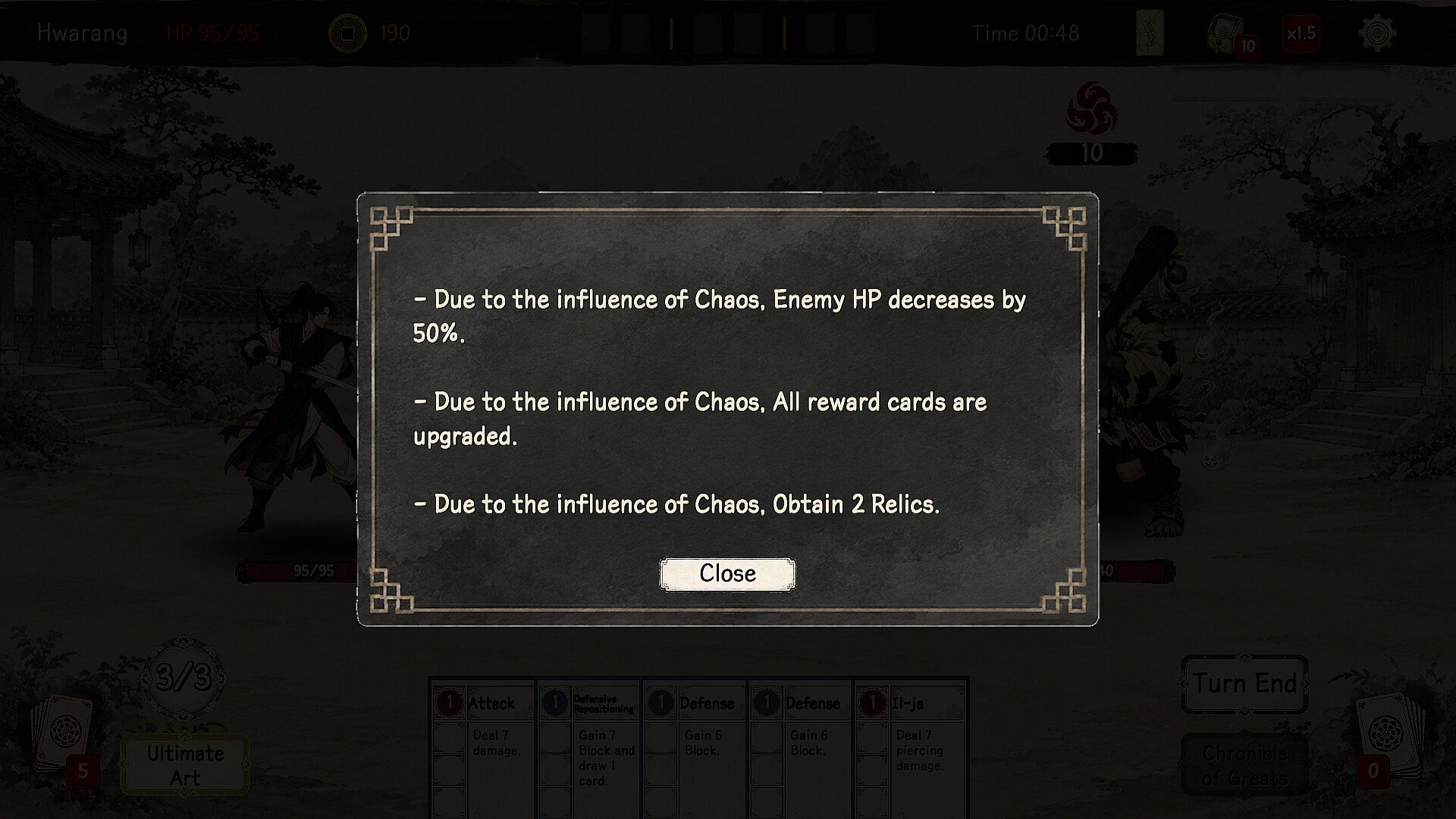
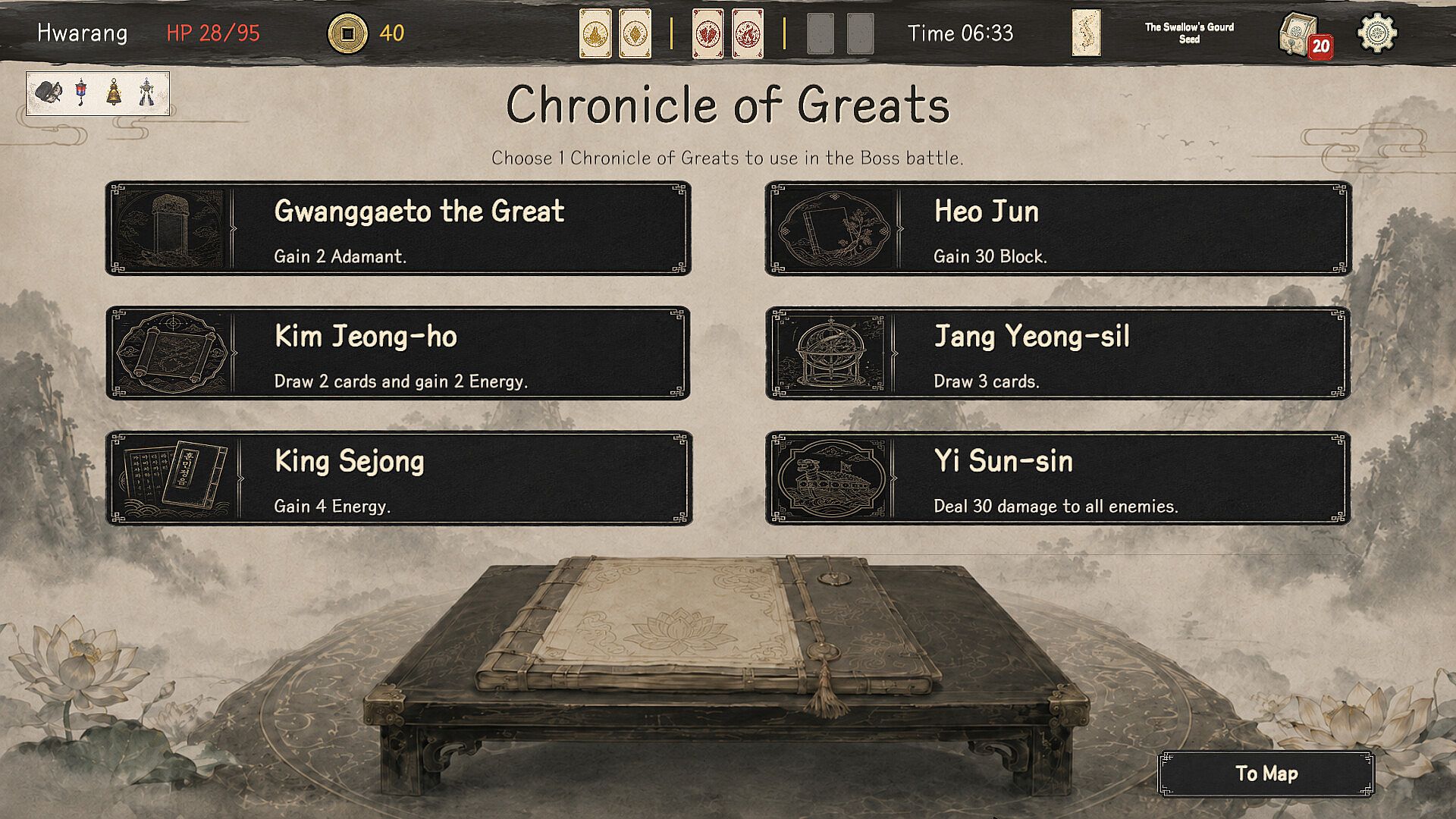
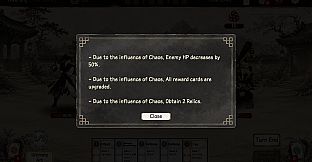
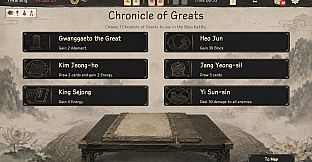
The Chaos system introduces variability by applying random effects to certain cards, sometimes aiding progress and sometimes creating setbacks. Boss defeats or specific events allow transformation of these into Purified Cards that retain power without the drawbacks. Ultimate Techniques provide powerful one-time options in tough fights, and the Chronicle of Great Figures lets players select a historical figure before major encounters to unlock conditional bonuses once requirements are met.
Game Modes
The core experience centers on repeated roguelike runs where every decision about paths, card additions, removals, and upgrades shapes a unique deck. No two journeys play identically because route selections and Chaos outcomes alter available resources and challenges.
Within each run, players balance aggressive elite paths against conservative routes that prioritize survival and incremental improvements. Events and merchant visits further diversify options by offering card transformations, Relic acquisitions, or temporary buffs tied to the Korean-inspired setting.
Resource management differs sharply by character. The Hwarang focuses on sequencing cards to complete flows that amplify subsequent actions. The Namsadang builds momentum through Salpan, Beona, and Pungmul sequences for boosted effects. The Mudang relies on steady Sal curses for attrition while carefully allocating both Energy and Divine Power for high-impact spells.
Characters and Distinct Combat Styles
The Hwarang emphasizes precise card order to trigger flow completions that strengthen the next play. Success hinges on anticipating which card benefits most from the resulting boost in any given turn.
The Namsadang constructs three specific flows by alternating Attack, Defense, and Ritual Cards. Completing a flow delivers an immediate strengthening effect, rewarding players who plan sequences several turns ahead.
The Mudang starts with weaker basic cards but applies persistent Sal curses that erode enemy health over time. Divine Power fuels stronger abilities, requiring constant attention to two separate resources for optimal performance.
Visuals and Themes
Every element from monster designs and combat patterns to card art, Relics, events, music, and interface draws from Korean folklore and traditional culture. Visuals adopt a restrained style reminiscent of bright hanji paper and ink wash painting, creating a cohesive world that feels both familiar and newly interpreted.
Monsters and bosses reflect figures from Korean myths, with combat behaviors that reinforce the thematic connection rather than relying on generic fantasy tropes.
Is It Worth Playing?
This single-player roguelike suits fans of strategic deckbuilding who enjoy reading enemy patterns and experimenting with synergies between cards, Relics, and Talismans. The three characters offer meaningfully different resource systems and play patterns that encourage multiple runs even after initial victories.
Players seeking a focused indie experience centered on Korean cultural elements will find the integration of folklore into mechanics and presentation consistent throughout. The Chaos and Purification systems add replayability by changing how the same cards perform across different journeys.
A demo is available for those who want to test the turn-based combat and route decision loop before committing to a full playthrough. The game rewards careful planning and adaptation rather than fast reflexes, making it accessible to newcomers while offering depth for experienced deckbuilders.