








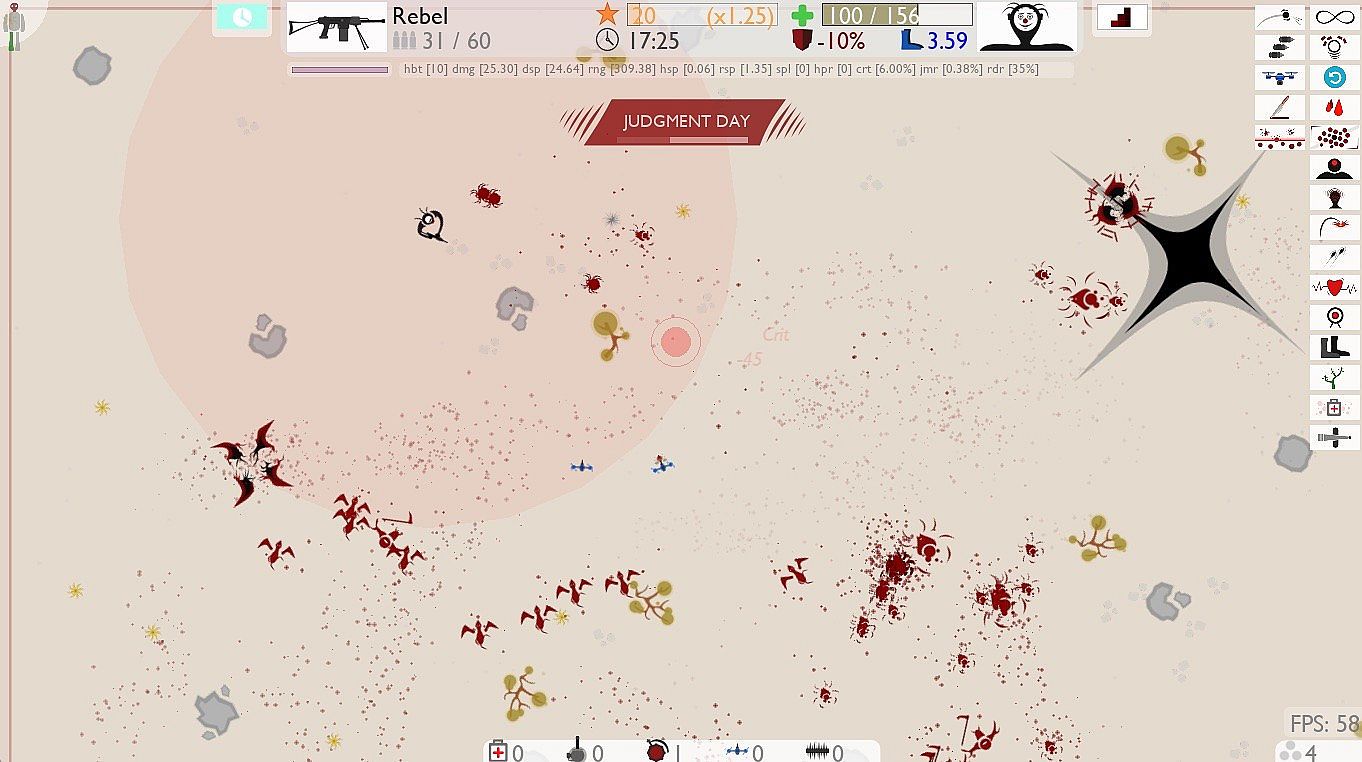
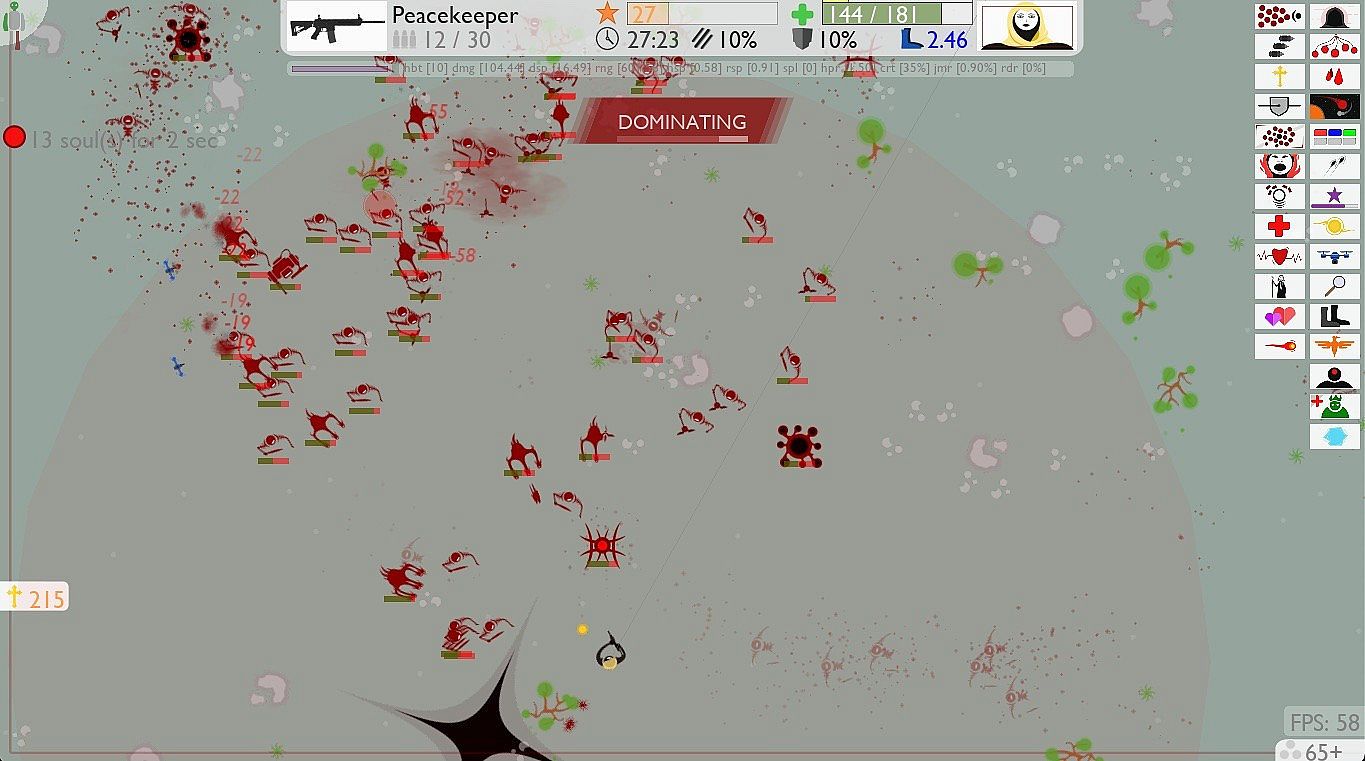
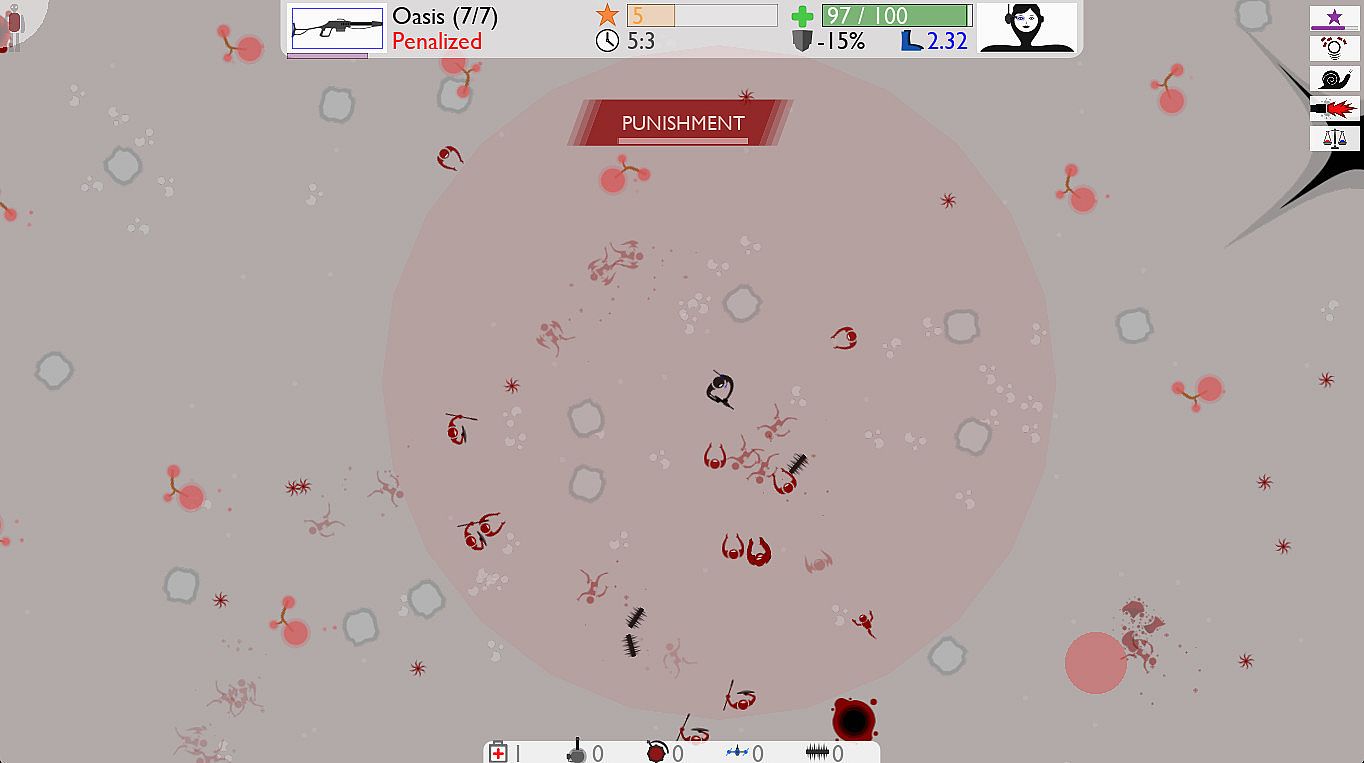
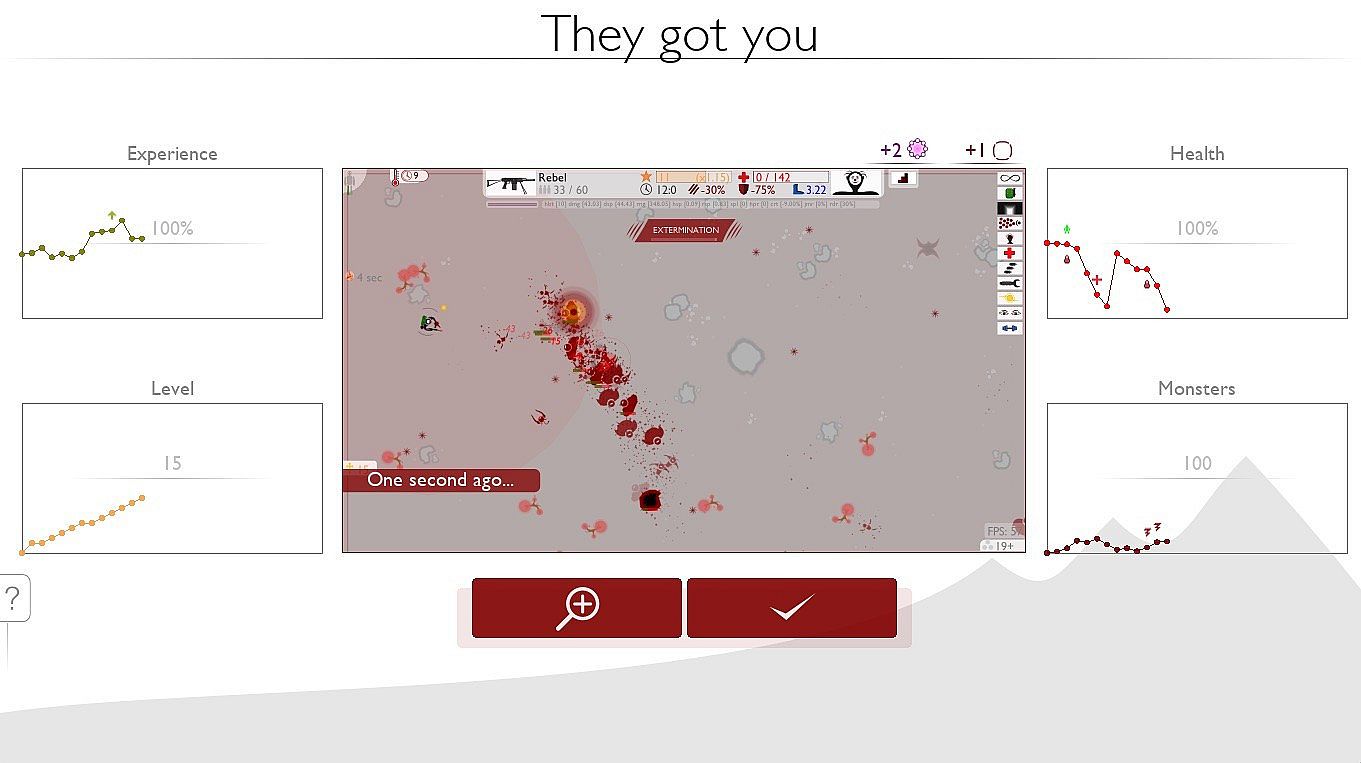
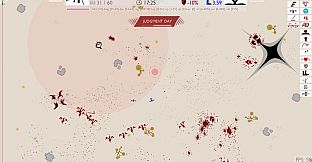
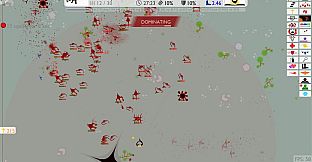
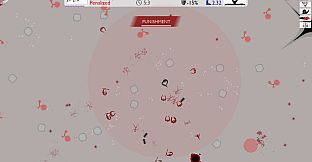


Red Algorithm is a free-to-play top-down action shooter with RPG progression elements developed for PC. In each run players choose one of ten heroes and attempt to survive against waves of monsters by selecting weapons, leveling up for perks, and managing resources until the run ends.
Gameplay
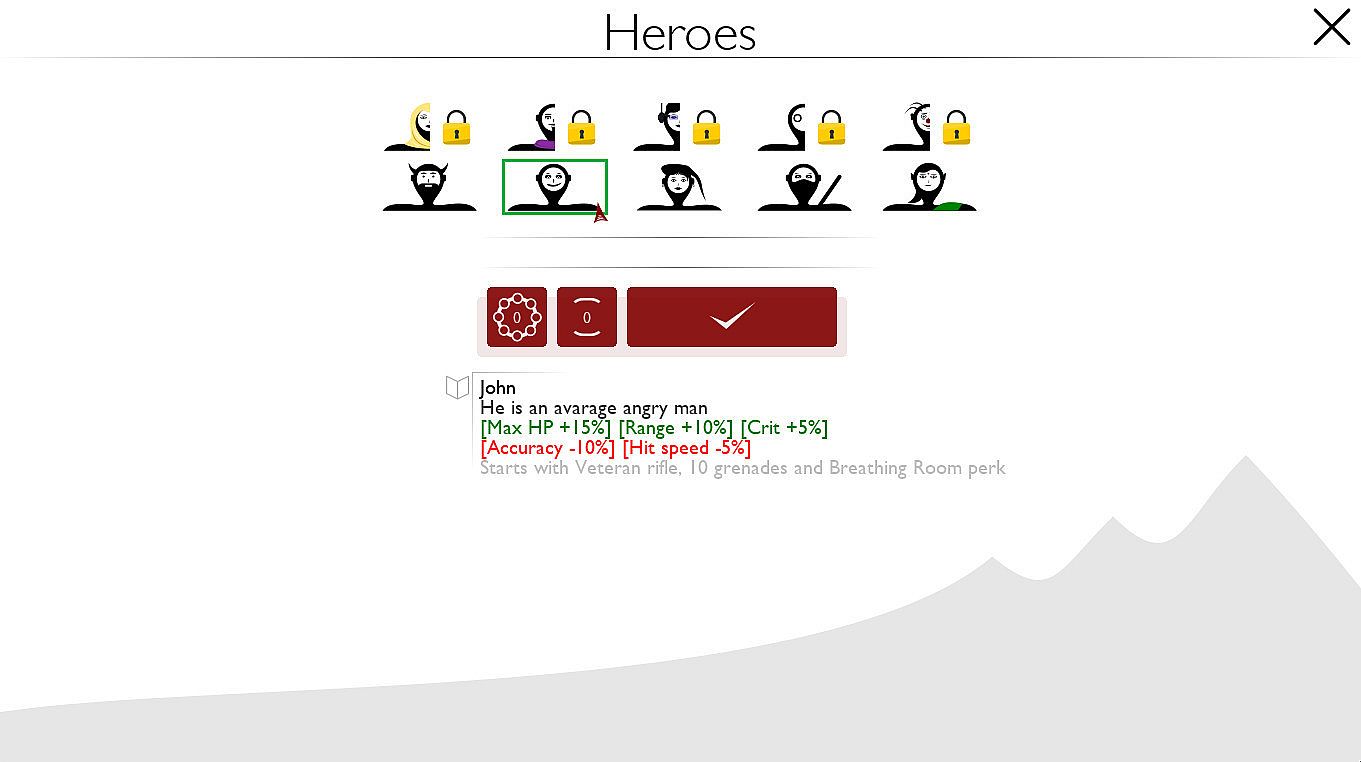
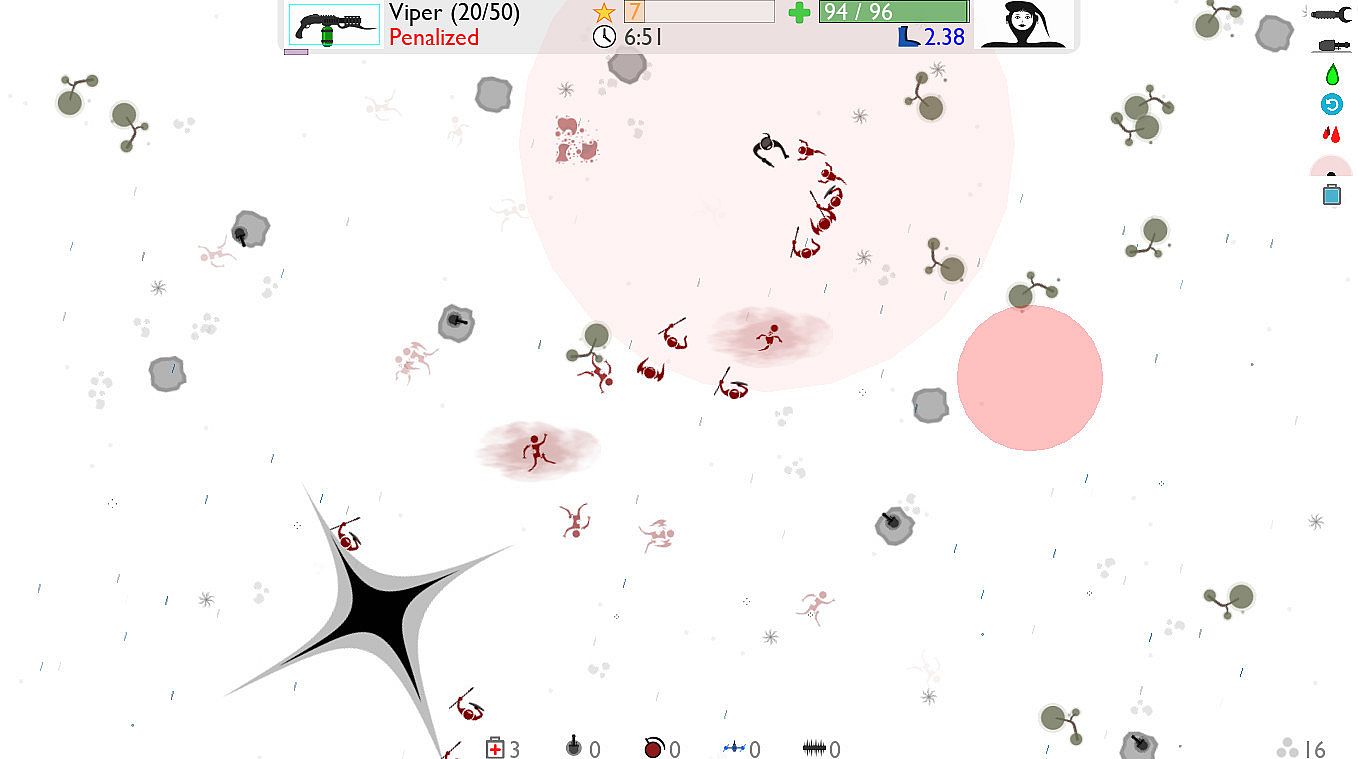
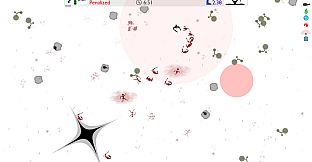
The core loop centers on quick decisions during intense survival sessions. A player begins by selecting a hero that comes with a starting weapon, perk, and set of consumables such as drones, grenades, turrets, first aid kits, or barricades. Monsters spawn from the map and from destructible spawners, with a new monster type appearing every two minutes. Each of the fifteen monster types carries distinct resistances, movement speeds, and attack patterns, forcing constant adaptation.
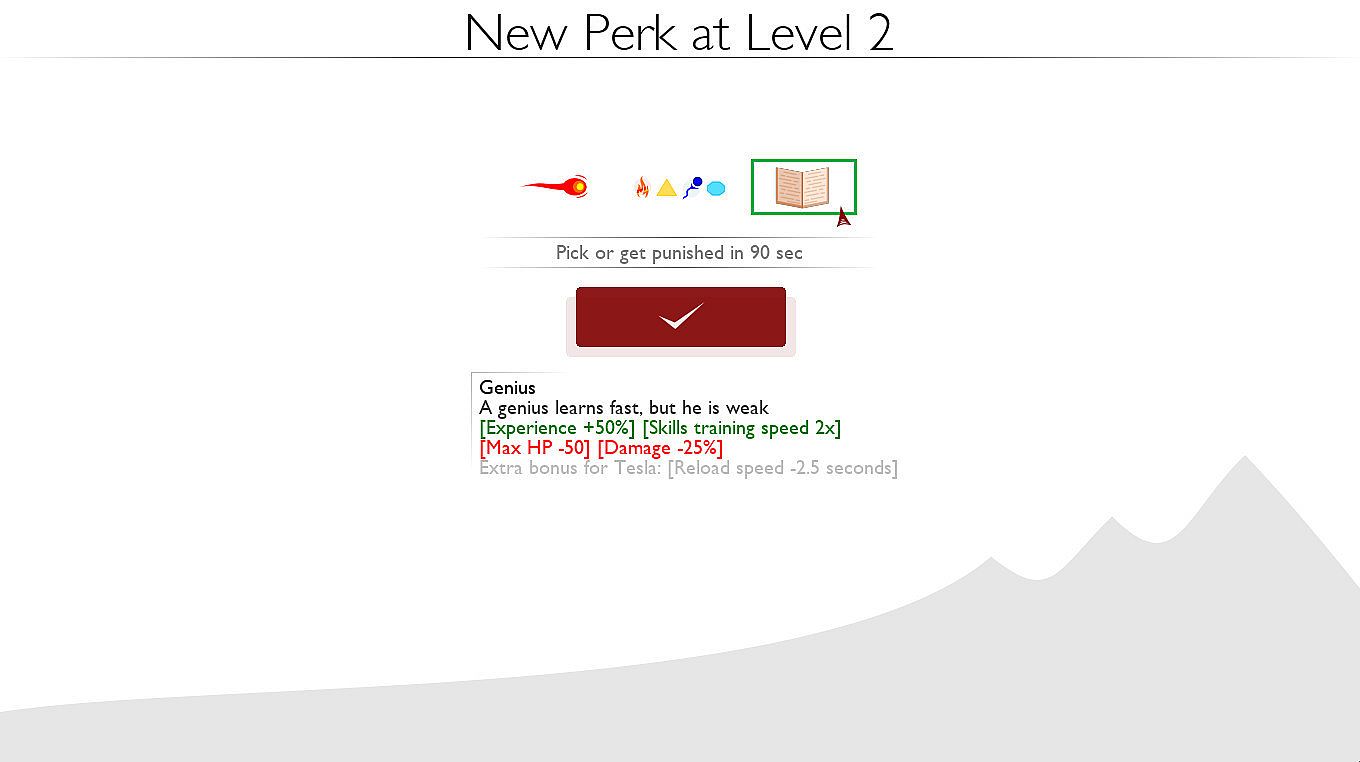
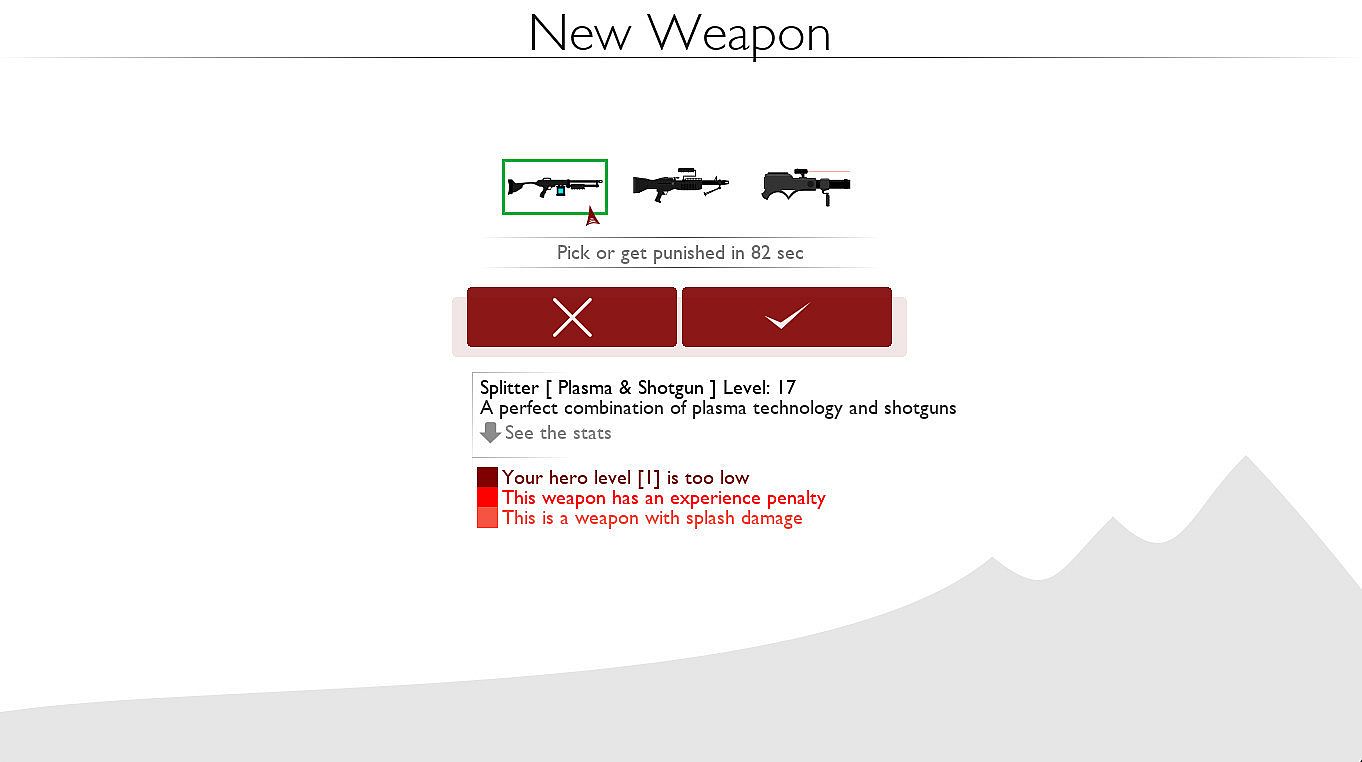
Levels grant a choice of one perk from three random options. More than one hundred perks exist, many carrying side effects that can weaken a build if mismatched to the current weapon or hero. Weapon boxes appear periodically and present three random choices from seventy-plus firearms across nine classes: pistols, shotguns, SMGs, rifles, ARs, plasma, MGs, Gauss, and primitive. Weapons above the hero's current level impose penalties, while frequent switching erodes accumulated habit bonuses. Occasional weapon upgrades allow selection of one improvement from three options, such as increased damage or faster reload.
Projectiles are affected by wind, monsters can dodge shots, and weapons require manual reloads that interrupt firing. These mechanics prevent passive play and reward precise aiming and positioning. Consumables provide temporary advantages but must be used strategically because the pause function is restricted during weapon and perk selection.
Game Modes
Red Algorithm offers single-player survival runs as its primary format. The goal remains consistent across runs: survive as long as possible while monsters increase in number and variety. Hard Mode removes several quality-of-life features and raises overall difficulty, testing deeper knowledge of perks, weapon synergies, and map management. Steam leaderboards record the longest survival times, turning personal runs into competitive benchmarks without any multiplayer component.
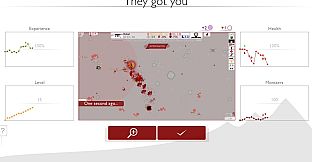
Long-term systems operate outside individual runs. Runes collected during play can be invested to permanently raise one of thirteen stats for a chosen hero. Skills tied to the nine weapon classes improve automatically through repeated use, strengthening future runs with the same hero. These layers create steady character growth without altering the core single-player structure.
Heroes and Long-Term Progression
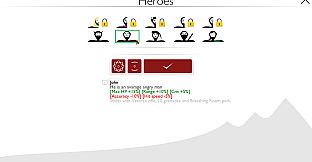
Ten heroes provide distinct starting bonuses and loadouts. Five are available immediately while the remaining five require DLC purchase. Premium heroes receive no inherent power advantage over free options; the purchase serves only as optional support for the single-developer project. Injuries and bionic body parts add further customization layers that interact with the perk and rune systems.
Fifty-plus achievements demand specific combinations of survival length, perk choices, and weapon mastery rather than simple repetition. Completing them requires repeated experimentation and careful build planning across multiple runs.
Is It Worth Playing?
Red Algorithm suits players who enjoy deliberate, high-stakes survival gameplay where every perk and weapon choice carries meaningful consequences. The absence of idle mechanics and the presence of environmental factors such as wind and monster dodging keep attention focused throughout each session. Because the game is free to download with no pay-to-win elements, it offers an accessible entry point for those interested in roguelike progression and leaderboard competition.
Players who prefer relaxed experiences or automatic progression may find the constant decision-making and limited pause options demanding. Those who value skill expression and build experimentation will discover depth in the interplay between heroes, weapon classes, and rune upgrades. The single-developer origin and focus on one core loop keep the experience consistent without seasonal additions or major expansions.