

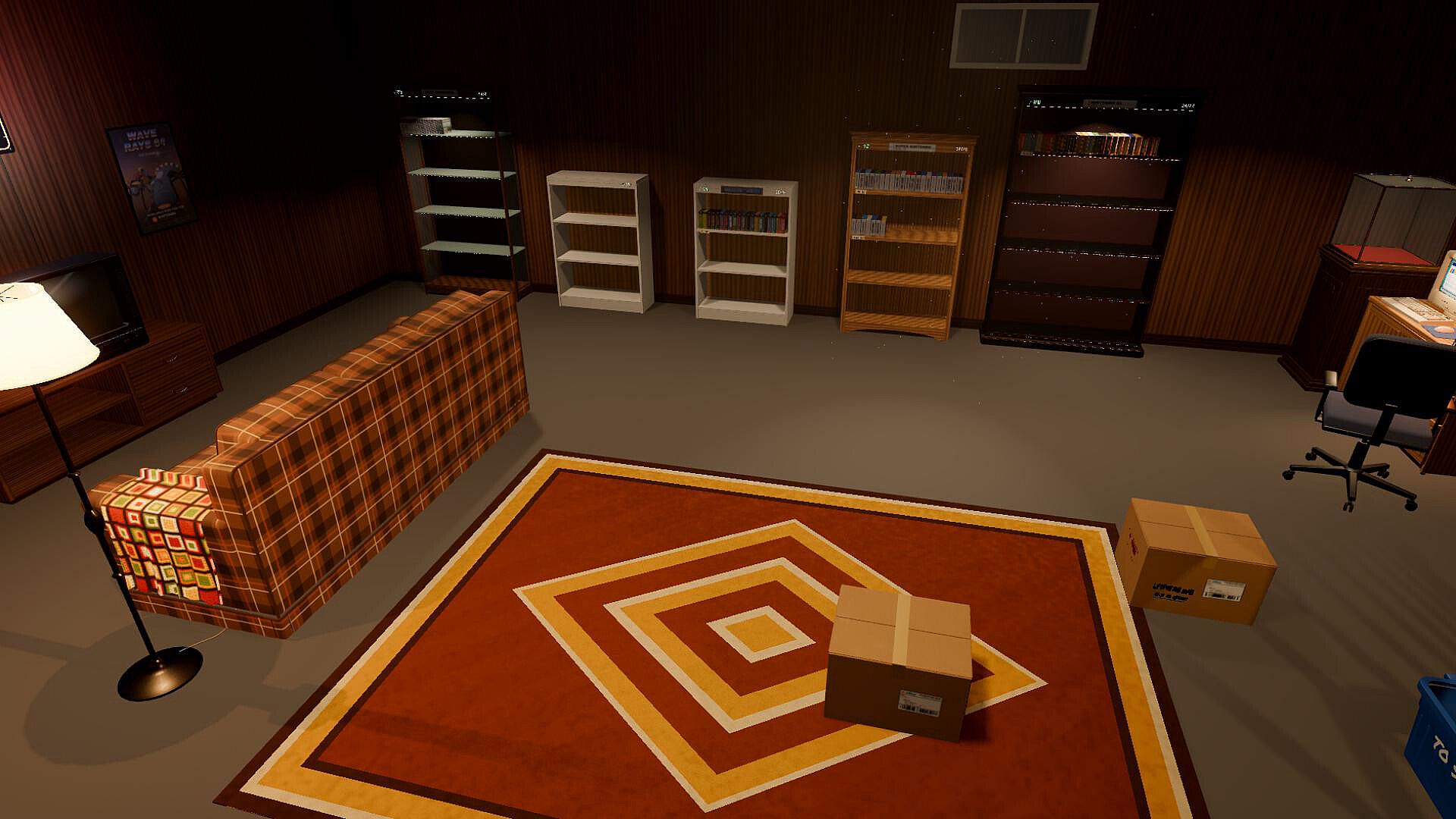
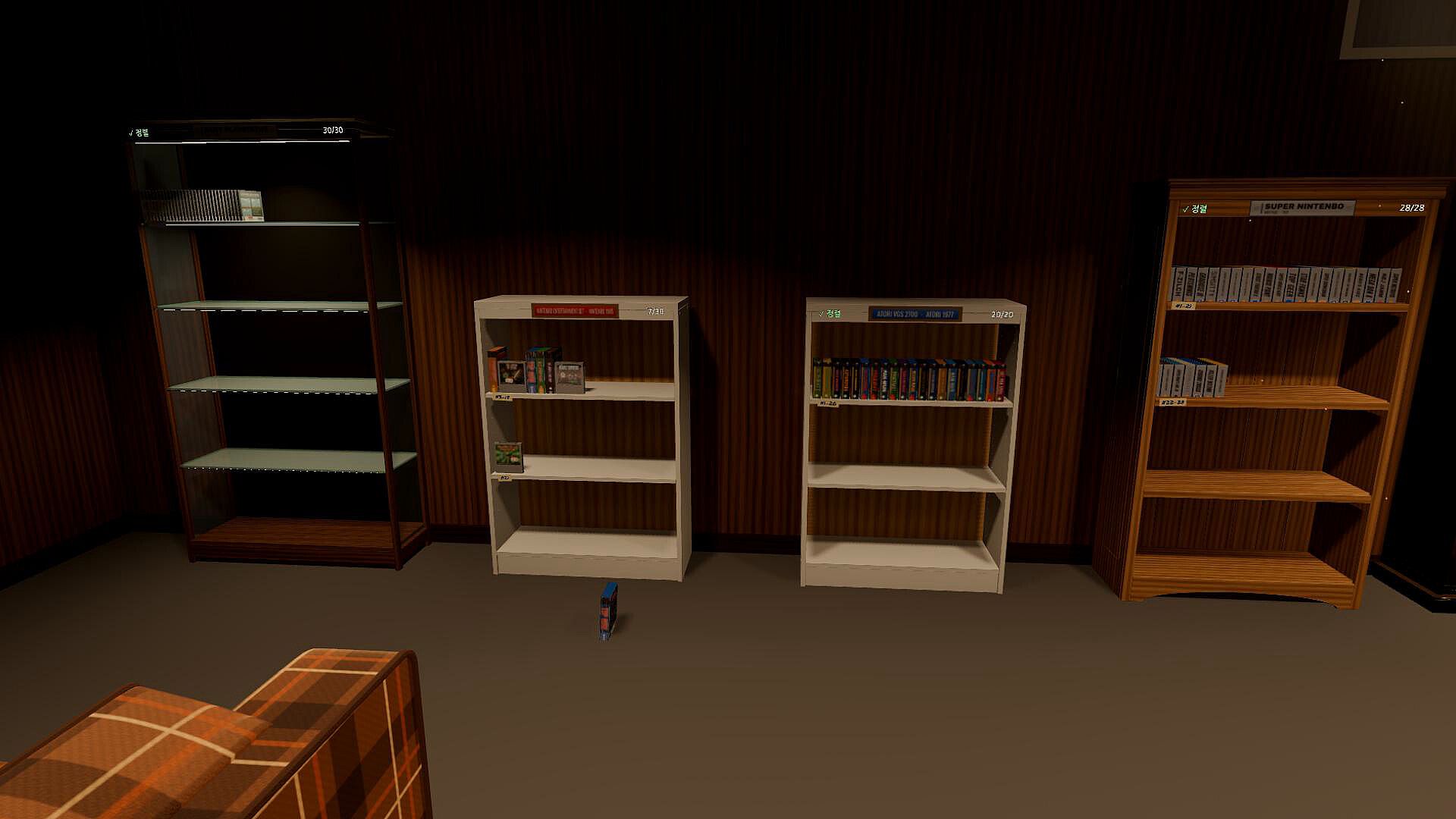
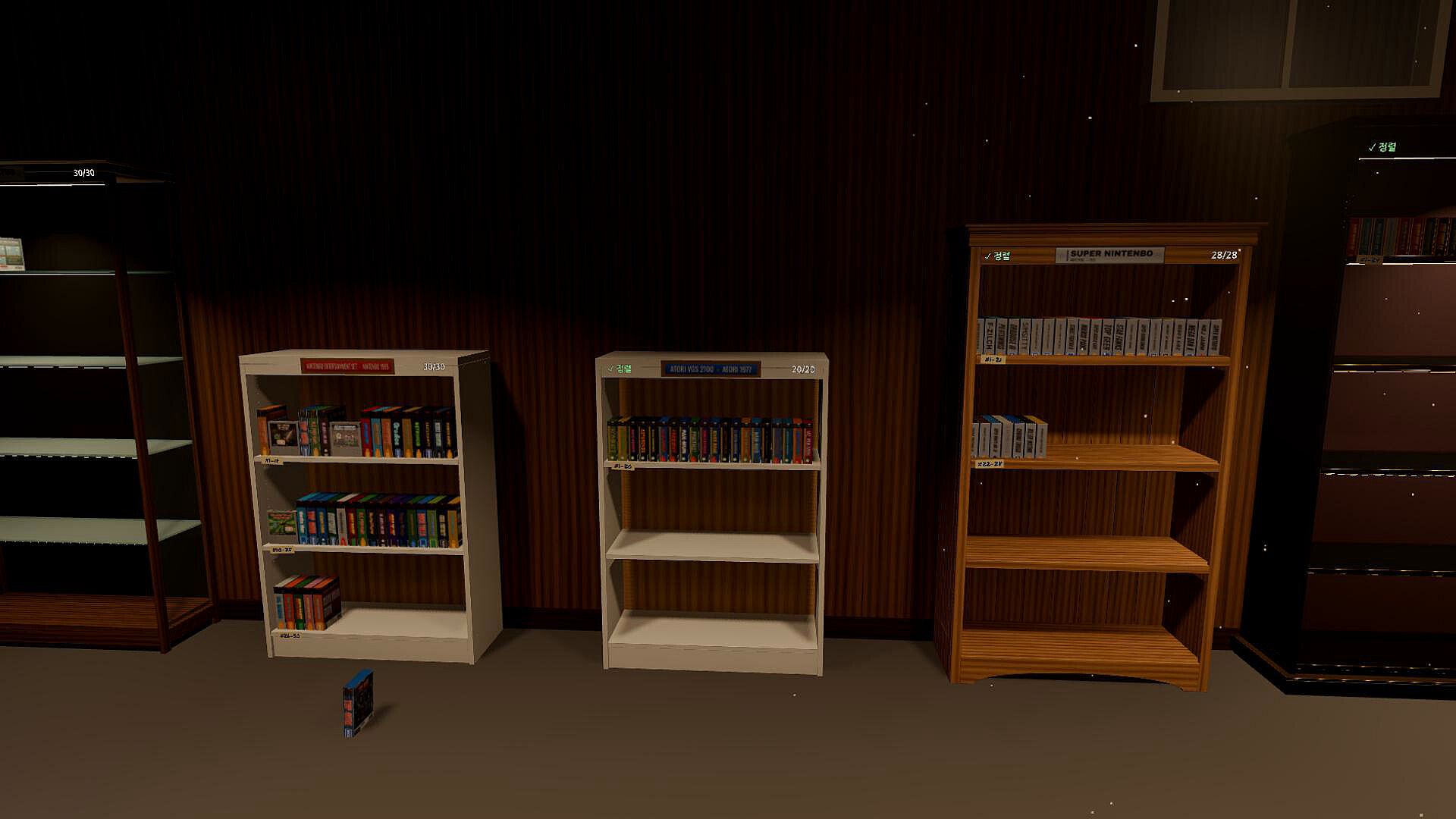
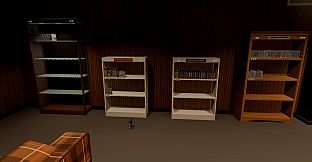
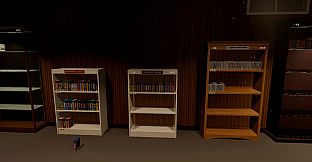
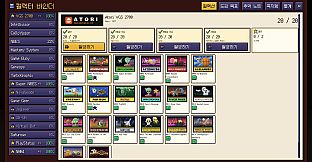
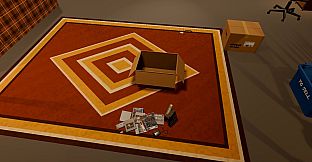
Retro Game Collector Simulator is a single-player 3D collecting and organizing simulation game in the indie, casual, and simulation genres for PC. Players step into the role of a dedicated retro game enthusiast who turns a cluttered basement into a personal archive of vintage hardware and software through careful unboxing, inspection, and arrangement.
Gameplay
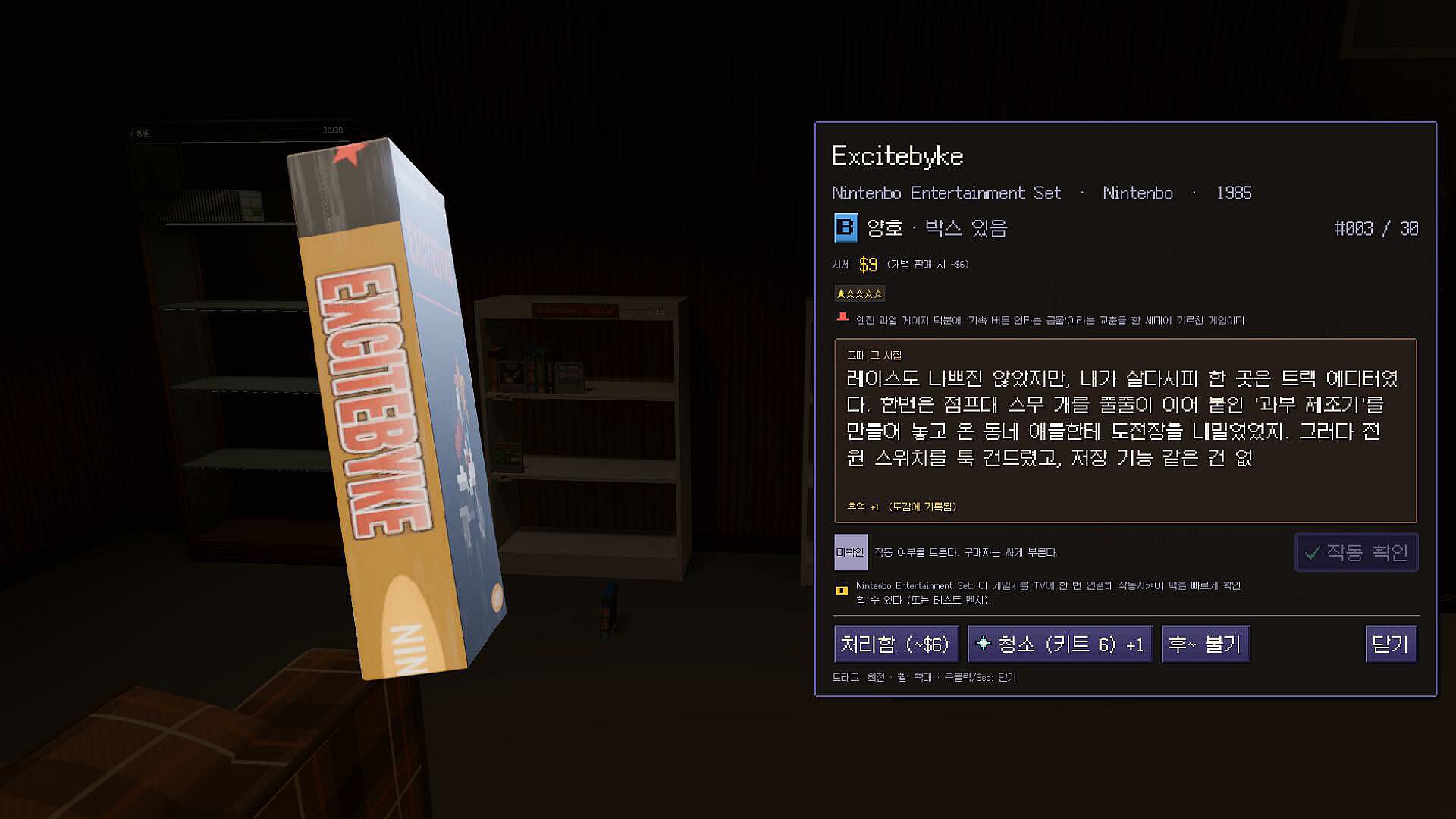
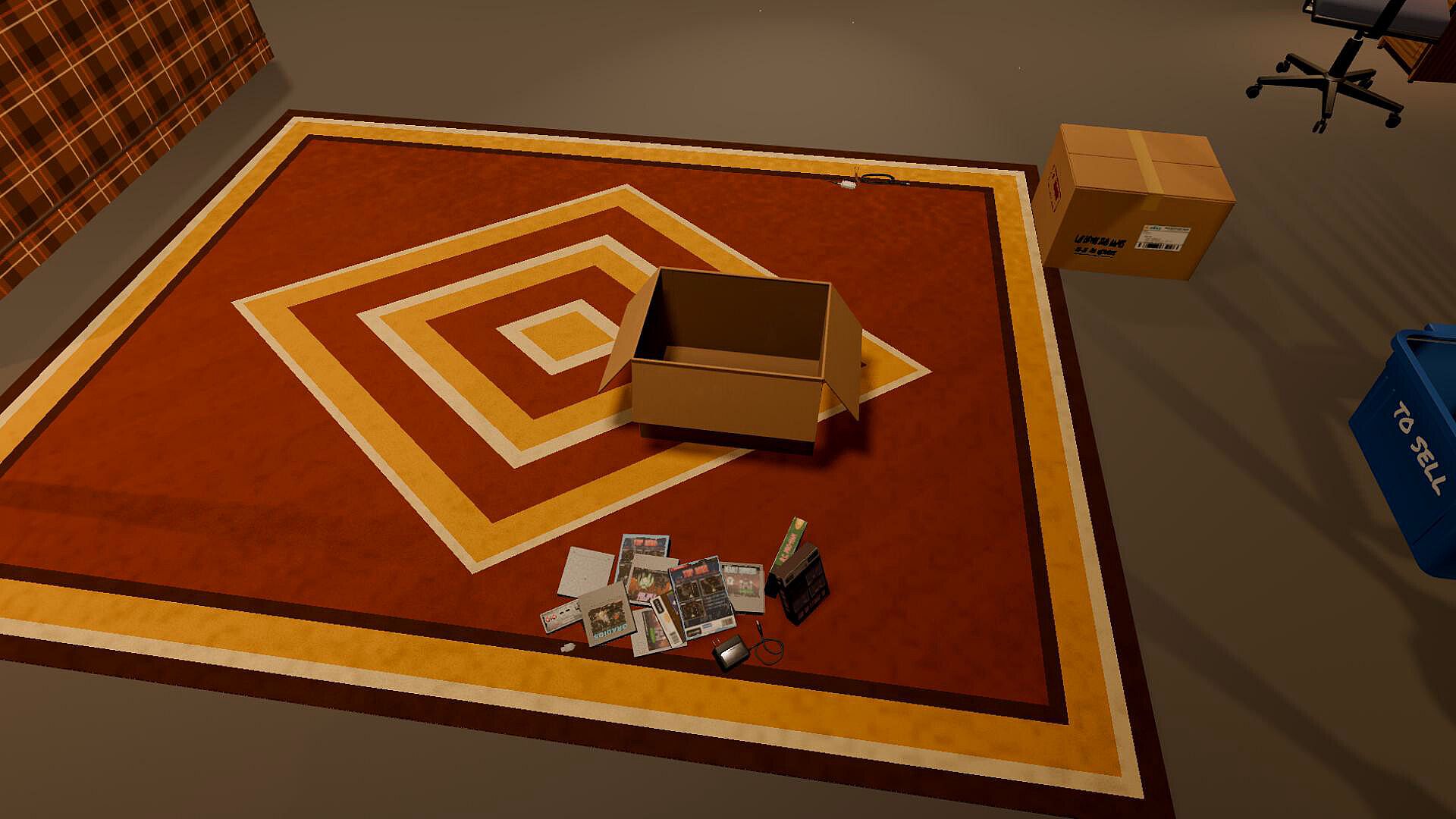
The core loop centers on acquiring mixed lots of second-hand games and transforming them into an organized display. Deliveries arrive with assorted cartridges, discs, and related items that spill across the room floor. Each piece requires individual attention: sorting by system, assigning catalog numbers, and evaluating physical condition before placement on shelves.
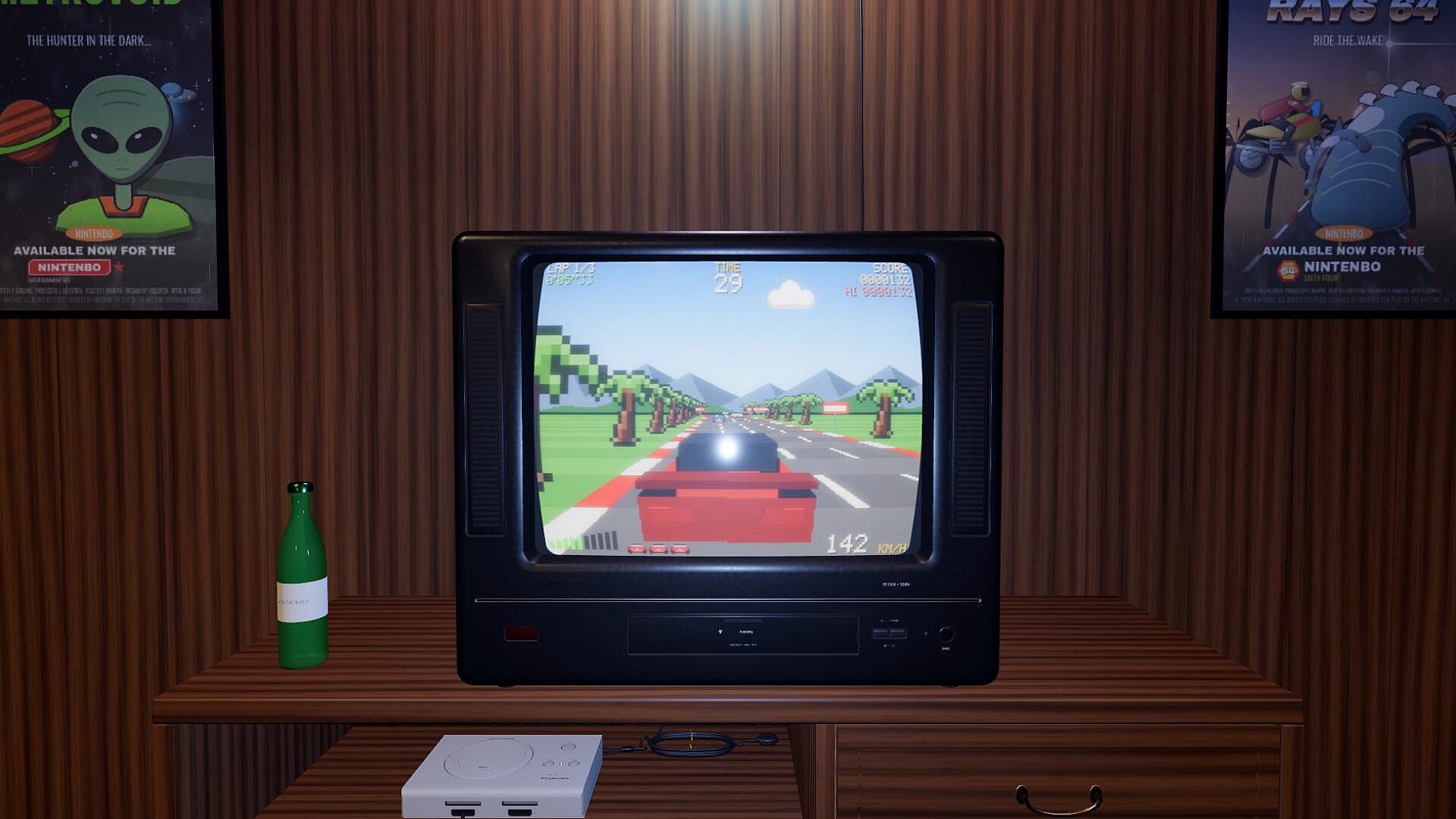
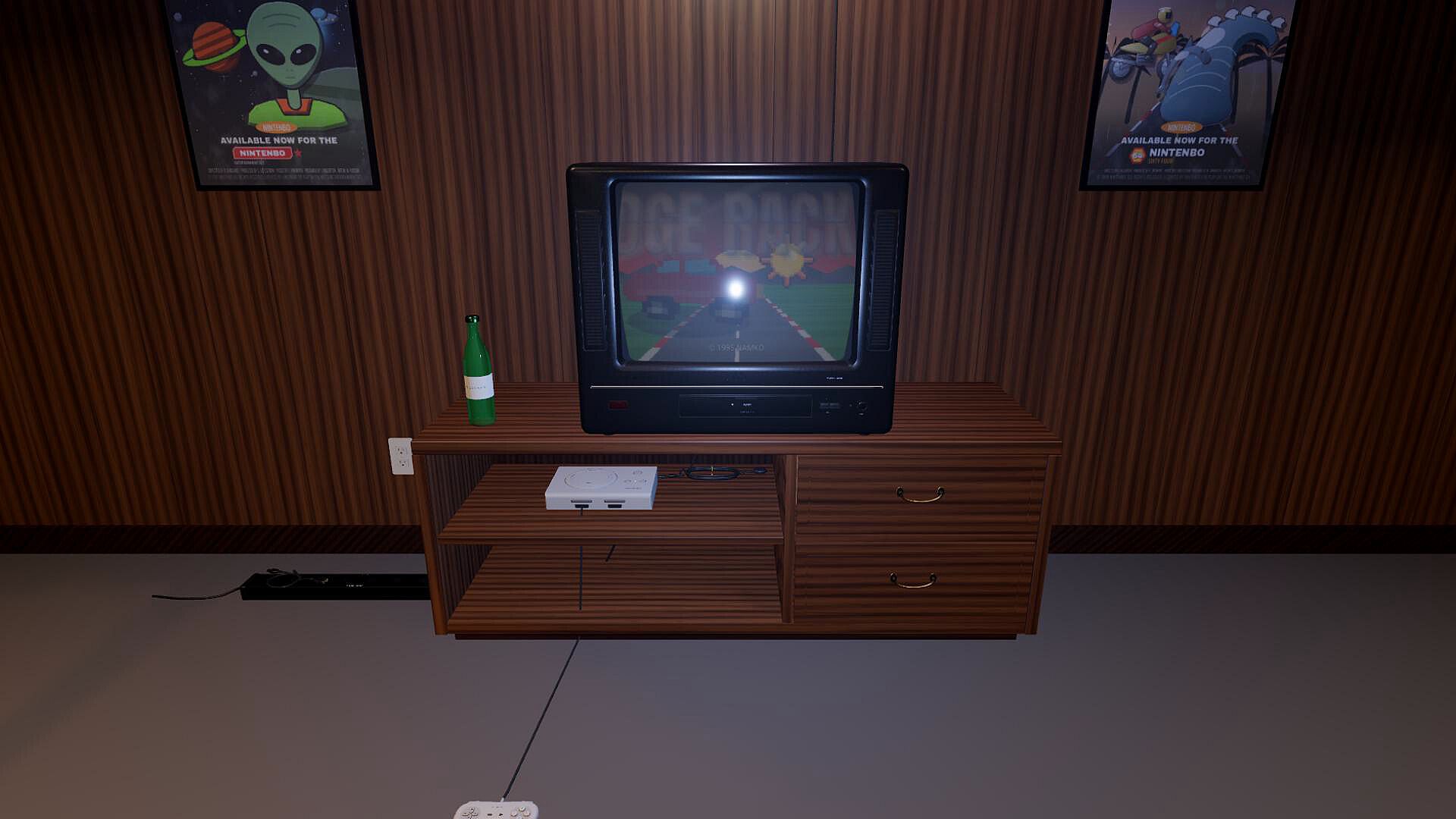
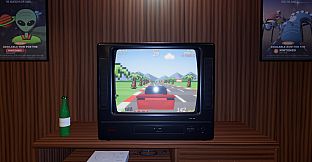
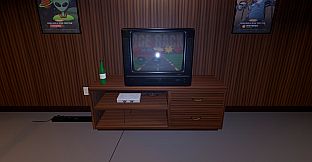
Hardware restoration forms another key layer. Players locate compatible power supplies, controllers, and video cables to revive old consoles. Matching the correct TV channel and resolving connection issues leads to successful boot-ups. Once operational, the setup allows access to built-in retro minigames displayed on an in-game CRT monitor.
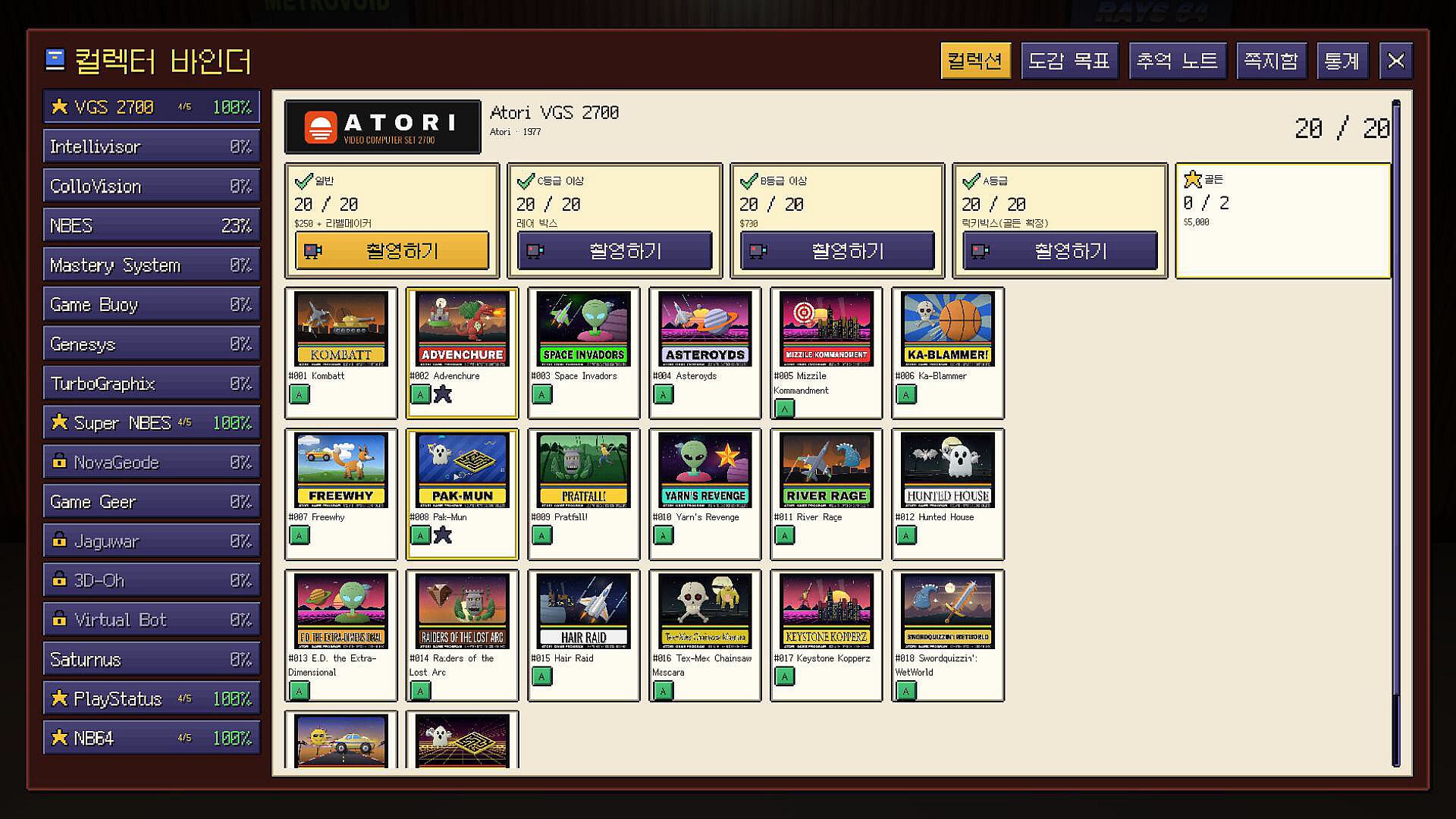
Progression involves managing space and resources. Duplicates and less desirable items can be sold or placed in auctions to generate funds. Earnings support purchases of additional games, upgraded shelving, newer display televisions, and extra consoles. Collector memories and traces of prior ownership appear in notes and binder entries, adding narrative texture to each find without altering the hands-on mechanics.
Game Modes
The experience operates entirely in a single-player format focused on personal collection building. No competitive or cooperative modes exist. Instead, the simulation emphasizes steady, methodical play through repeated cycles of acquisition, inspection, organization, and hardware troubleshooting. Players advance at their own pace by expanding the basement setup and refining their catalog over time.
Collecting and Organization Systems
Three hundred collectible games span seventeen fictional retro systems that cover the cartridge era through the early disc period. Systems vary in appearance and connection requirements, encouraging experimentation with different hardware pairings. Condition checks influence how items fit into the overall display, while the binder tracks ownership stories and completion progress.
Room upgrades directly impact efficiency. Larger shelves accommodate more items, better televisions improve visibility during play sessions, and additional consoles expand the range of testable hardware. Auctions provide a way to offload excess inventory while funding targeted acquisitions.
Is It Worth Playing?
Retro Game Collector Simulator suits players who enjoy deliberate, low-pressure simulation gameplay centered on curation and restoration. The hands-on unboxing, sorting, and connection processes deliver consistent satisfaction for those drawn to organizing tasks and nostalgic themes. Single-player structure keeps the focus on personal achievement rather than external competition.
Those seeking relaxing sessions of discovery and incremental improvement will find the mechanics align closely with the described loop. Availability on PC supports straightforward access without additional platform requirements. The game rewards patience with visible growth in the collection and functional setups rather than high-stakes challenges.