




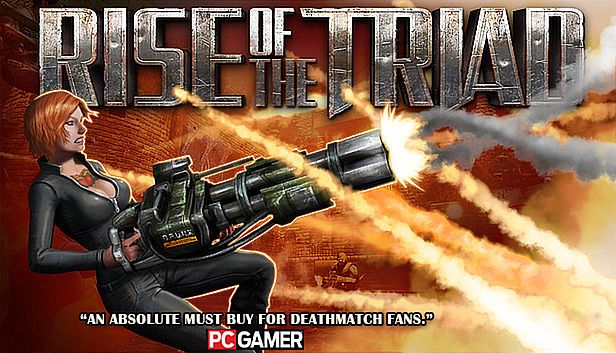











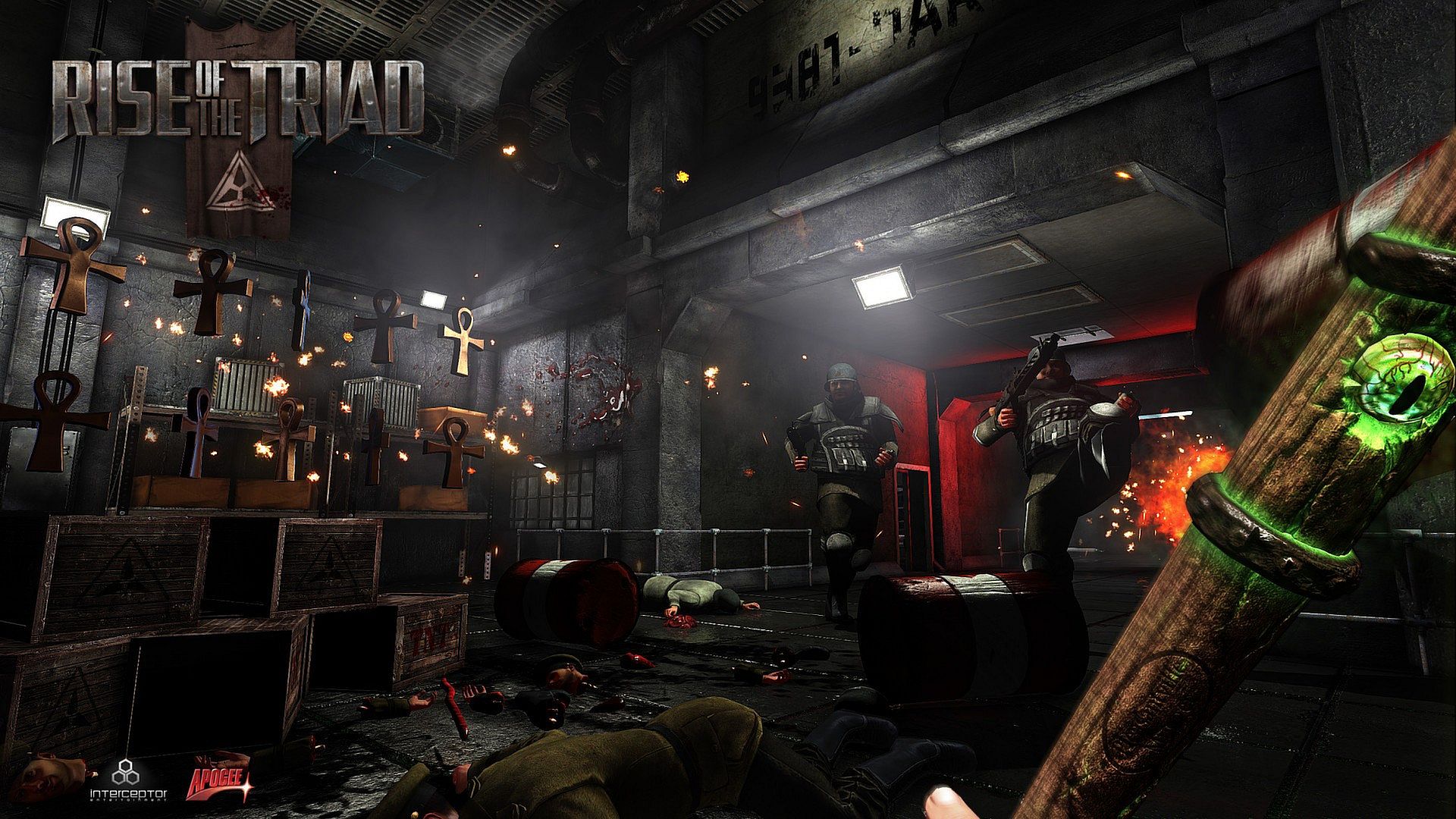
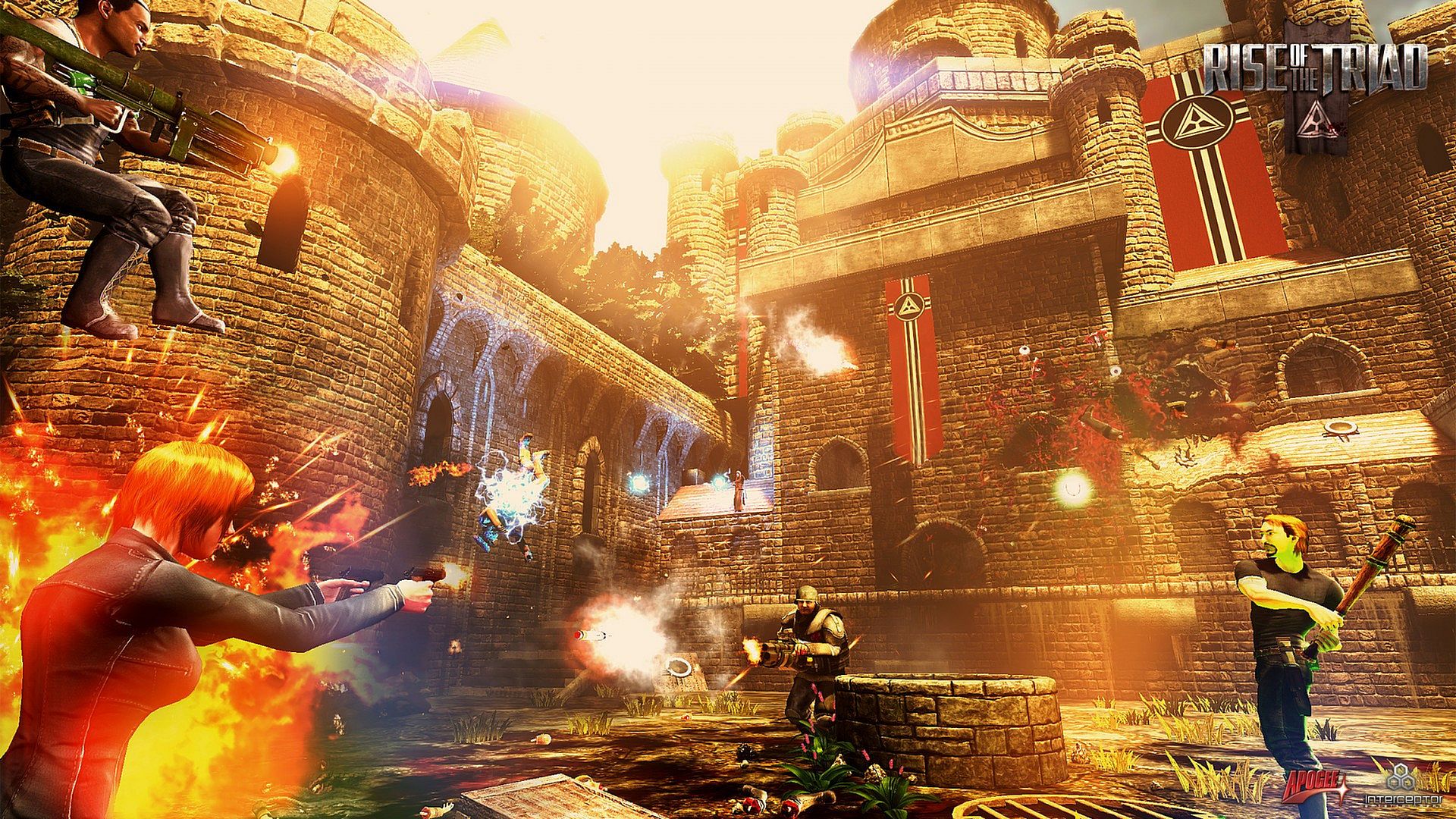
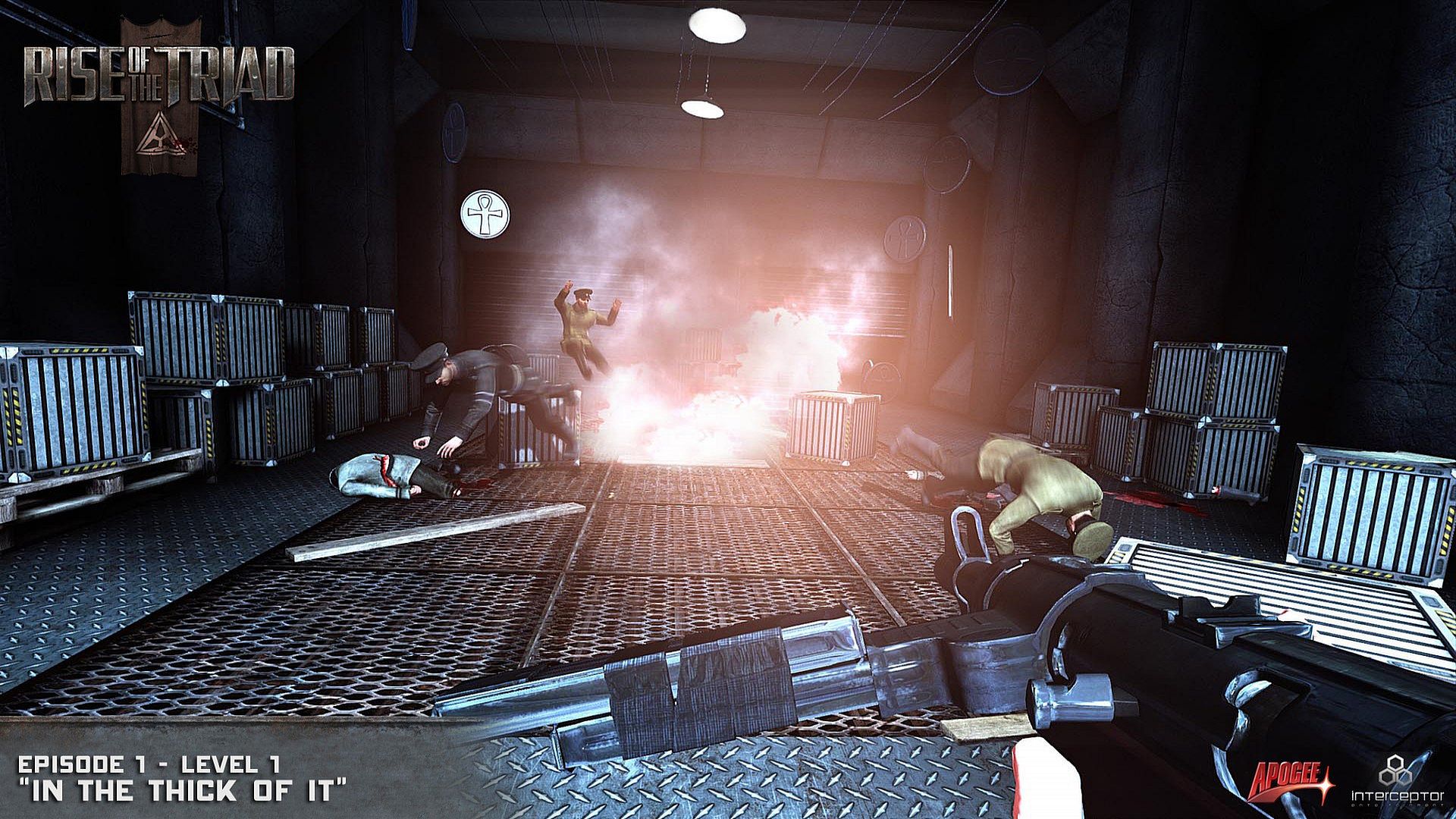
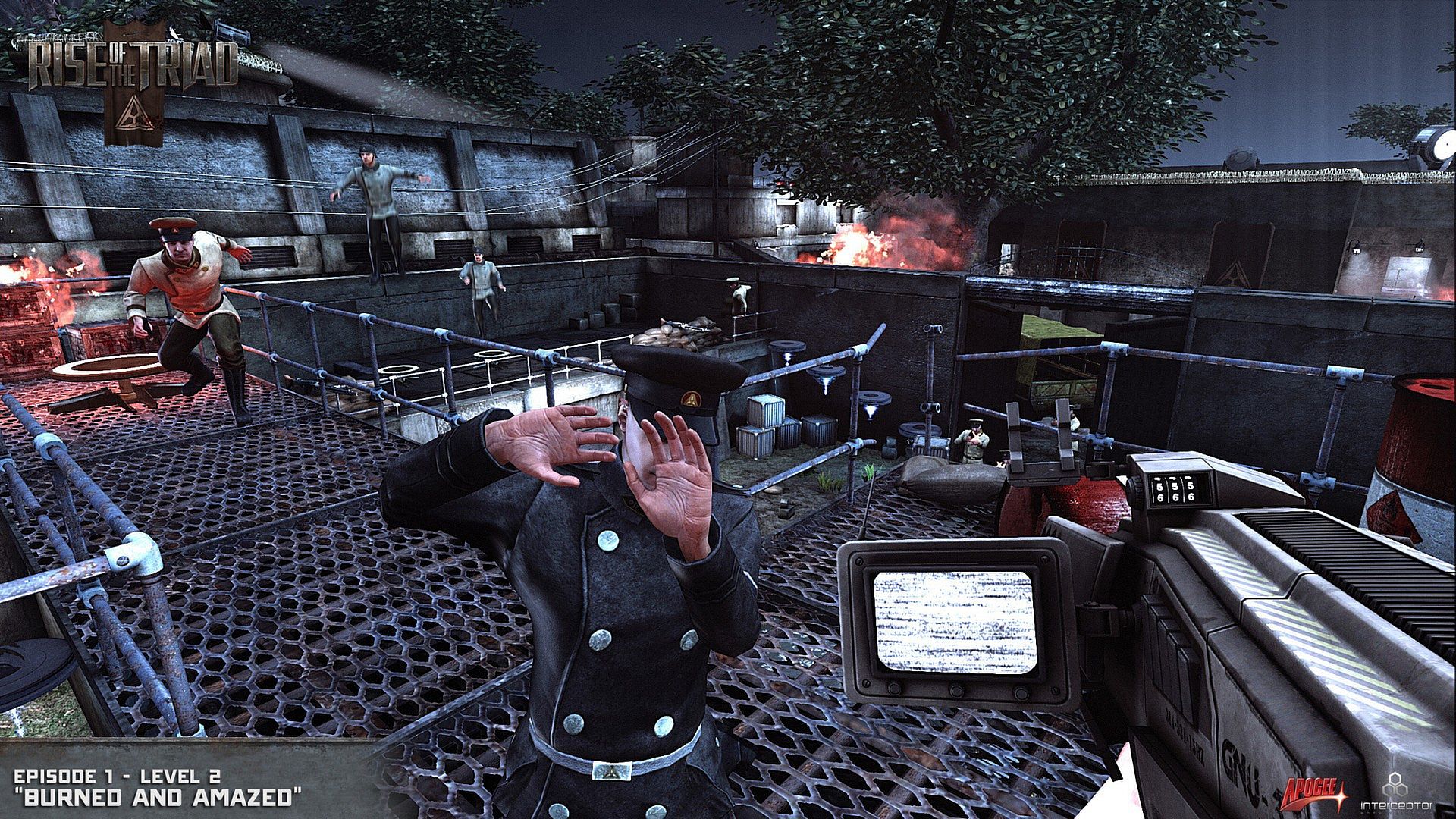
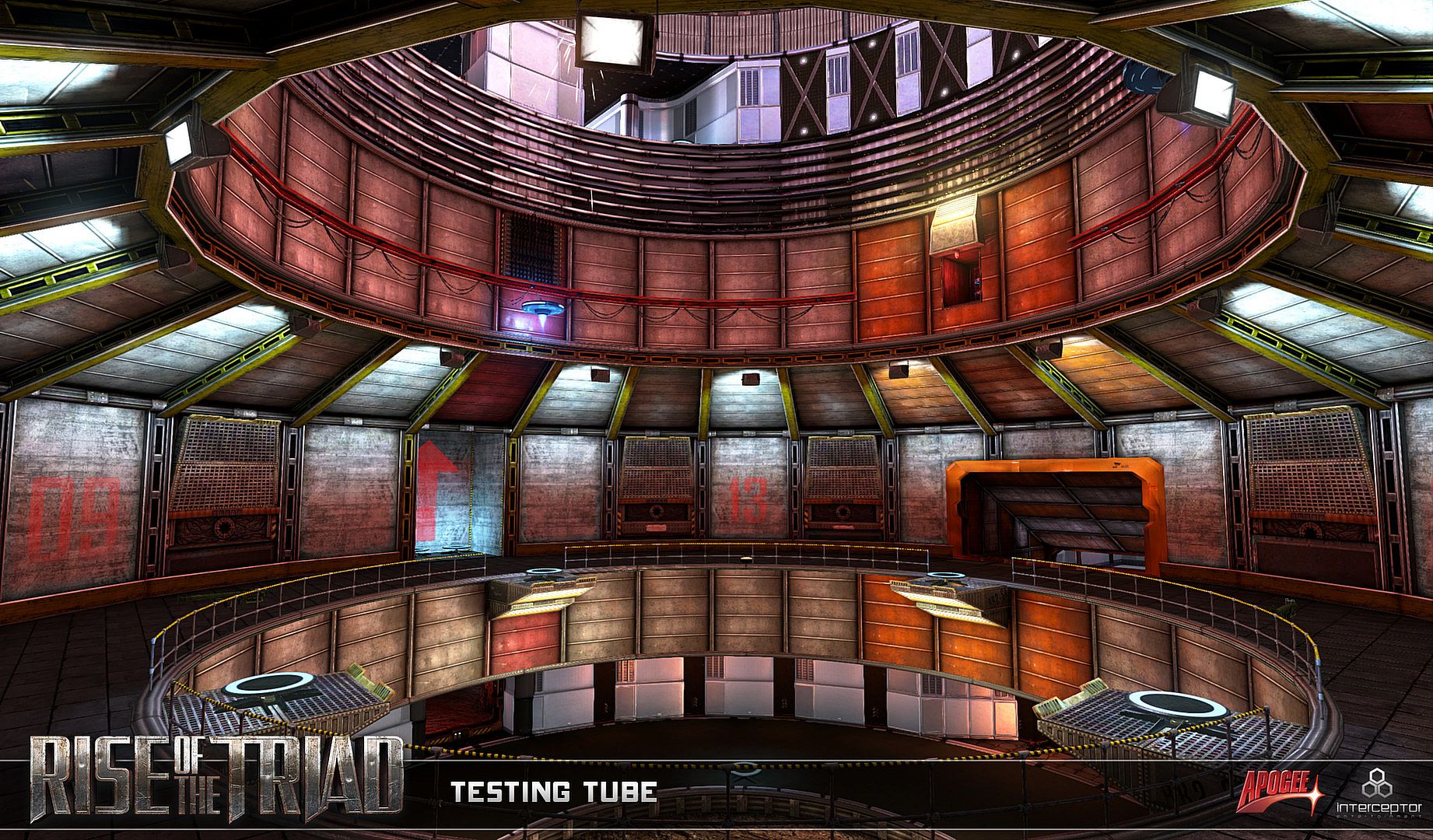
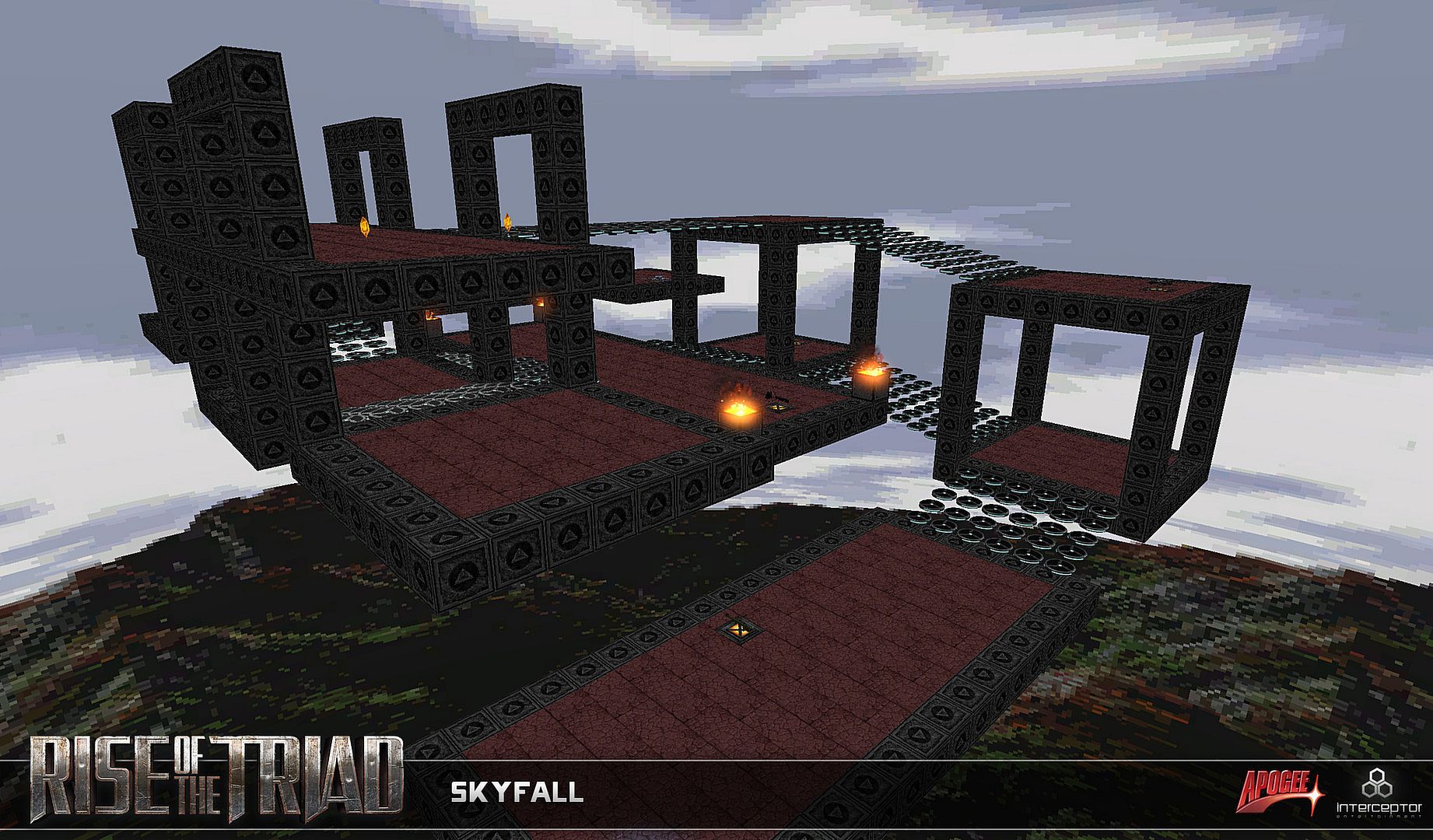
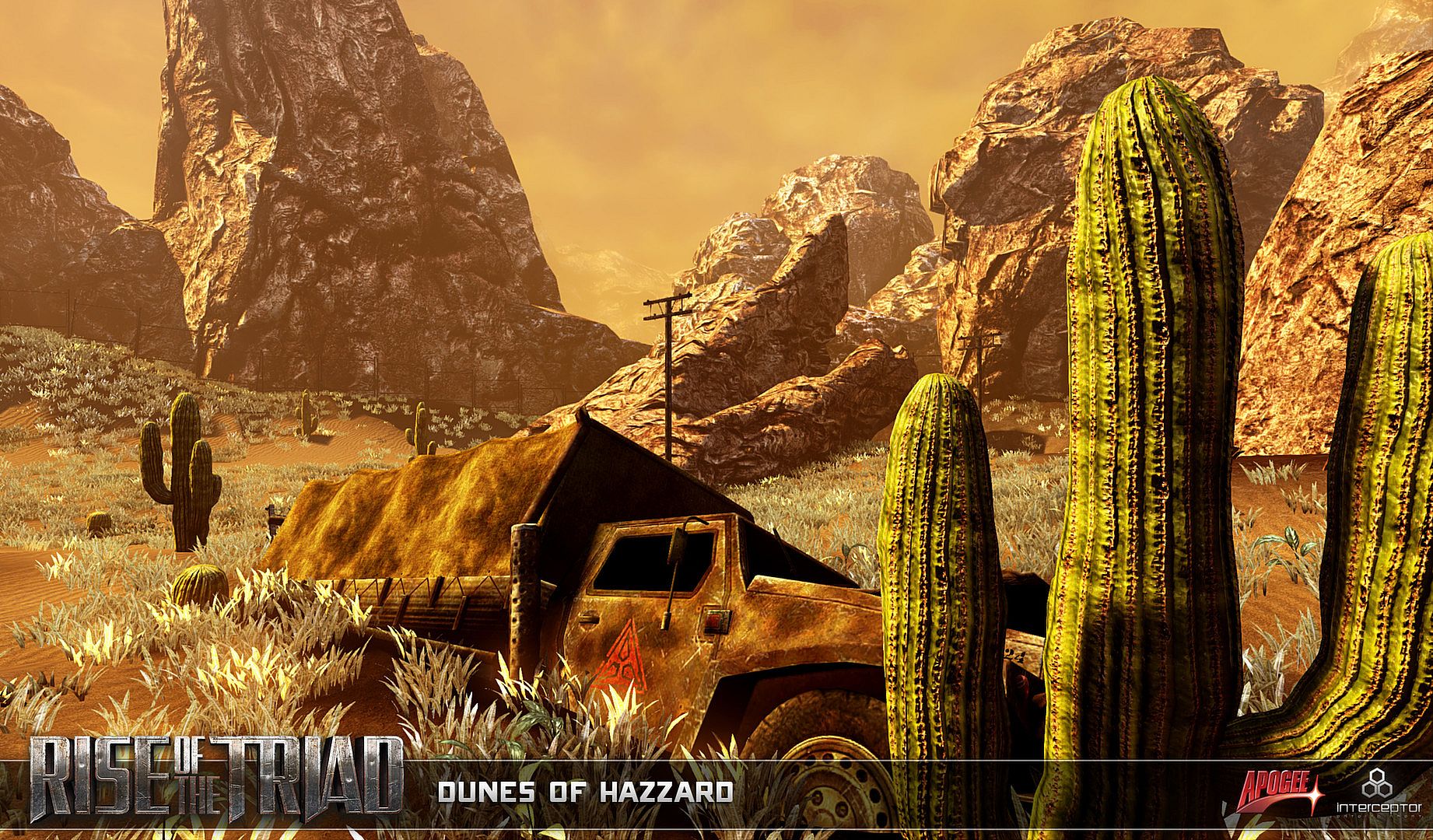
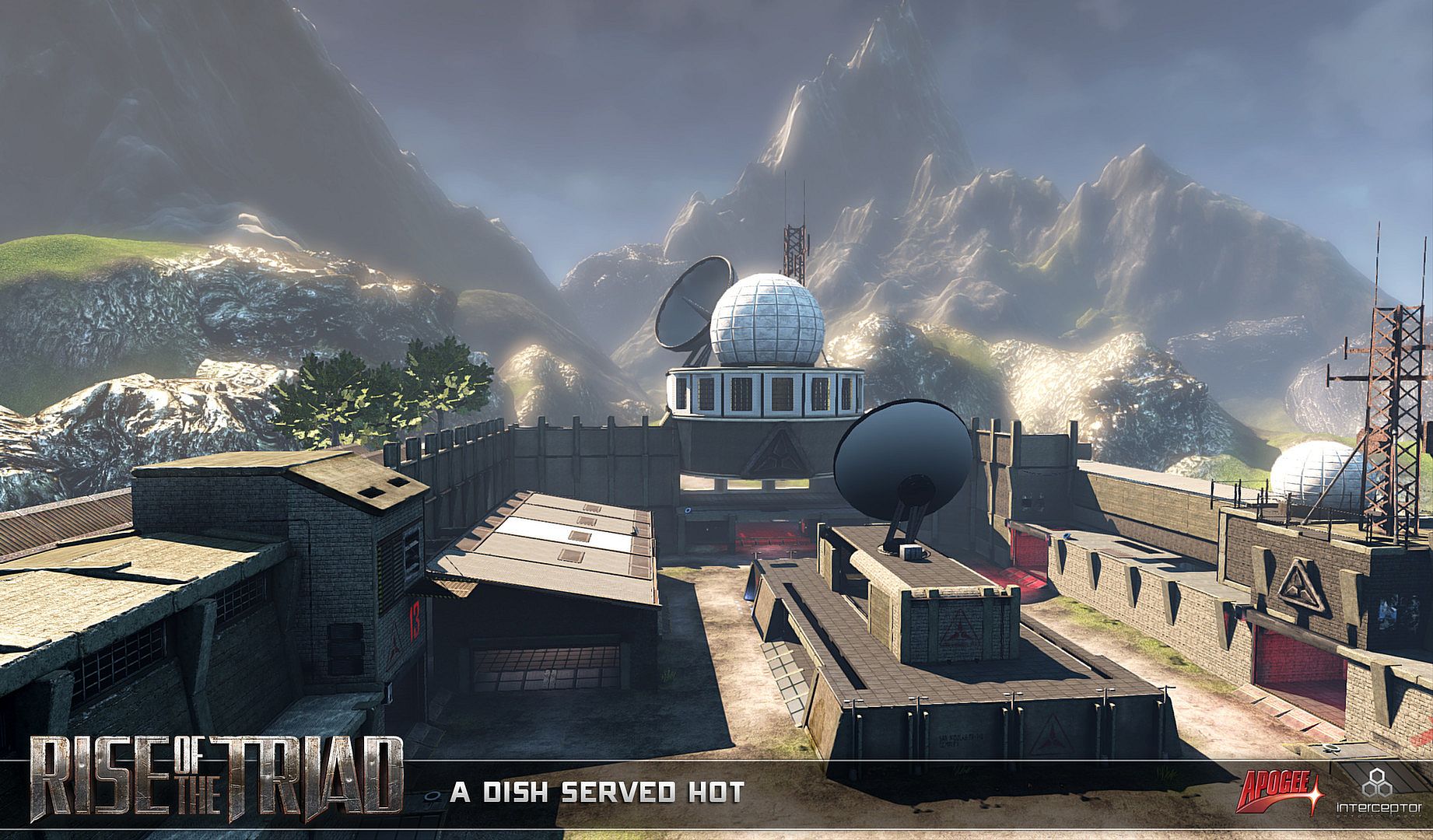
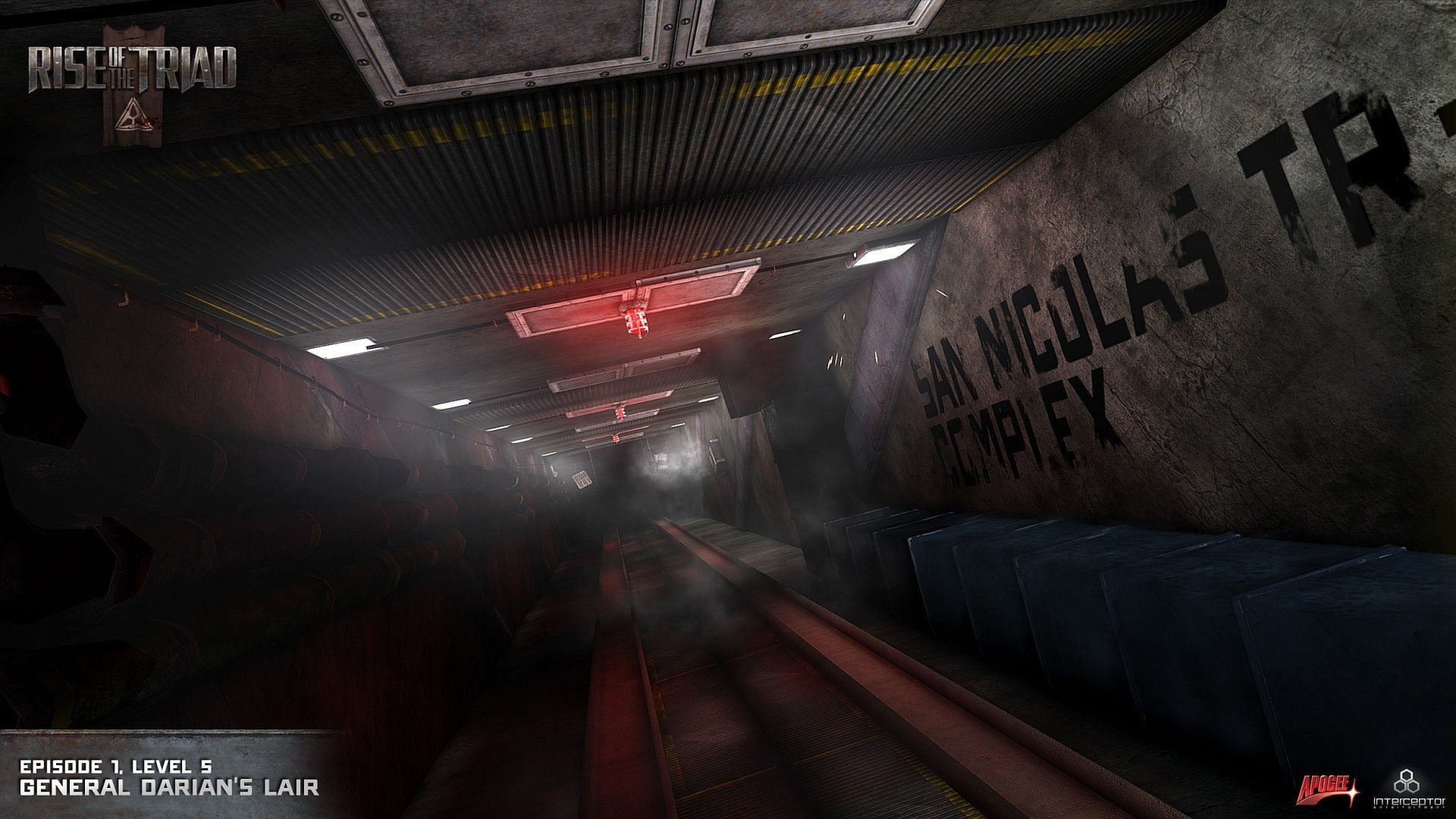
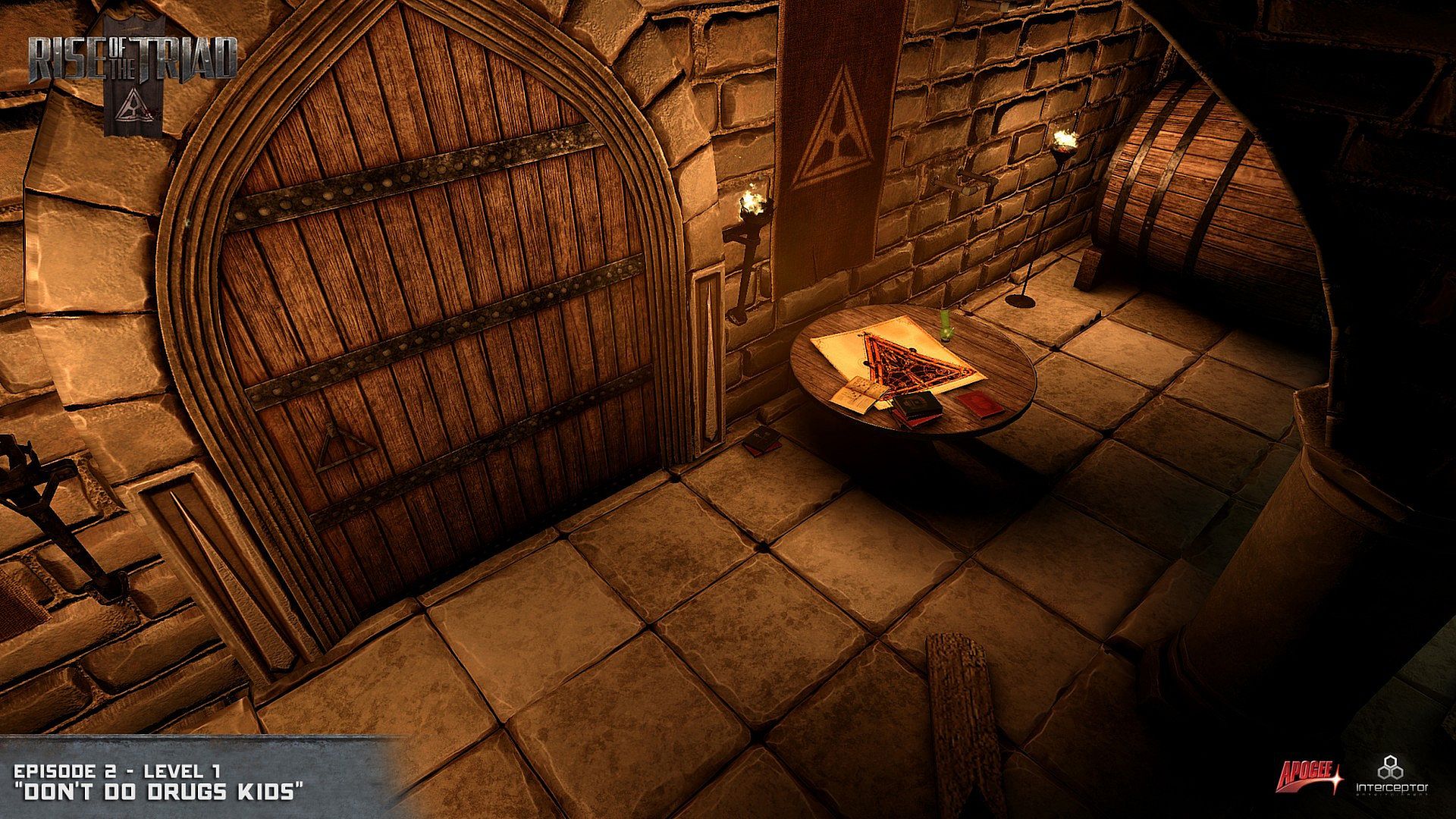
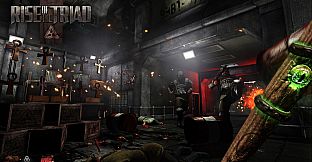
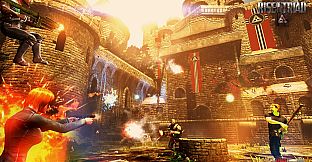
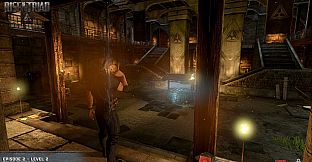
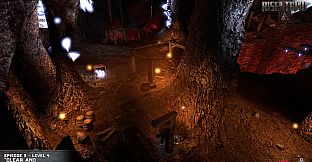
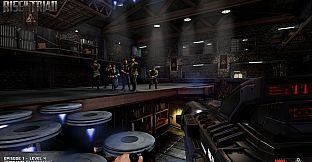
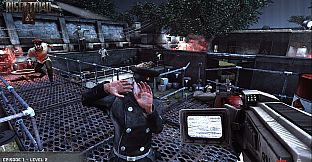
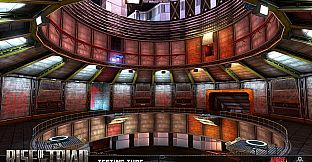
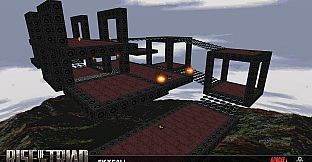
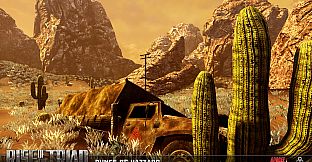
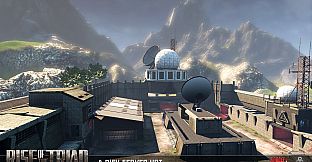
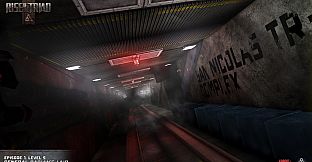
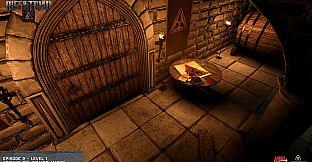
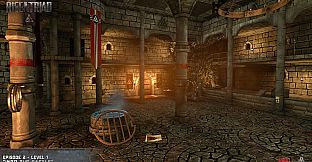
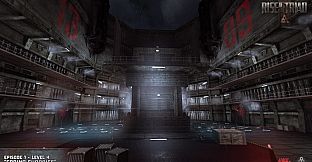
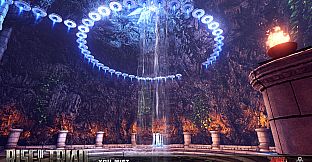
Rise of the Triad is a first-person shooter released in 2013 that revives the core loop of the 1994 original with updated visuals and expanded features. Players control members of the H.U.N.T. task force in fast-paced combat against cultist enemies across linear yet secret-filled environments.
Gameplay
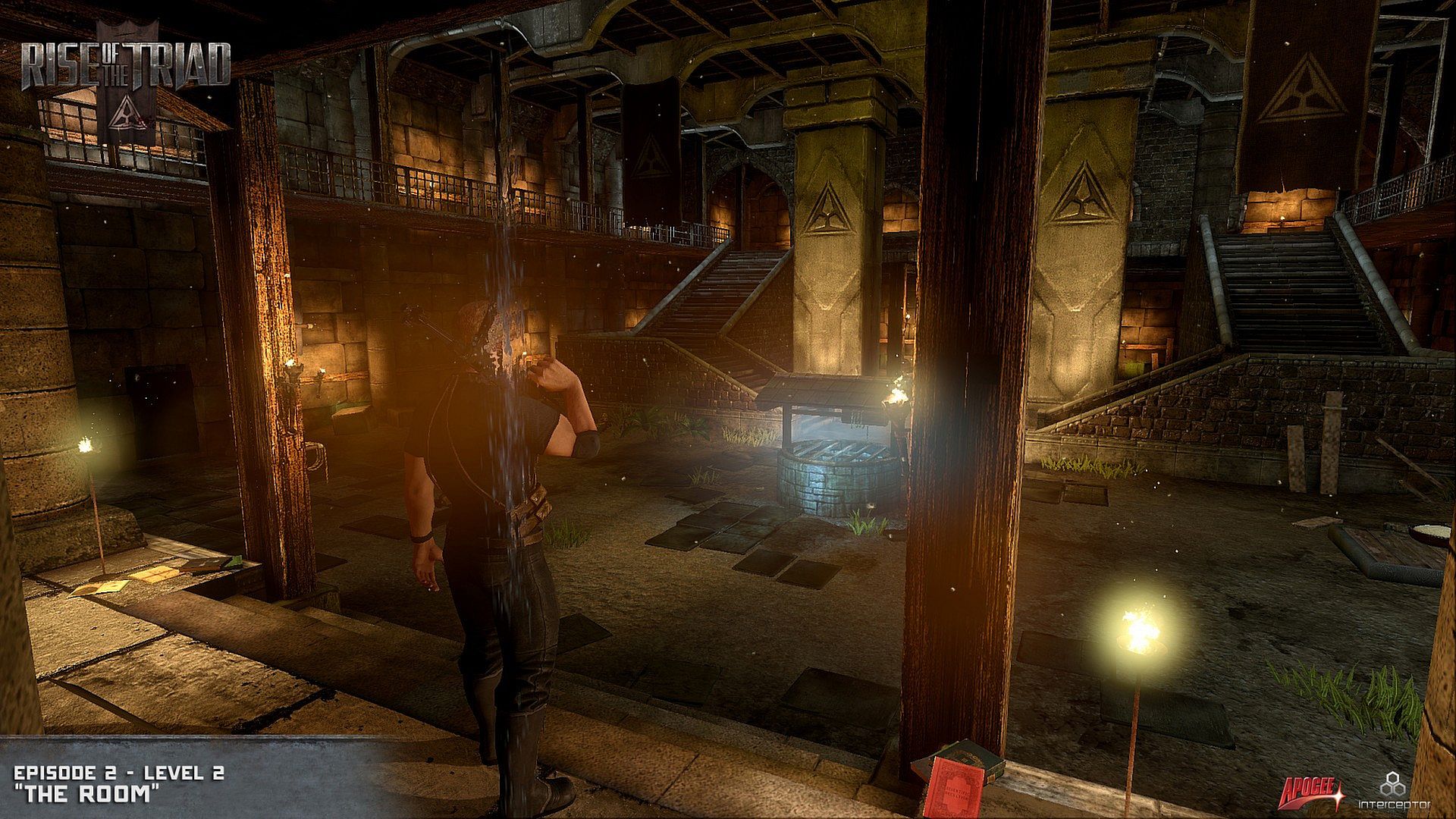
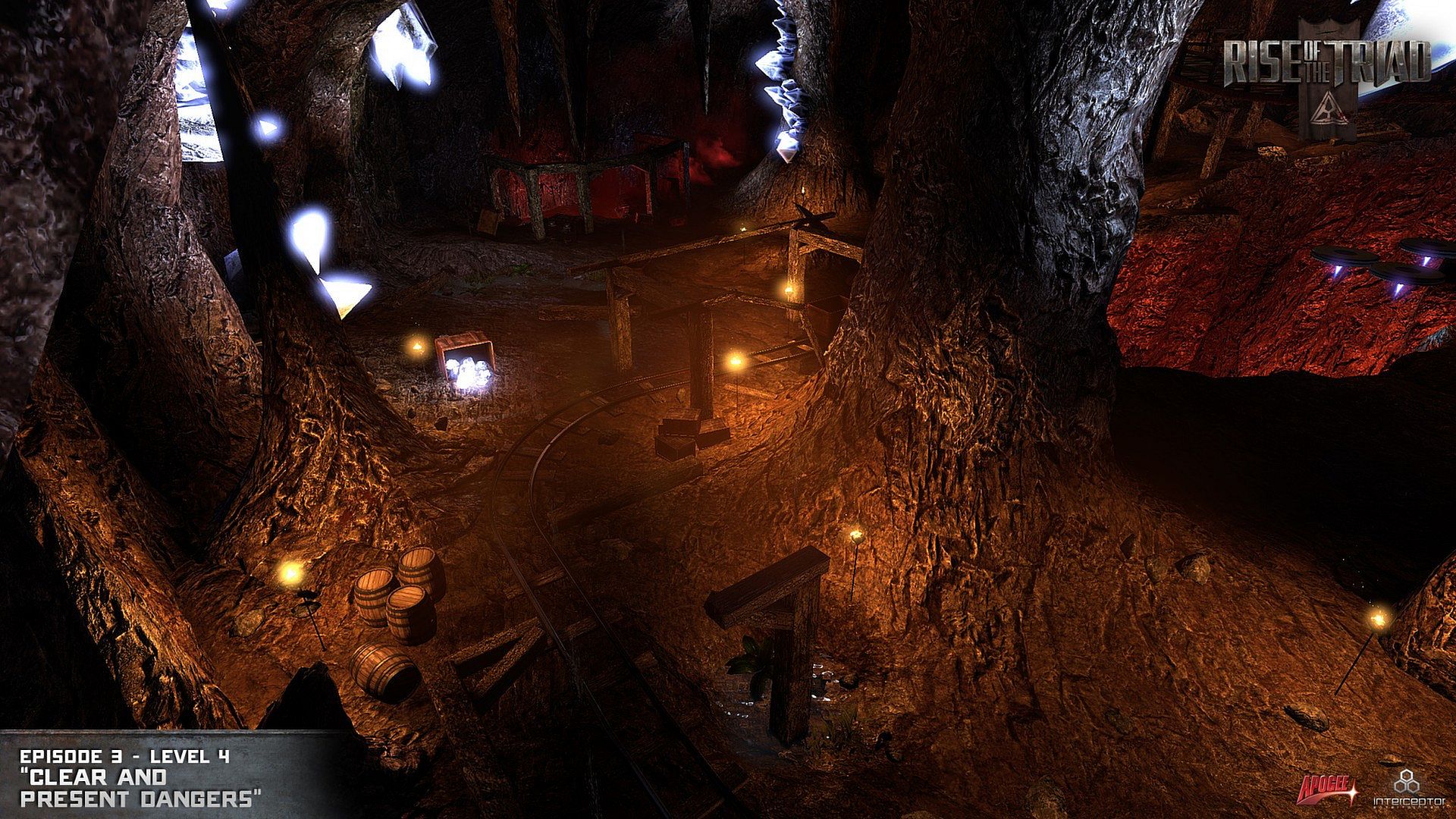
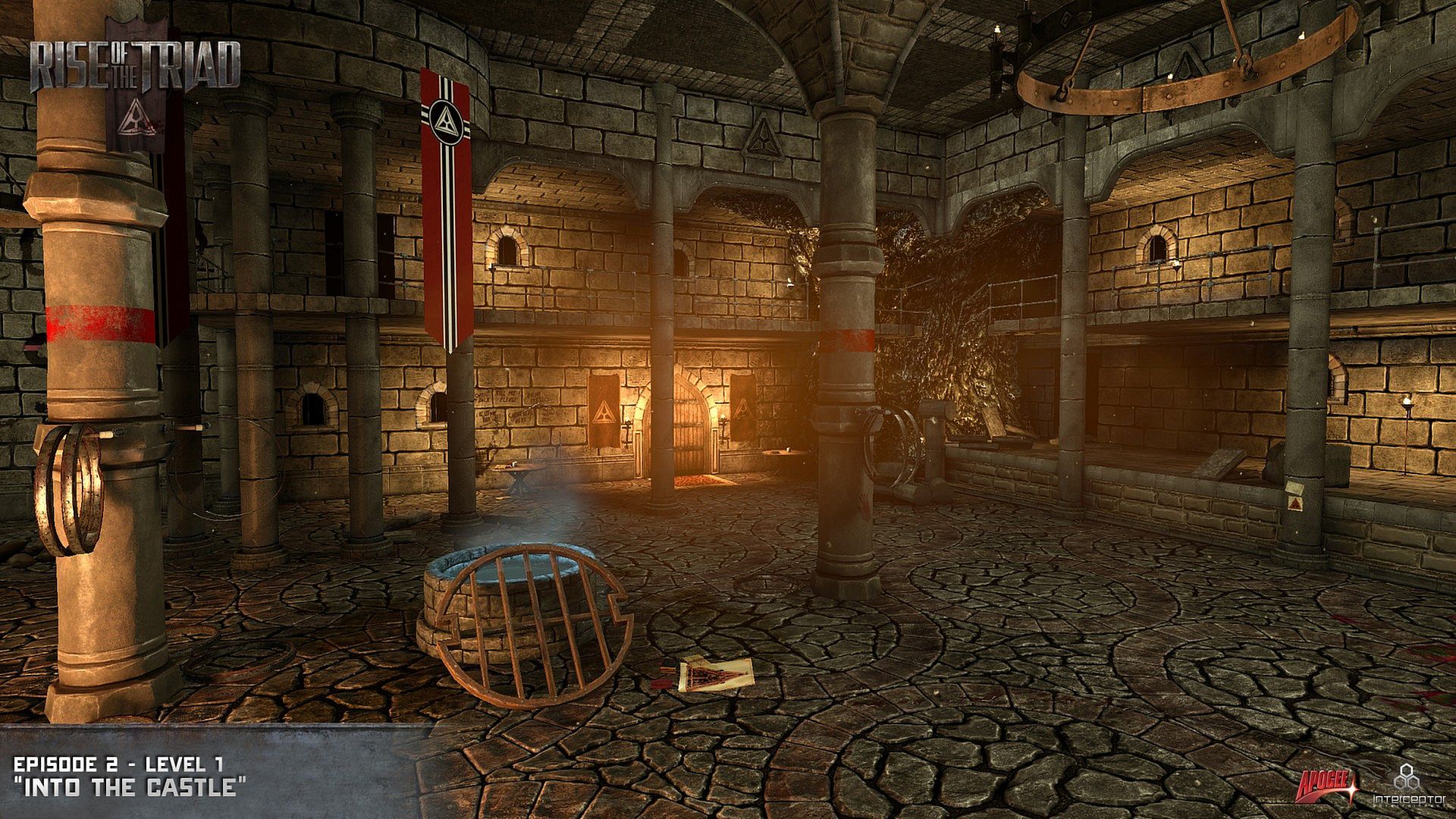
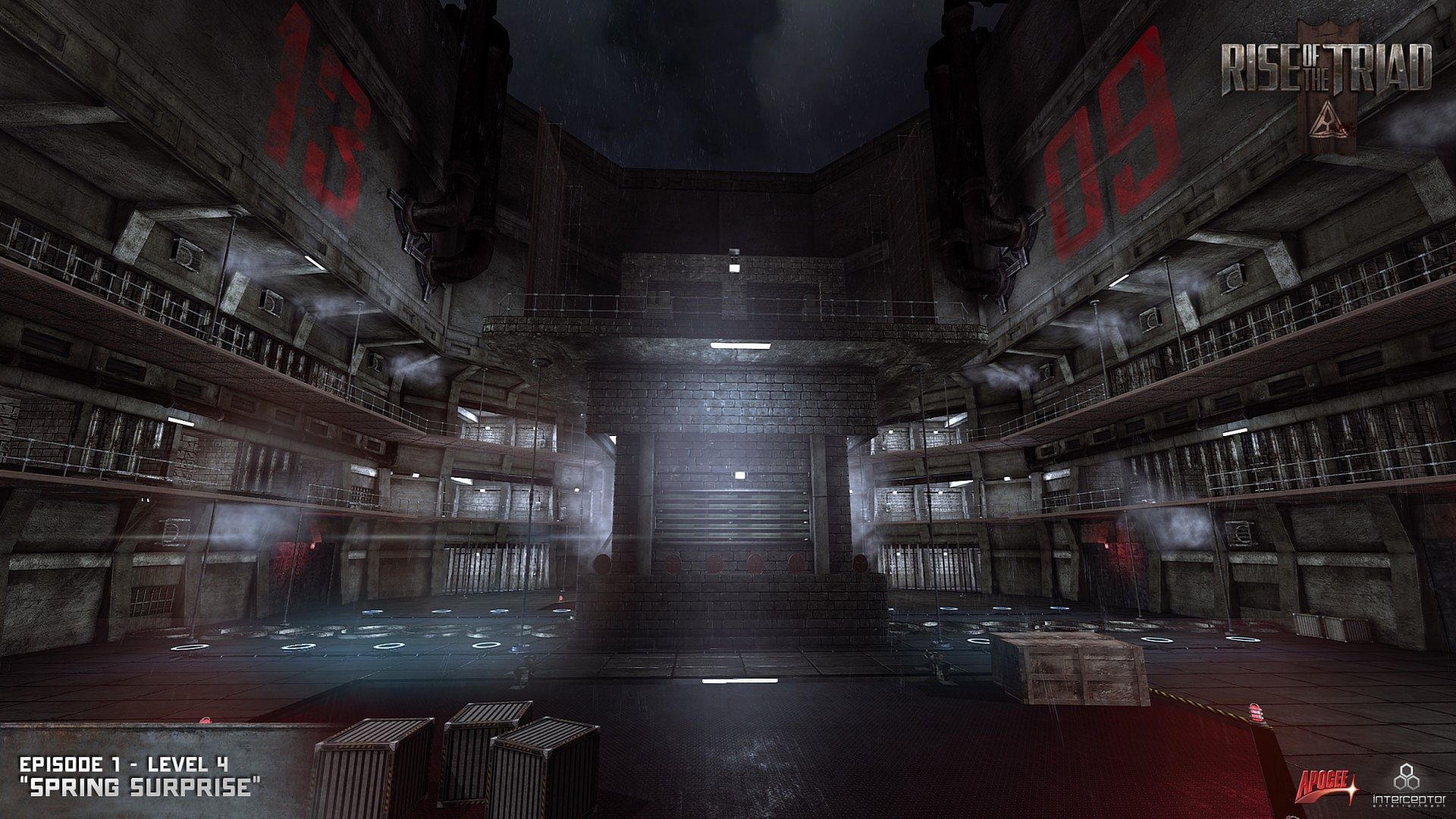
The core loop centers on movement and weapon selection in first-person perspective. Five distinct characters offer varied starting attributes such as speed and endurance, which influence how each handles encounters. Progression involves clearing rooms of enemies while locating hidden areas, collectibles, and special events that reward exploration.
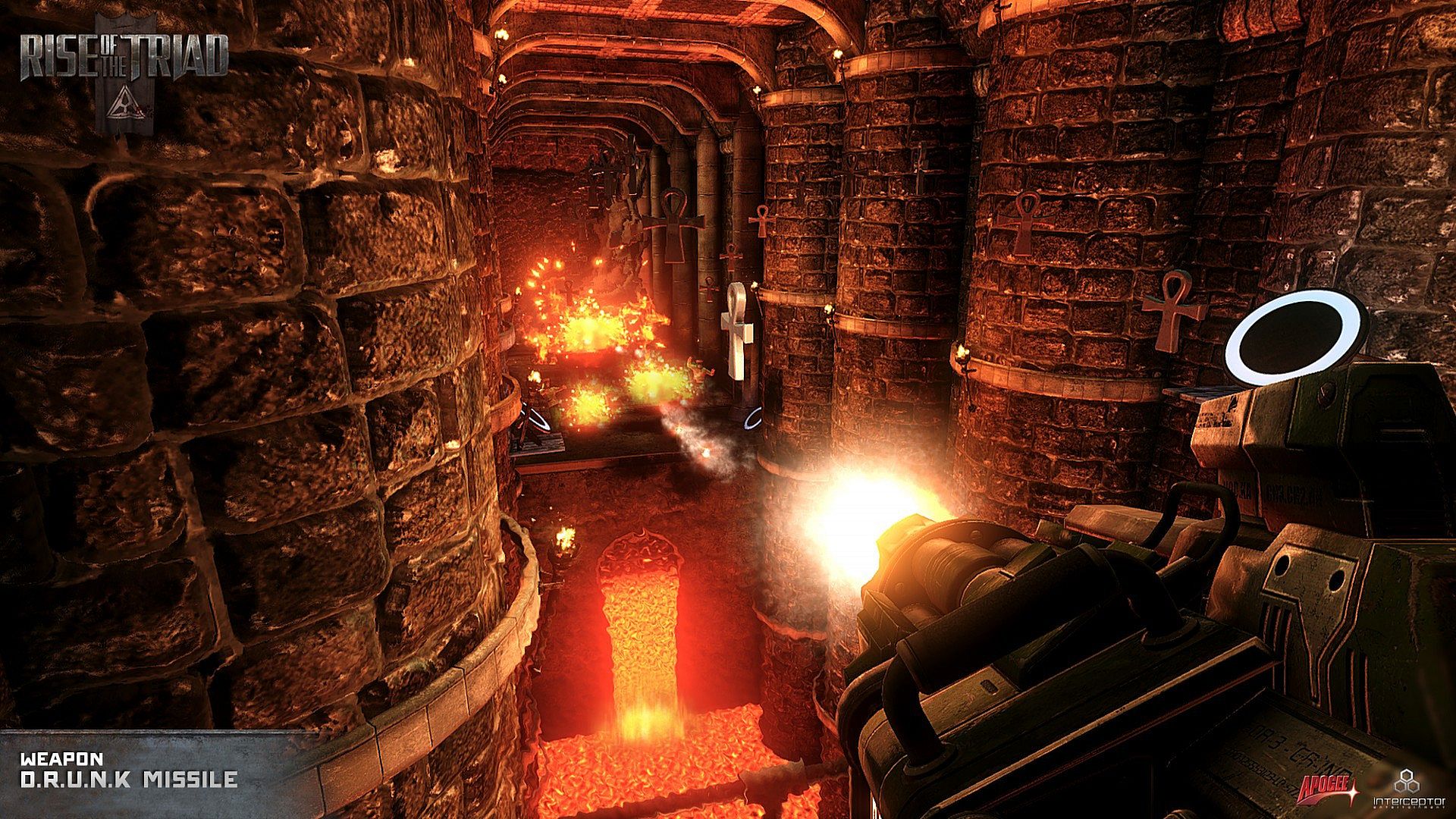
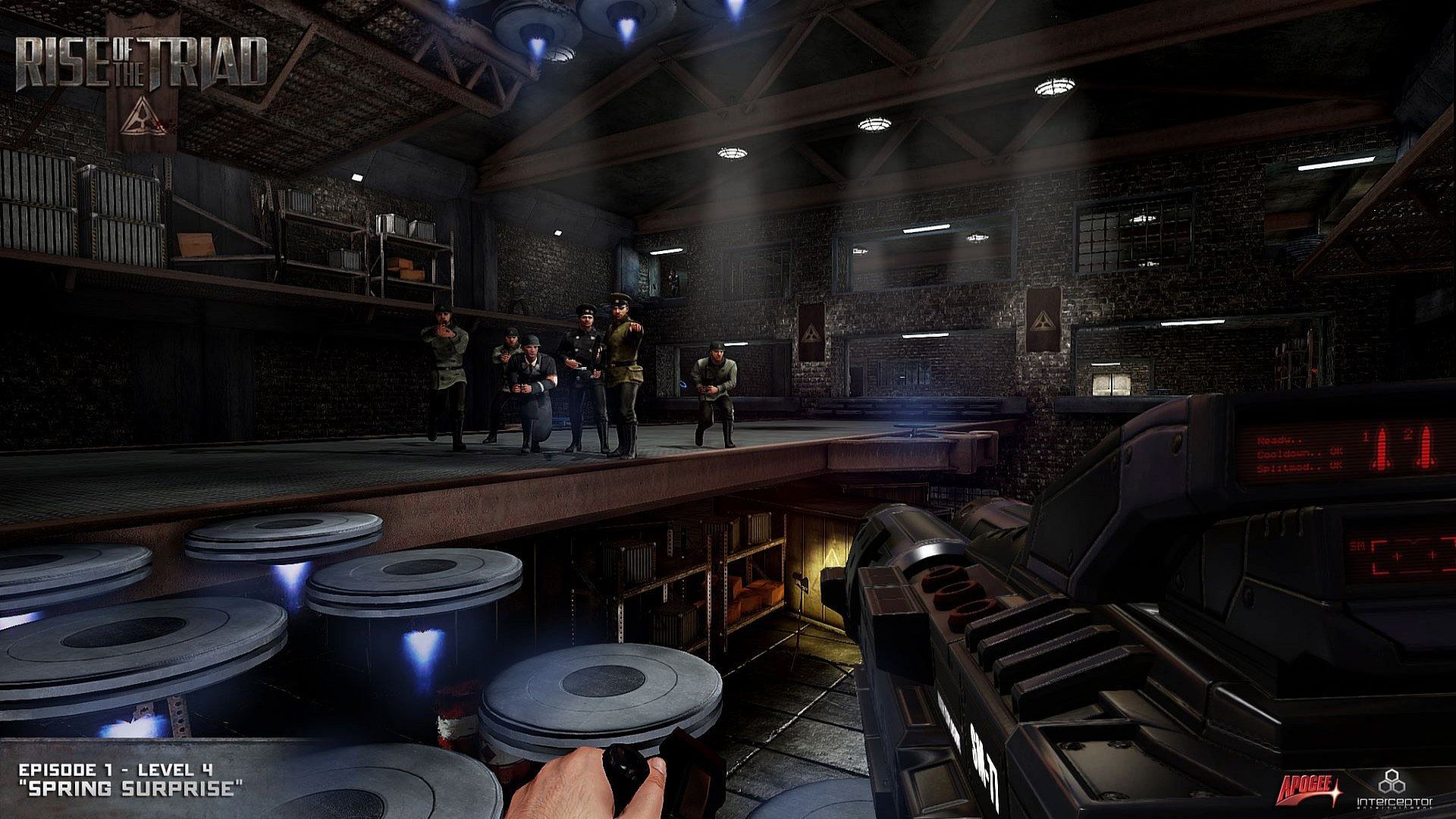
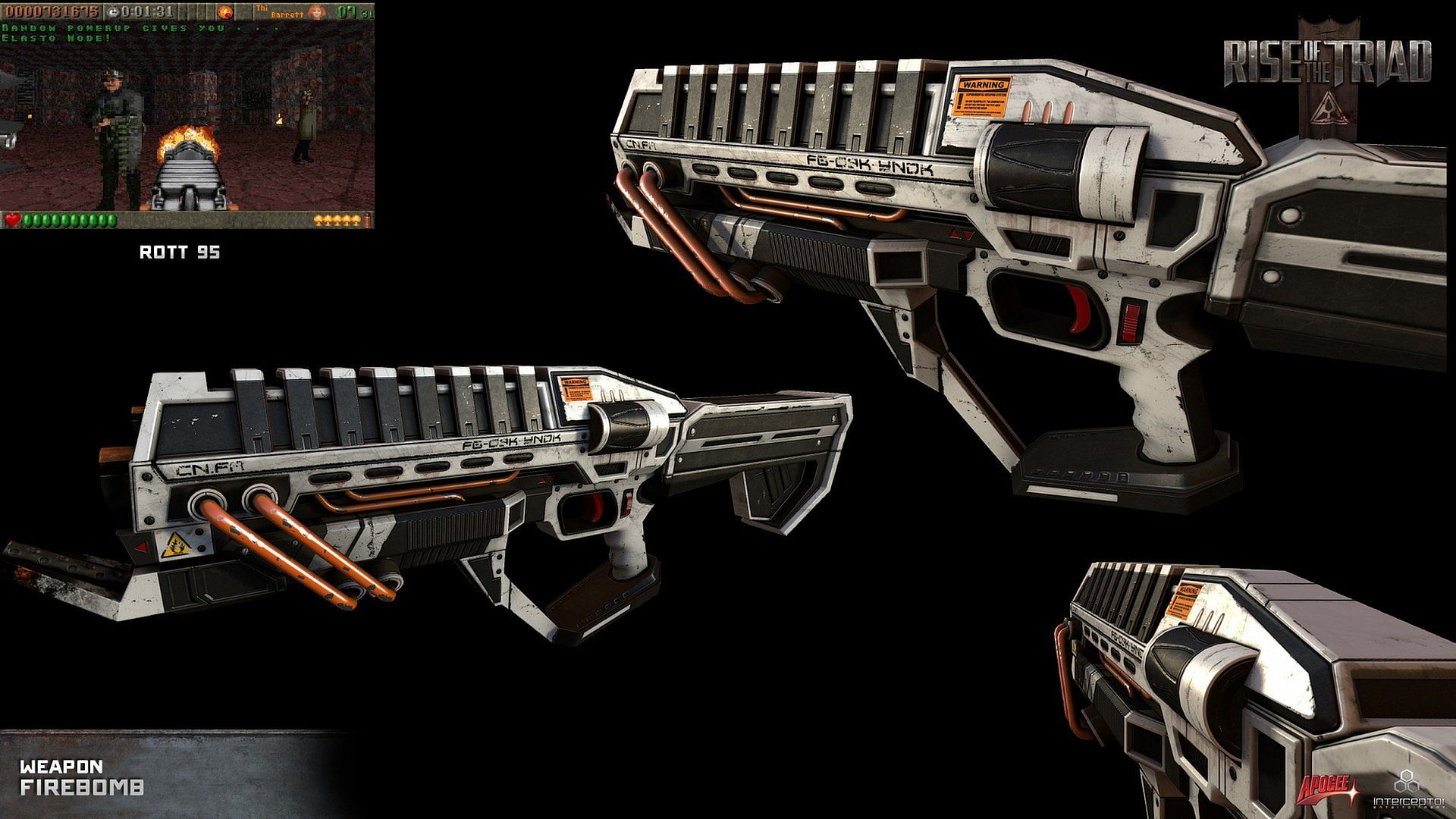
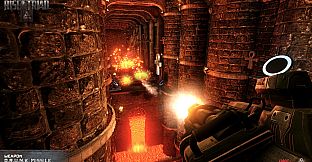
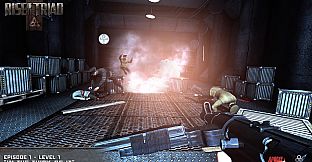
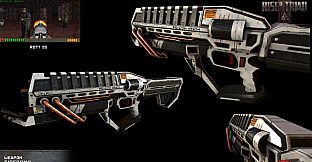
Combat emphasizes direct confrontation with a wide arsenal. Weapons include the Flamewall for area denial, Firebomb for explosive effects, Split Missile for multiple projectiles, Drunk Missile for erratic trajectories, and the melee-focused Excalibat. Power-ups trigger temporary states that alter movement and abilities during fights.
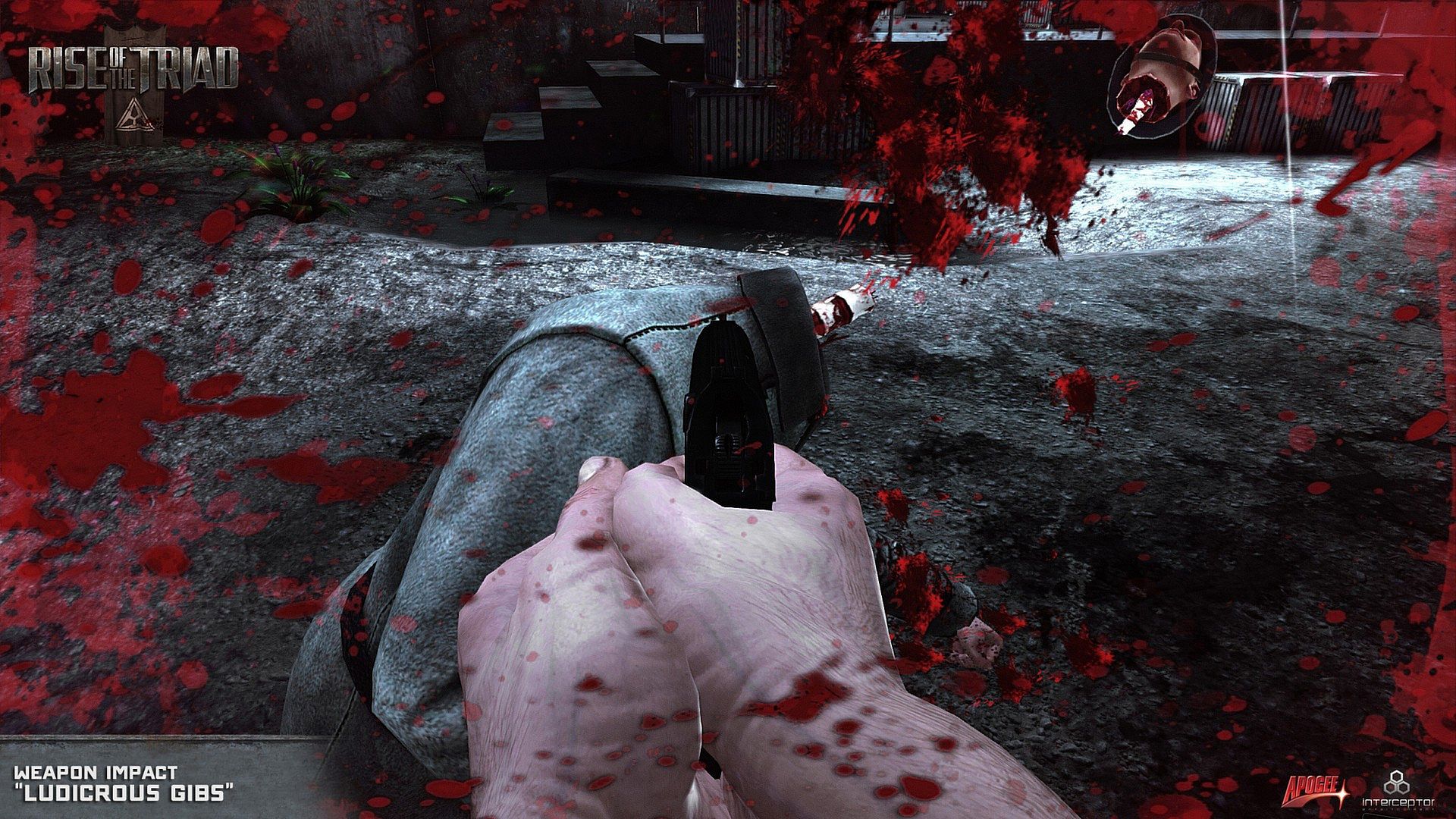
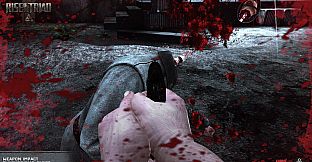
Levels feature platforming elements alongside shooting, requiring precise jumps and positioning amid enemy fire. Full dismemberment on both player and foes adds visual feedback to hits, and the experience supports extensive modification through built-in tools.
Game Modes
Single-player consists of a campaign spanning more than twenty levels. Players advance through structured missions while hunting for secrets and completing objectives tied to the story of confronting a dangerous cult.
Multiplayer supports online and LAN sessions with up to sixteen participants. Available formats include deathmatch for free-for-all scoring, team deathmatch for coordinated squad play, and capture the flag for objective-based competition on dedicated maps.
Additional modes activate through power-ups that change gameplay temporarily. These include God mode for invincibility, Elasto mode for elastic movement, Mercury mode for speed boosts, Shrooms mode for visual distortion, and Dog mode for altered perspective and abilities.
Customization and Extras
Players can create and share custom content using the included level editor and mod support. The system integrates with workshop features for community maps and modifications that extend replayability beyond the base campaign.
Sound design features a remade heavy metal soundtrack alongside an option to switch to the original tracks from the 1994 release. Ninety-five achievements track progress across single-player and multiplayer activities, with global leaderboards comparing scores.
Is It Worth Playing?
The 2013 version maintains active multiplayer support across platforms and continues to receive occasional patches that preserve compatibility. User reception sits at mixed levels, with many appreciating the return of classic mechanics and over-the-top weapons while noting occasional control stiffness and repetition in longer sessions.
It suits players seeking old-school first-person shooter action with emphasis on movement, secrets, and chaotic combat. Those drawn to character variety, power-up experimentation, and modding will find the most value, whereas those preferring modern aiming systems or polished campaigns may encounter friction.














