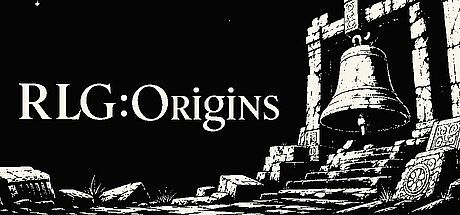



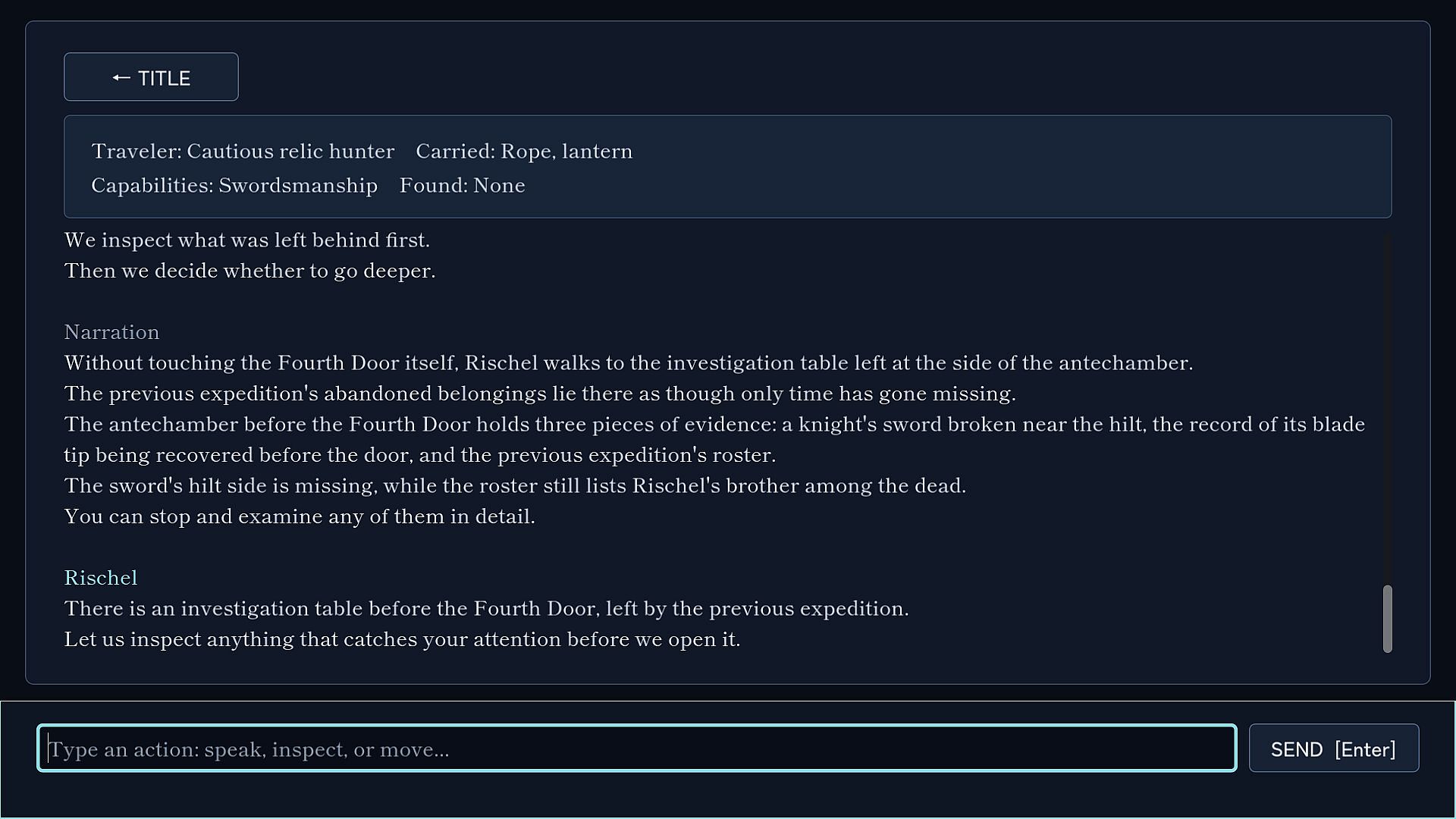
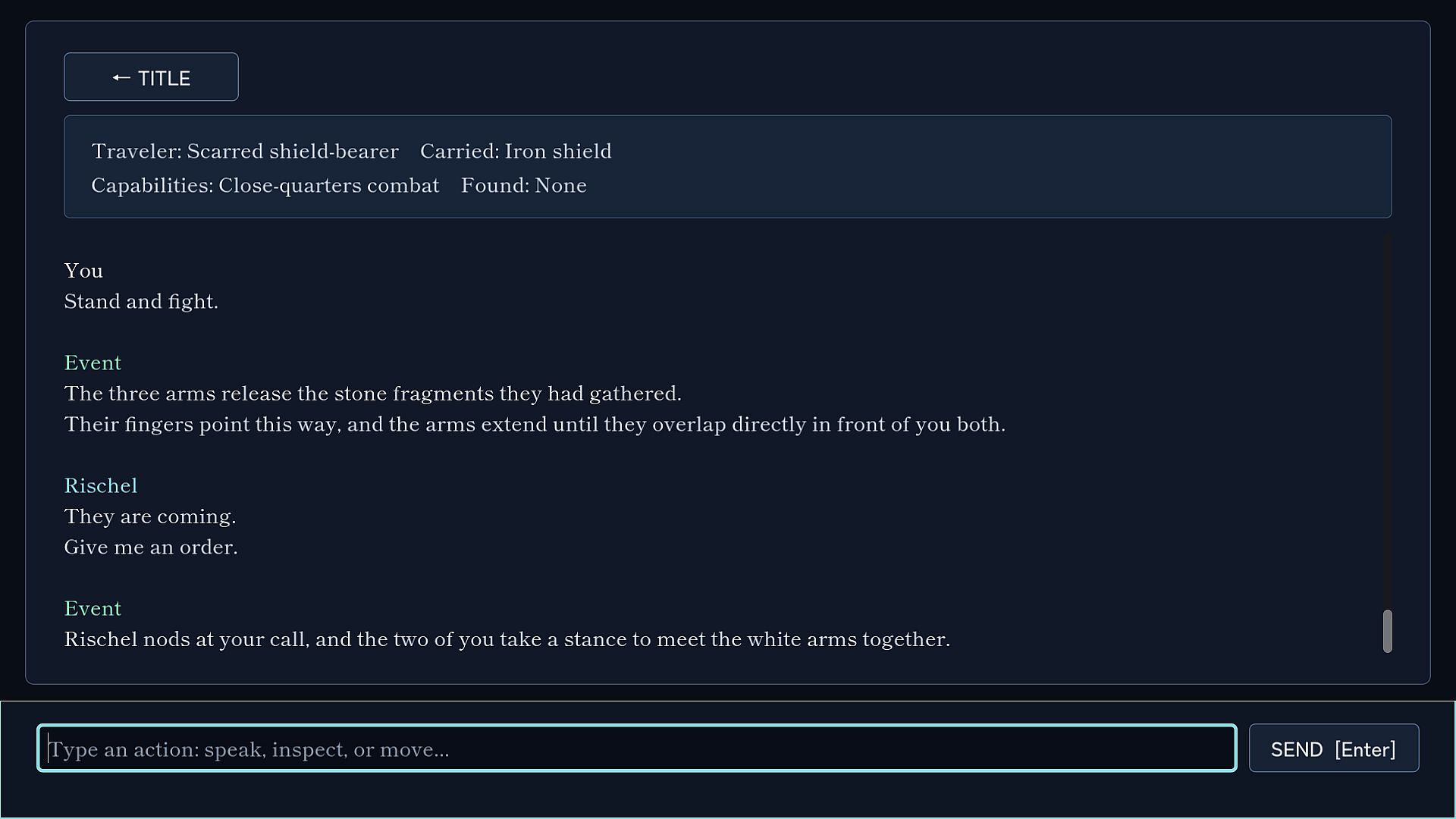
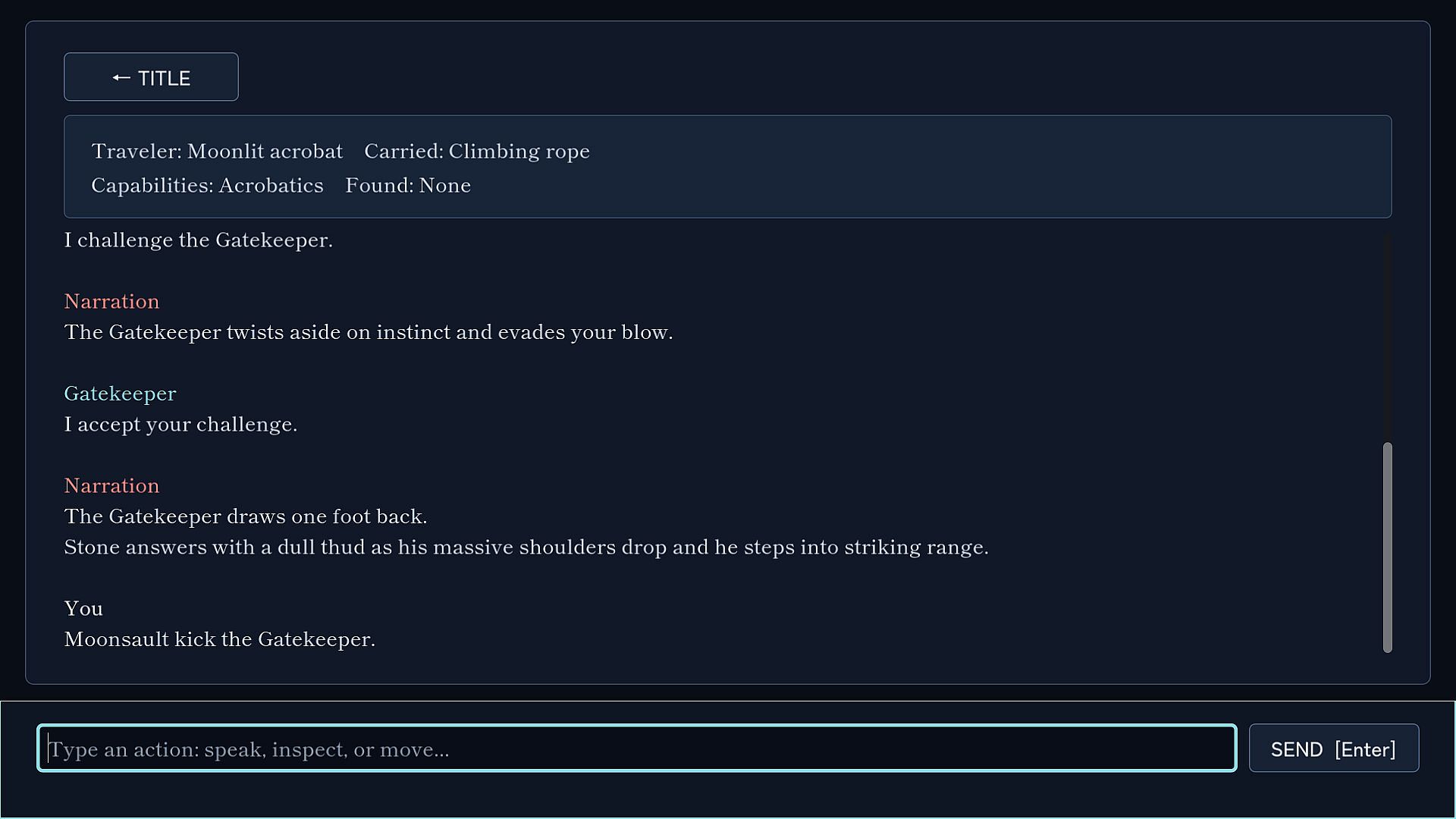
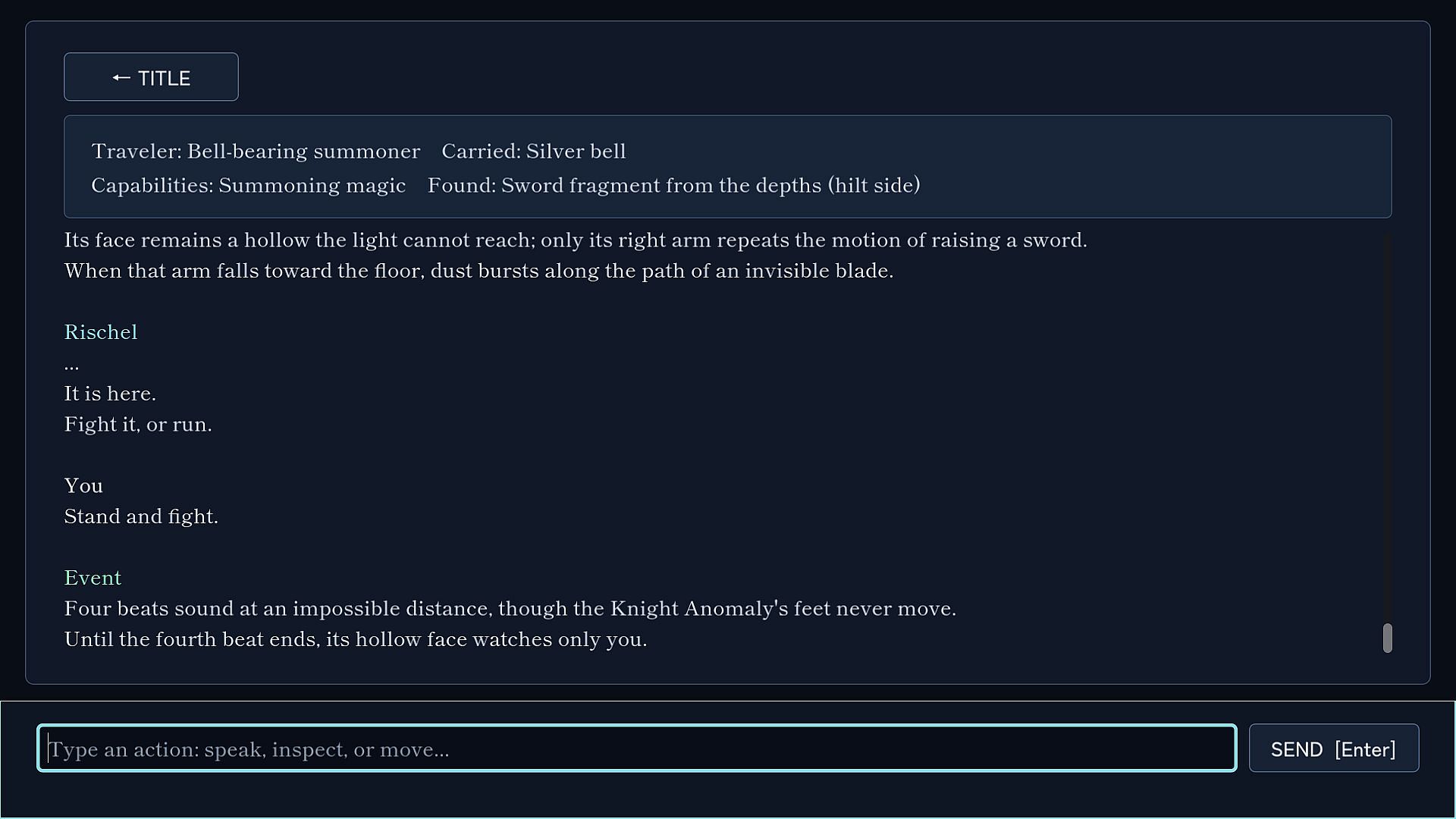
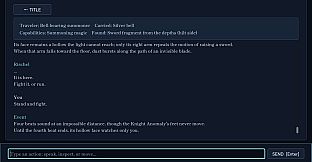
RLG:Origins is a single-player RPG in Early Access on PC that replaces traditional dialogue trees with free-form text input. Players describe actions in their own words to explore Asteria, the Labyrinth of Oaths, a high-fantasy setting where an ancient promise continues to shape events long after its original purpose ended. The game pairs the player with one of three companions, each bringing distinct knowledge and perspectives that influence what evidence surfaces and which paths remain open.
Gameplay
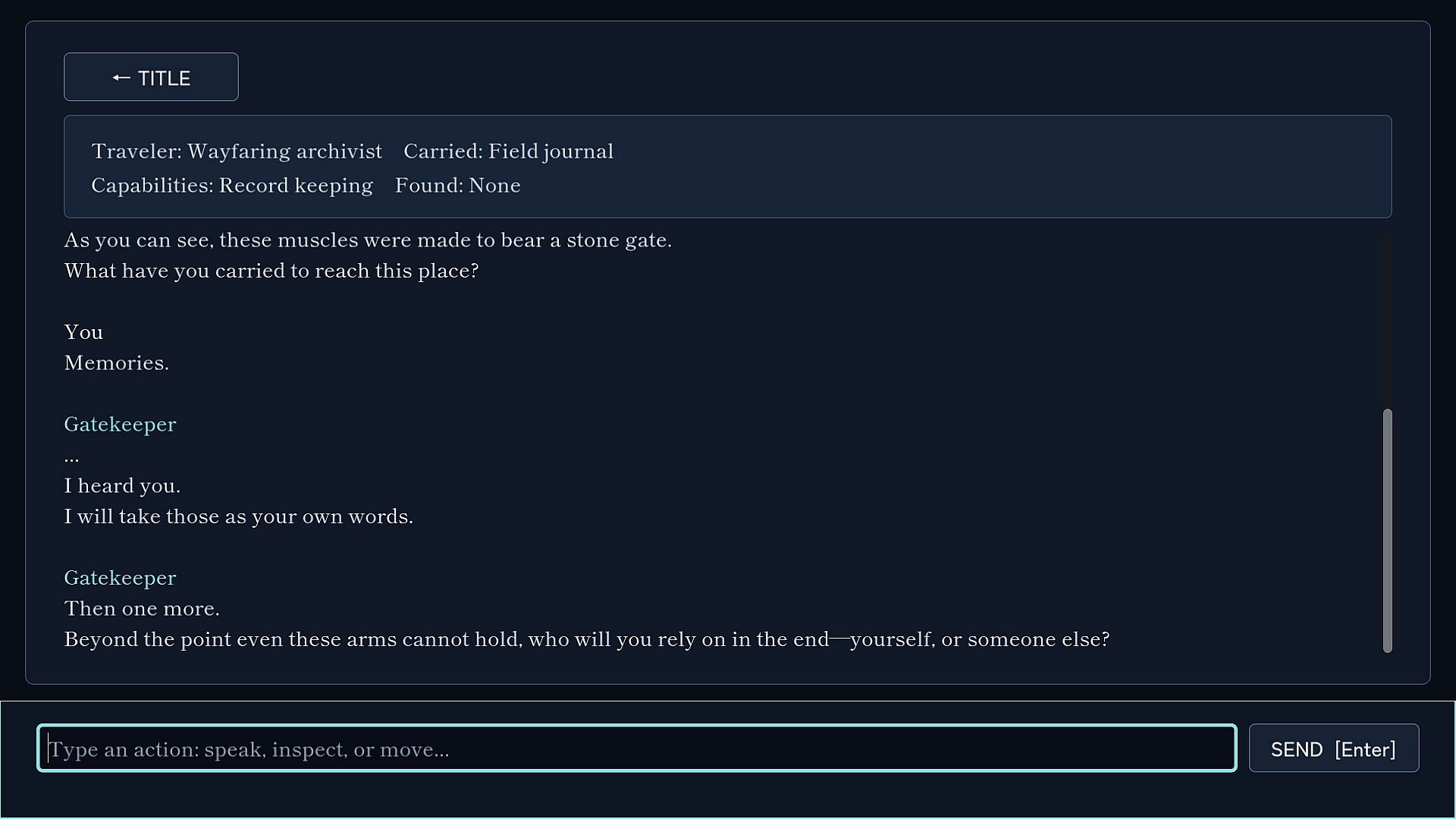
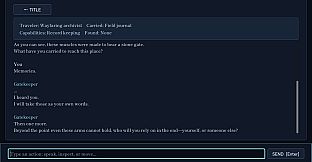
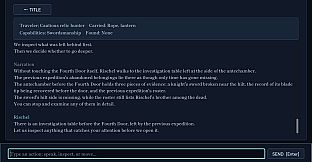
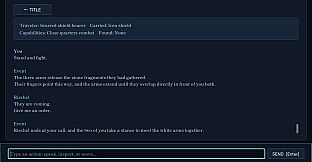
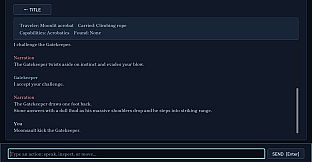
The core loop centers on investigation, negotiation, and combat resolved through natural language rather than menus. A player might type commands to swing a weapon, cast a spell, examine an object, question a companion, or attempt something unexpected like preparing a meal or interacting with the environment in unconventional ways. An AI system interprets these inputs to generate responses while a separate deterministic rules engine validates outcomes and enforces the world's fixed facts. Success depends on observation, hypothesis formation, and careful wording because persuasion has limits and missing evidence stays lost.
Companion choice alters available information and dialogue reach. One companion may hold secrets that unlock certain negotiations, while another provides combat advantages or different fears that affect group dynamics. Expeditions demand attention to detail since defeating foes does not always resolve underlying conflicts, and proving a truth requires more than stating it. Many runs end without full resolution, yet inventive approaches can still advance the story.
Character creation and saving systems support repeated attempts. The Early Access build covers the first two chapters of a planned three-chapter narrative, with local AI handling input interpretation on the player's device and no external data transmission required after installation.
Game Modes
RLG:Origins operates entirely as a single-player experience with no multiplayer components. The primary mode follows the labyrinth expedition structure, where players select one companion and progress through narrative branches shaped by accumulated evidence, trusted allies, and accepted responsibilities. Multiple playthroughs reveal variations because companion selection and prior actions change what remains discoverable on subsequent runs.
Retry mechanics allow players to revisit failed expeditions with new approaches. The rules system prevents arbitrary rewrites of established facts, so outcomes stay consistent with prior choices even across different attempts. No additional modes such as competitive, cooperative, or endless variants appear in the current build.
Story and Setting
The narrative unfolds beneath a starlit land in Asteria, where a broken oath forces participants into predetermined roles. Players approach the sealed Fourth Door alongside their chosen companion to intervene in the promise's lingering effects. Endings emerge from the full record of learned facts, trusted individuals, preparations made, and consequences accepted rather than from any single decisive input. No resolution preserves every element, leaving each completed expedition as a unique record tied to that specific pairing and sequence of decisions.
Is It Worth Playing?
RLG:Origins suits players who enjoy text-driven RPGs and experimental mechanics that emphasize personal phrasing over preset options. The Early Access version delivers playable content through the first two chapters with core systems for free-form actions, companion interactions, and rule-based resolution already functional. Those drawn to games where responsibility for wording and observation drives progress will find the structure rewarding, while players seeking polished full releases or varied multiplayer options may prefer to wait for further updates. The planned one-to-two-month Early Access window focuses on refining input recognition based on community input before adding the final chapter.