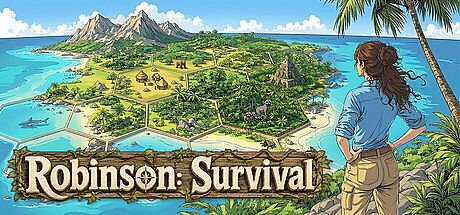


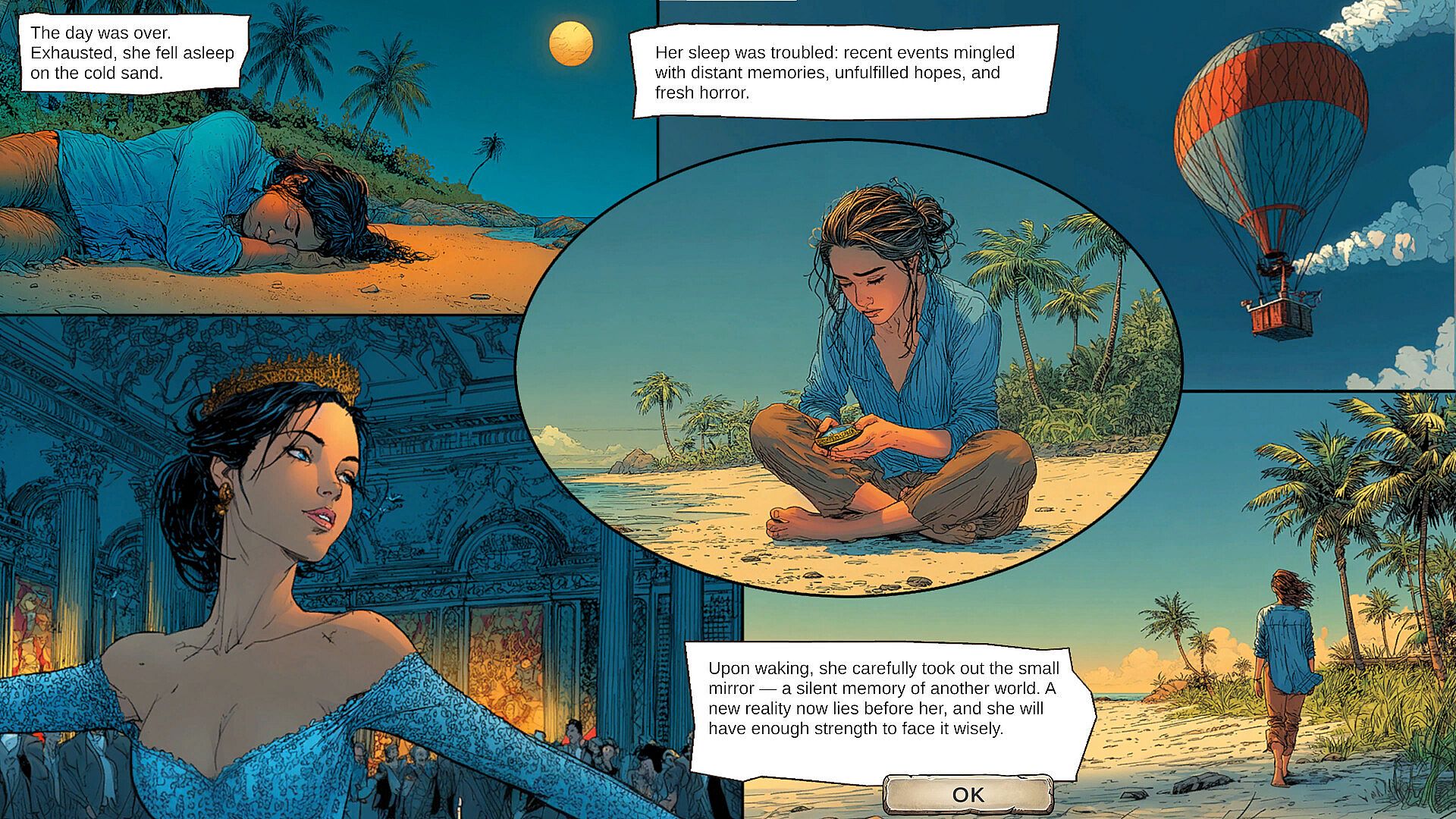
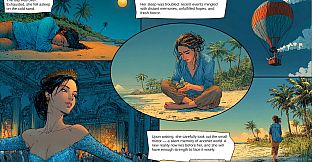
Robinson: Survival is a single-player indie adventure game that combines survival mechanics with turn-based card strategy on PC. Players take control of Miss Robinson after she washes ashore on an unknown island following a hot-air balloon crash. The core experience revolves around managing limited resources, building and refining a deck of cards, and making choices that affect both immediate survival and the unfolding story of the heroine's past and future.
Gameplay
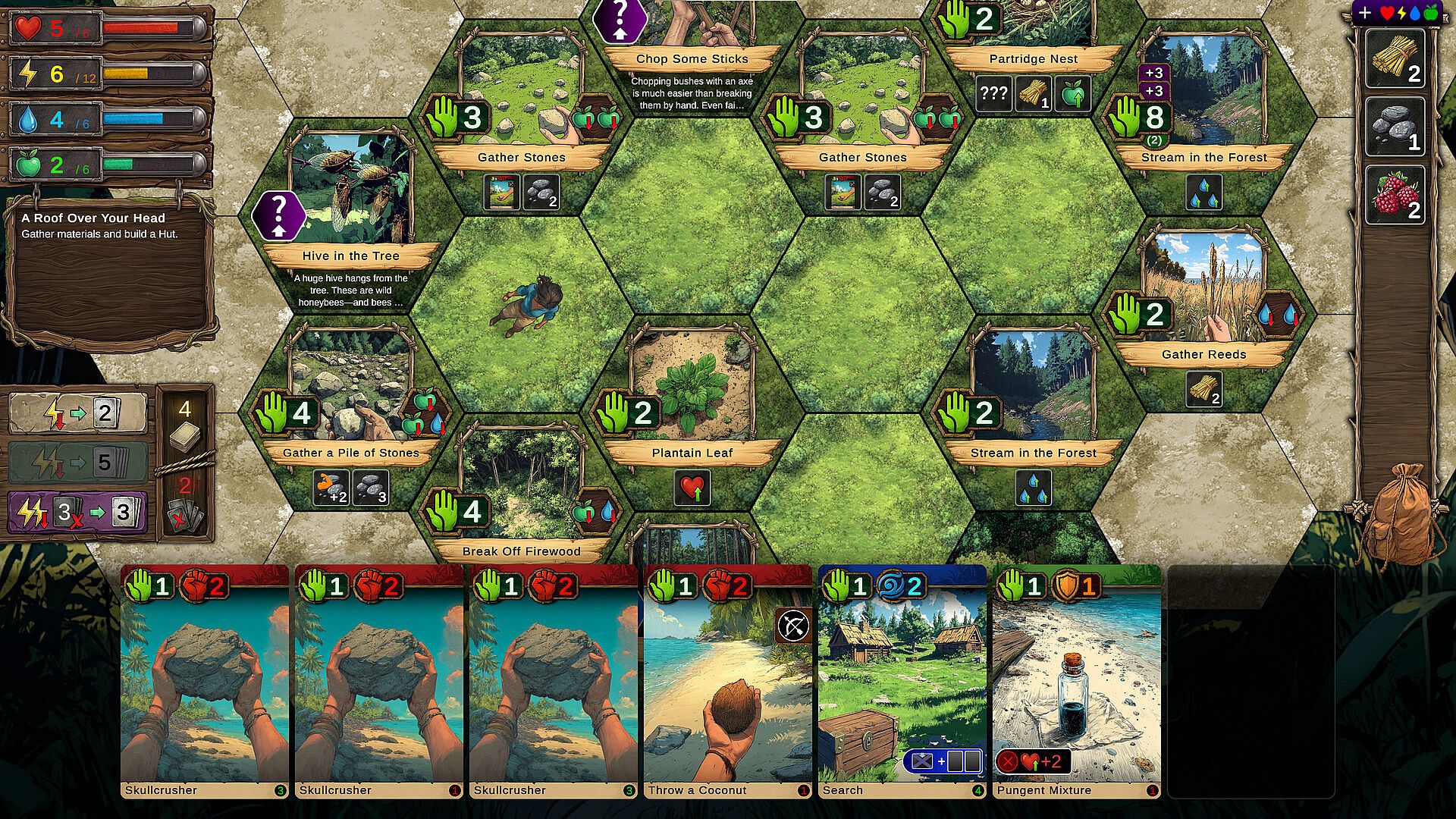
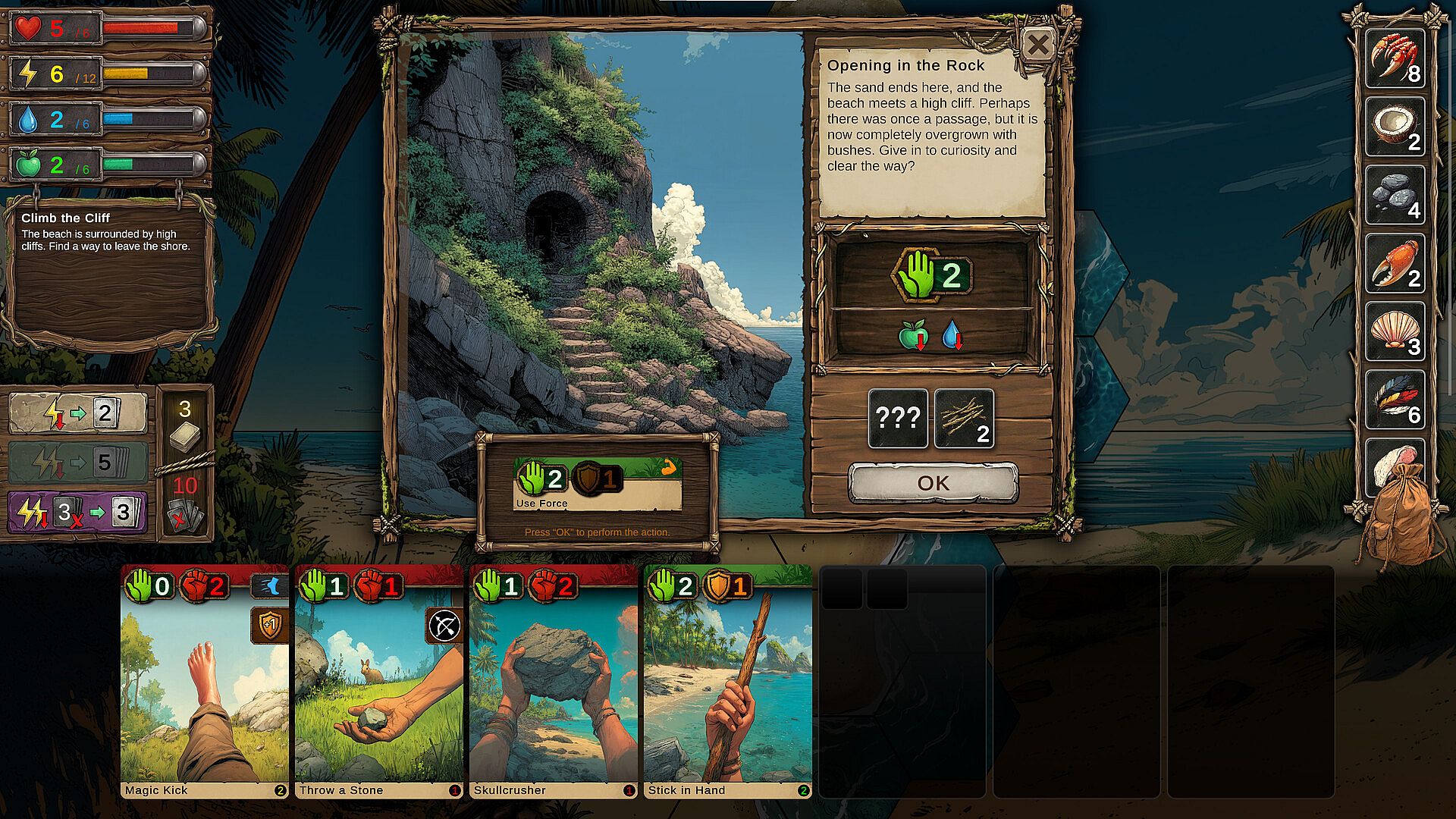
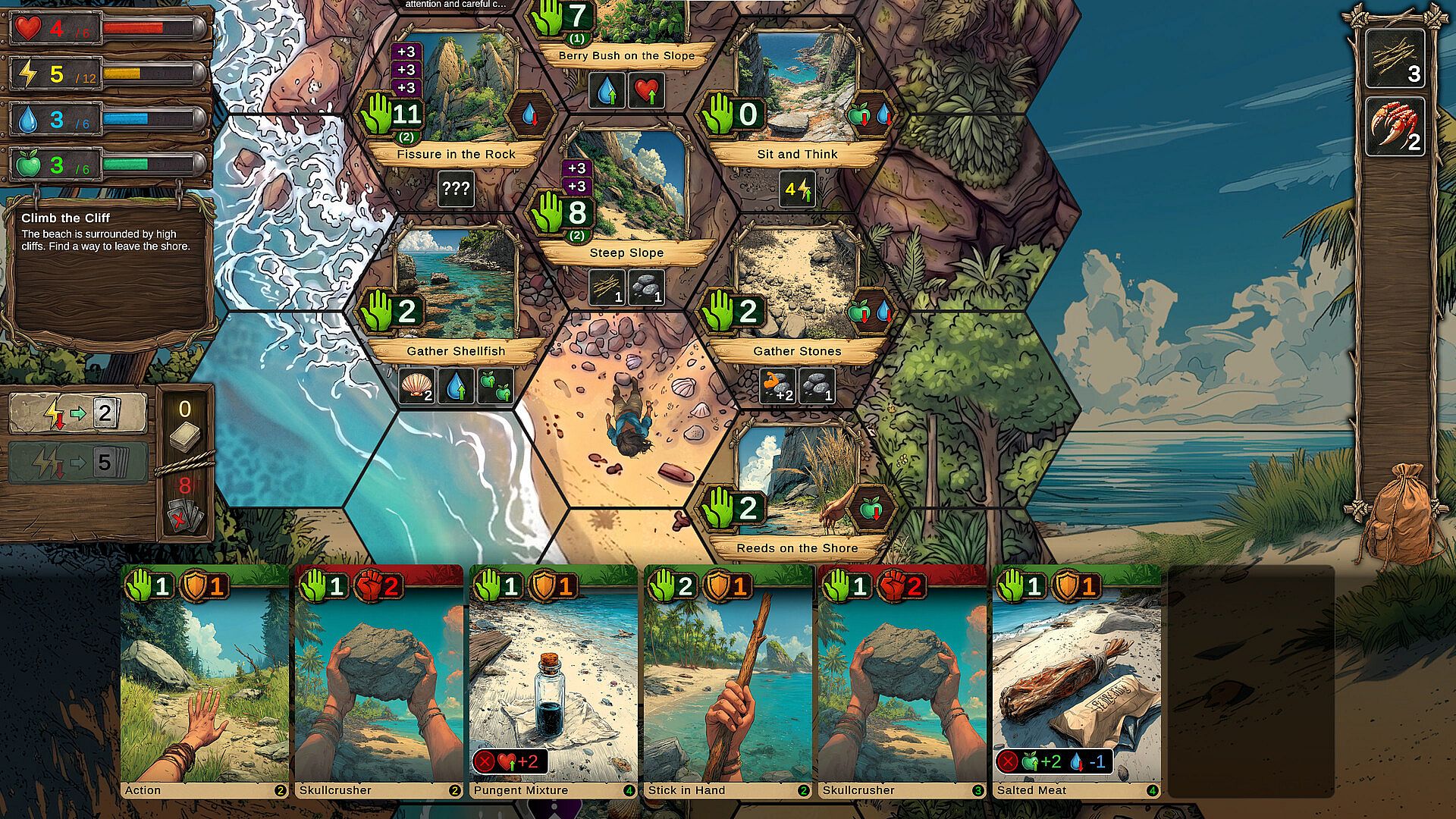
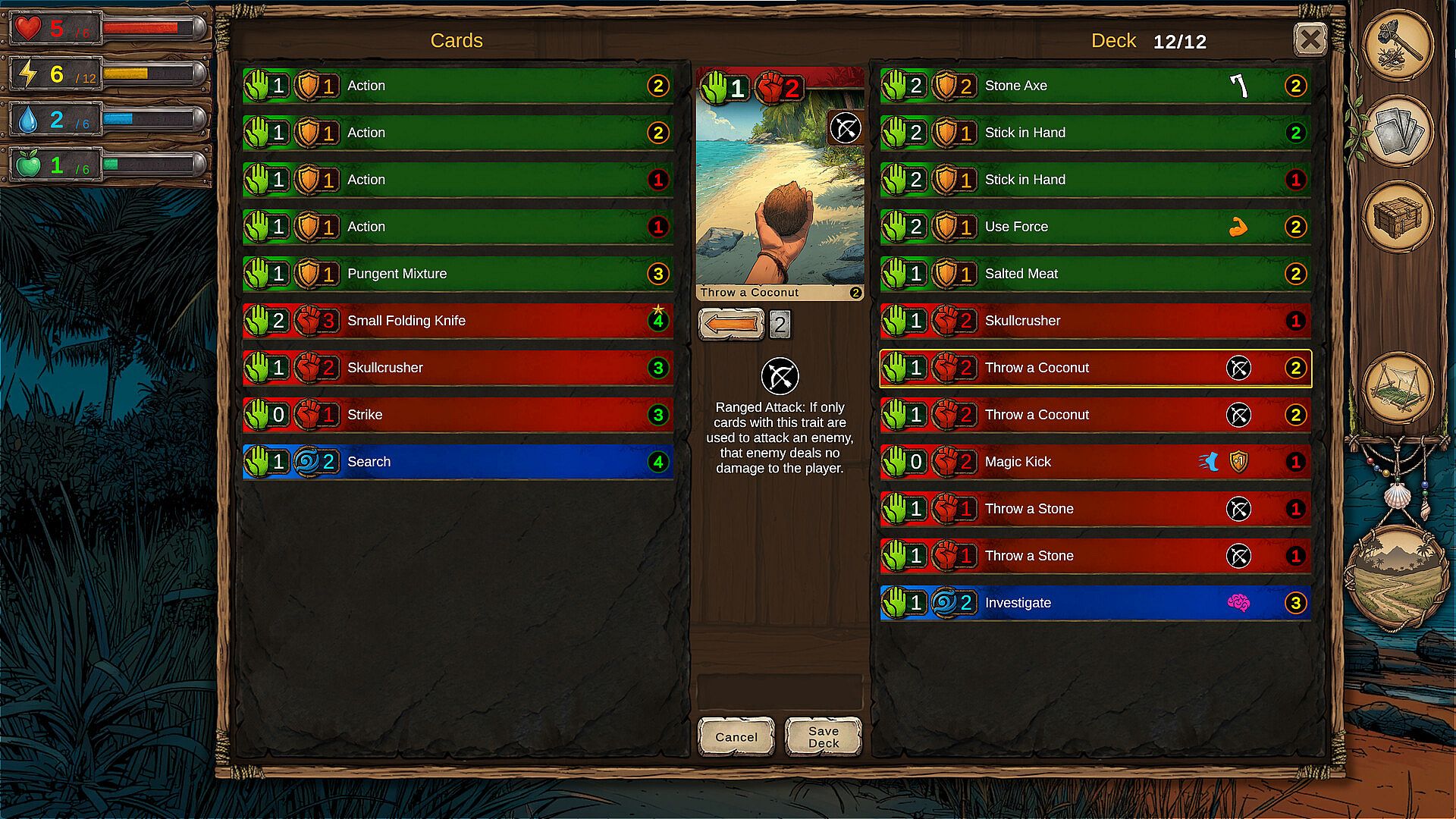
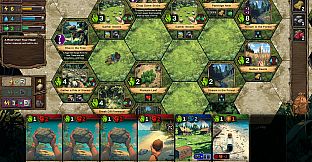
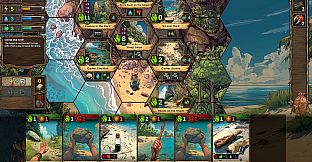
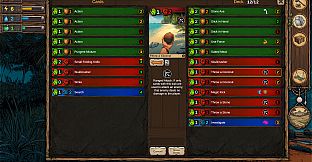
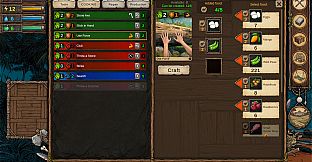
The gameplay centers on preparing for expeditions from a central camp. Before each trip, players select cards representing tools, weapons, supplies, and physical abilities to form a deck. During exploration on hex-based maps, cards are drawn randomly, and decisions involve when to draw additional cards, how to allocate energy, and whether to swap cards in hand. Limited hand size, depleting food and water, and finite energy force careful resource management at every step.
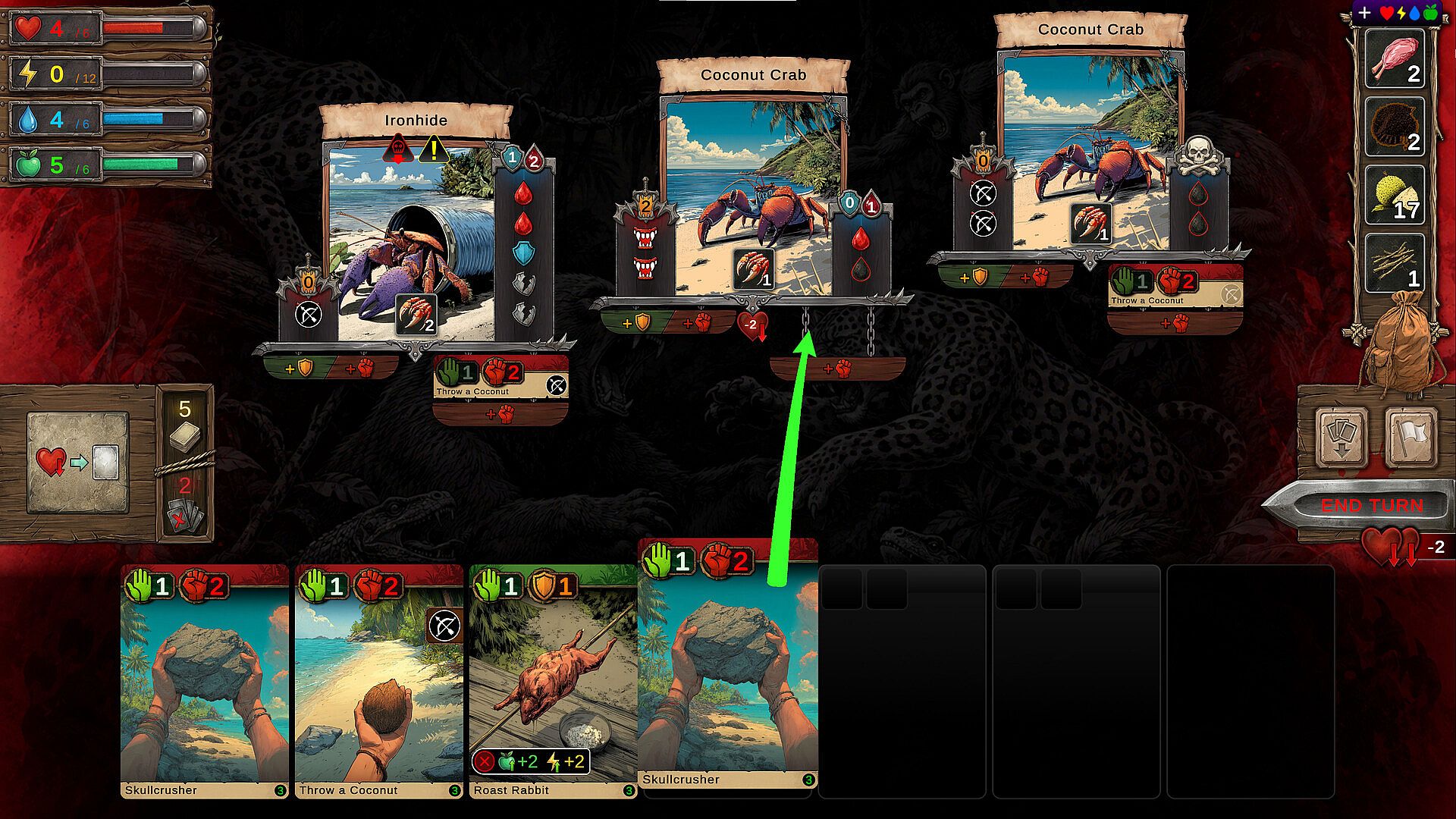
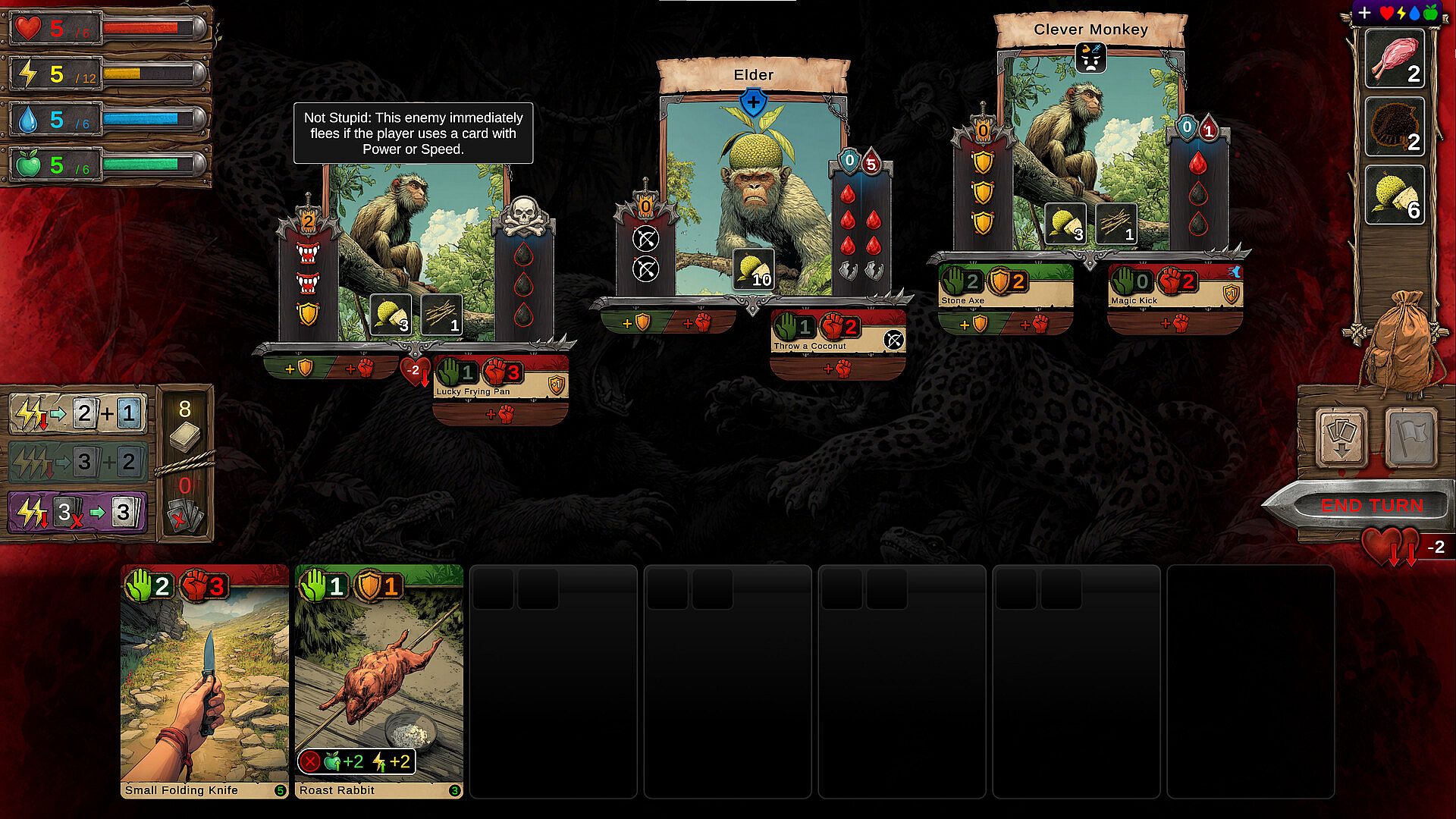
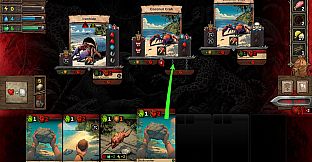
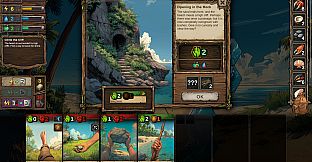
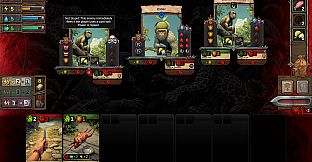
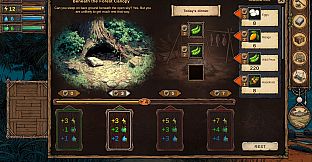
Expeditions involve traversing varied environments such as shores, forests, highlands, caves, and ancient ruins. Activities include gathering materials, locating food and water, resting at safe spots, investigating objects, discovering routes, and completing objectives. Some maps are handcrafted for story progression while others generate procedurally, creating variety across playthroughs. Combat occurs through the same card system, requiring assignment of attack and defense cards while accounting for enemy traits and behaviors. Retreat remains an option but drains health and energy.
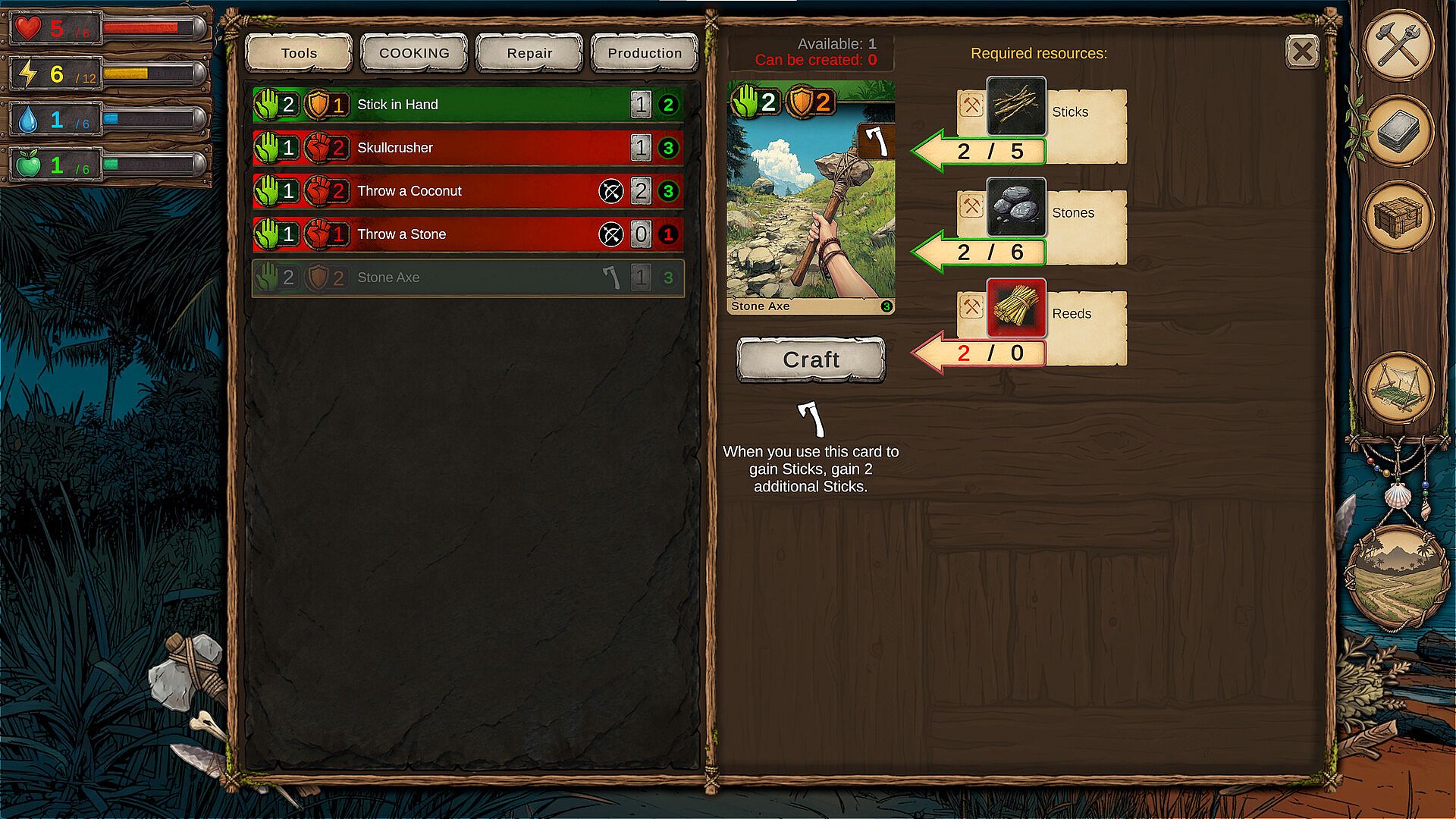
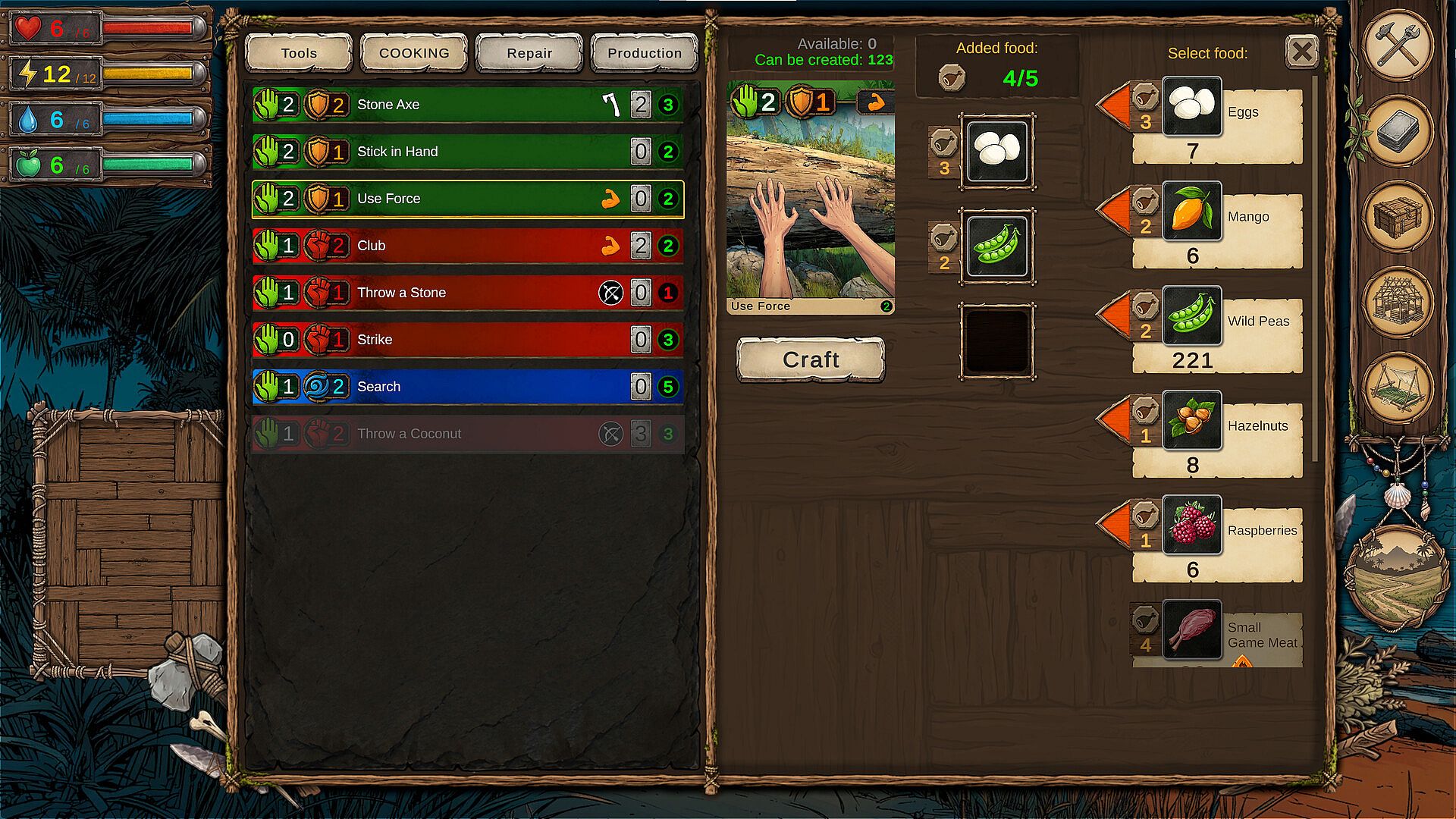
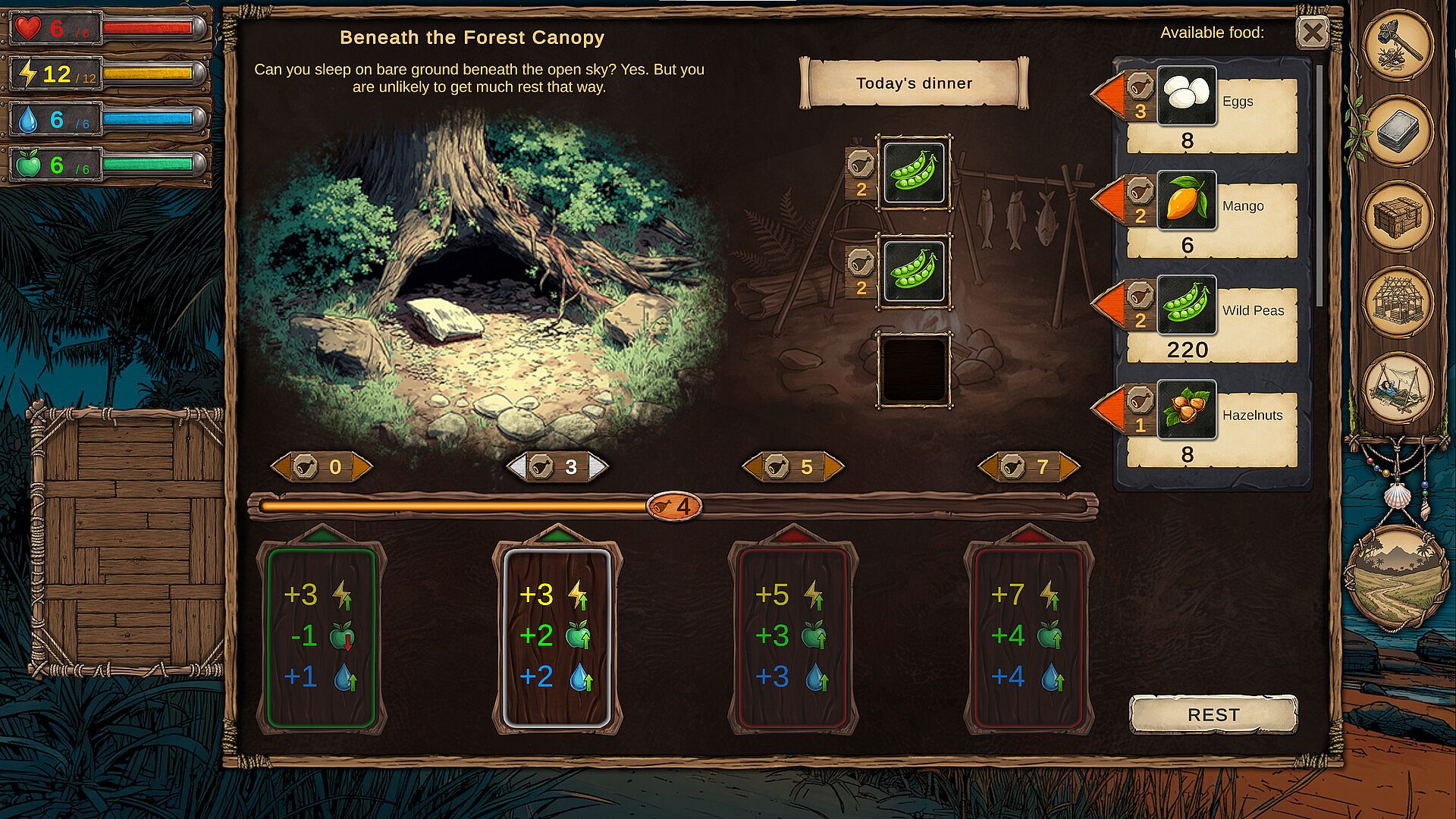
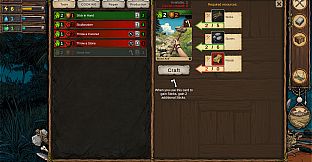
After expeditions, cards lose durability and may break, prompting replacements through crafting or discovery. Resources gathered allow camp upgrades that improve recovery, food preparation, and access to advanced recipes. Injuries require treatment at camp, and food consumption continues over time. Multiple approaches to events offer rewards or penalties with consequences that can chain across subsequent journeys.
Game Modes
Robinson: Survival offers only a single-player experience focused on a story-driven campaign. There are no multiplayer options, co-op features, or additional modes such as endless survival or competitive play. All progression occurs through sequential expeditions on a world map, with returns to camp for recovery, crafting, and preparation for the next destination. The campaign emphasizes narrative objectives that reveal details about Miss Robinson while players influence her development path through choices between technological improvements or mystical abilities.
Exploration and Progression
Hexagonal map navigation forms the backbone of exploration. Players choose routes and decide how far to push into unknown territory before returning. Discoveries yield new cards, recipes, and knowledge that permanently alter the deck and camp capabilities. Camp building starts basic with shelter and fire but expands to include defensive structures and specialized facilities that support longer or more challenging expeditions. Deck evolution happens organically as worn cards are replaced and combinations are tested against increasingly complex threats, including animals and later, more enigmatic creatures.
Story elements integrate directly into gameplay through narrative-driven objectives and branching decisions. These choices determine access to areas, acquired powers, and the heroine's ultimate direction, whether toward escape, contact with the outside world, or deeper engagement with the island's secrets. Health, energy, and supplies must be balanced against the risk of permanent losses on failed expeditions, where progress resets to the prior camp state.
Is It Worth Playing?
Robinson: Survival suits players who enjoy deliberate, resource-constrained card strategy combined with survival and light narrative elements. The single-player campaign provides a self-contained experience with meaningful deck-building, exploration risks, and decision consequences that affect both mechanics and story outcomes. Since the game remains in a pre-release state with no user reviews available, prospective players should evaluate interest based on the described systems of card durability, hex-map expeditions, and camp development. Those drawn to tactical planning over fast action or who appreciate roguelike elements in deck construction and procedural areas may find the approach engaging once it becomes available.